

A secret garden does not become convincing simply because it contains an arch, climbing roses, a bench and several decorative objects associated with romantic garden design. The feeling comes from something more structural: the garden withholds part of itself. You approach through a threshold, the next space is only partly visible, planting interrupts direct sightlines and the eventual resting place feels separated from the ordinary movement of the backyard without becoming inaccessible or completely sealed away.
That distinction is important because privacy alone does not create secrecy. A patio surrounded by tall fences may be highly private while remaining visually obvious from the moment you step outside. A secret garden works differently because the route, planting and enclosure create a sequence in which some information is revealed immediately and some remains hidden until you move farther into the space.
The strongest designs therefore begin with what should be concealed, what should remain visible and when the next part of the garden should appear. Once those relationships are established, materials such as trellis, climbers, hedges, gravel, paving, benches, lanterns and water can support the experience instead of being expected to create it on their own.
If your wider backyard currently feels visually exposed or difficult to settle in, why some gardens never feel relaxing explains how sightlines, movement, glare, sound and enclosure affect outdoor comfort. If privacy from neighboring properties is the primary problem, backyard privacy planning goes deeper into screening geometry. This article focuses specifically on turning part of the backyard into a garden within the garden, where concealment, approach and discovery become the main design tools.
A Secret Garden Needs a Threshold Before It Needs Decoration
The transition into the space is one of the most important parts of a secret garden because it tells the visitor that the environment is changing. Without that transition, even beautiful planting can read as simply another part of the backyard.
A threshold does not need to be a formal gate. It can be created by passing beneath an arch, between two dense planting masses, around the side of a hedge, through a narrow opening in a screen or beneath a tree canopy that changes the scale of the space. What matters is that the entrance feels more defined than the surrounding movement.
The strongest threshold usually reduces visibility rather than blocking it completely. If the entire secret garden can be seen perfectly through the entrance, the sense of discovery disappears. If the entrance is so closed that it resembles a barrier, the garden may feel inaccessible instead of intriguing.
A partially framed opening creates a better balance. The visitor can understand that there is somewhere to go while still needing to move forward to understand the complete space.
This is why an opening slightly narrower than the garden room beyond it can feel particularly effective. The entry compresses the experience briefly, then the space expands after the threshold. The physical dimensions may be modest, but the change in enclosure makes the destination feel more distinct.
Choose the Secret Garden Location According to Existing Separation
The easiest place to create a secret garden is usually where the backyard already contains some degree of separation.
A side garden partly screened by the house, a rear corner behind an established tree, an area beyond a hedge or a portion of the garden that is not immediately visible from the main door already provides a useful starting condition. Existing enclosure reduces the amount of new structure and planting needed to make the area feel distinct.
The most obvious empty corner is not automatically the best choice.
A corner may offer privacy while receiving uncomfortable sun, remaining constantly damp or sitting directly beside a noisy utility area. Another location may be slightly more visible initially but offer a much better canopy, outlook and connection to existing planting.
Before making permanent changes, place a temporary chair in several possible locations and spend time there during the period when the garden is most likely to be used. Notice neighboring sightlines, sun direction, wind, background sound and how much of the wider backyard remains visible.
The best location is usually the one where relatively modest design changes can create a strong sense of separation without introducing major comfort problems.
The Secret Garden Should Feel Removed Without Becoming Inconvenient
Distance can strengthen the feeling of retreat, but excessive distance can make the garden less likely to become part of ordinary life.
A hidden seat at the farthest corner of a large property may feel wonderfully secluded once someone reaches it, yet it may require carrying cushions, drinks and other items a long distance every time the space is used. If the route is awkward or the seating is rarely ready, the secret garden can become something admired rather than inhabited.
This is where the behavioral principles in why your backyard feels unused remain important. A destination can feel special while still being easy enough to enter spontaneously.
In a compact backyard, separation can come from visibility rather than distance. A seating area only a few metres from the house can feel surprisingly private when a planting mass interrupts the direct view, the path bends slightly and the entrance sits off-axis.
The goal is therefore perceptual distance rather than maximum physical distance.
Do Not Place the Entrance Directly on the Main Sightline
When the secret garden entrance sits directly opposite the rear door and the path runs straight toward it, the destination becomes visually obvious.
That can still create a beautiful formal garden, but it weakens the hidden quality.
Moving the opening slightly to one side changes the sequence. The eye sees planting first, then notices a gap or threshold, while the actual destination remains partly concealed beyond it.
This off-axis arrangement is especially useful in small gardens because it creates discovery without requiring a long path.
The path can move gently around a planting mass, pass beneath a trellis or turn around a screen before reaching the seat.
The geometry should remain simple enough that the route feels intentional rather than artificially winding. A secret garden benefits from one or two meaningful changes in direction more than from a decorative path that curves repeatedly without responding to anything.
Create One Moment Where the Garden Disappears From View
A convincing secret garden usually contains at least one point along the approach where the destination is not fully visible.
This may happen immediately after the entrance, halfway along the path or because planting temporarily blocks the direct line toward the seat.
That visual interruption gives the route a sense of progression.
Imagine walking along a path where the bench remains visible from beginning to end. The destination is clear, but there is little discovery. Now imagine the same path passing behind a shrub mass so the bench disappears briefly before reappearing from a different angle. The journey is only slightly longer, yet the spatial experience becomes much richer.
The interruption should remain compatible with movement. Planting should conceal the view without narrowing the path into an uncomfortable gap.
This is closely related to the principles used to make a small garden feel bigger, where partial concealment creates depth by preventing the entire property from being understood in one glance.
Use a Curved Path Only When the Curve Has a Reason
Curved paths are strongly associated with secret gardens because they can prevent the destination from being visible immediately.
The mistake is assuming that more curves automatically create more mystery.
A path that wanders repeatedly across a small garden can reduce usable planting space, make circulation inefficient and begin to look contrived.
The strongest curve usually responds to something substantial.
The route may bend around a tree, a deep planting mass, a screen or an existing level change. The reason for the change in direction should be legible even when the visitor does not consciously analyze it.
This makes the path feel as though it belongs to the landscape rather than having been drawn as a decorative line.
Use Planting to Hide the Destination, Not the Path
People should usually understand where to place their feet even when they cannot see the final destination.
A route can disappear partly behind foliage while remaining physically clear. Low planting beside the path, stepping stones through groundcover or a visible gravel surface can continue guiding movement.
Completely hiding the route can create uncertainty, particularly at night or for visitors unfamiliar with the garden.
The mystery should come from what lies beyond the path, rather than from making the walking surface itself difficult to understand.
A Narrow Entrance Can Make the Garden Beyond Feel More Generous
Spatial contrast is one of the most useful tools in secret-garden design.
Passing briefly through a narrower, more enclosed threshold can make the destination beyond feel larger even when its actual dimensions are modest.
This does not require creating an uncomfortable passage.
Two planting masses, a trellis opening or a hedge gap can simply create a moment where the visual width decreases. Once the visitor passes through, the planting recedes and the seating area gains more breathing room.
The effect can be strengthened by changing the canopy at the same time.
An entrance beneath foliage or an arch can feel compressed vertically as well as horizontally. If the garden room beyond opens toward more sky, the sense of arrival becomes stronger.
The transition becomes memorable because the body experiences a change in scale rather than merely seeing another piece of furniture.
Build Enclosure in Layers Instead of Surrounding the Space With One Wall
A secret garden needs enough enclosure to feel separated, but heavy screening on every side can make the space feel boxed in.
Layered enclosure produces a more convincing garden character.
A boundary fence may form the outer layer. Shrubs can soften part of it. Taller planting or a small tree can create vertical shelter. A trellis may protect one particularly exposed side, while the main forward view remains more open.
The result is privacy without visual uniformity.
This is considerably more effective than treating the space as a square room that requires four identical green walls.
Different boundaries should respond to different conditions.
The side facing a neighboring patio may require dense screening. The side facing the rest of your own garden may need only partial planting. The view toward a mature tree or attractive landscape should remain open enough that the secret garden still feels connected to something beyond itself.
You Usually Do Not Need to Enclose Three Sides Completely
Secret-garden advice sometimes treats enclosure as a fixed formula, but the correct amount depends on the site.
A chair backed against a hedge with one protected side and an overhead canopy can already feel highly sheltered when the main view ahead remains open. Another property may require stronger side screening because neighboring windows or movement remain visually dominant.
The important condition is not the number of enclosed sides.
It is whether the resting position feels sufficiently removed from direct circulation and unwanted sightlines.
This is why backyard privacy planning should guide difficult overlooking problems instead of automatically increasing the height and density of every edge.
Selective shelter creates a more nuanced secret garden because some views are withheld while others remain intentionally available.
The Seat Should Feel Discovered Rather Than Displayed
The resting place is the destination of the secret garden, so its position deserves more attention than the style of the bench or chair.
A seat placed directly in the center of the space can look formal and photogenic, but it may feel visually exposed from the entrance.
Moving the seating slightly toward one boundary often creates a stronger sense of refuge.
Planting behind or beside the seat can establish a protected background, while the view ahead remains connected to the garden.
The seating should not disappear completely into vegetation.
Someone approaching the final part of the path should eventually understand where the destination is and why the route has led there.
The strongest arrangement often reveals the seat gradually: a glimpse through foliage, a clearer view after the final turn and then a fully readable resting space after arrival.
Design the View From the Seat Before Choosing the Seat
The bench itself can be beautiful while facing the least interesting part of the property.
Before purchasing furniture, sit temporarily in the proposed position and study what the eye encounters at rest.
A layered view through planting can provide more visual depth than facing a nearby solid fence. A small tree, flowering mass, water feature or framed opening can provide a focal point without becoming overly dominant.
Utility structures and storage should ideally sit outside the central view.
If the secret garden is compact, the view may need to terminate fairly close to the seat. In that case, a textured planting composition can make the short distance feel intentional rather than cramped.
This is where the whole-backyard principles in backyard landscaping ideas remain useful because the seat, planting masses and focal point should read as one composition rather than unrelated additions.
One Seat Can Be Stronger Than a Complete Furniture Set
Secret gardens often benefit from restraint.
A single generous chair and side table can create a convincing retreat for one person. A small bench can support quiet conversation without consuming the planting around it. Two chairs facing partly toward each other can work when the garden is intended for shared use.
A complete outdoor lounge set can quickly make the space feel like a second patio rather than a hidden garden room.
The furniture should therefore correspond to the intended behavior.
If the purpose is reading, one comfortable chair may be enough. If two people regularly use the space together, a bench or pair of chairs makes more sense. If dining is the main goal, the space may function better as a secluded patio rather than as the type of secret garden being described here.
The strongest hidden spaces usually contain less furniture and more landscape around the furniture.
Planting Should Create Depth Before It Creates Variety
A secret garden can contain richly varied planting, but spatial structure should come before collecting individual species.
Begin by deciding where the planting needs to be low, medium and tall.
Low planting can keep the path readable and allow views toward selected focal points. Medium shrubs can conceal boundaries and partially obscure the next part of the route. Taller shrubs and small trees can create vertical enclosure, filtered shade and a stronger sense of being within the garden rather than simply beside it.
Once those roles are clear, individual species can be chosen according to the local growing conditions, mature size and maintenance requirements.
This approach avoids a common problem where many beautiful plants are purchased individually but none produces enough mass to shape the space.
A secret garden feels immersive because vegetation creates layers around the experience, not because every visible plant is different.
Use Foliage as the Permanent Structure and Flowers as the Changing Layer
Flowers can provide color, fragrance and seasonal character, but foliage usually carries more of the spatial work.
Leaves create the screening, canopy, texture and visual mass that remain important even when flowering periods end.
This makes foliage particularly valuable around entrances and seating because those parts of the garden still need structure outside peak bloom.
Flowering plants can then become seasonal moments within the stronger green framework.
A climber may soften an arch. A flowering shrub can become a focal layer. Perennials can introduce changing color beside the path. None has to carry the entire garden on its own.
The result is a secret garden that remains spatially convincing even when fewer plants are flowering.
Do Not Choose Climbers Only Because They Look Romantic in Photographs
Climbing roses, jasmine, clematis, wisteria and many other climbers are strongly associated with secret-garden imagery, but their suitability depends on climate, support, mature growth and maintenance.
The structure must be able to support the plant when it is mature rather than only when it is newly planted.
A vigorous climber can overwhelm a small arch or lightweight trellis. Another plant may remain too sparse to provide the amount of screening expected. Some locations may not provide the light or soil conditions required for good performance.
Choose the spatial job first.
If the entrance needs a soft flowering frame, select a climber that can perform that role in the site’s actual conditions. If the objective is dense evergreen screening, a completely different plant may be more appropriate.
The romantic effect should come from a healthy plant performing naturally rather than from forcing a famous “secret garden” species into an unsuitable position.
Use Fragrance Close to Where People Pause
Fragrant plants are most useful when they can actually be experienced.
A strongly scented plant at the far edge of the garden may contribute little to someone sitting several metres away, while a more modestly fragrant plant beside an entrance or resting area can become part of the experience every time the space is used.
The entrance is a particularly effective position because fragrance can mark the transition into the secret garden.
Planting beside the seat can also work well when the scent is comfortable at close range.
The intensity and seasonal timing should be considered rather than assuming stronger fragrance is always preferable.
Different people experience scent differently, and a space intended for long periods of sitting should remain pleasant rather than overwhelming.
Let Some Plants Cross the Visual Edge of the Path
Perfectly trimmed planting aligned several centimetres away from both sides of a path can make the route feel formal and highly controlled.
A secret garden can often tolerate more visual softness.
Selected foliage can overlap the path edge slightly, allowing the planting to appear as though it is beginning to reclaim the route.
The path still needs to remain physically clear and safe to use.
The effect comes from visual overlap rather than forcing people through wet leaves, thorns or dense growth.
This distinction allows the garden to feel established without sacrificing practical movement.
A Secret Garden Should Contain One Strong Focal Point, Not Several Competing Ones
The final destination benefits from something that rewards arrival.
This could be a small fountain, birdbath, specimen plant, sculpture, unusual pot, framed view or simply the seating itself beneath a strong canopy.
The focal point should correspond to the view from the seat and the approach toward the garden.
Several equally strong features weaken this hierarchy.
A fountain, sculpture, brightly colored bench, decorative mirror and ornate lantern collection can each attract attention until the small space begins feeling staged.
Choose one feature with enough presence to matter and let the surrounding planting support it.
Decoration can then remain secondary, following the same editing principles used in cute backyard decorating ideas.
Water Works Best When You Can Hear It From the Seat
A small water feature can be particularly effective in an enclosed garden because movement and sound add another sensory layer.
Its location matters more than its size.
A modest fountain close to the seat may influence the experience much more strongly than a larger feature hidden too far away to hear clearly.
Water can also become the focal element that rewards the end of the path.
Maintenance should remain realistic.
A feature that requires more cleaning, pump care or seasonal management than the household wants to provide can undermine the low-effort retreat the garden was intended to become.
The strongest water feature is therefore one that performs a clear sensory and visual job without introducing disproportionate maintenance.
Keep the First View Quieter Than the Final View
The entrance should create curiosity rather than revealing every decorative detail immediately.
This can be achieved through visual hierarchy.
The approach may use mostly foliage, a simple path and one threshold. The richer flowering, seating, focal feature or decorative detail can appear farther inside.
This sequence makes the destination feel more rewarding.
If the entrance already contains the brightest flowers, strongest ornament, lighting and decorative objects, the visual experience reaches its peak before the visitor has actually entered.
The secret garden becomes stronger when the design deliberately saves something for the end of the route.
Use Lighting to Reveal the Secret Garden Slowly After Dark
A secret garden can become even more convincing after sunset because darkness naturally conceals parts of the landscape. The mistake is to eliminate that advantage by lighting every path edge, boundary, tree and decorative feature at the same brightness. When the whole garden becomes equally visible, the visual sequence disappears and the space begins to feel more like a small illuminated courtyard than a hidden retreat.
The stronger approach is to preserve the same hierarchy used during the day. The route should remain understandable, the entrance should be recognizable, the seating area should have enough light for the activity, and one focal element deeper within the space can provide visual depth. Areas between those elements can remain darker so the eye experiences several layers rather than one fully exposed perimeter.
This works particularly well where the path bends before reaching the destination. A restrained light near the threshold can establish the entrance, while the final seat remains only partially visible. Another small light farther inside can reveal planting or a focal feature without exposing every boundary around it.
The lighting should never make the route difficult to navigate in the name of mystery. Steps, level changes and important walking surfaces need appropriate visibility, while decorative darkness should remain in areas where movement does not depend on seeing every detail.
The wider principle is similar to the lighting strategy used to make a small garden feel larger at night, where selected depth usually creates a richer spatial experience than outlining the complete boundary.
Avoid Creating a Bright Ceiling of String Lights Over the Whole Space
String lights can make an outdoor room feel warm and intimate, especially when they define a pergola or small seating zone. Covering the entire secret garden with several crossing strands can work against the hidden character because the overhead plane becomes visually continuous and easy to understand.
If string lighting suits the style, concentrate it around the final destination rather than stretching it across the whole route.
A short run above a bench or beneath a pergola can signal arrival. The path approaching that space can remain more restrained, allowing the transition from darker planting into a warmer destination to create contrast.
This creates a stronger sense that the visitor has reached somewhere distinct.
The same lighting detail becomes more memorable because it is concentrated instead of repeated everywhere.
Lanterns Should Mark Important Moments Rather Than Every Few Steps
Lanterns are often associated with secret gardens because they introduce low warm light and decorative character. A series positioned at regular intervals along the entire path can quickly become repetitive, especially in a compact space.
Use them where the route changes or where the visitor pauses.
One lantern near the entrance can mark the threshold. Another beside the seat can reinforce the destination. A third may work near a focal plant or water feature if that location deserves attention.
The objects should still remain outside the main circulation line.
A lantern placed directly at the turning point of a narrow path may look charming in a photograph while becoming something people repeatedly step around.
Choose Materials That Become Quieter With Age
A secret garden often feels more convincing when materials appear settled into the landscape rather than visually separate from it.
Natural-looking stone, timber, gravel, brick and restrained exterior finishes can work particularly well because planting can soften their edges over time. The garden begins to feel as though the path, threshold and seat belong together rather than appearing as several recently installed products.
This does not mean every secret garden needs deliberately rustic materials.
A contemporary secret garden can use clean stone paving, dark metal screens and restrained modern furniture while still creating mystery through sightlines and planting. The spatial sequence matters more than whether the materials look traditional.
The useful principle is visual integration.
Materials should support the garden atmosphere without becoming so decorative that they compete with the planting and the experience of discovery.
Use Fewer Hardscape Materials Than You Think You Need
A small hidden garden can become visually fragmented when the entrance uses brick, the path changes to gravel, the seating platform changes again to timber, a decorative border introduces another stone and the focal feature uses a fifth finish.
Each material change creates another visual event.
A simpler palette usually creates more continuity.
One path material can continue through the threshold and into the destination. A second material may mark the seating area where there is a genuine functional change. Planting can then provide most of the variation.
This restraint also helps the space feel established because the eye reads the route and destination as one landscape rather than a sequence of small construction features.
Gravel Can Strengthen the Sense of Arrival When It Has a Clear Role
Gravel can work particularly well in secret gardens because its texture creates a different sensory experience underfoot while remaining visually softer than large areas of paving.
It can define the final garden room, form a secondary path or create a surface around a bench where full paving would feel too formal.
The transition should still be deliberate.
Changing from one surface to gravel simply because the garden is supposed to feel informal can create unnecessary fragmentation. The material change becomes stronger when it corresponds to the moment of arrival or a genuine shift in how the space is used.
Maintenance also matters because gravel behaves differently around falling leaves, nearby planting and frequently travelled routes.
The material should suit the actual site conditions rather than being selected only because it appears romantic in garden photography.
Do Not Use a Decorative Arch Unless It Creates a Real Threshold
An arch becomes powerful when it marks the point where the garden experience changes.
Placed randomly over an open path with no planting, enclosure or spatial transition around it, the structure becomes an ornament that people walk through without feeling that they have entered somewhere different.
The surrounding landscape should support the arch.
Planting can partially wrap the posts. A hedge or trellis can extend from one side. The path may narrow slightly beneath it before opening beyond. A climber can eventually soften the structure while preserving enough clear headroom for comfortable movement.
The strongest arch therefore works as part of a boundary rather than standing alone.
The reader should be able to understand what is outside the secret garden and what is inside it.
A Gate Can Increase Secrecy, but It Is Not Always Necessary
A gate creates a stronger psychological threshold because the visitor must physically open something before entering.
This can work beautifully where the secret garden occupies a genuinely distinct part of a larger property.
In smaller backyards, a gate can feel unnecessarily formal or consume valuable width when planting already creates enough separation.
The decision should depend on how strongly the secondary garden needs to feel detached.
A simple opening in a hedge may produce sufficient transition. A trellis with no gate can feel lighter. A partially concealed path around a screen can create secrecy without any architectural entrance at all.
The secret-garden effect comes from controlled revelation, so the gate is only one possible method rather than a required ingredient.
Use a Pergola When the Final Destination Needs a Stronger Ceiling
A pergola can transform the resting area into a clearly defined outdoor room because it establishes an overhead plane above the seat.
This is particularly useful where the secret garden otherwise feels exposed vertically.
The structure can also support climbing planting, localized shade, lighting and directional privacy, allowing one element to perform several compatible jobs.
Its size should correspond to the final activity rather than to the dimensions of the entire hidden garden.
A pergola that covers almost everything can remove the contrast between approach and destination. A smaller structure above the bench or conversation area creates a stronger sense of arrival because the visitor moves from open or partially enclosed planting into a more defined room.
The same principle applies when using an existing tree canopy instead of a constructed structure.
What matters is the change in overhead enclosure.
A Tree Can Create a More Natural Secret-Garden Ceiling
A well-positioned tree can create canopy, filtered shade and vertical scale while requiring relatively little permanent structure at ground level.
The trunk can sit outside the main circulation while the canopy stretches across part of the resting area.
This can make the destination feel immersed in the landscape rather than covered by architecture.
The mature canopy matters far more than the tree’s size when purchased. Species selection should therefore consider mature spread, climate, soil, root space, nearby structures and maintenance rather than simply whether the young specimen fits visually on planting day.
A tree can also contribute to privacy against elevated neighboring views, connecting the secret-garden strategy with the directional sightline principles explained in backyard privacy planning.
The strongest result occurs when the canopy solves several conditions at once without overwhelming the limited garden beneath it.
Make the Garden Feel Older Than the Installation
Secret gardens often feel convincing because they suggest that the landscape has existed long enough for planting, structure and path to merge.
You do not need to artificially distress materials or cover everything in decorative moss to create that impression.
The effect can come from allowing planting to overlap selected edges, avoiding excessive alignment, repeating mature-looking foliage masses and choosing materials that do not appear visually isolated from their surroundings.
New planting should still have enough room to develop naturally.
Trying to create an instantly overgrown appearance by planting everything too closely can produce maintenance problems once the plants reach mature size.
The better objective is to design for future interconnection.
A climber can eventually soften an arch. Shrubs can begin closing small gaps. Groundcover can spread toward the path edge. The garden becomes richer over time without requiring every surface to be covered immediately.
Do Not Confuse Overgrown With Secret
Dense vegetation can make a space feel hidden, but uncontrolled growth can also reduce light, circulation and comfort.
A successful secret garden still needs hierarchy.
The path should remain readable. The entrance should remain passable. The seat should have enough clear space around it to be used naturally. Important views should be framed rather than completely swallowed.
Planting can feel abundant while still being managed.
Selective pruning can preserve layered depth without turning every shrub into a formal clipped shape. Groundcover can soften edges without taking over the walking surface. Climbers can appear generous while being controlled around doors, lights and structural connections.
The objective is lushness with enough editing that the garden remains inviting.
Use Maintenance to Preserve Mystery Rather Than Remove It
Maintenance does not have to make the secret garden visually rigid.
The purpose is to preserve the relationships that create the experience.
Keep the path open enough for comfortable movement. Prevent one aggressive plant from closing the threshold completely. Maintain the focal view from the seat. Preserve enough light that lower planting continues performing well. Keep water features and furniture usable without making preparation burdensome.
Other areas can remain softer.
A little foliage overlap, seasonal leaf fall or natural variation may suit the character better than keeping every edge perfectly crisp.
The maintenance strategy should therefore identify what must remain controlled and what can be allowed to change.
A Secret Garden That Takes Too Long to Prepare Will Eventually Feel Abandoned
The final destination should be ready enough that someone can use it without completing a lengthy setup routine.
If cushions need to be collected from the house, the seat needs cleaning, the path needs clearing and lighting requires several separate actions every time, spontaneous use becomes less likely.
Nearby storage can help.
A small protected storage bench or another unobtrusive solution can keep frequently used items close without turning the secret garden into a utility zone.
The same principle applies to maintenance-intensive decorative features.
Every additional accessory has to survive weather, be cleaned or be stored. A simpler destination with a comfortable seat, strong planting and one meaningful focal element can remain more inviting over time than a heavily styled area that constantly needs resetting.
The Secret Garden Should Change Through the Seasons
One of the strengths of a garden-based retreat is that it does not need to look identical throughout the year.
Spring can emphasize emerging foliage and flowering climbers. Summer may bring denser enclosure and deeper shade. Autumn can introduce seed heads, changing foliage and lower light. Winter may reveal more of the structure, path and architectural framework.
This seasonal variation can actually strengthen the sense of discovery.
The garden that feels deeply enclosed during one period may become more open during another. A view concealed by deciduous foliage can reappear temporarily. A flowering focal plant may dominate for several weeks before returning to a quieter supporting role.
Designing with that cycle in mind creates a richer experience than expecting every plant to provide maximum screening, color and interest continuously.
Where year-round privacy is necessary, evergreen structure can remain in the critical sightlines while more seasonal planting provides the changing character elsewhere.
Do Not Depend on Flowers for the Entire Secret-Garden Effect
A garden dominated by flowers can look spectacular during peak bloom and comparatively empty outside that period.
Permanent structure should come from foliage, branching, architecture, path geometry and the relationship between spaces.
Flowers then intensify selected moments.
This approach also helps avoid a garden where many species compete for attention simultaneously.
One flowering climber at the entrance, a seasonal planting group near the seat and a quieter foliage framework can create a more memorable sequence than distributing strong flowers evenly through every layer.
The hidden character should remain even when the floral display changes.
A Secret Garden Can Work in a Very Small Backyard
Large properties make concealment easier because distance naturally separates the hidden garden from the house.
Small gardens can achieve the effect through geometry.
A deep planting mass can interrupt the direct view. The path can turn slightly. A trellis can create a threshold. A bench can sit behind the planting rather than beyond a long route.
The secret destination may only be several metres from the house, yet the visual interruption makes it feel much farther away.
This is one reason the techniques used to make a small garden feel more spacious work particularly well here. Both approaches rely on partial concealment, layering and preventing the complete space from being understood immediately.
The secret garden simply takes those principles further by turning discovery into the main objective.
Do Not Build a Tiny Room Inside an Already Tiny Garden
A compact secret garden still needs enough space around the seat to feel comfortable.
Tall screening, dense planting, a pergola, decorative pots, a fountain and several pieces of furniture can consume the entire footprint quickly.
The solution is to concentrate on the elements that create the hidden effect most efficiently.
One threshold, one visual interruption, one protected seat and one focal layer may already be enough.
The wider garden should remain part of the composition rather than being sacrificed completely to create a miniature enclosed room.
This is especially important where the secret garden occupies only one corner of a small backyard. The hidden area should add depth to the property instead of reducing the rest of the garden to leftover circulation.
A Large Backyard Can Support a Stronger Journey
Larger properties can create a longer approach, but the extra distance should still contain a coherent sequence.
The route might begin near the main lawn, pass through a more planted transition, narrow beneath a canopy and finally open into the hidden garden.
The temptation is to extend the path simply because space is available.
A long route with no change in view, planting or enclosure feels like distance rather than discovery.
Use the additional garden length to create two or three meaningful transitions.
The visitor should be able to sense that the landscape is becoming quieter and more enclosed before reaching the final destination.
Common Secret Garden Mistakes
A secret garden can become decorative without becoming genuinely secret when the design focuses on recognizable products instead of spatial experience.
1. Putting the Bench in Full View From the House
When the final seat is completely visible from the main door, there is little sense of discovery. Moving the seat off-axis or introducing one planting layer between the house and destination can create a much stronger transition without requiring a larger garden.
2. Adding an Arch Without Creating a Threshold
An isolated arch over an otherwise open route functions as decoration rather than spatial transition. Connect the arch to planting, trellis or another form of enclosure so passing beneath it genuinely changes the garden experience.
3. Making the Path Curvy for No Reason
Several unnecessary bends can make a compact backyard difficult to navigate and reduce usable planting space. Let the path change direction because it responds to a tree, planting mass, screen or other meaningful landscape condition.
4. Screening Every Side Equally
Uniform tall enclosure can make the hidden garden feel like an outdoor box. Protect the strongest sightlines and allow other directions to remain softer or more open where privacy permits.
5. Revealing the Focal Point Too Early
If the bench, fountain and decorative feature are all visible from the entrance, the destination provides little reward. Allow planting or geometry to hide part of the final composition until the visitor moves farther inside.
6. Filling the Space With Romantic Accessories
Lanterns, mirrors, ornaments, decorative pots and garden art can support the atmosphere, but too many focal details turn the garden into a styled display. One or two strong details usually create more character because the planting remains dominant.
7. Planting for Immediate Density Without Mature-Space Planning
Closely packed shrubs and climbers can create instant enclosure but may overwhelm paths, structures and seating as they mature. Plan the final plant volume rather than the temporary gaps visible during installation.
8. Creating a Beautiful Seat With an Uncomfortable View
The furniture may be attractive while facing storage, neighboring windows or a visually compressed boundary. Design the view from the seated position before committing to permanent furniture or structures.
9. Making the Space Too Dark
Enclosure, canopy and dense planting can reduce daylight substantially. Secret should feel sheltered rather than gloomy, so enough open sky and filtered light should remain to support both comfort and healthy planting.
10. Requiring Too Much Setup
A hidden retreat becomes less useful when every visit requires carrying multiple cushions, cleaning furniture and preparing several decorative elements. Keep the destination sufficiently ready that entering it feels easier than preparing it.
Before and After Example – Visible Bench vs Discovered Bench
Imagine a rectangular backyard where a decorative bench sits against the rear fence and can be seen perfectly from the kitchen door.
Climbing planting surrounds the bench and the furniture itself is attractive, yet the arrangement does not feel hidden because the destination is revealed immediately.
The revised layout keeps the bench near the same rear area but shifts it toward one side. A deeper planting mass extends into the garden between the house and bench, forcing the main path to move gently around it.
From the house, only part of the bench is visible through foliage.
After the path passes the planting mass, the full seating area appears.
The garden has barely changed in physical size, but the destination now feels discovered rather than displayed.
Before and After Example – Decorative Arch vs Real Threshold
A metal arch stands over the middle of an open lawn with a path continuing directly through it toward the rear garden.
The arch contains a flowering climber, but both sides remain fully visible and the visitor experiences little change when passing underneath.
The revised design moves the arch toward a narrowing point between two planting masses.
Shrubs and climbers partially connect with the structure while preserving a comfortable opening through the middle. The path passes beneath the canopy, then the planting recedes beyond it.
The arch has not become more ornate.
Its position has changed from decoration into architecture because it now marks an actual spatial transition.
Before and After Example – Privacy Box vs Layered Secret Garden
A small corner is enclosed with tall screens on three sides to create privacy.
The resulting seat is hidden from neighbors but also loses most of its view and much of its visible sky.
The revised design keeps strong screening only along the exposed neighboring side and behind part of the seating. A small tree provides higher filtering while the forward view opens toward layered planting.
The space remains private enough for quiet use while feeling considerably deeper.
The improvement comes from different levels of enclosure, rather than maximizing screening everywhere.
Before and After Example – Overdecorated Retreat vs One Focal Moment
A secret-garden corner contains several lanterns, a mirror, patterned cushions, a colorful bench, wall art, a small fountain, numerous decorative pots and hanging ornaments.
Each item is individually attractive, but the final destination feels visually busy.
The revised version keeps the comfortable bench, reduces the textiles to one coherent palette and retains the small fountain as the primary focal point. Several pots are consolidated into one stronger planting composition, while the remaining boundaries become quieter.
The garden feels richer because attention now has somewhere to settle.
This follows the same editing logic used in backyard decorating that feels cozy without becoming cluttered.
Before and After Example – Straight Reveal vs Staggered Discovery
A narrow backyard uses a perfectly straight central path from the rear door to a small bench at the far end.
The long sightline makes the property easy to understand immediately.
The revised plan preserves the essential direction but deepens the planting from one side around the middle of the garden. The route shifts gently around that mass before straightening again toward the hidden seating.
Only part of the destination is visible from the entrance.
The adjustment is modest, yet the garden begins to feel like a sequence of spaces instead of one corridor.
The Secret Garden Planning Sequence
Step 1 – Choose the Activity Before Choosing the Style
Decide whether the garden is primarily for reading, quiet conversation, observation, reflection or another repeated use. The activity determines the seating, required comfort and how much space the destination genuinely needs.
Step 2 – Find a Location With Existing Separation
Look for a corner, side area, mature tree, hedge or architectural condition that already hides part of the site. Building on existing separation usually produces a more natural result than forcing complete enclosure into the most exposed area.
Step 3 – Identify the View That Should Be Withheld
Stand at the house and determine which part of the final garden should remain concealed. This immediately reveals where planting, screening or a change in direction needs to occur.
Step 4 – Establish the Threshold
Create one recognizable moment where the visitor passes into a different spatial condition through an arch, hedge gap, trellis, canopy or off-axis opening.
Step 5 – Design the Route Around One Meaningful Interruption
Allow the path to shift or turn because planting, a tree or another substantial landscape element prevents the destination from being revealed immediately.
Step 6 – Place the Seat According to Shelter and Outlook
Give the resting position enough protection behind or beside the body while preserving a worthwhile view ahead. Test this arrangement with temporary furniture before committing to permanent seating.
Step 7 – Build the Planting Structure
Create low, medium and tall layers according to sightlines and enclosure before selecting individual flowers or decorative species.
Step 8 – Add Vertical Structure Where It Solves a Real Need
Use a tree, pergola, arch, trellis or climber when it strengthens canopy, shade, privacy or the entrance rather than adding structure only for style.
Step 9 – Choose One Primary Focal Element
Allow the seat, water feature, specimen plant or another meaningful object to reward arrival without surrounding it with several competing focal details.
Step 10 – Create a Controlled Night Sequence
Keep the route understandable, illuminate the destination appropriately and preserve enough darkness that the complete garden is not revealed at once.
Step 11 – Plan Storage and Maintenance Before Styling
Make frequently used items easy to access and confirm that planting, water and decorative features can be maintained without turning the retreat into a preparation project.
Step 12 – Let the Garden Develop Over Time
Allow plants to soften selected edges and create greater enclosure as they mature, while maintaining the path, threshold, seat and important views that define the spatial experience.
The sequence keeps the secret-garden character rooted in design rather than in a shopping list of arches, roses, lanterns and ornamental objects.
Frequently Asked Questions
How do I create a secret garden in a small backyard?
Use partial concealment rather than trying to create a large separate room. Position the seating off the main sightline, introduce one planting mass or screen that interrupts the direct view, create a recognizable threshold and allow the path to shift gently before reaching the destination. A small secret garden can feel surprisingly removed from the house when visual separation replaces physical distance.
What plants are best for a secret garden?
Plant selection should respond to climate, soil, light, mature dimensions and the spatial role each plant needs to perform. Use foliage and shrubs for permanent structure, taller planting or small trees for vertical enclosure, climbers where a suitable support exists and seasonal flowers as changing accents rather than depending on one universal list of romantic garden plants.
Does a secret garden need an arch or gate?
No. The important requirement is a noticeable threshold between the wider backyard and the hidden destination. That transition can come from an arch or gate, but it can also be created by a hedge opening, trellis, tree canopy, planting masses or a path that turns around a screen before revealing the final space.
How can I make a garden feel hidden without building tall fences?
Use directional screening and layered planting around the specific views that expose the seating area. A deeper shrub mass, small tree canopy, localized trellis or screen close to the seat can create substantial separation while preserving useful sky and longer views elsewhere in the garden.
Where should seating go in a secret garden?
Place seating where it feels protected behind or beside the body and where the view ahead provides planting, depth or a focal feature worth observing. Avoid positioning the seat directly on the main sightline from the house if the goal is discovery, and test the location with temporary furniture before building permanent structures around it.
How do I make a secret garden feel romantic without making it cluttered?
Allow planting, enclosure and the route to create most of the atmosphere, then add only a few decorative elements with clear roles. One flowering climber, a restrained lighting gesture, a comfortable bench and one focal feature generally create a stronger result than distributing lanterns, pots, mirrors and ornaments across every available surface.
Can a secret garden be created without a long path?
Yes. A short route can still create discovery when the destination is positioned off-axis and a planting mass, hedge, trellis or screen interrupts the direct view. The experience depends more on what is revealed and concealed along the approach than on the physical distance travelled.
How should a secret garden be lit at night?
Keep important walking surfaces and level changes appropriately visible, provide useful light around the final activity and illuminate only selected planting or a focal element beyond it. Avoid lighting every boundary equally because darkness between layers helps preserve depth and the sense that part of the garden remains concealed.
A Secret Garden Is Created by What You Choose Not to Reveal
The strongest secret garden does not depend on owning a large property, installing an elaborate arch or collecting a specific group of romantic plants. Its character comes from the sequence between ordinary backyard and hidden destination, and from the decision to prevent the complete space from being understood immediately.
The entrance should suggest that something continues beyond it. Planting should interrupt selected views without making the route inconvenient. The final seat should feel protected while still facing a worthwhile outlook, and the focal detail should reward arrival rather than competing with a collection of unrelated decorations.
A small backyard can accomplish this within a surprisingly short distance because concealment changes the experience of space. A larger property can extend the sequence, but additional distance only becomes meaningful when the route actually changes through threshold, planting, light and enclosure.
When those relationships are working, the classic secret-garden details become much more powerful. Climbers soften a threshold that already has spatial purpose, a lantern marks an arrival that already feels distinct, and a bench becomes memorable because it was gradually discovered rather than placed on display.
The result is a garden that feels separated from everyday movement without becoming inconvenient, visually rich without becoming cluttered and private without losing all connection to the landscape around it.
Transforming an ordinary backyard into a secret garden sanctuary is one of the most rewarding DIY landscaping projects you can undertake. A secret garden is more than just a collection of plants – it’s a personal retreat that invites tranquillity, creativity, and connection with nature. Whether you have a sprawling yard or a small nook, this guide will walk you through everything you need to create a hidden oasis that feels secluded, beautiful, and totally yours.
If you’re exploring more outdoor ideas beyond this guide, you can browse our full Gardening hub for practical layouts, plant care tips, and beginner-friendly planning:
👉 https://www.expertsguys.com/gardening/
🌿 1. Choose the Perfect Spot
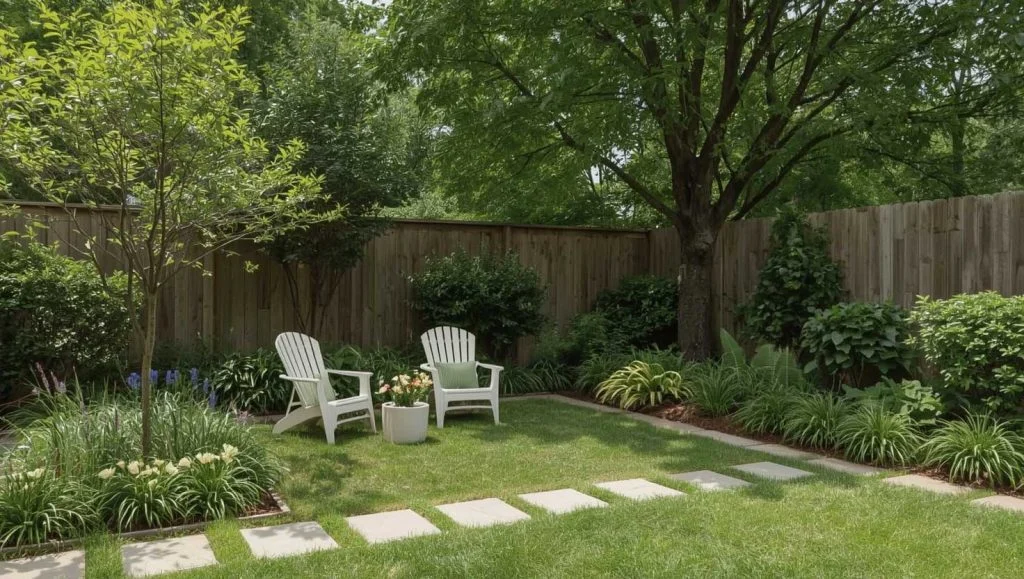
Every secret garden begins with location. Look for a part of your yard that already feels slightly removed – a corner near a fence, a side yard, or an area partially shielded by trees or structures. Natural separation makes it easier to create a space that feels hidden without major construction.
If this is your first time planning a garden layout, it helps to understand basic spacing, sunlight, and flow first. Our guide on home gardening for beginners walks through these foundations step by step.
🚪 2. Design an Enchanting Entrance
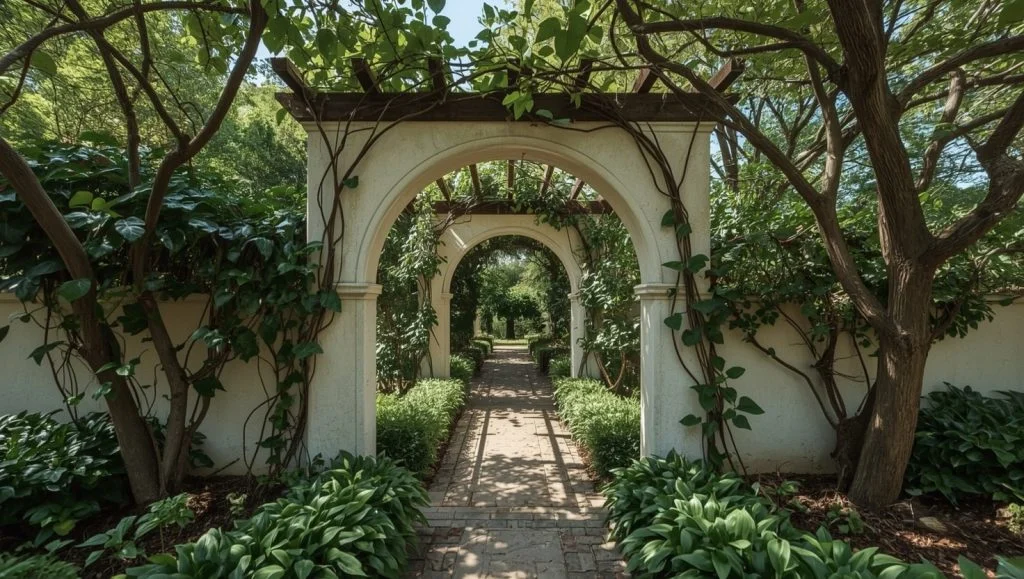
A well-designed entrance makes all the difference. Think about adding:
- An arched trellis or wooden gate draped with climbers like jasmine or clematis
- A narrow, winding path that disappears around a corner
- Tall shrubs or bamboo that frame the entry and build anticipation
These elements create a sense of mystery, as if you’re stepping into another world.
🌼 3. Enclose the Space for Privacy
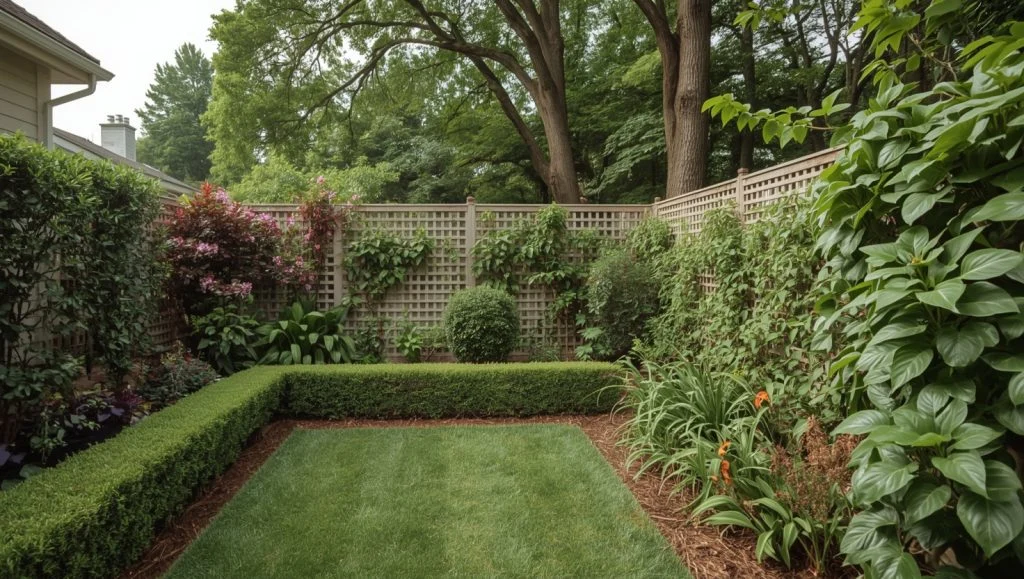
Privacy is the heart of a secret garden. You don’t need solid walls – living enclosures often work better. Layer hedges, tall grasses, shrubs, and lattice panels to block direct sightlines while keeping the space breathable and natural. Use a combination of these:
- Hedges, tall grasses, or evergreen shrubs to screen views
- Lattice panels with climbing vines for a natural wall
- Fencing or trellis systems to create enclosed garden rooms
Aim to enclose at least three sides to limit sightlines and foster a peaceful, sheltered atmosphere.
🌱 4. Choose Foliage That Inspires
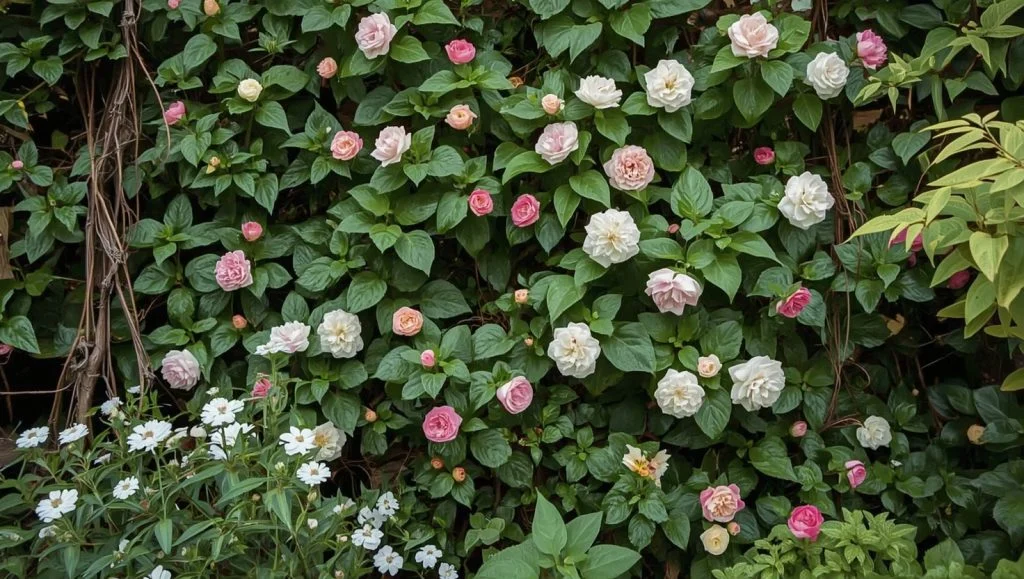
Plant choice defines the mood of your secret garden. Fragrant flowers, soft textures, and layered greenery create a calming, immersive environment. Popular options include jasmine, roses, lavender, clematis, and ornamental grasses.
Consider:
- Fragrant blooms like jasmine, roses, lavender, or sweet peas
- Perennials and flowering vines that add color year after year
- Native plants and billowing grasses for a relaxed, natural appeal
- Climbers like wisteria or trumpet vine for soft, whimsical coverage over structures
Before planting, it’s important to match your plants to the right growing conditions. Soil quality plays a major role in long-term success, especially in enclosed garden spaces. Use our soil types for beginners guide to choose the correct foundation for your plants.
Once planted, consistent watering keeps foliage healthy without overwhelming the space. For simple, sustainable care, follow our guide on how to water plants correctly.
Balance taller plants in the back with lower ones along paths to create depth and visual interest.
🪑 5. Create Cozy Seating Areas
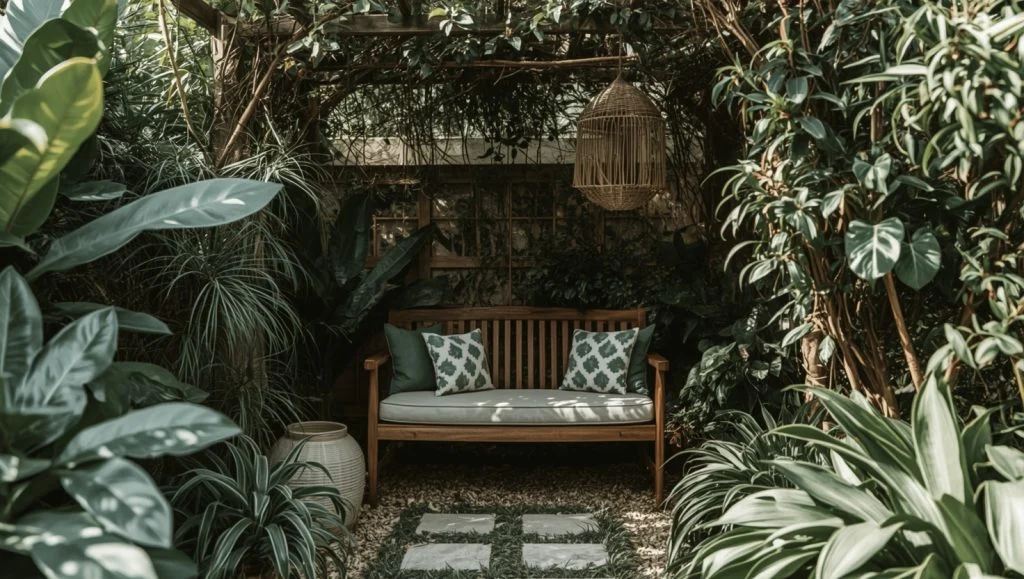
A secret garden should invite you to stay. Seating transforms it from something you admire into a place you actually use. A single bench, a pair of chairs, or a small swing tucked behind greenery is often enough.
Position seating slightly off the main path and partially shielded by plants. This makes the area feel discovered rather than displayed, reinforcing the sense of privacy and retreat.
Add comfortable seating like:
- A wrought-iron bench under a canopy of vines
- A pair of cozy chairs with a small table
- A rustic swing or hammock nestled in greenery
Partially obscure seating with foliage or screens to heighten the sense of discovery.
💡 6. Add Lighting for Atmosphere
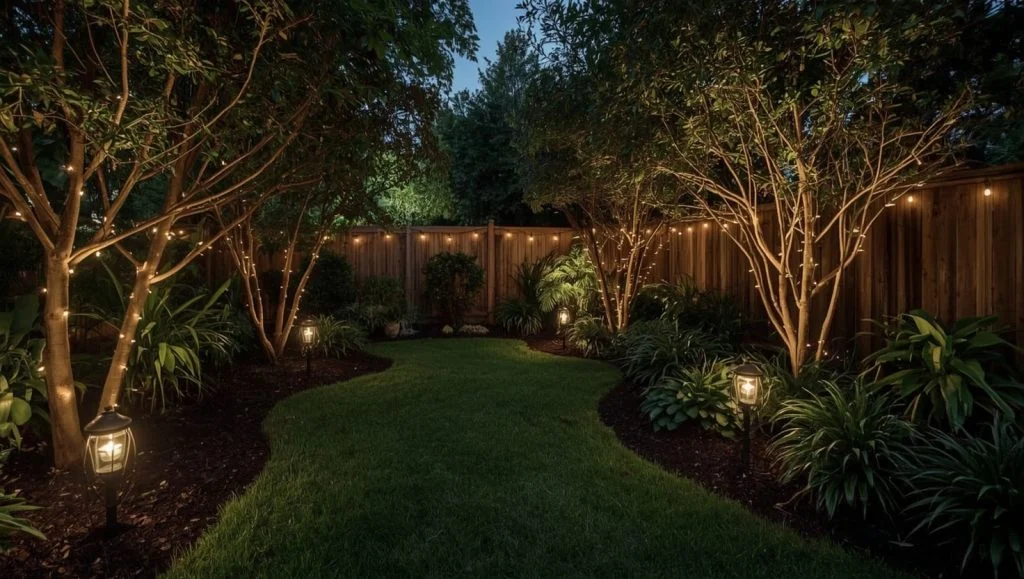
Lighting extends the life of your secret garden beyond daylight hours. Soft, warm lighting creates intimacy without exposing the space. Solar path lights, lanterns, or string lights woven through branches work especially well.
Avoid overly bright fixtures. The goal is mood, not visibility. Gentle lighting should guide movement and highlight one or two focal points rather than illuminating the entire area.
Ambient lighting extends your garden into the evening.
Try:
- Solar path lights to guide visitors
- String lights or lanterns draped through branches
- Subtle uplighting to highlight focal features
Soft lighting enhances mood and makes your secret garden magical at dusk.
💦 7. Incorporate Focal Features
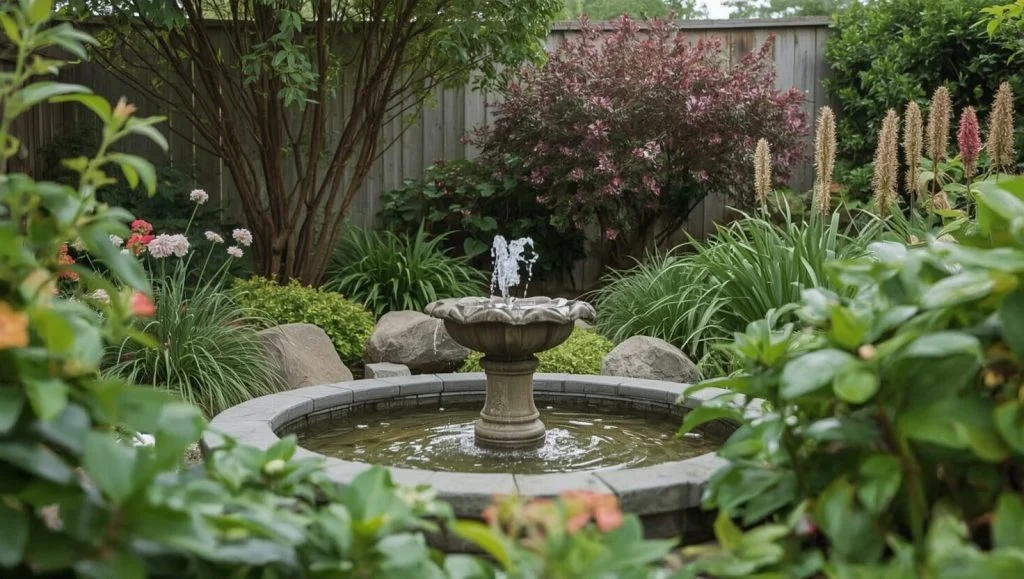
A focal element gives your secret garden a sense of purpose. This could be a small water fountain, a birdbath, a stone sculpture, or even a meaningful object collected from travel or family history.
Water features are especially effective in enclosed gardens. The sound of moving water adds calm while helping mask traffic or neighborhood noise, making the space feel even more secluded.
If you’d like your garden to attract birds and pollinators naturally, you can extend this idea using our wildlife-friendly garden guide:
👉 https://www.expertsguys.com/a-surprising-device-that-will-help-you-are-home-gardens-good-for-the-environment/
Personal touches bring your secret garden to life:
- A small fountain or birdbath provides soothing sound
- A sculpture or decorative stone adds artistic flair
- A water feature becomes a meditative centerpiece
These elements deepen the sensory experience and make your garden feel intentional and complete.
🎨 8. Personalize With Decor
This is your space – make it reflect you. Consider:
- Vintage garden ornaments
- Fairy lights or wind chimes
- Seasonal flower containers
- Rustic signs or artwork
These details make your secret garden feel inviting and uniquely yours.
✨ Final Thoughts
Creating a secret garden doesn’t require a huge budget or professional help. With thoughtful design, the right plant choices, and creative touches, you can turn even a small backyard into a peaceful, private haven. Imagine stepping through your hidden entrance, surrounded by fragrant blooms and soft light – your own slice of serenity just steps from home.
FAQ
What makes a garden a “secret garden”?
A secret garden feels hidden and separated from the rest of the yard, usually through an enclosed layout, an intentional entrance, layered planting, and a private seating zone.
Where is the best place to build a secret garden in a backyard?
The best spot is a naturally quiet corner – near a fence line, behind existing trees, or along a side yard – where you can block sightlines and create a dedicated garden room.
How do you create privacy for a secret garden without building a full fence?
Use living screens like tall shrubs, hedges, bamboo clumps, ornamental grasses, and trellises with climbing vines. Layering plants at different heights is often enough to block views.
What plants work best for a secret garden entrance?
Climbing plants and fragrant bloomers work especially well – such as jasmine, roses, clematis, or other vines – because they soften gates and trellises while adding scent and mood.
How can I make a small backyard feel like a secret garden?
Focus on one hidden nook with a narrow path, a simple arch or screen, vertical planting (trellis/lattice), containers for layered foliage, and a compact bench to create a “room within a room.”
Do I need a water feature in a secret garden?
A water feature is optional, but even a small solar fountain or birdbath adds gentle sound that increases privacy by masking traffic and neighbor noise.
What lighting works best for a secret garden at night?
Soft, warm lighting is best – solar path lights for guidance, string lights for atmosphere, and subtle uplighting to highlight one focal element without making the space feel exposed.
How do I keep a secret garden low maintenance?
Choose hardy perennials, add mulch, group plants by watering needs, and rely on structure plants (shrubs/grasses) plus a few seasonal bloomers rather than constant replanting.
Did you miss our previous article…
https://expertsguys.com/creative-landscape-edging-ideas-for-modern-garden-beds/