
At around 8:15 in the evening, most gardens begin disappearing visually.
The flowers lose definition first. Then pathways flatten into darkness. Corners near shrubs become harder to distinguish unless outdoor lighting is installed nearby.
Glow-in-the-dark pathway stones change this atmosphere differently from traditional landscape lighting.
Not brighter.
Softer.
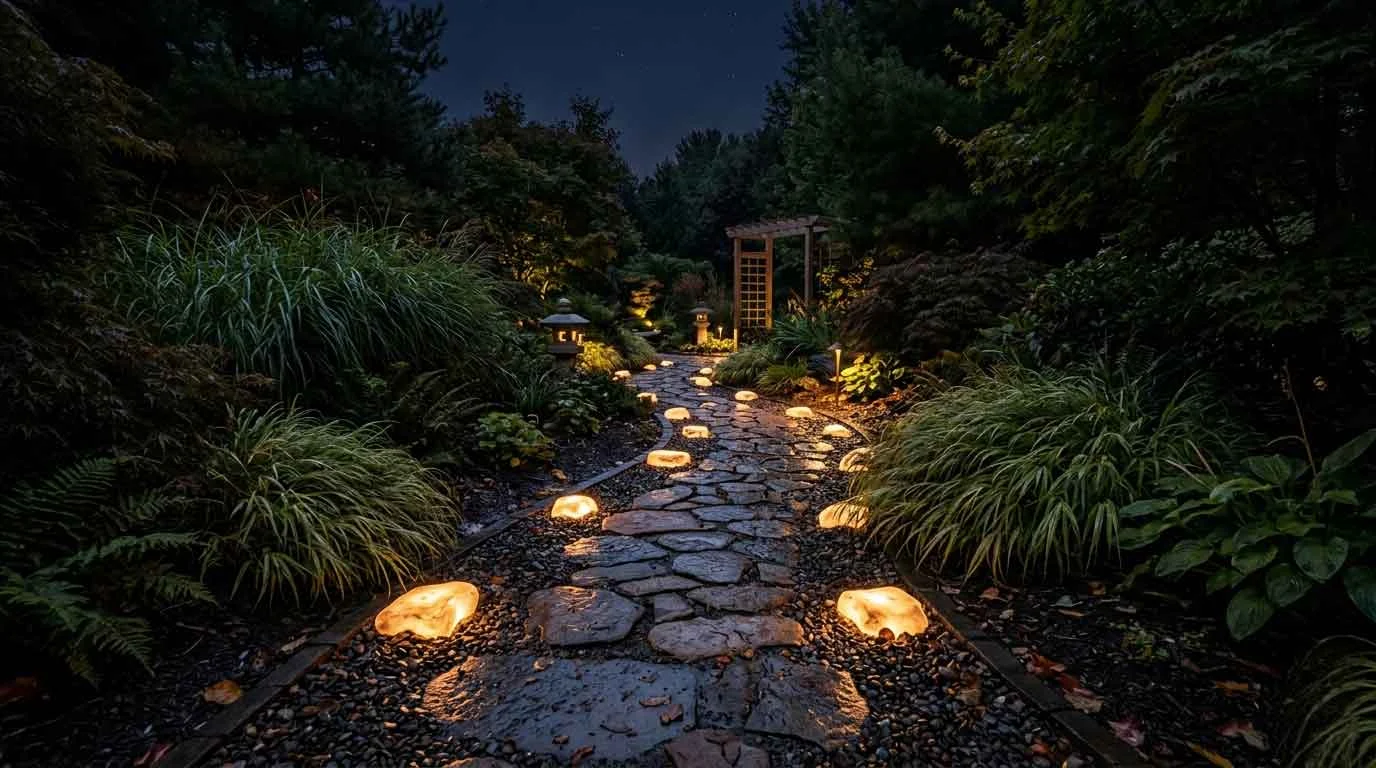
Instead of flooding the garden with electrical light, the stones create low glowing visual trails that slowly emerge after sunset. The effect feels closer to moonlit markers than artificial lighting.
This subtlety is exactly why many homeowners become interested in them.
Glow pathway stones sit somewhere between:
- garden lighting
- decorative landscaping
- nighttime navigation
- outdoor art installation
They create visibility without overpowering the surrounding environment.
A softly glowing pathway beside damp grass after rainfall feels completely different from a row of harsh LED garden spikes.
The experience becomes more environmental than functional.
Most people initially assume glow stones are mainly decorative.
In reality, they also solve practical nighttime problems:
- pathway visibility
- trip hazard reduction
- driveway edge guidance
- low-energy navigation lighting
Without requiring:
- electrical wiring
- underground cabling
- power outlets
- continuous energy consumption
This is one reason glow-in-the-dark landscaping products have become increasingly popular in:
- modern minimalist gardens
- Japandi outdoor layouts
- wildlife-friendly gardens
- low-light patios
- eco-conscious landscaping projects
Still, not all glow stones behave the same way.
Some glow brightly for only short periods.
Others produce softer but longer-lasting illumination.
Certain materials survive outdoor weather far better than others.
And many DIY installations fail because homeowners focus entirely on “brightness” while ignoring:
- placement
- charging exposure
- stone spacing
- environmental contrast
- surface reflection
Glow pathway stones work best when the surrounding landscape supports the effect rather than competing against it.
Why Glow-In-The-Dark Stones Feel Different From Normal Outdoor Lighting
Traditional outdoor lighting projects illumination outward.
Glow stones behave differently.
They create localized visual anchors close to the ground.
This changes how people psychologically experience outdoor spaces at night.
Instead of:
- bright floodlighting
- aggressive spotlighting
- high-contrast shadows
glow stones produce:
- softer navigation
- gradual visual rhythm
- environmental depth
- low-intensity ambiance
The garden feels quieter visually.
This becomes especially noticeable in smaller backyards where strong outdoor lights can sometimes make the space feel overexposed or artificial.
Glow stones preserve darkness while still improving visibility.
That balance is surprisingly difficult to achieve with electrical lighting alone.
At around 9PM after outdoor moisture settles onto pathways, glow stones often appear stronger because surrounding surfaces become darker and more reflective.
The effect is subtle but visually memorable.
Many homeowners building wildlife-friendly garden environments prefer softer pathway illumination because it reduces harsh nighttime disruption around outdoor planting zones.
How Glow-In-The-Dark Pathway Stones Actually Work
Most glow pathway stones use photoluminescent materials.
These materials absorb:
- sunlight
- UV exposure
- artificial light
during the day, then slowly release stored energy as visible glow after dark.
This process is different from:
- battery-powered lighting
- electrical LEDs
- fluorescent bulbs
No continuous power source is required.
The stones “charge” naturally through light exposure.
One of the most common modern materials is strontium aluminate, which produces:
- brighter glow intensity
- longer illumination duration
- improved weather resistance
compared to older glow materials.
The quality difference between cheaper and higher-grade glow stones becomes extremely obvious outdoors.
Lower-quality stones often:
- fade quickly
- lose brightness unevenly
- discolor over time
- weaken after repeated weather exposure
Meanwhile, stronger photoluminescent materials may continue glowing for many years with relatively stable performance.
Still, glow duration depends heavily on:
- daytime charging exposure
- surrounding darkness
- material quality
- stone thickness
- environmental placement
A shaded pathway beneath dense trees will behave differently from a sunlit garden edge.
Why Some Glow Pathways Look Better Than Others
Two glow stone paths can use the same material and still look completely different at night.
The difference usually comes from the surrounding environment, not only the stone itself.
A glow stone placed inside pale concrete may look weaker because the surface around it still reflects some ambient light. The glow has less contrast to work against.
The same stone placed beside dark gravel, damp mulch, or shadowed planting beds often appears stronger because the background falls away visually.
This is why darker pathway materials often make glow stones easier to see.
The stone is not always brighter.
The contrast is better.
Moisture Changes the Glow Effect
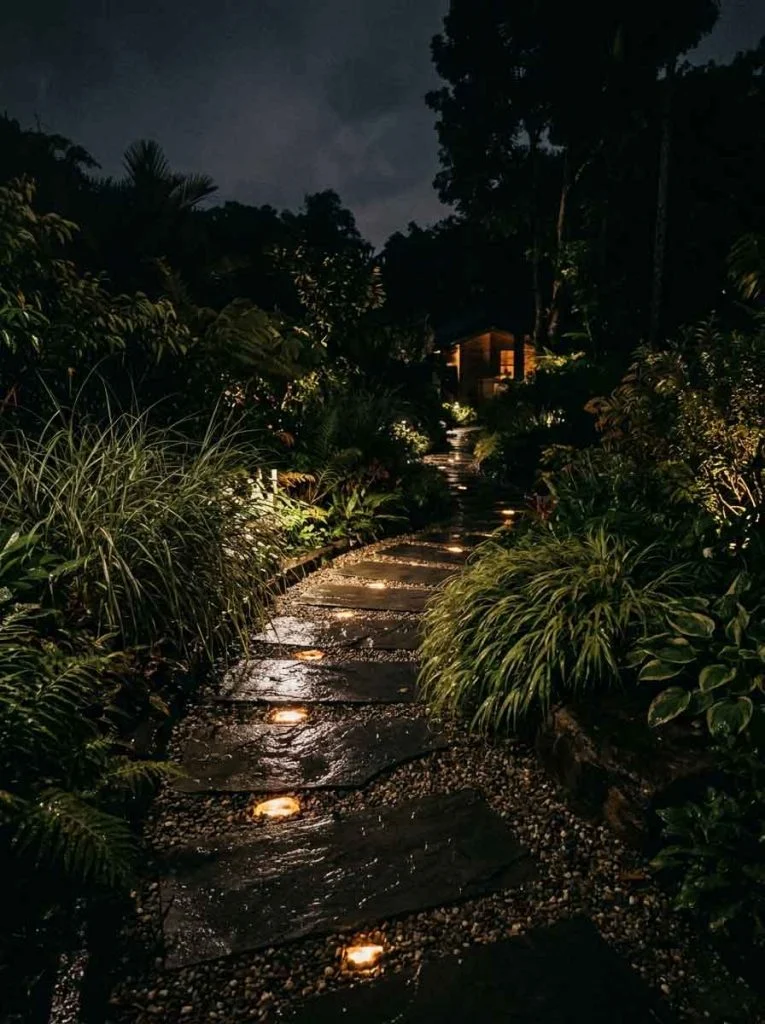
After rain, glow stones often appear more noticeable because wet surfaces darken and reflect small amounts of light. Gravel, stone, and timber edges usually look deeper in color after moisture settles.
That darker background makes the glow easier for the eye to separate from the path.
This is also why glow stones can look better at around 9PM after the garden has cooled down and surface glare has dropped.
Light Pollution Weakens the Effect
Glow stones need darkness around them to feel useful.
If the pathway sits beside strong porch lights, street lamps, or bright wall lights, the glow becomes harder to notice. The stones may still be working, but the eye no longer reads them as clearly.
In that situation, adding more stones does not always solve the problem. Often, the better fix is moving them into a darker edge of the garden or using them only where electrical lighting does not already dominate the space.
Why Placement Matters More Than Brightness
This is where many installations quietly fail.
People often focus only on:
- glow intensity
- color
- stone quantity
without considering nighttime environmental contrast.
Glow stones work best when:
- surrounding areas remain relatively dark
- spacing creates visual rhythm
- pathways naturally guide movement
Too many glowing stones can actually reduce the effect.
The pathway begins looking visually noisy instead of atmospheric.
Sometimes fewer stones create a stronger nighttime experience.
Especially in:
- minimalist gardens
- stone pathways
- gravel walkways
- naturalistic landscaping
A softly glowing curved trail often feels more immersive than fully illuminated rows.
The human eye responds strongly to partial visual guidance.
Not everything needs maximum brightness.
How Glow Stones Guide Movement at Night
Glow pathway stones are not only decoration. They also change how people move through a garden after dark.
At night, people do not read a path the same way they do in daylight. They rely more on edges, contrast, repeated markers, and peripheral vision.
A good glow stone layout gives the eye just enough information to understand where the path continues.
It does not need to light every step.
In fact, a slightly spaced-out glow pattern often feels more natural because the eye connects the markers automatically. This creates a quiet visual rhythm along the ground.
Why Spacing Changes the Feeling
Stones placed too close together can make the pathway feel busy or artificial.
Stones placed too far apart may feel decorative but not useful.
A better layout usually follows the walking rhythm of the path. Curved walkways need closer visual markers near turns, while straight pathways can use wider spacing because the direction is easier to understand.
This is the hidden design layer: the stones are not only glowing objects. They are nighttime navigation cues.
Best Areas to Use Glow Pathway Stones
Glow stones work differently depending on environmental context.
Some locations naturally amplify the effect better than others.
Garden Pathways
Garden paths remain the most popular use because the glow creates:
- safer nighttime movement
- softer visual guidance
- decorative nighttime atmosphere
The effect becomes especially attractive beside:
- ornamental grasses
- low shrubs
- water features
- darker mulch beds
The surrounding darkness increases glow visibility naturally.
Flower Bed Borders
Glow stones placed near flower beds create layered nighttime depth rather than direct pathway illumination.
The glow softly separates:
- lawn edges
- planting zones
- stepping areas
without harsh visual interruption.
This often feels more elegant than traditional edging lights.
Driveway Edges
Some homeowners use glow stones along:
- driveway borders
- parking edges
- side walkways
for low-maintenance nighttime guidance.
This works especially well in areas where electrical landscape lighting would require expensive trenching or wiring.
Water Features
Glow stones near ponds or fountains create unusually strong nighttime reflections because moving water subtly amplifies surrounding light.
At around 10PM, reflected glow along water surfaces often looks brighter than the stones themselves.
The effect feels almost cinematic under darker conditions.
Why Glow Stones Often Look Better After Rain
This sounds oddly specific.
But it becomes obvious once you notice it.
Slight moisture on surrounding surfaces deepens environmental contrast:
- darker stone textures
- richer mulch color
- softer reflections
- reduced dust scattering
The glow appears visually stronger even when actual brightness remains unchanged.
Wet pathways reflect small amounts of photoluminescent light subtly across surrounding surfaces.
This is one reason glow stones often feel more dramatic during:
- humid nights
- post-rain evenings
- cooler nighttime conditions
Environmental texture changes perception.
Not only brightness levels.
DIY Glow Stone Installations vs Pre-Made Stones
There are two main approaches:
- pre-made glow stones
- DIY glow concrete or resin systems
Each behaves differently long term.
Pre-Made Glow Stones
These are easier for:
- quick landscaping upgrades
- decorative borders
- gravel integration
- temporary layouts
Most homeowners choose pre-made stones because installation is straightforward.
Still, cheaper versions sometimes suffer from:
- uneven glow distribution
- weak weather resistance
- surface fading
- brittle outer coatings
Quality varies significantly between manufacturers.
DIY Glow Concrete Systems
DIY systems usually involve:
- glow powder pigment
- resin or concrete mixing
- custom molds
- embedded aggregate techniques
This approach allows:
- customized glow density
- larger stone creation
- integrated patio designs
- unique artistic layouts
But application quality matters heavily.
Uneven pigment distribution often creates:
- patchy brightness
- cloudy surfaces
- inconsistent nighttime glow
Many first-time DIY projects apply too much glow pigment at once, assuming brighter automatically means better.
The surface sometimes ends up looking artificial during daytime.
Balance matters more than maximum concentration.
Best Glow Stone Colors for Different Garden Styles
Glow stones do not all produce the same visual atmosphere.
Color changes emotional perception more than many homeowners expect.
Some glow colors feel:
- calming
- futuristic
- playful
- artificial
- naturalistic
depending on surrounding landscape materials.
This becomes especially noticeable at night when surrounding color information disappears and the glow itself becomes the primary visual focus.
Blue Glow Stones
Blue remains one of the most popular options because it resembles:
- moonlight
- cool reflections
- nighttime water tones
Blue glow stones work especially well beside:
- gravel paths
- modern concrete walkways
- water features
- silver foliage plants
The atmosphere feels quieter and more minimalist.
This is why many Japandi-inspired landscapes prefer softer blue or aqua-toned glow stones rather than aggressive neon colors.
Green Glow Stones
Green glow stones usually produce the brightest perceived glow.
Human eyes naturally detect green wavelengths efficiently in darker conditions, so green often appears more intense even when brightness levels are technically similar.
Green glow stones suit:
- woodland gardens
- tropical landscaping
- naturalistic pathways
Still, excessive green can sometimes feel overly artificial if surrounding materials already contain heavy green vegetation.
Balance matters.
Mixed Color Installations
Some homeowners combine:
- blue
- green
- aqua
- soft white
for more dynamic nighttime pathways.
This can work beautifully in:
- artistic landscapes
- themed gardens
- public installations
But mixed colors become visually chaotic surprisingly quickly if spacing lacks rhythm.
Glow pathways usually feel stronger when:
- color palettes remain restrained
- spacing feels intentional
- surrounding darkness supports contrast
Too many competing glow tones often weaken immersion.
Phosphorescent vs Fluorescent Glow Stones
This distinction gets confused constantly online.
The two systems behave very differently.
Phosphorescent Stones
Most modern glow pathway stones are phosphorescent.
These:
- absorb light energy
- store it temporarily
- release it gradually over time
This creates long-lasting nighttime glow without requiring continuous electrical power.
Phosphorescent systems are preferred for:
- pathways
- patios
- landscape edging
- long-duration outdoor use
because they continue glowing after darkness begins.
Fluorescent Stones
Fluorescent materials behave differently.
They require active UV or external lighting while glowing.
Once the light source disappears, the glow effect stops almost immediately.
This makes fluorescent systems more suitable for:
- temporary events
- decorative parties
- short-term installations
- UV-reactive displays
Many homeowners accidentally purchase fluorescent decorative stones expecting all-night illumination.
The difference becomes obvious after sunset.
Why Some Glow Stones Stop Glowing Properly
Most glow stones do not suddenly “fail.”
The decline usually happens gradually.
Several environmental factors reduce performance over time:
- surface dirt buildup
- UV degradation
- poor-quality pigments
- weather exposure
- inadequate charging light
This explains why glow stones sometimes appear weaker after several years outdoors.
Dirt and Surface Coating Problems
Dust, algae, and grime reduce light absorption efficiency during daytime.
The stones receive less charging energy.
Nighttime glow weakens naturally afterward.
This becomes especially common near:
- garden soil
- mulch beds
- damp shaded areas
Periodic cleaning helps restore brightness surprisingly well.
Poor Sunlight Exposure
Glow stones hidden beneath:
- thick shrubs
- covered patios
- dense tree canopies
often receive insufficient charging exposure.
The glow duration decreases significantly even when the stones themselves remain functional.
People sometimes replace perfectly good stones when the actual issue is light blockage.
Low-Quality Manufacturing
Cheaper glow stones frequently use:
- weaker photoluminescent materials
- thin surface coatings
- lower-density pigment mixtures
The stones initially look attractive during installation, then fade unevenly after environmental exposure.
Higher-grade glow stones usually maintain:
- stronger charge retention
- more stable coloration
- improved weather durability
for significantly longer periods.
How Long Glow-In-The-Dark Pathway Stones Actually Last
This depends heavily on:
- material quality
- installation environment
- UV exposure
- weather conditions
Higher-quality glow stones can remain functional for many years.
Still, there is an important difference between:
- material lifespan
- nightly glow duration
The material itself may survive outdoors for decades while nighttime brightness slowly decreases over time.
Many stones still technically “glow” after years.
The intensity simply becomes weaker.
Typical Glow Duration
After strong daylight exposure:
- brighter glow often lasts 2-6 hours
- softer residual glow may continue longer
Some premium stones continue producing visible low-intensity glow well into late evening conditions.
Environmental darkness changes perception dramatically.
A dim rural garden may make glow stones appear brighter than the same stones inside brightly lit urban environments.
Glow Stones for Modern Minimalist Gardens
Glow stones work surprisingly well in modern minimalist landscapes because they introduce:
- nighttime structure
- subtle movement guidance
- environmental softness
without visual clutter.
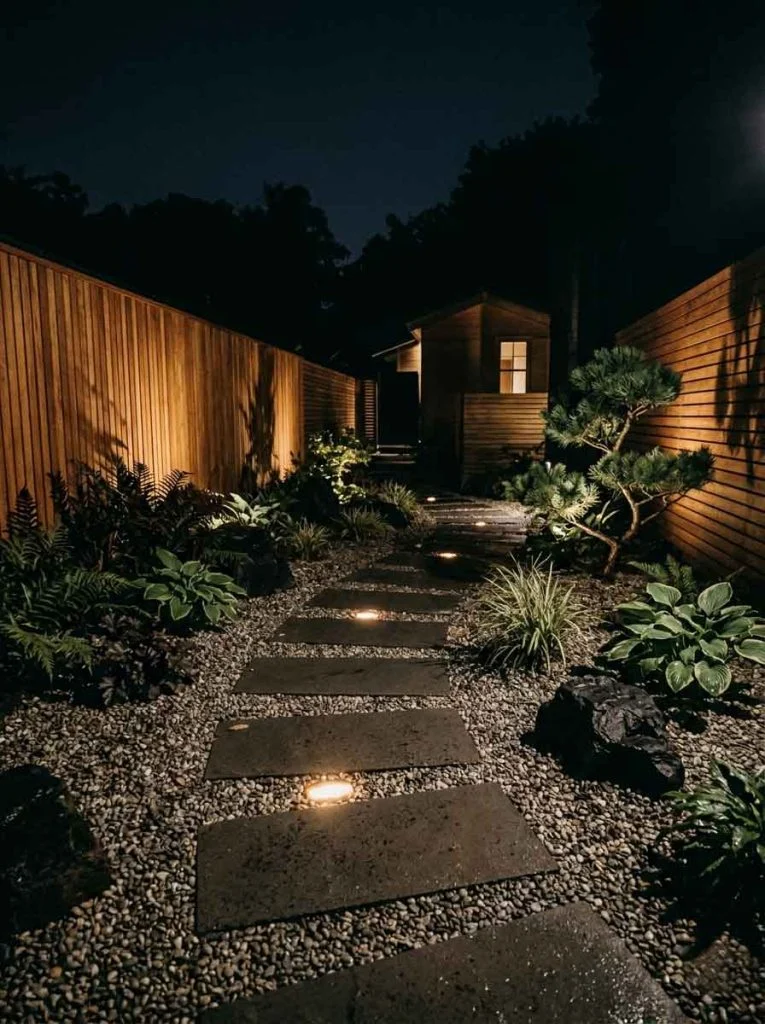
This becomes especially effective alongside:
- large concrete pavers
- gravel textures
- linear pathways
- warm wood fencing
- neutral stone palettes
Minimalist gardens rely heavily on spacing and negative space.
Glow stones enhance this by creating quiet nighttime rhythm rather than aggressive illumination.
A sparse trail of softly glowing markers often feels more luxurious than excessive decorative lighting.
At around 9:30PM, when most surrounding details disappear into darkness, a minimalist glow pathway can feel almost architectural rather than decorative.
Glow-in-the-dark pathway stones often perform best beside organic garden moisture conditions where softer lighting helps preserve a calmer nighttime atmosphere without overpowering surrounding textures.
Glow Stones vs Solar Lights vs LED Strips
Glow stones are not a full replacement for every type of outdoor lighting.
They solve a different problem.
Glow Stones vs Solar Lights vs LED Strips
| Lighting Option | Best Used For | Main Strength | Main Limitation |
|---|---|---|---|
| Glow Pathway Stones | Soft nighttime garden guidance and environmental atmosphere. | No wiring needed, low maintenance, and creates softer nighttime visual rhythm. | Needs strong daylight or UV exposure to charge properly. |
| Solar Garden Lights | Brighter nighttime visibility and pathway safety lighting. | Provides stronger illumination and easier nighttime navigation. | Can feel visually repetitive or harsh in smaller gardens. |
| LED Strip Lighting | Modern outdoor architecture, decks, and clean pathway edges. | Creates precise lighting lines and strong modern visual structure. | Requires wiring, waterproofing, and more technical installation. |
Glow stones work best when the goal is soft nighttime guidance, not full brightness.
Solar lights work better when safety visibility is the priority.
LED strips work better when the garden design needs a clean architectural line.
For many homes, the strongest result is not choosing one system only. It is using glow stones in darker garden zones and keeping brighter lights near steps, gates, or entrance areas.
Gravel vs Concrete vs Mulch
Glow stones usually stand out better against darker surfaces.
Gravel vs Concrete vs Mulch for Glow Stones
| Surface Type | Glow Visibility | Nighttime Visual Effect | Best Landscape Style |
|---|---|---|---|
| Dark Gravel | Very High | Strong contrast makes glow stones appear brighter and easier to follow. | Modern minimalist gardens and Japandi-style outdoor pathways. |
| Concrete | Medium | Cleaner appearance but lower glow contrast because the surface reflects more light. | Structured patios and architectural walkways. |
| Mulch | High | Creates softer natural glow edges with warmer nighttime texture. | Flower beds, woodland gardens, and naturalistic landscaping. |
| Pale Stone | Low to Medium | The lighter background reduces nighttime glow separation. | Decorative edging and accent-focused pathways. |
Common DIY Mistakes With Glow Pathway Stones
Using Too Much Glow Pigment
Many DIY projects assume:
more pigment = better glow.
This often creates:
- cloudy daytime appearance
- uneven texture
- artificial-looking surfaces
Balanced pigment distribution usually creates more elegant nighttime results.
Poor Stone Spacing
Even high-quality glow stones can look awkward when spacing lacks rhythm.
Pathways usually feel more immersive when glow markers:
- guide movement gradually
- curve naturally
- maintain visual pacing
Random placement weakens the effect.
Ignoring Daytime Appearance
Glow stones exist during daylight too.
Some installations look attractive at night but visually distracting during daytime because:
- colors appear unnatural
- glow material dominates the landscape
- textures clash with surrounding materials
The best installations balance:
- daytime landscaping aesthetics
- nighttime glow behavior
simultaneously.
Installing in Brightly Lit Areas
Glow stones become less visually effective near:
- floodlights
- bright patios
- strong street lighting
Darkness supports glow visibility.
Competing artificial lighting weakens the atmosphere significantly.
Are Glow-In-The-Dark Stones Safe Outdoors?
Most modern glow pathway stones are designed for outdoor use.
Higher-quality versions typically resist:
- rain
- moderate UV exposure
- outdoor temperature changes
Still, installation quality affects durability heavily.
Poor drainage beneath stones can eventually create:
- shifting
- cracking
- moisture accumulation
especially in freeze-thaw environments.
Are Glow Stones Safe Around Plants?
Most quality glow stones use non-toxic photoluminescent materials and are generally safe around:
- flower beds
- shrubs
- ornamental plants
This is one reason they remain popular for decorative landscaping projects.
Still, cheap low-quality products sometimes contain coatings that deteriorate faster outdoors.
Material quality matters.
Why Glow Pathways Feel More “Magical” Than Electrical Lighting
This is partly psychological.
Glow stones emerge gradually as surrounding light fades.
The pathway slowly reveals itself rather than turning on instantly.
That transition feels more organic.
There is also no visible fixture:
- no lamp head
- no exposed cable
- no bright glare
The glow appears embedded into the landscape itself.
At around 8:45PM, when the garden begins darkening but the stones still softly hold daylight energy, the effect feels closer to bioluminescence than ordinary lighting.
That subtle environmental behavior is difficult to replicate with standard outdoor fixtures.
The same soft environmental lighting behavior that changes indoor plant atmospheres at night also influences how outdoor glow pathways feel psychologically calming after sunset.
Conclusion
Glow-in-the-dark pathway stones work best when they feel integrated into the landscape rather than added on top of it.
That is usually the difference between:
- a glowing garden that feels immersive
and - a pathway that simply looks artificially lit.
The most successful installations rarely rely on maximum brightness alone.
Instead, they use:
- spacing
- darkness
- environmental contrast
- reflected texture
- nighttime rhythm
to guide movement quietly through the garden.
A softly glowing curve beside damp gravel often feels more memorable than an overly illuminated walkway.
This becomes especially noticeable later at night when most surrounding details disappear and only the glow markers remain visible against darker landscaping.
Good glow pathway design is less about spectacle and more about atmosphere.
Sometimes only a handful of stones placed properly can completely change how a garden feels after sunset.