Category
Phones
What Modern Smartphones Are
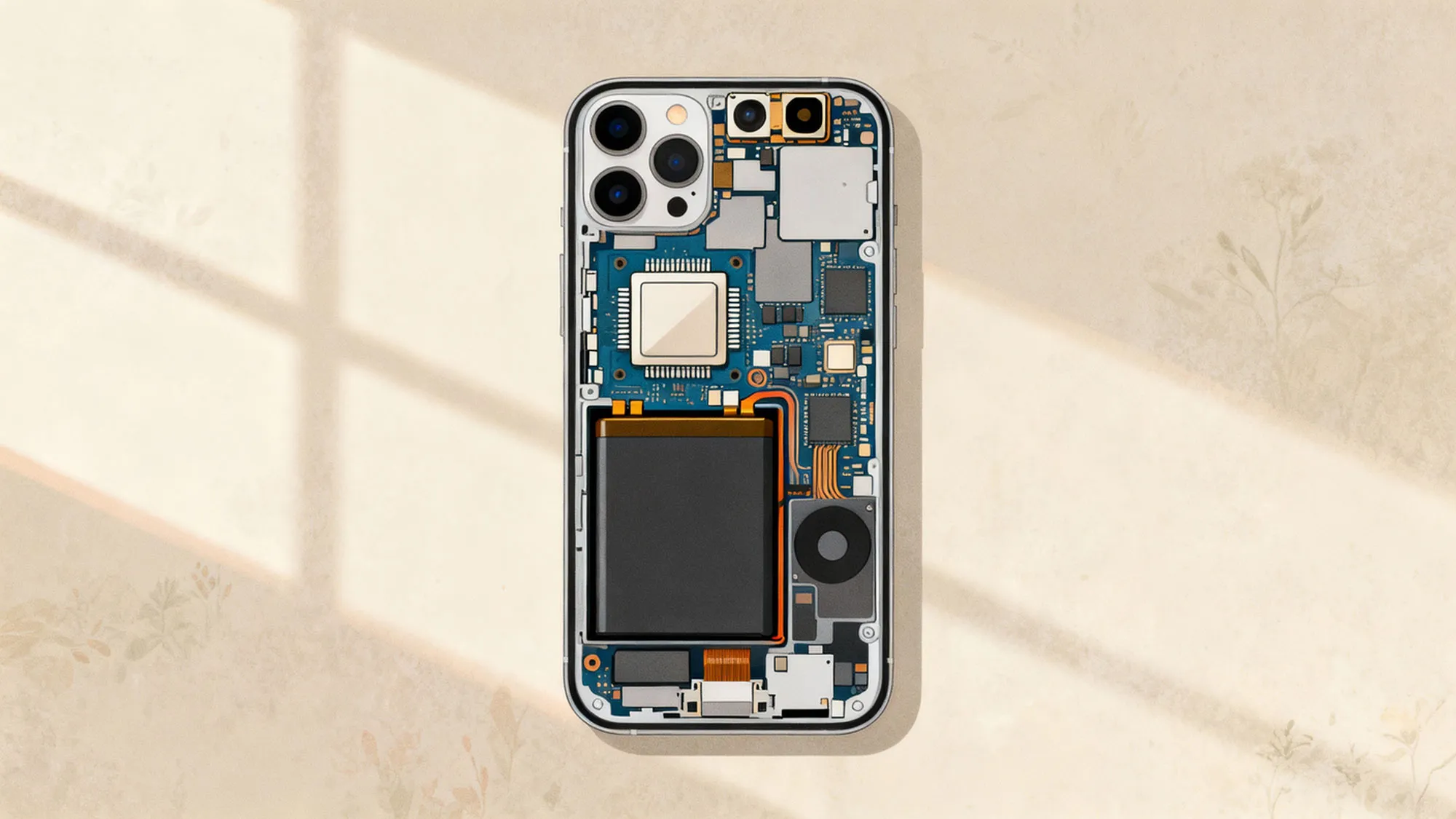
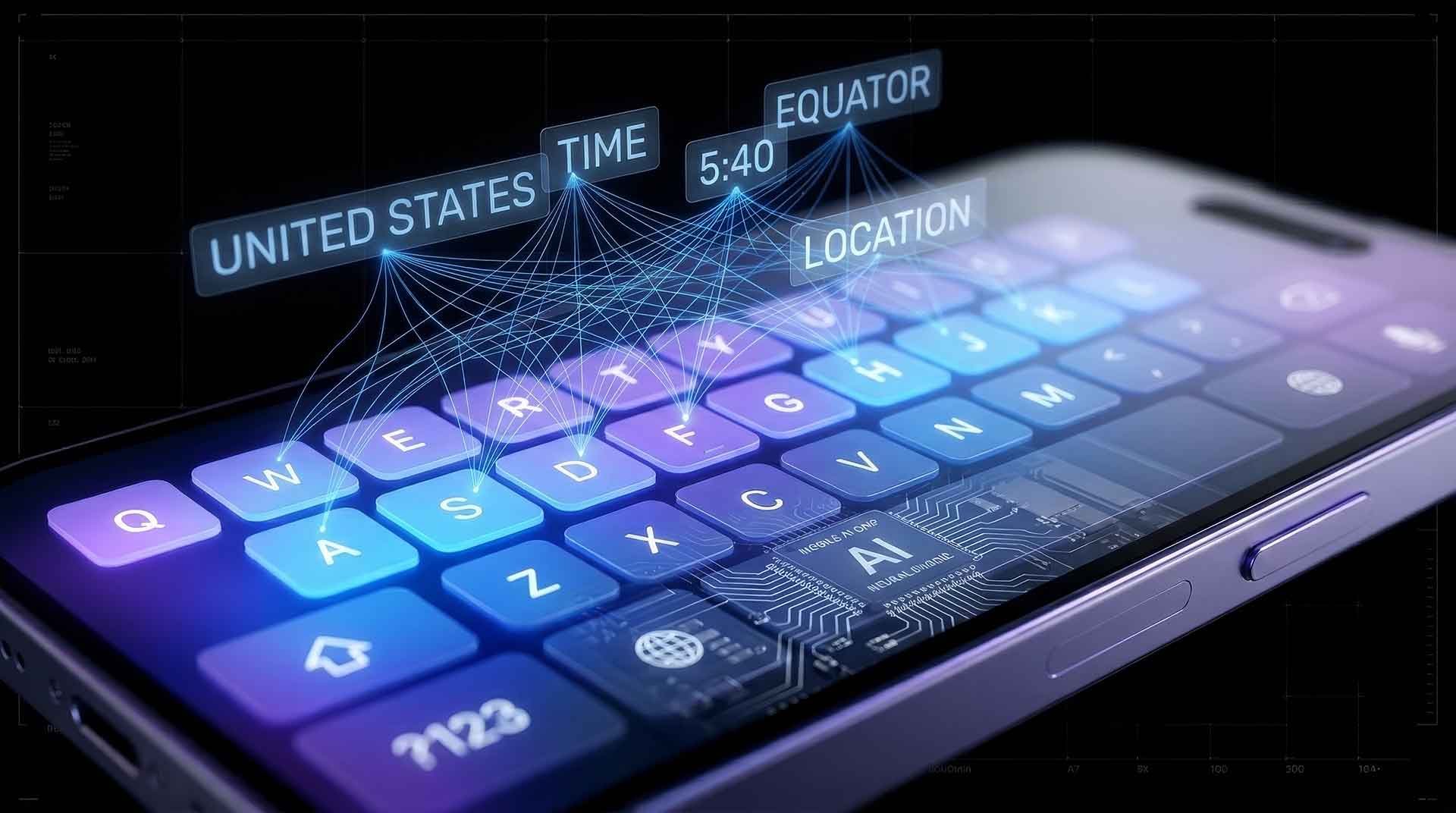
Smartphones are compact computing systems that combine specialized processors, operating systems, sensors, and wireless communication technologies inside a portable device. Unlike traditional mobile phones, modern smartphones integrate on-device AI acceleration, high-efficiency battery management, and layered software systems that support features such as predictive typing, voice assistants, image recognition, and secure biometric authentication.
How Smartphone Intelligence Works
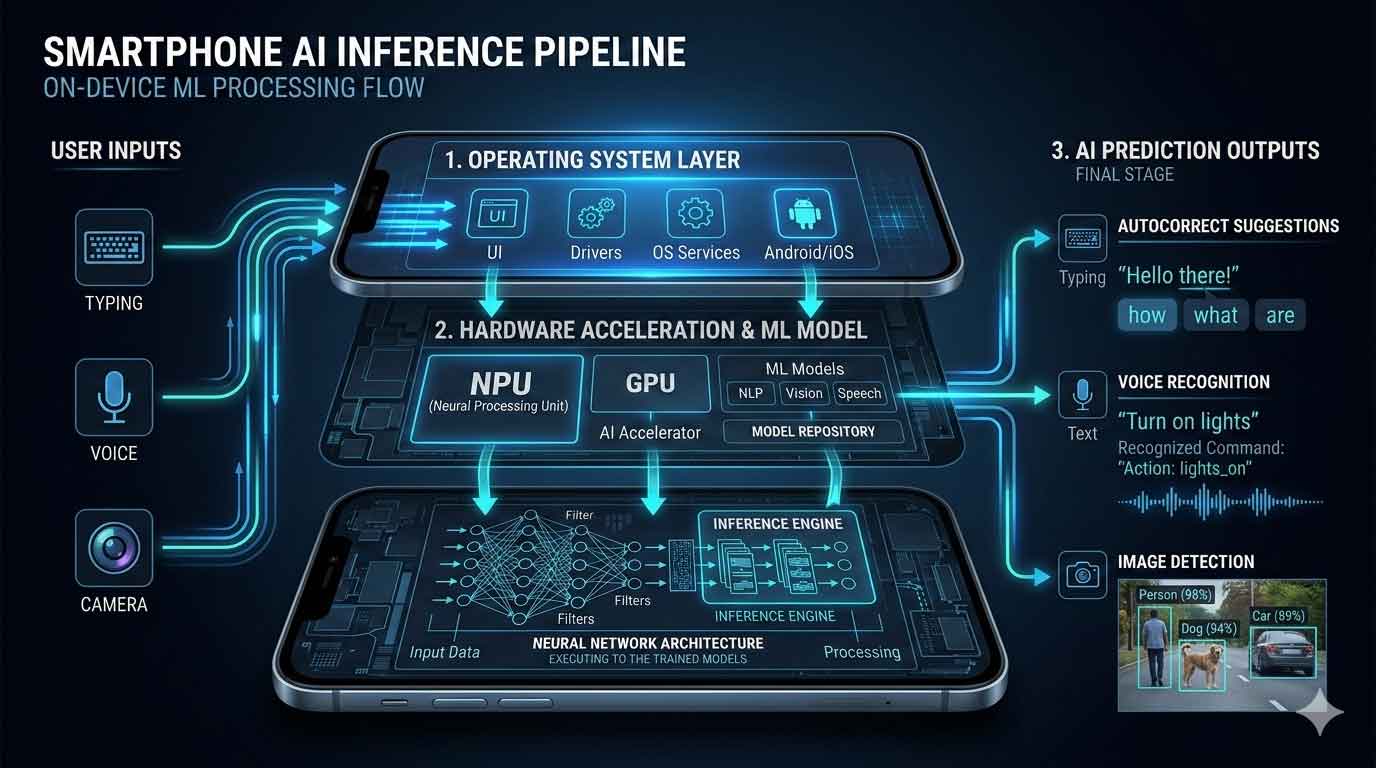
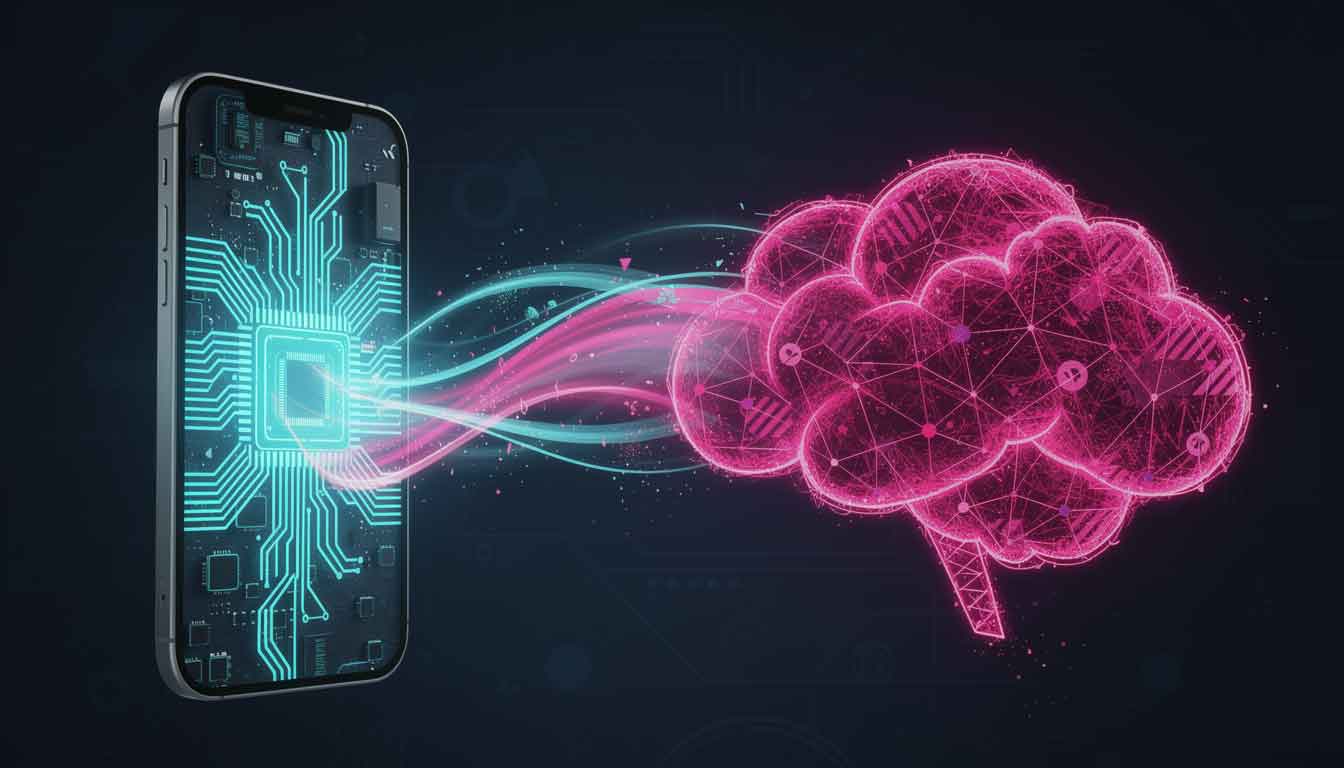
Modern smartphones process interactions through a layered pipeline. Inputs such as typing, voice, and camera data pass through the operating system, then route to specialized hardware inside the system-on-chip, including neural processing units designed to run machine learning inference efficiently. The models generate predictions that power real-time features while balancing latency, battery drain, and thermal limits.
To understand why AI hardware has become the main competitive layer in mobile performance, start with Chip Wars - How AI Hardware Shapes Mobile Power.
Examples of AI Features in Smartphones
AI systems in smartphones appear most clearly in everyday features. Predictive typing and autocorrect rely on on-device language models that rank word probability in milliseconds. Camera pipelines use neural processing for scene recognition and image enhancement. Voice assistants depend on speech models for wake-word detection and transcription. These applied examples show why smartphones now behave like portable AI computers rather than simple communication devices.
For a practical example of on-device inference used in daily communication, see Smartphone Keyboards That Autocorrect Words You Type.