

Introduction: When “Healthy” Isn’t Actually Growing
Many gardeners face this quiet frustration:
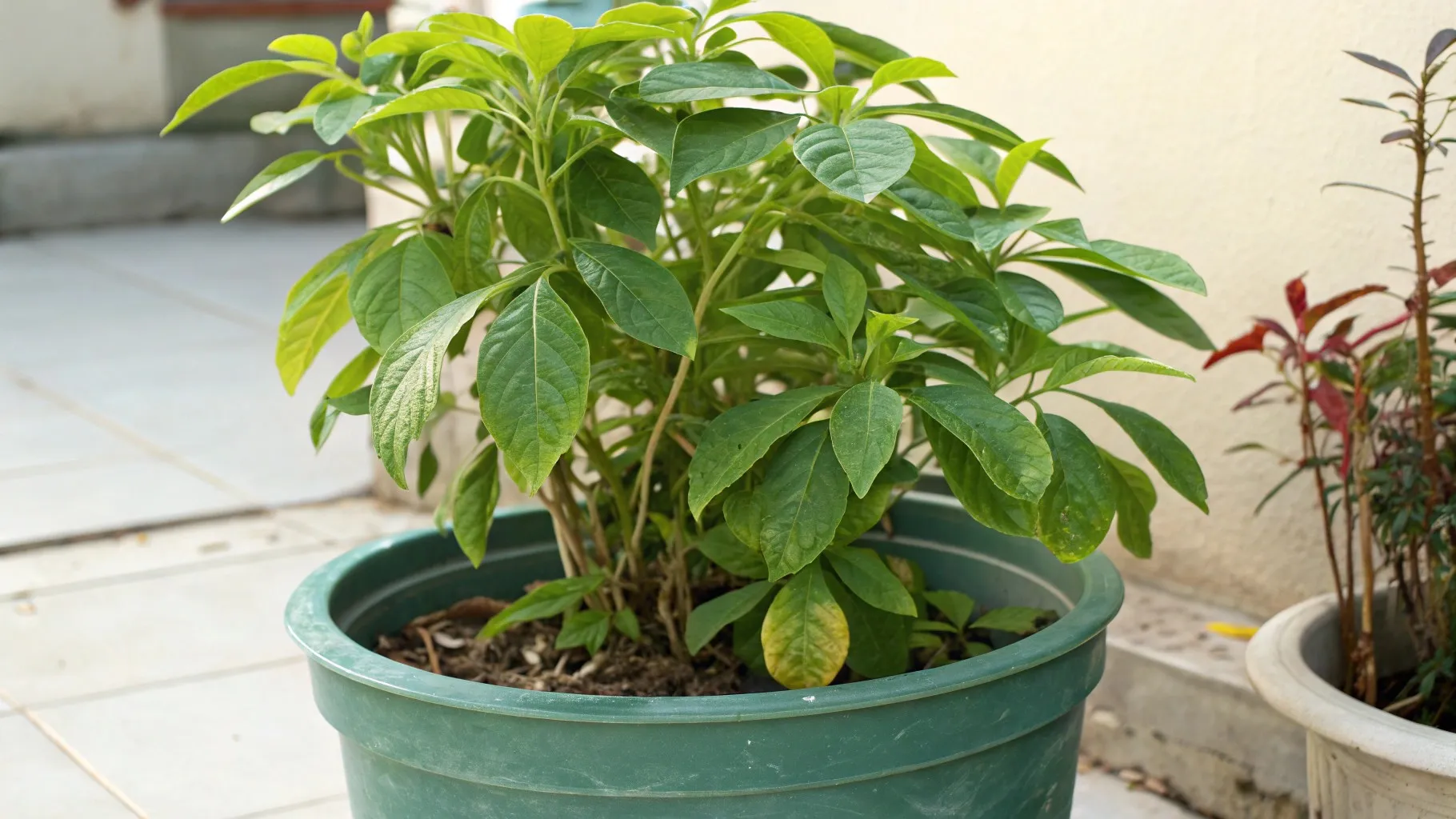
your plant looks green, upright, and alive – but weeks pass, and nothing changes.
No new leaves.
No flowers.
No visible growth.
This is one of the most misunderstood gardening problems because plants can appear healthy while being biologically stuck. Growth doesn’t stop randomly – it pauses when internal systems are under stress, even if leaves still look fine.
This guide explains why plant growth stalls, what’s happening below the surface, and how to fix it without overcorrecting.
Before diagnosing individual plant problems, it helps to understand the core principles of gardening basics, where soil, light, water, airflow, and root health work together as one living system rather than isolated tasks.
🌱 Growth and Health Are Not the Same Thing
A plant can stay green while silently struggling.
- Health = survival
- Growth = surplus energy
When conditions are barely adequate, plants switch into maintenance mode:
- They preserve existing leaves
- They stop expanding roots
- They pause new growth to avoid risk
This is why many gardeners think:
“It looks fine… maybe it just needs more time?”
In reality, the plant is waiting for better conditions.
🌿 The Most Common Reasons Healthy Plants Stop Growing
1️⃣ Root Stress Is Slowing Everything Down
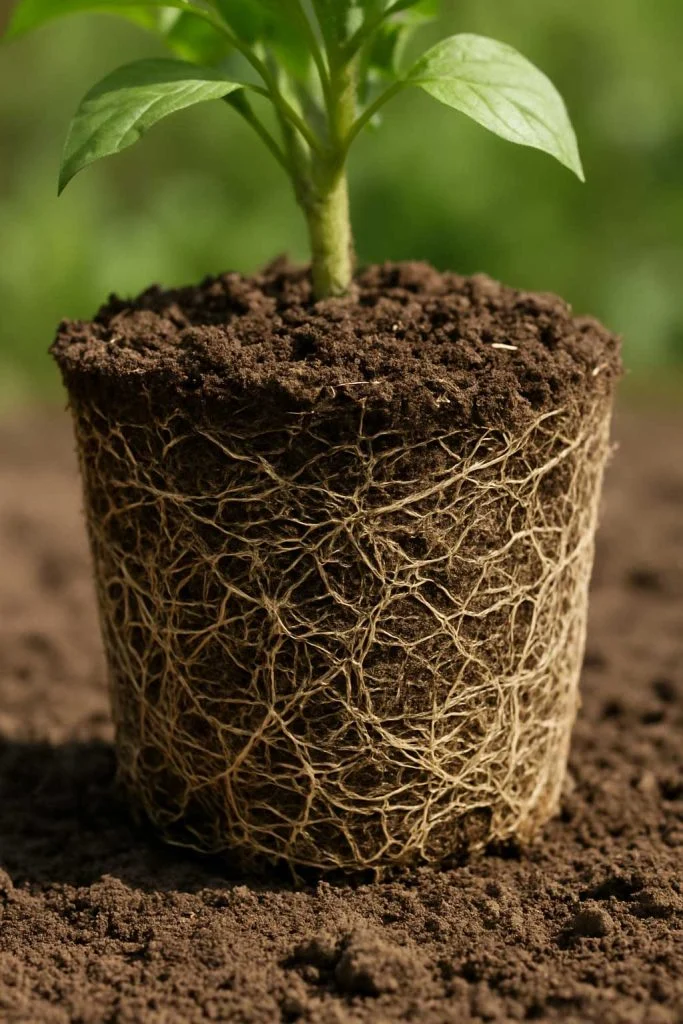
Roots control growth more than leaves.
If roots are stressed, compacted, or oxygen-deprived:
- Nutrient uptake slows
- Water absorption becomes inconsistent
- Growth hormones are suppressed
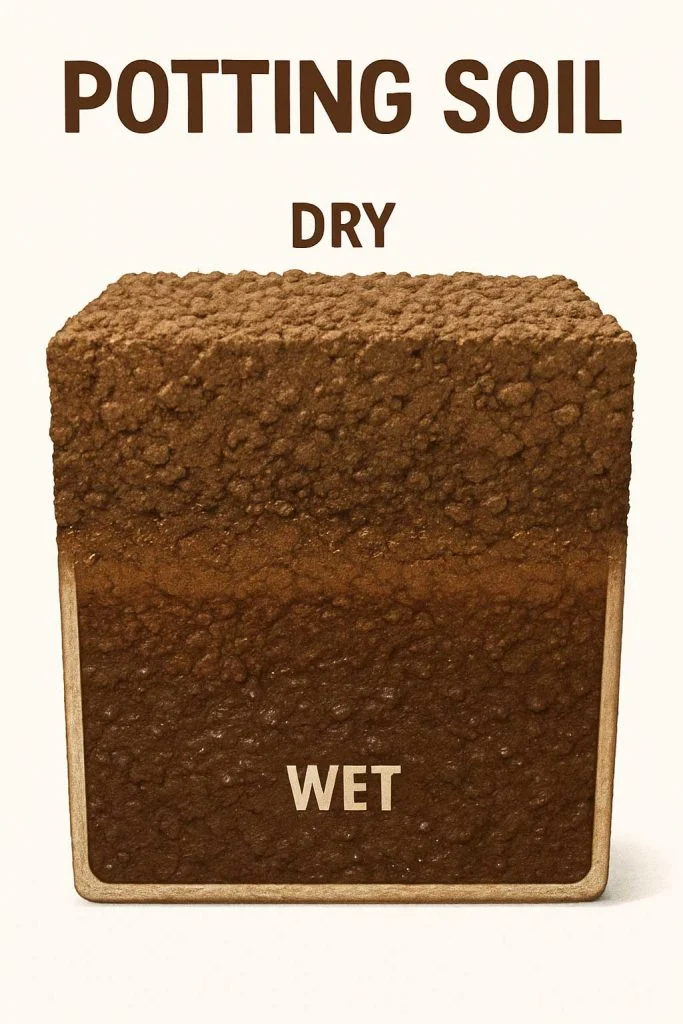
In many cases, the problem begins when the soil looks dry on top but wet underneath, creating hidden stress in the root zone.
Common hidden causes
- Soil staying wet too long
- Roots circling tightly in a pot
- Compacted soil with poor air pockets
Container design also matters because some pots never drain efficiently even when they have drainage holes, leaving roots in constantly damp soil.
Even with perfect leaves, a struggling root system halts growth. One of the biggest reasons this happens is that soil can look dry on top but remain wet underneath, creating a hidden environment where roots receive too little oxygen to support healthy growth.
2️⃣ The Soil Has Nutrients – But Roots Can’t Access Them
This is called nutrient lockout.
Your soil may contain nutrients, but plants can’t use them when:
- Soil stays constantly wet
- Oxygen levels are low
- Roots are damaged or inactive
Adding fertilizer in this situation does not help – it often makes things worse by stressing roots further.
3️⃣ Watering Frequency Is Too High (Even If Amount Is Small)
Frequent watering keeps soil in a semi-suffocated state.
Plants need a wet-dry cycle to:
- Pull oxygen into the root zone
- Trigger root expansion
- Signal growth hormones
When soil never dries slightly:
- Roots stay shallow
Many gardeners unknowingly slow plant development by watering every day, even though frequent watering often prevents the natural wet-and-dry cycle that healthy roots need.
- Growth slows
- Leaves stay green but inactive
4️⃣ Light Is Enough for Survival, Not for Growth
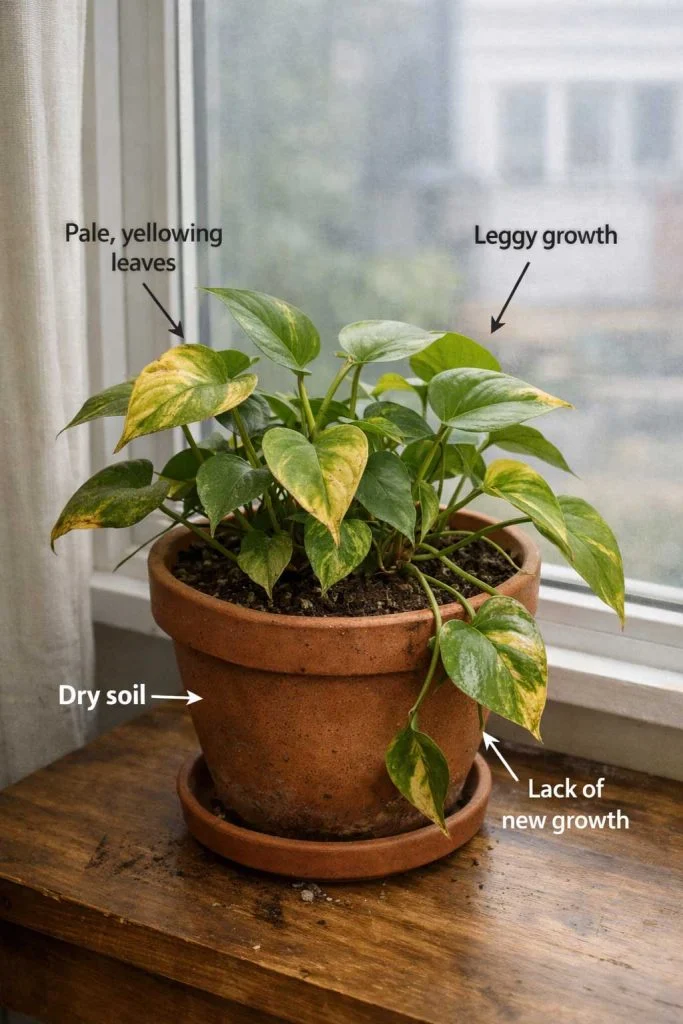
Many plants survive in low or indirect light – but growth needs surplus energy. Understanding morning sun vs afternoon sun can explain why two plants receiving similar hours of sunlight often grow at very different rates.
Signs light is barely adequate:
- No new leaves
- Internodes stay short
- Plant looks frozen in time
Morning vs afternoon light, window direction, and reflection all matter more than most people realize.
5️⃣ The Plant Is Adjusting After Transplanting
After repotting or moving locations:
- Plants pause top growth
- Energy is redirected to root repair
- Growth resumes only when roots stabilize
This pause can last 2–6 weeks, depending on stress level.
Mistake to avoid:
❌ Fertilizing aggressively
❌ Moving the plant again
❌ Overwatering “to help”
Sometimes, doing less is the fix.
🌱 How to Restart Growth (Without Damaging the Plant)
Follow this sequence — do not fix everything at once:
- Check roots (gently)
- Look for circling or compressed roots
- Improve oxygen
- Allow soil to dry slightly between watering
- Adjust light
- Increase brightness gradually
- Pause feeding
- Wait for new growth before fertilizing
- Be patient
- Growth resumes only after internal recovery
Growth always starts below the soil first.
🌿 Why This Problem Is So Common
Most gardening advice focuses on:
- What to add
- What to buy
- What to apply
But plant growth is controlled by balance, not inputs.
When conditions are just barely acceptable, plants survive – but they don’t expand. That’s why so many gardens look “alive” but never thrive.
If you’re new to gardening, you’ll often discover that slow growth comes from several small habits rather than one major mistake. Learning these beginner gardening mistakes nobody talks about can prevent months of frustration.
FAQs
Why is my plant green but not growing?
A plant can remain green while growth slows because it is maintaining basic survival rather than expanding. Growth often pauses when roots are stressed, light is insufficient, or energy supply is limited.
Should I fertilize a plant that stopped growing?
Not immediately. Fertilizing stressed or damaged roots can worsen the problem. It is better to correct light, watering, drainage, or temperature conditions before adding nutrients.
How long does growth pause last after repotting?
Growth pauses after repotting typically last between 2 and 6 weeks, depending on the extent of root disturbance, plant species, and environmental stability.
Can too much care stop plant growth?
Yes. Overwatering, frequently moving the plant, or constantly adjusting conditions can stress roots and delay recovery, preventing steady growth.