

Choosing the wrong plant is the fastest way to lose confidence as a beginner gardener.
Most plant failures are not caused by lack of care. They are caused by mismatch – the wrong plant placed in the wrong environment with the wrong expectations.
Beginner gardening success is primarily a selection problem, not a watering problem.
Even when plants survive, beginners often notice that their garden still does not feel calm or cohesive – environmental structure matters as much as survival, as explored in Why Some Gardens Never Feel Relaxing (Even When They Look Nice).
This guide explains:
- What makes a plant beginner-friendly
- Why certain plants survive across climates
- Which indoor and outdoor plants are globally reliable
- How to reduce early-stage failure
- How to build confidence before complexity
If you are new to gardening, this article connects with our broader system inside the Home Gardening Guide, where plant selection, watering rhythm, light adaptation, and long-term growth are structured step by step.
For a broader overview of all gardening systems and plant topics, visit our Gardening category.
Why Plant Selection Determines Success
Beginner gardening has one dominant variable:
Tolerance threshold.
Every plant has:
- A moisture tolerance range
- A light tolerance range
- A temperature stability range
- A stress recovery capacity
Sensitive plants have narrow tolerance ranges.
Beginner plants have wide tolerance ranges.
When beginners overwater slightly, resilient plants adapt.
When beginners forget watering once, resilient plants recover.
When light exposure changes seasonally, resilient plants adjust.
Most beginner failures occur because new gardeners choose ornamental or trendy plants with narrow tolerance windows.
The result is not lack of effort.
It is structural mismatch.
A beginner plant must:
- Survive inconsistent watering
- Adapt to indirect or low light
- Grow steadily without rapid stress cycles
- Resist pests and common diseases
- Recover from mild neglect
These are survival traits, not aesthetic traits.
Environmental Variables Beginners Underestimate
Before choosing plants, beginners should understand four environmental realities:
1. Light Distribution Is Uneven
Indoor homes rarely provide consistent direct sunlight.
Light changes by season, window direction, and building shadow.
South-facing windows differ from north-facing windows.
High-rise apartments differ from landed homes.
Many beginner plants fail simply because they are placed too far from usable light.
2. Watering Is Emotionally Driven
Beginners tend to:
- Overwater out of concern
- Water on schedule instead of soil dryness
- Mist leaves instead of checking root moisture
Root rot is more common than underwatering.
3. Indoor Air Is Drier Than Expected
Air conditioning reduces humidity.
Some tropical plants require stable humidity levels that beginners cannot maintain.
Resilient plants tolerate dry indoor air.
4. Beginners Change Too Many Variables at Once
Moving pots frequently
Repotting too early
Adding fertilizer too soon
Switching placement repeatedly
Stable conditions outperform constant adjustment.
Understanding these variables prevents early discouragement.
What Makes a Plant Beginner-Friendly?
Beginner-friendly plants share adaptive biological traits.
They typically:
- Store water in leaves or roots
- Possess thicker foliage that reduces evaporation
- Tolerate partial shade
- Grow at moderate speed
- Show visible stress signals before serious damage
Plants that require:
- Daily watering
- High humidity
- Precise fertilizer timing
- Strong direct sunlight
should be avoided in the early learning phase.
Beginner gardening is about building pattern recognition.
You must learn:
- When soil is dry
- How leaves signal stress
- How light affects growth rate
Plants that survive while you learn are the correct starting point.
Best Indoor Plants for Beginners – Globally Reliable
Indoor beginners need plants that survive artificial environments.
These plants adapt well across climates and housing types.
Snake Plant – The Structural Survivor
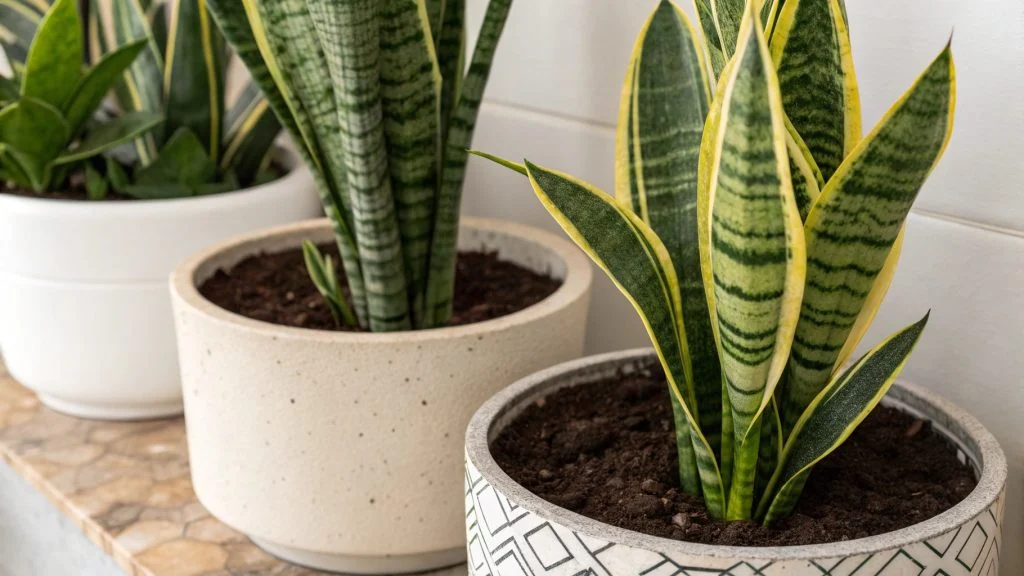
Also known as Sansevieria, the snake plant is widely considered the most resilient indoor plant.
Why it works:
- Thrives in low to bright indirect light
- Requires watering every 1 to 2 weeks
- Tolerates dry indoor air
- Survives irregular care
Its thick upright leaves store water, reducing drought stress.
Snake plants also tolerate inconsistent positioning, making them suitable for bedrooms, offices, and shaded corners.
This is often the safest first plant for absolute beginners.
Pothos – The Adaptive Grower
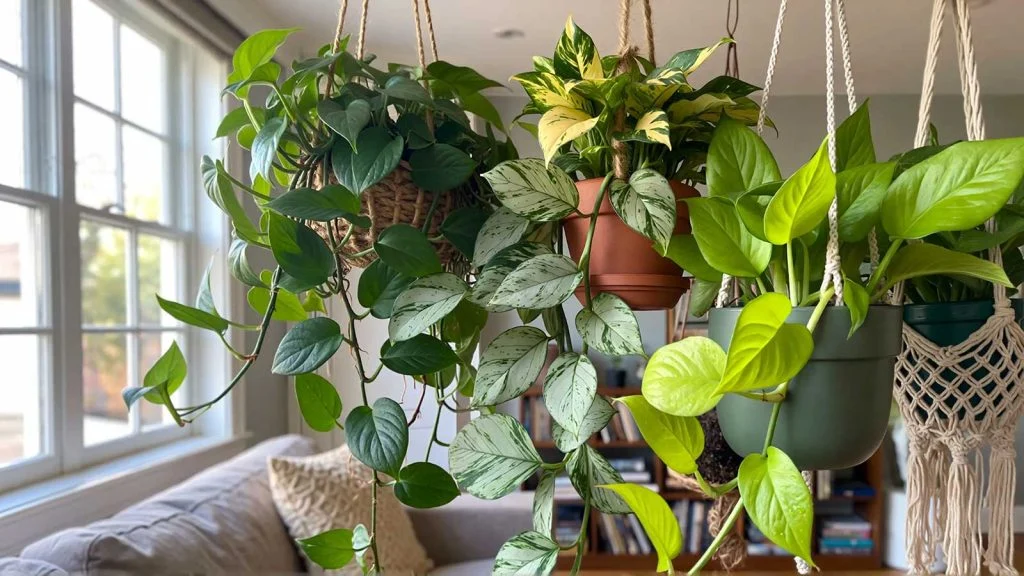
Pothos, sometimes called Devil’s Ivy, adapts quickly to different light levels.
Key traits:
- Fast but manageable growth
- Visual signals when thirsty
- Adapts to hanging or shelf placement
- Tolerates beginner pruning mistakes
Its trailing growth pattern allows visible progress, which reinforces confidence.
For beginners living in apartments with moderate indirect light, pothos offers flexibility.
ZZ Plant – The Low-Light Specialist
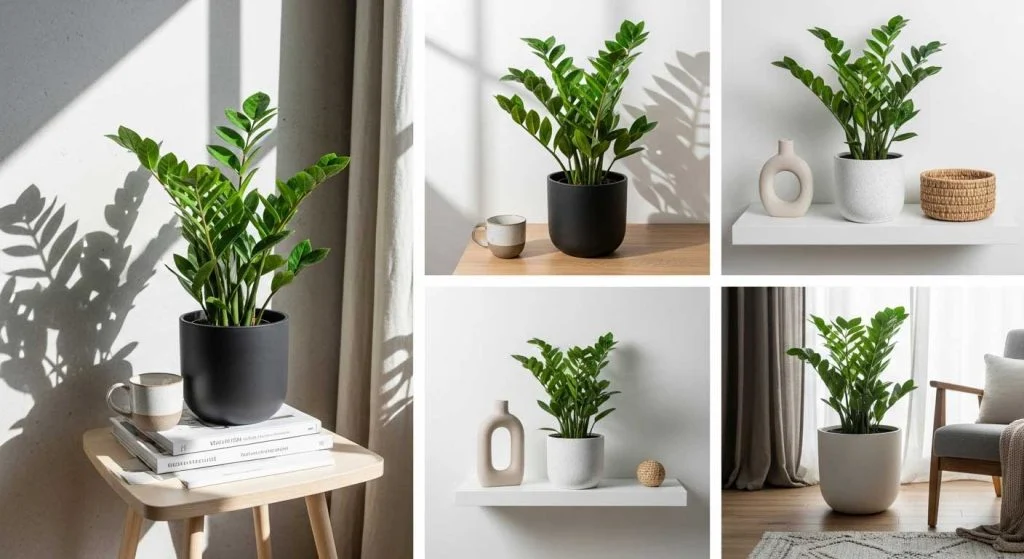
The ZZ plant (Zamioculcas) is one of the most drought-tolerant indoor plants.
Why beginners succeed with it:
- Survives low-light rooms
- Requires minimal watering
- Glossy leaves remain decorative year-round
- Stores water in underground rhizomes
Its ability to withstand neglect makes it ideal for busy or forgetful beginners.
Spider Plant – The Feedback Teacher
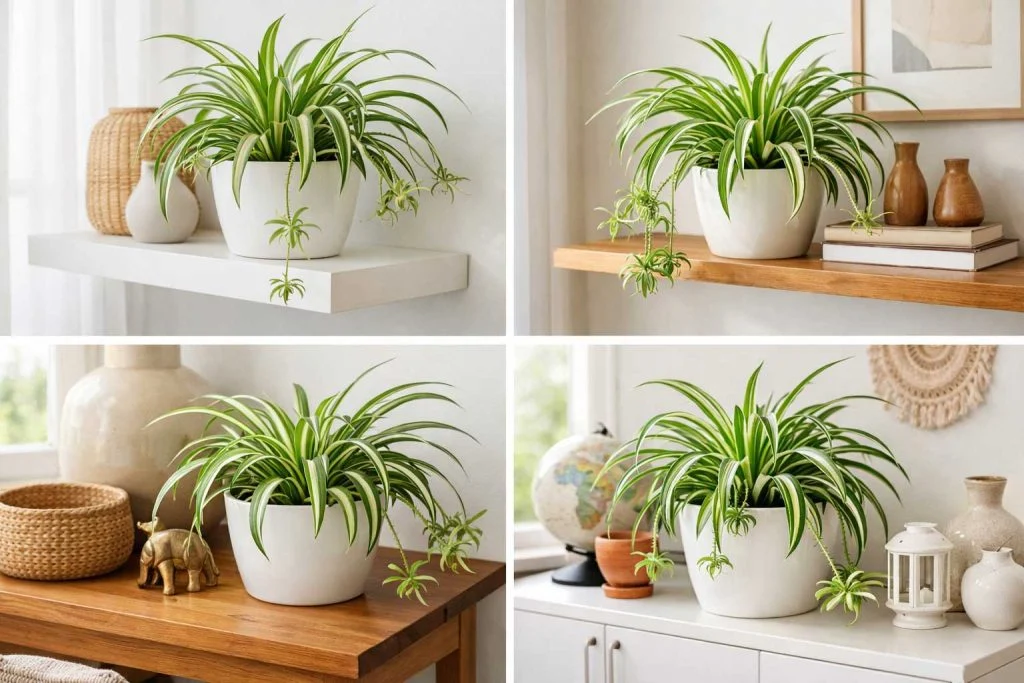
Spider plants grow quickly and produce visible offshoots.
Advantages:
- Fast growth cycle
- Produces baby plants for propagation
- Recovers from inconsistent watering
- Signals stress early
Spider plants help beginners learn plant reproduction and pruning without high risk.
Understanding Indoor Light Before Expanding
Before adding more indoor plants, beginners should understand how indoor growing differs from outdoor gardening.
Indoor light is filtered, directional, and seasonally unstable.
If you plan to grow edible plants indoors later, temperature and hygiene become additional variables. Structural indoor growing considerations are explained in related indoor vegetable systems.
For decorative indoor beginners, stick to shade-tolerant, drought-resistant species first.
If you plan to grow edible crops indoors later, understanding environmental hygiene becomes important, as explained in Why Indoor Vegetable Plants Should Be Sterile.
Best Outdoor Plants for Beginners
Outdoor beginners benefit from plants that:
- Grow visibly within weeks
- Tolerate rainfall variation
- Resist pests
- Survive inconsistent pruning
Outdoor conditions vary by climate, but some categories remain reliable globally.
Herbs – The Fast Feedback System
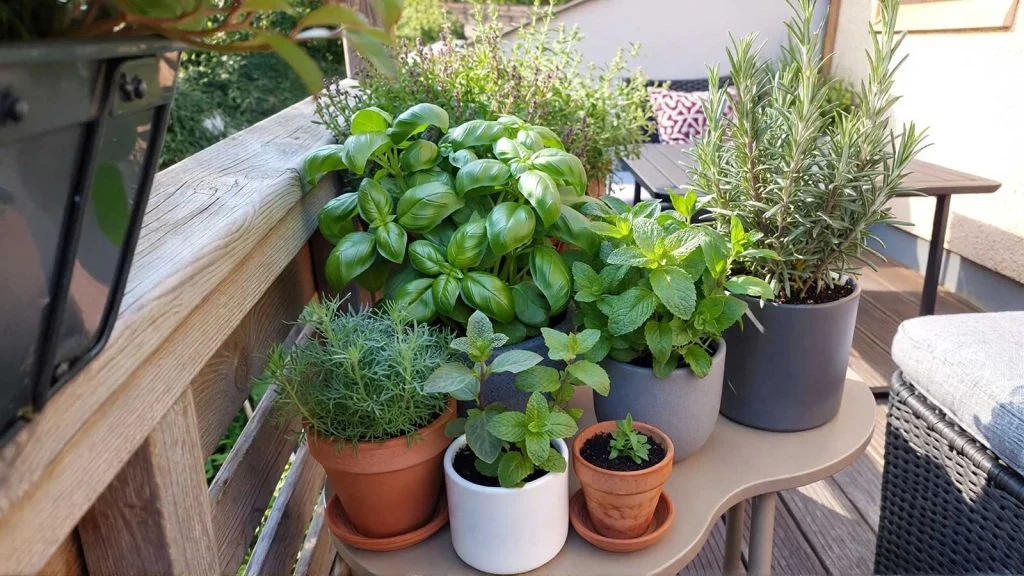
Herbs such as:
- Mint
- Basil
- Rosemary
are forgiving and productive.
Why herbs work for beginners:
- Quick harvest cycles
- Visible growth response
- Strong scent feedback when stressed
- Useful in cooking
Herbs help beginners understand sunlight tracking and watering rhythm.
Because herbs grow quickly, mistakes are visible early, which accelerates learning.
However, beginners must still monitor soil moisture to prevent overwatering.
Leafy Greens – Early Confidence Builders
In moderate climates, leafy greens such as lettuce and spinach grow quickly and require limited structural support.
They allow beginners to experience:
- Seed-to-harvest cycles
- Seasonal timing awareness
- Soil drainage understanding
Fast success improves long-term gardening confidence.
For those starting with indoor setups during cooler months, see How to Grow Vegetables Indoors in Cool Season for a structured system approach.
Raised Beds vs Ground Planting
Outdoor beginners often struggle with soil inconsistency.
Raised beds:
- Improve drainage
- Reduce soil compaction
- Allow easier watering control
If you want a beginner-friendly setup, see How to Make a Raised Garden Bed With Legs for a practical starter structure.
Ground planting depends heavily on native soil quality.
Understanding soil composition reduces beginner uncertainty – explained in Soil Types for Beginners.
For beginners, container gardening or raised beds reduce environmental uncertainty.
Best Plants for Low-Light Homes
Low-light conditions are one of the most common beginner constraints.
Many homes receive indirect sunlight only.
High-rise apartments, shaded windows, and interior layouts reduce light intensity significantly.
Instead of forcing sunlight-dependent plants to survive, beginners should choose species adapted to shade environments.
These plants evolved under forest canopies where light is filtered and intermittent.
Reliable low-light plants include:
- Snake Plant
- ZZ Plant
- Peace Lily
- Cast Iron Plant
These species tolerate reduced photosynthesis rates and slower growth cycles without structural collapse.
However, “low light” does not mean “no light.”
Even shade-tolerant plants require ambient brightness to sustain metabolism. Complete darkness will eventually weaken any plant.
If your plants appear healthy but stop producing new growth, the issue is often insufficient light intensity rather than watering.
A deeper explanation of stagnation mechanisms is covered in Why Plants Stop Growing Even When They Look Healthy.
Understanding light placement reduces long-term stagnation.
How Many Plants Should a Beginner Start With?
Overexpansion is a hidden beginner risk.
Starting with too many plants increases:
- Watering complexity
- Monitoring difficulty
- Light placement errors
- Emotional stress
For most beginners, 3 to 5 plants is optimal.
This allows:
- Pattern recognition
- Routine development
- Environmental adjustment without overload
Once watering rhythm and light awareness become intuitive, additional plants can be introduced gradually.
Gardening confidence builds from stability, not volume.
Common Beginner Mistakes When Choosing Plants
Most beginner failures are predictable.
They are rarely caused by laziness.
They are caused by structural misunderstanding.
Indoor containers require controlled soil conditions – explained in Why Indoor Vegetable Plants Should Be Sterile.
1. Choosing Based on Appearance Only
Decorative plants are often marketed visually.
However, aesthetics do not reflect tolerance range.
Many visually striking plants require stable humidity and strict watering intervals.
Beginner success requires biological resilience, not visual trend alignment.
2. Ignoring Light Requirements
Light is not optional.
Placing high-light plants in shaded rooms leads to:
- Weak stems
- Slow growth
- Leaf yellowing
Beginners often misinterpret these signs as watering problems.
3. Overwatering From Concern
Overwatering is the most common beginner error.
Roots require oxygen.
Waterlogged soil reduces oxygen availability and causes root rot.
Symptoms of overwatering include:
- Yellow leaves
- Mushy stems
- Persistent soil moisture
Stable dryness between watering cycles is healthier than constant dampness, which is explained in detail in our guide on how to water plants correctly.
4. Using Pots Without Drainage
Drainage holes prevent water accumulation.
Decorative pots without drainage create high-risk environments for root suffocation.
5. Constantly Moving Plants
Plants adapt slowly.
Frequent repositioning disrupts their light adjustment cycle.
Stability produces better results than constant correction.
Tools That Help Beginners Succeed
Tools do not replace skill.
They reduce variability.
Beginner-friendly tools include:
- Pots with drainage holes
- Basic moisture meter
- Pruning scissors
- Lightweight watering can
A moisture meter is especially useful for beginners who cannot yet judge soil dryness by touch.
However, tools must support observation, not replace it.
Overreliance on tools without understanding plant signals leads to misinterpretation.
Expanding Your Gardening System
Once foundational plants survive consistently, beginners can expand their system carefully.
Expansion should follow mastery, not enthusiasm.
Saving Money With Beginner Plants
Beginner plants reduce financial waste.
Frequent plant replacement is common when new gardeners choose sensitive species.
Resilient plants reduce:
- Replacement costs
- Soil waste
- Decorative pot waste
Herbs provide additional savings by reducing grocery spending.
However, gardening savings accumulate gradually.
The primary early benefit is skill development, not immediate cost reduction.
Using Technology to Choose Plants
Some beginners now use AI-based plant identification tools to:
- Identify unknown plants
- Diagnose visible stress
- Receive care reminders
These tools can help reduce mismatched purchases.
However, digital advice must still align with local light, climate, and indoor conditions.
Technology improves awareness, but environment determines survival.
Transitioning From Beginner to Intermediate
After mastering resilient plants, beginners can gradually introduce:
- Flowering plants
- Edible vegetables indoors
- Climate-sensitive species
Transition should occur only after:
- Watering rhythm becomes intuitive
- Light positioning becomes deliberate
- Stress signals are recognizable
Rushing into complex plants reintroduces failure risk.
Growth should be layered, not accelerated.
For seasonal indoor systems, refer to How to Grow Vegetables Indoors in Cool Season to understand temperature stability and growth timing.
Frequently Asked Questions About Beginner Plants
What is the easiest plant for absolute beginners?
Snake plant is one of the easiest choices for beginners because it tolerates low light, irregular watering, and dry indoor air.
Can beginners grow plants indoors without direct sunlight?
Yes. Low-light tolerant plants like ZZ plant, snake plant, peace lily, and cast iron plant can grow well in bright indirect light. They still need ambient daylight, not complete darkness.
How many plants should beginners start with?
Starting with 3 to 5 plants is usually manageable. It helps beginners learn watering rhythm and light placement without getting overwhelmed.
How often should beginner plants be watered?
Watering should be based on soil dryness, not a fixed schedule. Most resilient indoor beginner plants need watering roughly every 1 to 2 weeks depending on temperature, pot size, and humidity.
Do beginner plants need fertilizer?
Light feeding every 4 to 6 weeks during active growing seasons is generally enough. Over-fertilizing is a common beginner mistake and can stress roots.
Why do my beginner plants still die even when I care for them?
Most beginner plant losses happen due to overwatering, pots without drainage, incorrect light placement, or too much change at once. Stable conditions usually matter more than frequent adjustments.
What are the most common beginner mistakes when choosing plants?
Common mistakes include buying plants for looks only, ignoring sunlight needs, choosing plants that need daily watering, using pots without drainage, and moving plants too often. Beginner-friendly plants should tolerate inconsistency while you learn.
Which tools help beginners keep plants alive?
Useful beginner tools include pots with drainage holes, a basic moisture meter, pruning scissors, and a small watering can. These tools reduce watering errors and make it easier to maintain stable care routines.
Final Thoughts – Build Confidence Before Complexity
Beginner gardening success is not about perfect care.
It is about correct selection.
Resilient plants allow beginners to develop observation skills without high failure rates.
Start with tolerant species.
Stabilize watering rhythm.
Understand light placement.
Avoid rapid expansion.
Confidence grows when plants survive your learning phase.
Complex plants can come later.
Beginner gardening is not about collecting plants.
It is about building a stable system, which is why we recommend starting from our complete home gardening guide before expanding into complex species.
It is about building a system that supports growth – both botanical and personal.