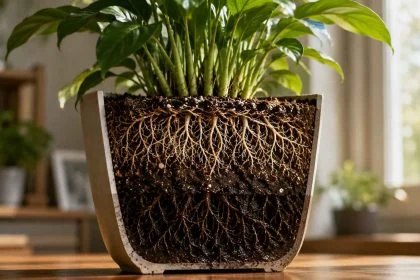

Soil is the foundation of plant life, yet it remains the most confusing part for beginners.
Why does one plant survive and the other dies — even when you water them the same?
Why does your basil thrive in one pot but struggle in another?
The answer is nearly always the same: the soil.
By the end, you’ll know exactly:
- What soil type do you have
- Which plants thrive in it
- How to improve poor soil
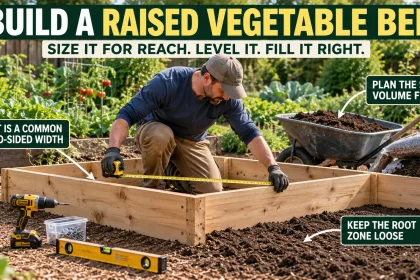
- How to choose the right growing medium for pots and raised beds
This article is part of our complete home gardening guide, where we explain sunlight, watering, plant selection, and garden setup step by step.
🌱What Is Soil Made Of? (Foundational Entity)
Soil contains five essential components:
- Minerals (sand, silt, clay)
- Organic matter
- Air
- Water
- Microorganisms
The ratio between these components determines your soil type.
🌱The 4 Main Soil Types (Global Standard Classification)
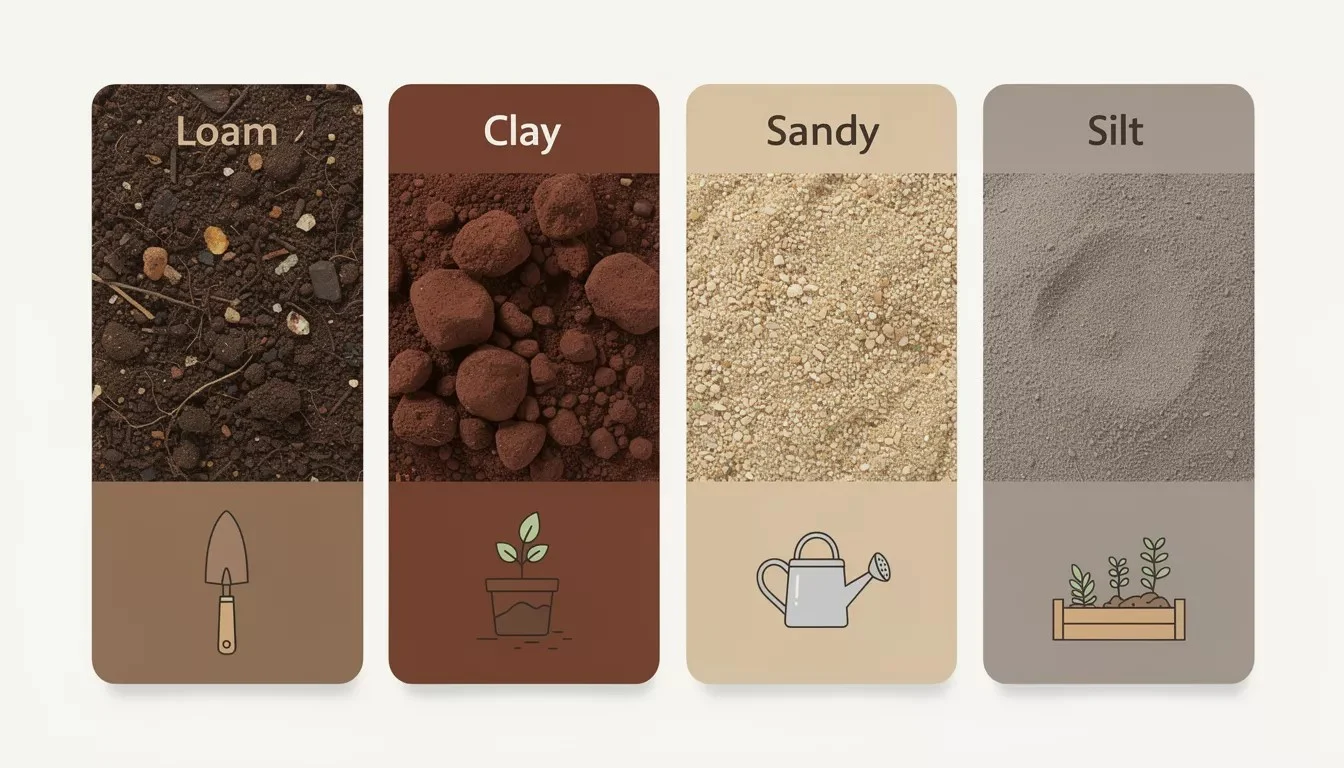
Science divides soil into four primary types:
- Loam
- Clay
- Sandy
- Silt
Each one behaves differently — affecting drainage, aeration, fertility, and root health.
Loam Soil (The Best All-Rounder)
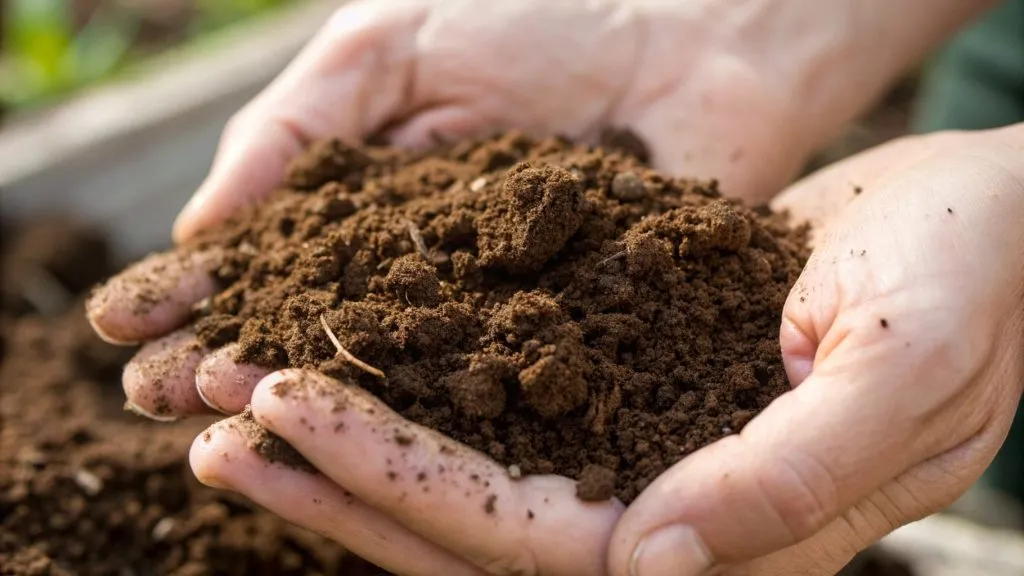
Loam is the ideal soil type for gardening because it balances:
- Drainage
- Moisture retention
- Fertility
- Root aeration
Loam contains:
- 40% sand
- 40% silt
- 20% clay
This makes it soft, crumbly, and easy for roots to grow.
Most items on our beginner plants list perform best in loam or loam-based potting mixes.
Clay Soil (Heavy & Dense)
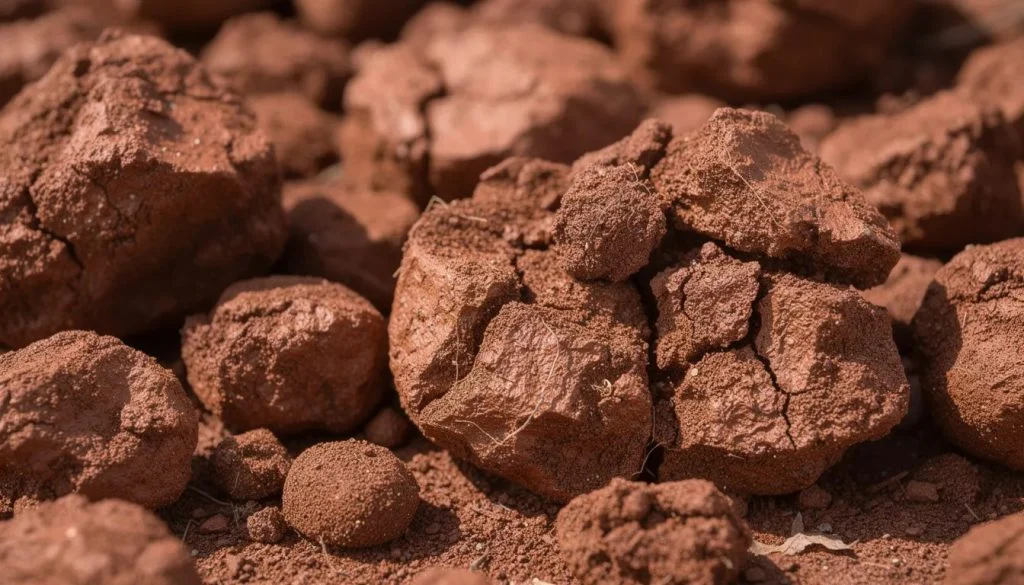
Characteristics:
- Holds too much water
- Poor drainage
- Hard to work when dry
- Sticky when wet
- Root growth struggles
Clay soil needs amendments to become gardening-friendly.
Sandy Soil (Fast-Draining)
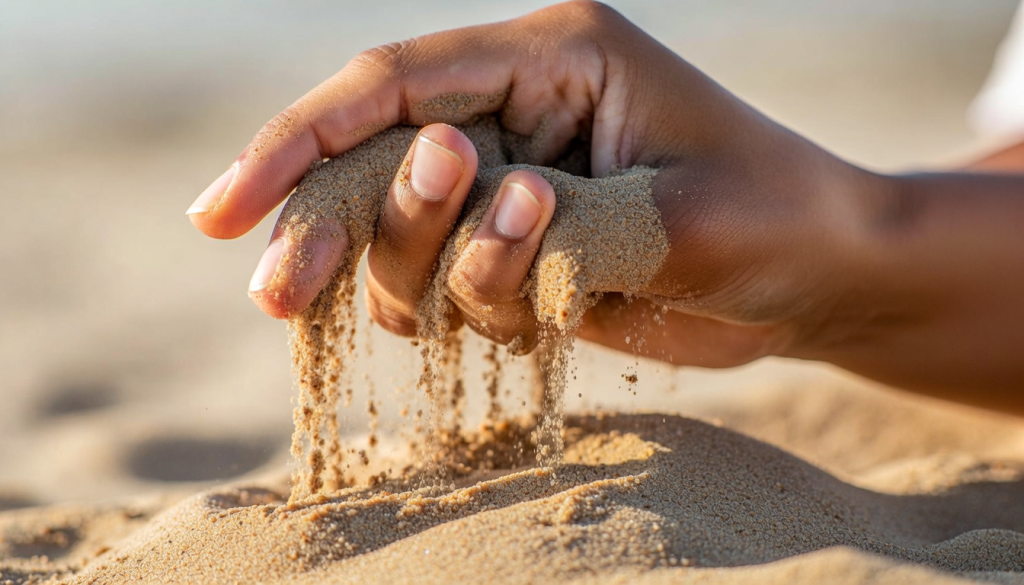
Characteristics:
- Drains quickly
- Low nutrient retention
- Warm soil (good for some plants)
- Poor water-holding capacity
Great for:
- Cacti
- Succulents
- Mediterranean herbs (rosemary, lavender)
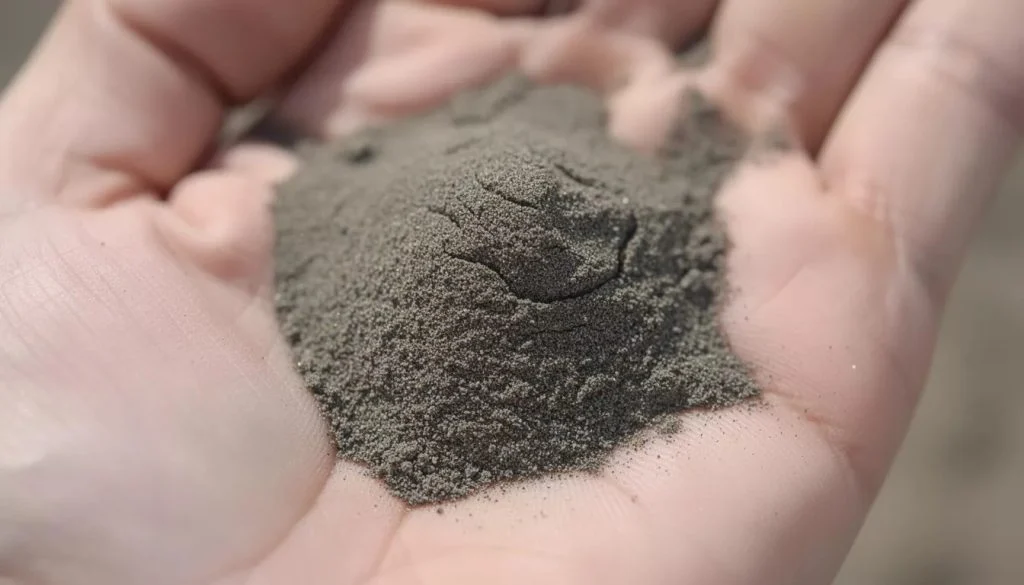
Silt Soil (Smooth & Moisture-Retentive)
🌱How to Identify Your Soil Type (Beginner-Friendly Tests)
You don’t need lab equipment — just simple home tests.
The Jar Test (Most Accurate Home Method)
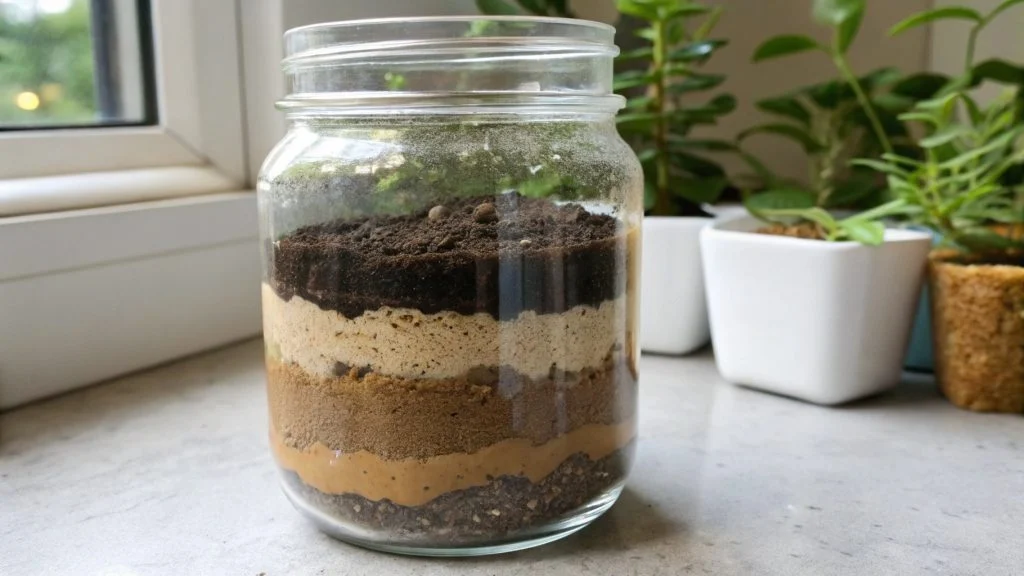
Steps:
- Fill a jar with soil
- Add water + drop of soap
- Shake vigorously
- Let settle for 24 hours
- Observe layers: sand → silt → clay
For faster analysis, some gardeners now rely on AI tools for home gardening to identify soil composition and plant compatibility using image recognition.
🌱How to Improve Each Soil Type (Actionable Guide)
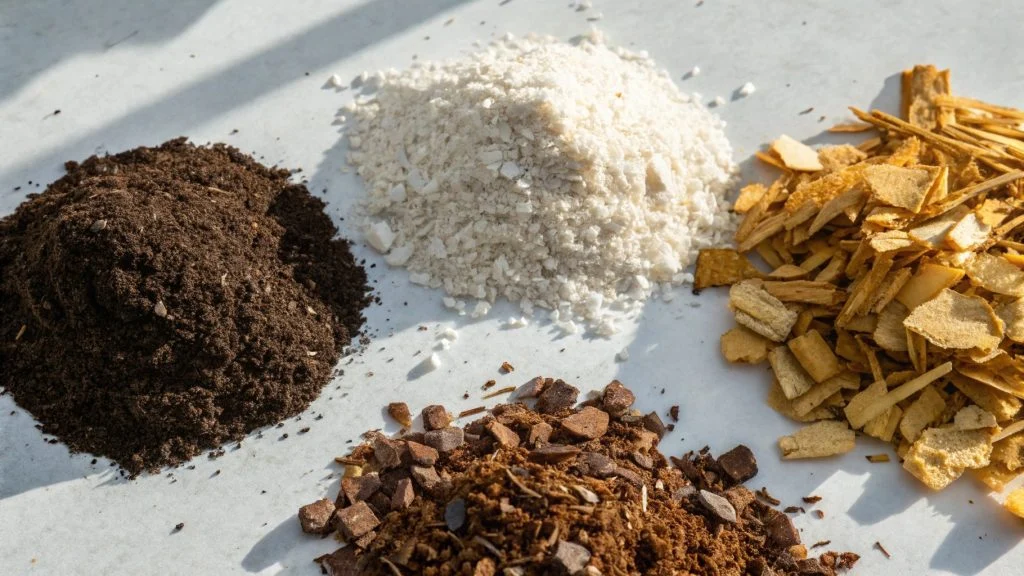
Loam → perfect
Sandy → add organic matter
Clay → add perlite + compost
Silt → add structure (compost, bark, perlite)
Improving soil quality also increases yield and reduces plant loss, which is one way beginners start saving money through home gardening over time.
These soil improvements are especially useful in compact spaces, which we cover in our small space gardening ideas guide.
If you’re unsure what to buy, our guide to beginner-friendly gardening tools covers the most effective soil amendment products for home use.
🌱Potting Mix vs Garden Soil (Beginner Must-Know)
Potting mix is best for containers:
- Lightweight
- Sterile
- Fast-draining
- No pests
Garden soil is for outdoor beds only.
Choosing the right potting mix is especially important for styling and maintaining indoor plants for aesthetic home design.
If you’re just starting out, follow our step-by-step guide on how to set up your first garden to avoid common beginner mistakes.