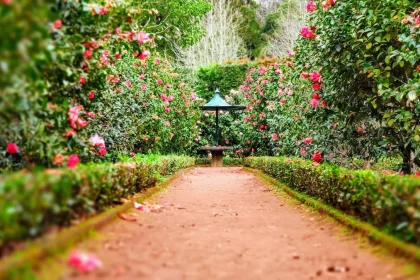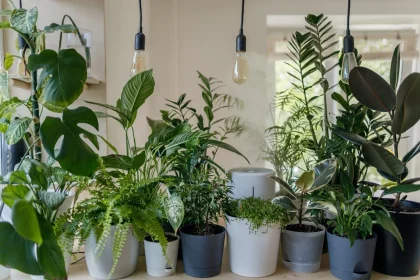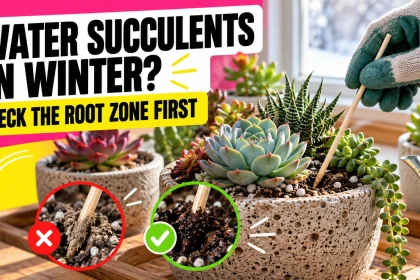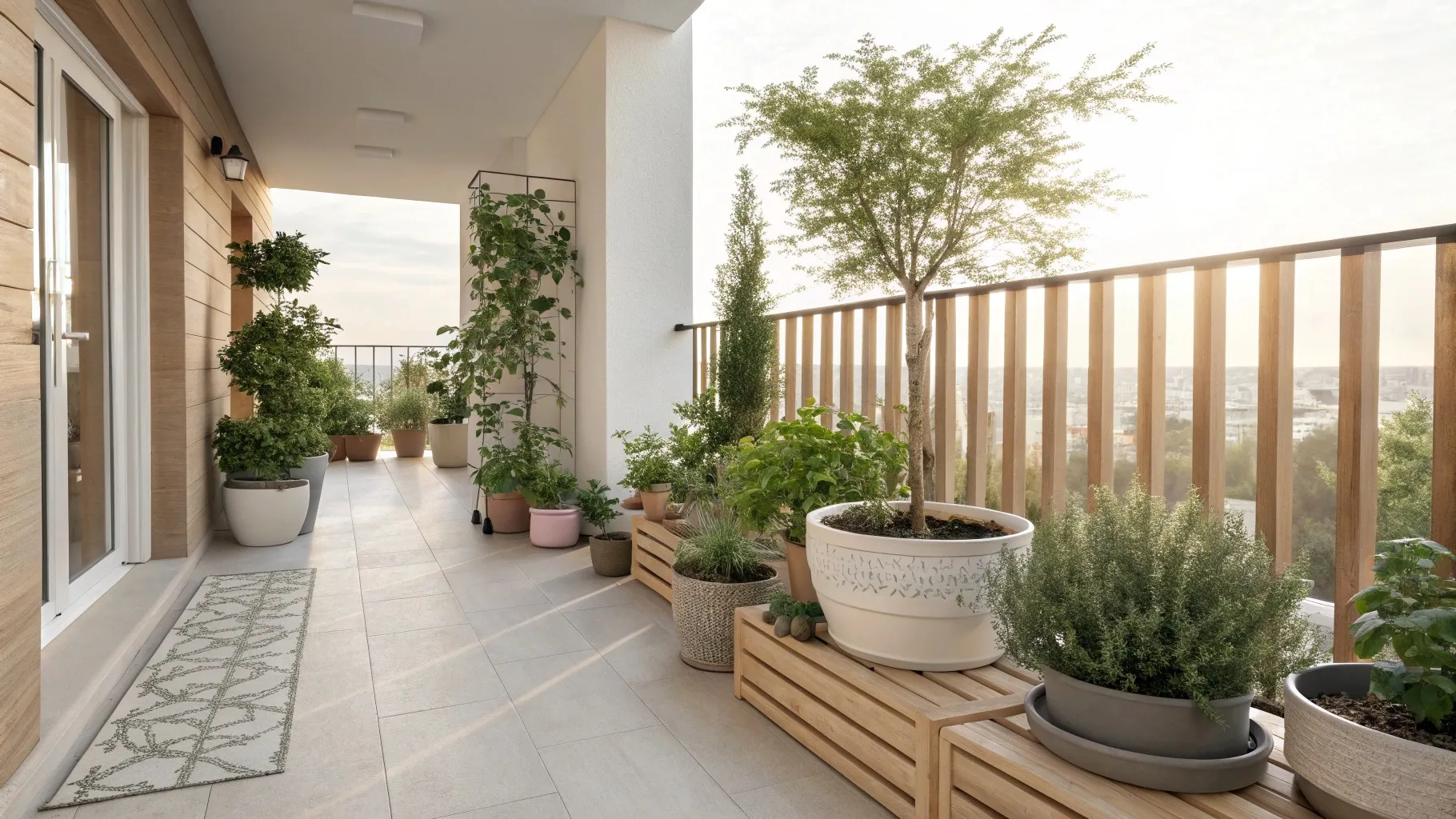
🌿 What Exactly Is Home Gardening?
Home gardening means growing plants in or around your home – including:
- balconies
- patios
- windowsills
- backyards
- indoor shelves
- kitchen counters
- raised beds
- small urban spaces
It differs significantly from large-scale farming or professional horticulture.
Home gardening is:
- low-maintenance
- affordable
- beginner-friendly
- space-flexible
- emotionally rewarding
🌿 Why Home Gardening Is Rising Worldwide
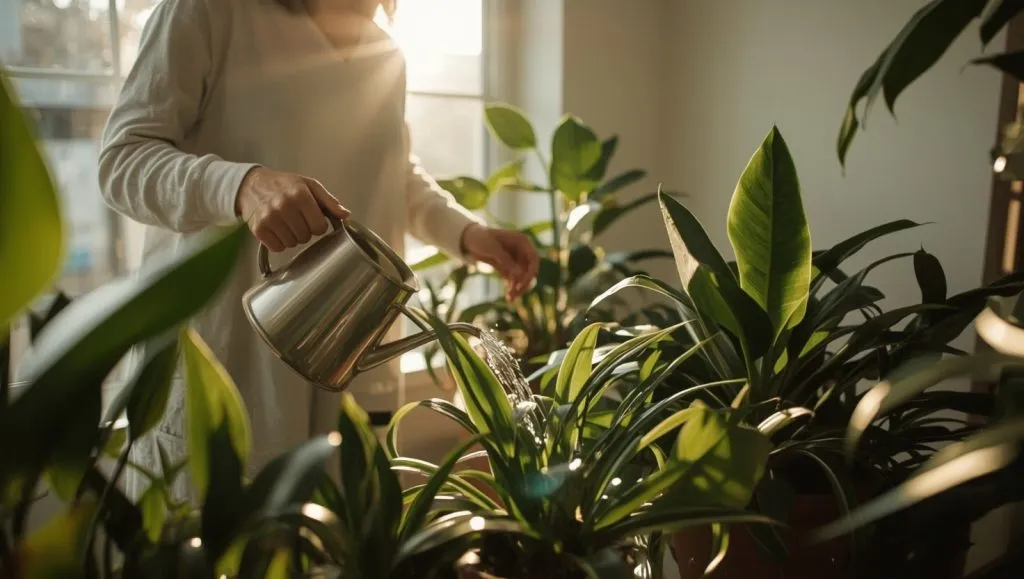
Global search interest in “home garden” rose sharply after 2020 because:
- People want healthier food
- stress management
- indoor environment improvement
- interest in sustainability
- increased remote working
- desire for visually aesthetic living spaces
And because of TikTok + Pinterest aesthetics, demand is even stronger for:
- small space gardens
- minimalist indoor plants
- balcony gardens
- easy beginner vegetables
- air-purifying plants
🌿 Types of Home Gardening (Entity Expansion Layer)
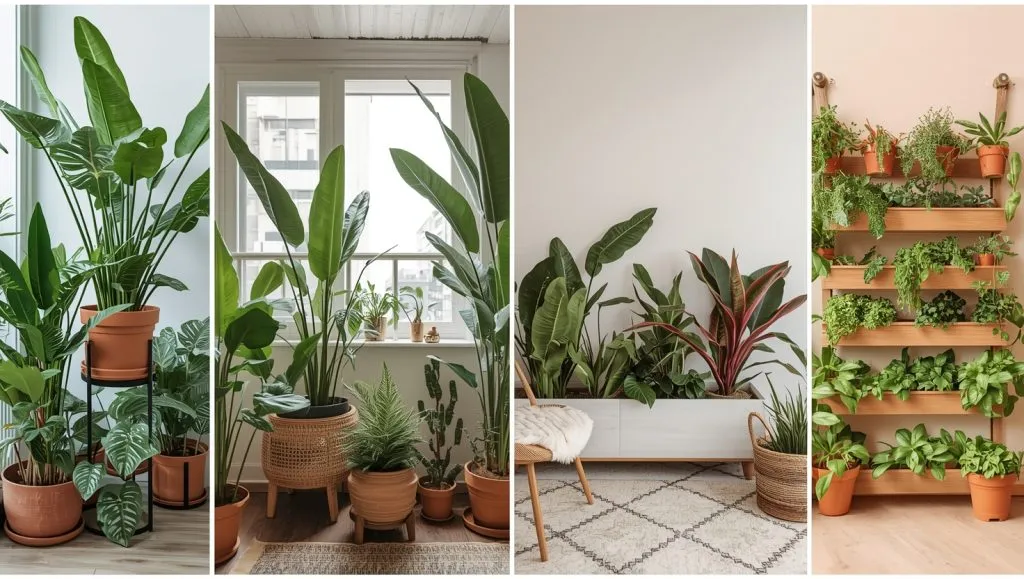
1. Indoor Gardening
Plants grown inside your home:
– herb pots
– indoor tropical plants
– air-purifying plants
– indoor trees
2. Outdoor Home Gardening
Backyards, patios, terraces, and rooftops.
3. Container Gardening
Pots, ceramic planters, fabric pots, recycled containers.
4. Balcony / Apartment Gardening
Small spaces with partial sun.
5. Raised Bed Gardening
Great for vegetables and herbs.
6. Vertical Gardening
Using walls, racks, or hanging planters.
This categorization sets the foundation for future sub-pages under your Gardening category.
Sunlight, Climate & Environment
Understanding light and climate is the first key to scientific success in gardening.
Even perfect soil cannot save a plant placed in the wrong environment.
This section explains:
- What “full sun” actually means
- How many hours of light do your plants truly need
- How climate zones affect plant choices
- The concept of microclimates around your home
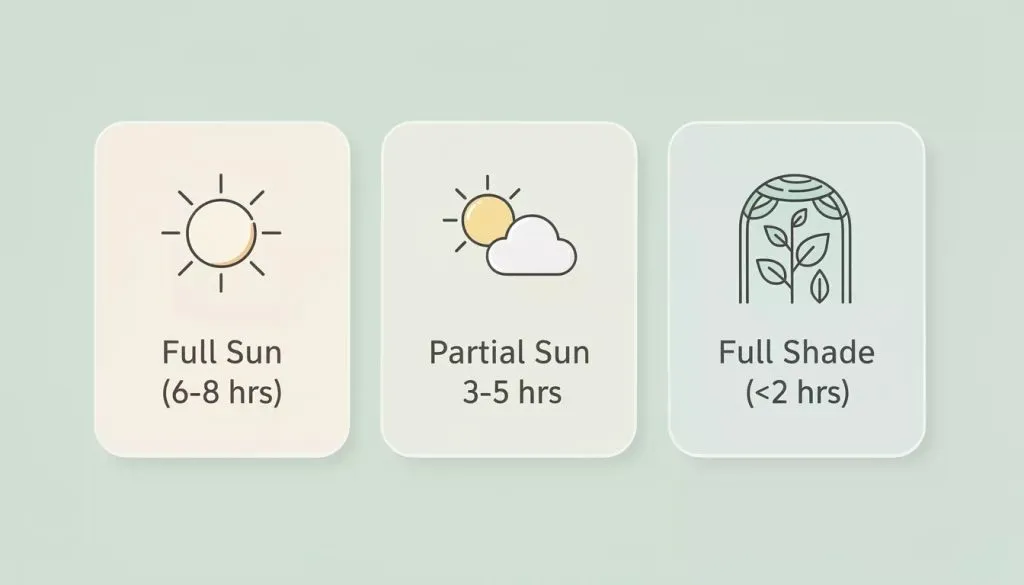
Understanding Sun Exposure (Full Sun, Partial Sun, Shade)
Many beginners misunderstand sunlight terms.
Here is the global standard definition used by horticulturists:
☀️ Full Sun
6-8 hours of direct sunlight
Examples: tomatoes, rosemary, lavender
🌤️ Partial Sun / Partial Shade
3-5 hours of direct sunlight
Examples: lettuce, mint, begonias
🌑 Full Shade
Less than 2 hours of direct light
Examples: snake plant, pothos, peace lily
Beginners often fail because they choose the right plant but place it in the wrong light.
Climate Zones & Plant Selection
Your climate determines:
- What you can grow
- What you cannot grow
- and what needs extra protection
Global Climate Categories:
- Tropical: warm, humid (great for herbs, tropical plants)
- Dry/Arid: hot, low humidity (succulents, drought-tolerant plants)
- Temperate: 4 seasons (vegetables, flowers)
- Cold: short summer, cold winter (root vegetables, hardy shrubs)
Even in these climates, your home has microclimates.
Microclimates Around Your Home
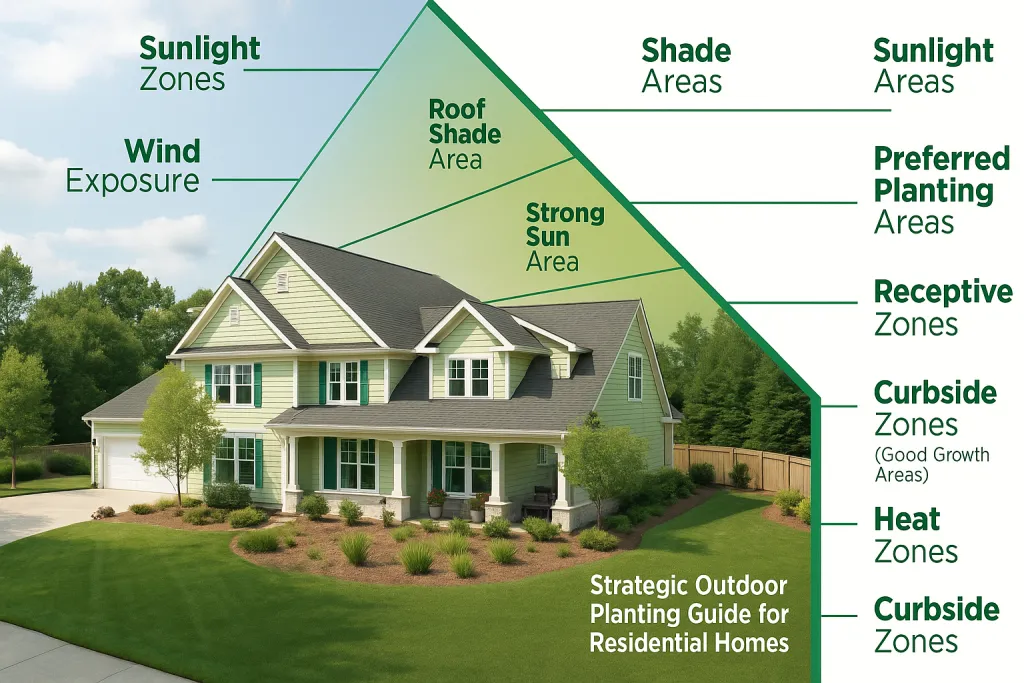
Microclimates are small temperature/light variations caused by:
- walls
- patios
- shade from buildings
- glass windows
- heat retained by concrete
- airflow corridor
A balcony facing east is cooler and receives gentle morning light.
A west balcony receives harsh late-afternoon sun.
Observing your microclimate helps you place plants correctly.
Soil, Containers & Growing Medium
Soil determines drainage, oxygen flow, and plant nutrition – which is why understanding the soil types for beginners is essential before planting.
Soil determines:
- nutrient availability
- root health
- plant stability
- drainage
- oxygen flow
Even if you water correctly, poor soil will sabotage your plants.
Understanding Soil Types (Loam, Clay, Sandy, Silt)
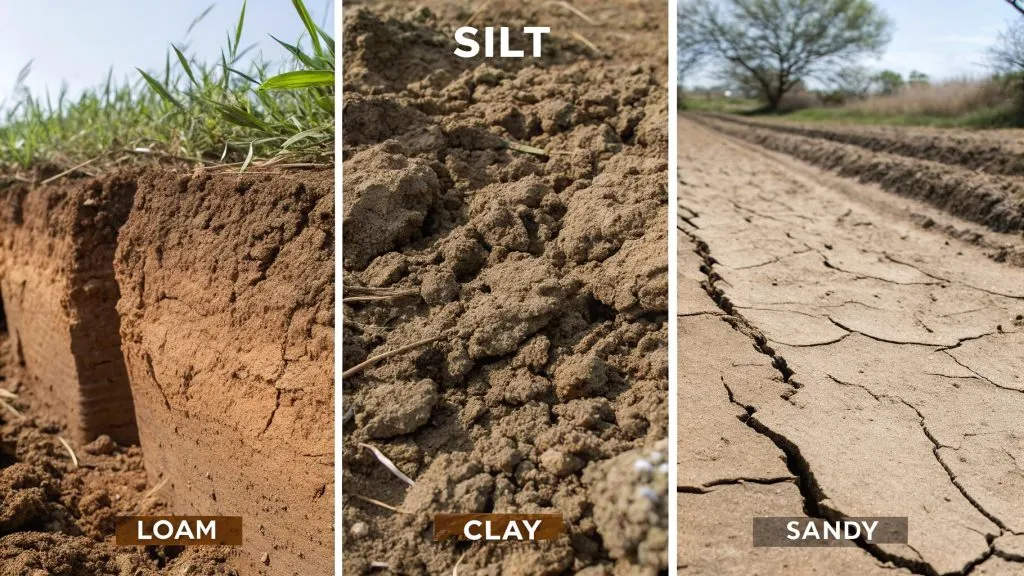
Loam Soil
Best overall soil – balanced drainage and nutrients.
Clay Soil
Heavy and dense; poor drainage. Improvement: add compost/perlite.
Sandy Soil
Drains too fast; needs organic matter.
Silt Soil
Smooth texture; good for moisture but needs structure.
Potting Mix vs Garden Soil
For beginners, potting mix is easier, because it is:
- sterile (free from pests)
- fast-draining
- lightweight
- ideal for containers
Garden soil is heavier and may contain pests, fungus, and poor drainage.
Why Drainage Holes Matter
A pot without a drainage hole is the #1 cause of root rot.
Roots need oxygen, not just water.
Choosing the Right Containers
Best beginner options:
- Plastic pots → affordable, lightweight
- Ceramic pots → stable, aesthetic
- Fabric pots → breathable
- Raised beds → great for vegetables
Watering, Nutrition & Plant Health
Watering and nutrition are the two biggest factors that determine whether your plants live or die. Most beginners struggle because they:
- water too much
- water too little
- water at the wrong time
- Use the wrong fertilizer
- Ignore early deficiency signs
This section builds your foundation.
How to Water Plants Properly
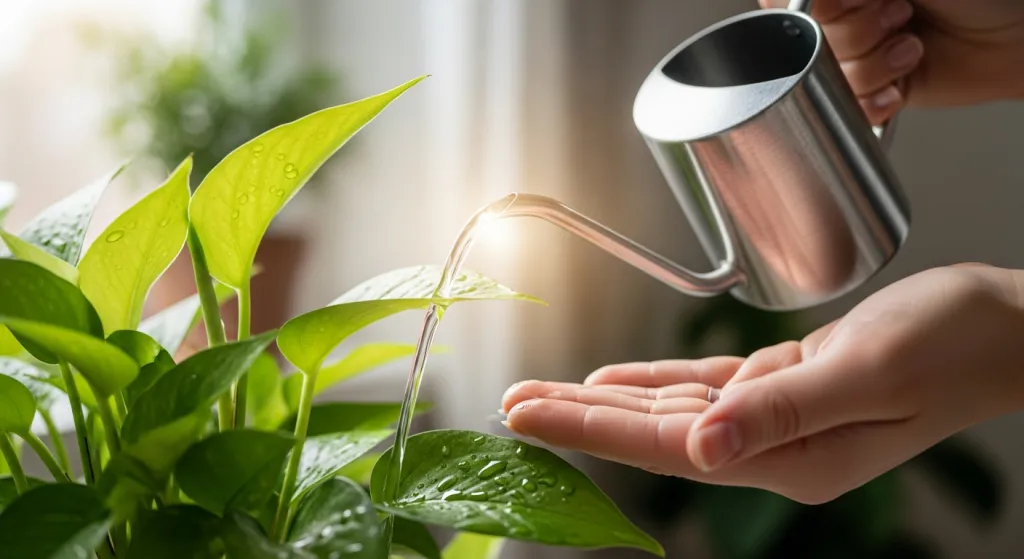
1. The Finger Test (Beginner Standard)
Stick your finger 1–2 cm into the soil.
If dry → water now.
If moist → do NOT water.
If you’re unsure, this guide on how to water plants correctly explains watering frequency, timing, and signs of plant stress in detail.
2. Watering Frequency Rule
Indoor plants → 1–2 times per week
Outdoor plants → 2–4 times per week
Vegetables → almost daily in hot climates
3. Best Time to Water
- Morning (best)
- Late afternoon (second best)
Avoid night watering → increases fungus risk.
4. Deep Watering Method
Water until it flows out of the drainage hole.
Signs of Overwatering & Underwatering
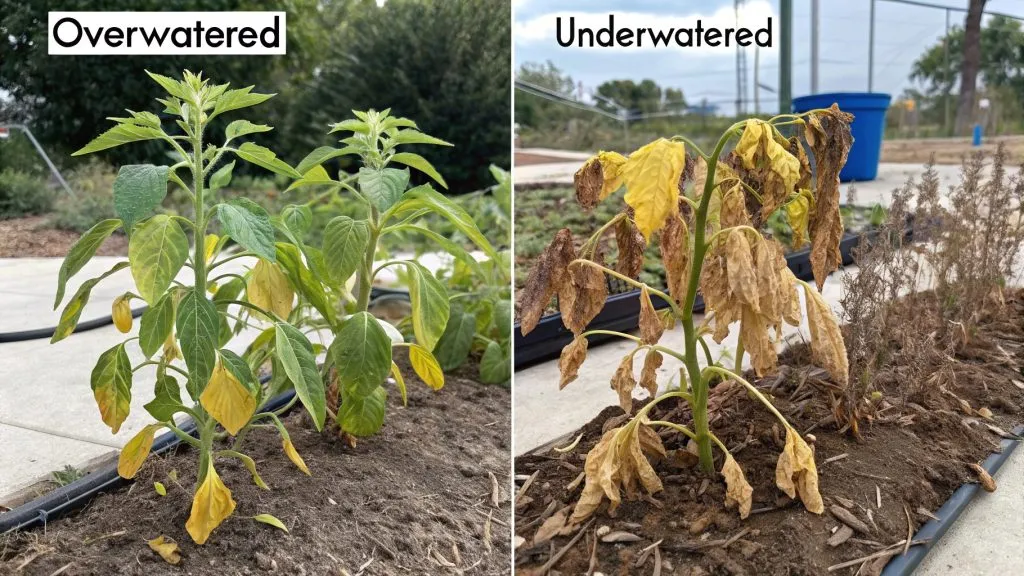
Overwatering Signs:
- Yellow leaves
- Soft mushy stem
- Fungus gnats
- Soil always wet
- Root rot odor
Underwatering Signs:
- Crispy brown edges
- Drooping leaves
- Soil pulls away from pot edges
- Very light pot weight
Plant Nutrition Basics (NPK Explained)
You can also use modern AI tools for home gardening to diagnose plant diseases, identify nutrient deficiencies, and even track watering schedules.
Fertilizers contain:
- N = Nitrogen → leaves
- P = Phosphorus → roots & flowers
- K = Potassium → strength & disease resistance
Beginner tip:
Buy a balanced liquid fertilizer (e.g., 10-10-10 or 5-5-5).
Nutrient Deficiencies (Beginner Symptom Guide)
Yellow leaves → Nitrogen deficiency
Red or purple leaves → Phosphorus deficiency
Weak stems → Potassium deficiency
Choosing the Right Plants (Beginner Success Layer)
Selecting the right plant is the most important decision for beginners.
Most failures happen because people pick plants that do not match:
- their climate
- their sunlight
- their lifestyle (busy? forgetful?)
- their home environment
This section gives you the safest global beginner options.
Easiest Indoor Plants for Beginners
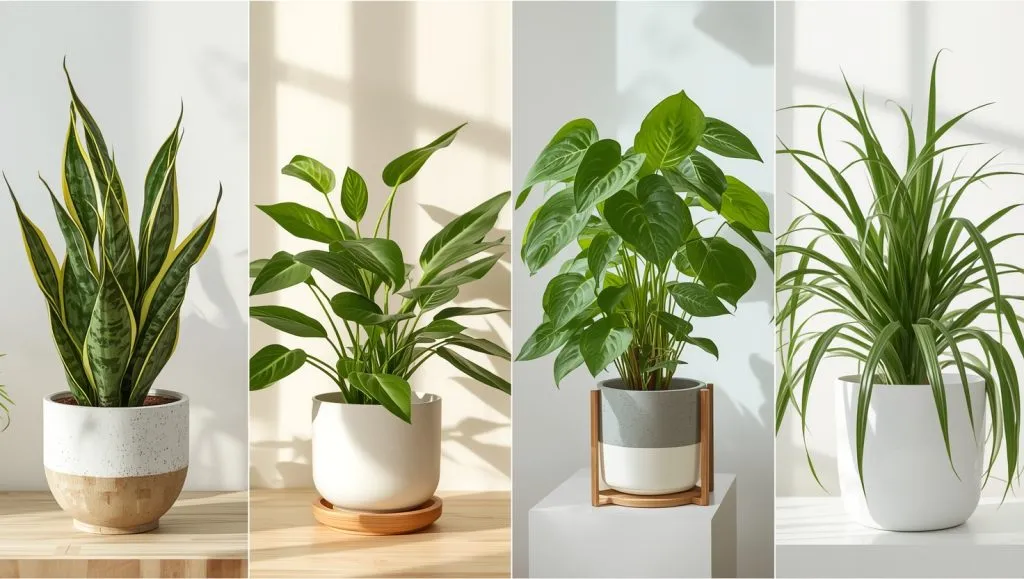
(These grow almost anywhere)
- Snake Plant (tolerates low light, rare watering)
- Pothos (fast grower, forgiving)
- ZZ Plant (low maintenance)
- Spider Plant (resilient)
- Peace Lily (thrives indoors with filtered light)
These plants also enhance interior aesthetics – explore our styling guide for indoor plants for aesthetic home design.
These are globally recognized as “unkillable beginner plants.”
Easiest Outdoor Plants for Beginners
- Rosemary
- Basil
- Mint (very fast growth)
- Cherry Tomatoes
- Aloe Vera
Plants Perfect for Low Light
Great for dark rooms:
- Snake plant
- ZZ plant
- Peace lily
- Cast iron plant
Plants Perfect for Sunny Areas
- Lavender
- Succulents
- Tomatoes
- Rosemary
- Bougainvillea
To explore more options, check out our complete list of the best beginner plants that thrive in most global climates.
Setting Up Your First Garden (Practical How-To)
(Applied Layer – The Step-by-Step System)
Now that you understand light, soil, watering, and plant selection, it’s time to build your first garden.
Home gardening can also reduce household expenses – learn how in our guide on saving money through home gardening.
Step-by-Step Setup for Beginners
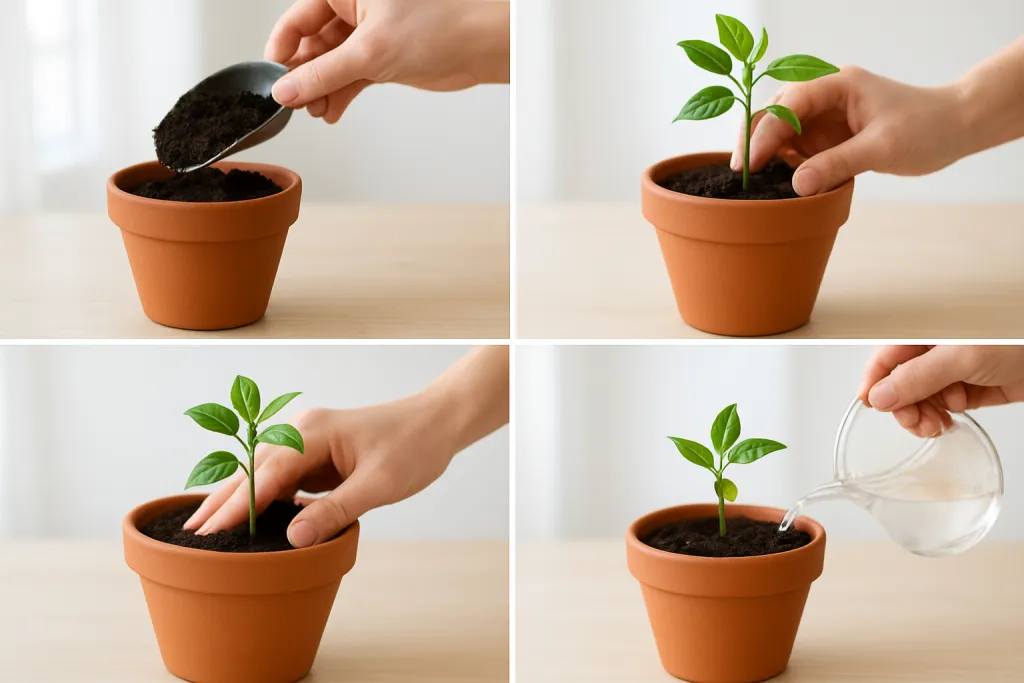
1. Choose your space
Balcony, windowsill, backyard, or indoor corner.
2. Check sunlight hours
Track light for 1–2 days.
3. Choose your containers
Pots with drainage, or raised beds.
4. Use potting mix (not garden soil)
Helps avoid pests and root rot.
5. Select 3-5 beginner plants
Simple, low-maintenance options.
6. Water properly
Deep watering until drainage flows.
7. Create a weekly routine
Little maintenance → big success.
For a deeper walkthrough, read our full guide on how to set up your first garden with photos and beginner checklists.
Garden Layout Ideas (Small, Medium, Large Homes)
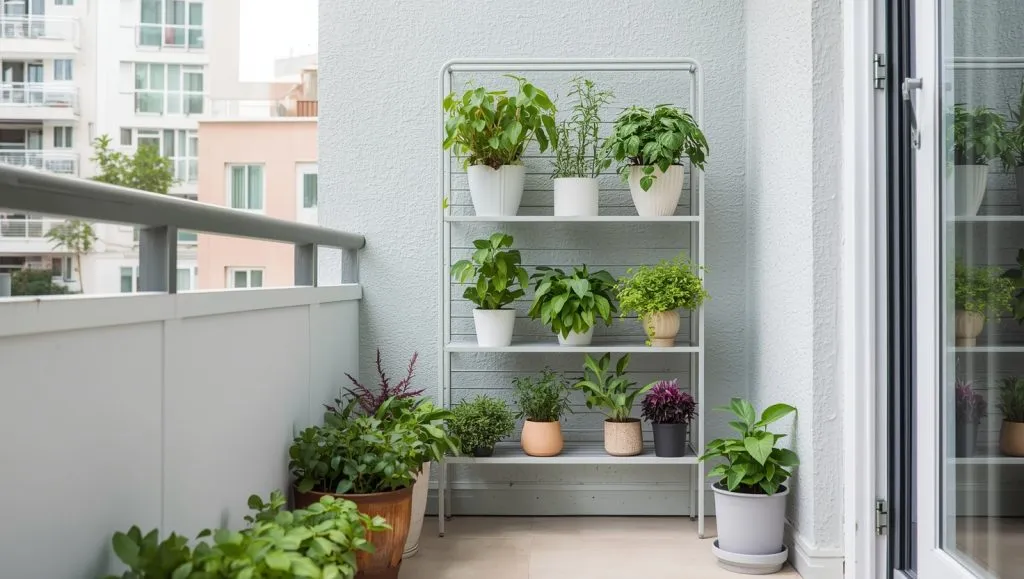
Small Homes:
- Vertical racks
- Hanging planters
- Corner shelves
- Balcony rail pots
If you live in an apartment or condo, these small space gardening ideas help you maximize vertical and balcony space.
Medium Spaces:
- 1–2 raised beds
- Herb corner
- Indoor + outdoor mix
Large Spaces:
- Full vegetable bed
- Flower borders
- Tree + shrubs
- Patio garden
Gardening Tools You Actually Need
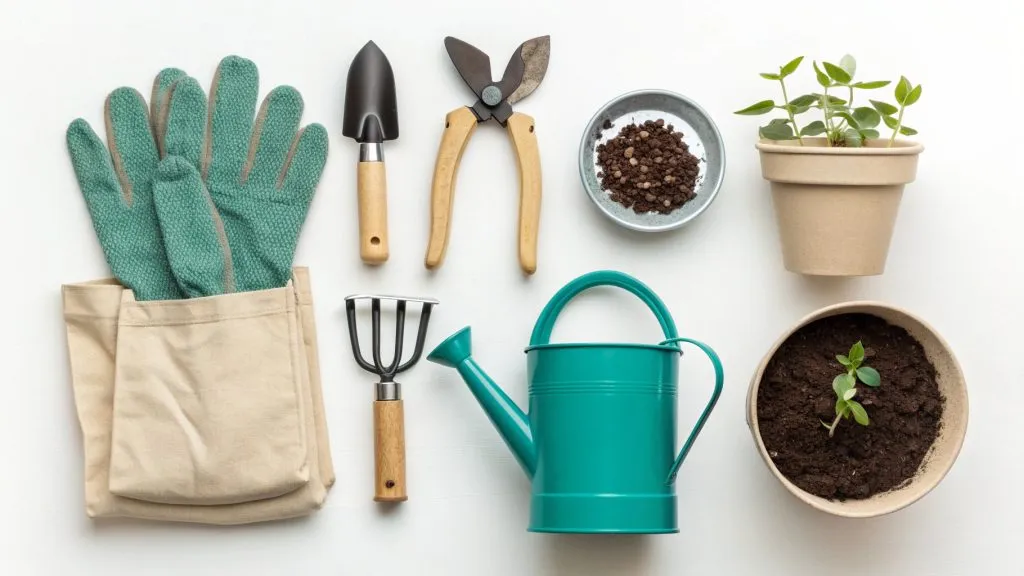
Skip complicated tools.
Beginners only need:
- Watering can
- Pruners
- Gardening gloves
- Trowel
- Potting mix
- Pots with drainage
Optional but useful:
- Moisture meter
- Spray bottle
- Fertilizer
For a curated product comparison, visit our review of beginner-friendly gardening tools that are affordable and available worldwide.
Frequently Asked Questions (FAQ)
How do I start a home garden if I have zero experience?
Start with 3 to 5 beginner-friendly plants such as pothos, snake plant, or mint. Observe your sunlight exposure for 1 to 2 days, use quality potting mix instead of garden soil, and water only when the top layer feels dry.
What are the easiest plants to grow indoors?
Snake plant, pothos, ZZ plant, spider plant, and peace lily are among the easiest indoor plants. They tolerate lower light conditions and irregular watering schedules.
How often should beginners water their plants?
Indoor plants are typically watered 1 to 2 times per week. Outdoor plants may need watering 2 to 4 times per week, while vegetables in hot climates may require near-daily watering. Always check soil moisture with the finger test before watering.
Can I garden in a small apartment or balcony?
Yes. Use vertical shelves, hanging planters, railing pots, compact herbs, and low-light plants to maximize limited space effectively.
Why do my plants keep dying?
Most beginner plant losses are caused by incorrect sunlight placement, overwatering, poor soil drainage, or choosing plants that do not match the indoor environment.
What soil is best for beginners?
A high-quality potting mix is the safest choice for beginners. Avoid using garden soil indoors because it is too dense and may contain pests or pathogens.
Do I need fertilizer for a beginner garden?
Yes, but lightly. A balanced liquid fertilizer such as 5-5-5 or 10-10-10 applied every 2 to 4 weeks during active growth is usually sufficient.
Which beginner vegetables grow fastest?
Cherry tomatoes, basil, spinach, lettuce, and mild chili varieties are among the fastest-growing and easiest vegetables for beginners.
What is the biggest mistake beginners make?
The most common mistakes are overwatering and placing plants in unsuitable light conditions. Stable routines are more important than frequent adjustments.
Can I grow plants if my home has no sunlight?
Yes. Choose low-light tolerant plants such as ZZ plants or snake plants, or supplement natural light with an appropriate grow light.