

Many homeowners invest considerable time and money into their gardens yet still feel something is missing.
The plants may be healthy.
The lawn may be neatly maintained.
The landscaping may appear professionally designed.
Yet the space can feel strangely quiet.
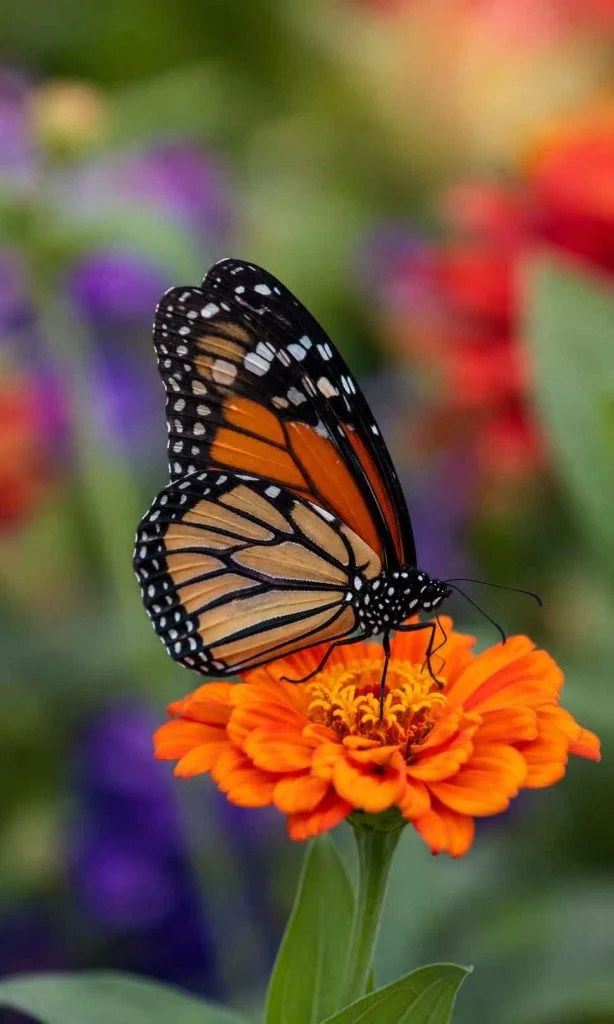
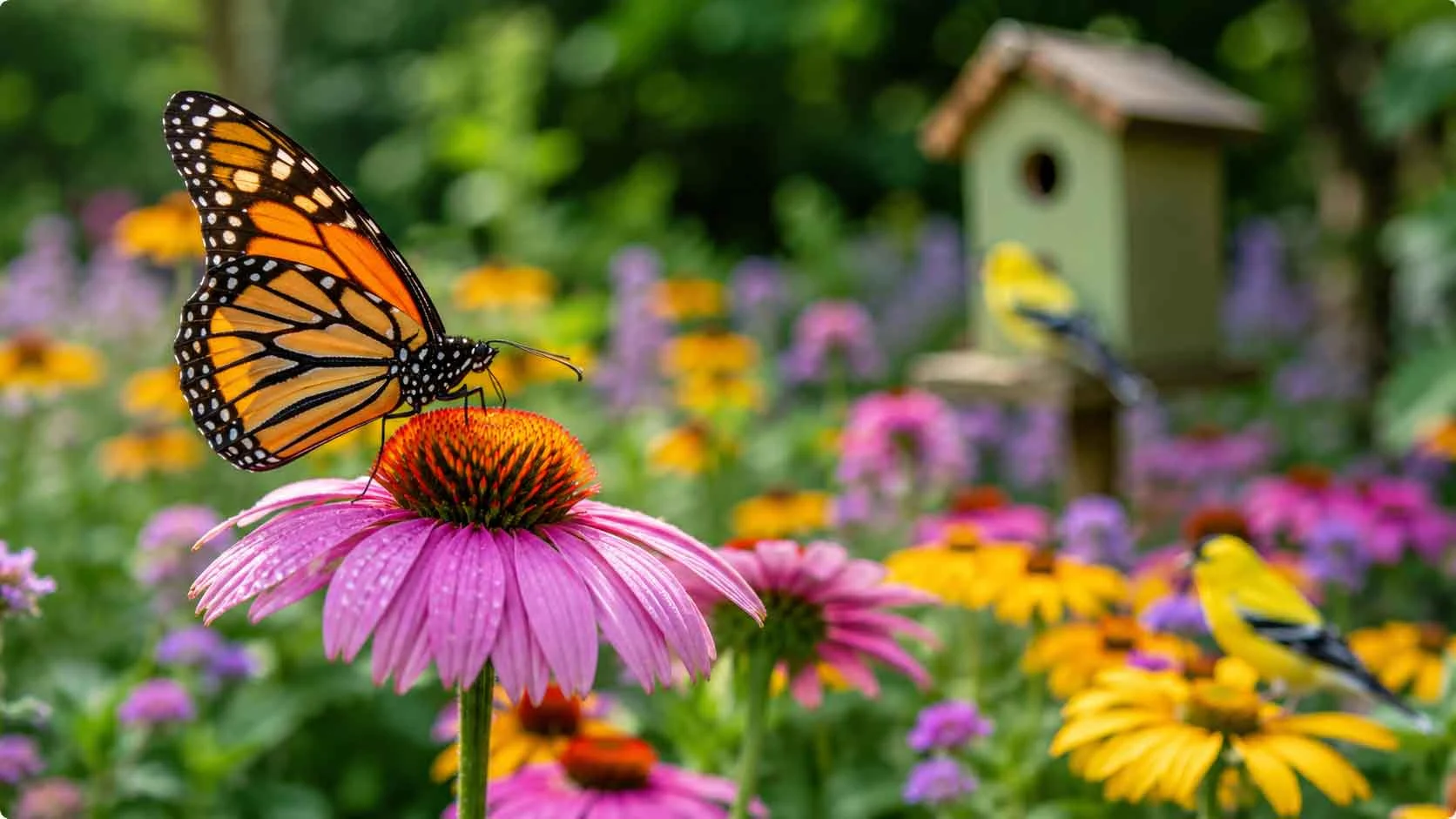
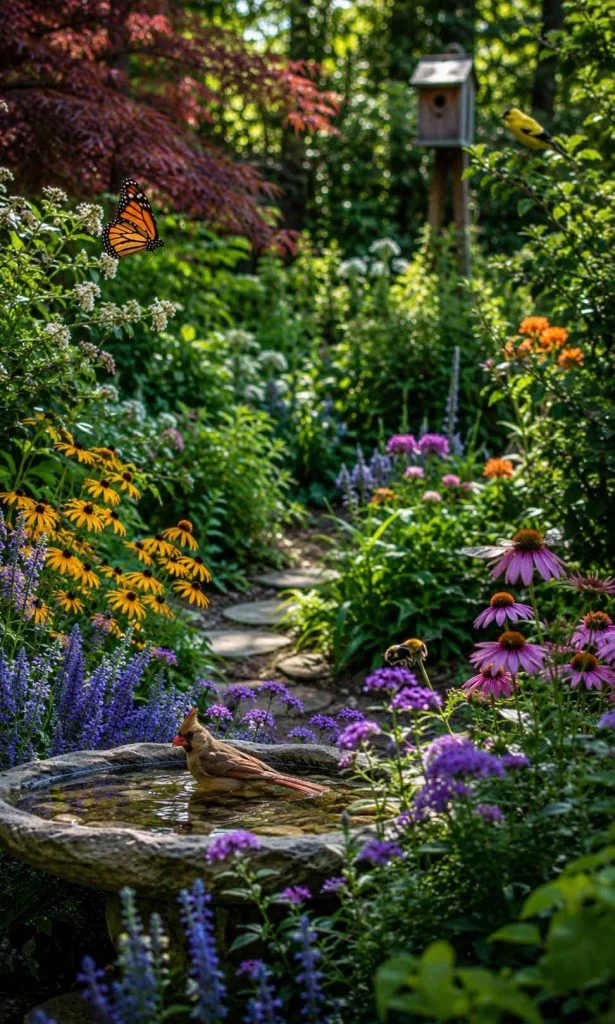
In contrast, some gardens seem full of life. Birds move between shrubs. Butterflies drift across flower beds. Bees visit blooms throughout the day. Even when nobody is actively using the space, the garden feels dynamic and engaging.
The difference often has very little to do with the size of the garden or the amount of money invested.
Instead, it usually comes down to ecology.
Gardens that feel alive tend to support a wider range of living organisms, creating movement, interaction, and biodiversity throughout the landscape.
Understanding why this happens can help homeowners create outdoor spaces that feel more vibrant, enjoyable, and environmentally beneficial.
A garden often feels alive because it supports biodiversity rather than simply displaying plants. Pollinators, birds, beneficial insects, wildlife habitat, water sources, and diverse planting structures create movement and ecological activity that make outdoor spaces feel vibrant and engaging.
What Makes a Garden Feel Alive?
Most people assume visual beauty is the primary factor that determines whether a garden feels successful.
While appearance certainly matters, human perception responds strongly to movement.
A garden filled with motion naturally feels more engaging than one that remains static throughout the day.
Examples include:
- Butterflies moving between flowers
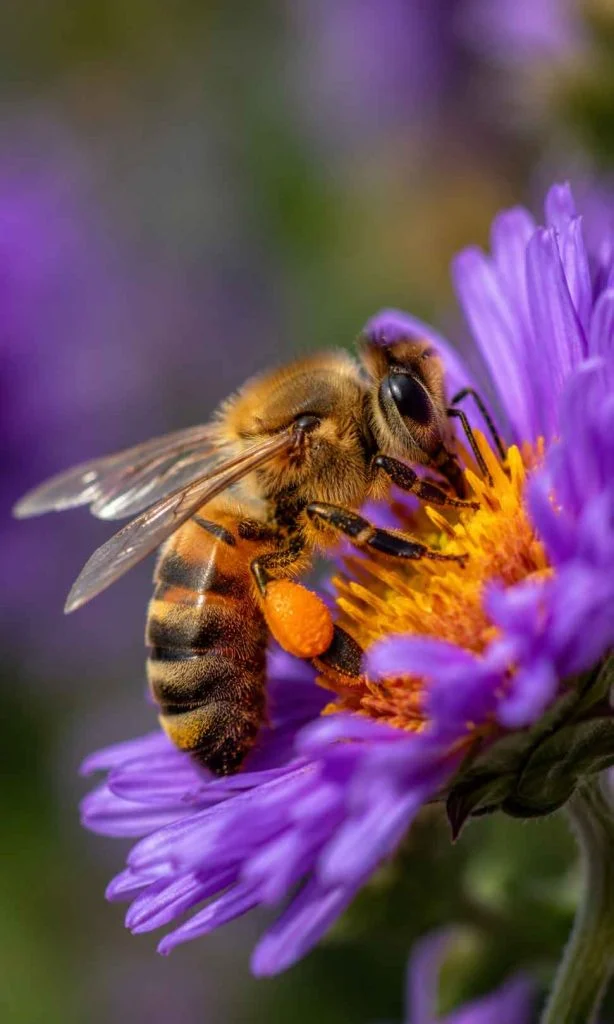
- Bees collecting nectar
- Birds searching for food
- Dragonflies near water
- Leaves moving through layered planting
- Wildlife interacting with the environment
These activities create subtle signals that our brains interpret as life.
The result is a garden that feels active rather than decorative.
The Role of Pollinators in Garden Activity
Pollinators are among the most visible contributors to a vibrant garden ecosystem.
When flowers provide nectar and pollen throughout the growing season, bees, butterflies, hoverflies, and other beneficial insects begin visiting regularly.
Each visitor adds movement.
Each interaction increases ecological activity.
Over time, pollinator-rich gardens often become noticeably more dynamic.
Gardens designed with seasonal flowering succession can maintain this activity for much of the year.
Gardeners planning productive and pollinator-friendly spaces can improve planting decisions through a plant compatibility guide that helps identify beneficial plant relationships.
Birds Bring Constant Movement
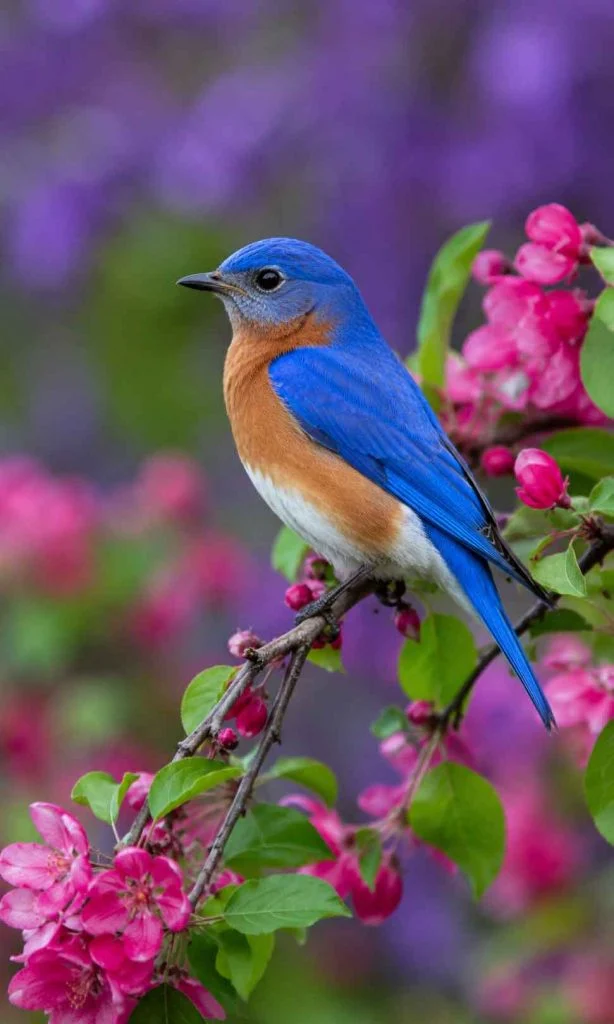
While pollinators often receive most of the attention, birds may be the single biggest factor that makes a garden feel alive.
Unlike insects, birds are highly visible.
They move between planting areas.
They perch on branches.
They investigate flowers, shrubs, and garden beds.
Even a single visiting bird can change how people experience a garden.
Gardens that support birds often contain several important elements:
- Food sources
- Water sources
- Shelter
- Nesting opportunities
- Layered vegetation
Birds also contribute ecological benefits by helping control certain insect populations and dispersing seeds.
The result is a garden that feels active throughout the day rather than only during flowering periods. Homeowners looking to increase biodiversity can learn additional strategies to attract wildlife into your garden through habitat-focused garden design.
Biodiversity Creates Natural Energy
Many homeowners focus on individual plants.
Nature focuses on relationships.
A garden rarely feels alive because of one flower, one shrub, or one tree.
It feels alive because numerous living organisms interact within the same space.
Bees visit flowers.
Birds search for insects.
Butterflies lay eggs.
Predatory insects help regulate pests.
Soil organisms break down organic matter.
Each relationship contributes to the overall energy of the ecosystem.
The greater the biodiversity, the more opportunities exist for these interactions to occur.
This is why gardens with diverse planting often feel dramatically different from landscapes dominated by only a few species.
Why Some Gardens Feel Empty Despite Healthy Plants
One of the most common gardening misconceptions is assuming healthy plants automatically create a vibrant garden.
Healthy plants are important.
But plants alone do not create ecological activity.
Many gardens contain:
- Large lawn areas
- Limited flowering diversity
- Few habitat features
- Minimal food sources for wildlife
- No water availability
The result can be a landscape that remains visually attractive yet ecologically quiet.
The garden appears successful from a maintenance perspective but lacks the biological interactions that create movement and interest.
This is often why some perfectly maintained gardens still feel empty.
Water Features Attract Unexpected Life
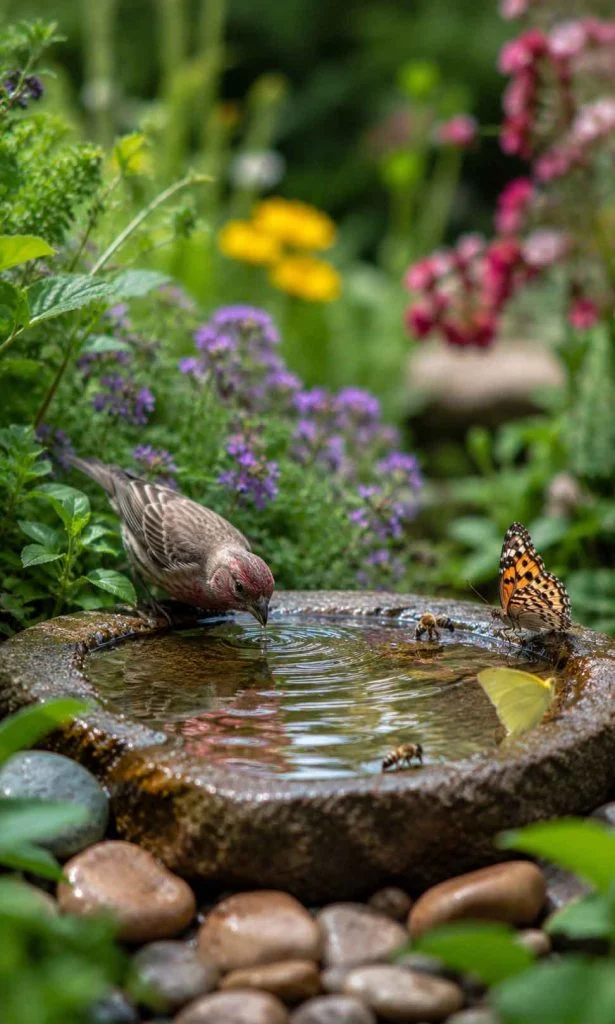
Water is one of the fastest ways to increase activity within a garden.
Even a small water source can attract:
- Birds
- Butterflies
- Bees
- Dragonflies
- Beneficial insects
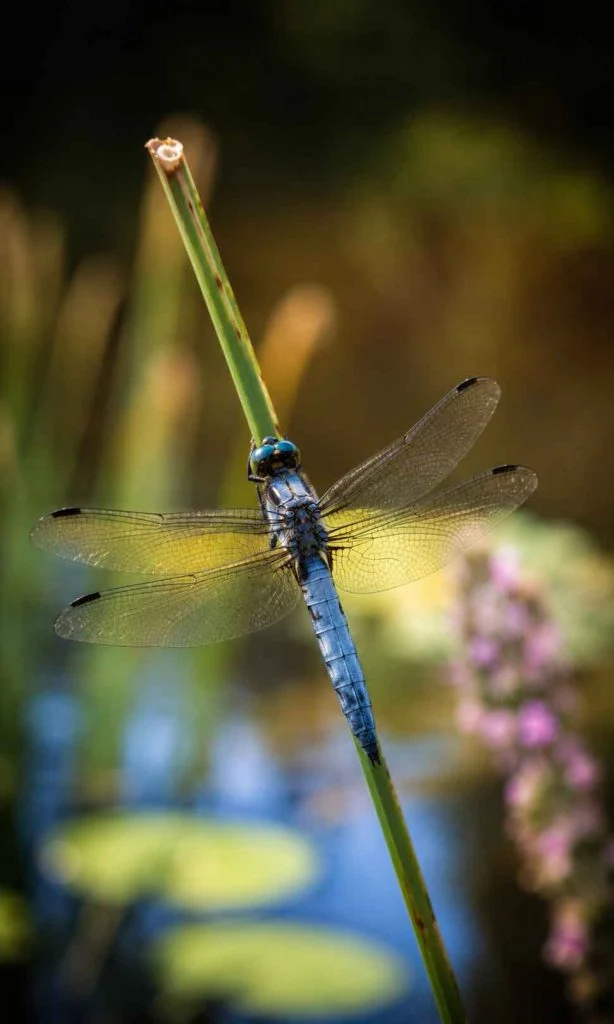
Wildlife frequently needs access to clean water for drinking, bathing, cooling, and reproduction.
A shallow dish, bird bath, or small pond can become one of the busiest areas in a garden.
The effect is often immediate.
Many gardeners notice increased wildlife visits within days or weeks after introducing water.
Native Plants Change Everything
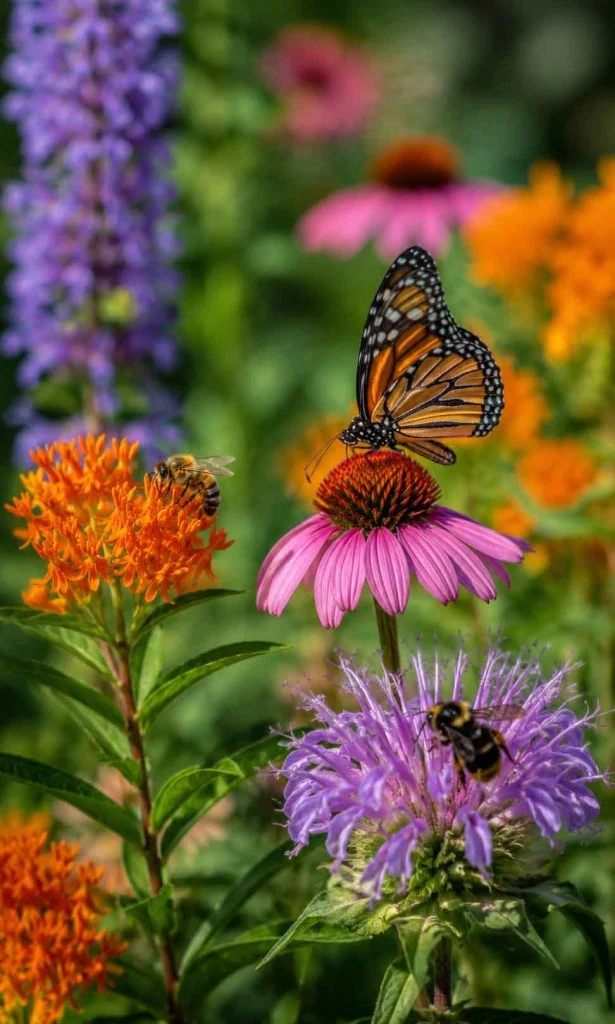
Native plants often act as ecological magnets.
Because they evolved alongside local wildlife, they frequently provide better food sources and habitat opportunities than purely ornamental alternatives.
Native flowers support pollinators.
Native shrubs provide shelter.
Native grasses offer nesting materials and protective cover.
When native plants are combined with flowering species, biodiversity often increases significantly.
Many homeowners notice dramatic improvements in wildlife activity after introducing even a modest number of native plants.
Layered Planting Creates Habitat
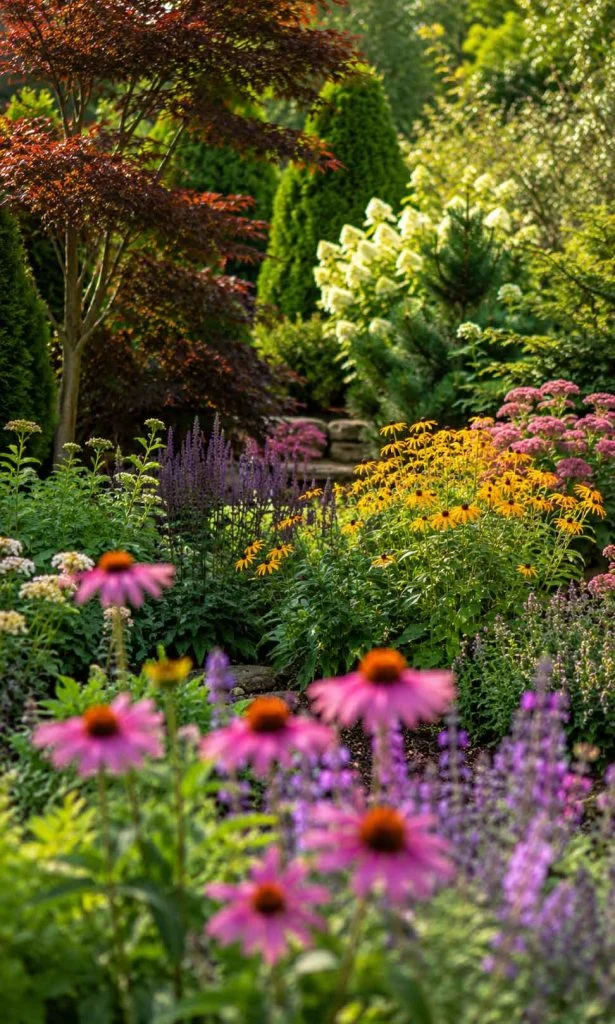
Nature rarely grows in a single layer.
Healthy ecosystems contain multiple vertical levels.
Groundcovers occupy the lowest layer.
Perennials fill the middle layer.
Shrubs add structure.
Trees create overhead habitat.
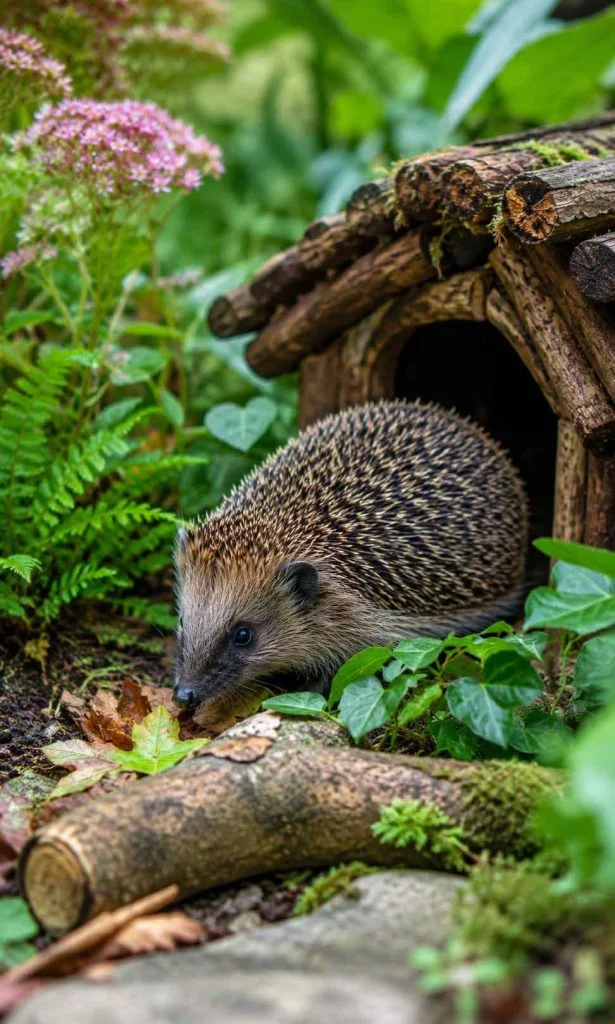
This layering creates more opportunities for wildlife to find food, shelter, and protection.
Layered planting also creates visual depth, helping gardens feel richer and more immersive.
How to Build a Living Garden Ecosystem
The goal is not simply adding more plants.
The goal is creating relationships.
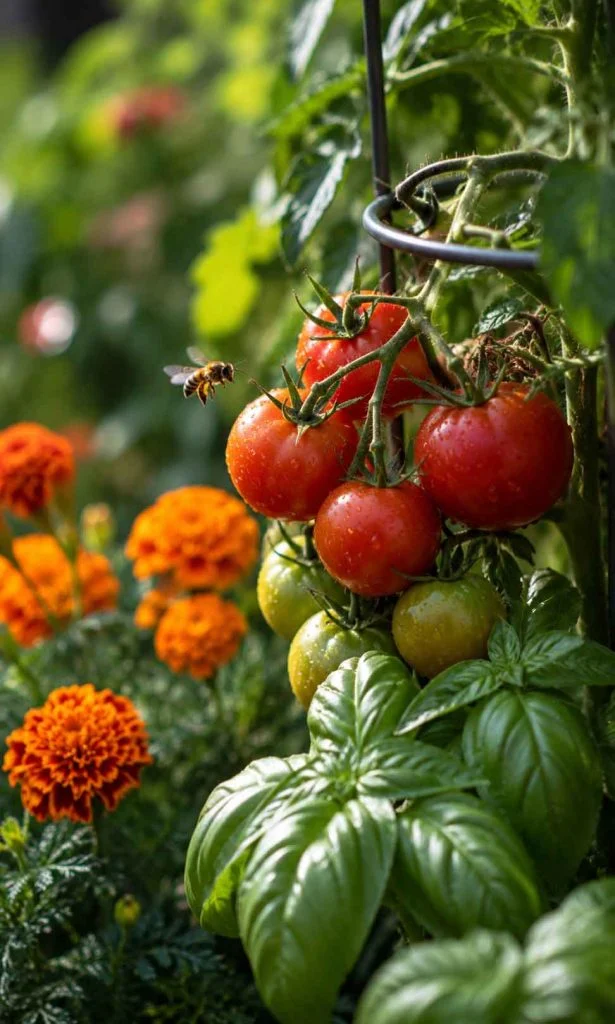
A living garden typically combines:
- Flowering plants
- Native species
- Water sources
- Shelter areas
- Food-producing plants
- Layered vegetation
When these elements work together, biodiversity increases naturally.
Movement increases.
Wildlife activity expands.
The garden becomes more engaging throughout the year.
Many of the same principles that make a garden feel alive also explain how home gardens help the environment by supporting biodiversity, pollinators, and healthier ecosystems.
Gardeners planning productive and pollinator-friendly spaces can improve planting decisions through a plant compatibility guide that helps identify beneficial plant relationships.
Conclusion
A garden that feels alive is rarely an accident.
It is usually the result of thoughtful decisions that encourage biodiversity, habitat creation, pollinator support, and ecological interaction.
The most memorable gardens often contain more than attractive plants.
They contain movement.
They contain relationships.
They contain life.
By creating opportunities for wildlife, pollinators, birds, and beneficial insects to thrive, homeowners can transform outdoor spaces from decorative landscapes into dynamic ecosystems that remain engaging throughout the year.
Professional Perspective
Homeowners often focus on individual plants when trying to improve their gardens. In practice, the gardens that feel most vibrant usually succeed because they support ecological relationships rather than isolated features.
Small additions such as water sources, flowering diversity, native plants, and shelter areas can significantly increase wildlife activity. Over time, these interactions create the sense of movement and life that many gardeners seek.
Reviewed by Cole Ramirez
Garden Sustainability Specialist
The Garden Life Score Tool
Discover why your garden feels alive, quiet, or somewhere in between by evaluating biodiversity, pollinator activity, wildlife support, habitat quality, and ecological balance.
Why Does Your Garden Feel Alive or Empty?
Answer a few questions to estimate your garden’s biodiversity, pollinator activity, bird attraction, habitat quality, and missing life-support features.
FAQ
Why does one garden feel more alive than another?
Gardens that feel alive usually support more biodiversity. Birds, pollinators, beneficial insects, wildlife habitat, water sources, and diverse plantings create movement and ecological activity that people naturally associate with a vibrant outdoor space.
Can a small garden attract wildlife?
Yes. Even small gardens can attract birds, butterflies, bees, and beneficial insects when they provide food, shelter, water, and suitable habitat.
What plants make a garden feel more active?
Flowering plants that provide nectar and pollen often attract pollinators. Native plants, flowering perennials, herbs, and wildlife-friendly shrubs are commonly associated with increased garden activity.
Do birds help a garden ecosystem?
Birds contribute to ecological balance by feeding on insects, dispersing seeds, and increasing biodiversity within a garden environment.
Will adding a water feature attract more wildlife?
Water sources often attract birds, pollinators, dragonflies, and other wildlife because they provide drinking, bathing, and habitat opportunities.
Why are native plants important for biodiversity?
Native plants evolved alongside local wildlife and often provide better food, shelter, and habitat resources than many non-native ornamental species.
Can companion planting increase pollinator activity?
Companion planting can increase flowering diversity, extend bloom periods, and create more attractive environments for pollinators while supporting healthier plant growth.
How long does it take for a garden to feel alive?
Some changes, such as adding water sources and pollinator flowers, may attract wildlife within days or weeks. More complex ecosystems often develop over months or years as biodiversity increases.