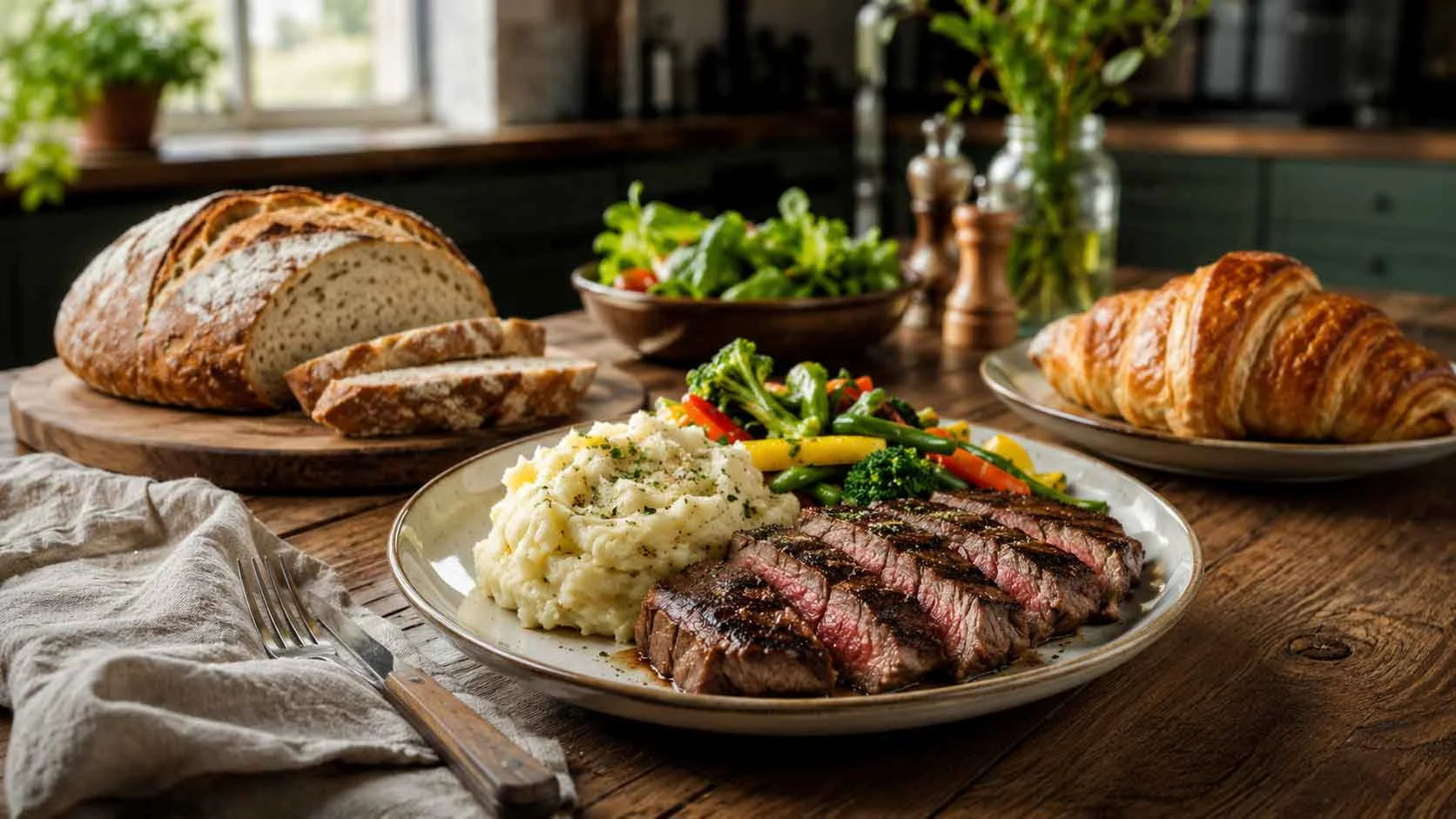

Have you ever noticed that two meals with nearly identical seasonings can leave completely different impressions? One disappears from the plate in minutes while the other feels strangely disappointing, even though the flavors are almost identical. The difference is often texture rather than taste. Crisp fried chicken, creamy mashed potatoes, chewy sourdough bread and juicy watermelon all create memorable eating experiences because our brains evaluate far more than flavor alone.
Food scientists have long recognised that texture plays a critical role in how people judge quality, freshness and satisfaction. Before the tongue has fully processed sweetness, saltiness or umami, the mouth has already begun assessing crunch, softness, firmness, juiciness, creaminess and resistance to chewing. These physical sensations shape expectations and influence whether a food feels premium, fresh or enjoyable.
Understanding food texture can transform everyday cooking. Whether you are grilling steak, baking bread, roasting vegetables or preparing desserts, knowing how texture develops allows you to produce meals that feel more satisfying without necessarily adding extra seasoning. Throughout this guide, you’ll discover the science behind mouthfeel, why texture often outweighs flavor, common cooking mistakes that ruin texture, and practical techniques professionals use to create memorable dishes every time.
The Science of Why Texture Influences the Brain Before Flavor
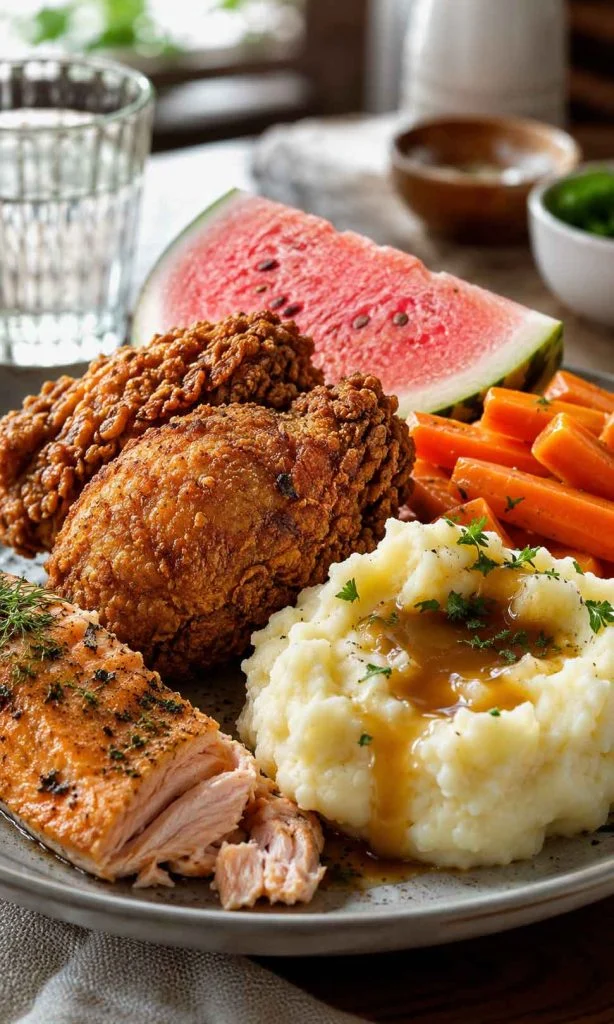
Many people assume flavor is the most important part of eating, but neuroscience and food science tell a different story. The brain begins evaluating a food’s quality almost instantly through touch, pressure and sound before fully processing its taste. As your teeth break through a crispy crust, your tongue senses smoothness, your jaw measures resistance and your ears detect the sound of each bite. Together, these signals create what scientists call the eating experience.
Texture acts as the brain’s first quality inspection system. Fresh vegetables snap cleanly, premium bread develops a crisp crust with a soft interior, perfectly grilled steak offers gentle resistance before becoming tender, and creamy desserts spread smoothly across the tongue. These physical characteristics immediately communicate freshness, preparation quality and expected enjoyment. If the texture feels wrong, even perfectly seasoned food can seem disappointing.
This explains why stale potato chips lose their appeal despite retaining much of their original seasoning, or why overcooked pasta often tastes less satisfying even when covered in a rich sauce. The brain continuously compares what it expects to feel against what it actually experiences. When reality matches expectation, satisfaction increases. When it does not, overall enjoyment drops significantly.
Professional chefs understand this relationship instinctively. Rather than focusing only on seasoning, they intentionally design every dish around contrasting textures. A creamy soup may be finished with crunchy croutons, grilled fish paired with crisp vegetables, or a silky chocolate mousse topped with brittle caramel. These combinations create excitement because every bite delivers multiple sensory experiences instead of a single, predictable mouthfeel.
For home cooks, this principle offers an important lesson. Improving texture often has a greater impact than adding more herbs, spices or sauces. Learning when to rest meat, how to preserve vegetable crispness, or why bread develops a crunchy crust can elevate everyday meals more effectively than increasing the amount of seasoning.
The Texture Satisfaction Pyramid
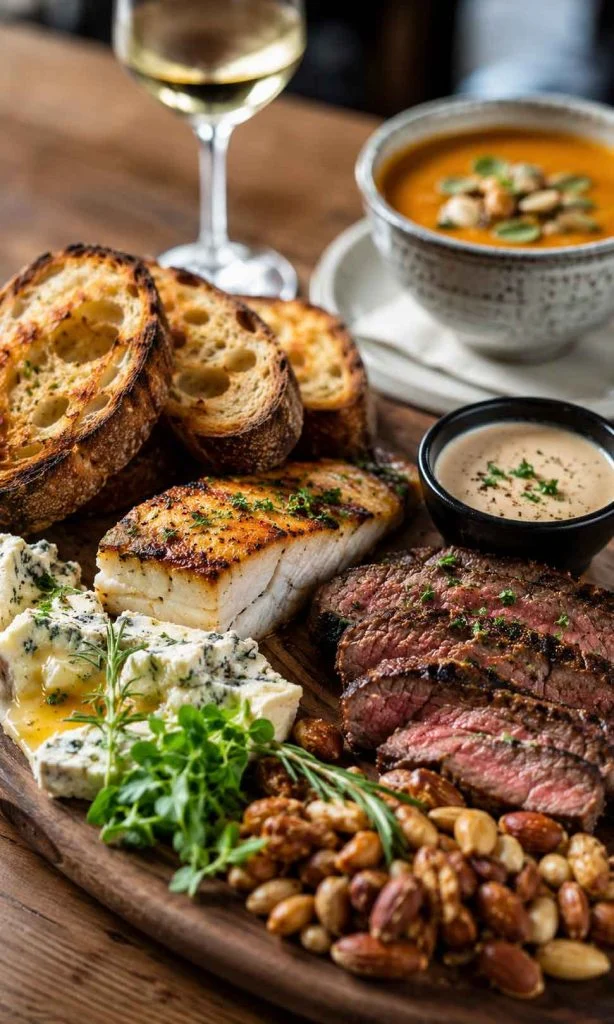
The Texture Satisfaction Pyramid explains why some foods become unforgettable while others feel ordinary. Rather than relying solely on flavor intensity, memorable meals build satisfaction by layering several texture characteristics that work together throughout the eating experience.
Level 1 — Structural Integrity
Every great dish starts with the correct structural texture. Bread should hold its shape without becoming dry, grilled meat should remain juicy while offering slight resistance, and vegetables should maintain firmness instead of collapsing into softness. If this foundation fails, the entire eating experience suffers regardless of seasoning.
Level 2 — Mouthfeel Balance
Once the structure feels correct, the brain evaluates how the food moves inside the mouth. Creaminess, tenderness, juiciness, crispness and chewiness should complement rather than compete with one another. Balanced mouthfeel prevents the meal from becoming monotonous and encourages another bite.
Level 3 — Texture Contrast
Foods become significantly more enjoyable when multiple textures appear together. A crisp topping over creamy pasta, toasted nuts scattered across a soft salad, or flaky pastry surrounding a smooth filling keeps the brain engaged because each bite offers subtle variation instead of repetition.
Level 4 — Sensory Reinforcement
Sound, aroma and visual appearance strengthen the perception of texture. The crack of fresh bread, the sizzling crust of grilled steak and the visible layers of flaky pastry all reinforce quality before the food even reaches the tongue. These additional sensory signals amplify satisfaction beyond texture alone.
Level 5 — Emotional Memory
At the highest level, texture becomes associated with positive memories and comfort. Freshly baked cookies with crisp edges and soft centres, perfectly roasted potatoes with crunchy skins, or creamy mashed potatoes served during family gatherings often become favourite foods because the brain links their textures with enjoyable experiences as much as their flavours.
How Different Textures Influence Food Satisfaction
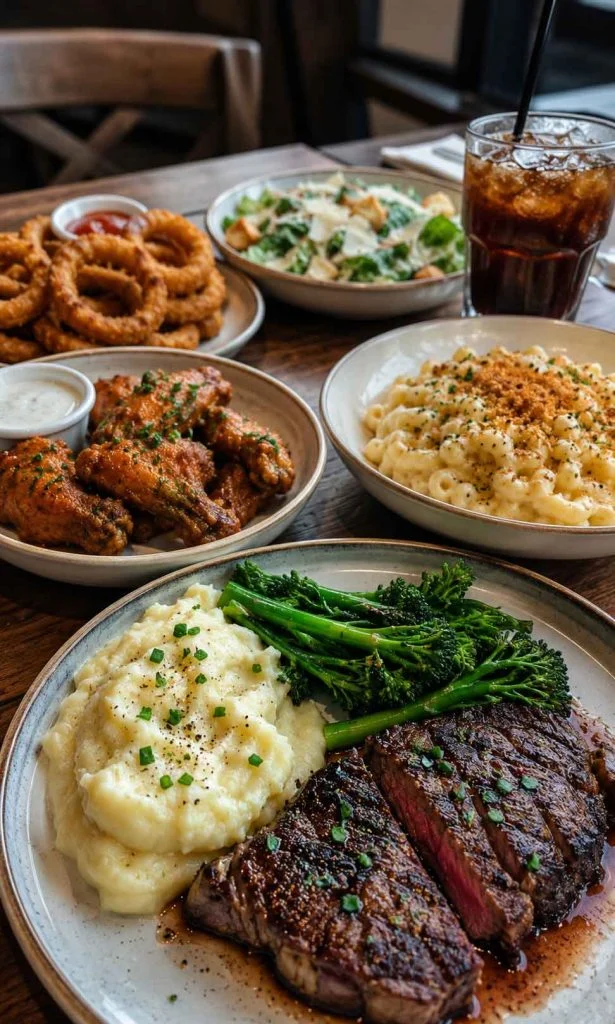
| Texture Characteristic | Brain Perception | Typical Food Examples | Impact on Satisfaction |
|---|---|---|---|
| Crunchy | Freshness and excitement | Fresh vegetables, toasted bread, fried chicken coating | Very High |
| Creamy | Comfort and richness | Mashed potatoes, ice cream, risotto | High |
| Juicy | Freshness and quality | Steak, watermelon, grilled chicken | Very High |
| Chewy | Substance and satisfaction | Fresh bagels, mochi, artisan bread | Moderate to High |
| Flaky | Premium craftsmanship | Croissants, grilled fish, pastries | High |
The Seven Texture Elements That Shape Every Eating Experience
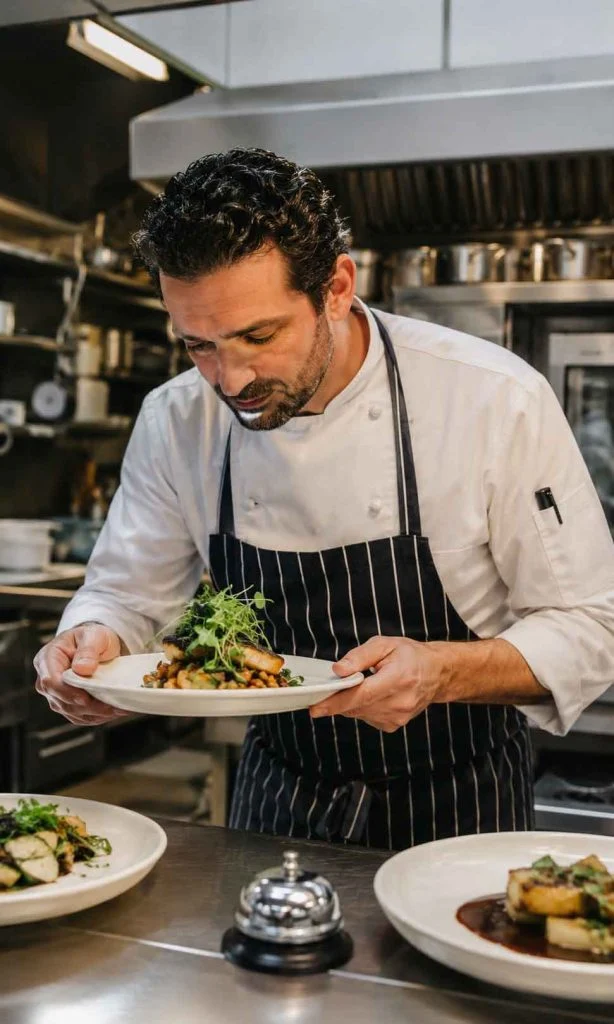
Although people often describe food as simply “soft” or “crispy,” food scientists evaluate texture through multiple characteristics that work together. Every memorable meal combines several texture elements, each influencing how the brain interprets freshness, quality and satisfaction. Understanding these elements allows home cooks to troubleshoot disappointing meals and intentionally create more enjoyable dishes.
The most successful recipes rarely depend on a single texture. Instead, they balance firmness, moisture, resistance, smoothness and contrast throughout every bite. When one characteristic dominates or disappears entirely, the overall eating experience becomes less satisfying, even if the seasoning remains excellent.
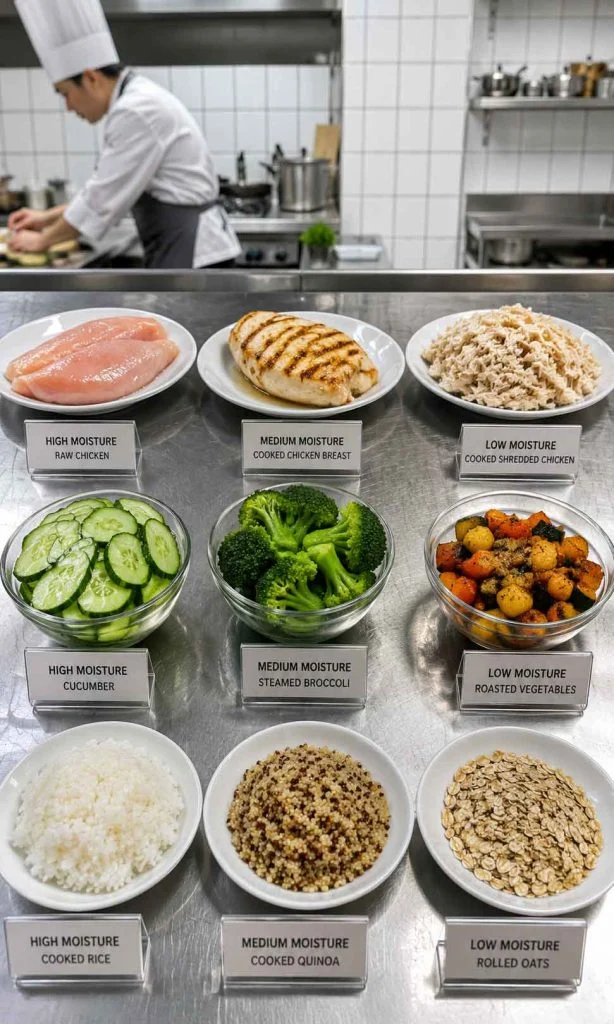
1. Crispness
Crispness refers to a clean, light break that occurs with minimal pressure. Fresh lettuce, thin potato chips and toasted baguettes are excellent examples. Crisp foods immediately communicate freshness because moisture has not yet softened their structure.
Once crisp foods absorb humidity or steam, the brain quickly interprets them as stale or overcooked. This is why fries left inside a closed takeaway container lose much of their appeal within minutes.
2. Crunchiness
Crunchiness differs from crispness by requiring greater force and producing a louder, more sustained sound. Roasted almonds, raw carrots and thick fried chicken coatings create multiple fractures as you chew.
The audible crunch is surprisingly important. Studies in sensory science have shown that louder crunching sounds can increase perceived freshness and overall enjoyment because the brain combines hearing with touch during eating.
3. Creaminess
Creaminess creates smooth movement across the tongue without noticeable particles or resistance. Well-made mashed potatoes, cheesecake, custard and premium ice cream all rely on this sensation.
Creamy foods provide comfort because they require minimal effort to eat while delivering consistent mouth coverage. However, excessive creaminess without any contrasting texture can become repetitive, which is why chefs often add toasted breadcrumbs, nuts or crispy garnishes.
4. Tenderness
Tenderness describes how easily muscle fibres, vegetables or baked products separate during chewing. Properly rested steak, slow-cooked beef and perfectly grilled chicken should remain tender while still maintaining structure.
Tenderness is frequently confused with softness. Food that completely falls apart can actually feel less satisfying because the brain expects a small amount of resistance before the food yields naturally.
5. Juiciness
Juiciness measures how much moisture is released while chewing rather than how wet a food initially appears. Watermelon, ripe tomatoes and medium-rare steak continually release liquid throughout each bite, extending flavour perception and improving mouthfeel.
Dry foods often seem bland even when heavily seasoned because saliva becomes responsible for dissolving flavour compounds instead of the food itself supplying moisture.
6. Chewiness
Chewiness creates prolonged interaction between the food and the mouth. Fresh bagels, handmade noodles, mochi and artisan pizza dough all rely on controlled elasticity rather than toughness.
Moderate chewiness encourages slower eating, allowing flavours to develop gradually. Excessive chewiness, however, quickly becomes tiring and can reduce meal satisfaction.
7. Flakiness
Flakiness occurs when thin layers separate naturally during eating. Well-prepared fish, buttery croissants and laminated pastries demonstrate this quality beautifully.
Flaky foods often create a premium impression because achieving delicate layers usually requires precise cooking techniques, careful ingredient selection and proper temperature control.
Why Some Foods Become Addictive Because of Texture
One reason certain foods become irresistible has little to do with their ingredients alone. Instead, they repeatedly stimulate the brain through changing textures that maintain curiosity from the first bite to the last. This phenomenon explains why many people find it difficult to stop eating foods such as potato chips, fried chicken or chocolate-coated snacks.
The brain naturally seeks novelty. When every bite delivers exactly the same sensation, interest gradually declines. Foods that alternate between crunchy, creamy, chewy and crispy textures continuously provide new sensory information, delaying what psychologists sometimes describe as sensory-specific satiety—the gradual reduction in pleasure as repeated experiences become familiar.
Professional food manufacturers invest heavily in texture engineering for this reason. Snack foods are carefully designed to create consistent crunch, rapid flavour release and satisfying fracture patterns. Likewise, professional chefs deliberately combine multiple textures on a single plate, pairing crispy components with creamy sauces, juicy proteins or soft vegetables to create a more dynamic dining experience.
This principle is equally valuable for home cooking. Instead of adding more seasoning when a dish feels disappointing, consider introducing texture contrast. Sprinkle toasted seeds over soup, add roasted nuts to salads, serve grilled meat with crisp vegetables or pair creamy pasta with crunchy breadcrumbs. Small adjustments like these often improve satisfaction far more than additional salt or spices.
The key lesson is simple: memorable meals rarely rely on flavour alone. They keep the brain engaged by providing continuous changes in mouthfeel, creating an eating experience that feels exciting rather than predictable.
Common Foods and Their Dominant Texture Profiles
| Food | Primary Texture | Secondary Texture | Professional Tip |
|---|---|---|---|
| Grilled Steak | Tender | Juicy | Allow adequate resting time before slicing. |
| Fried Chicken | Crunchy | Juicy | Keep coating dry before frying for maximum crispness. |
| Ice Cream | Creamy | Smooth | Serve slightly softened rather than fully melted. |
| Croissant | Flaky | Crispy | Warm briefly before serving to restore delicate layers. |
| Fresh Salad | Crisp | Juicy | Dress immediately before serving to preserve crispness. |
The Texture Failure Diagnostic System
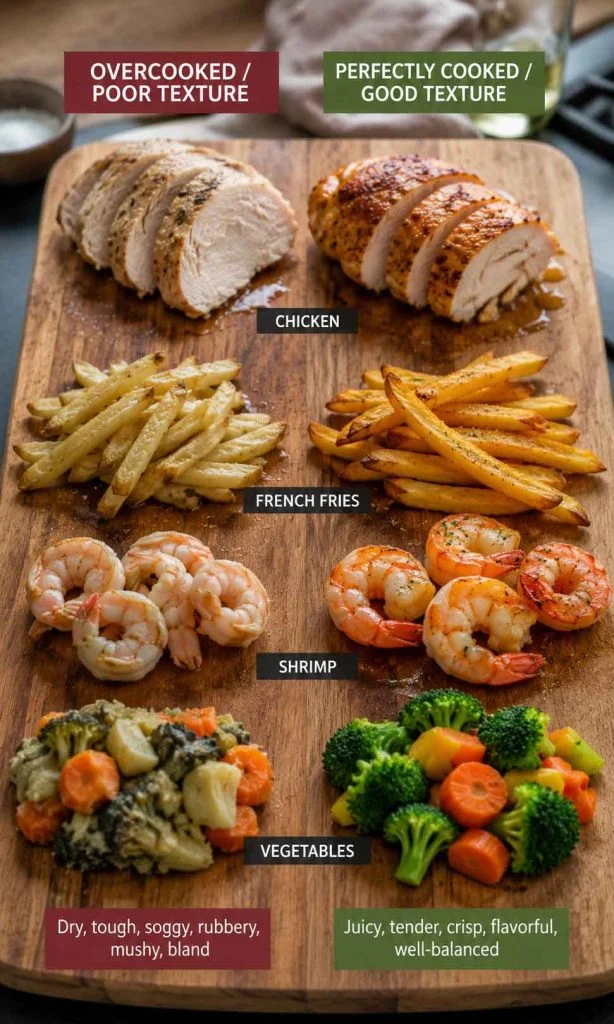
Almost every disappointing meal can be traced back to one or more texture failures rather than poor seasoning. Professional chefs rarely describe a dish as simply “bad.” Instead, they identify the specific texture that failed and work backwards to find the cause. This approach allows problems to be corrected consistently instead of relying on guesswork.
The Texture Failure Diagnostic System provides a structured way to evaluate common cooking problems. Rather than adding more spices or sauces to hide a disappointing result, the first step is understanding why the texture changed in the first place. Once the underlying cause is identified, improving future meals becomes much easier.
If you’d like a personalised evaluation of your cooking habits, try our Food Texture Satisfaction Checker, which analyses your cooking methods, identifies hidden texture issues and provides a customised improvement roadmap.
Texture Failure 1 — Dry
One of the most common examples is why chicken breast dries out, where lean meat quickly loses moisture if cooked beyond its ideal temperature.
Common causes include:
- Cooking beyond the recommended internal temperature.
- Skipping resting time after cooking.
- Using excessively high heat.
- Low-fat ingredients with insufficient moisture retention.
Professional solution:
Lower the cooking temperature, monitor internal temperature carefully and allow proteins to rest before slicing. Resting gives muscle fibres time to reabsorb juices instead of allowing them to escape onto the cutting board.
Texture Failure 2 — Tough
Toughness occurs when muscle fibres contract too aggressively or connective tissues fail to break down.
Common causes include:
- Overcooking steak.
- Cutting against the wrong grain.
- Insufficient marinating.
- Cooking collagen-rich cuts too quickly.
Professional solution:
Choose cooking methods appropriate for each cut of meat. Fast grilling works well for tender cuts, while tougher cuts benefit from slow roasting, braising or smoking.
Texture Failure 3 — Rubbery
Rubbery foods bounce back during chewing instead of breaking apart naturally.
This frequently affects:
- Chicken breast
- Shrimp
- Squid
- Eggs
- Pasta
Professional solution:
Rubbery textures usually indicate excessive cooking time. Reducing heat slightly and stopping cooking earlier often produces dramatic improvements.
Texture Failure 4 — Mushy
Mushy foods lose their natural structure entirely.
Examples include:
- Overcooked vegetables
- Overripe fruit
- Waterlogged fries
- Soft pasta
Professional solution:
Respect cooking times and cool vegetables quickly when appropriate. Moisture management is equally important because trapped steam continues softening food after cooking.
Texture Failure 5 — Soggy
Sogginess occurs when crispy foods absorb moisture after cooking.
Typical examples include:
- Fried chicken
- French fries
- Tempura
- Pizza crust
- Toast
Professional solution:
Maintain airflow around freshly cooked foods. Wire racks perform far better than paper towels or sealed containers because steam escapes instead of condensing back onto the surface.
Texture Failure 6 — Grainy
Smooth foods should never feel sandy or coarse.
This commonly appears in:
- Cheese sauces
- Custards
- Chocolate
- Ice cream
- Mashed potatoes
Professional solution:
Graininess usually develops because proteins separate or starches are handled incorrectly. Gentle heating and proper mixing techniques preserve smooth mouthfeel.
The Texture Recovery Principle
One important observation made by professional kitchens is that many texture failures cannot be reversed completely. Once bread becomes stale, fries become soggy or vegetables become severely overcooked, restoring the original texture is difficult. Prevention is almost always more effective than repair.
For this reason, experienced cooks pay close attention to timing, temperature, humidity and resting periods throughout the cooking process. These small details determine texture long before seasoning is added.
How Professional Chefs Build Texture Into Every Dish
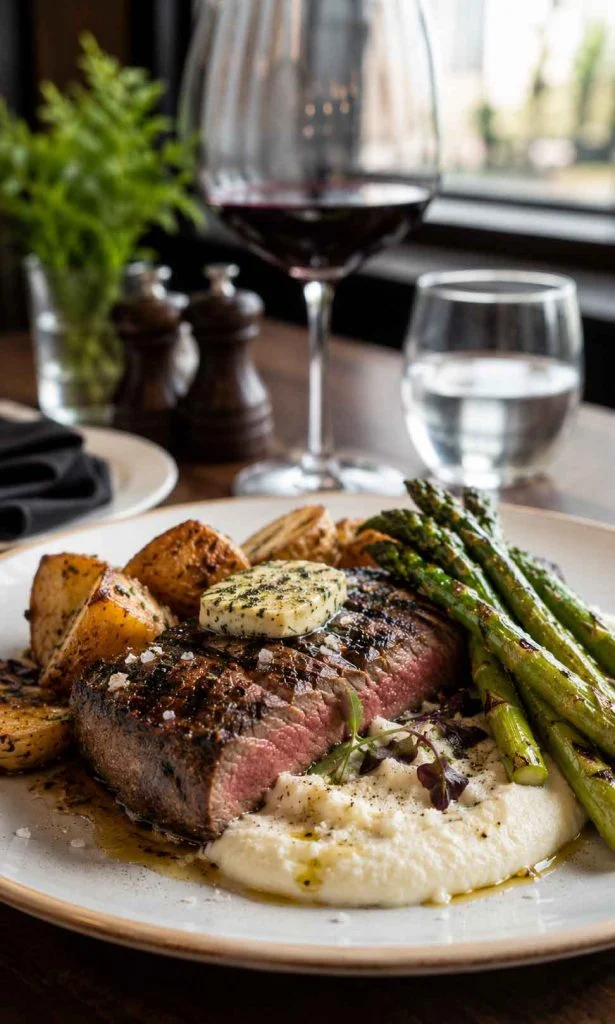
Professional chefs rarely think about texture as a single characteristic. Instead, they design an entire eating journey where every bite feels balanced, interesting and slightly different from the previous one. This philosophy explains why restaurant dishes often feel more satisfying even when they use familiar ingredients.
One of the most common techniques is deliberate texture layering. Rather than serving only soft or only crunchy components, chefs combine contrasting textures that complement each other naturally. A creamy pumpkin soup becomes more exciting with toasted pumpkin seeds. A grilled steak gains complexity when paired with crispy roasted potatoes and tender asparagus. Even simple desserts often include crunchy biscuit crumbs beneath smooth mousse or silky custard.
Temperature also plays an important role. Warm foods generally feel softer, while chilled ingredients create greater firmness and crispness. Serving cold ice cream alongside warm brownies, or hot grilled salmon over cool cucumber salad, creates additional sensory contrast that increases overall enjoyment.
Moisture control is another hallmark of professional cooking. Crispy foods are served immediately, sauces are added just before serving, and ingredients that release water are carefully managed to prevent unwanted sogginess. Professional kitchens constantly monitor humidity because even a few extra minutes can noticeably change texture.
Perhaps the biggest difference between home cooks and professionals is restraint. Experienced chefs understand that every additional minute of cooking changes texture. Rather than chasing darker colour or stronger flavour, they remove food at precisely the point where tenderness, juiciness and structure remain in balance.
When these techniques are combined, the result is a meal that feels carefully constructed rather than simply cooked. Every bite offers variation, encouraging diners to continue eating while keeping the experience engaging from beginning to end.
Professional Texture Techniques Used in Different Foods
| Food Category | Desired Texture | Chef Technique | Common Home Mistake |
|---|---|---|---|
| Steak | Juicy and tender | Rest before slicing | Cutting immediately after cooking |
| Fried Foods | Crunchy exterior | Drain on a wire rack | Covering while still hot |
| Pasta | Al dente | Finish in sauce | Boiling too long |
| Vegetables | Tender-crisp | Cook quickly over high heat | Overcooking until soft |
| Desserts | Creamy with contrast | Add crisp garnish before serving | Using only one soft texture |
How to Improve Food Texture at Home (Step-by-Step Guide)
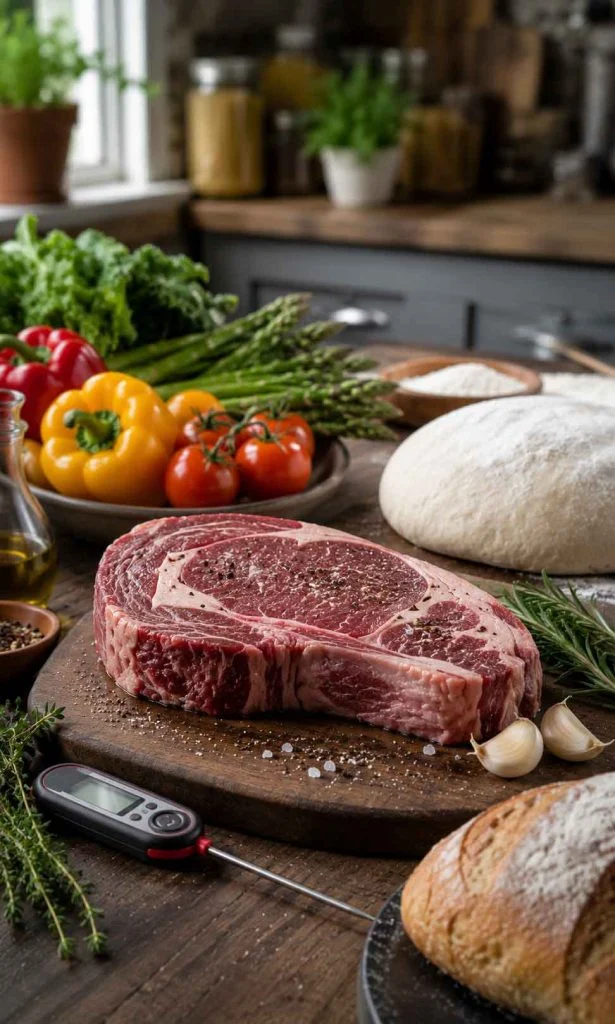
Improving food texture does not require expensive equipment or professional culinary training. In most home kitchens, texture problems result from a handful of common mistakes involving temperature, moisture, cooking time and food handling. By making a few deliberate adjustments, you can dramatically improve the quality of everyday meals without changing your recipes.
The following workflow is based on techniques widely used in professional kitchens. Instead of treating texture as an accident, each step actively protects the characteristics that make food enjoyable from the moment preparation begins until it reaches the table.
Step 1 — Start With High-Quality Ingredients
Texture begins long before cooking. Fresh ingredients naturally retain more moisture, stronger cell structures and better elasticity than ingredients that have been stored for extended periods.
For example, fresh broccoli maintains a satisfying crunch, while older broccoli often becomes limp after cooking. Likewise, fresh fish flakes beautifully, whereas fish that has been frozen and thawed repeatedly may become soft and watery.
Whenever possible:
- Choose firm vegetables.
- Select meat with good marbling.
- Buy bread on the day it will be served.
- Avoid ingredients showing excessive moisture loss.
Good ingredients provide the foundation for excellent texture before any cooking begins.
Step 2 — Control Moisture Carefully
Moisture is one of the most overlooked factors affecting texture. Too little moisture creates dryness, while too much produces sogginess or mushiness.
Professional kitchens constantly manage moisture by:
- Drying meat thoroughly before searing.
- Patting vegetables dry before roasting.
- Avoiding overcrowded baking trays.
- Draining fried foods on wire racks.
- Adding sauces only when ready to serve.
Small improvements in moisture control often create larger texture improvements than changing ingredients or seasoning.
Step 3 — Cook to Temperature, Not Time
Recipes provide estimated cooking times, but every oven, barbecue and stovetop performs differently.
Professional chefs rely on internal temperature because texture changes rapidly once proteins exceed their ideal cooking range.
Examples include:
- Chicken becoming rubbery after excessive cooking.
- Steak losing juiciness beyond medium.
- Fish changing from flaky to dry within only a few extra minutes.
Using a reliable food thermometer helps produce consistent texture every time.
Step 4 — Respect Resting Time
Resting is particularly important for grilled red meat. If you’re preparing lamb, our BBQ Lamb Steak Marinade Recipe explains how marinating, grilling and resting work together to improve tenderness, juiciness and overall texture.
Many home cooks cut into meat immediately after cooking, allowing valuable juices to escape onto the plate.
Resting allows moisture to redistribute throughout the food, producing a noticeably juicier and more tender result.
General guidelines include:
- Steak: 5–10 minutes.
- Whole chicken: 15–20 minutes.
- Large roasts: 20–30 minutes.
Although waiting may seem inconvenient, resting often creates one of the biggest improvements in overall texture.
Step 5 — Build Texture Contrast
Excellent meals rarely consist of a single texture. Instead, combine complementary mouthfeels that create interest throughout the meal.
Examples include:
- Creamy soup with crispy croutons.
- Tender steak with crunchy roasted potatoes.
- Smooth yoghurt topped with toasted granola.
- Soft pasta finished with crispy breadcrumbs.
- Rich chocolate mousse served alongside delicate biscuit shards.
These combinations prevent flavour fatigue while encouraging slower, more enjoyable eating.
Step 6 — Serve Immediately When Texture Matters
Certain textures are highly time-sensitive. Crispy coatings soften, ice cream melts, roasted vegetables lose firmness and fresh salads wilt surprisingly quickly.
Whenever texture is central to the dish, minimise the time between cooking and serving. Many restaurant-quality meals owe their success not to secret ingredients but to excellent timing.
Common Texture Mistakes That Ruin Great Food
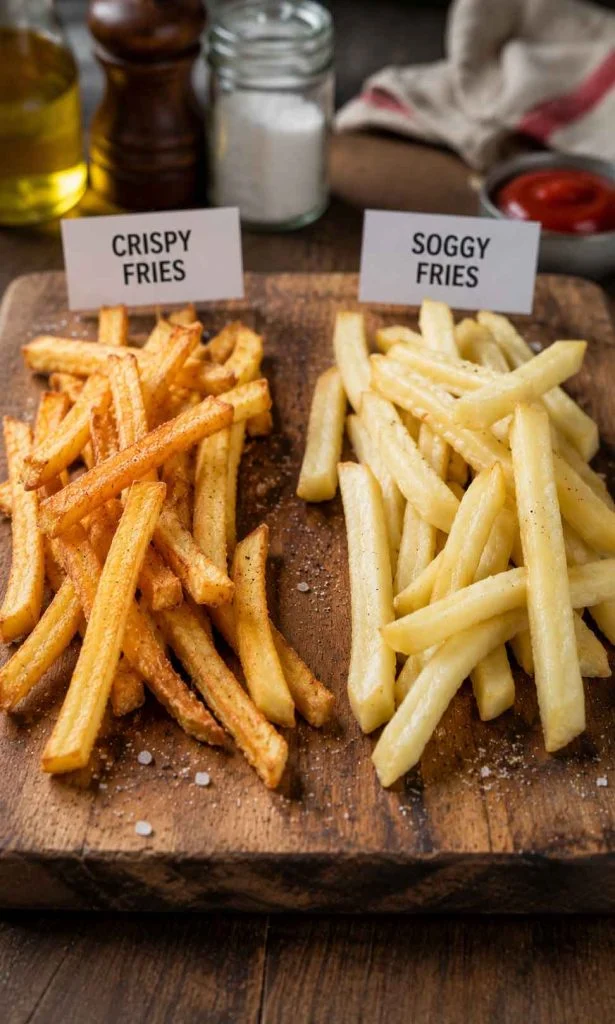
Even experienced home cooks occasionally focus so heavily on flavour that they overlook the physical structure of the food itself. Unfortunately, once texture has been compromised, adding extra herbs, spices or sauces rarely restores the original eating experience. Understanding these common mistakes helps prevent disappointment before it occurs.
If you want a personalised diagnosis, use the Food Texture Intelligence Engine below to identify your texture preferences, common cooking mistakes and the best improvement steps for your next meal.
For a deeper personalised check, you can also use our Food Texture Satisfaction Checker to compare your cooking habits against common texture problems.
Food Texture Checker
Discover your texture preferences, common cooking mistakes, and simple ways to make meals more satisfying.
Tip: Save your result and repeat this check after trying a new cooking method. Your texture score can improve as your moisture control, timing and contrast skills improve.
Mistake 1 — Overcooking in Search of Colour
Many people continue cooking after food has already reached its ideal internal temperature because they want darker browning or additional caramelisation.
While appearance may improve slightly, texture often deteriorates rapidly. Meat loses moisture, vegetables soften excessively and baked goods become dry.
Mistake 2 — Crowding the Pan
When too much food occupies the same cooking surface, steam becomes trapped between ingredients.
Instead of roasting or frying properly, food begins steaming, preventing crisp surfaces from developing. This frequently explains soggy roasted potatoes, pale vegetables and soft fried foods.
Mistake 3 — Adding Sauce Too Early
Sauces naturally transfer moisture into crispy coatings and baked surfaces.
Professional chefs often keep sauces separate until the final moments before serving to preserve crunch while still delivering flavour.
Mistake 4 — Ignoring Humidity
Fresh bread, crackers, fried foods and pastries continuously absorb moisture from the surrounding air.
Even perfectly cooked food can lose its signature texture simply by sitting uncovered for too long in a humid kitchen.
Mistake 5 — Reheating Incorrectly
Microwaves warm food quickly but often soften crisp surfaces.
Where possible, ovens, air fryers or skillets restore texture more effectively because they remove surface moisture while reheating the interior.
Mistake 6 — Forgetting Texture Balance
Meals composed entirely of soft foods often feel less satisfying, regardless of flavour.
Adding even one contrasting element—such as toasted nuts, crispy vegetables, roasted seeds or crunchy breadcrumbs—can dramatically improve the overall eating experience without changing the main recipe.
Professional kitchens constantly evaluate texture alongside flavour, appearance and aroma. Home cooks who adopt the same mindset quickly notice that family and guests describe meals as “better” even when the recipe itself remains unchanged.
Texture Problems, Causes and Professional Fixes
| Texture Problem | Most Likely Cause | Professional Solution | Difficulty |
|---|---|---|---|
| Dry meat | Overcooked | Use a thermometer and rest after cooking. | Easy |
| Rubbery chicken | Protein tightened from excessive heat | Reduce cooking time and lower heat slightly. | Easy |
| Soggy fries | Steam trapped after frying | Drain on a wire rack and serve immediately. | Easy |
| Mushy vegetables | Overcooking | Reduce cooking time and cool quickly if appropriate. | Easy |
| Grainy sauce | Proteins separated | Heat gently and whisk continuously. | Moderate |
| Stale bread | Moisture redistribution during storage | Refresh briefly in a hot oven before serving. | Easy |
Does Food Texture Change With Age?
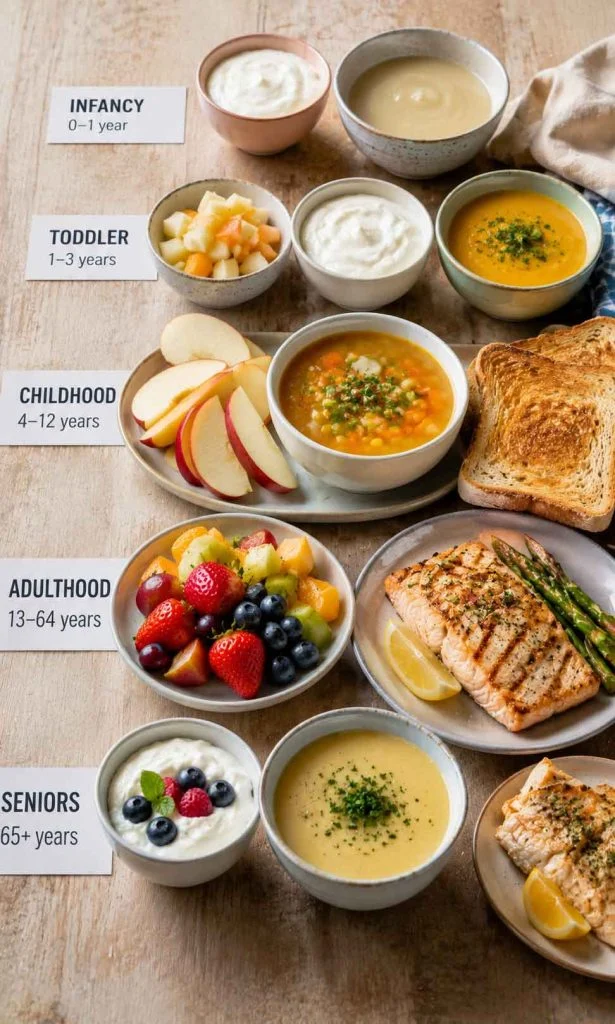
Many people notice that their food preferences change over time, but they often assume this is simply because their sense of taste has evolved. In reality, texture plays an equally important role. As people age, changes in saliva production, chewing strength, dental health and sensory perception all influence how food feels in the mouth. These changes can make previously enjoyable foods seem difficult to eat while making softer or creamier foods more appealing.
Children are often drawn to crispy, crunchy and playful textures because they stimulate curiosity and create exciting sensory experiences. Teenagers and young adults usually enjoy stronger texture contrasts, such as crispy fried chicken paired with creamy sauces or crunchy tacos filled with juicy ingredients. As adulthood progresses, many people begin appreciating more balanced textures where tenderness, moisture and subtle contrast become more important than dramatic crunch.
Older adults frequently experience reduced saliva production and weaker chewing muscles, making excessively dry, chewy or hard foods less comfortable. This does not mean flavour becomes less important, but texture increasingly determines whether a meal feels enjoyable or tiring. Foods that remain moist, tender and easy to chew often provide greater satisfaction while still delivering rich flavour.
Professional chefs and food manufacturers recognise these differences when developing menus and products for different age groups. Texture is carefully adjusted to suit the expected audience without sacrificing overall quality or presentation. Understanding these natural changes helps home cooks prepare meals that remain enjoyable for family members of every generation rather than assuming everyone experiences food in exactly the same way.
Why Restaurants Often Feel Better Than Home Cooking
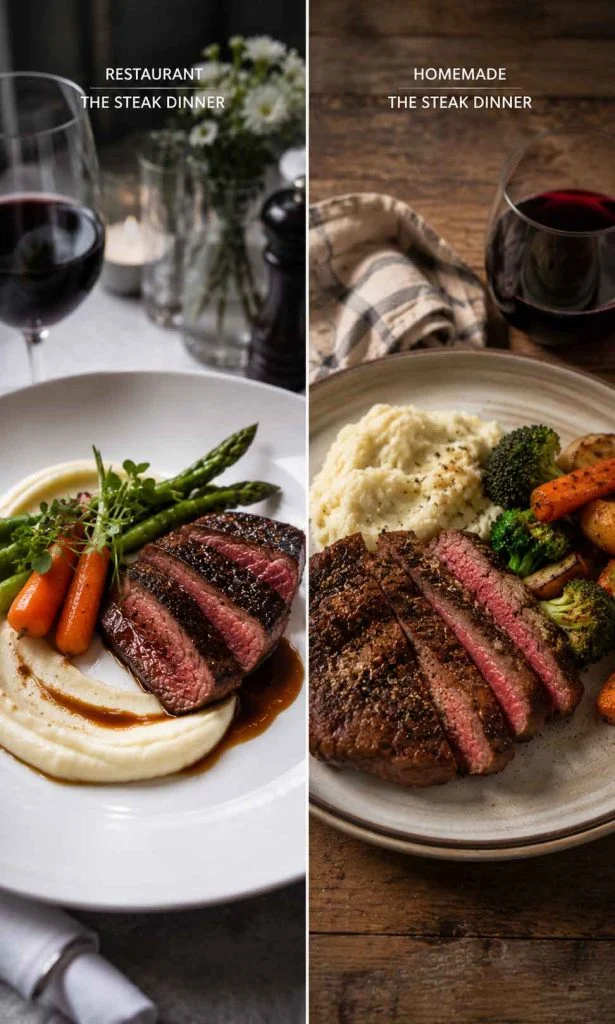
Many people try to recreate their favourite restaurant dishes by copying recipes or purchasing the same ingredients, only to wonder why the final result feels less satisfying. While seasoning certainly plays a role, restaurants often outperform home kitchens because they pay extraordinary attention to texture at every stage of preparation.
Professional kitchens control timing with remarkable precision. Proteins are rested correctly, vegetables are cooked only until tender-crisp, fried foods are served immediately after draining and sauces are added moments before the plate leaves the kitchen. Every decision protects texture rather than allowing it to deteriorate while waiting.
Restaurants also create deliberate contrast. A single plate may include crispy garnishes, silky sauces, juicy proteins, crunchy vegetables and creamy purees. This constant variation prevents sensory fatigue and encourages diners to remain interested throughout the meal.
Equipment contributes as well. Commercial ovens recover heat rapidly, grills maintain stable temperatures and deep fryers return to cooking temperature almost instantly after food is added. These consistent conditions make it easier to achieve repeatable texture compared with many home appliances that fluctuate significantly during cooking.
Perhaps the greatest difference is planning. Professional chefs think about texture long before cooking begins. They decide which ingredients should remain crisp, which should become tender and where contrast should appear on the plate. This structured approach transforms texture from an accidental outcome into a deliberate design choice.
Home cooks can adopt the same mindset without purchasing expensive equipment. By planning texture alongside flavour, managing moisture carefully and serving food at the right moment, it is possible to achieve restaurant-quality eating experiences in an ordinary kitchen.
Home Cooking vs Professional Kitchens
| Cooking Factor | Typical Home Kitchen | Professional Kitchen | Effect on Texture |
|---|---|---|---|
| Temperature Control | Often fluctuates | Highly consistent | More predictable cooking results |
| Serving Speed | May sit before serving | Served immediately | Preserves crispness and juiciness |
| Texture Planning | Often overlooked | Designed intentionally | Creates greater eating satisfaction |
| Moisture Management | Inconsistent | Carefully controlled | Reduces dryness and sogginess |
| Texture Contrast | Limited | Multiple contrasting textures | Keeps every bite interesting |
Professional Perspective
One of the biggest misconceptions in home cooking is believing that flavour alone determines whether a meal is successful. After preparing and evaluating thousands of dishes, professional chefs often reach a different conclusion. Texture is usually the first characteristic that influences satisfaction, while flavour reinforces the experience that texture has already created.
This is why professional kitchens devote so much attention to moisture control, cooking temperatures, resting periods and plating order. A perfectly seasoned steak that is dry will rarely impress, while a juicy, tender steak with balanced seasoning is often remembered as exceptional. The same principle applies to bread, vegetables, desserts and virtually every other category of food.
Viewing texture as a design element rather than a by-product changes the way meals are prepared. Instead of asking, “Does this taste good?”, experienced cooks also ask, “How does this feel in the mouth?”, “Is there enough contrast?” and “Will the texture still be excellent when it reaches the table?” These additional questions often separate ordinary home cooking from truly memorable dining experiences.
For anyone hoping to improve their cooking, mastering texture provides one of the highest returns on effort. Small adjustments to timing, temperature and moisture frequently produce larger improvements than buying expensive ingredients or adding more seasoning. Once texture becomes part of the cooking process, every meal has the potential to feel more satisfying, more balanced and more enjoyable from the very first bite to the last.
Key Takeaways:
Why Texture Often Matters More Than Flavor
After exploring the science behind eating satisfaction, one conclusion becomes remarkably clear: flavour is only part of the story. Texture shapes the first impression of every bite, influences how long food remains enjoyable and often determines whether people remember a meal as exceptional or forgettable.
When food delivers the right balance of crispness, tenderness, creaminess, juiciness and contrast, the brain interprets it as fresher, higher quality and more satisfying. Conversely, dry meat, soggy fried foods or mushy vegetables can reduce enjoyment even when seasoning is perfectly balanced. This explains why successful chefs devote as much attention to cooking technique, moisture management and serving timing as they do to flavour development.
Fortunately, improving texture is achievable for every home cook. Selecting fresh ingredients, controlling moisture, monitoring cooking temperatures, allowing proteins to rest and deliberately combining contrasting textures can dramatically elevate everyday meals without increasing food costs. These simple habits consistently produce better results because they work with the way the human brain naturally evaluates food.
The next time a dish feels disappointing, resist the temptation to immediately reach for more salt or spices. Instead, ask whether the texture matches your expectations. In many cases, improving the physical eating experience will have a greater impact than changing the recipe itself. Once you begin evaluating food through the lens of texture, you’ll notice improvements not only in your own cooking but also in the meals served at restaurants, cafés and bakeries.
Reviewed by Hannah Monroe – Food Editor
The most memorable meals usually aren’t the ones with the strongest flavours—they’re the ones that make every bite interesting. Think about biting into perfectly toasted sourdough with a crisp crust and soft centre, or cutting into a steak that’s beautifully seared on the outside yet juicy inside. Those moments stay with us because texture creates an experience, not just a taste.
One thing I love about food science is how practical it becomes once you understand it. Instead of wondering why a recipe didn’t turn out as expected, you can start recognising the small details that make all the difference: drying ingredients before roasting, resting meat after cooking, or adding a crunchy topping to balance a creamy dish. These aren’t restaurant secrets—they’re simple techniques anyone can use at home.
If there’s one lesson worth remembering, it’s this: don’t judge your cooking by flavour alone. Pay attention to how food feels, sounds and changes throughout every bite. Once texture becomes part of your cooking routine, you’ll discover that even familiar recipes can become noticeably more satisfying without adding a single extra ingredient.
FAQ
Why is food texture sometimes more important than flavor?
Food texture is processed almost immediately through touch, pressure and sound before the brain fully interprets flavour. Crispness, creaminess, juiciness and tenderness all contribute to overall eating satisfaction, making texture one of the strongest influences on whether a meal feels enjoyable.
What is meant by food texture?
Food texture refers to the physical characteristics experienced while eating, including crispness, crunchiness, tenderness, chewiness, creaminess, juiciness and flakiness. Together, these qualities create the mouthfeel that shapes the overall eating experience.
How can I improve the texture of my cooking?
Improving food texture starts with using fresh ingredients, controlling moisture, cooking to the correct internal temperature, allowing meat to rest, avoiding overcrowded pans and combining contrasting textures such as crispy, creamy and juicy elements within the same meal.
Why do restaurant meals usually have better texture?
Professional kitchens carefully manage cooking temperatures, moisture, resting times and serving speed. Chefs also intentionally combine multiple textures on each plate, creating greater variety and a more satisfying eating experience than relying on flavour alone.
Why does crispy food become soggy?
Crispy food becomes soggy when steam or moisture is trapped after cooking. Storing fried foods in sealed containers, covering hot food or adding sauces too early allows moisture to soften the crisp outer layer.
Does texture affect how full or satisfied we feel?
Yes. Foods with varied textures often encourage slower eating, greater sensory stimulation and higher meal satisfaction. Combining crunchy, creamy, juicy and chewy elements can make meals feel more enjoyable without increasing portion size.
Can food texture change as we get older?
Yes. Age-related changes in saliva production, chewing strength, dental health and sensory perception often influence texture preferences. Many older adults prefer foods that remain moist, tender and easier to chew while still offering balanced flavour.
Can seasoning fix poor food texture?
Not usually. Additional seasoning may improve flavour, but it cannot restore crispness, tenderness or juiciness once texture has been lost. Preventing texture problems through proper cooking techniques is generally more effective than trying to mask them afterwards.