
Why Bloating Happens More Often Than You Think
Bloating is one of the most common digestive complaints, yet it is also one of the most misunderstood. Many people assume bloating only happens after overeating, eating junk food, or having a weak stomach. In reality, bloating can happen even when you eat “healthy” foods, control your portions, and follow a clean diet. In many cases, bloating appears as one of the early signs of digestive imbalance before more noticeable gut symptoms develop.
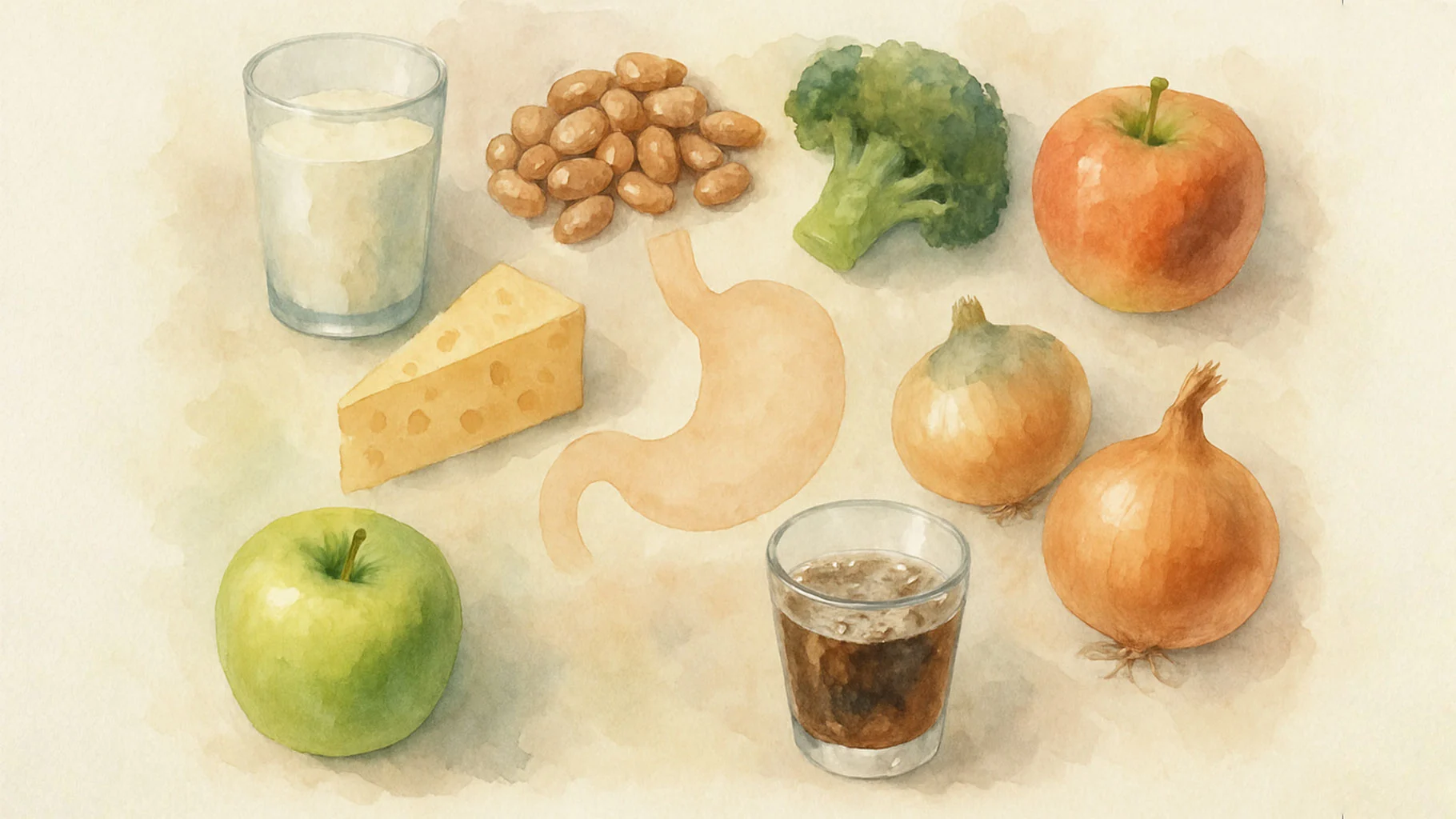
That uncomfortable feeling – tight abdomen, fullness, pressure, gas, or even visible swelling – is usually a result of how your digestive system reacts to certain foods. Some foods ferment in the gut, some trap air, some slow digestion, and others draw water into the intestines. The result is the same – bloating.
What makes bloating frustrating is that it is highly individual. A food that causes bloating for one person may be perfectly fine for another. However, there are clear patterns. Certain foods are well-known for triggering bloating in a large number of people, especially those with sensitive digestion, hormonal changes, stress, or slower gut motility.
In this article, we will break down foods that commonly cause bloating, explain why they do, and help you understand what may be triggering your symptoms. This is not about fear-mongering or eliminating everything from your diet. It is about awareness, balance, and smarter food choices.
Understanding Bloating Before Blaming the Food
Before diving into specific foods, it is important to understand what bloating actually is.
Bloating usually happens due to one or more of the following reasons:
- Excess gas production during digestion
- Slowed digestion or delayed stomach emptying
- Poor absorption of certain carbohydrates
- Increased water retention in the gut
- Swallowing excess air while eating or drinking
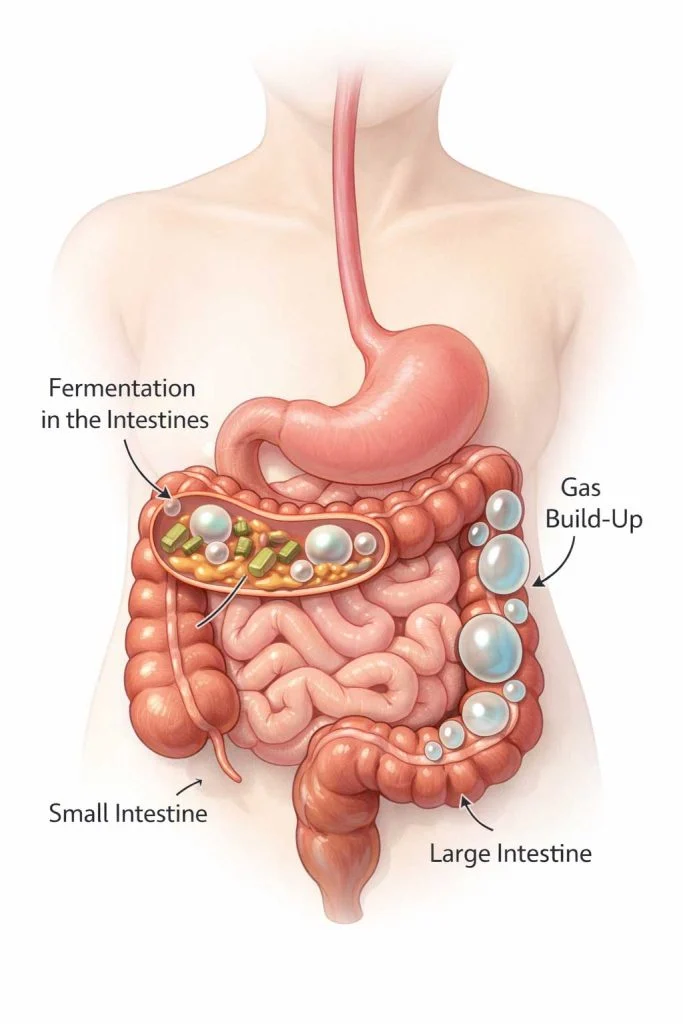
Many foods contain carbohydrates that are not fully digested in the small intestine. When these reach the large intestine, gut bacteria ferment them, producing gas as a by-product. This is a normal process, but when gas builds up faster than it can be released, bloating occurs. When this happens repeatedly, it can affect how digestion problems influence overall health, especially gut comfort and nutrient absorption.
Bloating is not always about what you eat, but how your digestive system processes certain carbohydrates and fibers.
Digestive Health Nutritionist
Hormones, stress, lack of sleep, dehydration, and even posture after eating can make bloating worse. That is why bloating is often more noticeable at night, during hormonal cycles, or after stressful days.
With that foundation in mind, let us look at the foods most commonly linked to bloating.
1. Beans and Legumes

Beans and legumes are often the first foods blamed for bloating, and for good reason.
Common examples include:
- Lentils
- Chickpeas
- Black beans
- Kidney beans
- Soybeans
- Split peas
Why Beans Cause Bloating
Beans are rich in fiber and contain complex carbohydrates called oligosaccharides. These carbohydrates are not fully broken down in the small intestine. When they reach the large intestine, gut bacteria ferment them, producing gas.
The fiber in beans is extremely beneficial for gut health, blood sugar control, and cholesterol levels. However, if your digestive system is not used to high fiber intake, the sudden increase can overwhelm your gut and cause bloating.
Who Is Most Affected
- People new to high-fiber diets
- Those with sensitive digestion
- Individuals with irritable bowel tendencies
- People who eat large portions of beans in one sitting
Helpful Tip
Soaking dried beans overnight, rinsing canned beans thoroughly, and slowly increasing your intake can significantly reduce bloating over time. Your gut bacteria can adapt.
2. Dairy Products

Dairy is one of the most common bloating triggers worldwide.
Common culprits include:
- Milk
- Ice cream
- Soft cheeses
- Yogurt (for some people)
- Cream-based sauces
Why Dairy Causes Bloating
The main issue with dairy is lactose, a natural sugar found in milk. Lactose requires an enzyme called lactase to be properly digested. Many adults produce low amounts of lactase, even if they are not fully lactose intolerant.
When lactose is not fully digested, it passes into the large intestine, where bacteria ferment it, producing gas, bloating, and sometimes diarrhea.
Important Note
You do not need to be severely lactose intolerant to experience bloating. Mild lactose sensitivity can cause subtle but persistent bloating, heaviness, or discomfort without obvious symptoms like diarrhea.
Who Is Most Affected
- Adults over 30
- People of Asian, African, or Middle Eastern descent
- Those with gut inflammation or stress-related digestion issues
3. Cruciferous Vegetables
These vegetables are extremely healthy but are also known bloating triggers for many people.
Examples include:
- Broccoli
- Cauliflower
- Cabbage
- Brussels sprouts
- Kale
Why Cruciferous Vegetables Cause Bloating
These vegetables contain:
- High amounts of fiber
- Sulfur-containing compounds
- Complex carbohydrates that ferment in the gut
When fermented, sulfur compounds can produce gas that feels particularly uncomfortable and sometimes smells stronger than gas from other foods.
Raw vs Cooked Matters
Raw cruciferous vegetables are more likely to cause bloating than cooked ones. Cooking breaks down fiber and sulfur compounds, making them easier to digest.
Helpful Tip
If you notice bloating after salads or raw veggie bowls, try lightly steaming or sautéing these vegetables instead.
4. Carbonated Drinks
Carbonated drinks are one of the fastest ways to trigger bloating, even without food.
Examples include:
- Soda
- Sparkling water
- Diet drinks
- Beer
Why Carbonation Causes Bloating
Carbonated drinks contain dissolved carbon dioxide gas. When consumed, that gas is released into the stomach and intestines. This leads to immediate abdominal expansion and pressure.
Even sugar-free sparkling drinks can cause bloating because the issue is the gas, not the sugar.
Additional Issue
Many carbonated drinks also contain artificial sweeteners, which can further worsen bloating by altering gut bacteria and increasing fermentation.
5. Onions and Garlic
Onions and garlic are foundational ingredients in many cuisines, yet they are common bloating triggers.
Why They Cause Bloating
Onions and garlic are rich in fructans, a type of carbohydrate that is poorly absorbed in the small intestine. Fructans ferment quickly in the gut, producing gas.
Raw onions are especially problematic, but even cooked onions can cause bloating for sensitive individuals.
Who Is Most Affected
- People with sensitive digestion
- Those prone to gas buildup
- Individuals following high-FODMAP diets
6. Certain Fruits High in Natural Sugars
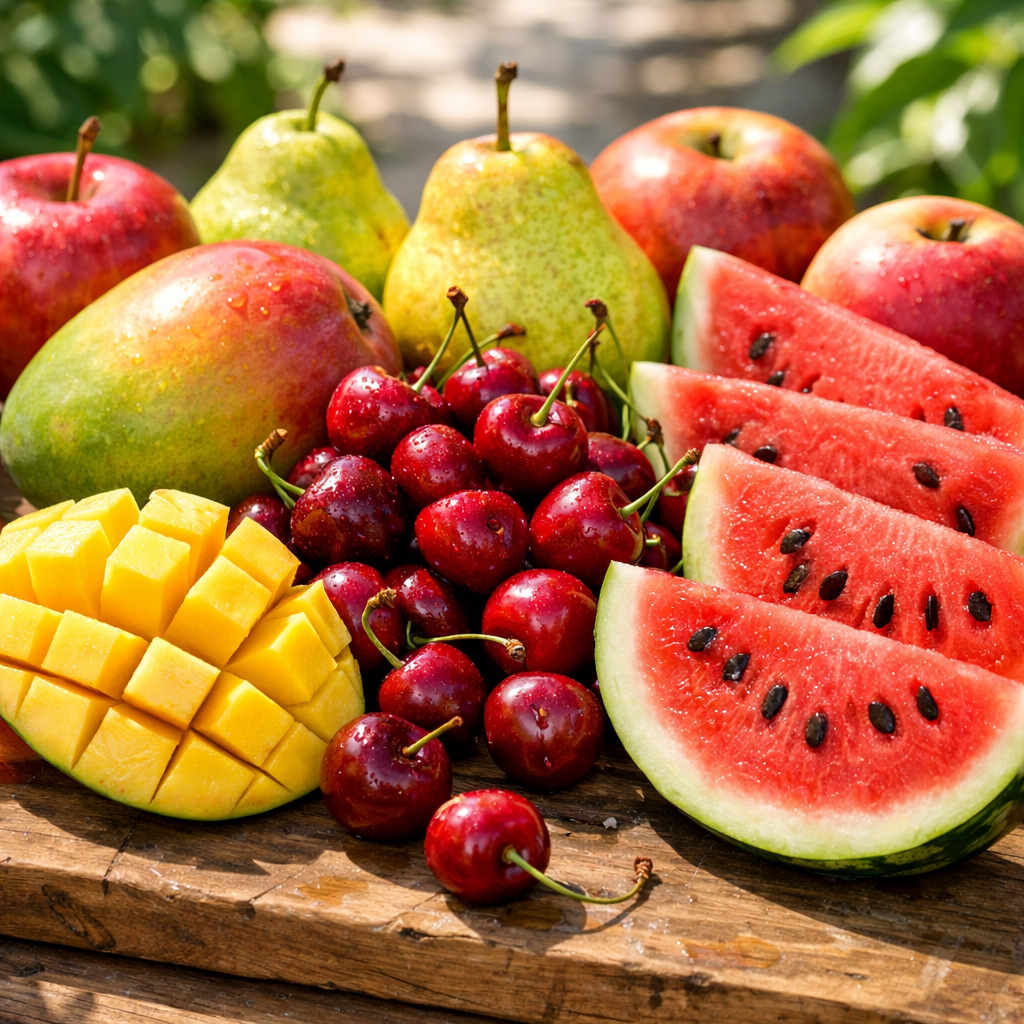
Fruit is healthy, but not all fruits are gentle on digestion. Some fruits contain sugars that are harder to absorb, especially when eaten alone or in large portions.
Common bloating-trigger fruits include:
- Apples
- Pears
- Mangoes
- Cherries
- Watermelon
Why These Fruits Cause Bloating
These fruits are high in fructose, a natural sugar. Fructose needs to be absorbed in the small intestine, but many people have limited ability to absorb large amounts at once.
When fructose is not fully absorbed, it travels to the large intestine where bacteria ferment it, producing gas and bloating.
Watermelon also contains polyols, another type of carbohydrate known to increase gas production.
Helpful Tip
Eating fruit with a meal rather than on an empty stomach can reduce bloating. Pairing fruit with protein or fat slows sugar absorption.
7. Wheat and Refined Grains
Wheat-based foods are common bloating triggers, even for people who do not have celiac disease.
Examples include:
- Bread
- Pasta
- Noodles
- Crackers
- Pastries
Why Wheat Causes Bloating
There are two main reasons:
- Gluten sensitivity
Some people experience bloating due to difficulty digesting gluten, even without an official intolerance. - Fructans in wheat
Wheat contains fructans, which ferment quickly in the gut and cause gas.
Refined grains are also digested quickly, which can disrupt gut balance and increase bloating.
Important Clarification
Not everyone needs to avoid wheat completely. Portion size, food quality, and individual tolerance matter more than labels.
8. Artificial Sweeteners and Sugar Alcohols
Artificial sweeteners are often marketed as healthier alternatives, but they are common causes of bloating.
Many of these ingredients are hidden in processed snacks, highlighting the hidden health risks in processed foods that people often overlook.
Common bloating triggers include:
- Sorbitol
- Xylitol
- Mannitol
- Maltitol
- Sucralose
These are found in:
- Sugar-free gum
- Diet drinks
- Protein bars
- “Low-carb” snacks
Why Artificial Sweeteners Cause Bloating
Sugar alcohols are poorly absorbed in the small intestine. They draw water into the gut and ferment in the large intestine, leading to gas, bloating, and sometimes diarrhea.
Even small amounts can cause discomfort in sensitive individuals.
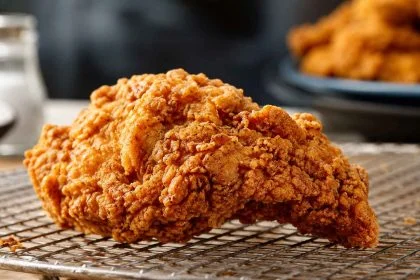
9. Fatty and Fried Foods
Fat is essential for health, but certain types of fat can slow digestion and worsen bloating.
Examples include:
- Fried foods
- Fast food
- Heavy cream sauces
- Greasy meats
Why Fatty Foods Cause Bloating
Fat slows stomach emptying. When food sits longer in the stomach, it can increase pressure, fullness, and bloating. Fried foods also contain compounds that are harder to digest.
People with gallbladder sensitivity or sluggish digestion often feel bloated after fatty meals.
10. Protein Bars and Processed “Health Foods”
Many foods marketed as healthy can secretly cause bloating.
Common offenders:
- Protein bars
- Meal replacement shakes
- Energy bars
Why They Cause Bloating
These products often contain:
- Sugar alcohols
- Artificial sweeteners
- Concentrated fibers
- Dairy-based proteins
The combination overwhelms digestion and increases fermentation in the gut.
Tip
Whole-food protein sources like eggs, fish, tofu, or plain yogurt are usually easier to digest than processed bars.
11. Dairy Alternatives That Still Cause Bloating
Even plant-based milk can cause bloating.
Examples include:
- Almond milk with gums
- Oat milk
- Soy milk
Why They Cause Bloating
Many plant milks contain:
- Added gums and thickeners
- High fermentable fibers
- Soy-based compounds
These additives can irritate the gut and increase gas production.
12. Foods High in Salt
Salty foods can cause bloating without gas.
Examples include:
- Processed snacks
- Instant noodles
- Cured meats
Why Salt Causes Bloating
High sodium intake causes water retention, leading to abdominal swelling and tightness rather than gas.
Eating Habits That Make Bloating Worse
Sometimes it is not just the food, but how you eat.
Habits that worsen bloating include:
- Eating too fast
- Talking while eating
- Drinking through a straw
- Large meals late at night
- Eating under stress
These habits increase air swallowing and slow digestion.
How to Reduce Bloating Without Extreme Dieting
You do not need to eliminate everything.
Simple strategies include:
- Eat slowly and chew well
- Drink water between meals
- Cook vegetables instead of eating them raw
- Reduce portion sizes of trigger foods
- Track foods that cause symptoms
Final Thoughts: Bloating Is a Signal, Not a Failure
Bloating is your body’s way of communicating. It is not a weakness, and it does not mean you are unhealthy. By understanding which foods commonly cause bloating and how your body reacts, you can make adjustments without fear or restriction.
The goal is comfort, balance, and long-term digestive health.
FAQ
What foods cause the most bloating?
Common bloating triggers include beans, dairy products, cruciferous vegetables, carbonated drinks, high-fructose fruits, and highly processed foods that are harder to digest.
Why do healthy foods still cause bloating?
Many healthy foods contain fiber and fermentable carbohydrates that gut bacteria break down during digestion, which can temporarily increase gas production.
Can bloating happen without gas?
Yes. Bloating can also result from water retention, especially after consuming high-sodium foods, leading to abdominal swelling without significant gas buildup.
Is bloating a sign of poor digestion?
Occasional bloating is normal. However, frequent or persistent bloating may indicate food sensitivities, stress-related digestive changes, or slower digestive motility.
How can I reduce bloating naturally?
You can reduce bloating by eating slowly, cooking high-fiber vegetables, staying hydrated, managing stress, and limiting foods that consistently trigger discomfort.