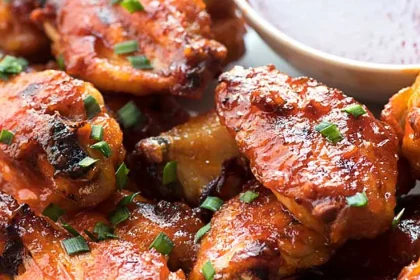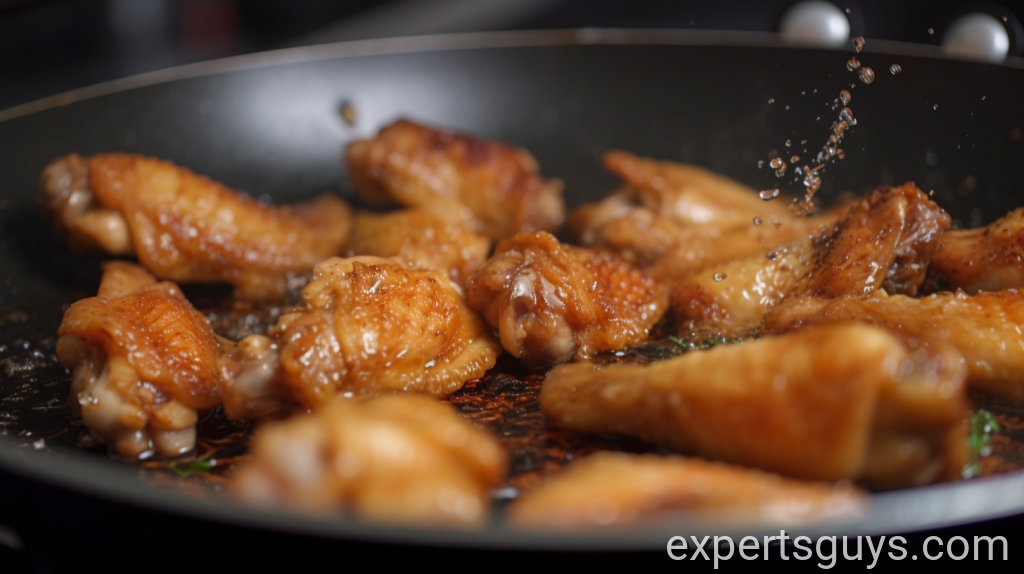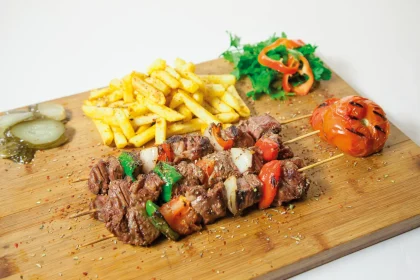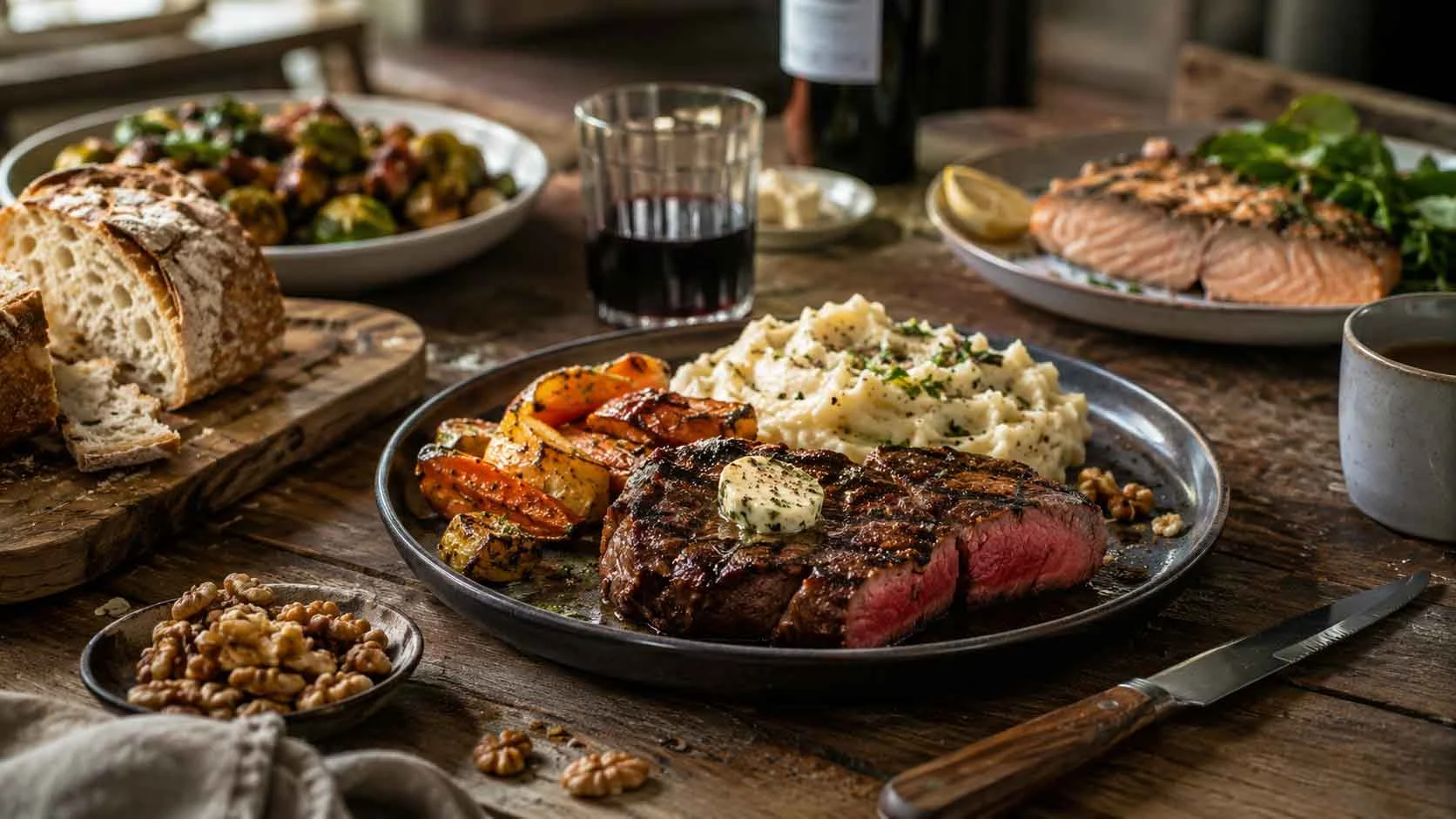

Have you ever wondered why one meal leaves you completely satisfied while another, made with similar ingredients and seasoning, feels surprisingly disappointing? The answer often has less to do with flavour than you might expect. Food texture plays a major role in how the brain evaluates freshness, quality and enjoyment, influencing every bite long before taste has been fully processed.
The ExpertsGuys Food Texture Satisfaction Checker was created to help home cooks understand these hidden factors. Instead of guessing why chicken becomes rubbery, bread turns stale or fries lose their crispness, this interactive intelligence tool analyses your cooking habits, texture preferences and common challenges to generate personalised recommendations based on established food science principles.
Start by answering the questions below. Your personalised report will show your texture satisfaction score, food texture personality, current mastery level, hidden cooking problems, meal texture builder result, and 30-day improvement roadmap.
Before analysing your own cooking habits, it’s helpful to understand why food texture matters more than flavor and how the brain evaluates texture before taste.
Unlike a simple quiz or calculator, this tool combines sensory science, cooking techniques and practical kitchen experience into a complete diagnostic system. Whether you love crispy fried foods, tender grilled meat, creamy comfort meals or flaky pastries, you’ll receive insights that explain not only what you enjoy, but also why those textures matter and how to reproduce them consistently at home.
The goal isn’t simply to improve recipes. It’s to help you understand the science behind mouthfeel, identify the cooking habits that affect texture, and build meals that feel more balanced, more enjoyable and more memorable. As your understanding grows, you’ll begin recognising the same texture principles in restaurants, bakeries, cafés and your own kitchen, making every meal an opportunity to cook with greater confidence.
Why Check Your Food Texture Satisfaction?
Many people judge their cooking almost entirely by flavour, believing that adding more herbs, spices or sauces will automatically improve a meal. While seasoning certainly contributes to enjoyment, texture often has a much greater influence on overall satisfaction. A perfectly seasoned steak that is dry will rarely impress, while a juicy, tender steak with balanced seasoning is often remembered as exceptional.
Understanding your texture preferences provides valuable insight into the way you naturally experience food. Some people are energised by crisp, crunchy foods that create strong sensory feedback, while others prefer creamy, tender textures that feel comforting and relaxing. Neither preference is right or wrong, but recognising these patterns helps explain why certain meals consistently feel more enjoyable than others.
This Food Texture Satisfaction Checker transforms those personal preferences into practical guidance. By evaluating your favourite textures, cooking techniques and common kitchen challenges, it identifies opportunities to improve your cooking through better moisture management, timing, temperature control and texture contrast. Rather than relying on trial and error, you’ll receive a personalised roadmap designed to help you create meals that consistently deliver satisfying results.
As you continue using the tool over time, you’ll also discover how small adjustments—such as allowing meat to rest, preventing steam from softening crispy foods or adding contrasting textures to simple dishes—can produce noticeable improvements without requiring expensive ingredients or advanced culinary training.
How the Food Texture Satisfaction Checker Works
The ExpertsGuys Food Texture Satisfaction Checker has been designed to evaluate food enjoyment from multiple perspectives rather than relying on a single score. Professional chefs understand that great meals result from the interaction of cooking techniques, moisture management, ingredient quality and texture contrast. This intelligence engine applies the same thinking to help you identify both your strengths and the areas that offer the greatest opportunity for improvement.
Instead of asking whether you simply like crispy or creamy foods, the assessment explores how you prepare meals, which texture problems occur most frequently and how you naturally combine different mouthfeels within a single dish. These answers are analysed together to build a personalised food texture profile that reflects your real cooking habits rather than isolated preferences.
Once the assessment is complete, the system generates a detailed report containing multiple independent scores. Each result highlights a different aspect of your cooking experience, allowing you to understand how various decisions influence the final texture of your meals. Because every score focuses on a specific area, the recommendations become more practical and easier to apply in everyday cooking.
Most importantly, this is not a pass-or-fail assessment. The purpose is to help you recognise opportunities for continuous improvement. Small adjustments to moisture control, cooking temperatures, ingredient preparation and serving techniques often produce significant improvements in eating satisfaction without making recipes more complicated.
What Your Personal Texture Report Includes
After completing the assessment, you’ll receive a comprehensive report that explains how your cooking habits influence texture and overall meal satisfaction. Each section has been developed to answer a different question, giving you practical insights that can be applied immediately in your kitchen.
Texture Satisfaction Score
This overall score estimates how effectively your current cooking habits create enjoyable eating experiences. It considers your preferred textures, cooking methods, moisture management and the frequency of common texture problems.
Mouthfeel Diversity Score
The most memorable meals rarely rely on a single texture. This score measures how much variety exists within your meals by analysing combinations such as crispy with creamy, tender with crunchy or juicy with flaky. Greater diversity generally creates a more engaging eating experience.
Cooking Technique Score
Cooking methods directly influence texture. This score evaluates how your preferred techniques—such as grilling, roasting, frying, baking or steaming—support moisture retention, crispness and structural integrity.
Hidden Texture Problems
Many cooking mistakes remain unnoticed because they develop gradually over time. This section identifies patterns that may be causing dry meat, soggy coatings, rubbery proteins, mushy vegetables or grainy sauces, then explains the most likely causes behind each issue.
Professional Recommendations
Rather than offering generic advice, this section provides targeted suggestions based on your personal results. Recommendations may include adjusting cooking temperatures, improving resting times, managing moisture more effectively or introducing greater texture contrast within meals.
Texture Improvement Roadmap
Learning better cooking techniques is most effective when improvements happen gradually. The roadmap provides simple weekly actions that help you strengthen one texture skill at a time, allowing noticeable progress without becoming overwhelming.
Suggested Meal Ideas
Based on your favourite textures, the report recommends meal combinations that naturally suit your preferences. Whether you enjoy crispy comfort food, tender grilled meats, creamy dishes or flaky seafood, these suggestions encourage experimentation while reinforcing good cooking habits.
Nearby Cooking Resources
To continue developing your skills, the report also encourages you to explore local cooking classes, kitchen supply stores and specialist food retailers that may help you improve specific techniques and discover new ingredients.
Why Texture Preferences Are Different for Everyone
No two people experience food in exactly the same way. Personal preferences develop through a combination of childhood experiences, cultural traditions, favourite ingredients, cooking habits and even biological differences in sensory perception. This is why one person may describe crispy fried chicken as the perfect comfort food, while another finds greater satisfaction in a slow-cooked stew with tender meat and silky vegetables.
Culture also plays an important role. Many Asian cuisines celebrate chewy noodles, springy fish balls and delicate dumpling skins, while Mediterranean cooking often highlights crusty bread, creamy olive oil-based dishes and flaky seafood. These traditions shape expectations from an early age, influencing which textures people naturally associate with quality and enjoyment.
Life experiences further refine these preferences. Someone who frequently cooks on a barbecue may develop a stronger appreciation for charred crusts and juicy meats, while enthusiastic bakers often become highly sensitive to crumb structure, crisp crusts and pastry flakiness. Even favourite childhood meals can continue influencing texture preferences decades later.
Rather than trying to identify a single “perfect” texture, the Food Texture Satisfaction Checker celebrates these individual differences. By understanding your unique preferences and cooking patterns, you can prepare meals that better reflect what you genuinely enjoy instead of following trends or assumptions about what food should feel like.
Common Texture Personalities
| Texture Personality | Foods You May Enjoy | Cooking Focus | Professional Tip |
|---|---|---|---|
| The Crunch Lover | Roasted vegetables, fried chicken, toasted bread, nuts | Moisture control and serving speed | Avoid trapping steam after cooking. |
| The Comfort Seeker | Mashed potatoes, soups, risotto, pasta | Smoothness and balance | Add one crunchy element for contrast. |
| The Grill Enthusiast | Steak, lamb, burgers, barbecue | Juiciness and resting time | Use a thermometer instead of cooking by time. |
| The Bakery Fan | Bread, croissants, pastries | Crust and crumb development | Store bread properly to preserve texture. |
Understanding Your Food Texture Scores
After completing the Food Texture Satisfaction Checker, you’ll receive several independent scores rather than a single overall rating. This approach reflects the way professional chefs evaluate food. A meal may score highly for tenderness but still lose points because it lacks texture contrast or suffers from poor moisture management. By separating these areas, the report helps you understand exactly where improvements can make the greatest difference.
Rather than viewing your results as a judgment of your cooking ability, think of them as a practical roadmap. Every score highlights a specific aspect of food texture and explains how small adjustments can improve future meals. Even experienced cooks continue refining their techniques because texture depends on countless small decisions made before, during and after cooking.
The following guide explains what each score measures and how to interpret your personalised report.
Texture Satisfaction Score
This score estimates how enjoyable your meals are likely to feel based on your overall cooking habits. It considers the textures you naturally prefer, the cooking methods you use most often, the frequency of common texture problems and how effectively you balance different mouthfeels within the same meal.
A higher score generally indicates that your meals consistently deliver satisfying combinations of crispness, tenderness, juiciness and structure. Lower scores do not necessarily mean your cooking is poor. Instead, they often highlight opportunities to improve moisture control, cooking temperatures or serving techniques.
Mouthfeel Diversity Score
Many home-cooked meals rely on only one dominant texture. While flavour may remain enjoyable, the eating experience can become repetitive.
The Mouthfeel Diversity Score evaluates how many different textures appear within your typical meals. Combining crispy, creamy, juicy, crunchy and tender elements creates greater sensory variety, keeping each bite interesting from beginning to end.
Professional chefs deliberately build this contrast into nearly every dish because the brain naturally enjoys variety during eating.
Cooking Technique Score
Every cooking method influences texture differently. Grilling encourages caramelisation and tenderness, frying develops crisp coatings, roasting concentrates flavour while maintaining structure and steaming preserves moisture.
This score examines whether your preferred cooking techniques support the textures you enjoy most. It also identifies where adjustments in heat, timing or preparation could produce more consistent results.
Texture Problem Risk Score
Instead of focusing only on successful meals, the assessment also predicts which texture problems are most likely to appear in your kitchen.
Examples include:
- Dry proteins
- Rubbery chicken
- Tough steak
- Mushy vegetables
- Soggy fried foods
- Grainy sauces
Understanding these risks allows you to prevent problems before they occur instead of trying to repair them afterwards.
One of the most common examples is why chicken breast dries out, where moisture loss and excessive cooking dramatically change both tenderness and eating satisfaction.
Professional Improvement Score
Cooking is a skill that develops through repeated practice. This score estimates how much improvement may be achieved through relatively small technique changes.
Many users discover that adjusting moisture control, resting meat properly or introducing greater texture contrast produces dramatic improvements without changing recipes or purchasing expensive equipment. The Professional Improvement Score highlights where those opportunities exist.
How to Increase Your Texture Satisfaction Score
Improving your Food Texture Satisfaction Score does not require complicated recipes or specialist culinary equipment. Most noticeable improvements come from mastering a handful of fundamental techniques that professional kitchens apply every day. Once these habits become part of your routine, they naturally improve the texture of almost every meal you prepare.
If you’d like personalised recommendations based on your own cooking habits, try the Food Texture Satisfaction Checker. It analyses your favourite textures, identifies common cooking problems, determines your Food Texture Personality and provides a personalised improvement roadmap.
Build Every Meal Around Texture Contrast
One of the simplest ways to increase eating satisfaction is to combine different mouthfeels on the same plate.
Examples include:
- Creamy soup with crispy croutons.
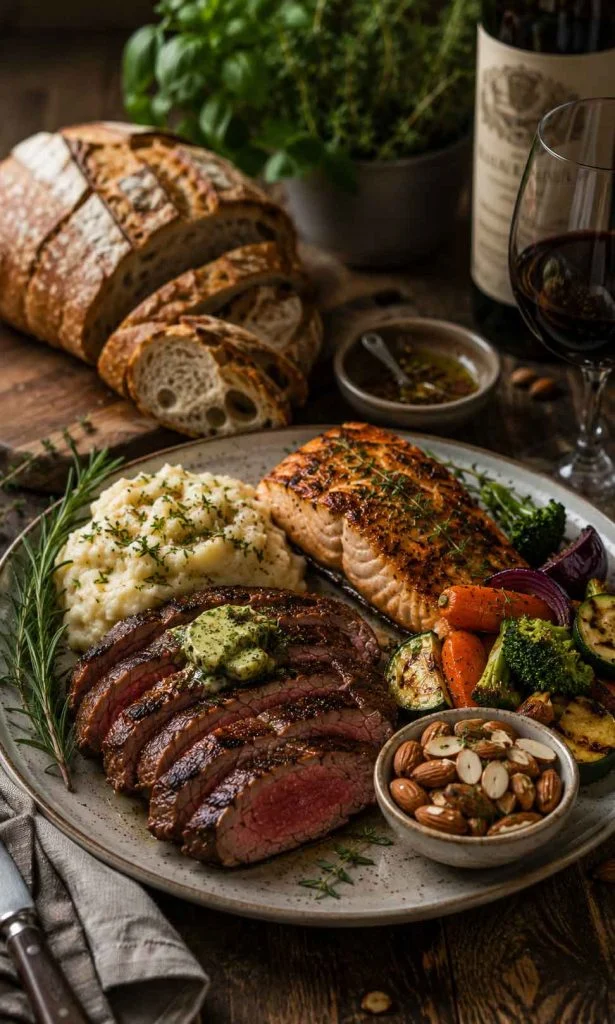
- Juicy grilled steak with crunchy roasted vegetables.
- Soft pasta finished with toasted breadcrumbs.
- Creamy yoghurt topped with granola and fresh fruit.
These combinations prevent meals from feeling repetitive while creating a more engaging eating experience.
Improve Moisture Management
Moisture is one of the biggest influences on food texture. Ingredients should be dried before roasting, meat should rest before slicing and crispy foods should remain well ventilated after cooking.
Managing moisture correctly protects both tenderness and crispness while reducing the likelihood of soggy or dry results.
If you’re grilling red meat, our BBQ Lamb Steak Marinade Recipe demonstrates how marinating, resting and temperature control work together to maximise tenderness, juiciness and overall texture.
Cook With Precision
Professional cooks rarely rely entirely on estimated cooking times. Instead, they monitor food carefully, paying attention to temperature, appearance and texture throughout the cooking process.
Using a food thermometer, reducing unnecessary cooking time and removing food at the correct moment all contribute to noticeably better texture.
Continue Learning Through Practice
Each meal provides useful feedback. If vegetables became soft, ask why. If bread lost its crisp crust, consider storage conditions. If steak became dry, review cooking temperature and resting time.
Approaching cooking with curiosity rather than frustration accelerates improvement and gradually increases confidence in the kitchen.
The Food Texture Satisfaction Checker is designed to support this learning process. As you revisit the assessment after trying new techniques, your report becomes a practical record of your progress, helping you recognise improvements that might otherwise go unnoticed.
Ways to Improve Your Texture Satisfaction Score
| Improvement Area | Professional Technique | Expected Benefit | Difficulty |
|---|---|---|---|
| Texture Contrast | Combine crispy, creamy and juicy elements. | Higher eating satisfaction | Easy |
| Moisture Control | Dry ingredients before cooking and rest meat afterwards. | Better crispness and juiciness | Easy |
| Temperature Accuracy | Cook to internal temperature instead of estimated time. | Consistent texture | Easy |
| Serving Timing | Serve immediately when crispness matters. | Preserves ideal texture | Easy |
| Continuous Practice | Repeat the assessment after learning new techniques. | Long-term cooking improvement | Very Easy |
Professional Perspective
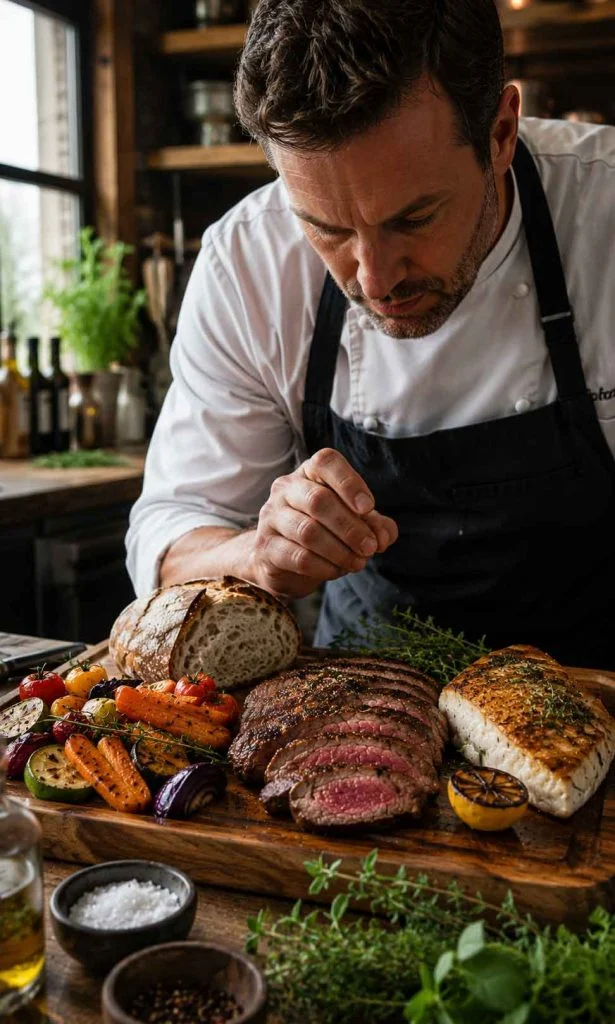
One of the biggest lessons I’ve learned while reviewing recipes and cooking techniques is that people often underestimate the importance of texture. When a meal doesn’t turn out as expected, the first instinct is usually to blame the seasoning or search for a different recipe. In reality, the underlying issue is often much simpler. A steak may have been sliced too early, vegetables may have cooked a few minutes too long, or moisture may have softened a perfectly crisp coating before the food reached the table.
Professional kitchens approach cooking differently. Every stage of preparation is designed to protect texture as carefully as flavour. Ingredients are dried before roasting, proteins are cooked to precise temperatures, bread is baked to achieve the ideal crust, and fried foods are served immediately while their crispness is still at its peak. These habits are not complicated, but they are consistent, and consistency is what produces reliable results.
This is exactly why the Food Texture Satisfaction Checker was developed. Instead of simply telling you whether your cooking is good or bad, it identifies the patterns behind your results and highlights practical improvements that are easy to apply. Small changes, such as improving moisture control, adding texture contrast or adjusting cooking temperatures, often create larger improvements than buying expensive ingredients or following more complicated recipes.
Great cooking is rarely about perfection. It is about understanding how food behaves and making small, deliberate decisions that improve every meal. Once you begin thinking about texture alongside flavour, aroma and presentation, you’ll naturally become a more confident cook, and the quality of your meals will improve with every recipe you prepare.
Continue Your Food Texture Journey
Food texture is not a skill that is mastered after preparing a single meal. It develops through observation, experimentation and experience. Every ingredient responds differently to heat, moisture and time, and every cooking session offers an opportunity to better understand how those factors influence the final eating experience.
The Food Texture Satisfaction Checker is designed to support that learning journey rather than provide a one-time answer. As your cooking techniques improve, you can return to the assessment, compare new results and discover how your texture profile changes over time. Whether you are perfecting grilled steak, baking artisan bread, creating crisp vegetables or developing creamy sauces, repeated assessment helps reinforce good habits while identifying new opportunities for improvement.
Exploring related food science topics will also strengthen your understanding. Learning why meat becomes dry, how moisture affects crispness, why bread develops different crumb structures or how texture contrast influences satisfaction allows every recipe to become more predictable and more enjoyable. Instead of relying on trial and error, you gradually build practical knowledge that applies across hundreds of different dishes.
Most importantly, remember that great meals are remembered for the complete experience they create. Flavour, aroma, appearance and presentation all matter, but texture is often the element that transforms a meal from simply good into genuinely memorable. By understanding and improving texture, you’re not just becoming a better cook—you are creating eating experiences that people look forward to sharing again and again.
The Science Behind Food Texture and Eating Satisfaction
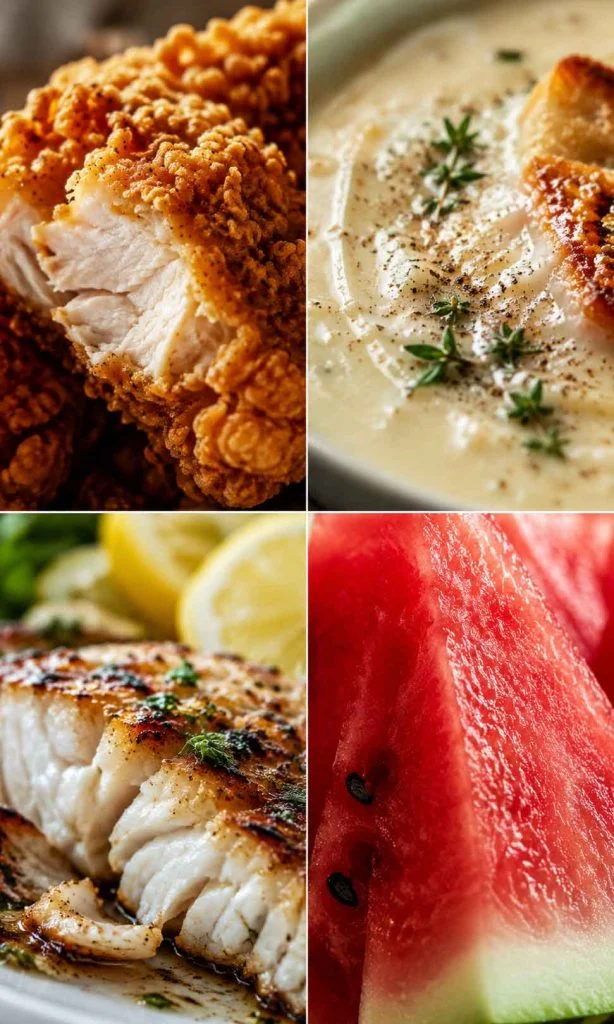
Food texture is far more than the physical feel of food inside the mouth. It is a combination of mechanical, sensory and psychological responses that begin the moment food is seen, touched and bitten. Before the brain has fully recognised sweetness, saltiness or umami, it has already evaluated firmness, moisture, elasticity, crispness and resistance. These early signals help determine whether a meal feels fresh, enjoyable and worth continuing to eat.
Scientists who study sensory perception often describe texture as one of the foundations of food acceptance. Texture influences expectations, controls chewing behaviour and affects how flavour compounds are released during eating. A juicy steak gradually releases flavour as it is chewed, while a stale piece of bread may taste dull because its dry structure limits aroma release and mouthfeel. In other words, flavour and texture work together, but texture frequently leads the conversation.
Texture also changes the emotional experience of eating. Crispy foods often feel exciting because they create audible feedback with every bite. Creamy foods tend to feel comforting because they spread smoothly across the tongue with very little effort. Tender slow-cooked meats create a sense of richness and care, while crunchy vegetables communicate freshness and vitality. These emotional responses explain why two dishes with almost identical ingredients can leave completely different memories.
The purpose of the Food Texture Satisfaction Checker is to translate these scientific principles into practical guidance. Instead of presenting technical sensory terminology, it identifies how your own cooking habits influence texture and then recommends simple improvements that can be applied immediately in everyday cooking. By understanding the relationship between texture, cooking technique and eating satisfaction, you’ll make more confident decisions every time you prepare a meal.
The ExpertsGuys Food Texture Decision Framework
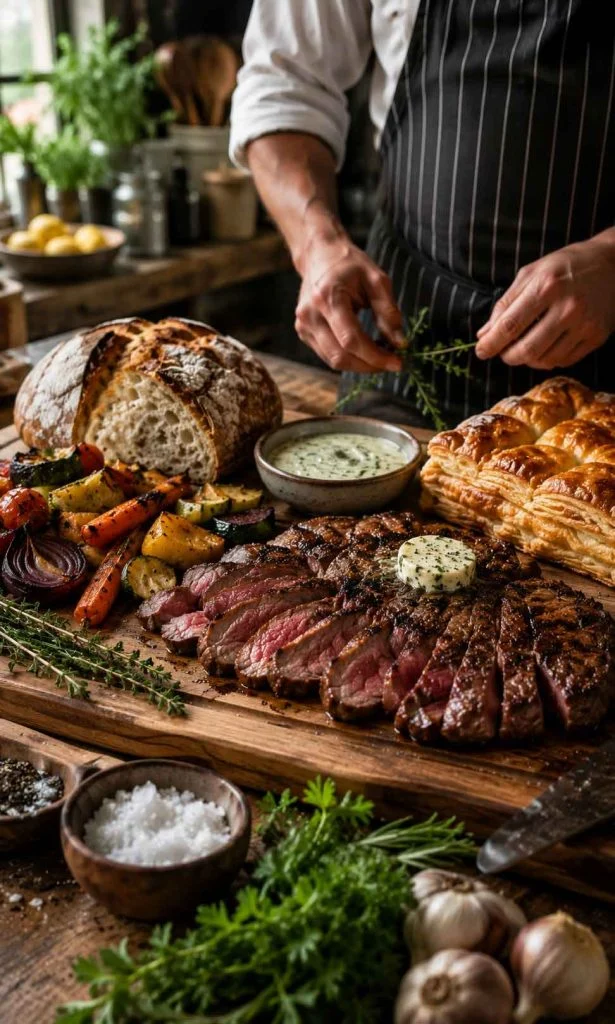
Professional chefs rarely ask a single question such as, “Does this taste good?” Instead, they evaluate food through a structured sequence of observations that considers texture before final flavour judgment. The ExpertsGuys Food Texture Decision Framework applies this same professional workflow, allowing home cooks to identify where improvements will have the greatest impact.
Step 1 — Structural Quality
The first question is whether the food has retained its intended structure. Bread should remain light with a crisp crust, vegetables should feel tender yet firm, and grilled meat should maintain both moisture and integrity. If the structure has already failed, additional seasoning rarely restores the overall eating experience.
Step 2 — Moisture Balance
The second step evaluates how moisture is distributed throughout the food. Too little moisture creates dryness and excessive chewing, while too much produces sogginess or weakens crisp surfaces. Successful dishes balance internal moisture with an exterior that suits the chosen cooking method.
Step 3 — Texture Contrast
Meals become significantly more enjoyable when multiple textures work together. A single soft texture can quickly become monotonous, whereas combinations of creamy, crunchy, flaky and juicy elements keep the brain engaged throughout the meal. This stage encourages cooks to design complete eating experiences rather than isolated flavours.
Step 4 — Cooking Precision
Every cooking technique changes texture differently. Grilling develops crusts, roasting concentrates moisture, frying creates crisp coatings and steaming protects delicate ingredients. The framework examines whether the selected cooking method supports the desired texture instead of working against it.
Step 5 — Eating Satisfaction
Only after the previous four stages have been considered does the final evaluation take place. This reflects how many experienced chefs think during recipe development. Flavour remains essential, but lasting satisfaction comes from the combination of structure, moisture, contrast and technique working together.
Using this framework repeatedly trains you to recognise texture patterns instead of relying on trial and error. Over time, cooking decisions become more deliberate, more consistent and significantly more rewarding.
The ExpertsGuys Food Texture Decision Framework
| Decision Stage | Question to Ask | Professional Focus | Expected Outcome |
|---|---|---|---|
| Structural Quality | Has the food retained its intended shape and firmness? | Foundation of texture | Better first impression |
| Moisture Balance | Is the food juicy without becoming soggy? | Moisture control | Improved tenderness and crispness |
| Texture Contrast | Are multiple mouthfeels present? | Sensory diversity | Higher eating satisfaction |
| Cooking Precision | Did the technique support the desired texture? | Technique selection | Consistent cooking results |
| Eating Satisfaction | Would you want another bite? | Overall dining experience | Memorable meals |
Common Food Texture Problems and How to Fix Them
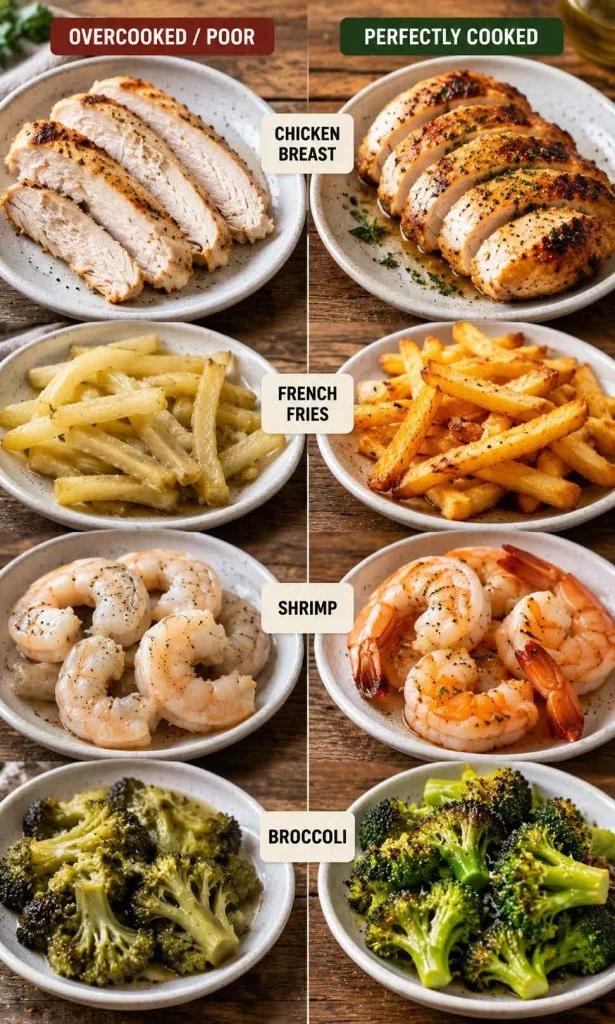
One of the greatest advantages of understanding food texture is that most problems are predictable and preventable. Experienced chefs rarely blame ingredients when a meal feels disappointing. Instead, they analyse the texture itself, identify what changed during preparation and adjust the cooking process accordingly. This systematic approach transforms cooking from guesswork into a repeatable skill.
Many texture problems develop gradually rather than appearing suddenly. A steak may become slightly drier with every additional minute on the grill. Bread slowly loses its crisp crust as moisture redistributes during storage. Fried foods begin absorbing steam the moment they leave hot oil. Recognising these patterns allows you to intervene before the texture deteriorates beyond recovery.
The Food Texture Satisfaction Checker uses these common patterns to identify where your cooking habits may be affecting the final eating experience. Rather than offering generic advice, it connects each texture problem with its most likely causes and recommends practical solutions based on cooking science and professional kitchen techniques.
Dry Food
Dry food usually results from excessive moisture loss during cooking or reheating. Lean proteins such as chicken breast, pork loin and certain fish are especially vulnerable because they contain relatively little fat to protect against drying.
The most effective solution is prevention. Cook proteins to the correct internal temperature, allow them to rest before slicing and avoid reheating them at excessively high temperatures. Small improvements in timing often produce much better results than adding additional sauces after cooking.
Tough Meat
Tough meat often indicates that muscle fibres have tightened excessively or connective tissue has not been given enough time to break down. This commonly happens when tougher cuts are cooked too quickly or when tender cuts remain over high heat for too long.
Selecting the correct cooking method for each cut is essential. Slow braising works well for collagen-rich cuts, while premium steaks benefit from high heat followed by proper resting. Cutting meat across the grain also shortens muscle fibres, making every bite noticeably more tender.
Rubbery Texture
Rubbery textures usually develop when delicate proteins remain over heat longer than necessary. Chicken breast, shrimp, squid and eggs are among the most common examples because their proteins tighten rapidly once they exceed their ideal cooking temperatures.
Reducing cooking time by only a minute or two can significantly improve tenderness. Monitoring food carefully during the final stages of cooking is often more effective than relying solely on recipe timings.
Soggy Food
Crispy food becomes soggy when moisture is trapped against its surface after cooking. Steam softens coatings surprisingly quickly, especially when fried foods are covered, stacked or stored inside sealed containers while still hot.
Professional kitchens minimise this problem by using wire racks, maintaining airflow and adding sauces only immediately before serving. Preserving crispness depends as much on post-cooking handling as it does on the cooking process itself.
Mushy Vegetables
Vegetables become mushy when their cell walls break down through prolonged exposure to heat. Once this structure collapses, vegetables lose both firmness and visual appeal.
Cooking vegetables until they are tender-crisp rather than fully soft preserves natural sweetness, colour and texture. Quick cooking methods such as stir-frying, roasting and blanching often produce more satisfying results than prolonged boiling.
Grainy Sauces
Smooth sauces depend on stable emulsions and careful temperature control. Excessive heat, rapid boiling or improper mixing can cause proteins or fats to separate, producing an unpleasant grainy texture.
Gentle heating, continuous whisking and gradual ingredient incorporation help maintain smooth consistency. Patience during preparation almost always produces better results than increasing heat to speed up the process.
Texture Problems, Causes and Professional Solutions
| Texture Problem | Most Common Cause | Professional Solution | Prevention Difficulty |
|---|---|---|---|
| Dry Food | Overcooking and moisture loss | Use a thermometer and rest before serving. | Easy |
| Tough Meat | Incorrect cooking method | Match the cooking method to the cut of meat. | Moderate |
| Rubbery Texture | Protein overcooked | Reduce cooking time and monitor temperature. | Easy |
| Soggy Food | Steam trapped after cooking | Use wire racks and avoid covering hot food. | Easy |
| Mushy Vegetables | Cooking too long | Cook until tender-crisp. | Easy |
| Grainy Sauce | Separated emulsion | Lower heat and whisk gradually. | Moderate |
Discover Your Food Texture Personality
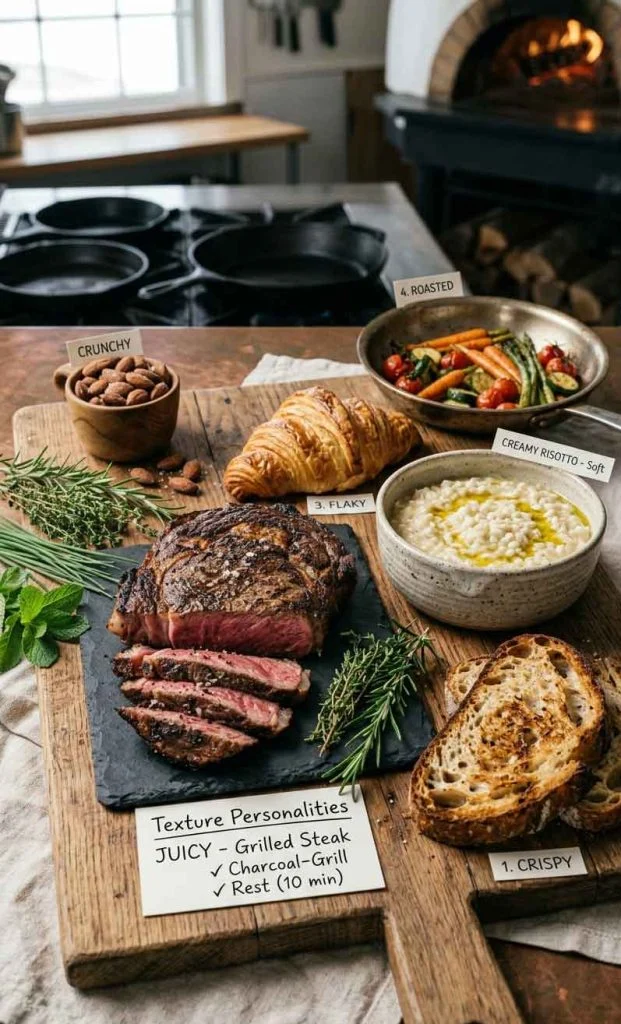
Every cook develops habits that influence the texture of the meals they prepare. Some naturally create crisp, high-contrast dishes filled with crunch and freshness, while others gravitate towards slow-cooked comfort food with creamy sauces and tender meats. Neither approach is better than the other. They simply reflect different cooking preferences, eating experiences and sensory expectations.
The ExpertsGuys Food Texture Satisfaction Checker analyses these patterns to identify your unique Food Texture Personality. Rather than focusing on whether your cooking is “good” or “bad”, the system looks at how you naturally balance crispness, moisture, tenderness, creaminess and texture contrast. This creates a profile that explains your strengths while highlighting opportunities to broaden your cooking skills.
Your Food Texture Personality is not fixed. As you experiment with different ingredients, cooking methods and recipes, your profile may gradually evolve. Someone who mainly prepares creamy comfort food today may later discover a passion for grilling, artisan bread or crispy roasted vegetables. Revisiting the assessment over time allows you to measure that progress and continue developing your culinary confidence.
The Crunch Collector
If you enjoy crispy fried chicken, toasted sourdough, roasted vegetables and crunchy salads, you may be a Crunch Collector. You appreciate food that provides immediate sensory feedback through crisp textures and audible bites.
Your biggest strength is creating meals that feel lively and exciting. However, protecting crispness requires careful moisture control. Steam, sauces and poor storage can quickly reduce the qualities you enjoy most.
Professional recommendation:
Focus on airflow after cooking, serve crispy foods immediately and keep wet ingredients separate until the final moments before eating.
The Comfort Creator
Comfort Creators naturally prefer creamy, smooth and tender foods that feel warm and satisfying. Soups, risottos, mashed potatoes, pasta and slow-cooked meals often become favourites because they deliver consistent mouthfeel and rich eating experiences.
The biggest opportunity for this personality is introducing greater texture contrast. Adding toasted nuts, crispy breadcrumbs, roasted seeds or fresh vegetables creates more variety without changing the comforting nature of the meal.
Professional recommendation:
Aim to include at least one contrasting texture whenever preparing creamy dishes to keep every bite engaging.
The Grill Master
Grill Masters value tenderness, juiciness and caramelisation. Whether cooking steak, lamb, burgers or seafood, they enjoy the balance between a well-developed crust and a moist interior.
This personality often succeeds because grilling naturally creates strong texture contrast. The greatest challenge is preventing moisture loss through excessive cooking or slicing meat too soon after it leaves the heat.
Professional recommendation:
Use internal temperatures instead of estimated cooking times and always allow meat to rest before serving.
The Bakery Enthusiast
Bakery Enthusiasts appreciate delicate crumb structures, flaky pastries and crisp bread crusts. They notice small differences in freshness that many people overlook and often enjoy experimenting with fermentation, baking temperatures and dough hydration.
Maintaining these textures requires careful storage because bread and pastries begin changing texture soon after baking.
Professional recommendation:
Refresh bread in a hot oven before serving and store baked goods in ways that preserve their intended structure rather than trapping unnecessary moisture.
The Texture Explorer
Texture Explorers enjoy variety more than predictability. They appreciate meals that combine crunchy, creamy, juicy, chewy and crispy elements within the same plate. International cuisines, tasting menus and fusion cooking often appeal strongly because every bite offers something different.
This personality usually develops broad cooking skills because preparing multiple textures requires mastering several techniques simultaneously.
Professional recommendation:
Continue experimenting with contrasting ingredients while paying attention to balance so no single texture overwhelms the others.
The Balanced Gourmet
Balanced Gourmets naturally create meals where flavour and texture complement each other without one dominating the other. Their cooking often feels refined because moisture, tenderness, crispness and presentation remain in harmony.
The greatest opportunity for this personality is refinement rather than correction. Small improvements in timing, plating and ingredient quality can elevate already strong cooking habits to an even higher standard.
Professional recommendation:
Focus on precision. Tiny adjustments to cooking temperature, serving speed and ingredient preparation often produce noticeable improvements.
Food Texture Personality Guide
| Texture Personality | Favourite Food Style | Greatest Strength | Best Improvement Focus |
|---|---|---|---|
| The Crunch Collector | Crispy and crunchy foods | Exciting texture contrast | Moisture management |
| The Comfort Creator | Creamy comfort meals | Rich mouthfeel | Add texture contrast |
| The Grill Master | Barbecue and grilled meats | Juiciness and tenderness | Temperature precision |
| The Bakery Enthusiast | Bread and pastries | Structure and crumb quality | Storage techniques |
| The Texture Explorer | Mixed cuisines | High texture diversity | Maintain balance |
| The Balanced Gourmet | Well-balanced meals | Consistency | Fine-tune technique |
Build Your Personal Texture Improvement Roadmap
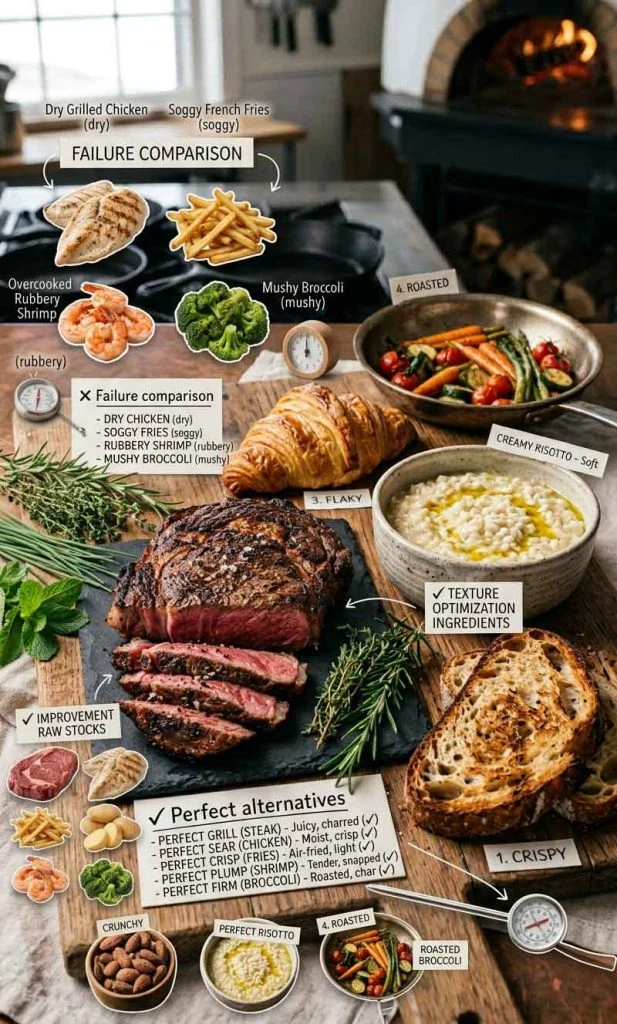
One of the biggest mistakes home cooks make is trying to improve everything at once. They purchase new equipment, experiment with complicated recipes and change multiple cooking techniques simultaneously. When the final result improves—or becomes worse—it is difficult to understand which change actually made the difference.
Professional kitchens take a far more structured approach. They focus on mastering one texture skill at a time until it becomes second nature. Once moisture control is consistent, attention shifts to texture contrast. After that comes temperature precision, plating and timing. Small improvements accumulate into significant long-term progress.
The ExpertsGuys Food Texture Satisfaction Checker follows the same philosophy by generating a personalised Texture Improvement Roadmap. Instead of overwhelming you with dozens of recommendations, the system identifies the highest-impact opportunities based on your assessment results. This creates a practical learning path that develops naturally as your cooking skills improve.
Because the roadmap adapts to your current profile, no two reports are exactly the same. Someone who struggles with dry grilled meat receives different recommendations from someone whose biggest challenge is maintaining crispy fried foods or creating better texture contrast. The result is a personalised coaching experience rather than a generic cooking checklist.
The Five Levels of Texture Mastery
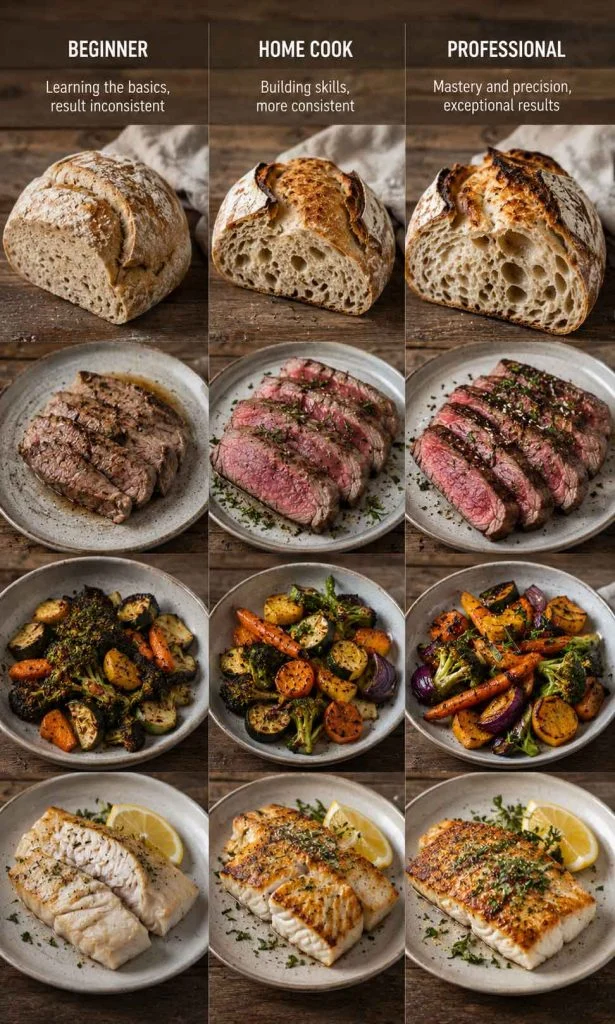
The Food Texture Satisfaction Checker introduces five progressive levels that reflect your current understanding of food texture and cooking techniques. These levels are designed to encourage continuous improvement rather than competition. As you develop new skills and revisit the assessment, your profile can evolve naturally over time.
Level 1 — Texture Beginner
You’re beginning to recognise how cooking methods affect texture. Your focus should be understanding moisture control, cooking temperatures and the difference between overcooked and properly cooked food.
Primary goal: Learn the foundations of texture.
Level 2 — Home Cook
You consistently prepare enjoyable meals but still encounter occasional problems such as dry meat, soggy coatings or overcooked vegetables. Small adjustments in timing and preparation can produce noticeable improvements.
Primary goal: Improve consistency.
Level 3 — Texture Builder
At this stage you intentionally combine different mouthfeels within the same meal. You understand the value of crispness, tenderness and moisture balance, and you actively design meals around these principles.
Primary goal: Create balanced eating experiences.
Level 4 — Kitchen Craftsman
Texture has become part of your cooking routine. You confidently adjust cooking methods, ingredient preparation and serving techniques to achieve predictable results across many different recipes.
Primary goal: Refine precision.
Level 5 — Food Texture Expert
You naturally evaluate meals the way experienced chefs do. Structure, moisture, contrast and cooking technique work together seamlessly, allowing you to create memorable dishes with confidence.
Primary goal: Continue experimenting while mentoring others and exploring advanced techniques.
Your Weekly Texture Challenge
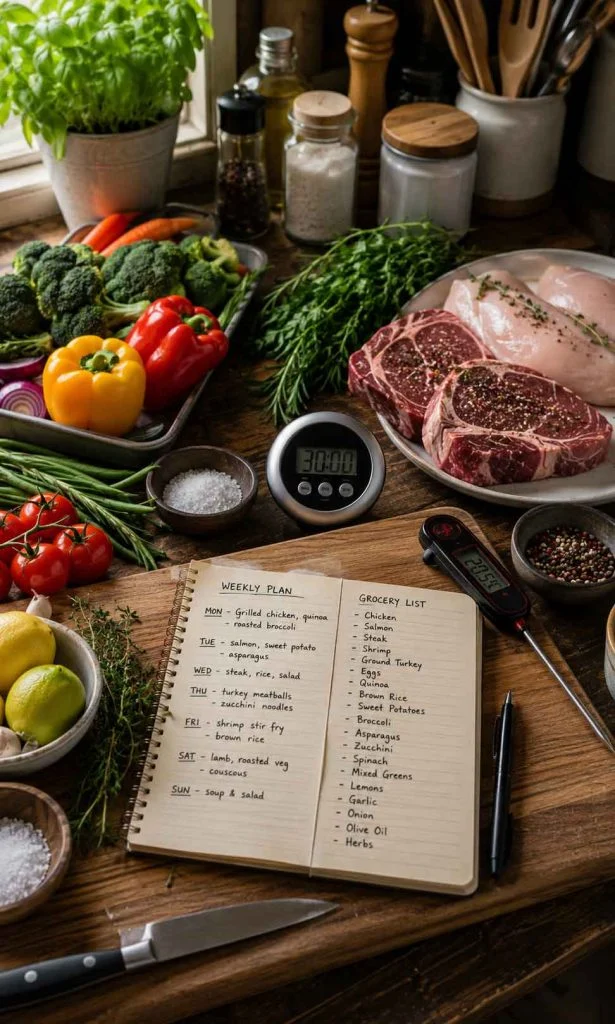
Learning happens fastest through small, repeatable actions. Rather than asking you to master every cooking technique immediately, the Food Texture Satisfaction Checker provides a simple weekly challenge designed to strengthen one texture skill at a time.
Each challenge focuses on a practical objective that can be completed during everyday cooking. By repeating these small exercises over several weeks, you’ll gradually develop habits that improve almost every recipe you prepare.
Week 1 — Moisture Control
Practice drying ingredients thoroughly before roasting or frying. Observe how reducing surface moisture improves browning and crispness.
Week 2 — Resting Proteins
Allow every grilled or roasted protein to rest before slicing. Compare the difference in juiciness and tenderness.
Week 3 — Texture Contrast
Prepare one meal that deliberately combines at least three contrasting textures, such as crispy, creamy and juicy.
Week 4 — Temperature Precision
Use a food thermometer instead of relying only on estimated cooking times. Record how consistent your results become.
Week 5 — Texture Observation
During every meal, identify which texture you notice first and how it influences your enjoyment. This simple exercise strengthens your awareness and helps you recognise opportunities for future improvement.
Completing these weekly challenges encourages long-term learning while giving you a clear reason to return to the Food Texture Satisfaction Checker and measure your progress again.
Five-Level Texture Mastery Roadmap
| Level | Current Ability | Next Focus | Expected Outcome |
|---|---|---|---|
| Level 1 | Learning the basics | Moisture control | Fewer texture failures |
| Level 2 | Improving consistency | Cooking precision | More reliable meals |
| Level 3 | Balancing textures | Texture contrast | Greater eating satisfaction |
| Level 4 | Advanced technique | Fine-tuning timing | Restaurant-quality consistency |
| Level 5 | Texture mastery | Continuous experimentation | Professional-level cooking confidence |
Frequently Asked Questions About Food Texture
Even after learning the basics of food texture, many home cooks have questions about why certain foods behave differently during cooking. The answers often involve moisture, protein structure, starch behaviour and cooking technique rather than simply following a recipe more closely.
Understanding these principles makes it much easier to predict cooking results, troubleshoot problems and build confidence in the kitchen. The following questions address some of the most common concerns raised by home cooks, helping you apply the ideas from the Food Texture Satisfaction Checker to everyday meals.
Continue Building Your Food Science Knowledge
The Food Texture Satisfaction Checker is designed to be more than a one-time assessment. It serves as the starting point for understanding how texture influences every aspect of cooking, from selecting ingredients to plating the final meal. As your knowledge grows, you’ll begin recognising texture patterns in recipes, restaurant meals and even packaged foods.
One of the most effective ways to improve your cooking is to explore related food science topics that explain why texture changes occur. Understanding protein behaviour, moisture movement, starch gelatinisation and ingredient interactions allows you to make better decisions before cooking even begins. Instead of memorising recipes, you develop transferable skills that apply across hundreds of different dishes.
As you complete new recipes and experiment with different techniques, return to the Food Texture Satisfaction Checker to compare your results. Watching your Texture Satisfaction Score, Texture Personality and Texture Mastery Level improve over time creates a measurable record of your progress while reinforcing the habits that consistently produce better meals.
The goal isn’t simply to cook more often. It’s to understand food more deeply, make deliberate decisions with confidence and create meals that deliver satisfying flavour, memorable texture and enjoyable experiences for everyone around the table.
Reviewed by Daniel Carter – Food Content Editor
One of the most rewarding aspects of reviewing food content is seeing how a small change in technique can completely transform the way a meal is experienced. Many people assume that better cooking requires expensive ingredients or complex recipes, but professional kitchens often achieve remarkable results by focusing on the fundamentals. Temperature, moisture, timing and texture work together to shape every bite long before additional seasoning is considered.
Throughout years of studying cooking methods and recipe development, one principle has remained remarkably consistent: texture is often the first quality people remember, even if they don’t consciously realise it. A perfectly crisp crust, a tender piece of grilled meat or a flaky pastry creates an immediate impression that influences the entire dining experience. When texture is neglected, even beautifully seasoned food can feel disappointing.
This is why I encourage home cooks to become curious observers rather than simply following recipes step by step. Notice how ingredients change during cooking, how moisture behaves under different conditions and how contrasting textures influence satisfaction. Every meal becomes an opportunity to learn something new, and those observations gradually develop into instinct.
The Food Texture Satisfaction Checker reflects this philosophy. It isn’t designed to judge your cooking; it’s designed to help you understand it. As your techniques evolve, revisit the assessment, compare your results and continue refining your skills. Cooking is a lifelong journey, and every improvement—no matter how small—brings you closer to preparing meals that are not only delicious, but genuinely memorable.
FAQ
What is the Food Texture Satisfaction Checker?
The Food Texture Satisfaction Checker is an interactive tool that analyses your food texture preferences, cooking habits, common texture problems and meal-building style to generate a personalised food texture report.
Why does food texture matter so much?
Food texture affects how the brain judges freshness, quality and satisfaction. Crispness, creaminess, juiciness, tenderness and crunch can influence enjoyment before flavour is fully recognised.
What does the texture score mean?
The texture score estimates how satisfying your meals may feel based on your selected texture preferences, cooking method, texture contrast habits and common cooking problems.
Can this tool help improve my cooking?
Yes. The checker provides practical recommendations for improving moisture control, crispness, tenderness, texture contrast, cooking timing and meal balance.
What is a food texture personality?
A food texture personality describes your natural preference for certain eating experiences, such as crispy foods, creamy comfort meals, grilled textures, bakery textures or balanced texture variety.
Should I retake the checker?
Yes. Retaking the checker after trying new cooking techniques can help you compare your progress and identify whether your texture satisfaction, cooking technique and mouthfeel diversity scores have improved.