
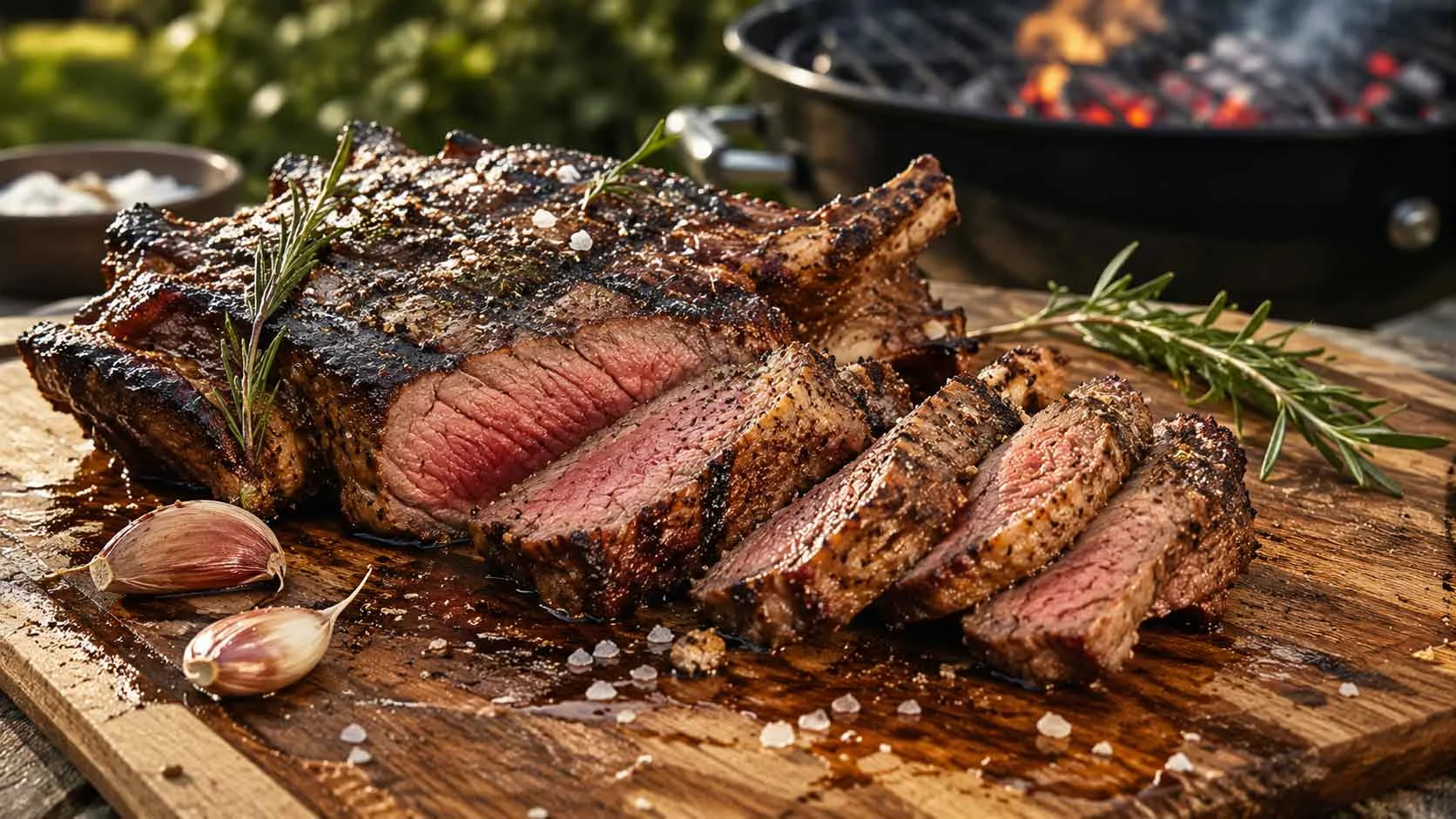
Lamb has a rich, distinctive flavour that many barbecue enthusiasts love, but it can also be one of the easiest meats to overcook. Unlike heavily marbled beef, many popular lamb cuts are relatively lean, which means they lose moisture quickly if grilled incorrectly. A steak that looked perfect on the grill can become disappointingly dry after only a few extra minutes over high heat.
The good news is that dry lamb is rarely caused by a single mistake. Instead, it usually results from several small decisions throughout the cooking process, including choosing the wrong cut, skipping a marinade, grilling at excessive temperatures, or slicing immediately after cooking. Understanding how these factors work together makes it much easier to produce consistently juicy results.
ExpertsGuys BBQ Intelligence Engine
BBQ Lamb Moisture Recovery Engine
Diagnose why your lamb turned dry, tough, burnt, bland or uneven, then get a practical BBQ recovery plan for your next cook.
In this guide, you’ll learn the cooking science behind moisture loss, discover why lamb dries out faster than many people expect, and follow professional barbecue techniques that help preserve tenderness from preparation to serving. Whether you’re cooking lamb steak, chops, rack, shoulder or leg, these principles apply to almost every barbecue setup.
Why Lamb Naturally Dries Faster Than Beef
Many people assume lamb behaves like beef on the grill. While both are red meats, they differ significantly in muscle structure, fat distribution and cooking behaviour. These differences explain why lamb demands more careful temperature control.
Lamb Contains Less Intramuscular Fat
Marbling acts like natural insurance during cooking. As fat melts, it lubricates muscle fibres and slows moisture loss.
Many lamb steaks contain considerably less marbling than premium beef steaks. While lamb often has an external fat cap, much of its internal muscle remains relatively lean. Once the internal moisture escapes, there is very little remaining to keep the meat juicy.
This is one reason why even experienced home cooks accidentally dry out lamb despite achieving excellent results with beef.
Muscle Fibres Contract Quickly
Heat causes meat proteins to tighten.
As internal temperatures rise, muscle fibres squeeze out water trapped between the protein structures. The hotter the meat becomes, the more moisture is expelled.
This process accelerates rapidly once lamb moves beyond medium doneness.
Smaller Cuts Cook Faster
Popular barbecue cuts such as lamb loin chops, lamb steaks and lamb cutlets are relatively thin.
Their smaller size means the temperature can climb from perfectly cooked to overdone within only a few minutes, especially over direct charcoal heat.
Understanding this rapid cooking window is one of the biggest differences between successful and disappointing barbecue lamb.
10 Reasons Lamb Turns Dry
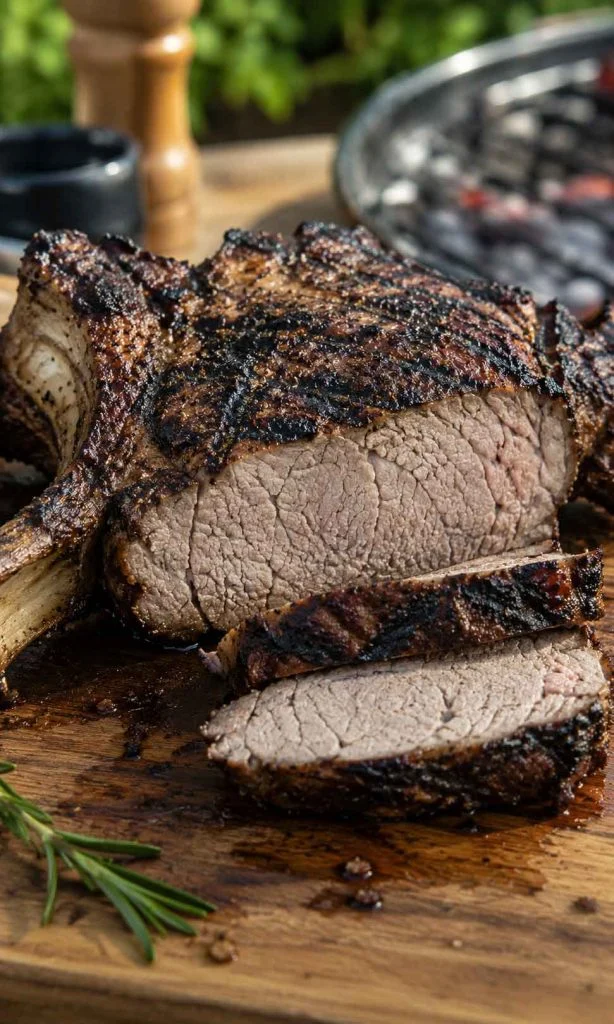
Most dry lamb isn’t caused by bad luck. Professional pitmasters usually trace disappointing results back to a handful of preventable mistakes. By identifying where moisture is lost, you can consistently produce tender, juicy barbecue every time.
1. Overcooking Beyond the Ideal Temperature
Overcooking is by far the most common reason lamb becomes dry.
As the internal temperature rises, muscle proteins tighten and force water out of the meat. Once this happens, no amount of sauce or resting can fully restore the lost moisture.
Many people continue cooking until the juices stop running, believing this means the meat is fully cooked. In reality, those juices are exactly what should remain inside the lamb.
Professional barbecue cooks usually remove lamb from the grill slightly before the desired final temperature because carryover cooking continues raising the internal temperature during resting.
While dryness is usually caused by moisture loss, understanding why lamb becomes tough after grilling explains how connective tissue and muscle fibres affect texture differently.
2. Cooking Over Excessively High Heat
Many backyard BBQ enthusiasts place lamb directly over roaring flames for the entire cook.
While high heat creates an attractive crust, prolonged exposure quickly dries the interior before the centre has time to cook evenly.
Professional grillers often combine direct and indirect heat. They sear the lamb first to develop flavour, then move it to a cooler section of the grill to finish cooking more gently.
This two-zone grilling method significantly improves moisture retention while still producing beautiful grill marks.
3. Choosing Extremely Lean Cuts
Not every lamb cut behaves the same way.
Lean cuts such as loin steaks cook quickly but have little internal fat to protect them during grilling. Shoulder, leg and rack generally tolerate cooking slightly better because they contain more connective tissue or protective fat.
Choosing the appropriate cut for your cooking style is often more important than simply following a recipe.
4. Skipping the Marinade
A good marinade does more than add flavour.
Oil helps reduce surface moisture loss, herbs contribute aroma, and salt begins seasoning beneath the surface. Some acidic ingredients can also slightly improve tenderness when used in moderation.
Although marinades cannot completely prevent dry lamb, they create a protective environment that encourages better browning while slowing dehydration.
5. Cooking Straight from the Refrigerator
Cold meat cooks unevenly.
The outside reaches high temperatures while the centre remains cold, tempting many cooks to leave the lamb on the grill longer than necessary.
Allowing lamb to sit at room temperature for approximately 20 to 30 minutes before grilling promotes more even cooking and reduces the risk of drying out the outer layers.
6. Failing to Rest the Meat
Resting is one of the simplest yet most overlooked steps in barbecue.
Immediately after cooking, the juices inside the lamb are still moving rapidly due to residual heat. Cutting into the meat too soon allows those juices to spill onto the cutting board instead of remaining inside each slice.
Allowing the meat to rest gives the muscle fibres time to relax and reabsorb part of the moisture.
Even five to ten minutes can noticeably improve tenderness.
7. Using the Wrong Thermometer Method
Guessing doneness by colour or cooking time often leads to overcooking.
Weather conditions, grill type, meat thickness and starting temperature all affect cooking speed.
Professional cooks rely on an instant-read digital thermometer inserted into the thickest part of the meat without touching bone.
Measuring temperature instead of estimating dramatically improves consistency.
8. Buying Lower-Quality Lamb
The quality of the meat itself influences how forgiving it is during cooking.
Young lamb generally contains finer muscle fibres and a milder flavour than older sheep, making it naturally more tender.
Well-trimmed cuts with healthy marbling and firm white fat usually retain moisture better than lower-quality alternatives.
Investing slightly more at a reputable butcher often produces noticeably better barbecue results.
9. Reheating Improperly
Perfectly cooked lamb can still become dry after reheating.
Microwaving on high power quickly forces remaining moisture from the meat.
A gentler method involves reheating over low heat while adding a splash of stock, butter or reserved cooking juices to help maintain moisture.
This approach preserves far more tenderness than aggressive reheating.
10. Slicing the Meat Incorrectly
Even perfectly grilled lamb can seem chewy if sliced improperly.
Cutting against the grain shortens the muscle fibres, making every bite feel more tender.
Slicing with the grain leaves long muscle strands intact, creating a tougher eating experience even when the lamb itself remains juicy.
Learning to identify the grain before slicing is a small detail that produces a surprisingly noticeable improvement.
ExpertsGuys Moisture Protection Framework™
Professional barbecue cooks rarely rely on a single trick. Instead, they protect moisture throughout the entire cooking process.
| Stage | Primary Goal | Common Mistake | Professional Solution |
|---|---|---|---|
| Choose | Select the right cut | Buying overly lean meat | Pick cuts suited to your cooking method |
| Prepare | Build moisture before cooking | Skipping marinades or seasoning | Use balanced marinades and proper salting |
| Cook | Control heat carefully | Cooking entirely over high flames | Combine direct and indirect grilling |
| Rest | Allow juices to redistribute | Cutting immediately after grilling | Rest the lamb before slicing |
| Slice | Preserve tenderness | Cutting with the grain | Always slice across the grain |
Rather than focusing only on cooking temperature, this five-stage framework addresses every point where moisture can be lost. Following the entire process dramatically increases the likelihood of serving consistently juicy barbecue lamb.
The Science Behind Why Lamb Loses Moisture
Many people believe meat simply “dries out” while cooking. In reality, several physical and chemical changes occur inside lamb as it heats. Understanding these processes makes it much easier to control the final texture instead of relying on guesswork.
Protein Contraction Forces Water Out
Lamb muscles are primarily made of proteins that naturally contain water.
As heat increases, these proteins begin to tighten. Imagine gently squeezing a wet sponge—the tighter you squeeze, the more water escapes. The same thing happens inside lamb.
At lower cooking temperatures, this moisture loss is relatively small. However, once the internal temperature climbs above medium, protein contraction accelerates dramatically, pushing significantly more juice out of the meat.
This is why just a few extra minutes on the grill can make a noticeable difference.
Water Migration Continues During Cooking
Moisture doesn’t instantly evaporate when lamb is placed over a barbecue.
Instead, water slowly moves from the centre of the meat toward the hotter outer surface. As grilling continues, some of this moisture evaporates while some drips away with rendered fat.
The longer lamb remains exposed to heat, the more moisture gradually leaves the meat.
Professional pitmasters focus on cooking efficiently rather than cooking longer.
Intramuscular Fat Protects Tenderness
Not all juiciness comes from water.
Small pockets of fat distributed throughout the muscle melt during cooking, coating the meat fibres and creating a richer mouthfeel.
Cuts with moderate marbling often feel much juicier than very lean cuts, even when cooked to exactly the same internal temperature.
This explains why shoulder, rack and certain leg cuts tend to be more forgiving than extra-lean loin steaks.
Collagen Slowly Breaks Down
Collagen is the connective tissue that supports muscle fibres.
In naturally tender cuts such as lamb steak or loin chops, there is relatively little collagen. These cuts benefit from fast, high-quality cooking.
However, tougher cuts like shoulder contain much more collagen. When cooked slowly, collagen gradually converts into gelatin, adding moisture and tenderness.
Trying to grill these tougher cuts too quickly often leaves them both dry and chewy.
Carryover Cooking Never Stops Immediately
Many home cooks overlook carryover cooking.
Even after lamb is removed from the barbecue, the hotter outer layers continue transferring heat toward the cooler centre. Internal temperatures often rise by another 3°C to 6°C during resting.
Removing lamb only after it reaches your target temperature usually means it will continue cooking beyond that point while resting.
Professional chefs compensate by taking the meat off the grill slightly early.
Best Internal Temperature for Juicy Lamb
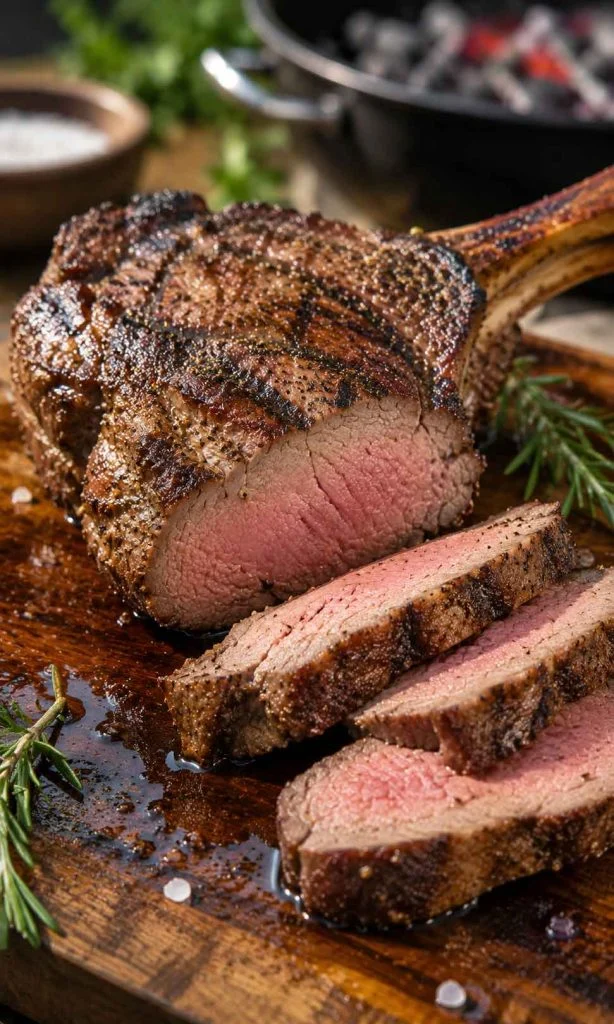
Temperature is one of the biggest factors affecting moisture retention. Rather than relying on colour or cooking time, use an instant-read thermometer for consistent results.
| Doneness | Internal Temperature | Texture | Moisture Level | Recommended |
|---|---|---|---|---|
| Rare | 52–54°C | Very soft | ★★★★★ | Experienced cooks |
| Medium Rare | 54–57°C | Tender | ★★★★★ | Best overall choice |
| Medium | 60–63°C | Firm but juicy | ★★★★☆ | Excellent for most people |
| Medium Well | 65–68°C | Noticeably firmer | ★★★☆☆ | Moisture begins declining |
| Well Done | 70°C+ | Dense | ★★☆☆☆ | Highest risk of dryness |
For most barbecue enthusiasts, medium-rare to medium provides the best balance of flavour, tenderness and food quality.
How Long Should Lamb Rest?
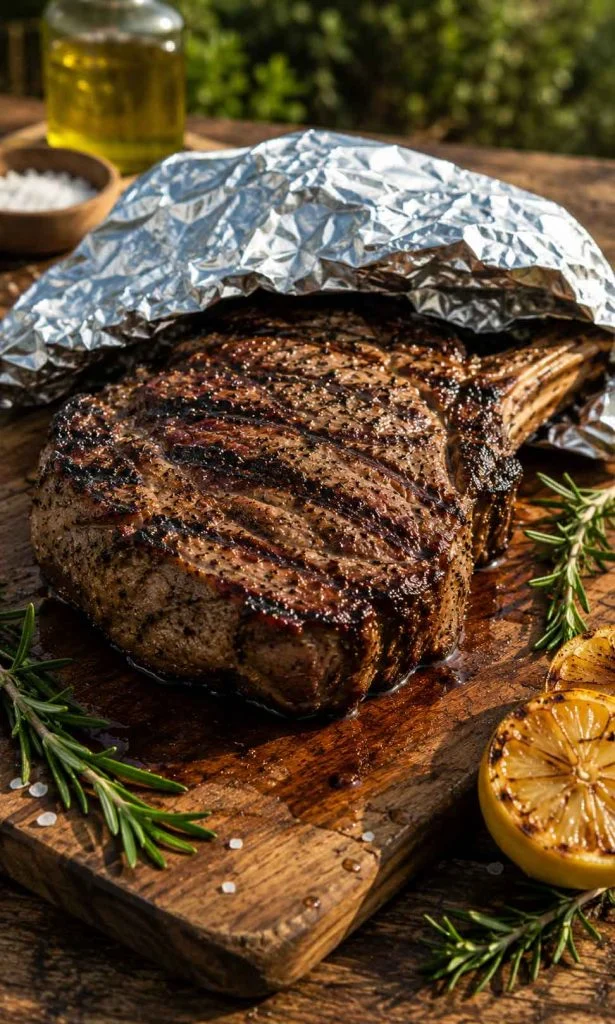
Resting allows juices to redistribute throughout the meat before slicing.
Skipping this step can undo an otherwise perfectly cooked barbecue.
| Lamb Cut | Minimum Rest Time | Ideal Rest Time |
| Lamb Steak | 5 minutes | 8 minutes |
| Lamb Chops | 5 minutes | 8 minutes |
| Lamb Rack | 10 minutes | 15 minutes |
| Boneless Leg | 15 minutes | 20 minutes |
| Shoulder Roast | 20 minutes | 30 minutes |
Cover the lamb loosely with foil rather than wrapping it tightly. This helps retain warmth without trapping excessive steam, which could soften the beautifully caramelised crust.
Professional Tip
One habit separates experienced barbecue cooks from beginners: they treat the thermometer—not the clock—as the final authority.
Cooking times vary depending on grill temperature, outdoor weather, meat thickness and starting temperature. Two lamb steaks of similar size can finish several minutes apart.
Checking internal temperature throughout the cook removes uncertainty and consistently delivers juicier results than relying solely on appearance or estimated cooking time.
Should You Marinate Lamb Before BBQ?
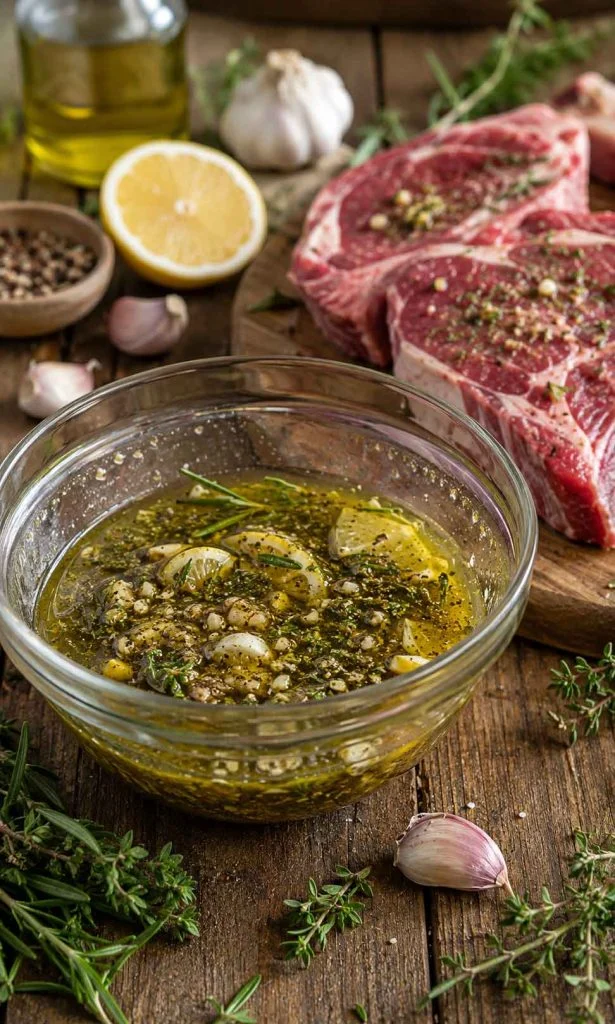
One of the easiest ways to reduce moisture loss is by starting with a well-balanced BBQ lamb steak marinade recipe that combines oil, herbs, garlic and proper seasoning before grilling.
One of the biggest myths in outdoor cooking is that marinades magically lock moisture inside meat. While a marinade cannot completely prevent moisture loss, it plays an important role in improving flavour, surface protection and the overall eating experience.
A well-balanced marinade helps create a beautifully caramelised crust while reducing the chance of the outer surface drying before the centre finishes cooking. When combined with proper temperature control and resting, marinating becomes an important part of producing consistently juicy lamb.
What Does a Marinade Actually Do?
A marinade works in several ways at the same time.
Oil coats the surface of the meat, helping it cook more evenly while carrying fat-soluble flavours into every bite.
Salt slowly seasons the outer layers, improving flavour and allowing the meat to retain slightly more moisture during cooking.
Herbs and spices contribute aromatic compounds that develop further over charcoal or wood smoke.
Acidic ingredients such as lemon juice, vinegar or yogurt can gently soften the surface proteins when used correctly, but excessive acid or very long marinating times may have the opposite effect by making the exterior mushy.
The goal is balance rather than intensity.
Best Marinade Ingredients for Juicy Lamb
| Ingredient | Purpose | Professional Recommendation |
|---|---|---|
| Olive Oil | Protects surface moisture | Extra virgin olive oil works best |
| Garlic | Builds savoury flavour | Use freshly minced garlic |
| Rosemary | Classic lamb pairing | Fresh herbs provide stronger aroma |
| Thyme | Earthy complexity | Combine with rosemary |
| Lemon Juice | Gentle acidity | Use in moderation |
| Dijon Mustard | Helps ingredients cling | Adds depth without overpowering |
| Sea Salt | Seasons the meat | Apply evenly before marinating |
| Black Pepper | Mild heat | Freshly cracked is preferred |
Rather than using dozens of ingredients, professional chefs often rely on a simple combination of quality olive oil, garlic, rosemary, thyme, lemon and seasoning to complement the natural flavour of lamb.
How Long Should You Marinate Lamb?
Marinating time depends on the cut and thickness of the meat.
| Lamb Cut | Minimum Time | Recommended Time | Maximum Time |
| Lamb Steak | 1 hour | 4–8 hours | Overnight |
| Lamb Chops | 1 hour | 3–6 hours | Overnight |
| Lamb Rack | 2 hours | 6–12 hours | 24 hours |
| Boneless Leg | 4 hours | Overnight | 24 hours |
| Shoulder | Overnight | 12–24 hours | 24 hours |
Longer isn’t always better.
Leaving lamb in highly acidic marinades for more than a day can negatively affect texture, particularly for thinner steaks and chops.
BBQ Temperature Guide for Different Grill Types
Every barbecue behaves differently, so understanding your equipment is just as important as selecting the right marinade.
| BBQ Type | Recommended Cooking Method | Professional Tip |
| Gas Grill | Two-zone cooking | Sear over high heat, then finish over medium heat |
| Charcoal Grill | Direct and indirect zones | Keep one side cooler for finishing |
| Pellet Grill | Moderate indirect heat | Excellent for consistent temperatures |
| Kamado Grill | Controlled airflow | Retains moisture exceptionally well |
| Flat Plate Grill | Medium-high heat | Avoid pressing the meat while cooking |
No matter which grill you use, avoid constant flipping or moving the meat around unnecessarily. Allow the lamb to develop a proper crust before turning it, then finish cooking gently until the desired internal temperature is reached.
Which Lamb Cuts Stay Juiciest on the BBQ?
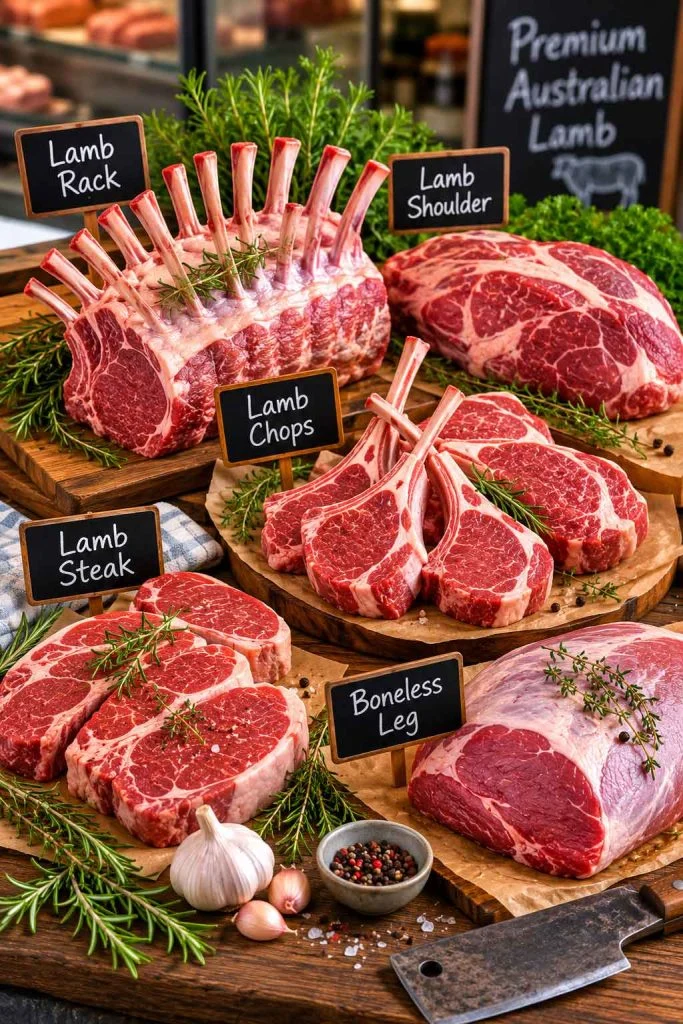
Not every cut responds to grilling in the same way. Some naturally retain more moisture because of their fat content, connective tissue or overall structure.
| Lamb Cut | Juiciness | Difficulty | Best For |
| Rack | ★★★★★ | Medium | Premium entertaining |
| Shoulder | ★★★★★ | Medium | Slow barbecue cooking |
| Leg | ★★★★☆ | Medium | Family gatherings |
| Lamb Steak | ★★★★☆ | Easy | Everyday grilling |
| Loin Chops | ★★★★☆ | Easy | Quick weeknight BBQ |
| Rump | ★★★☆☆ | Medium | Budget-friendly grilling |
If you’re still learning to barbecue lamb, steaks and loin chops are excellent starting points because they cook quickly and are easier to monitor with a thermometer. Once you’re comfortable controlling grill temperatures, larger cuts such as rack and shoulder offer exceptional flavour and tenderness.
However, if you’re unsure which cut to buy, this complete guide to the best lamb cuts for BBQ beginners explains which options are easiest to cook successfully.
Common BBQ Mistakes That Dry Out Lamb
Before lighting your barbecue, run through this quick checklist used by experienced grillers.
- Cooking entirely over direct flames.
- Using extremely high grill temperatures from start to finish.
- Skipping the marinade or seasoning stage.
- Guessing doneness instead of using a thermometer.
- Turning the meat every few seconds.
- Pressing the lamb against the grill to release juices.
- Slicing immediately after cooking.
- Choosing the wrong cut for the cooking method.
- Reheating leftovers over excessive heat.
- Ignoring carryover cooking during resting.
Avoiding just a few of these common mistakes will dramatically improve your barbecue results and help you produce juicy, flavourful lamb with much greater consistency.
Professional BBQ Workflow for Perfectly Juicy Lamb
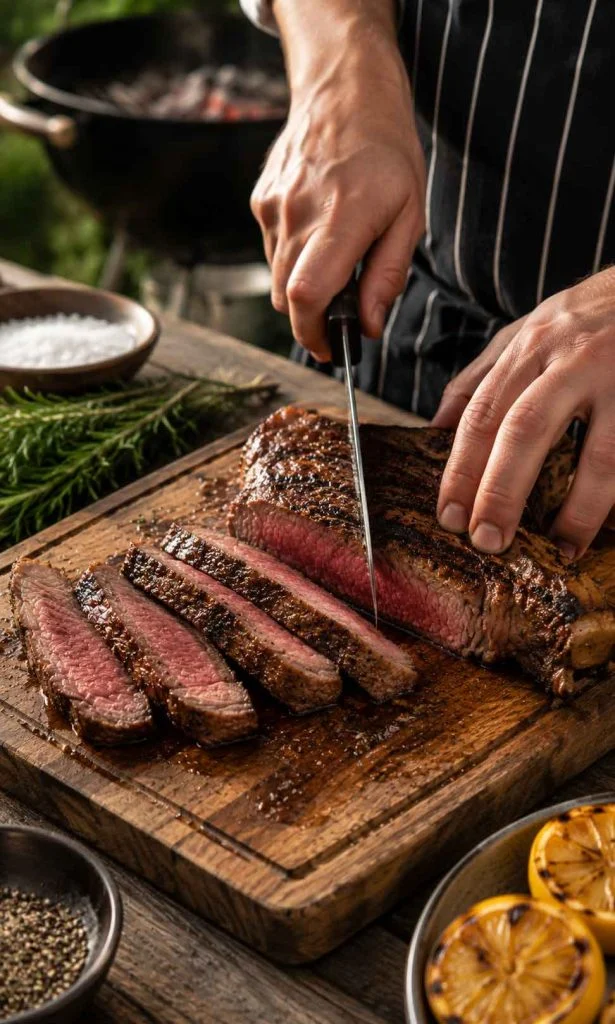
Experienced barbecue cooks don’t rely on luck. They follow a repeatable process that protects moisture from the moment they buy the meat until it reaches the dinner table.
The ExpertsGuys Moisture Protection Framework™ can be applied as a simple five-stage workflow that consistently produces better barbecue lamb regardless of your experience level.
Step 1: Choose the Right Lamb Cut
Your success begins long before the barbecue is lit.
Look for lamb that has:
- Bright pink to light red meat
- Firm, creamy white fat
- Even thickness for consistent cooking
- Fine marbling throughout the muscle
- No excessive liquid inside the packaging
Whenever possible, purchase fresh lamb from a reputable butcher. Better-quality meat gives you a much larger margin for error during grilling.
Step 2: Prepare the Lamb Properly
Remove the lamb from the refrigerator approximately 20 to 30 minutes before cooking.
This allows the internal temperature to rise slightly, helping the meat cook more evenly.
Pat the surface dry using paper towels before applying your marinade or seasoning. A dry surface develops a better crust during grilling while reducing unnecessary steaming.
If using a marinade, avoid overwhelming the natural flavour of lamb. Fresh herbs, olive oil, garlic and gentle acidity usually produce the best balance.
Step 3: Build a Two-Zone Fire
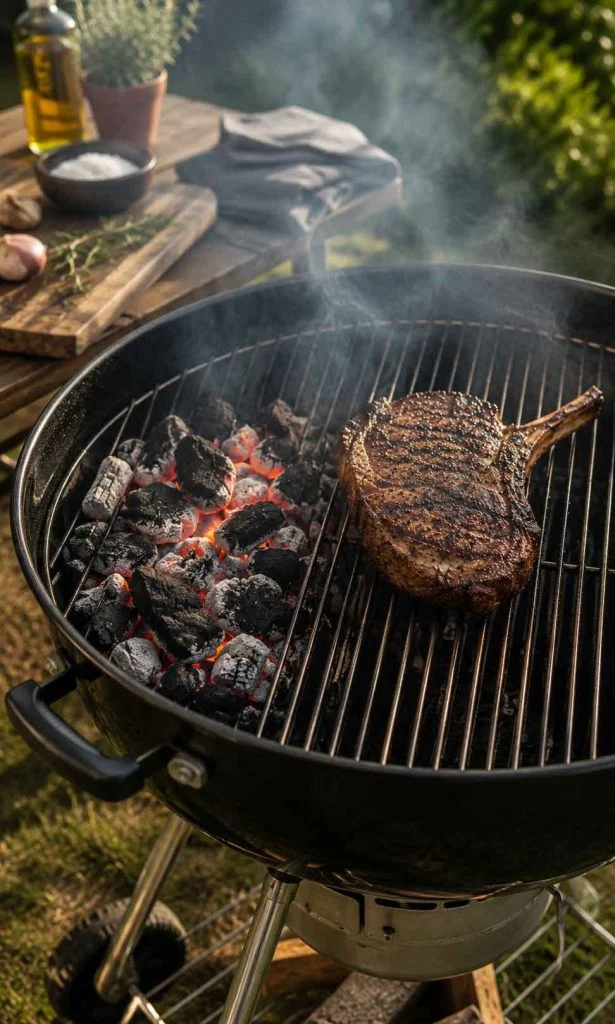
One of the biggest differences between beginners and experienced BBQ cooks is temperature management.
Rather than cooking entirely over intense heat, divide your grill into two cooking zones.
| Grill Zone | Temperature | Purpose |
|---|---|---|
| Direct Heat | 230–260°C | Searing and developing crust |
| Indirect Heat | 170–190°C | Finishing gently without drying |
Start the lamb over direct heat to create colour and flavour, then move it to indirect heat to finish cooking until the desired internal temperature is reached.
This method dramatically reduces the chance of burning the outside while the inside continues cooking.
Step 4: Monitor Internal Temperature
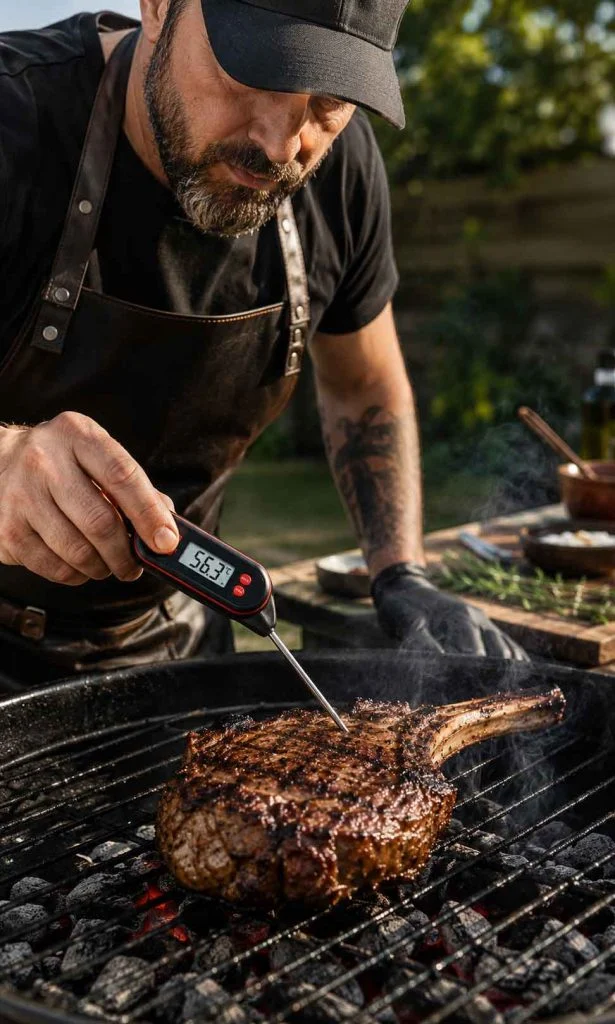
Forget timing.
Thickness, weather, grill type and meat quality all influence cooking speed.
Instead, insert an instant-read thermometer into the thickest part of the lamb without touching bone.
Remove the meat slightly before your desired final temperature because carryover cooking will continue during the resting period.
Professional barbecue is controlled by temperature, not minutes.
Step 5: Rest Before Slicing
Resting is where many home cooks lose all their hard work.
Place the cooked lamb on a warm plate and cover it loosely with aluminium foil.
Avoid wrapping it tightly, as trapped steam can soften the caramelised crust you’ve worked to develop.
Allow the meat to rest according to its size before slicing across the grain.
The result is noticeably juicier, more tender lamb with far less juice left behind on the cutting board.
ExpertsGuys Juicy Lamb Checklist
Use this quick checklist every time you barbecue lamb.
✅ Choose an appropriate cut for grilling.
✅ Bring the meat closer to room temperature.
✅ Use a balanced herb-based marinade.
✅ Build separate direct and indirect cooking zones.
✅ Cook using an instant-read thermometer.
✅ Remove the meat slightly before the target temperature.
✅ Rest the lamb properly.
✅ Slice across the grain.
Following these eight simple habits eliminates most of the common reasons lamb turns dry.
Professional Perspective
Many people believe cooking juicy lamb requires expensive grills or years of experience. In reality, consistent results come from understanding how moisture behaves during cooking rather than purchasing more equipment.
Professional barbecue chefs focus on controlling heat, monitoring internal temperature and respecting the resting process because these factors influence tenderness far more than complicated recipes. A simple garlic and herb marinade combined with careful temperature management will almost always outperform an elaborate recipe cooked without attention to these fundamentals.
Instead of chasing secret ingredients, build good cooking habits. Once you consistently control moisture, every future lamb recipe becomes easier to master.
Hannah Monroe’s Food Editor Review
“One of the reasons lamb intimidates so many home cooks is that it gives you a very small window between perfectly juicy and noticeably dry. The good news is that once you understand that window, lamb actually becomes one of the most rewarding meats to barbecue.
If you’re just getting started, don’t stress about creating restaurant-quality results on your first attempt. Buy a reliable thermometer, use a simple garlic and rosemary marinade, and pay attention to resting time. Those three changes alone will improve your next barbecue more than buying a new grill ever will.
Barbecue should be enjoyable, not intimidating. Learn the fundamentals, cook often, and every BBQ session will build your confidence.”
Conclusion
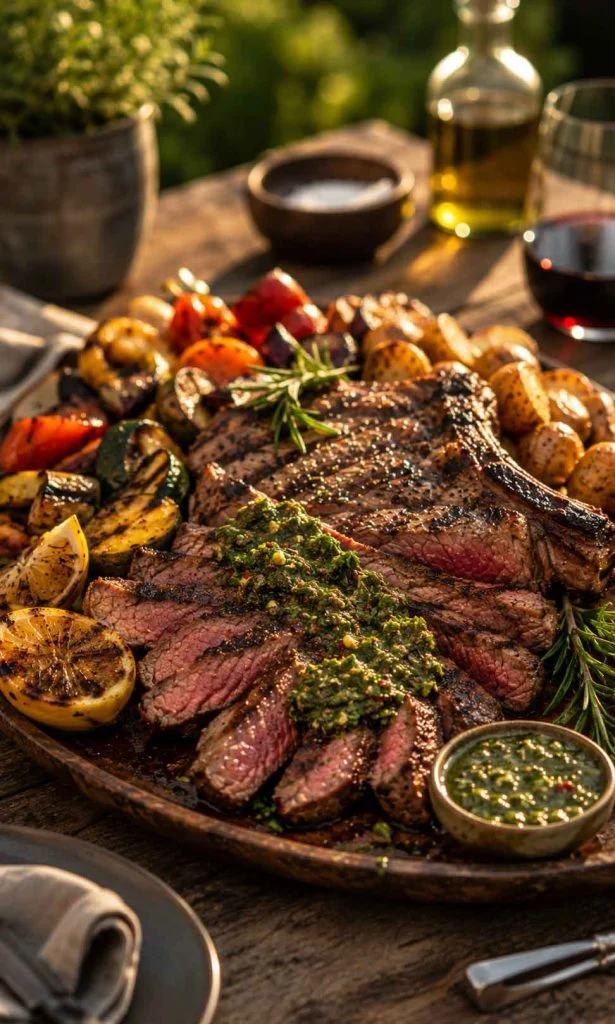
Dry lamb is rarely caused by a single mistake. More often, it results from a series of small decisions that gradually allow moisture to escape during preparation, cooking and serving.
By selecting the right cut, using a balanced marinade, controlling grill temperatures, monitoring the internal temperature with a thermometer and allowing the meat to rest before slicing, you can dramatically improve both tenderness and flavour.
The next time you prepare lamb on the barbecue, don’t focus only on cooking time. Follow the complete moisture protection process from start to finish. These simple techniques will help you produce juicy, flavour-packed lamb that family and friends will look forward to every time you light the grill.
Frequently Asked Questions
Why does my lamb become dry even though I marinated it?
Marinating improves flavour and helps protect the surface of the meat, but it cannot completely prevent moisture loss. The most common causes of dry lamb are overcooking, excessive grill temperatures and failing to let the meat rest after cooking.
Is lamb naturally drier than beef?
Many popular lamb cuts contain less intramuscular marbling than premium beef steaks, so they can lose moisture more quickly if cooked incorrectly. Lamb also often comes in thinner cuts, which makes it easier to overcook on the barbecue.
What internal temperature keeps lamb juicy?
Medium-rare to medium usually gives lamb the best balance of tenderness and flavour. Aim for about 54–57°C for medium rare or 60–63°C for medium, then rest the lamb before slicing.
Should I cook lamb over direct or indirect heat?
The best method is to use both. Start lamb over direct heat to build a caramelised crust, then move it to indirect heat so the centre can finish cooking gently without drying out.
Does resting lamb really make a difference?
Yes. Resting allows juices inside the lamb to redistribute before slicing. Even five to ten minutes of resting can noticeably improve tenderness and reduce the amount of juice lost on the cutting board.
Can I fix lamb that is already dry?
You cannot fully restore lost moisture, but you can improve dry lamb by slicing it thinly against the grain and serving it with herb butter, mint yogurt, chimichurri, garlic olive oil or a warm stock-based sauce.
Which lamb cut is easiest for beginners?
Lamb steaks and loin chops are usually the easiest cuts for beginners because they cook quickly, work well with simple marinades and are easy to monitor with an instant-read thermometer.
Is frozen lamb more likely to become dry?
Frozen lamb can still cook well if thawed slowly in the refrigerator. Poor thawing methods, such as using excessive microwave heat or leaving meat at room temperature too long, can damage texture and increase moisture loss during cooking.