

Introduction: Dry Chicken Is Not a Skill Problem
Dry chicken breast is not caused by poor seasoning or bad recipes.
It happens because chicken breast is structurally unforgiving.
This article explains why chicken breast loses moisture so quickly, what actually happens during cooking, and how understanding food behavior helps you avoid dryness consistently.
1️⃣ Chicken Breast Is Naturally Lean
Chicken breast contains:
- Very little fat
- High protein density
- Limited internal moisture buffering
Unlike fattier cuts, chicken breast has nothing to protect its moisture once heat is applied.
This means:
- Small timing errors matter
- Overcooking happens fast
- Texture changes abruptly
2️⃣ Heat Tightens Protein Fibers
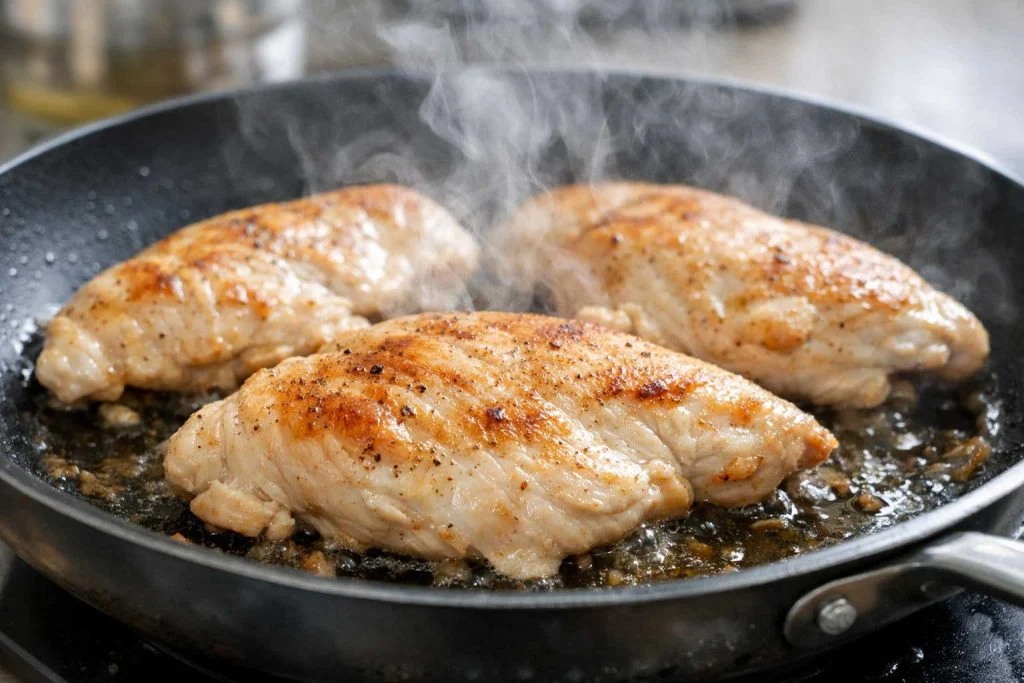
When heat enters chicken breast:
- Protein fibers contract
- Water trapped inside gets squeezed out
- Moisture escapes to the surface and evaporates
Once this happens, the process cannot reverse.
3️⃣ Time Is More Dangerous Than Temperature
Many people lower heat but cook too long.
Even at moderate temperatures:
- Moisture continues to escape
- Fibers continue tightening
- Dryness increases silently
This is why chicken breast can feel dry even without visible burning.
This moisture loss follows the same food behavior explained in food basics, where heat and time reshape ingredient structure.
4️⃣ Overcooking Happens in Seconds
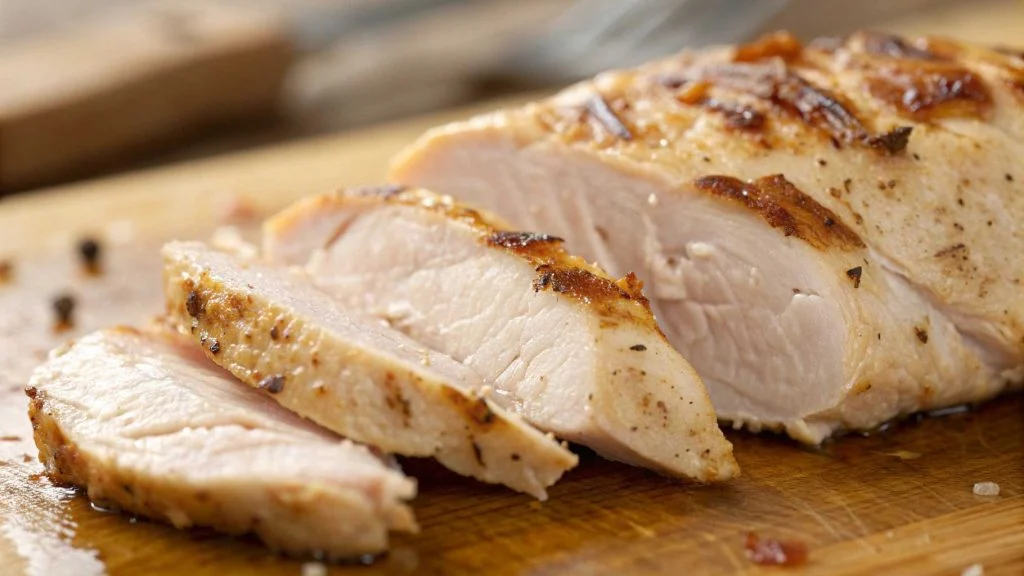
Chicken breast has a narrow perfect window.
Once internal doneness is reached:
- Every extra second removes moisture
- Texture shifts from tender to chalky
- Juiciness disappears quickly
This is why:
- Reheating dries it further
- Meal-prepped chicken often feels tough
5️⃣ Cutting Too Early Makes It Worse
When chicken is cut immediately after cooking:
- Internal juices spill out
- Surface moisture evaporates faster
- Texture feels drier than it actually is
Resting allows moisture to redistribute slightly – not to add moisture, but to prevent further loss.
6️⃣ Fat Changes How Dryness Is Perceived
Adding fat does not add water, but it:
- Coats fibers
- Improves mouthfeel
- Slows moisture evaporation
This explains why:
- Skin-on chicken feels juicier
- Sauced chicken feels softer
- Dry chicken tastes worse without fat
This is also why texture and mouthfeel influence satisfaction, as explained in why crispy food feels more satisfying.
7️⃣ Dry Chicken Is Predictable – and Preventable
Chicken breast dries out because:
- It is lean
- Heat tightens proteins
- Time removes moisture
- Fat is minimal
Once you understand this, dryness stops being random.
Cooking becomes controlled, not hopeful.
Summary
Chicken breast dries out easily because it is:
- Lean
- Structurally sensitive to heat
- Unforgiving of time errors
Understanding food behavior removes guesswork and gives you control.
FAQs
Why does chicken breast dry out faster than thighs?
Chicken breast contains significantly less fat and connective tissue than thighs. Without this natural moisture buffering, the lean meat loses water more quickly during cooking.
Can dry chicken be fixed after cooking?
Moisture loss during cooking is permanent and cannot be reversed. However, adding sauces, broths, or fats can improve texture and mouthfeel, making the chicken more enjoyable.
Is high heat the main cause of dry chicken?
Not necessarily. Overcooking at moderate heat for too long can also cause dryness. The key factor is internal temperature and total cooking time rather than heat level alone.