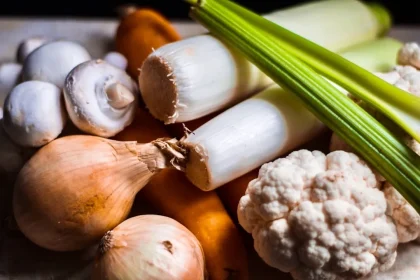

A good vegetable curry should not feel like a project, especially on a night when everyone is hungry, the sink is already full, and dinner needs to happen quickly. This 15-minute vegetable curry is written for that kind of evening. It uses simple vegetables, pantry spices, coconut milk, and canned tomatoes to create a warm, practical meal that still feels cooked rather than assembled.
The goal is not to imitate a long-simmered restaurant curry. The goal is to help a busy home cook build flavor quickly, control texture, and get a balanced dinner on the table without making the kitchen feel chaotic. When the onions, garlic, ginger, and spices are cooked in the right order, even a short curry can taste rounded, comforting, and satisfying.
Why This 15-Minute Vegetable Curry Works
This curry works because the recipe separates the fast-cooking decisions from the flavor-building decisions. The vegetables provide body, the coconut milk softens the spices, the tomatoes add acidity, and the aromatics create the base that makes the dish taste more complete. Instead of relying only on curry powder or paste, this version uses a small group of familiar spices that can be adjusted depending on how mild, warm, or spicy you want the final bowl to be.
| Meal Type | Prep Time | Family Friendly | Leftovers | Budget Friendly |
|---|---|---|---|---|
| 15-Minute Vegetable Curry | Very Fast | Excellent | Excellent | Excellent |
| Takeaway Curry | Fast | Good | Good | Poor |
| Slow Cooked Curry | Long | Excellent | Excellent | Good |
For busy parents, this matters because dinner success is often about repeatability. A recipe may taste good once, but if it requires too many pans, too much chopping, or too many last-minute decisions, it becomes difficult to use on a real weeknight. This curry keeps the process simple enough to repeat, while still giving enough flexibility for different vegetables, leftovers, and family preferences.
If you enjoy rich coconut-based sauces, these spicy coconut curry noodles use many of the same flavor-building principles while creating a completely different weeknight meal experience.
Who This Recipe Is Best For

This recipe is best for busy parents, students, working adults, and home cooks who want a vegetable-heavy dinner without spending an hour at the stove. It is also useful for families who need a flexible meat-free meal that can be served with rice, flatbread, noodles, quinoa, or even leftover roasted vegetables.
The recipe can be vegetarian as written and can become vegan by using oil instead of ghee. It can also become higher in protein by adding chickpeas, tofu, lentils, paneer, or leftover cooked chicken. The important point is to keep the base method the same, then adjust the add-ins based on what you already have in the kitchen.
ExpertsGuys Fridge Curry Builder
What’s In My Fridge Curry Builder
Choose what you already have, then build a quick curry plan, grocery list, lunchbox idea, freezer score, and printable recipe sheet.
Saved Favorite Curry Combos
Families who enjoy curry regularly may also appreciate this creamy slow cooker chicken curry when they have more time available for a longer cooking process.
Vegetarian and Vegan Adaptations
One of the reasons vegetable curry remains popular across so many households is its flexibility. The recipe already relies heavily on vegetables, spices, and pantry ingredients, which makes it easy to adapt without dramatically changing the cooking process. Whether you are preparing meals for vegetarians, vegans, or a family with mixed dietary preferences, the same basic curry framework can usually accommodate everyone at the table.
For vegetarians, adding ingredients such as paneer, chickpeas, lentils, or Greek yogurt can increase protein while maintaining the rich and comforting character of the dish. Paneer works particularly well because it absorbs the surrounding flavors while adding a satisfying texture that many people enjoy in place of meat. Chickpeas and lentils provide a more economical option and can transform a simple vegetable curry into a more filling dinner that supports meal preparation throughout the week.
For vegans, the adaptation is even simpler because the recipe already uses coconut milk as its primary source of richness. As long as vegetable oil is used instead of ghee and dairy-based additions are avoided, the curry remains completely plant-based without sacrificing flavor. Many home cooks find that coconut milk creates enough creaminess that no additional dairy ingredients are necessary.
Protein-rich plant foods can also improve the nutritional balance of the meal. Tofu, tempeh, chickpeas, black beans, red lentils, and green lentils all work well within the sauce. The best choice often depends on the texture you prefer. Chickpeas provide a firmer bite, lentils create a softer and thicker consistency, while tofu absorbs curry flavors and remains relatively neutral in taste.
Families with both meat eaters and vegetarians can benefit from preparing the vegetable curry base first and then adding separate protein options near the end of cooking. This approach allows one recipe to serve multiple dietary preferences without creating extra work or requiring multiple meals.
For another plant-based dinner option, these quick vegan enchiladas provide a completely different flavor profile while remaining practical for busy weeknights.
Ingredients You Need
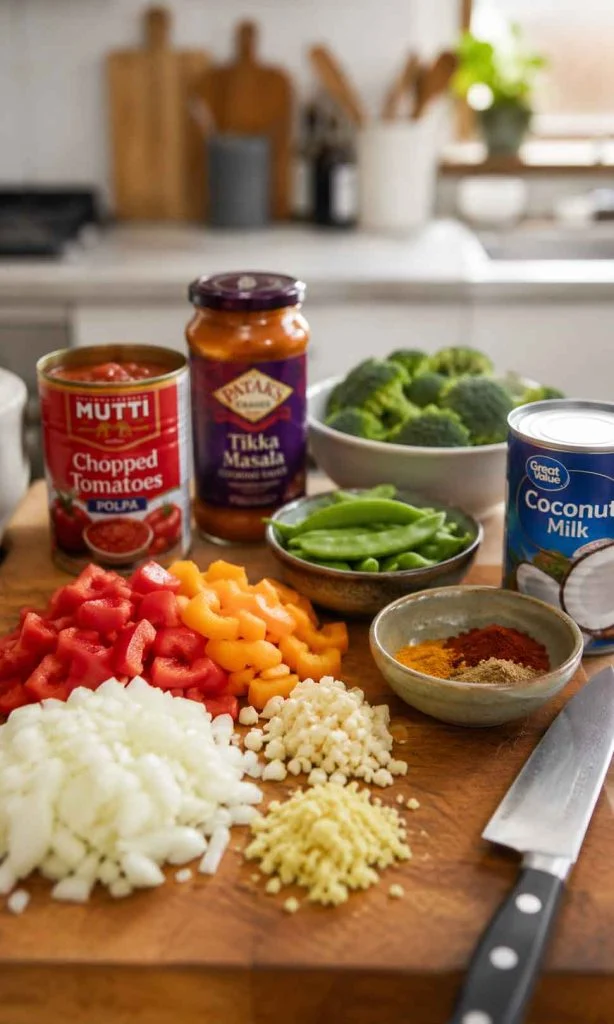
- 2 tablespoons vegetable oil, coconut oil, or ghee
- 1 large onion, finely chopped
- 2 cloves garlic, minced
- 1 tablespoon grated fresh ginger
- 1 tablespoon ground turmeric
- 1 teaspoon ground cumin
- 1 teaspoon ground coriander
- 1 teaspoon garam masala
- ½ teaspoon chili powder, optional
- 1 can diced tomatoes, about 14 ounces
- 1 can coconut milk, about 14 ounces
- 4 cups mixed vegetables, chopped small enough to cook quickly
- Salt and black pepper, to taste
- Fresh cilantro, optional
- Cooked rice, naan, roti, or flatbread for serving
ExpertsGuys 30-Minute Family Curry Planner
7-Day Vegetable Curry Family Planner
Plan a full week of curry dinners, lunchbox leftovers, grocery shopping, freezer backup meals, and family preferences from one simple vegetable curry system.
Saved Family Curry Ratings
The Best Vegetables for a Fast Curry
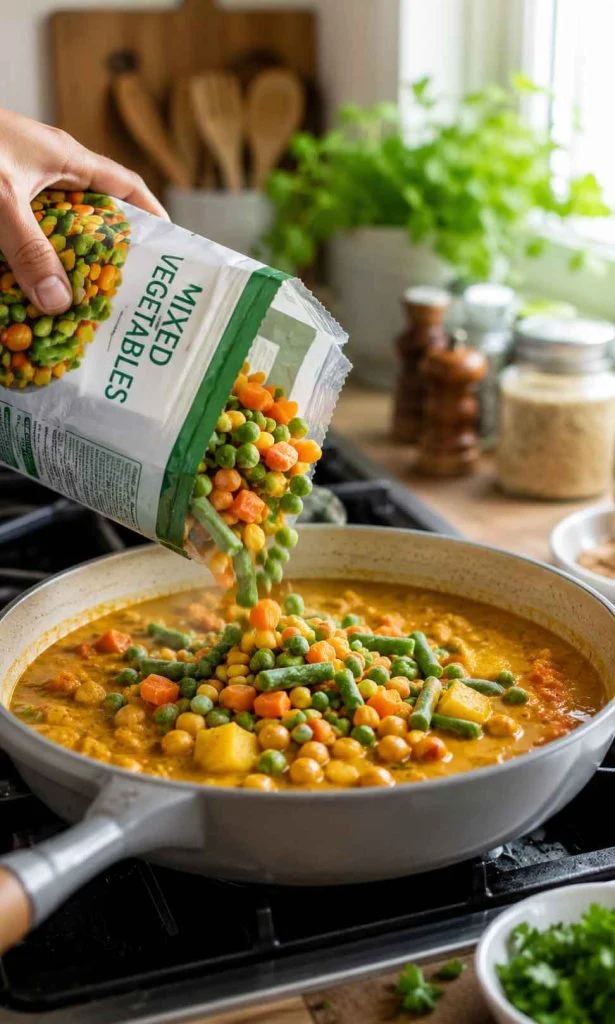
The best vegetables for a 15-minute curry are vegetables that soften quickly without turning watery. Cauliflower, carrots sliced thinly, bell peppers, green beans, zucchini, peas, spinach, mushrooms, and broccoli florets all work well. Hard vegetables can still be used, but they should be cut smaller so they cook at the same pace as the sauce.
Frozen mixed vegetables are also useful when time is tight. They do not need to be treated as a poor substitute because they are often cut evenly and cook quickly. The only adjustment is to simmer the curry uncovered for a few extra minutes if the frozen vegetables release too much water.
If summer squash is one of the vegetables you need to use, this sauteed summer squash with basil and garlic gives readers another quick way to cook it before it loses texture.
How to Make 15-Minute Vegetable Curry
Step 1: Start with the Onion
Heat the oil or ghee in a large pan over medium heat, then add the chopped onion. Cook for about 3 to 5 minutes until the onion softens and begins to smell sweet. This first step matters because raw onion flavor can make a quick curry taste unfinished.
Step 2: Add Garlic, Ginger, and Spices
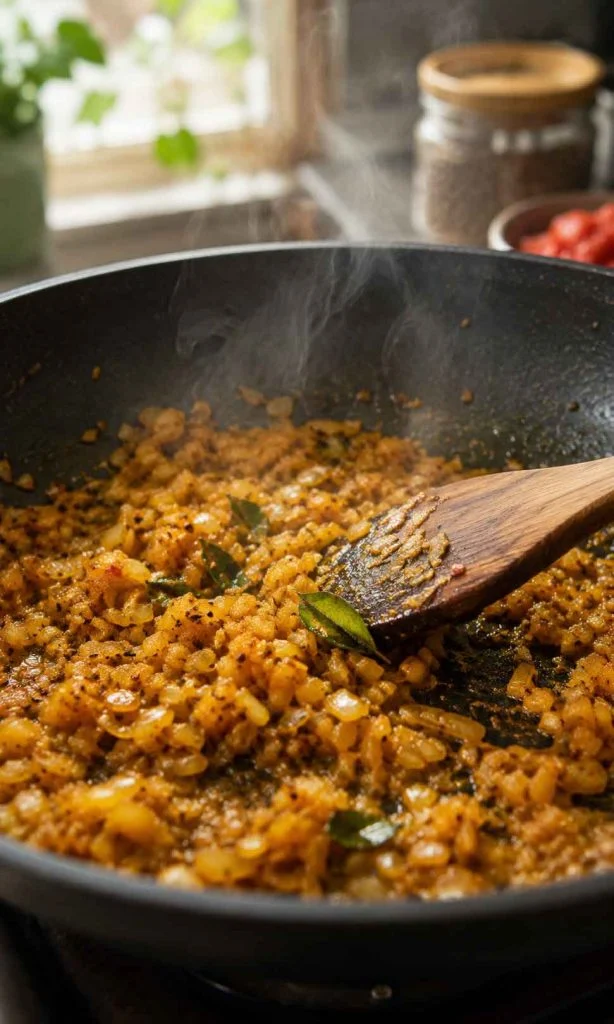
Add the garlic and ginger, then stir for about 30 seconds. Add turmeric, cumin, coriander, garam masala, and chili powder if using. Stir the spices into the onion mixture for about 30 to 60 seconds, just until fragrant. Do not walk away during this step because ground spices can burn quickly in a dry pan.
Step 3: Build the Sauce
Add the diced tomatoes and stir well, scraping the bottom of the pan so the spices blend into the liquid. Pour in the coconut milk and stir until the sauce looks even. Season lightly with salt and pepper at this stage, then adjust again at the end.
Step 4: Simmer the Vegetables
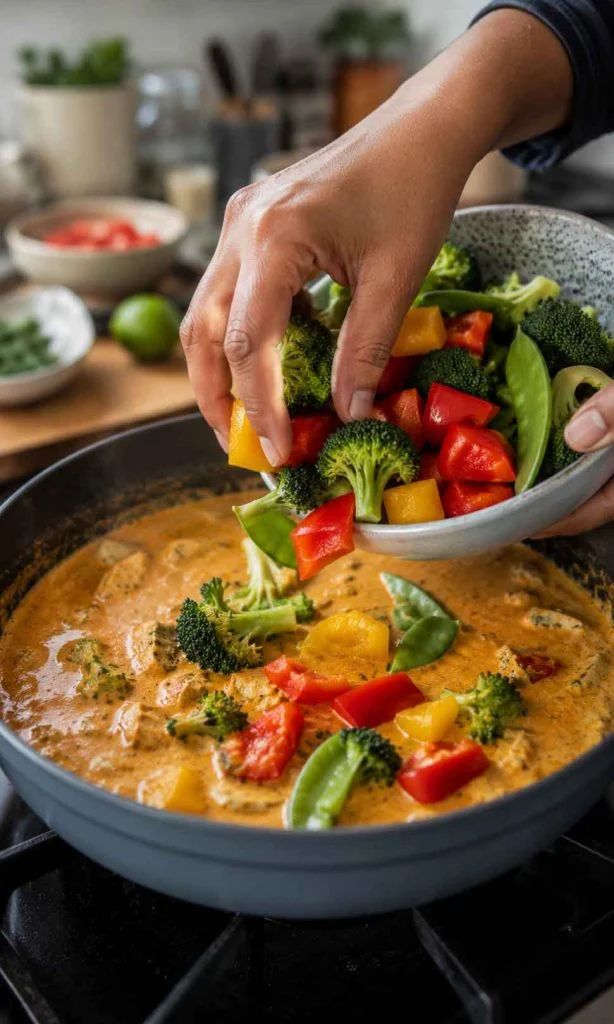
Add the mixed vegetables and bring the curry to a gentle simmer. Cook for 8 to 10 minutes, or until the vegetables are tender but not mushy. If the sauce becomes too thick, add a splash of water. If the sauce is too thin, simmer uncovered for another few minutes.
Step 5: Taste and Finish

Taste the curry before serving. Add more salt if it tastes flat, more chili if it needs heat, or a small squeeze of lemon or lime if it feels too rich. Finish with fresh cilantro if your family enjoys it, then serve with rice, naan, roti, or any simple grain you already have prepared.
experts.guys Kitchen Workflow Note
The easiest way to make this recipe feel truly fast is to prepare the rice, vegetables, and curry base in the right order. Start the rice first if it is not already cooked, then chop the onion while the pan heats. Keep the spices beside the stove before cooking begins because the curry moves quickly once the garlic and ginger go into the pan. This small setup habit prevents the most common weeknight curry mistake, which is burning the spices while searching for the next ingredient.
ExpertsGuys Dinner Intelligence Engine
Family Dinner Decision Engine
Answer a few quick questions and get a practical dinner recommendation, backup meal, grocery direction, leftover score, and nearby ingredient search.
The generated dinner plan is formatted for A4 portrait paper. Select A4, portrait orientation, and 100% scale in the print window.
Common Vegetable Curry Mistakes
Even a quick vegetable curry can taste flat, watery, or uneven if the cooking order is rushed. These common mistakes explain why some homemade curries lack depth, lose texture, or fail to taste as satisfying as expected.
Using Large Vegetable Pieces
Many vegetables fail to cook within fifteen minutes simply because they are cut too large. Smaller pieces cook more evenly and allow the sauce to penetrate faster.
Burning The Spices
Spices should become fragrant, not dark brown. Once garlic and spices start cooking, keep the ingredients moving and have tomatoes ready to add immediately.
Adding Too Much Coconut Milk
Too much coconut milk can dilute the spice profile. The result often tastes creamy but lacks depth and complexity.
Overcooking Quick Vegetables
Spinach, peas, zucchini, and bell peppers require far less cooking time than carrots or cauliflower. Adding everything simultaneously often creates uneven texture.
How To Make This Curry More Filling
Many readers will ask this.
Add Protein
Options include:
- Chickpeas
- Lentils
- Tofu
- Paneer
- Chicken
- Turkey
- Shrimp
Add Complex Carbohydrates
Options include:
- Brown rice
- Quinoa
- Whole grain naan
- Sweet potatoes
Add Texture
Texture dramatically affects satisfaction.
Texture strongly affects how satisfying a meal feels, and readers who want to understand this more deeply can read why food texture matters more than flavor.
Readers can also learn more about food texture in:
Weekly Vegetable Curry Rotation
This becomes a strong retrieval cluster.
| Day | Dinner | Purpose |
|---|---|---|
| Monday | Classic Vegetable Curry | Use fresh vegetables |
| Tuesday | Chickpea Vegetable Curry | Increase protein |
| Wednesday | Coconut Curry Noodles | Use remaining sauce ingredients |
| Thursday | Lentil Curry Bowl | Budget-friendly meal |
| Friday | Mild Family Curry | Kid-friendly dinner |
| Saturday | Meal Prep Session | Prepare next week |
| Sunday | Freezer Backup Curry | Emergency meal preparation |
This section encourages bookmarking.
If your goal is reducing food waste while planning family dinners, these healthy meal plans on a budget can help turn individual recipes into a repeatable weekly system.
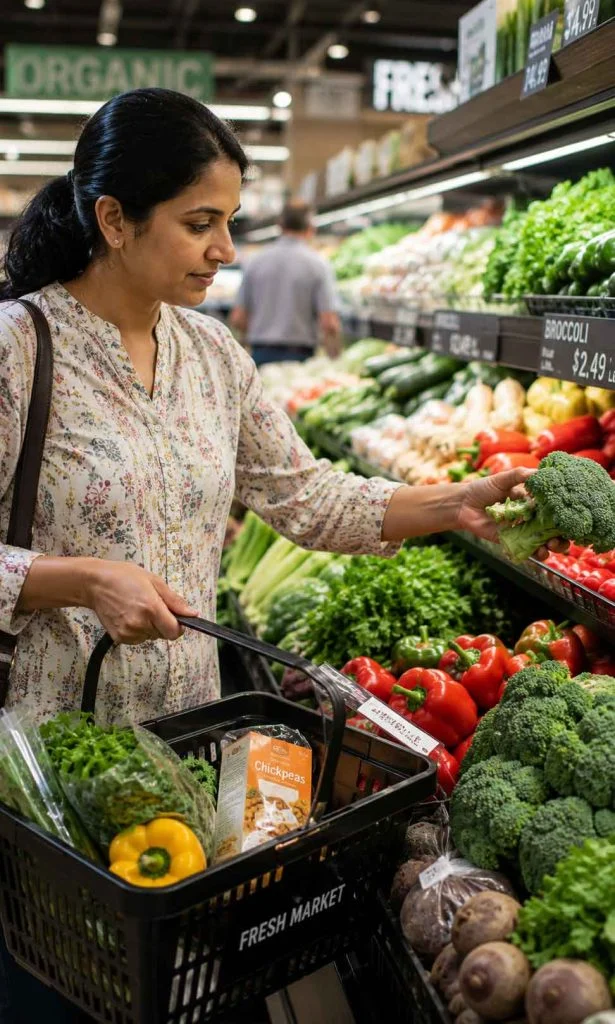
Best Vegetables To Keep Frozen For Emergency Dinners
Link naturally to:
Recommended:
- peas
- broccoli
- cauliflower
- spinach
- mixed vegetables
This section performs extremely well with busy parents.
Families who want stronger pantry planning may also find value in these foods that last a long time without refrigeration.
What To Serve With Vegetable Curry
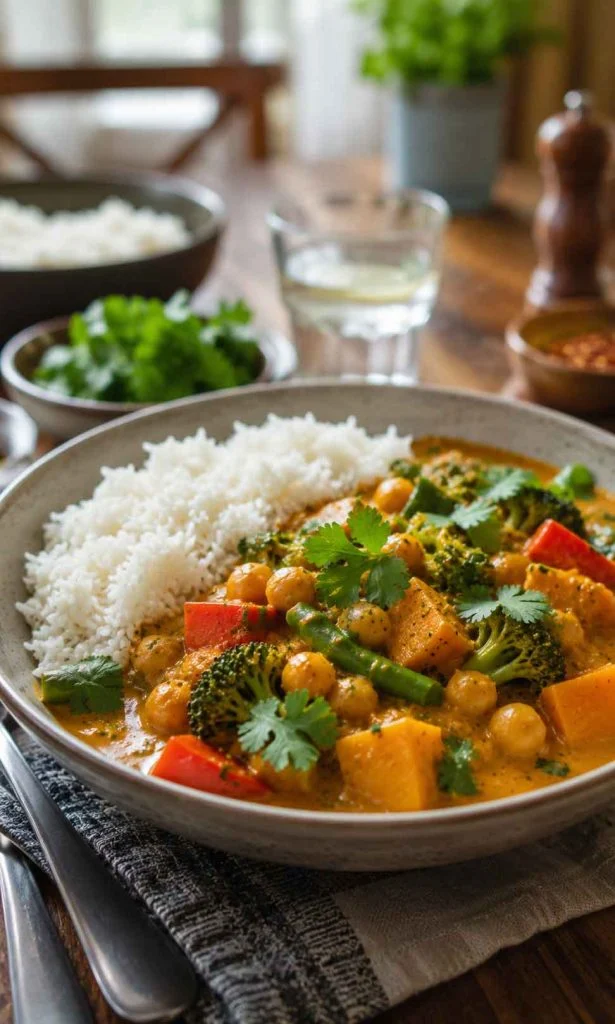
A good vegetable curry can easily stand on its own, but the right side dish can transform it from a simple meal into a more balanced and satisfying family dinner. The best pairing depends on how filling you want the meal to be, how much time you have available, and whether you are serving children, adults, or a mixed household.
For busy weeknights, most families prefer simple sides that require very little preparation. Rice remains the most common choice because it absorbs curry sauce well and provides a familiar texture that appeals to both adults and children. However, there are many other options that can work equally well depending on your preferences and nutritional goals.
Steamed White Rice
Steamed white rice is often the fastest and most practical choice. Its mild flavor allows the curry spices to remain the focus of the meal while providing a satisfying base for the sauce.
Advantages:
- Quick preparation
- Budget friendly
- Family friendly
- Easy for children
Best for:
- Weeknight dinners
- Large families
- Meal prep
Brown Rice
Brown rice adds more fiber and a slightly nuttier flavor. While it requires a longer cooking time, many families prepare larger batches and use leftovers throughout the week.
Advantages:
- Higher fiber
- More filling
- Good meal-prep option
Best for:
- Health-conscious households
- Lunchbox leftovers
- Weekly meal planning
Naan Bread
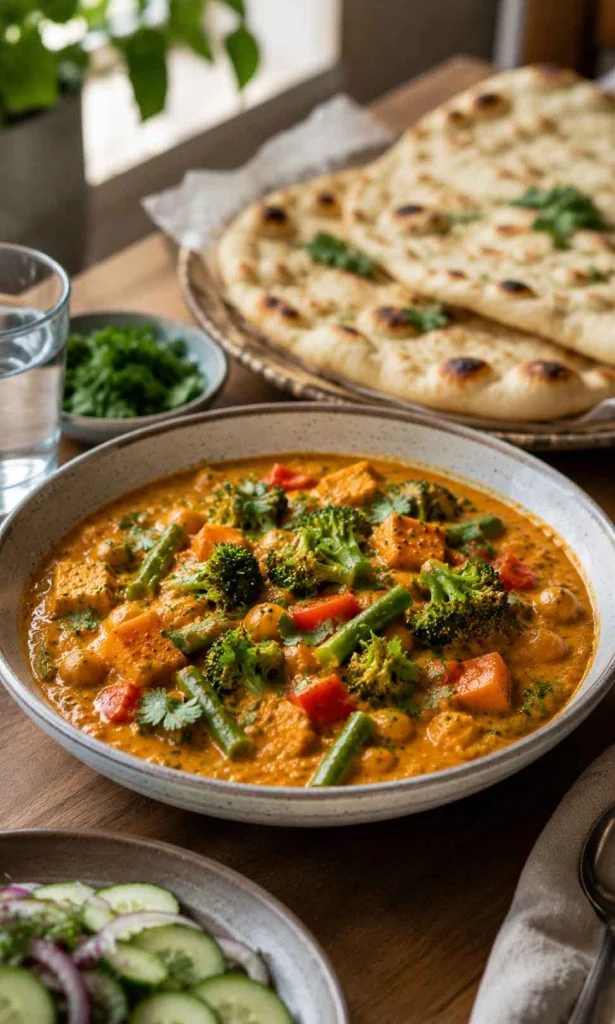
Naan provides a completely different eating experience. Many people enjoy using warm naan to scoop curry sauce instead of using a spoon.
Advantages:
- Excellent sauce absorption
- Restaurant-style experience
- Popular with children
Best for:
- Family dinners
- Weekend meals
- Entertaining guests
Roti Or Chapati
Roti and chapati provide a lighter alternative to naan. They contain less fat while still pairing naturally with curry dishes.
Advantages:
- Lighter texture
- Traditional pairing
- Easy portion control
Best for:
- Everyday meals
- Health-focused diets
Quinoa
Quinoa works surprisingly well with vegetable curry because its mild flavor allows the sauce to remain dominant while adding extra protein and fiber.
Advantages:
- Higher protein
- Gluten free
- Nutrient dense
Best for:
- Vegetarian households
- Fitness-focused meals
Families looking for additional grain options may also enjoy learning how to cook quinoa and 20 quinoa recipes.
Cauliflower Rice
For readers who want a lower-carbohydrate option, cauliflower rice can work very well with vegetable curry.
Another excellent lower-carbohydrate pairing is cauliflower fried rice, which can be served beneath the curry instead of traditional rice.
Advantages:
- Lower carbohydrate
- Vegetable-based
- Quick preparation
Best for:
- Weight management
- Lower-carb eating plans
Another excellent low-carbohydrate pairing is cauliflower fried rice, which can be served beneath the curry instead of traditional rice.
Simple Cucumber Yogurt Salad
A cool yogurt-based salad balances the warmth of curry spices and can be especially useful when serving spicier versions.
Advantages:
- Cooling effect
- Refreshing texture
- Family friendly
Best for:
- Warm climates
- Spicier curries
Roasted Vegetables
If you have vegetables that need to be used before the end of the week, roasting them alongside curry can create a more complete dinner while reducing food waste.
Good choices include:
- carrots
- cauliflower
- broccoli
- sweet potatoes
- zucchini
Best Pairings Comparison Table
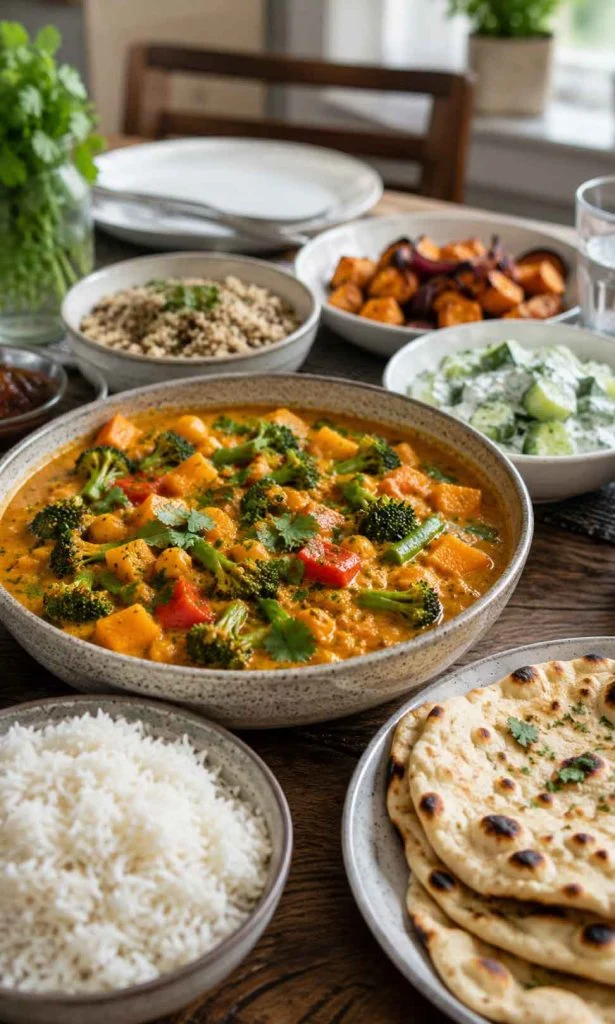
| Side Dish | Preparation Time | Family Friendly | Meal Prep Value |
|---|---|---|---|
| White Rice | Fast | Excellent | Excellent |
| Brown Rice | Moderate | Good | Excellent |
| Naan Bread | Fast | Excellent | Good |
| Quinoa | Moderate | Good | Excellent |
| Cauliflower Rice | Fast | Good | Good |
How To Adjust Spice Levels For Children
This section is extremely useful because mothers search for it constantly.
Many children enjoy curry flavor but struggle with excessive heat. The easiest solution is not removing spices completely but adjusting where the heat comes from. Turmeric, coriander, cumin, and garam masala provide aroma and warmth without creating an uncomfortable level of spiciness. Chili powder and fresh chilies are the ingredients that can be reduced first.
For families with young children, preparing the base curry before adding any chili allows adults to season their own portions later. This approach creates one meal rather than multiple dinners and reduces preparation time during busy evenings.
Parents often discover that children accept vegetables more willingly when they are coated in a flavorful curry sauce. The sauce softens stronger vegetable flavors and creates a more familiar eating experience, especially for carrots, peas, cauliflower, and green beans.
How To Store Leftovers Properly
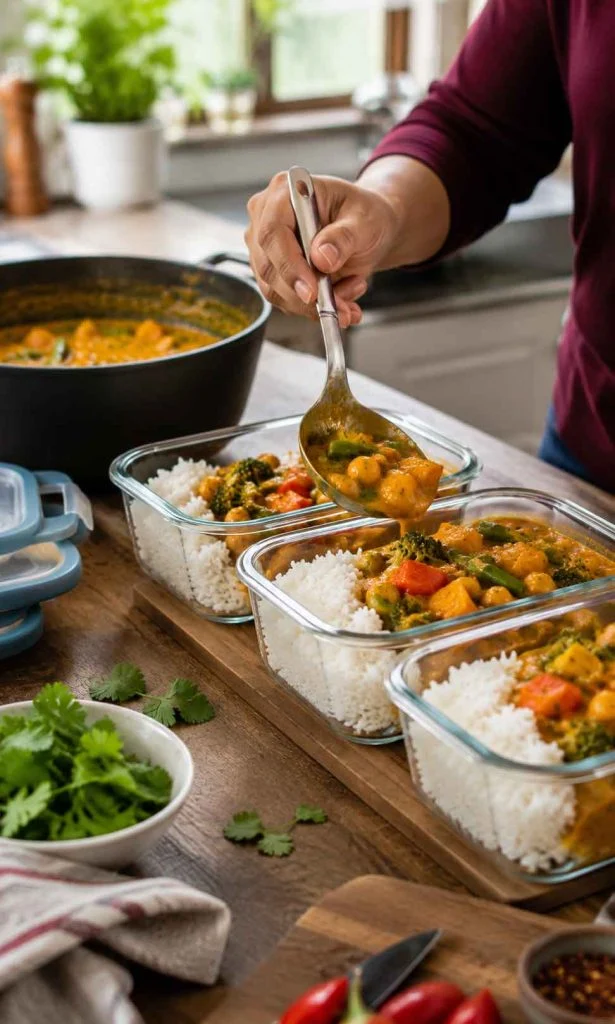
One reason vegetable curry remains popular among busy families is its ability to produce high-quality leftovers.
Allow the curry to cool slightly before transferring it into airtight containers. Refrigerated curry generally maintains its best quality for three to four days when stored properly.
Rice should be stored separately whenever possible because it helps preserve texture and makes reheating easier.
When reheating, add a small amount of water if the sauce has thickened too much overnight. Coconut milk-based curries naturally become thicker as they cool.
Can You Freeze Vegetable Curry?
Vegetable curry freezes surprisingly well.
The vegetables most likely to maintain their texture include:
- cauliflower
- carrots
- peas
- green beans
Vegetables that can become softer after freezing include:
- zucchini
- spinach
- mushrooms
Freezing individual family portions is often more practical than freezing one large container because it speeds up reheating and reduces waste.
Many parents use curry as a freezer backup meal for evenings when work schedules become unpredictable.
How Busy Families Can Reduce Food Waste With Curry
One reason vegetable curry remains such a useful recipe is its flexibility.
Vegetables nearing the end of their ideal freshness can often be incorporated into curry before they become unusable. Broccoli, cauliflower, carrots, bell peppers, spinach, peas, green beans, and sweet potatoes can all work within the same basic cooking framework.
This flexibility helps families reduce unnecessary grocery spending while increasing vegetable consumption.
Readers interested in extending pantry planning may also find value in foods that last a long time without refrigeration.
Why Vegetable Curry Often Tastes Better The Next Day
Many people notice that leftover curry tastes richer than the freshly cooked version.
This happens because the spices continue interacting with the sauce during refrigeration. Aromatic compounds disperse more evenly throughout the coconut milk and tomatoes, producing a more balanced flavor profile after resting overnight.
The texture can also improve because vegetables absorb some of the surrounding sauce while cooling.
For this reason, experienced meal preppers often intentionally prepare larger batches.
How To Meal Prep Vegetable Curry For The Entire Week
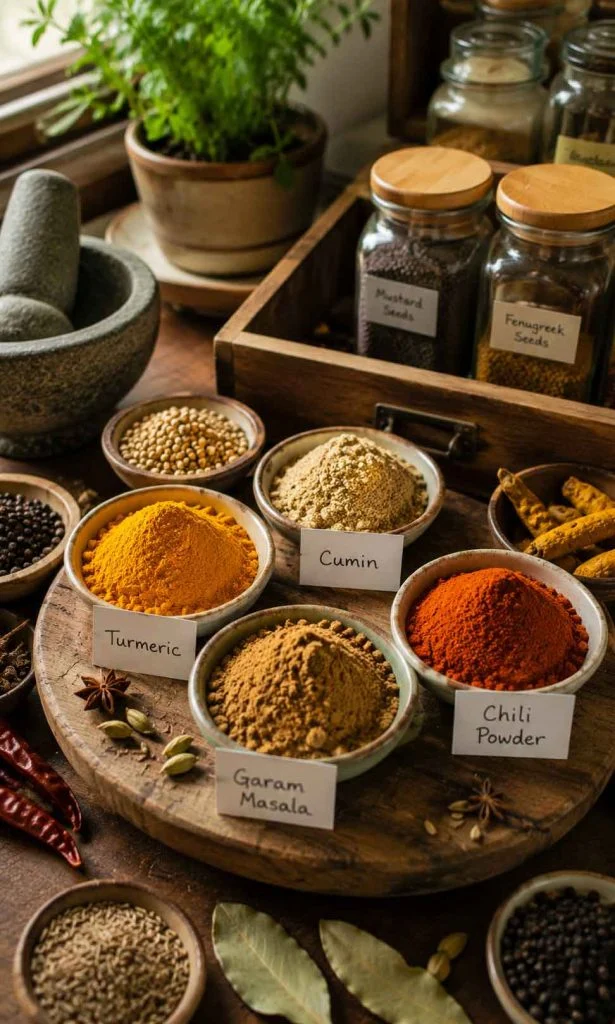
Meal preparation is one of the biggest reasons quick curry recipes remain popular among busy households. While a fifteen-minute curry works well for a single dinner, the same recipe can also become the foundation of several meals throughout the week with only a small increase in preparation time.
The easiest approach is to prepare a double batch. The additional effort required is minimal because the onions, garlic, spices, and sauce are already being prepared. Once the curry base is complete, simply increase the vegetables and sauce ingredients while maintaining the same cooking process.
Many meal planners divide the finished curry into individual portions immediately after cooling. This prevents overeating, simplifies lunch preparation, and allows family members to quickly grab a ready-made meal during busy days.
A well-organized meal prep routine can provide:
- Monday dinner
- Tuesday lunch
- Wednesday emergency dinner
- Thursday lunchbox meal
- Freezer backup portions
This type of planning often reduces food waste while lowering grocery spending because fewer ingredients are forgotten or discarded.
Choosing The Right Coconut Milk For Vegetable Curry
Not all coconut milk produces the same result.
One of the most common reasons homemade curry tastes different from restaurant curry is the type of coconut milk used. Full-fat coconut milk generally creates a richer and creamier sauce, while light coconut milk produces a thinner consistency and a milder flavor.
For families seeking a more indulgent dinner experience, full-fat coconut milk usually provides the best results. However, households that frequently prepare curry may prefer alternating between full-fat and light versions depending on the meal.
Full-Fat Coconut Milk
Best for:
- Rich texture
- Restaurant-style curry
- Meal preparation
- Freezing
Light Coconut Milk
Best for:
- Lower calorie meals
- Lighter sauces
- Everyday cooking
Coconut Cream
Best for:
- Extremely rich curries
- Special occasions
- Thick sauces
The key is consistency. Once you find a product your family enjoys, using the same brand regularly helps create predictable results.
The Best Spices For Vegetable Curry
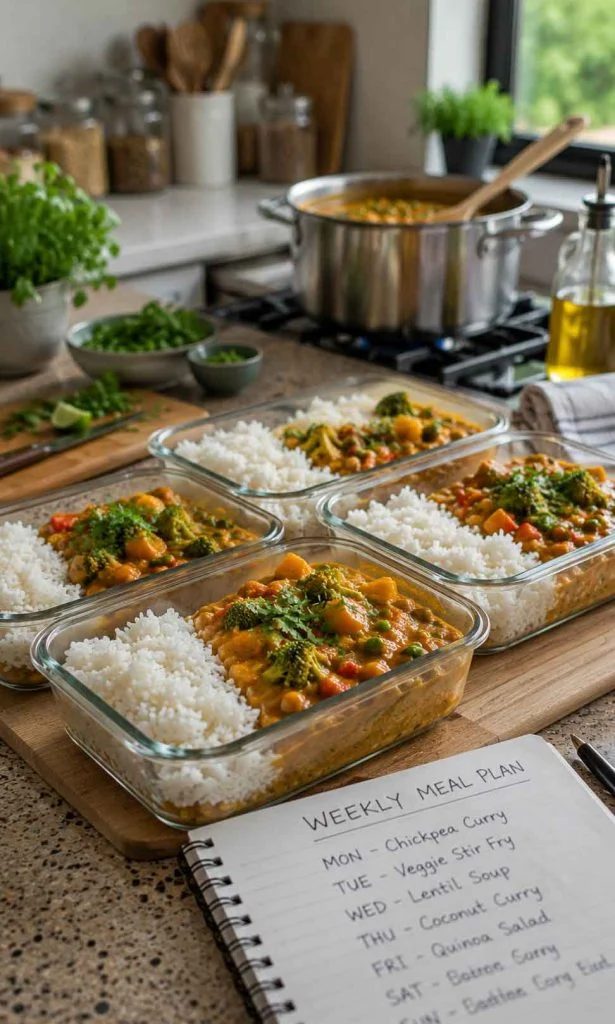
Many people assume curry is a single spice, but curry flavor actually comes from several ingredients working together.
Understanding what each spice contributes helps home cooks adjust recipes with more confidence.
Turmeric
Provides:
- Golden color
- Earthy flavor
- Mild bitterness
Cumin
Provides:
- Warmth
- Depth
- Savory character
Coriander
Provides:
- Freshness
- Citrus notes
- Balance
Garam Masala
Provides:
- Complexity
- Warm spice aroma
- Finishing flavor
Chili Powder
Provides:
- Heat
- Spice intensity
When cooking for children, reducing chili powder is usually more effective than removing all spices entirely.
Budget-Friendly Vegetable Curry Shopping List
One reason vegetable curry remains popular globally is its affordability.
Many of the ingredients are inexpensive, widely available, and suitable for multiple meals throughout the week.
Core Shopping List
Vegetables
- carrots
- cauliflower
- broccoli
- peas
- onions
- spinach
Pantry
- coconut milk
- canned tomatoes
- rice
- curry spices
Optional Proteins
- chickpeas
- lentils
- tofu
- paneer
These ingredients can support multiple recipes beyond curry, making them useful additions to weekly grocery planning.
How To Reduce Food Waste With Vegetable Curry
Vegetable curry is often one of the most forgiving recipes in a home kitchen.
Unlike many dishes that require exact ingredients, curry allows vegetables to be substituted, combined, or repurposed based on availability. This flexibility helps prevent produce from being discarded simply because it no longer fits an original meal plan.
Common vegetables that can be rescued through curry include:
- slightly soft carrots
- aging broccoli
- leftover cauliflower
- extra spinach
- half-used bell peppers
- frozen vegetables
The goal is not perfection. The goal is turning available ingredients into a satisfying meal before they become unusable.
This is one reason experienced home cooks often keep coconut milk and curry spices available at all times.
Why Vegetable Curry Is One Of The Best Emergency Meals
Every household eventually encounters days when dinner plans collapse.
Unexpected meetings, school activities, traffic delays, grocery shortages, and simple exhaustion can quickly derail even the most organized meal schedule. Vegetable curry works well in these situations because it relies on ingredients that many households already have available.
A typical emergency curry requires:
- onion
- garlic
- spices
- canned tomatoes
- coconut milk
- frozen vegetables
Because most of these ingredients have relatively long shelf lives, they can remain available even when fresh grocery shopping has been delayed.
For this reason, many meal planners consider vegetable curry one of the most reliable backup meals available.
Conclusion
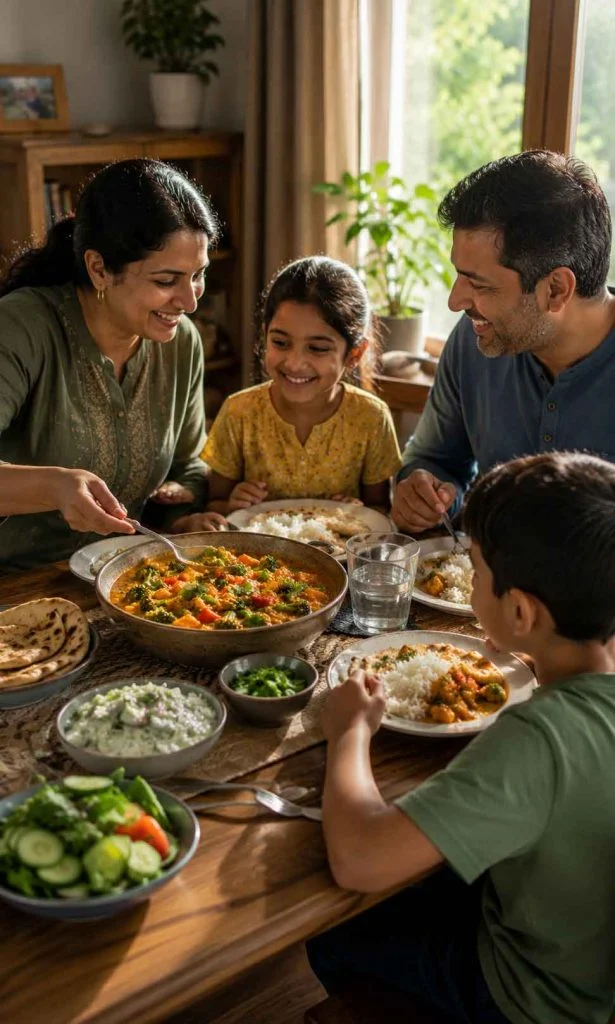
A successful weeknight dinner is not always the most elaborate meal. More often, it is the meal that fits comfortably into real family schedules, uses ingredients that are already available, and can be prepared with confidence after a long day. This 15-minute vegetable curry succeeds because it combines speed, flexibility, affordability, and nutrition without creating unnecessary complexity in the kitchen.
The recipe can adapt to different vegetables, different protein sources, different spice preferences, and different family sizes while still following the same straightforward cooking method. It can serve as a quick dinner, a meal-prep solution, a freezer backup meal, or the foundation of a larger weekly meal planning system. For busy parents, working professionals, students, and anyone looking to prepare more home-cooked meals, that flexibility is often more valuable than any single ingredient.
Another advantage of vegetable curry is its ability to reduce food waste. Vegetables that might otherwise be forgotten in the refrigerator can often be transformed into a flavorful meal, while leftovers frequently taste even better the following day. This makes the recipe particularly useful for families who want to stretch grocery budgets while still serving satisfying meals throughout the week.
For more fast seasonal dinner ideas, readers can continue with these easy summer recipes.
As Marcus Dale often emphasizes when evaluating practical home cooking, the most successful recipes are not necessarily the most impressive. They are the recipes people return to repeatedly because they solve real problems. A reliable vegetable curry can provide exactly that kind of solution by helping families prepare healthy, adaptable, and enjoyable meals with less stress and more consistency.
Professional Perspective
A quick recipe only becomes truly useful when it fits real household routines. Many people focus entirely on cooking speed while overlooking preparation flow, storage, leftovers, grocery planning, and repeatability. The most successful weeknight meals are rarely the most complicated recipes. They are the recipes that families can confidently prepare again and again without creating stress, excessive cleanup, or unnecessary food waste.
Plan Your Next Week of Family Dinners
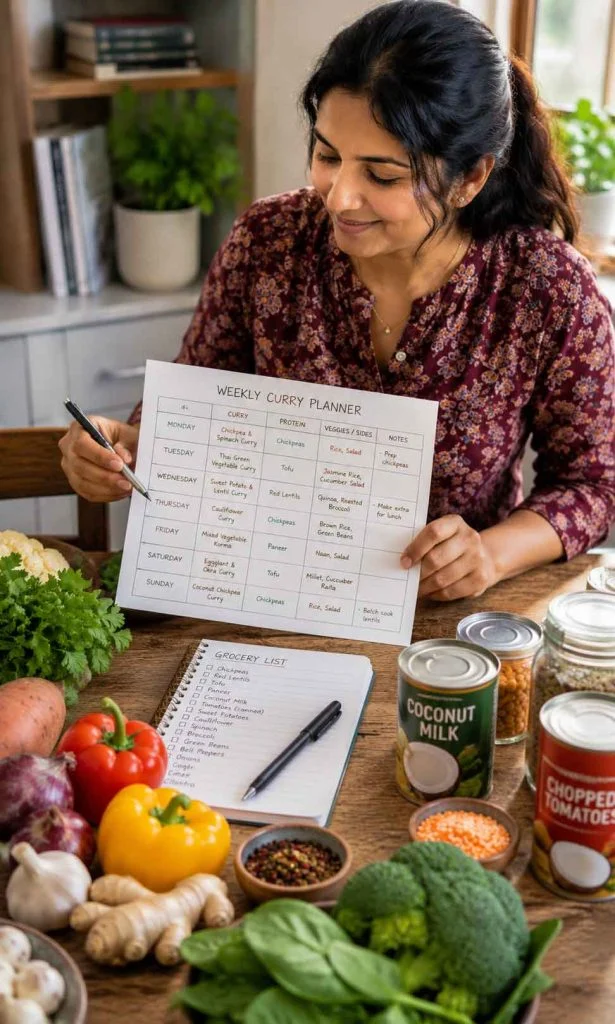
Cooking one successful meal is helpful, but creating a repeatable dinner system is what saves time over the long term. Many families find that the most difficult part of meal preparation is not cooking itself but deciding what to cook, managing grocery shopping, using ingredients before they spoil, and ensuring leftovers are used efficiently.

The ExpertsGuys Family Curry Planning System was created to help simplify those decisions. It allows readers to build grocery lists, calculate family portions, plan weekly curry rotations, organize lunchbox leftovers, locate nearby ingredient suppliers, and create printable meal plans that can be reused throughout the month.
Whether you are cooking for one person or a large household, the goal is the same: spend less time worrying about dinner and more time enjoying it.
ExpertsGuys Family Curry Planning System
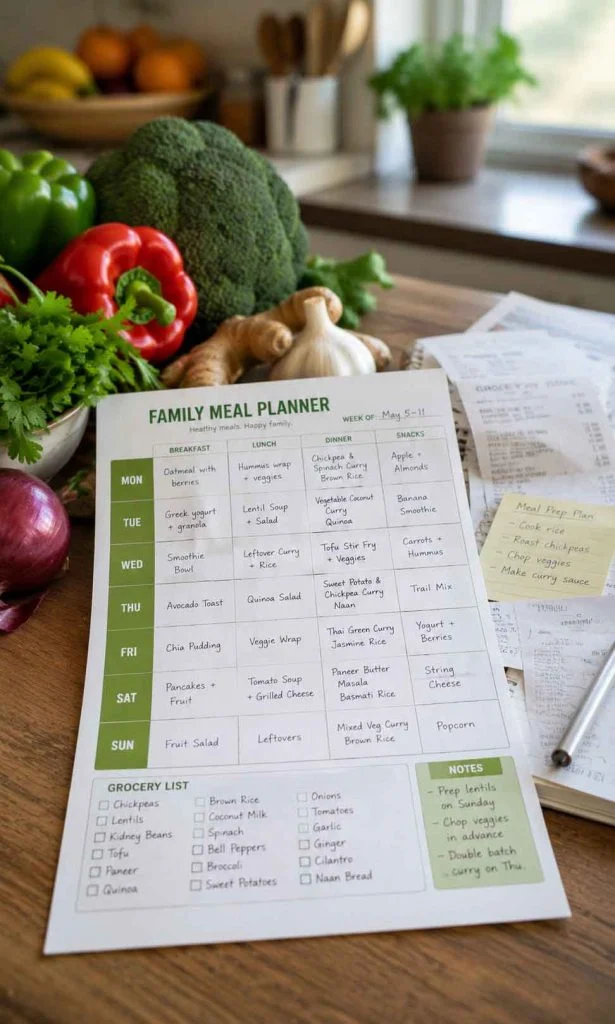
Family Curry Meal Planner
Build a practical curry plan for your household, create a printable grocery list, plan lunchbox leftovers, and find nearby ingredient stores.
Frequently Asked Questions
Can I make vegetable curry ahead of time?
Yes. Vegetable curry is one of the best meals to prepare ahead because the flavors continue developing as the curry rests. Many people find the curry tastes even better the following day after the spices have had time to blend throughout the sauce.
How long does vegetable curry last in the refrigerator?
When stored in an airtight container, vegetable curry typically maintains good quality for three to four days in the refrigerator. Rice should ideally be stored separately to preserve texture and simplify reheating.
Can vegetable curry be frozen?
Yes. Vegetable curry freezes well for up to three months. Vegetables such as carrots, peas, cauliflower, and green beans generally maintain their texture better than softer vegetables like zucchini or spinach.
What vegetables work best in a quick curry?
Fast-cooking vegetables such as bell peppers, peas, spinach, mushrooms, green beans, broccoli florets, and small cauliflower pieces work particularly well because they become tender within the short cooking time.
How can I make vegetable curry more filling?
Adding protein-rich ingredients such as chickpeas, lentils, tofu, paneer, or cooked chicken can make the meal more substantial. Serving the curry with rice, quinoa, naan, or roasted vegetables can also increase satisfaction.
Is vegetable curry healthy?
Vegetable curry can be a nutritious meal because it contains vegetables, fiber, vitamins, minerals, and plant-based ingredients. The overall nutritional profile depends on the ingredients used and portion sizes served.
Why does vegetable curry often taste better the next day?
As the curry rests, the spices continue distributing throughout the sauce, creating a more balanced flavor profile. Many curries become richer and more cohesive after several hours of refrigeration.
Can children eat vegetable curry?
Yes. Many families prepare mild versions by reducing or omitting chili while keeping aromatic spices such as turmeric, cumin, coriander, and garam masala. This preserves flavor while keeping the dish family friendly.
15-Minute Vegetable Curry
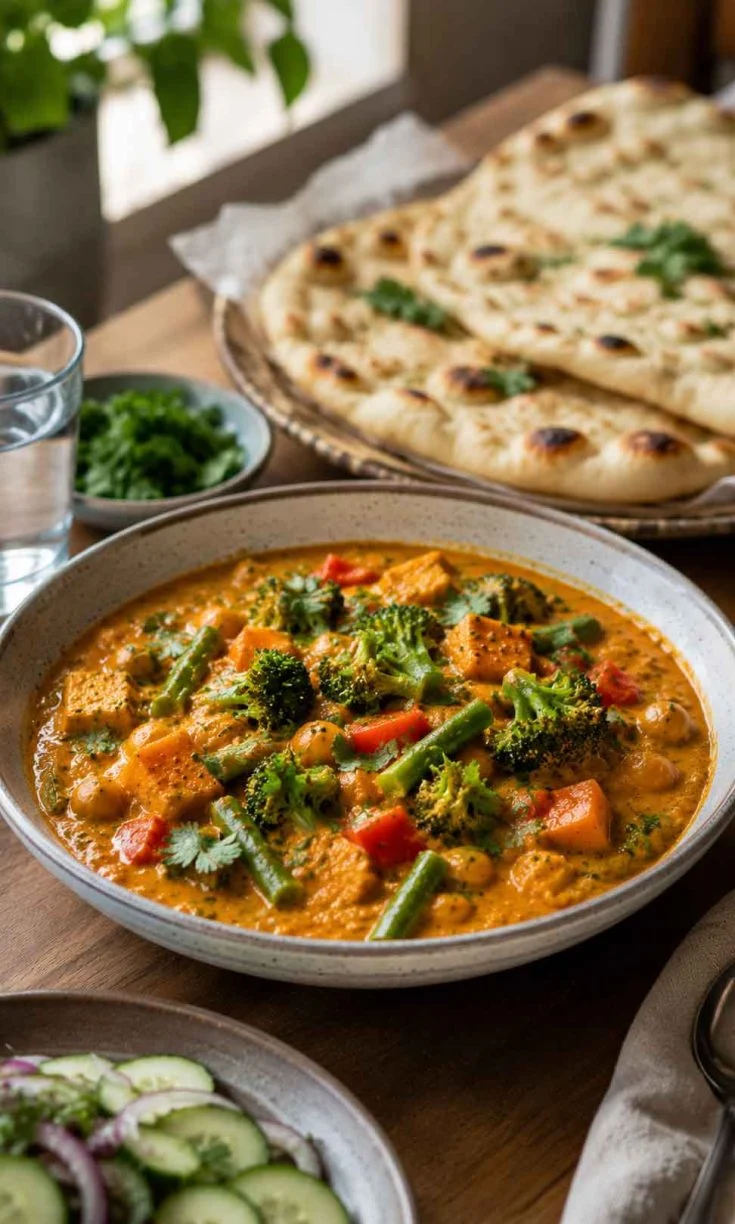
This 15-minute vegetable curry is designed for busy weeknights when you want a warm, healthy, and satisfying dinner without spending too long in the kitchen. It uses vegetables, coconut milk, tomatoes, and pantry spices to create a flexible curry that works for families, students, vegetarians, vegans, and meal prep.
Ingredients
- 2 tablespoons vegetable oil, coconut oil, or ghee
- 1 large onion, finely chopped
- 2 cloves garlic, minced
- 1 tablespoon fresh ginger, grated
- 1 tablespoon ground turmeric
- 1 teaspoon ground cumin
- 1 teaspoon ground coriander
- 1 teaspoon garam masala
- 1/2 teaspoon chili powder, optional
- 1 can diced tomatoes, about 14 oz
- 1 can coconut milk, about 14 oz
- 4 cups mixed vegetables, chopped small
- Salt and black pepper, to taste
- Fresh cilantro, optional
- Cooked rice, naan, roti, or flatbread, for serving
Instructions
1. Heat the oil or ghee in a large deep pan over medium heat. Add the chopped onion and cook for 3 to 5 minutes until softened.
2. Add the garlic and ginger, then stir for about 30 seconds until fragrant.
3. Add turmeric, cumin, coriander, garam masala, and chili powder if using. Stir for 30 to 60 seconds so the spices bloom without burning.
4. Add diced tomatoes and coconut milk, then stir until the sauce becomes smooth and evenly mixed.
5. Add the chopped vegetables and season with salt and black pepper.
6. Simmer for 8 to 10 minutes, or until the vegetables are tender but not mushy.
7. Taste and adjust seasoning. Add a splash of water if the sauce is too thick, or simmer uncovered for a few extra minutes if it is too thin.
8. Serve hot with rice, naan, roti, or flatbread. Garnish with fresh cilantro if desired.
Notes
This recipe is vegetarian as written and can be made vegan by using vegetable oil or coconut oil instead of ghee.
For extra protein, add chickpeas, tofu, lentils, paneer, or cooked chicken.
For children, reduce or skip the chili powder while keeping the turmeric, cumin, coriander, and garam masala for flavor.
Frozen vegetables can be used when you need a faster weeknight version.
Store leftovers in an airtight container in the refrigerator for up to 3 to 4 days.
Freeze curry portions for up to 2 months for emergency dinners or meal prep.
Equipment: Large deep frying pan or wok, Wooden spoon or spatula, Cutting board, Sharp knife, Measuring spoons, Serving bowl
Nutrition Information:
Yield:
4Serving Size:
1Amount Per Serving: Calories: 311Total Fat: 13gSaturated Fat: 4gTrans Fat: 0gUnsaturated Fat: 8gCholesterol: 13mgSodium: 276mgCarbohydrates: 44gFiber: 7gSugar: 10gProtein: 9g