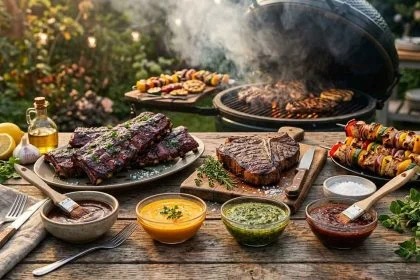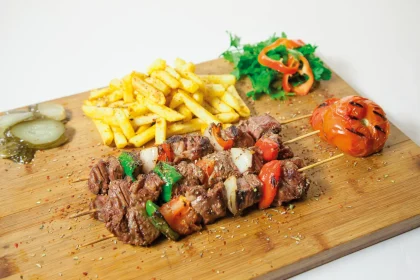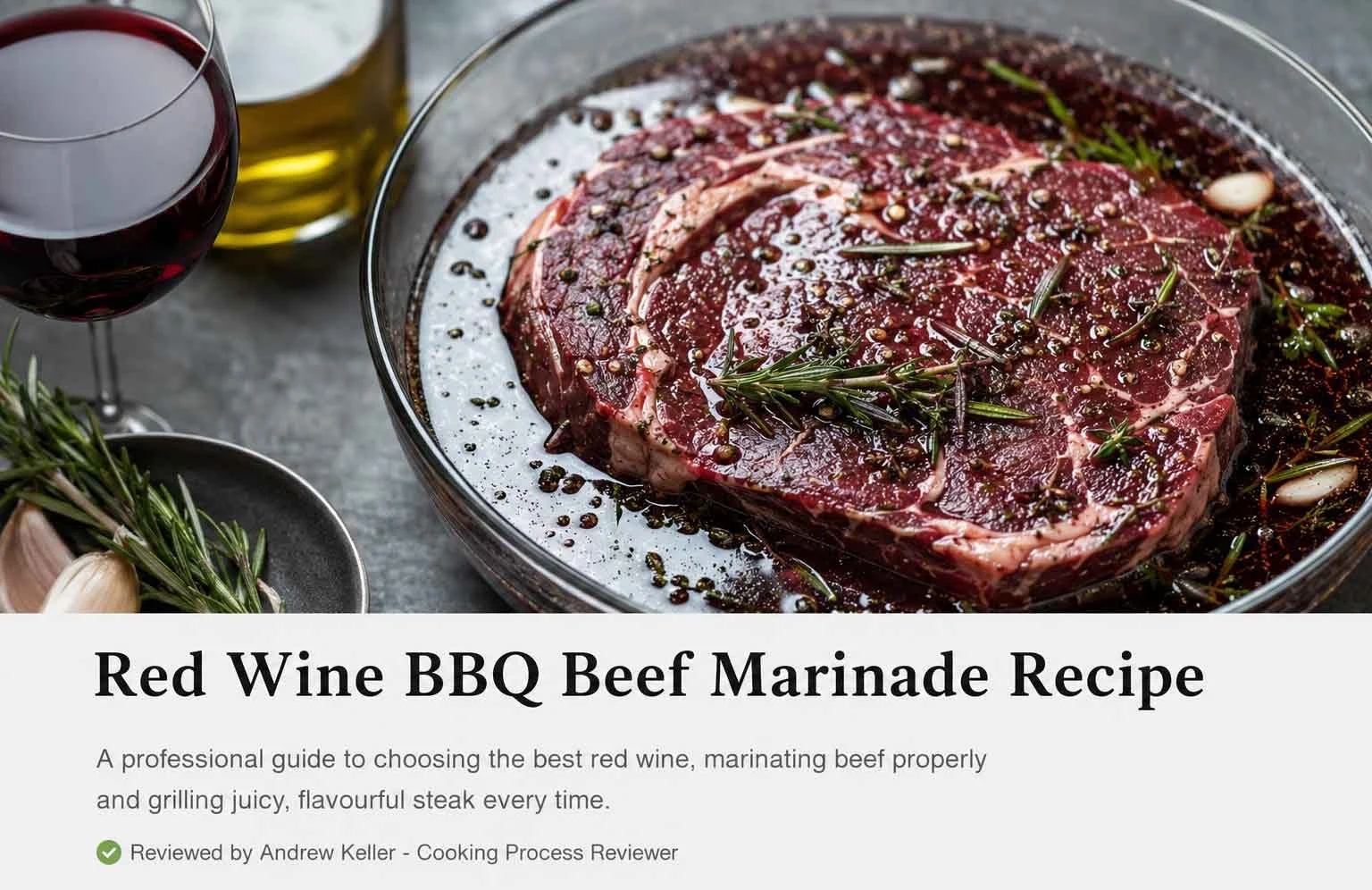

A well-balanced red wine BBQ beef marinade does much more than add flavour to meat. When properly prepared, it helps tenderise tougher muscle fibres, enhances natural beef richness, and creates a deeper caramelised crust during grilling. The combination of wine, herbs, aromatics and seasoning works together to produce layers of flavour that are difficult to achieve with dry rubs alone.
Many home cooks believe any bottle of red wine will produce excellent results, yet the quality of a marinade depends more on the balance between acidity, fat, salt and aromatics than the price of the wine itself. Understanding how these ingredients interact allows you to choose the right marinating time, avoid common mistakes and consistently produce tender, juicy barbecue beef.
In this guide, you’ll learn the science behind red wine marinades, discover which beef cuts benefit most, compare different wine varieties, understand ideal marinating durations, and follow a professional cooking workflow from preparation to serving. Whether you’re cooking ribeye over charcoal, grilling sirloin for a family dinner or preparing short ribs for slow cooking, this comprehensive guide explains not only what to do, but why each step improves the final result.
If you’re comparing different flavour profiles, our BBQ marinade guide explains how wine, beer, citrus and herb-based marinades perform across different meats and grilling styles.
Key Takeaways
- Red wine contributes acidity, tannins and aromatic compounds that enhance beef flavour.
- Different beef cuts require different marinating times.
- Over-marinating can negatively affect texture.
- Wine quality matters less than choosing the correct wine style.
- A balanced marinade combines wine, oil, herbs, salt and aromatics rather than relying on wine alone.
- Proper resting before and after grilling is just as important as the marinade itself.
- Matching wine style with beef cut creates noticeably better flavour balance.
What Makes Red Wine an Excellent BBQ Marinade?
Red wine has been used in traditional European cooking for centuries, not simply because it adds flavour, but because its natural composition complements beef remarkably well. A properly balanced red wine marinade enhances tenderness, deepens savoury flavours and promotes attractive browning during grilling without overpowering the meat itself.
Unlike highly acidic marinades that can leave beef mushy or overly sour, red wine contributes moderate acidity together with tannins, fruit compounds and aromatic molecules that gradually develop complexity during marination. When combined with olive oil, herbs, garlic and carefully controlled seasoning, the result is a marinade that supports the natural richness of beef rather than masking it.
Professional chefs rarely rely on wine alone. Instead, they treat it as one component within a balanced flavour system where every ingredient performs a specific function. Understanding these roles allows you to adjust recipes for different beef cuts, grilling methods and desired flavour profiles.
Why Red Wine Works So Well with Beef
Several natural characteristics make red wine particularly suitable for beef:
- Mild acidity gently softens surface muscle fibres.
- Tannins contribute depth and complexity during cooking.
- Fruit-forward aromas complement caramelised beef flavours.
- Moisture helps distribute herbs and seasonings evenly.
- Natural sugars encourage attractive browning without excessive sweetness.
The combination creates a marinade that supports both flavour development and texture improvement while allowing the beef to remain the dominant taste.
The Four Components of a Balanced Marinade
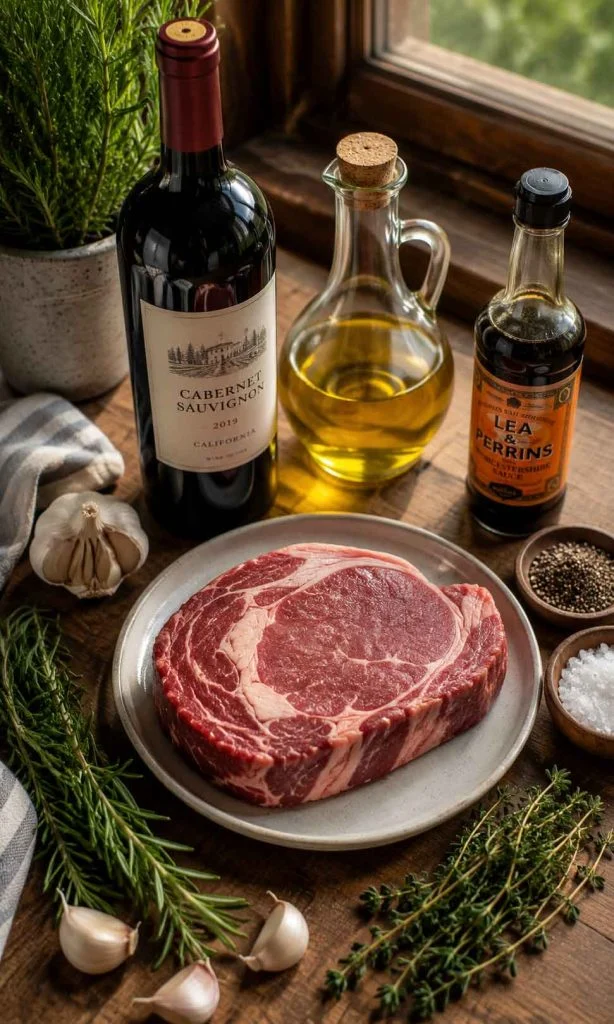
Professional marinades are designed around four complementary elements rather than one dominant ingredient.
| Component | Purpose | Typical Ingredients |
|---|---|---|
| Acid | Gently tenderises surface proteins | Red wine, vinegar, citrus juice |
| Fat | Carries flavour and helps prevent drying | Olive oil, avocado oil |
| Aromatics | Build depth and fragrance | Garlic, onion, rosemary, thyme |
| Seasoning | Enhances natural beef flavour | Salt, black pepper, Worcestershire sauce, soy sauce |
Removing any one of these components often produces a less balanced result. For example, using wine without oil may increase moisture loss during grilling, while omitting aromatics leaves the marinade tasting flat.
Why Expensive Wine Isn’t Necessary
One of the biggest misconceptions is that premium wines always produce better marinades. During cooking, many subtle characteristics that justify the price of an aged bottle are lost through heat and interaction with other ingredients.
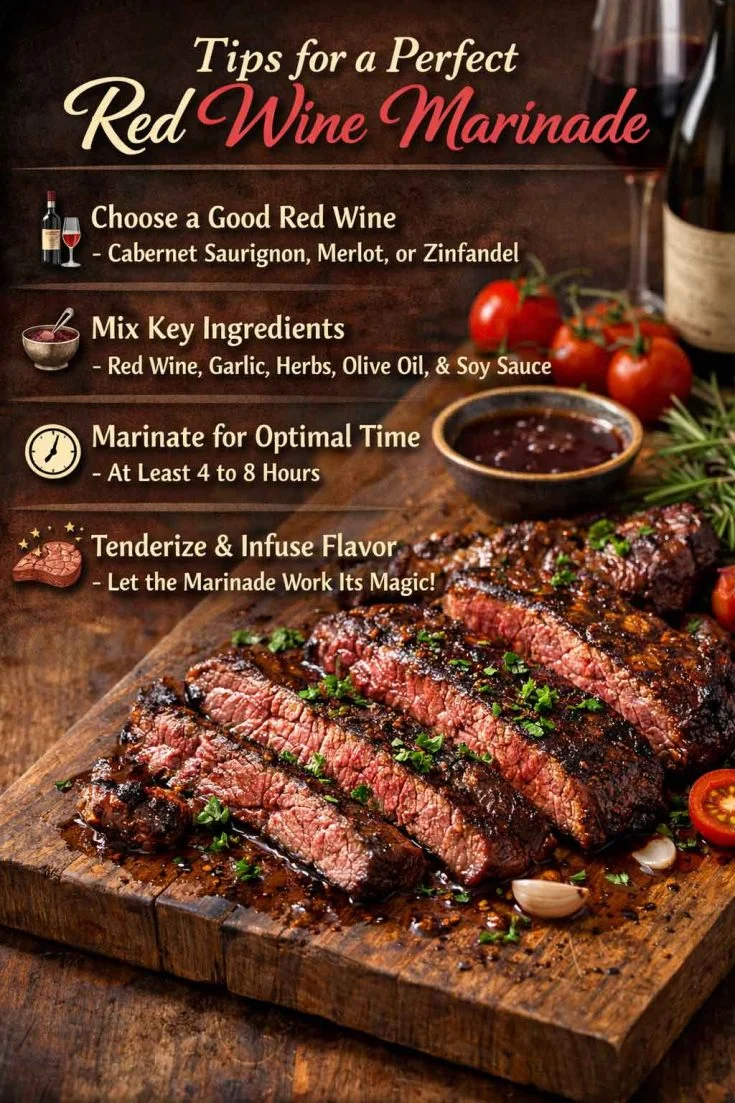
Instead, choose a dry, medium-bodied red wine with clean fruit flavours and moderate tannins. Wines such as Cabernet Sauvignon, Merlot, Shiraz or Malbec provide excellent structure without unnecessary cost. Save your premium bottles for serving alongside the finished meal.
Choosing the Right Wine Style
Different wine styles produce noticeably different flavour profiles.
| Wine Style | Flavour Profile | Best With |
|---|---|---|
| Cabernet Sauvignon | Bold, structured, firm tannins | Ribeye, striploin, T-bone |
| Merlot | Smooth, fruity, balanced | Sirloin, rump, chuck |
| Shiraz | Peppery, rich, smoky | Brisket, beef ribs, flank steak |
| Malbec | Dark fruit, moderate tannins | Skirt steak, hanger steak |
| Pinot Noir | Light-bodied, delicate | Tenderloin and lean premium cuts |
Matching the wine to the richness of the beef creates a more harmonious flavour than simply using whichever bottle happens to be available.
If you’re grilling lamb instead of beef, our BBQ lamb steak marinade recipe uses a similar flavour-building approach while balancing herbs and wine specifically for lamb.
Hidden Mistakes Most Home Cooks Make
Many disappointing results can be traced to a few avoidable mistakes rather than the recipe itself.
- Using sweet cooking wine instead of dry table wine.
- Marinating lean cuts for excessively long periods.
- Forgetting to pat the beef dry before grilling.
- Assuming more wine automatically produces more flavour.
- Reusing raw marinade as a serving sauce without boiling it first.
- Adding too much salt early when marinating overnight.
Correcting these small details often improves the finished barbecue more than changing the entire recipe.
Expert Insight
Professional Perspective: Restaurants build marinades using balance rather than quantity. Increasing the amount of red wine alone does not create a better marinade. Instead, chefs carefully control acidity, fat, herbs and seasoning so each ingredient supports the beef without dominating it. This balanced approach produces richer flavour, more even browning and consistently tender results across different cuts.
Comparison Table – Red Wine vs Other Popular Marinades
| Marinade Type | Tenderising Power | Flavour Depth | Best Cooking Method | Best For |
|---|---|---|---|---|
| Red Wine | ★★★★☆ | ★★★★★ | Charcoal, gas grill, roasting | Most premium beef cuts |
| Beer | ★★★☆☆ | ★★★★☆ | Smoking, grilling | Brisket, chuck |
| Balsamic Vinegar | ★★★★☆ | ★★★★☆ | Grilling, roasting | Flank, sirloin |
| Citrus | ★★★★★ | ★★★☆☆ | Quick grilling | Thin steaks |
| Dry Rub | ★☆☆☆☆ | ★★★★★ | Smoking, reverse searing | Thick steaks |
How Does Red Wine Tenderize Beef?
Many recipes simply state that red wine “tenderises meat,” but few explain the science behind the process. Understanding how a marinade interacts with beef helps you choose the correct marinating time, avoid texture problems and achieve more consistent grilling results.
Contrary to popular belief, marinades do not penetrate deeply into thick steaks. Instead, they primarily influence the outer layers of the meat, where flavour development, browning and moisture retention have the greatest visual and sensory impact. The centre of a thick steak retains its natural beef character, which is exactly what makes a well-marinated steak taste balanced rather than artificial.
The Science Behind Red Wine Marinades
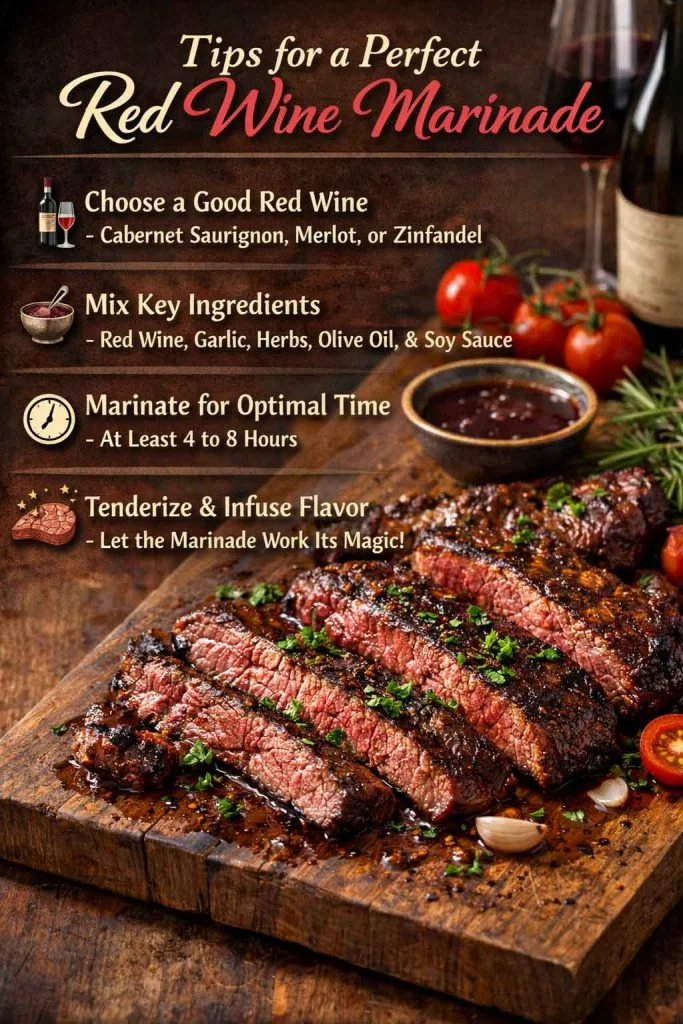
Red wine contains several naturally occurring compounds that each contribute differently during marination.
Mild Acidity Softens Surface Proteins
Dry red wine has a moderate acidity level that gently loosens surface muscle proteins. This allows herbs, garlic and seasonings to cling more effectively to the meat while helping create a more tender bite after grilling.
Unlike stronger acidic ingredients such as lemon juice or vinegar, red wine works gradually, making it more forgiving for longer marinating periods.
Tannins Build Richer Beef Flavour
Tannins are natural plant compounds extracted from grape skins, seeds and oak barrels during wine production. While they are often discussed in wine tasting, they also influence cooking.
As beef grills over high heat, tannins interact with caramelised proteins and browned fats, helping develop the deep, savoury flavour associated with restaurant-quality steaks.
Aromatic Compounds Add Complexity
Wine contributes hundreds of aromatic compounds that survive marination and continue developing during cooking. Combined with rosemary, thyme, garlic and black pepper, these compounds produce a richer aroma than herbs alone.
Oil Protects Moisture
Olive oil is frequently misunderstood as a tenderiser. Its primary role is to coat the meat, distribute fat-soluble flavours and reduce moisture loss during grilling. Without sufficient oil, beef can dry more quickly over direct heat even if it has been marinated for several hours.
What Actually Happens During Marination?
Instead of imagining the marinade soaking through the entire steak, picture a gradual flavour-building process.
| Marinating Stage | What’s Happening | Visible Effect |
|---|---|---|
| 30 minutes | Seasonings begin coating the surface | Light flavour enhancement |
| 2–4 hours | Aromatics develop, proteins begin softening | Better browning and aroma |
| 6–12 hours | Flavours become more balanced | Richer crust and improved tenderness |
| 12–24 hours | Maximum flavour for most cuts | Deep barbecue flavour |
| Beyond 24 hours | Acidity begins affecting texture | Surface may become overly soft |
This explains why extending marination indefinitely does not continue improving the meat.
Best Beef Cuts for Red Wine Marinade
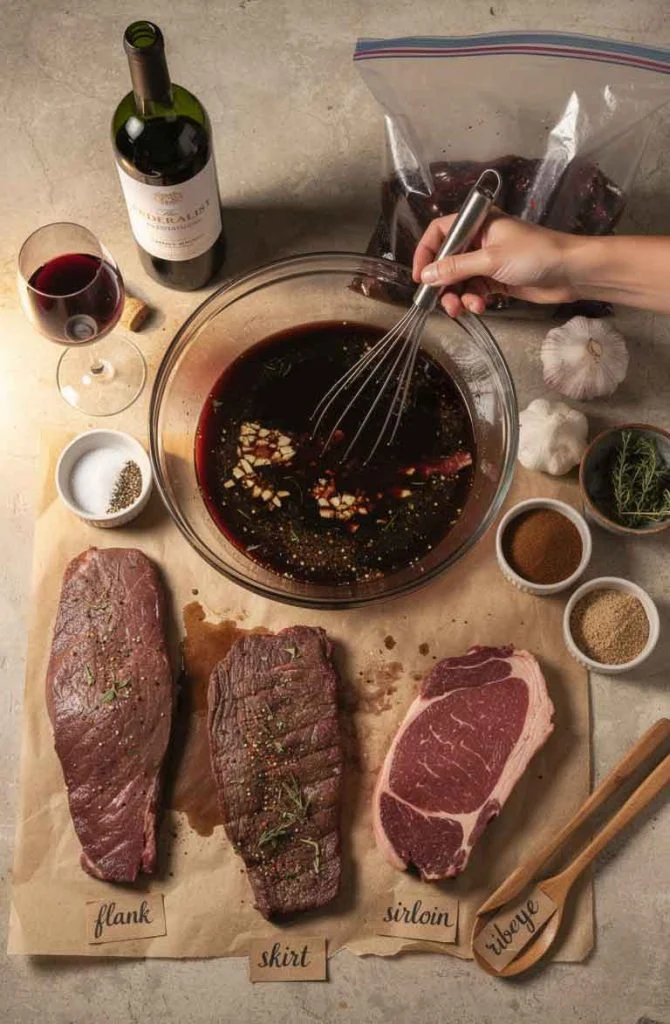
Different cuts respond differently because they vary in fat content, muscle structure and connective tissue. Matching the marinating time to the beef cut produces far better results than using a single timing rule for everything.
| Beef Cut | Fat Level | Recommended Marinating Time | Cooking Method | Overall Rating |
|---|---|---|---|---|
| Ribeye | High | 4–8 hours | Charcoal or gas grill | ⭐⭐⭐⭐⭐ |
| Striploin | Medium-high | 4–8 hours | High-heat grilling | ⭐⭐⭐⭐⭐ |
| Sirloin | Medium | 6–12 hours | Grill or pan-sear | ⭐⭐⭐⭐☆ |
| Flank Steak | Low | 8–12 hours | Quick high heat | ⭐⭐⭐⭐⭐ |
| Skirt Steak | Medium | 6–10 hours | Fast grilling | ⭐⭐⭐⭐⭐ |
| Chuck Steak | High connective tissue | 12–24 hours | Slow grilling or roasting | ⭐⭐⭐⭐☆ |
| Beef Short Ribs | High | 12–24 hours | Smoking or slow barbecue | ⭐⭐⭐⭐⭐ |
| Tenderloin | Very lean | 1–3 hours | High-heat grilling | ⭐⭐⭐☆☆ |
Which Cuts Benefit the Most?
Well-marbled steaks such as ribeye and striploin gain additional flavour without sacrificing their natural tenderness. Leaner cuts including flank steak and skirt steak benefit from slightly longer marinating periods because they absorb aromatic flavours more readily.
Tenderloin requires the shortest marinating time. Its naturally delicate texture means excessive exposure to acidic ingredients can soften the exterior more than necessary.
How Long Should You Marinate Beef?
There is no universal answer because marinating time depends on thickness, fat content and the strength of the marinade.
How to Use the BBQ Master Planner
The ExpertsGuys BBQ Master Planner helps you choose the right beef cut, wine, marinating time and cooking method before you start grilling. Instead of guessing, the tool creates a restaurant-style barbecue plan based on your actual cooking situation.
Best Placement
Use the tool before mixing your marinade. This gives you enough time to adjust the wine, herbs, marinating duration and grill setup before the beef touches the marinade.
What the Tool Helps With
- Choosing the best red wine for your beef cut.
- Finding the correct marinating time.
- Avoiding over-marinating delicate steaks.
- Selecting the right cooking method.
- Checking internal temperature targets.
- Planning side dishes and shopping needs.
Professional Tip
Generate one BBQ plan before shopping and another plan before grilling. This encourages better ingredient choices and gives you a final cooking checklist before the beef goes onto the grill.
ExpertsGuys BBQ Intelligence Engine
BBQ Lamb Moisture Recovery Engine
Diagnose why your lamb turned dry, tough, burnt, bland or uneven, then get a practical BBQ recovery plan for your next cook.
Tip: If you are cooking a different beef cut next time, return to this planner and generate a new BBQ plan. Ribeye, flank steak, short ribs and tenderloin each need different timing, wine balance and heat control.
ExpertsGuys Marination Timeline Framework™
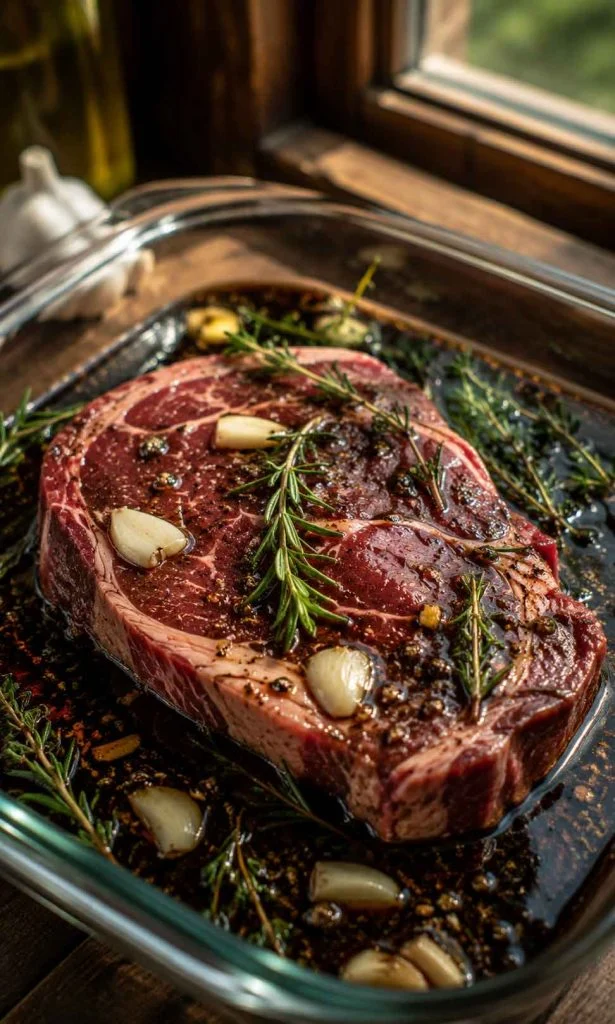
Instead of following generic recipes, use this professional framework.
30 Minutes
Best when you’re short on time.
- Surface seasoning develops.
- Little tenderising occurs.
- Suitable for thin steaks.
2-4 Hours
Ideal for premium steaks.
- Balanced flavour.
- Attractive crust.
- Minimal texture change.
6-12 Hours
The preferred range for most home barbecue enthusiasts.
- Excellent flavour development.
- Improved browning.
- Consistently juicy results.
12-24 Hours
Recommended for tougher cuts.
- Deep flavour penetration on the surface.
- Better texture for connective tissue.
- Excellent for overnight preparation.
More Than 24 Hours
Usually unnecessary.
Longer marinating does not continue improving flavour indefinitely. Instead, excessive acidity may create a softer outer texture while masking the beef’s natural richness.
Signs Your Beef Has Been Marinated Correctly
A properly marinated steak should display several characteristics before it even reaches the grill.
- Rich herb aroma without excessive alcohol smell.
- Even coating of herbs and seasonings.
- Surface feels lightly coated rather than excessively wet.
- Beef retains its natural colour with only slight darkening.
- No sour or fermented odour.
If the meat smells sharply acidic or the exterior becomes mushy, it has likely been marinated for too long or the marinade contains excessive acidic ingredients.
Professional Tip
Andrew Keller – Cooking Process Reviewer: Consistency matters more than duration. A well-balanced marinade used for six to eight hours almost always produces better grilling results than an unbalanced marinade left on the meat overnight. Professional kitchens focus on ingredient ratios and temperature control rather than simply increasing marinating time.
Comparison Table – Recommended Marinating Time by Beef Thickness
| Steak Thickness | Minimum | Ideal | Maximum |
|---|---|---|---|
| 1 cm (⅜ inch) | 30 minutes | 2 hours | 4 hours |
| 2 cm (¾ inch) | 2 hours | 4–6 hours | 8 hours |
| 2.5 cm (1 inch) | 4 hours | 6–8 hours | 12 hours |
| 4 cm (1½ inches) | 6 hours | 8–12 hours | 24 hours |
| Thick roasts | 8 hours | 12–24 hours | 24 hours |
Red Wine BBQ Beef Marinade Recipe
A great marinade is about balance rather than complexity. Every ingredient has a specific role, from enhancing flavour and supporting caramelisation to protecting moisture during grilling. The recipe below is designed to complement premium beef while remaining versatile enough for everyday barbecue cooking.
Ingredients
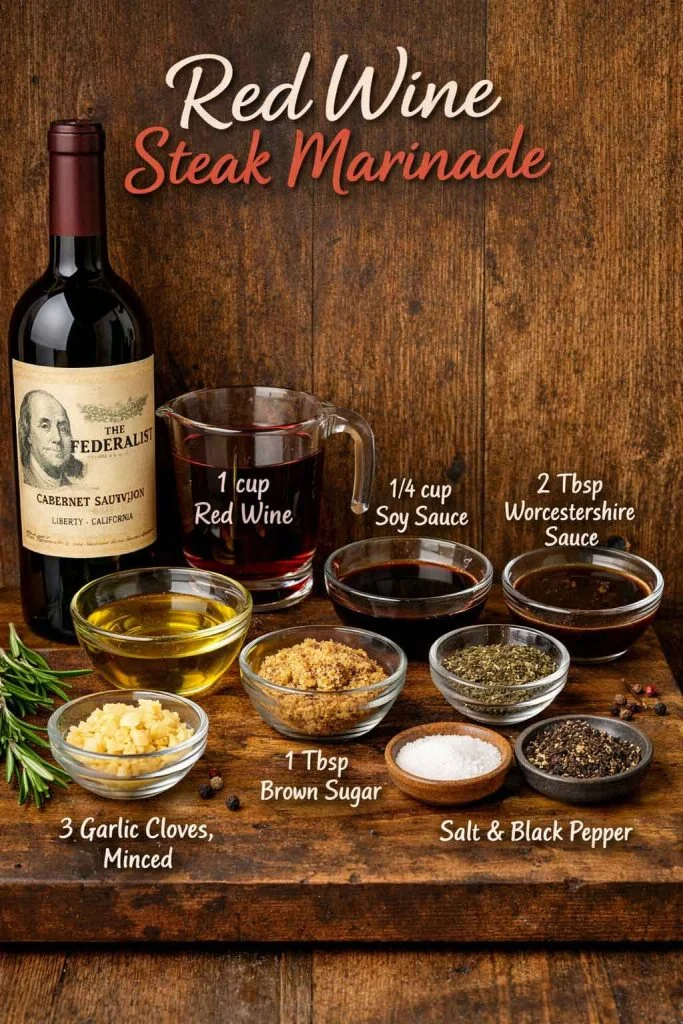
Main Marinade
- 1 cup (240 ml) dry red wine (Cabernet Sauvignon, Merlot or Shiraz)
- ¼ cup extra virgin olive oil
- 2 tablespoons Worcestershire sauce
- 1 tablespoon low-sodium soy sauce
- 1 tablespoon Dijon mustard
- 2 teaspoons brown sugar
- 5 garlic cloves, finely minced
- 2 teaspoons freshly cracked black pepper
- 1 teaspoon sea salt
- 2 teaspoons finely chopped fresh rosemary
- 1 teaspoon fresh thyme leaves
- 1 teaspoon smoked paprika (optional)
Suitable for approximately 1.5–2 kg (3–4 lb) of beef.
Why Each Ingredient Matters
Professional kitchens rarely include ingredients without purpose. Understanding each component makes it easier to adjust recipes confidently.
| Ingredient | Purpose | Professional Tip |
|---|---|---|
| Dry red wine | Mild acidity and aromatic complexity | Use dry wines rather than sweet cooking wine |
| Olive oil | Helps retain moisture and distribute flavours | Choose extra virgin olive oil for richer aroma |
| Worcestershire sauce | Adds savoury umami | Enhances grilled flavour without overwhelming the beef |
| Soy sauce | Deepens savouriness | Low-sodium versions allow better seasoning control |
| Dijon mustard | Helps emulsify the marinade | Creates a smoother coating |
| Brown sugar | Encourages caramelisation | Avoid excessive amounts to reduce burning |
| Garlic | Builds aromatic depth | Fresh garlic produces cleaner flavour than garlic powder |
| Rosemary | Complements beef naturally | Chop finely for even flavour distribution |
| Thyme | Adds earthy herbal notes | Works particularly well with charcoal grilling |
| Black pepper | Gentle heat and aroma | Freshly cracked pepper provides superior fragrance |
Ingredient Substitutions
If you’re missing an ingredient, these alternatives maintain the overall balance of the marinade.
| Instead Of | Use |
|---|---|
| Cabernet Sauvignon | Merlot, Malbec or Shiraz |
| Worcestershire sauce | Balsamic vinegar mixed with soy sauce |
| Dijon mustard | Wholegrain mustard |
| Fresh rosemary | Dried rosemary (use half the amount) |
| Fresh thyme | Dried thyme |
| Brown sugar | Honey or maple syrup (slightly reduce quantity) |
| Olive oil | Avocado oil |
Step 1 – Prepare the Marinade
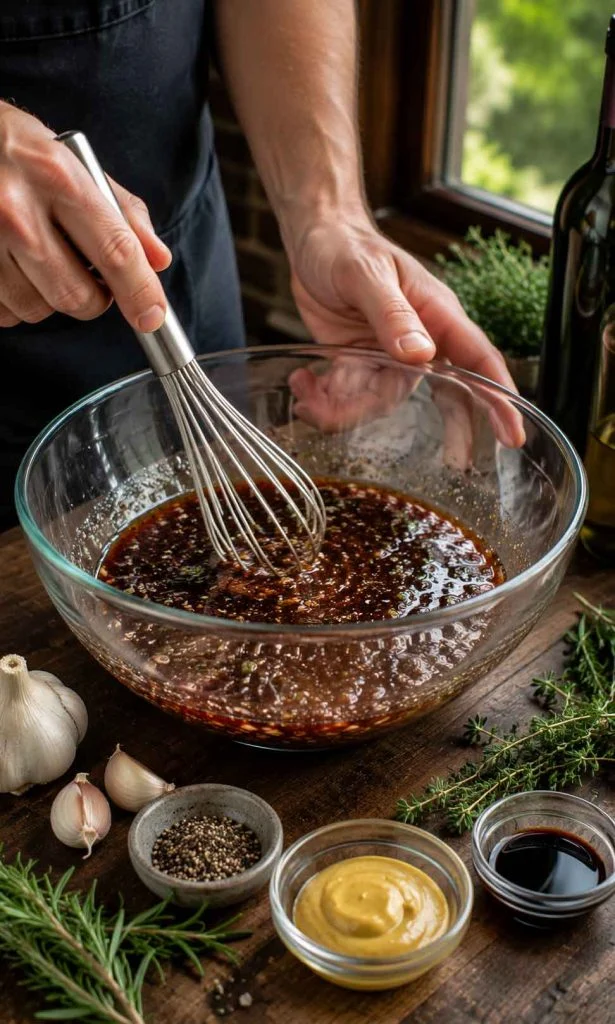
Combine the red wine, olive oil, Worcestershire sauce, soy sauce and Dijon mustard in a large mixing bowl. Whisk until fully combined before adding the brown sugar, garlic, herbs, salt and pepper.
Allow the mixture to rest for five minutes. This gives the herbs time to release their natural oils and creates a more balanced flavour profile before the beef is added.
Step 2 – Prepare the Beef
Pat the beef dry using paper towels.
Removing excess surface moisture allows the marinade to coat the meat more evenly while improving browning later on the grill.
Avoid trimming all visible fat. Moderate marbling protects the beef from drying during high-temperature cooking.
Step 3 – Marinate Correctly
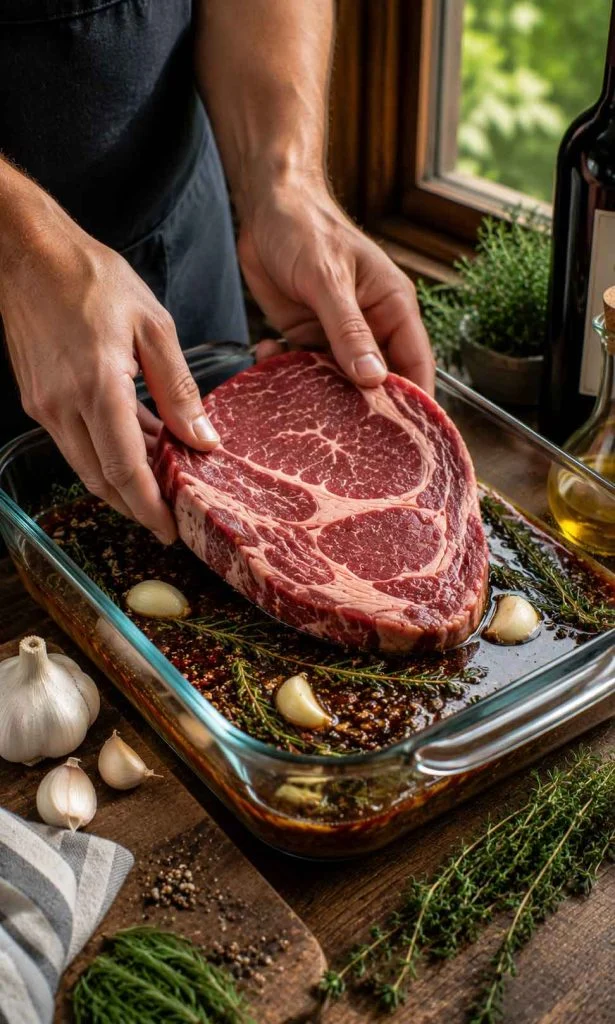
Place the beef into a glass dish, stainless steel container or food-safe resealable bag.
Pour the marinade over the meat until every surface is coated.
Seal tightly.
Turn the meat once or twice during marination if possible to ensure even flavour development.
Always marinate inside the refrigerator.
Never leave raw beef marinating at room temperature.
Step 4 – Remove Before Grilling
About thirty minutes before cooking, remove the beef from the refrigerator.
Allowing the meat to lose some of its chill promotes more even cooking.
Pat away excess liquid with paper towels.
Leaving large amounts of marinade on the surface often causes excessive flare-ups and uneven caramelisation.
Step 5 – Grill Over High Heat
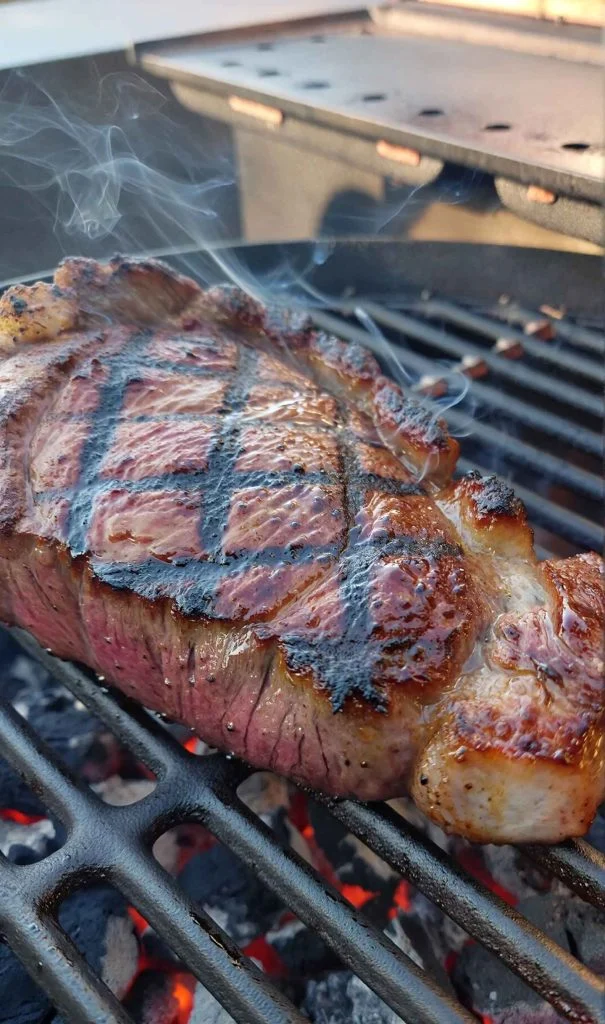
Preheat the grill thoroughly before cooking.
For charcoal grills, wait until the coals develop a light grey ash.
For gas grills, preheat with the lid closed for around 10–15 minutes.
Cook over direct heat to build colour, then move thicker cuts to indirect heat if necessary to finish gently without burning the exterior.
Step 6 – Rest Before Serving
Once cooked, transfer the beef to a warm plate or wooden board.
Resting allows juices to redistribute throughout the meat rather than flowing onto the cutting board.
Use these general resting guidelines:
- Thin steaks: 5 minutes
- Standard steaks: 8–10 minutes
- Thick steaks: 10–15 minutes
- Large roasts: 15–20 minutes
Resting is one of the simplest ways to improve juiciness without changing the recipe.
Scaling the Recipe
| Beef Weight | Wine | Olive Oil | Garlic |
|---|---|---|---|
| 500 g | 60 ml | 1 tbsp | 2 cloves |
| 1 kg | 120 ml | 2 tbsp | 3 cloves |
| 2 kg | 240 ml | ¼ cup | 5 cloves |
| 3 kg | 360 ml | ⅓ cup | 7 cloves |
Maintaining ingredient ratios is more important than simply increasing quantities.
Restaurant Preparation Workflow
Professional Kitchen Process Used for Consistent Restaurant-Quality Results
| Stage | Objective | Professional Actions | Success Indicator |
|---|
| 1. Beef Selection | Match beef to cooking method | Choose ribeye, striploin, sirloin, flank or brisket based on the planned barbecue style | Well-marbled beef with bright colour and firm texture |
| 2. Wine Selection | Build flavour foundation | Select a dry Cabernet Sauvignon, Merlot, Shiraz or Malbec appropriate for the beef cut | Balanced acidity without excessive sweetness |
| 3. Marinade Preparation | Create flavour balance | Whisk wine, olive oil, garlic, herbs and seasonings until fully emulsified | Smooth, evenly blended marinade |
| 4. Controlled Marination | Develop flavour without over-tenderising | Refrigerate using the recommended marinating time for the chosen cut | Beef remains firm with aromatic herb fragrance |
| 5. Grill Preparation | Establish stable cooking conditions | Fully preheat charcoal or gas grill and prepare direct and indirect heat zones | Cooking grate is hot enough for immediate searing |
| 6. Precision Grilling | Build crust while preserving moisture | Sear over direct heat, then finish using indirect heat if required | Even caramelised crust with desired internal temperature |
| 7. Resting & Serving | Maximise juiciness | Rest the beef before slicing, cut across the grain and serve immediately | Juicy slices with minimal moisture los |
Following the same workflow each time produces more consistent results than relying on timing alone.
Professional Chef Tips
Balance Salt Carefully
If marinating overnight, slightly reduce the salt. Longer exposure allows seasoning to penetrate more effectively, and excessive salt can draw out moisture before grilling.
Slice Against the Grain
For cuts such as flank steak, skirt steak and hanger steak, always slice across the grain after resting. This shortens the muscle fibres and creates a noticeably more tender bite.
Reserve Fresh Herbs for Serving
Adding a small amount of freshly chopped rosemary or thyme after grilling creates brighter aromas than relying entirely on herbs cooked in the marinade.
Comparison Table – Container Choice for Marinating
| Container | Recommended | Why |
|---|---|---|
| Glass dish | ⭐⭐⭐⭐⭐ | Non-reactive and easy to clean |
| Food-safe zip bag | ⭐⭐⭐⭐⭐ | Excellent surface contact with less marinade |
| Stainless steel bowl | ⭐⭐⭐⭐☆ | Durable and non-reactive |
| Ceramic dish | ⭐⭐⭐⭐☆ | Suitable if glaze is intact |
| Aluminium container | ⭐☆☆☆☆ | Can react with acidic wine and affect flavour |
Best Red Wines for BBQ Beef Marinades
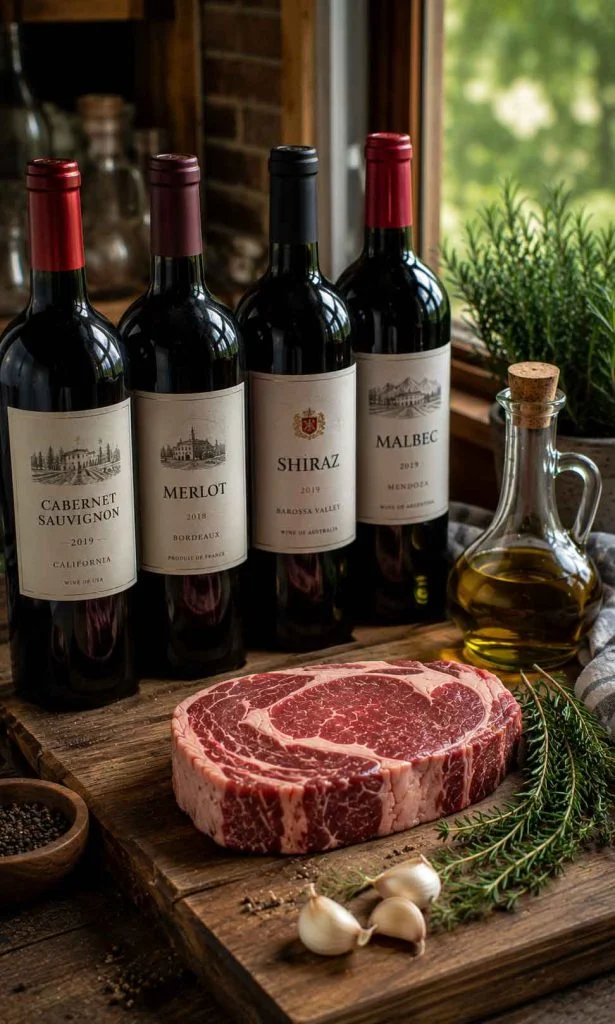
The best wine for a beef marinade is not necessarily the most expensive bottle on the shelf. During cooking, subtle tasting notes found in premium wines become far less noticeable, while acidity, tannins and fruit character continue influencing flavour development.
For barbecue, choose a dry, medium- to full-bodied red wine with balanced acidity. These wines provide structure without overpowering the natural flavour of the beef.
Cabernet Sauvignon
Cabernet Sauvignon is often considered the benchmark for red wine beef marinades.
Its firm tannins and black fruit flavours pair exceptionally well with richly marbled steaks.
Best for
- Ribeye
- Striploin
- T-bone
- Porterhouse
Flavour Profile
- Blackcurrant
- Cedar
- Mild spice
- Structured finish
Merlot
Merlot produces a smoother, rounder marinade with softer tannins.
It works particularly well when cooking for families or anyone who prefers a less intense wine flavour.
Best for
- Sirloin
- Rump
- Chuck steak
- Everyday grilling
Shiraz (Syrah)
Shiraz develops bold peppery notes that naturally complement charcoal grilling.
When grilled over hardwood charcoal, Shiraz marinades often produce deeper smoky flavours.
Best for
- Brisket
- Beef ribs
- Flank steak
- Skirt steak
Malbec
Malbec offers dark fruit flavours with moderate tannins and excellent balance.
It is particularly popular in South American barbecue traditions because it complements grilled beef without becoming overly acidic.
Best for
- Skirt steak
- Flank steak
- Hanger steak
- Picanha
Pinot Noir
Although lighter than other red wines, Pinot Noir can work surprisingly well with premium lean beef cuts.
Its delicate fruit profile enhances rather than masks naturally tender meat.
Best for
- Beef tenderloin
- Eye fillet
- Lean steaks
Wine Comparison Guide
| Wine | Body | Tannin | Acidity | Best Beef Cuts | Overall Rating |
|---|---|---|---|---|---|
| Cabernet Sauvignon | Full | High | Medium | Ribeye, Striploin | ⭐⭐⭐⭐⭐ |
| Merlot | Medium | Medium | Medium | Sirloin, Rump | ⭐⭐⭐⭐☆ |
| Shiraz | Full | Medium | Medium | Brisket, Beef Ribs | ⭐⭐⭐⭐⭐ |
| Malbec | Medium-Full | Medium | Medium | Skirt, Flank | ⭐⭐⭐⭐⭐ |
| Pinot Noir | Light | Low | Medium | Tenderloin | ⭐⭐⭐⭐☆ |
Wines You Should Avoid
Not every red wine is suitable for marinating beef.
Some varieties introduce excessive sweetness, bitterness or acidity that can overpower the meat.
Sweet Red Wines
Highly sweet wines burn more easily on the grill due to their elevated sugar content.
They may also produce an unpleasant sticky coating on the beef.
Cooking Wine
Many commercial cooking wines contain excessive salt and preservatives.
Fresh table wine almost always delivers cleaner flavour.
Very Old Premium Wines
Mature wines are designed for drinking rather than cooking.
Their delicate characteristics disappear during grilling, making them poor value for marinades.
Sparkling Wines
Carbonation provides little benefit during marination and the flavour profile generally lacks the body needed for beef.
Common Wine Selection Mistakes
Avoid these common mistakes:
- Choosing wine solely based on price.
- Using heavily oaked wines with delicate cuts.
- Selecting sweet wines for high-temperature grilling.
- Assuming leftover wine automatically makes a good marinade.
- Using oxidised wine that has been open for too many days.
Fresh, inexpensive dry table wine usually produces better barbecue results than expensive bottles saved for special occasions.
Red Wine vs Other Popular Marinades
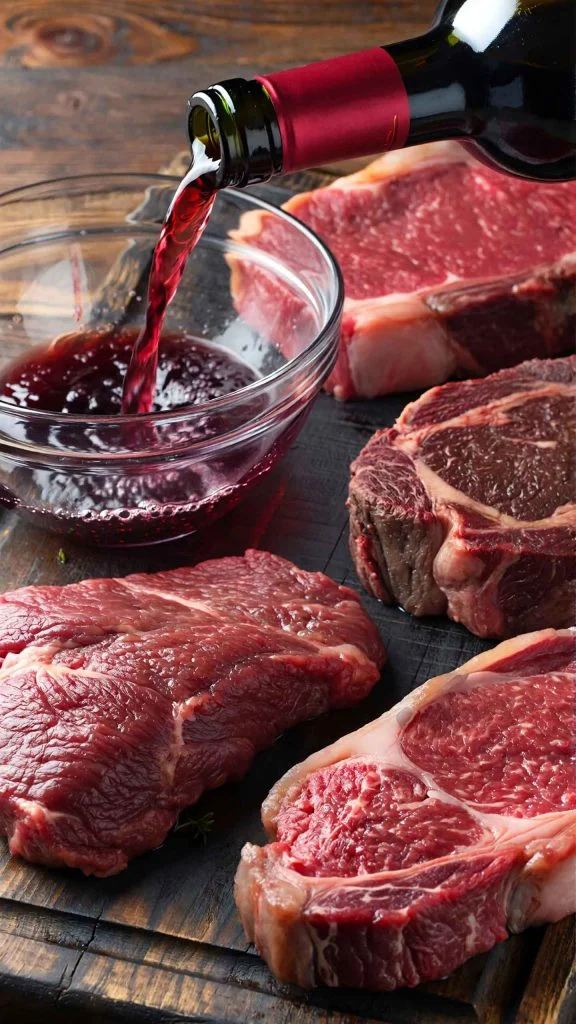
Every marinade creates a different cooking experience.
Understanding their strengths helps you select the right option for each barbecue.
| Marinade Type | Tenderising | Flavour Depth | Caramelisation | Best For |
|---|---|---|---|---|
| Red Wine | ⭐⭐⭐⭐☆ | ⭐⭐⭐⭐⭐ | ⭐⭐⭐⭐⭐ | Premium steaks |
| Beer | ⭐⭐⭐☆☆ | ⭐⭐⭐⭐☆ | ⭐⭐⭐⭐☆ | Brisket, Chuck |
| Whiskey | ⭐⭐⭐☆☆ | ⭐⭐⭐⭐⭐ | ⭐⭐⭐⭐☆ | Smoked beef |
| Balsamic Vinegar | ⭐⭐⭐⭐☆ | ⭐⭐⭐⭐☆ | ⭐⭐⭐⭐⭐ | Sirloin |
| Dry Rub Only | ⭐☆☆☆☆ | ⭐⭐⭐⭐⭐ | ⭐⭐⭐⭐⭐ | Reverse-seared steaks |
Red wine remains one of the most balanced options because it combines moderate acidity with excellent flavour development.
Cooking Temperature Guide
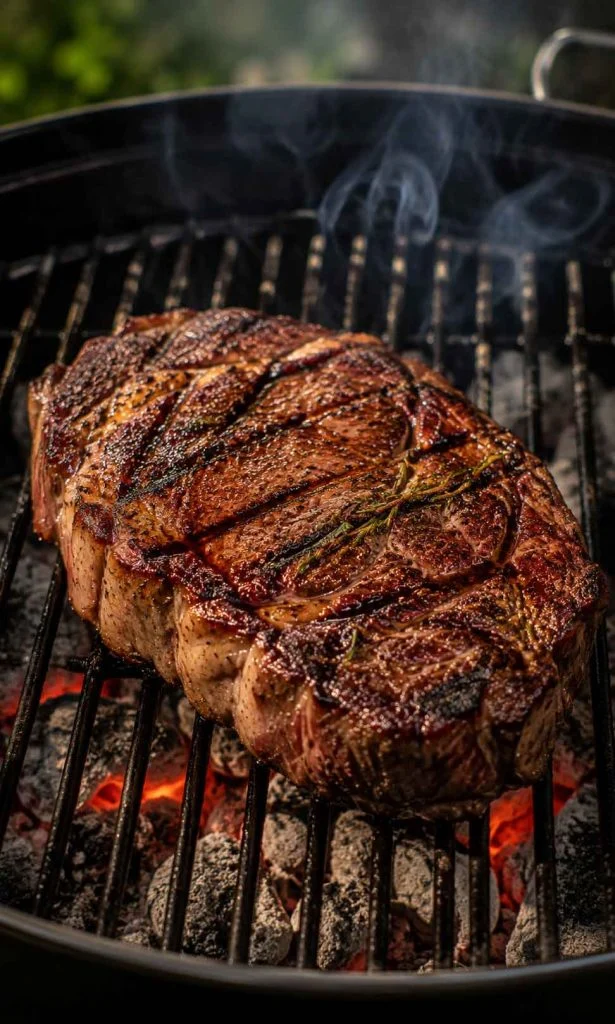
Cooking temperature has a greater impact on tenderness than marinating time alone.
Always cook according to the internal temperature rather than relying only on cooking time.
| Doneness | Internal Temperature | Appearance |
|---|---|---|
| Rare | 49–52°C | Cool red centre |
| Medium Rare | 54–57°C | Warm red centre |
| Medium | 60–63°C | Warm pink centre |
| Medium Well | 65–68°C | Slight pink |
| Well Done | 71°C+ | Fully cooked |
Remove steaks approximately 2–3°C before the target temperature because residual heat continues cooking the meat while it rests.
Wood Smoke Pairing Guide
Matching wood smoke with the wine marinade creates another layer of flavour often overlooked by home cooks.
| Wood | Smoke Strength | Best Wine | Best Beef |
|---|---|---|---|
| Oak | Medium | Cabernet Sauvignon | Ribeye |
| Hickory | Strong | Shiraz | Brisket |
| Apple | Mild | Pinot Noir | Tenderloin |
| Cherry | Medium | Merlot | Sirloin |
| Pecan | Medium | Malbec | Flank Steak |
Professional barbecue restaurants frequently pair specific hardwoods with different marinades to produce consistent flavour profiles rather than relying on whichever fuel happens to be available.
Should You Reuse Marinade?
Raw marinade should never be served directly as a sauce after it has contacted uncooked beef.
If you wish to use it later:
- Reserve a separate portion before adding raw meat, or
- Boil the used marinade vigorously for several minutes before serving.
This simple food safety practice greatly reduces the risk of harmful bacteria while preserving the intended flavour.
Professional Perspective
Andrew Keller – Cooking Process Reviewer: Professional kitchens often think in flavour pairings rather than individual ingredients. Selecting a Cabernet Sauvignon for a richly marbled ribeye or a Malbec for flank steak creates a more balanced final dish than simply using the same wine for every cut. Matching wine, beef and cooking method together is one of the easiest ways to elevate home barbecue results.
Hidden Expert Tips
Choose Wine You Would Actually Drink
A simple rule used by many chefs is to avoid cooking with wine you wouldn’t enjoy drinking. Clean, well-balanced table wines generally produce better marinades than heavily processed cooking wines.
Let the Grill Fully Preheat
Placing marinated beef onto a grill that hasn’t reached cooking temperature often causes sticking, uneven browning and excessive moisture loss. Allow enough time for the cooking grate to become thoroughly hot before adding the meat.
Don’t Continuously Flip the Steak
Frequent turning prevents a proper crust from forming. Let each side develop a rich caramelised surface before flipping.
Common Red Wine BBQ Marinade Mistakes
Even an excellent recipe can produce disappointing results if a few fundamental cooking principles are overlooked. Professional chefs focus on controlling every stage of the process, from ingredient selection to resting the meat after grilling. These small details often determine whether a steak turns out exceptionally juicy or unnecessarily dry.
Mistake 1: Marinating for Too Long
Longer is not always better.
After approximately 24 hours, the acidity in the wine begins affecting the outer texture of the beef more aggressively. Instead of becoming more tender, the surface may develop a slightly soft or mushy texture while masking the meat’s natural flavour.
Better approach
- Premium steaks: 4–8 hours
- Lean cuts: 6–12 hours
- Tougher cuts: 12–24 hours
Mistake 2: Using Too Much Wine
Wine should enhance the marinade rather than dominate it.
An excessive amount of wine increases acidity while reducing the balance provided by oil, herbs and seasonings.
A balanced marinade always produces more consistent results than one dominated by a single ingredient.
Mistake 3: Skipping the Drying Step
Many home cooks transfer beef directly from the marinade onto the grill.
Excess liquid creates steam before browning begins, making it harder to develop the rich caramelised crust associated with premium steak.
Instead, gently pat the surface dry while leaving the herbs and seasonings attached.
Mistake 4: Cooking Straight from the Refrigerator
Very cold meat cooks unevenly.
Allow the beef to rest at room temperature for approximately 20–30 minutes before grilling.
This helps the steak cook more evenly from edge to centre.
Mistake 5: Overcrowding the Grill
Leaving too little space between steaks reduces airflow and heat circulation.
Each piece should have enough room for proper browning.
Professional grill chefs almost always cook in batches rather than overcrowding the cooking surface.
Mistake 6: Cutting Immediately After Cooking
Freshly grilled beef continues redistributing its juices while resting.
Cutting immediately causes valuable juices to escape onto the cutting board instead of remaining inside the meat.
Resting is one of the easiest improvements any home cook can make.
ExpertsGuys Professional BBQ Workflow™
Professional kitchens rely on repeatable systems rather than guesswork.
Follow this workflow every time for consistently better barbecue beef.
| Phase | Focus | Professional Decision | Why It Matters |
|---|---|---|---|
| 🥩 Selection | Beef & Wine | Match the beef cut with a suitable dry red wine | Creates the flavour foundation |
| 🌿 Preparation | Marinade | Balance wine, oil, herbs and seasonings | Produces consistent flavour development |
| ⏱ Timing | Marination | Use the correct marinating duration for the specific cut | Prevents under- or over-marinating |
| 🔥 Cooking | Grill Management | Preheat correctly and control direct/indirect heat | Builds a rich crust while keeping the centre juicy |
| 🌡 Precision | Temperature | Cook by internal temperature rather than cooking time | Delivers reliable doneness every time |
| 🪵 Resting | Juice Retention | Allow adequate resting before slicing | Keeps juices inside the meat |
| 🍷 Serving | Presentation | Pair with complementary wine and side dishes | Completes the restaurant-quality dining experience |
This workflow reduces common cooking mistakes while improving flavour, tenderness and consistency.
Best Side Dishes for Red Wine BBQ Beef
A rich beef marinade pairs best with side dishes that provide freshness, texture or subtle sweetness.
| Side Dish | Why It Works |
|---|---|
| Garlic mashed potatoes | Creamy texture balances the rich beef |
| Grilled asparagus | Fresh flavour complements smoky barbecue |
| Roasted mushrooms | Enhances earthy wine characteristics |
| Charred corn | Natural sweetness balances savoury beef |
| Garden salad | Adds freshness and acidity |
| Roasted root vegetables | Excellent with winter barbecue |
| Garlic butter bread | Perfect for absorbing resting juices |
Wine Pairing After Cooking
Serving the right wine alongside the finished meal creates a more complete dining experience.
| Beef Cut | Recommended Wine |
|---|---|
| Ribeye | Cabernet Sauvignon |
| Striploin | Cabernet Sauvignon |
| Sirloin | Merlot |
| Tenderloin | Pinot Noir |
| Brisket | Shiraz |
| Flank Steak | Malbec |
| Beef Short Ribs | Shiraz |
Matching the serving wine to the marinade creates flavour continuity throughout the meal.
Storage Guidelines
Proper storage preserves both food quality and safety.
Raw Marinated Beef
- Refrigerate immediately.
- Store in an airtight container.
- Use within 24 hours for best results.
Cooked Beef
- Cool before refrigerating.
- Store in sealed containers.
- Consume within three to four days.
Freezing
Marinated beef freezes remarkably well.
Freeze before cooking for the best quality.
Label each package with:
- Beef cut
- Marinating date
- Planned cooking date
This simplifies meal planning while reducing food waste.
Meal Preparation Planner
Prepare Once, Enjoy Restaurant-Quality BBQ Throughout the Week
| Preparation Stage | What to Do | Professional Purpose | Recommended Timing |
|---|
| 🛒 Shopping | Buy fresh beef, herbs and a dry red wine | Ensures maximum freshness and flavour | 1–2 days before cooking |
| 🧄 Ingredient Prep | Mince garlic, chop herbs and measure seasonings | Speeds up preparation and improves consistency | Same day |
| 🍷 Mix Marinade | Whisk wine, olive oil and seasonings until fully blended | Creates an evenly balanced marinade | 10–15 minutes |
| 🥩 Portion Beef | Divide beef into meal-sized portions | Makes future cooking easier and reduces waste | Before marinating |
| ❄️ Marinate | Refrigerate using the recommended marinating time | Develops flavour while protecting food safety | 4–24 hours |
| 🧊 Freeze (Optional) | Vacuum seal or freeze in airtight bags | Extends storage life while preserving quality | Up to 3 months |
| 🔥 Cook & Serve | Grill to the correct internal temperature and rest before slicing | Produces tender, juicy restaurant-quality beef | Cooking day |
Weekly BBQ Meal Prep Schedule
| Day | Preparation | Time Required |
|---|---|---|
| Sunday | Shop for ingredients and prepare the marinade | 30–45 minutes |
| Sunday Evening | Marinate or freeze portioned beef | 15 minutes |
| Weekday BBQ | Defrost overnight (if frozen) | No active work |
| Dinner Time | Grill, rest and serve | 20–30 minutes |
Freezer Meal Planner
| Beef Cut | Freeze After Marinating | Recommended Storage |
|---|---|---|
| Ribeye | ✅ | Up to 3 months |
| Striploin | ✅ | Up to 3 months |
| Sirloin | ✅ | Up to 3 months |
| Flank Steak | ✅ | Up to 2 months |
| Beef Ribs | ✅ | Up to 3 months |
| Brisket | ✅ | Up to 3 months |
Before Freezing Checklist
☐ Beef has been portioned into meal-size servings.
☐ Marinade completely coats every surface.
☐ Excess air removed from freezer bag.
☐ Package labelled with:
- Beef cut
- Marinating date
- Freezing date
- Recommended cooking method
☐ Store flat for faster freezing and easier stacking.
This approach saves preparation time while maintaining excellent flavour.
Creative Leftover Ideas
Properly cooked barbecue beef rarely goes to waste.
Try using leftovers in:
- Gourmet steak sandwiches
- Beef tacos
- Grain bowls
- Steak salads
- Fried rice
- Pasta dishes
- Loaded baked potatoes
- Breakfast steak and eggs
Because the beef has already developed rich flavour during marination, leftovers often require very little additional seasoning.
Cost Comparison
Preparing premium barbecue beef at home often delivers restaurant-quality flavour at a considerably lower cost.
| Option | Estimated Cost (SGD) | Servings |
|---|---|---|
| Homemade red wine BBQ beef | $35–60 | 4–6 |
| Casual steakhouse | $120–180 | 4 |
| Premium steak restaurant | $250–450 | 4 |
Besides reducing costs, home preparation allows complete control over ingredient quality, seasoning and cooking preferences.
Professional Perspective
Andrew Keller – Cooking Process Reviewer: The most consistent home barbecue results come from following a repeatable process rather than chasing complicated recipes. Selecting the correct beef cut, balancing the marinade, controlling cooking temperature and allowing adequate resting time will almost always have a greater impact than adding more ingredients.
ExpertsGuys Decision Checklist
Before lighting the grill, confirm the following:
✅ Selected a dry red wine rather than cooking wine.
✅ Chosen the correct marinating time for the beef cut.
✅ Prepared a balanced marinade with oil, herbs and seasoning.
✅ Refrigerated the beef throughout marination.
✅ Removed excess surface moisture before grilling.
✅ Fully preheated the grill.
✅ Used a meat thermometer for accurate doneness.
✅ Rested the beef before slicing.
Completing these simple steps dramatically increases the likelihood of producing tender, flavourful barbecue beef.
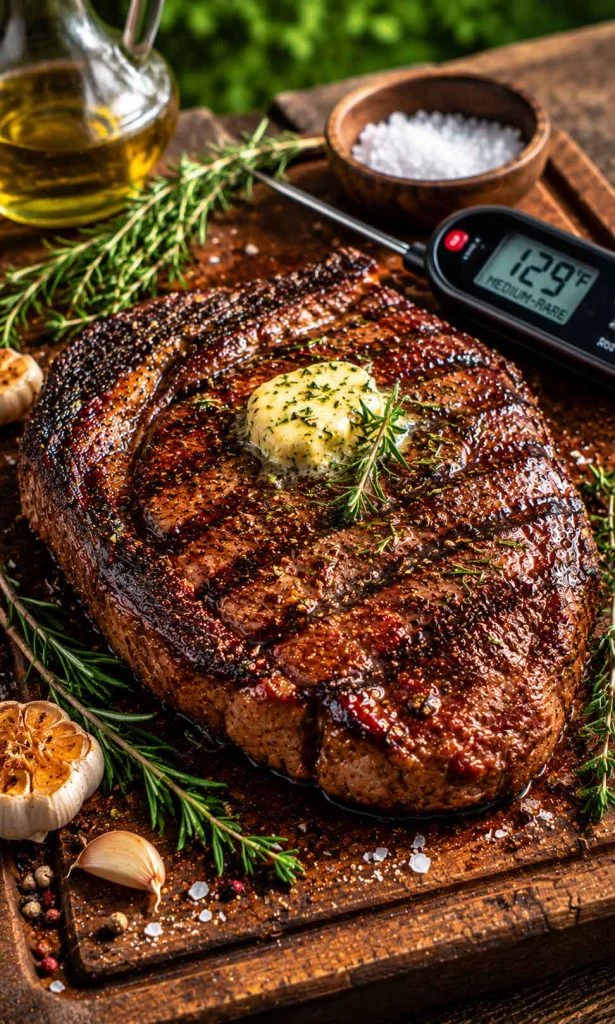
Red Wine BBQ Beef Marinade Recipe Card
Best Beef Cuts
Ribeye, striploin, sirloin, flank steak, skirt steak, chuck steak, beef ribs and brisket all work well with this red wine BBQ marinade when the marinating time is adjusted correctly.
Equipment Needed
- Large mixing bowl
- Whisk
- Measuring cups and spoons
- Glass dish or food-safe zip bag
- Tongs
- Charcoal or gas grill
- Meat thermometer
- Sharp slicing knife
Quick Ingredient Checklist
- Dry red wine
- Olive oil
- Worcestershire sauce
- Soy sauce
- Dijon mustard
- Brown sugar
- Fresh garlic
- Rosemary
- Thyme
- Black pepper
- Sea salt
Professional Cooking Timeline
Before You Start Checklist
- Beef is fully thawed.
- Marinade is mixed before touching raw meat.
- Grill is cleaned and ready.
- Meat thermometer is available.
- Resting board is prepared.
- Serving sides are ready before slicing.
Approximate Nutrition
Nutrition varies depending on the beef cut and how much marinade is absorbed. The marinade alone is approximately 285 calories per serving, with most calories coming from olive oil.
Summary
A well-made red wine BBQ beef marinade is about much more than simply mixing wine with herbs. The best results come from understanding how acidity, tannins, aromatics and fat work together to enhance the natural qualities of the beef rather than overpowering them.
Choosing the right wine for the beef cut, marinating for an appropriate length of time and following a consistent grilling workflow all contribute to better tenderness, richer flavour and a beautifully caramelised crust. Small details—such as patting the meat dry before grilling, preheating the barbecue properly and allowing the steak to rest before slicing—often make a greater difference than adding extra ingredients.
Whether you’re preparing a quick weeknight sirloin, an impressive ribeye for guests or slow-cooked beef ribs for a weekend barbecue, applying these professional techniques will help you achieve reliable, restaurant-quality results at home. By understanding the cooking science behind each step, you can confidently adapt the recipe to suit different beef cuts, wine styles and grilling methods while consistently producing juicy, flavourful barbecue beef.
Frequently Asked Questions
Can I use cheap red wine for a beef marinade?
Yes. A dry, affordable table wine usually works very well for beef marinades. Expensive wines lose many subtle flavours during grilling, so the best choice is a clean, dry red wine with balanced acidity rather than a premium bottle.
How long should I marinate beef in red wine?
Premium steaks such as ribeye or striploin usually need 4 to 8 hours. Leaner cuts such as flank steak or skirt steak can benefit from 6 to 12 hours, while tougher cuts such as chuck steak or beef short ribs may need 12 to 24 hours.
Can I marinate beef overnight?
Yes, but overnight marinating is best for tougher beef cuts. For naturally tender steaks, an overnight marinade may be unnecessary and can sometimes soften the surface too much if the marinade is highly acidic.
Does red wine really tenderise beef?
Red wine can gently tenderise the surface of beef because it contains mild acidity. However, marinades mainly affect the outer layers of the meat, so red wine should be used for flavour development as much as tenderness.
Should I rinse off the marinade before grilling?
No. Do not rinse the beef. Instead, gently pat the surface dry with paper towels before grilling. This removes excess liquid while keeping herbs and seasoning on the meat, helping the beef brown properly.
What is the best red wine for BBQ beef marinade?
Cabernet Sauvignon, Merlot, Shiraz and Malbec are strong choices for BBQ beef marinades. Cabernet Sauvignon works especially well with ribeye and striploin, while Malbec and Shiraz pair nicely with flank steak, skirt steak and beef ribs.
Can I reuse leftover marinade as a sauce?
Only if it is handled safely. Marinade that has touched raw beef should not be served directly. Reserve a clean portion before adding the beef, or boil the used marinade thoroughly before serving it as a sauce.
Why did my steak not develop a good crust?
The most common reasons are excess marinade left on the surface, a grill that was not hot enough, flipping the steak too often, or cooking the beef straight from the refrigerator. Patting the steak dry and preheating the grill properly will improve browning.
Can I freeze beef in red wine marinade?
Yes. Beef can be frozen in red wine marinade before cooking. Use an airtight freezer-safe bag or container, label it with the date and beef cut, then thaw it safely in the refrigerator before grilling.
Can children eat beef cooked with red wine marinade?
Some alcohol may remain depending on cooking time and temperature. If you are cooking for children, pregnant guests or anyone avoiding alcohol for medical, religious or personal reasons, use an alcohol-free marinade instead.
Which herbs pair best with red wine beef marinade?
Rosemary, thyme, oregano and parsley pair especially well with red wine and beef. Rosemary and thyme create a deeper savoury flavour, while parsley can be added after grilling for freshness.
Can I use this marinade for oven cooking?
Yes. The same red wine marinade can be used for oven roasting, reverse searing or slow cooking. The flavour profile remains suitable, but cooking time and temperature should be adjusted based on the beef cut and thickness.
Flavor Red Wine BBQ Beef Marinate Recipe
A simple recipe for slow cooker chicken curry will satisfy all your family’s taste buds.
Ingredients
- 1 cup red wine
- 1/4 cup olive oil
- 2 tablespoons brown sugar
- 2 tablespoons soy sauce
- 2 cloves garlic, minced
- 1 tablespoon smoked paprika
- 1/2 teaspoon black pepper
- 2 lbs beef (sirloin, flank steak, or your preferred cut)
Instructions
In a large mixing bowl, whisk together red wine, olive oil, brown sugar, soy sauce, minced garlic, smoked paprika, and black pepper.Place the beef in a large ziplock bag or covered container, and pour the marinade over the beef. Toss to coat the beef evenly with the marinade.Seal the bag or cover the container, and refrigerate for at least 1 hour or up to 24 hours.Preheat your grill or grill pan to medium-high heat.Remove the beef from the marinade, and discard the marinade.Grill the beef for 5-7 minutes on each side, or until it reaches your desired level of doneness.Remove the beef from the grill, and let it rest for 5 minutes before slicing it against the grain.
Notes
For a deeper flavor, marinate the beef for at least 6 hours, or overnight. Make sure to discard the marinade after removing the beef, as it may contain bacteria from the raw meat.
Equipment: Large mixing bowl, Whisk, Ziplock bag or covered container, Grill or grill pan.
Nutrition Information:
Yield:
4Serving Size:
1Amount Per Serving: Calories: 790Total Fat: 51gSaturated Fat: 17gTrans Fat: 1gUnsaturated Fat: 30gCholesterol: 197mgSodium: 557mgCarbohydrates: 9gFiber: 1gSugar: 6gProtein: 60g