
Many people describe crispy food as more enjoyable, fresher or even more flavourful than softer alternatives. Yet in many cases, the flavour itself changes very little. What changes dramatically is the way your senses experience the food.
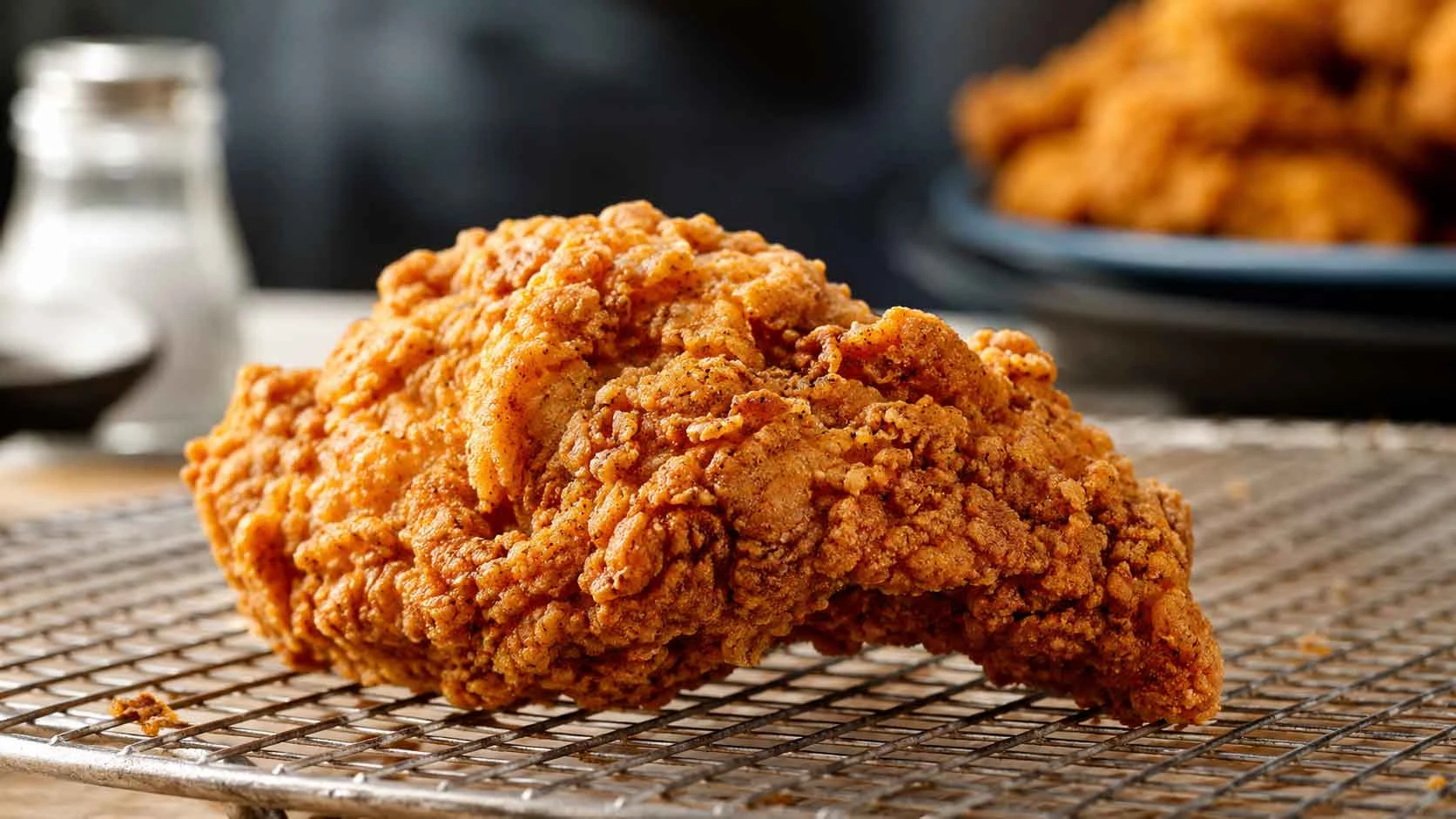
The crisp crack of freshly baked bread, the delicate crunch of fried chicken or the brittle shell of perfectly roasted potatoes all stimulate multiple senses at once. Your ears detect sound, your teeth feel resistance, and your brain combines those signals into a perception of freshness and satisfaction.
From a cooking perspective, crispness is far more than an attractive texture. It is the result of carefully controlled heat, moisture removal and structural changes inside food. Even a well-seasoned dish can lose much of its appeal if the crisp outer layer softens before serving.
Use the Crispy Food Texture Checker below to diagnose why your crispy food loses its crunch and get a personalised crispiness improvement plan.
Understanding how crispness develops—and why it disappears—helps home cooks improve consistency across everything from vegetables and pastries to meats and seafood.
Crispy foods are just one part of the wider science of eating. If you’re interested in understanding how texture, cooking methods and ingredient behaviour work together, explore our Food Basics collection.
What Makes Food Feel Crispy?
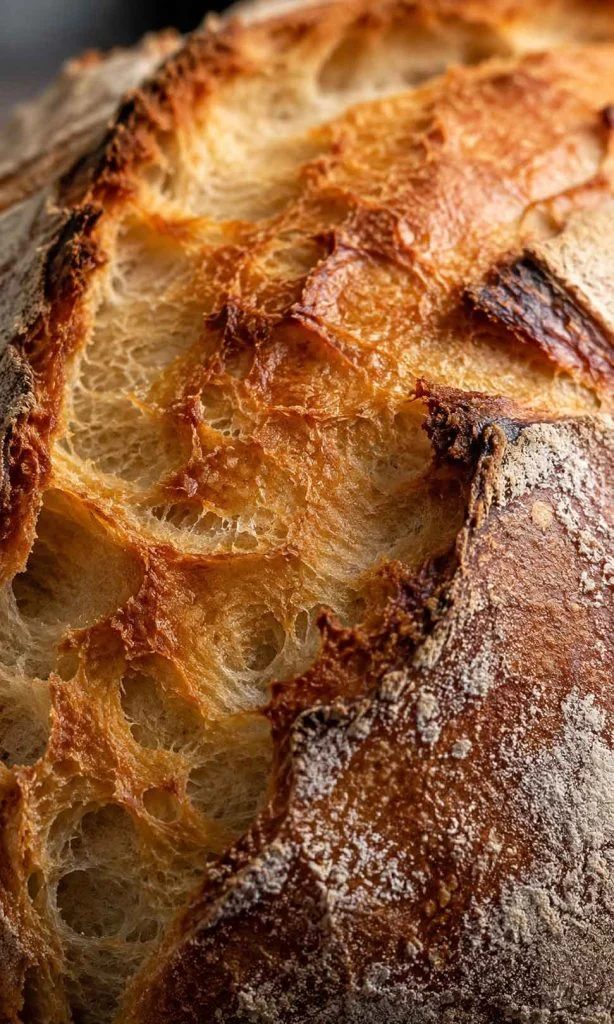
Crispness develops when the outer surface of food loses enough moisture to form a rigid, brittle structure. As water evaporates during cooking, proteins, starches or sugars harden into a thin shell that fractures easily under pressure.
Crispy Food Texture Checker
Find out why your crispy food loses its crunch, compare reheating methods, and get a personalised crispiness improvement plan.
Unlike chewy foods that deform before breaking, crispy foods shatter into many small fragments. This rapid fracture creates the distinctive sensation people associate with freshness.
Several factors influence crispness:
- Surface moisture
- Cooking temperature
- Cooking time
- Ingredient composition
- Thickness
- Oil content
- Air circulation
The balance between these variables determines whether food becomes beautifully crisp or disappointingly soggy.
Why Your Brain Enjoys Crispy Foods
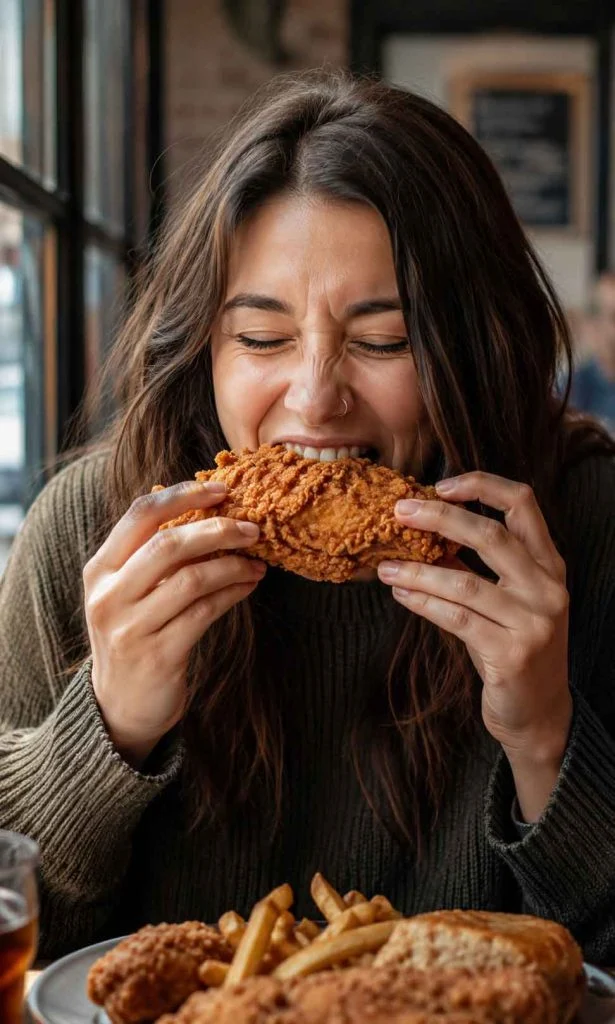
Crispy foods stimulate more than taste buds.
When you bite into something crispy, your brain simultaneously processes:
- Mechanical resistance from your teeth
- Vibrations travelling through your jaw
- High-frequency crackling sounds
- Changes in mouthfeel
- Aroma released during breaking
Together these signals convince the brain that the food is fresh and properly cooked.
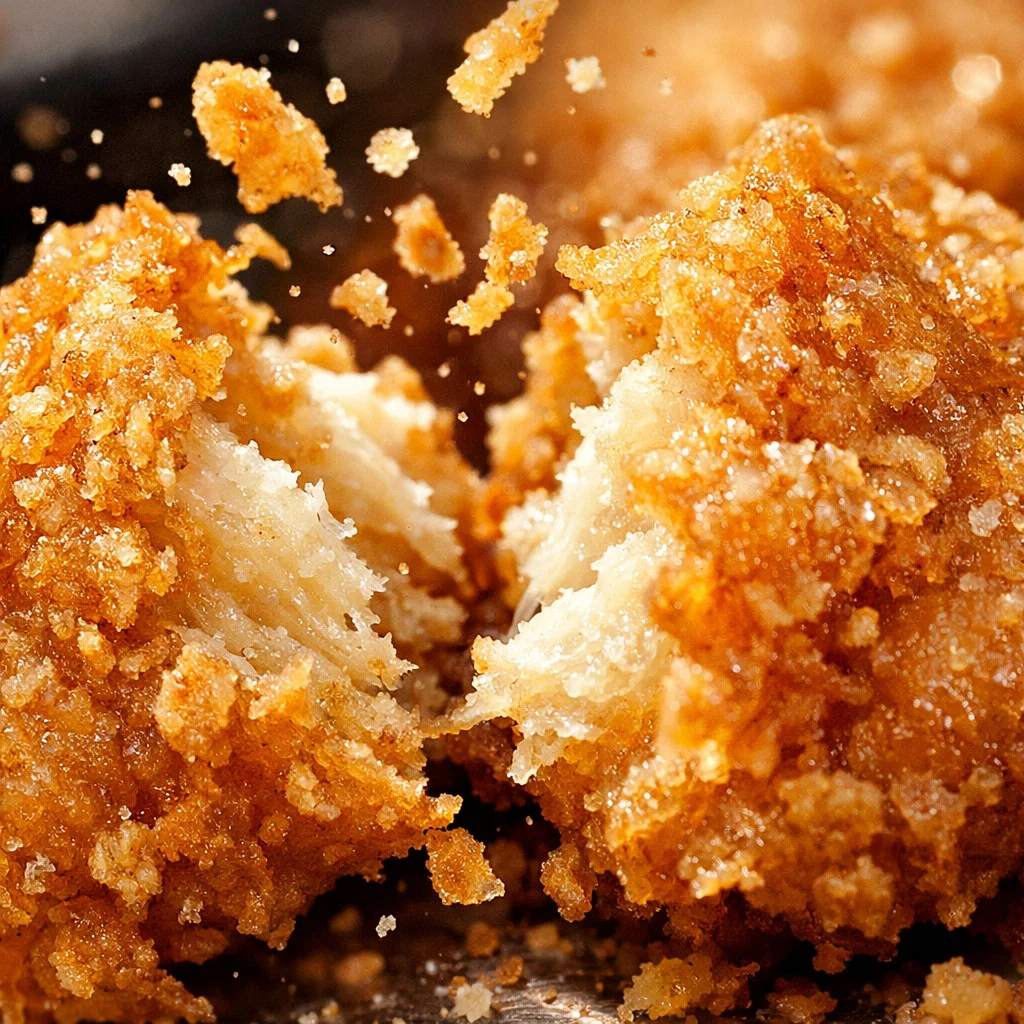
Researchers studying sensory perception have repeatedly found that people often rate identical foods as tasting better when the crunch sound is louder or clearer. The sound itself becomes part of the eating experience rather than a separate sensation.
For this reason, crispness contributes directly to perceived food quality even before flavour becomes the dominant factor.
The Role of Moisture in Crispness
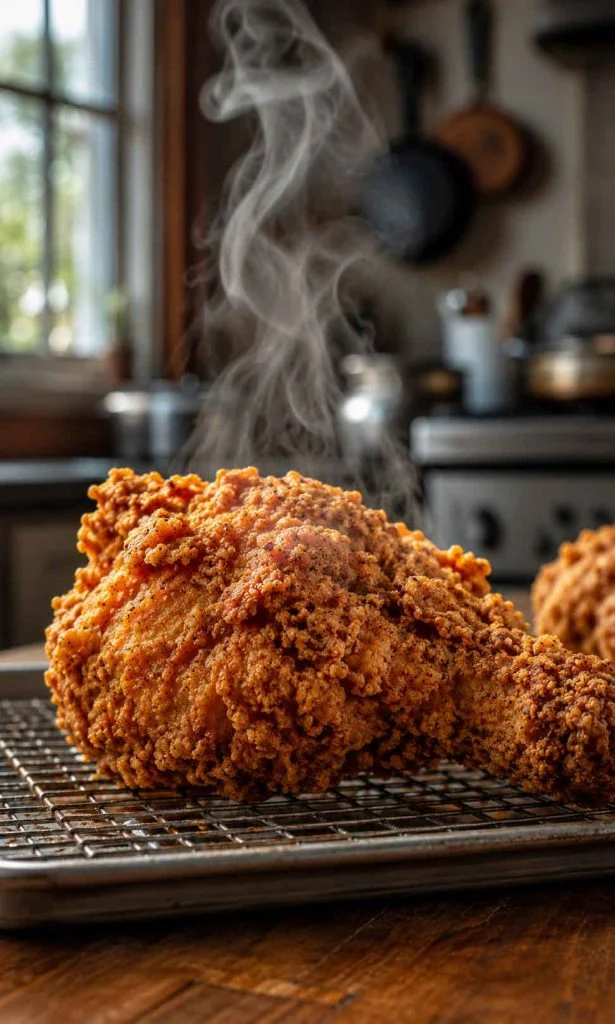
Moisture is the greatest enemy of crisp texture.
While cooking removes water from the surface, the interior of food still contains significant moisture. After cooking, steam naturally moves outward.
If that steam cannot escape, it condenses beneath the crust and gradually softens the crispy layer.
This explains why foods often lose their crunch after being:
- Covered immediately after cooking
- Stored inside sealed containers
- Left in takeaway packaging
- Microwaved
- Stacked while still hot
Professional kitchens minimise this problem by allowing steam to escape before packaging or serving.
How Moisture Affects Crispness
| Moisture Condition | Effect on Texture |
|---|
| Dry surface | Develops a crisp crust efficiently |
| Excess surface moisture | Prevents browning and crisping |
| Trapped steam | Softens the crust after cooking |
| High humidity | Reduces crispness during storage |
| Proper airflow | Helps maintain crunch for longer |
Why Sound Makes Crispy Food Taste Better
One of the most fascinating discoveries in food science is that hearing influences taste more than most people realize. When a crispy food fractures, it produces hundreds of tiny sound waves that reach your ears almost instantly. Your brain combines those sounds with the physical sensation of biting to create a richer eating experience.
This phenomenon is known as multisensory perception, where multiple senses work together to judge food quality. Rather than evaluating flavour in isolation, the brain processes sound, texture, aroma, temperature and appearance simultaneously.
A loud, clean crunch often signals that food is fresh and properly cooked. Conversely, a weak or muted crunch can make the same food seem stale or overcooked, even if its flavour has changed very little.
Professional food manufacturers pay close attention to these acoustic properties. Snack foods, breakfast cereals and crackers are frequently tested not only for taste but also for the sound they produce when eaten because consumers consistently associate louder, sharper crunches with higher quality.
How Different Cooking Methods Create Crisp Texture
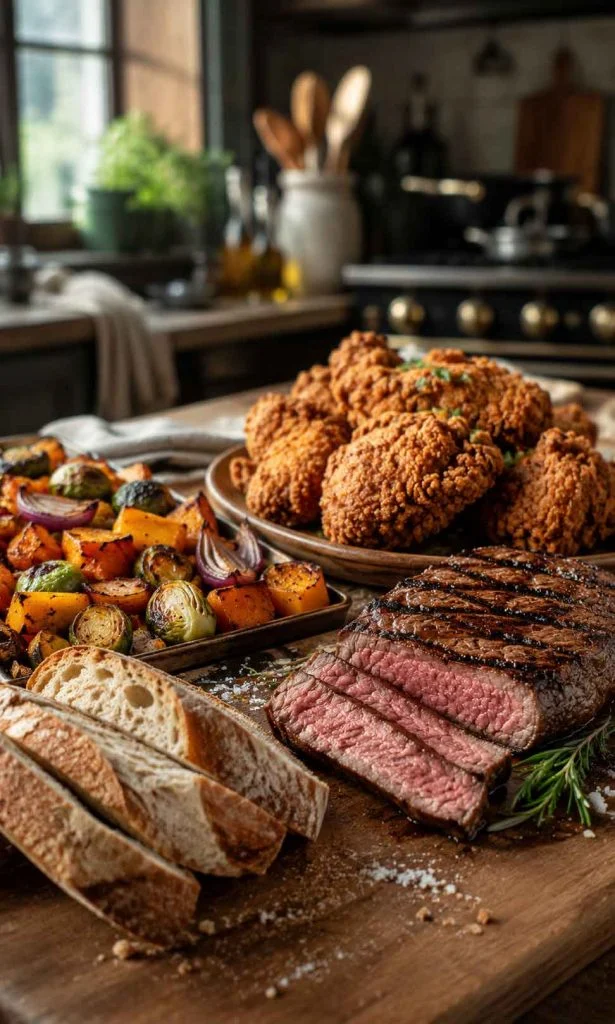
Every cooking method removes moisture differently, which explains why fried chicken, roasted potatoes and toasted bread all develop unique types of crispness. For a broader explanation of how different cooking methods change texture, it helps to compare dry heat, oil frying, steam and air circulation side by side.
Deep frying creates an intense burst of heat that rapidly evaporates surface moisture. As water escapes, a rigid crust forms while the interior remains relatively moist, producing the familiar contrast between a crispy exterior and juicy centre.
Roasting relies on hot circulating air. Although moisture leaves the surface more gradually than in frying, sufficient airflow allows vegetables, meats and potatoes to brown evenly while developing a firm outer layer.
Baking produces crispness through prolonged exposure to dry heat. Bread crusts, pastries and cookies gradually lose moisture while starches and proteins set into stable structures.
Air frying combines high-speed air circulation with intense heat. Because moving air continuously removes steam from the food’s surface, it promotes browning and crisping while using much less oil than traditional deep frying.
Grilling introduces another dimension. Direct radiant heat creates localized browning and light charring, adding both crisp edges and complex roasted flavours. However, because moisture loss can occur quickly, grilling requires careful timing to avoid drying out the interior.
Comparing Cooking Methods for Crispness
| Cooking Method | How Crispness Forms | Common Challenge |
|---|---|---|
| Deep Frying | Rapid moisture evaporation forms a rigid crust. | Oil temperature dropping too low creates greasy food. |
| Air Frying | Fast-moving hot air continuously dries the surface. | Overcrowding limits airflow. |
| Roasting | Dry oven heat slowly removes surface moisture. | Excess moisture from vegetables can slow browning. |
| Baking | Starches and proteins set while the surface dries. | Incorrect dough hydration affects crust quality. |
| Grilling | Direct radiant heat browns and lightly chars the surface. | High heat can dry the interior before the crust develops. |
Why Some Foods Stay Crispy Longer Than Others
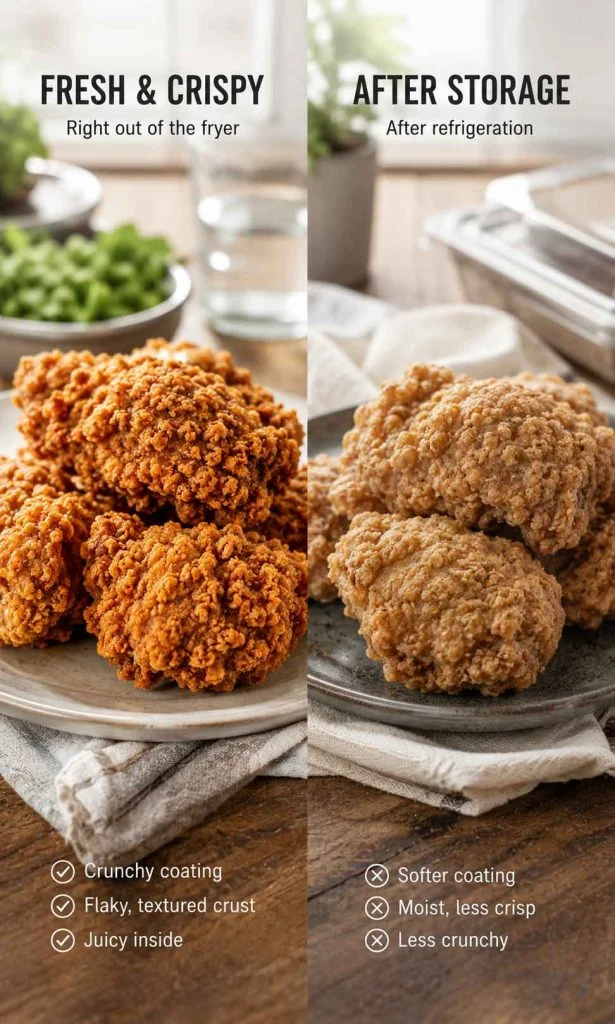
Not every crispy food behaves the same after cooking because each ingredient stores and releases moisture differently.
Foods with naturally low water content, such as crackers and potato chips, remain crisp for extended periods because there is very little internal moisture available to soften their structure.
Freshly fried foods face a greater challenge. Although their surfaces become crisp during cooking, steam continues moving from the hotter interior toward the cooler crust after cooking stops. Unless that moisture escapes quickly, the crust gradually absorbs it and softens.
Batters and coatings also influence durability. A thin, well-developed coating allows moisture to escape more effectively, while thick batters can trap steam beneath the surface and shorten the period during which food remains crisp.
Environmental humidity plays an equally important role. On humid days, crispy foods absorb moisture directly from the surrounding air, explaining why crackers, cereal and fried snacks often lose their crunch more quickly after opening.
By understanding these factors, home cooks can choose cooking methods, coatings and storage techniques that preserve crispness for as long as possible.
Common Mistakes That Ruin Crispness
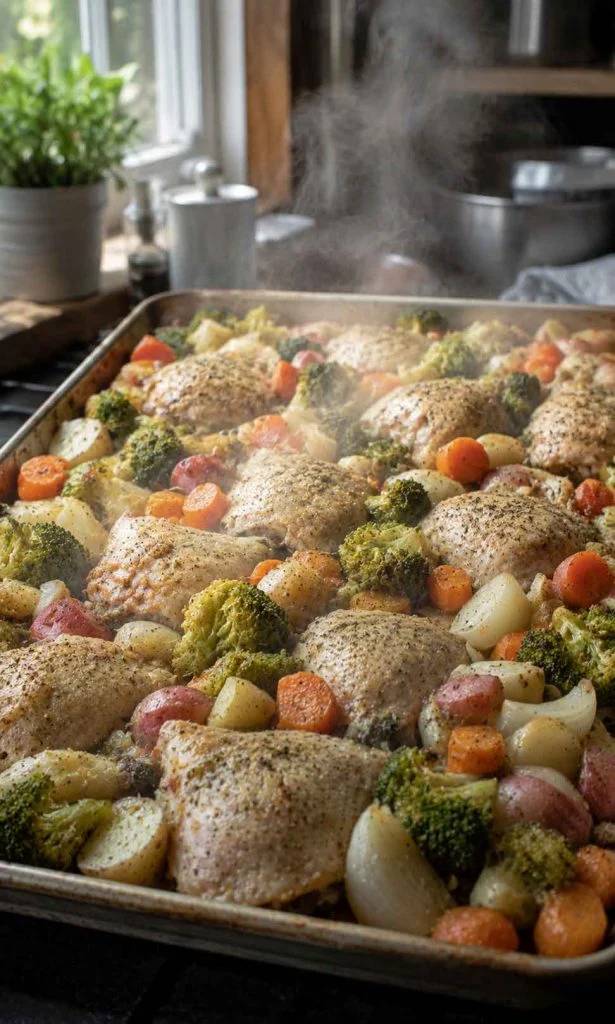
Many home cooks assume that crispness depends solely on cooking at a higher temperature. In reality, the most common problems occur before or after the cooking process rather than during it.
One of the biggest mistakes is placing wet ingredients directly into a hot oven or fryer. Excess surface moisture must evaporate before browning can begin, meaning food spends more time steaming than crisping. Patting ingredients dry with paper towels before cooking often produces a noticeably crispier result.
Overcrowding is another frequent issue. Whether using an oven, air fryer or frying pan, packing food too closely together restricts airflow and traps steam. Instead of developing an evenly browned surface, neighbouring pieces release moisture into one another, preventing proper crust formation.
Incorrect oil temperature can also affect crispness. Oil that is too cool allows food to absorb more oil before the outer layer has time to set, resulting in a greasy texture. Oil that is excessively hot may brown the surface too quickly while leaving the interior undercooked.
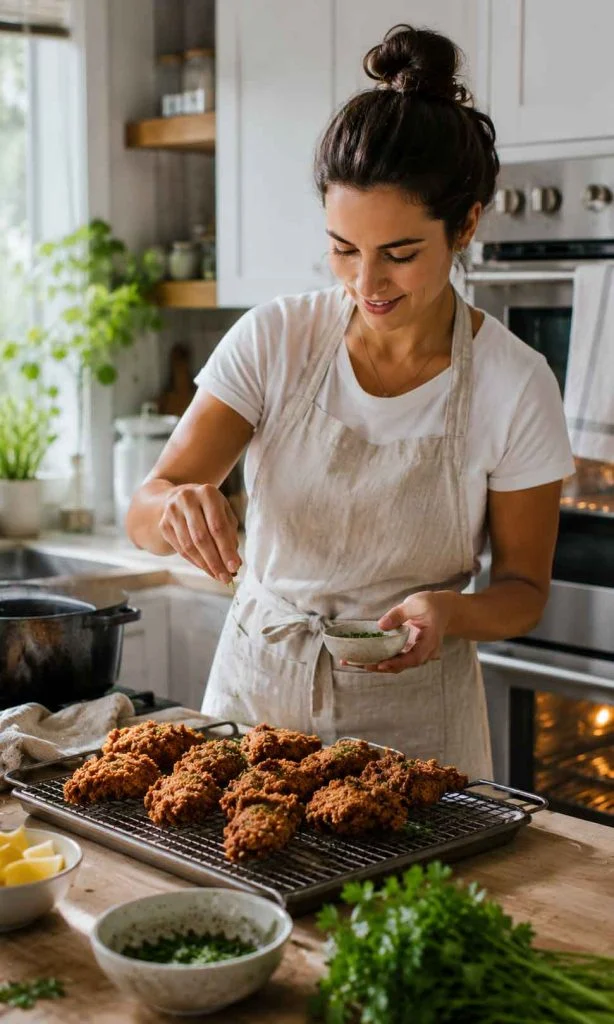
Many people also cover food immediately after cooking. Although this helps retain warmth, it also traps steam, which condenses beneath the crispy surface and rapidly softens it. Restaurants often place fried foods on wire racks or ventilated trays for exactly this reason.
Finally, reheating methods matter. Microwaves heat water molecules very efficiently, making them convenient but often unsuitable for foods where crispness is important. Ovens, air fryers and skillets generally restore texture much more effectively because they remove surface moisture while reheating.
How to Keep Food Crispy at Home
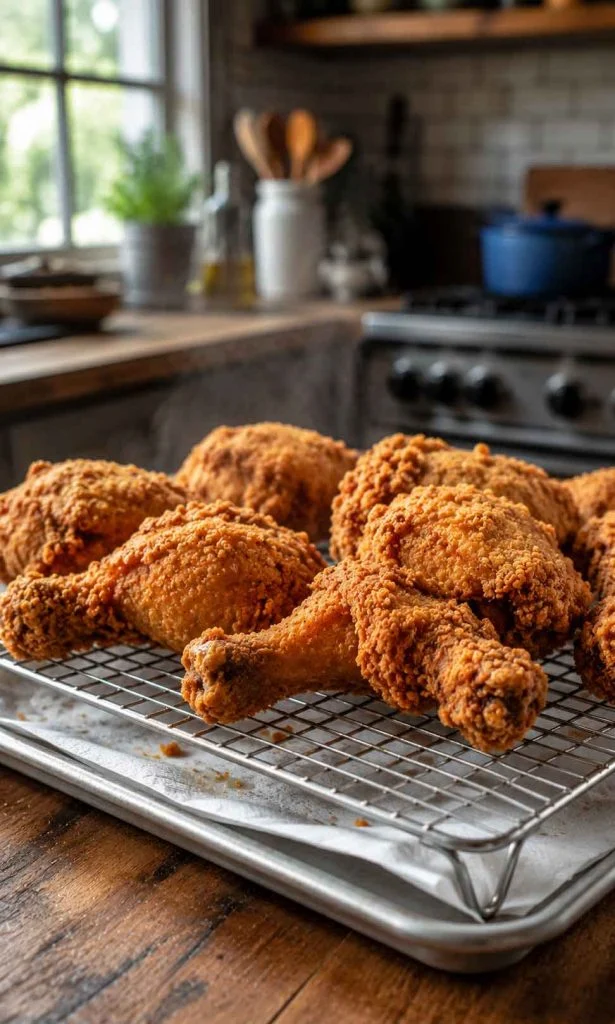
Creating crisp food is only half the challenge. Preserving that texture until serving often requires just as much attention.
The simplest technique is allowing air to circulate freely around freshly cooked food. Wire cooling racks are particularly useful because they prevent steam from collecting underneath. Unlike solid plates or trays, racks expose both sides of the food to moving air, helping the crust remain dry.
Serving food immediately after cooking is another effective strategy. Crispness naturally declines as moisture migrates from the interior toward the surface, so the longest-lasting results are usually achieved when food reaches the table without unnecessary delay.
Ingredient preparation also makes a noticeable difference. Drying vegetables thoroughly before roasting, chilling breaded foods before frying and avoiding excess marinade on the surface all improve the likelihood of forming a stable crust.
Storage should also be considered. Fried foods, pastries and roasted vegetables stored in airtight containers while still warm will almost always soften because trapped steam has nowhere to escape. Allowing food to cool slightly before storage reduces condensation and preserves texture more effectively.
When leftovers need reheating, choose methods that restore dry surface heat. Air fryers, convection ovens and cast-iron skillets generally outperform microwaves because they encourage moisture evaporation while warming the food.
Small adjustments like these often produce greater improvements than changing recipes or buying specialised equipment.
Crispy Texture Is More Than Just Crunch
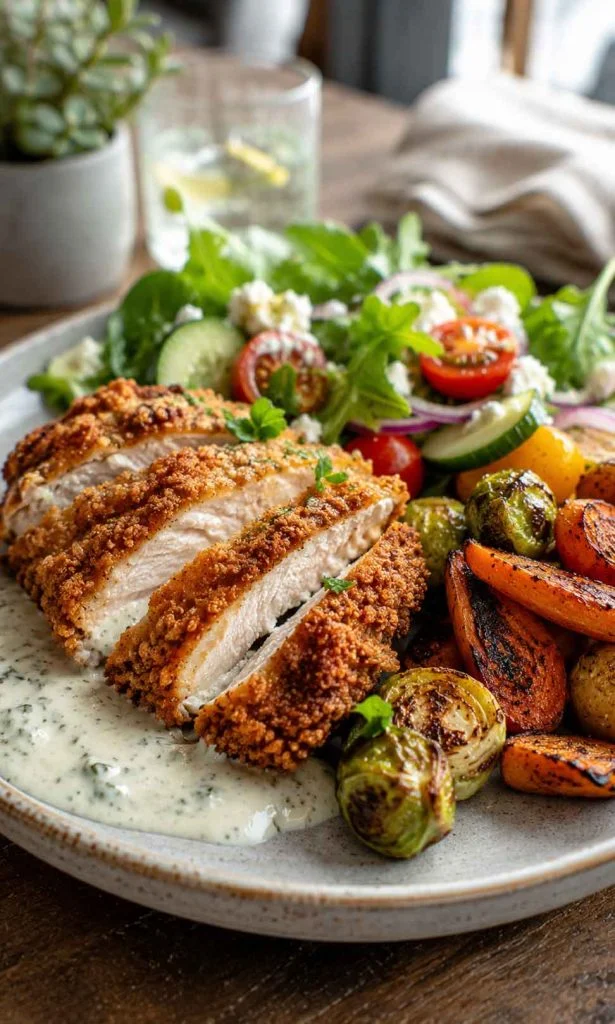
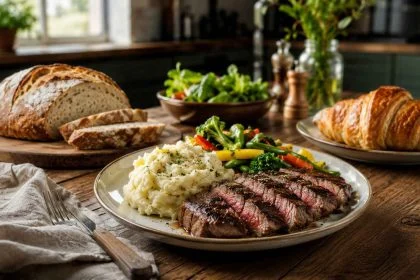
Although crispness is often associated with snacks and fried foods, the same principles influence a wide variety of dishes. Artisan bread depends on a well-developed crust to provide contrast against a soft crumb. Roasted vegetables become more appealing when caramelised edges add texture. Even grilled meats benefit from a lightly crisp exterior that contrasts with a juicy centre.
Professional chefs frequently design dishes around this concept of texture contrast. Rather than relying on a single texture, they combine crisp, creamy, tender and juicy elements to create meals that remain interesting from the first bite to the last.
Understanding how crispness develops therefore helps improve much more than fried foods. It strengthens overall cooking technique, making everyday meals feel fresher, more balanced and more satisfying.
Curious which textures you naturally enjoy most? Try the Food Texture Satisfaction Checker to discover your texture personality, identify common cooking challenges and receive personalised recommendations.
Conclusion
Crispy food feels satisfying because it engages several senses simultaneously. The sound of a clean crunch, the brittle structure of a well-developed crust and the contrast between crisp surfaces and moist interiors all influence how the brain judges freshness and quality.
From a cooking perspective, crispness is created through careful moisture management rather than simply cooking at higher temperatures. Heat removes surface water, airflow prevents steam from becoming trapped and proper timing preserves the fragile structure that produces the characteristic crunch.
Whether you are roasting vegetables, baking bread, grilling meat or frying seafood, understanding the science behind crispness allows you to produce more consistent results while avoiding the common mistakes that quickly destroy texture.
As you continue exploring food science, remember that crispness is only one part of the broader eating experience. To understand why food texture matters more than flavor, it helps to look at how moisture, tenderness, chewiness and texture contrast work together to determine how enjoyable every meal feels.
Professional Perspective
Reviewed by Emily Thompson – Cooking Methods Reviewer
“Crispness isn’t created by chance. It is the result of controlled moisture removal, appropriate heat application and careful handling after cooking. Many cooking disappointments occur because steam is allowed to undo the work that heat has already accomplished. By understanding how moisture moves before, during and after cooking, home cooks can consistently produce meals with better texture, greater freshness and a more enjoyable eating experience.”
FAQ
Why does crispy food feel more satisfying than soft food?
Crispy food stimulates multiple senses simultaneously. The combination of sound, texture, aroma and mechanical resistance signals freshness and quality to the brain, making crispy foods feel more satisfying even when the flavour remains similar.
What causes food to become crispy during cooking?
Crispness develops when heat removes moisture from the food’s surface, allowing proteins, starches and sugars to form a rigid outer structure that fractures easily during eating.
Why does crispy food become soggy after cooking?
After cooking, moisture inside the food continues moving toward the surface. If steam becomes trapped inside containers or beneath the crust, the crispy exterior absorbs moisture and gradually softens.
Which cooking methods produce the crispiest texture?
Deep frying, air frying, roasting, baking and grilling can all produce crispy textures when moisture is effectively removed from the food’s surface. The best method depends on the ingredient and the desired result.
Can you keep fried food crispy after cooking?
Yes. Place freshly cooked food on a wire rack, avoid covering it immediately, maintain good airflow and reheat leftovers using an oven or air fryer instead of a microwave whenever possible.
Why does the crunching sound make food taste better?
The brain combines hearing with touch and taste when evaluating food. A louder, cleaner crunch is commonly associated with freshness, quality and better texture, which enhances the overall eating experience.