



Engineering recruitment has evolved into one of the most specialised areas of workforce management. Organisations across construction, manufacturing, energy, infrastructure, technology, mining, aerospace, automation, and industrial engineering compete for professionals whose expertise directly influences project delivery, operational efficiency, regulatory compliance, and long-term business growth. Recruiting the right engineer is no longer simply a hiring exercise; it is a strategic investment that affects safety, innovation, profitability, and competitive advantage.
Engineering staffing agencies exist to bridge the growing gap between employers seeking highly skilled technical professionals and engineers looking for meaningful career opportunities. Unlike general recruitment firms, specialist engineering recruiters understand technical disciplines, engineering methodologies, project lifecycles, certification requirements, and the practical experience needed for highly specialised roles. They recognise that recruiting a structural engineer for a bridge project requires different evaluation criteria from hiring a process engineer for a chemical plant or an automation engineer for a smart manufacturing facility.
ExpertsGuys Money Map Tool
Engineering Recruitment Money Map
Estimate hiring risk, project delay pressure, salary competitiveness, wrong-hire impact, and the best recruitment model for engineering roles.
For employers, engineering staffing agencies reduce recruitment risk by identifying technically qualified candidates, shortening hiring timelines, supporting workforce planning, and providing recruitment solutions for permanent, contract, temporary, and executive engineering positions. For engineers, these agencies provide access to confidential projects, specialist employers, industry insights, salary benchmarking, career advice, and opportunities that are often unavailable through conventional job platforms.
However, engineering recruitment is becoming increasingly complex. Emerging technologies, digital transformation, sustainability initiatives, and global infrastructure investment continue reshaping workforce demand. Employers now compete not only for technical competence but also for engineers capable of adapting to multidisciplinary projects, advanced technologies, and rapidly changing industry standards. At the same time, engineers expect employers to offer career development, technical challenges, flexible working arrangements, and long-term professional growth.
Selecting the right engineering staffing agency therefore requires more than comparing recruitment fees or reviewing online testimonials. Employers should evaluate technical expertise, candidate assessment methods, engineering market knowledge, communication quality, industry relationships, and workforce planning capabilities. Engineers should choose recruiters who understand their discipline, project interests, certifications, preferred industries, and long-term career ambitions.
This guide explains how engineering staffing agencies operate, the different recruitment models available, how employers and engineers should evaluate recruitment partners, common recruitment mistakes to avoid, future engineering workforce trends, and practical strategies that support successful long-term recruitment outcomes.
What Is an Engineering Staffing Agency?
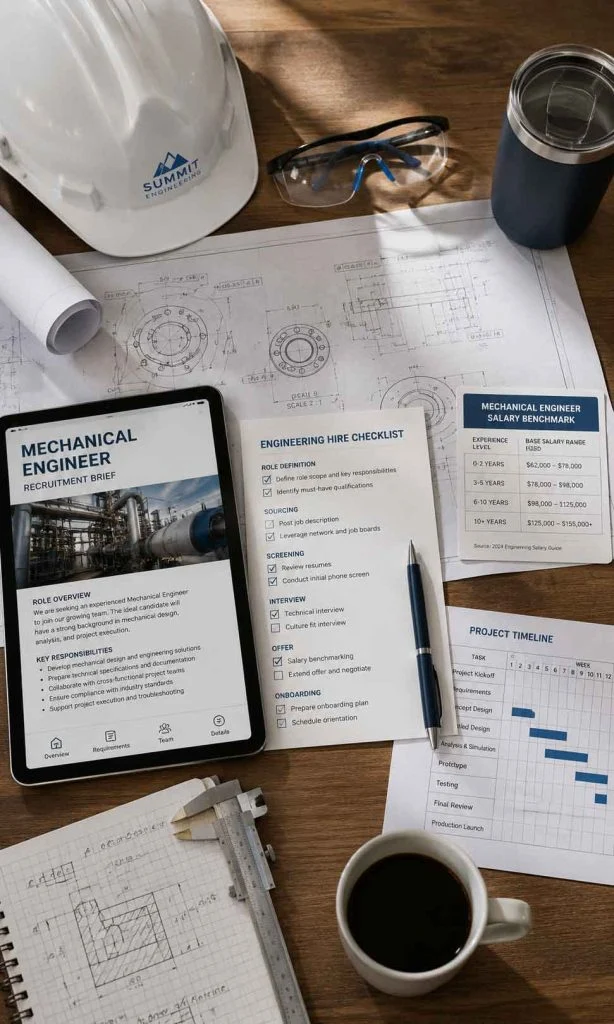
An engineering staffing agency is a specialist recruitment organisation that connects employers with qualified engineering professionals across a wide range of technical disciplines. These agencies recruit for permanent employment, temporary assignments, contract positions, project-based work, executive leadership roles, and specialist consulting opportunities while helping organisations address engineering talent shortages and improve recruitment efficiency.
Unlike general recruitment agencies, engineering staffing firms understand the technical language, qualifications, project requirements, industry standards, and practical experience associated with engineering professions. Their recruiters work closely with hiring managers to identify professionals whose knowledge, technical capabilities, certifications, and project experience align with specific organisational objectives rather than relying solely on keyword matching within resumes.
Before evaluating specialist recruiters, it helps to understand how staffing agencies support permanent, contract, temporary, and executive hiring across different industries.
Engineering staffing agencies commonly recruit professionals across disciplines including:
- Civil Engineering
- Mechanical Engineering
- Electrical Engineering
- Structural Engineering
- Manufacturing Engineering
- Industrial Engineering
- Process Engineering
- Chemical Engineering
- Environmental Engineering
- Mining Engineering
- Marine Engineering
- Aerospace Engineering
- Automation Engineering
- Robotics Engineering
- Renewable Energy Engineering
- Industrial Software Engineering
Many specialist agencies also recruit engineering project managers, technical consultants, quality assurance professionals, commissioning engineers, maintenance engineers, engineering directors, and executive leadership positions.
Their responsibilities extend well beyond introducing candidates. Engineering staffing agencies frequently assist employers with workforce planning, technical candidate screening, salary benchmarking, succession planning, contractor mobilisation, executive search, project workforce forecasting, and long-term engineering talent acquisition strategies.
As engineering projects become larger, more technically demanding, and increasingly multidisciplinary, organisations benefit from recruiters who understand both engineering principles and the commercial realities of delivering complex projects. For engineers, specialist recruiters provide access to opportunities that align not only with technical expertise but also with long-term professional development and industry specialisation.
How Engineering Staffing Agencies Work
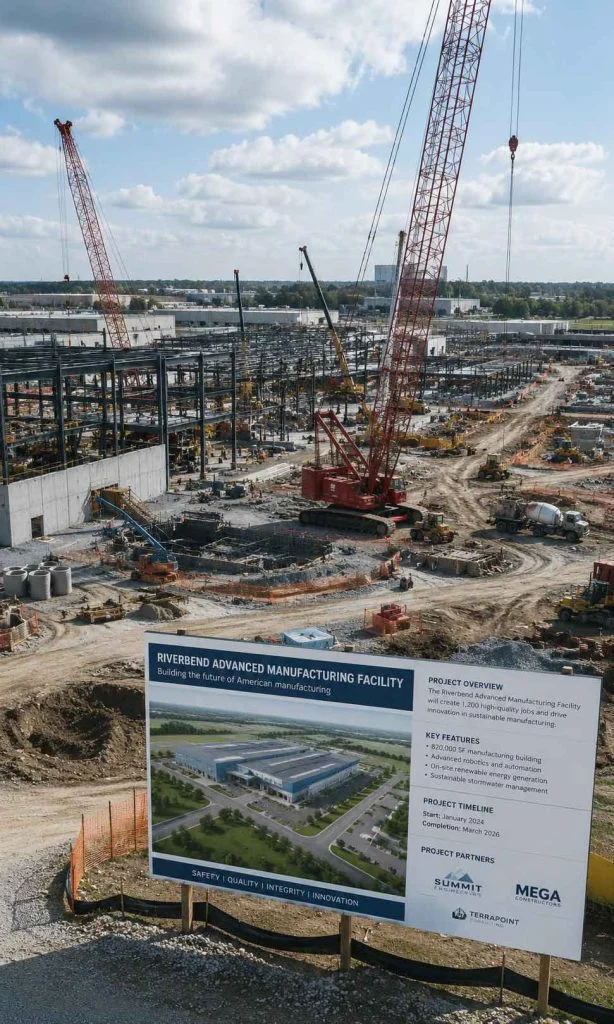
Engineering recruitment is rarely a simple process of matching a resume to a vacancy. Engineering projects often involve significant financial investment, strict regulatory requirements, multidisciplinary collaboration, and long-term operational responsibilities. Hiring the wrong engineer can delay projects, increase costs, create compliance issues, and affect the quality of engineering outcomes. For this reason, engineering staffing agencies typically follow a structured recruitment methodology that evaluates both technical capability and organisational compatibility before recommending candidates.
Although recruitment workflows differ between agencies, most specialist engineering recruiters follow a series of carefully managed stages designed to reduce hiring risks while improving placement success.
Understanding the Engineering Requirement
Every recruitment project begins with understanding the employer’s actual workforce requirement rather than simply collecting a job description.
Experienced engineering recruiters typically discuss:
- Engineering discipline required
- Industry sector
- Project scope
- Technical responsibilities
- Required software platforms
- Professional registrations
- Industry certifications
- Reporting structure
- Contract duration
- Salary or hourly rate
- Start date
- Project location
- Travel requirements
For example, recruiting a structural engineer for a commercial high-rise development requires a completely different candidate profile from recruiting a controls engineer for an automated manufacturing facility. Understanding these operational differences allows recruiters to search for professionals whose technical experience matches the realities of the project rather than relying on generic job titles.
Building the Ideal Candidate Profile
Once recruitment objectives are clearly defined, engineering staffing agencies develop a detailed candidate profile.
Rather than focusing solely on academic qualifications, recruiters evaluate a combination of technical expertise, project experience, industry knowledge, and professional competencies.
Typical evaluation criteria include:
- Engineering degree
- Professional registration
- Industry certifications
- Years of experience
- Project portfolio
- Technical software proficiency
- Leadership capability
- Problem-solving ability
- Health and safety awareness
- Communication skills
- Client-facing experience
- Team collaboration
This broader assessment improves the likelihood of identifying engineers who can contribute effectively throughout the entire project lifecycle.
Sourcing Engineering Talent
Unlike many industries, engineering recruitment often relies heavily on passive candidates.
Many experienced engineers are already employed and are not actively applying for vacancies through public job boards. Engineering staffing agencies therefore combine multiple sourcing strategies to identify suitable professionals.
These may include:
- Internal engineering talent databases
- Professional engineering networks
- Industry referrals
- Technical associations
- University alumni networks
- Engineering conferences
- Digital recruitment platforms
- Executive search activities
- Previous project placements
Maintaining long-term relationships with engineering professionals allows recruiters to respond more quickly when employers require specialist expertise.
Technical Screening and Candidate Assessment
Technical assessment is one of the defining characteristics of specialist engineering recruitment.
Before recommending candidates, recruiters commonly evaluate:
- Technical competencies
- Engineering methodologies
- Industry regulations
- Relevant project experience
- Software proficiency
- Engineering calculations
- Standards compliance
- Professional registration status
- Leadership experience
- Project delivery history
Depending on the employer, candidates may also complete technical interviews, engineering assessments, portfolio reviews, or competency-based discussions before progressing to the next recruitment stage.
The objective is not simply to confirm whether an engineer possesses technical knowledge, but whether that knowledge can be applied effectively within the employer’s specific operational environment.
Presenting Shortlisted Candidates
After completing technical screening, recruiters prepare a shortlist of engineers who closely match the employer’s requirements.
A professional shortlist typically includes more than a resume.
Recruiters often provide:
- Career summary
- Technical strengths
- Relevant project experience
- Professional certifications
- Engineering software expertise
- Availability
- Salary expectations
- Recruiter assessment
- Potential development opportunities
Providing additional context allows hiring managers to evaluate candidates more efficiently while reducing unnecessary interview rounds.
Interview Coordination and Offer Management
Engineering staffing agencies frequently coordinate communication throughout the interview process.
Responsibilities may include:
- Interview scheduling
- Technical assessment coordination
- Candidate preparation
- Employer feedback
- Salary negotiation
- Contract clarification
- Start-date planning
- Offer management
Maintaining continuous communication helps reduce misunderstandings while improving the candidate experience for highly sought-after engineering professionals.
Supporting Successful Project Integration
The recruitment process does not end when an engineer accepts an offer.
Leading engineering staffing agencies continue supporting both employers and engineers during onboarding and the early stages of employment.
Support may include:
- Onboarding coordination
- Compliance documentation
- Project mobilisation
- Contractor administration
- Performance follow-up
- Workforce planning reviews
- Future recruitment planning
- Career progression discussions
Long-term follow-up helps employers improve retention while giving engineers ongoing access to professional opportunities as their careers develop.
Why Specialist Engineering Recruitment Delivers Better Results
Engineering recruitment succeeds when recruiters understand both the technical and commercial realities of engineering projects. Every placement influences project delivery, safety, productivity, and organisational performance. Specialist engineering staffing agencies reduce recruitment uncertainty by combining technical knowledge, structured assessment processes, industry relationships, and long-term workforce planning into a recruitment strategy that supports both immediate hiring needs and sustainable engineering growth. This analytical approach reflects Dylan Parker’s editorial style, helping readers understand not only the recruitment process itself but also the business reasoning behind each stage.
Types of Engineering Staffing Agencies

Engineering recruitment is one example within the broader landscape of employment agencies by industry, where each sector requires specialised hiring knowledge and workforce expertise.
Engineering is one of the broadest professional sectors in the global economy, covering industries that differ significantly in technology, regulations, project duration, safety requirements, and workforce structures. As a result, engineering staffing agencies rarely recruit across every engineering discipline equally. Most develop specialist expertise within particular industries, allowing recruiters to build stronger technical networks, understand project requirements more accurately, and identify engineers whose experience aligns with highly specific operational environments.
For employers, understanding these different recruitment models improves agency selection and increases the likelihood of successful hiring outcomes. For engineers, choosing recruiters that specialise in their discipline often results in access to better projects, stronger career guidance, and opportunities that match long-term professional goals.
Temporary Engineering Staffing Agencies
Temporary engineering staffing agencies provide professionals for short-term workforce requirements when organisations experience sudden increases in project demand or temporary resource shortages.
Typical situations include:
- Project mobilisation
- Equipment installation
- Plant shutdowns
- Maintenance campaigns
- Construction peaks
- Production expansion
- Engineering leave coverage
- Specialist inspections
Temporary engineering recruitment allows organisations to maintain project schedules without committing immediately to permanent hiring.
Common temporary placements include:
- Site Engineers
- Project Engineers
- Maintenance Engineers
- QA/QC Engineers
- Commissioning Engineers
- Field Service Engineers
- Technical Inspectors
This recruitment model offers employers workforce flexibility while providing engineers with opportunities to gain experience across multiple industries and projects.
Permanent Engineering Recruitment Agencies
Permanent engineering recruitment agencies focus on identifying professionals who will contribute to long-term organisational growth rather than short-term project delivery.
Recruiters typically evaluate:
- Technical expertise
- Professional registrations
- Leadership potential
- Project portfolio
- Industry knowledge
- Problem-solving ability
- Team collaboration
- Cultural alignment
- Career ambitions
Permanent recruitment is commonly used for:
- Civil Engineers
- Mechanical Engineers
- Electrical Engineers
- Structural Engineers
- Manufacturing Engineers
- Process Engineers
- Automation Engineers
- Design Engineers
- Engineering Managers
- Technical Directors
Because permanent engineering appointments often influence future innovation and organisational capability, recruiters place significant emphasis on long-term compatibility rather than immediate availability.
Contract Engineering Recruitment Agencies
Many engineering industries operate on project-based delivery models where workforce requirements change throughout the project lifecycle.
Contract engineering staffing agencies recruit professionals for assignments lasting anywhere from several weeks to multiple years.
Common industries include:
- Construction
- Oil and Gas
- Renewable Energy
- Infrastructure
- Defence
- Utilities
- Mining
- Manufacturing
Contract engineers provide organisations with specialist expertise during critical project phases while allowing employers to manage workforce costs more efficiently.
Executive Engineering Search Firms
Executive engineering recruiters specialise in identifying senior technical and business leaders responsible for major organisational decisions.
Typical executive appointments include:
- Engineering Director
- Technical Director
- Chief Engineer
- Operations Director
- Plant Director
- Head of Engineering
- Vice President of Engineering
- Chief Technology Officer
- Manufacturing Director
- Project Executive
Executive search assignments usually involve confidential recruitment, leadership assessment, succession planning, and detailed stakeholder consultation.
Because these appointments directly influence organisational strategy, engineering innovation, and commercial performance, recruitment timelines are generally longer and considerably more research intensive.
Manufacturing Engineering Recruitment Specialists
Manufacturing recruiters focus on organisations responsible for designing, producing, assembling, and improving industrial products.
Recruitment commonly covers:
- Production Engineers
- Manufacturing Engineers
- Process Improvement Engineers
- Lean Specialists
- Automation Engineers
- Quality Engineers
- Industrial Engineers
- Maintenance Engineers
- Robotics Engineers
These recruiters understand production systems, continuous improvement methodologies, industrial automation, and operational efficiency, enabling them to identify engineers capable of improving manufacturing performance.
Construction and Infrastructure Recruitment Agencies
Construction engineering recruiters specialise in projects involving buildings, transport infrastructure, utilities, and large-scale public developments.
Frequently recruited professionals include:
- Civil Engineers
- Structural Engineers
- Geotechnical Engineers
- Highway Engineers
- Bridge Engineers
- Rail Engineers
- Water Engineers
- Site Engineers
- Resident Engineers
- Project Managers
Because construction projects often involve multiple contractors, strict regulatory requirements, and fixed completion schedules, recruiters place considerable emphasis on previous project delivery experience.
Renewable Energy Engineering Recruitment
The transition towards sustainable energy has created significant demand for engineering professionals with specialist knowledge.
Recruitment commonly focuses on:
- Wind Energy Engineers
- Solar Engineers
- Battery Storage Engineers
- Grid Engineers
- Electrical Design Engineers
- Sustainability Consultants
- Environmental Engineers
- Energy Systems Engineers
Engineering staffing agencies supporting renewable energy projects increasingly seek professionals with multidisciplinary experience covering electrical engineering, digital technologies, environmental compliance, and project management.
Which Engineering Staffing Agency Is Right for You?
Selecting the right engineering staffing agency depends on far more than the size of the recruiter or the number of advertised vacancies.
Employers should evaluate:
- Engineering discipline expertise
- Industry knowledge
- Technical screening methodology
- Candidate network
- Workforce planning capability
- Project recruitment experience
- Communication standards
- Long-term recruitment support
Engineers should consider:
- Industry specialisation
- Project type
- Career ambitions
- Geographic preferences
- Preferred employment model
- Technical development opportunities
- Professional certifications
- Long-term career progression
The strongest recruitment partnerships are built when recruiters understand both the technical complexity of engineering work and the commercial objectives that drive project success. Organisations benefit from more accurate hiring decisions, while engineers gain access to opportunities that support sustainable professional growth rather than simply their next assignment. This analytical approach reflects Dylan Parker’s emphasis on helping readers understand the strategic value behind recruitment decisions, ensuring the discussion remains informative, practical, and grounded in real engineering workforce dynamics.
How to Choose the Right Engineering Staffing Agency
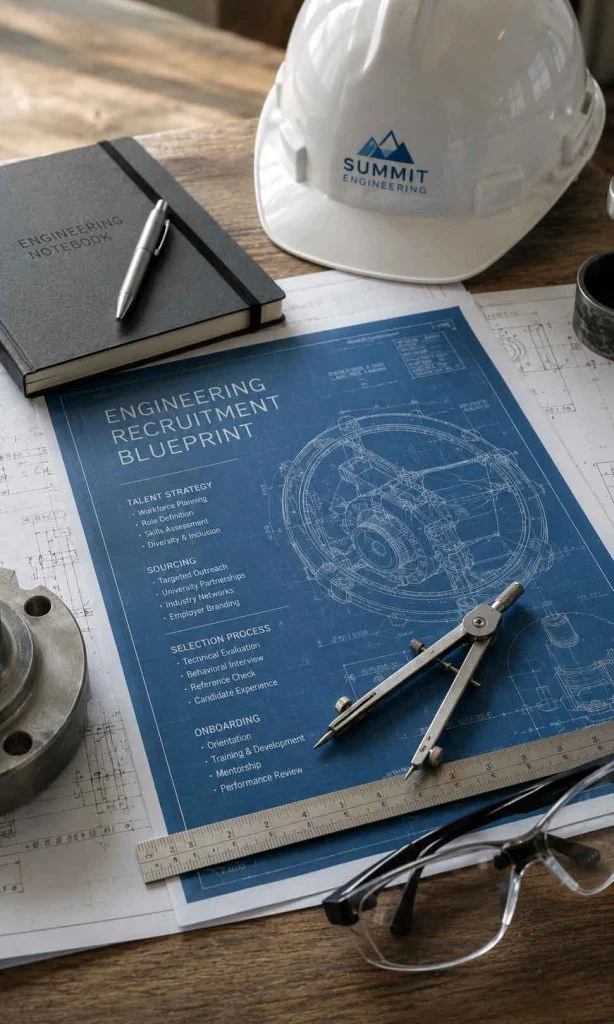
Selecting an engineering staffing agency is a strategic business decision rather than a simple purchasing exercise. Engineering recruitment directly influences project delivery, workforce capability, operational efficiency, regulatory compliance, and ultimately the commercial success of an organisation. A recruiter who understands engineering disciplines, industry standards, and project environments can significantly reduce recruitment risks, while an unsuitable recruitment partner may increase hiring costs, delay project schedules, and introduce long-term workforce challenges.
For engineering professionals, choosing the right recruiter is equally important. Specialist engineering recruiters often provide access to confidential projects, technical career advice, salary intelligence, and long-term professional opportunities that general employment agencies cannot offer. Building a relationship with an experienced recruiter can therefore become an important part of an engineer’s long-term career strategy.
Rather than focusing only on recruitment fees or company size, both employers and engineers should evaluate several critical factors before establishing a recruitment partnership.
Choose a Recruiter That Understands Your Engineering Discipline
Engineering is an extremely diverse profession, with each discipline requiring different technical knowledge, regulations, software platforms, and project experience.
A recruiter specialising in civil engineering may not possess the same depth of understanding required to recruit automation engineers, while a manufacturing recruiter may not fully appreciate the technical requirements of renewable energy projects.
Before selecting an agency, determine whether the recruiter regularly supports your engineering discipline, such as:
- Civil Engineering
- Mechanical Engineering
- Electrical Engineering
- Structural Engineering
- Manufacturing Engineering
- Industrial Engineering
- Process Engineering
- Environmental Engineering
- Mining Engineering
- Renewable Energy Engineering
- Automation and Robotics
- Aerospace Engineering
Recruiters with genuine sector expertise are generally more effective at identifying candidates whose technical experience aligns with project requirements rather than relying solely on job titles or keyword searches.
Evaluate Their Technical Screening Process
Engineering recruitment should involve significantly more than reviewing resumes.
Professional engineering staffing agencies normally assess:
- Technical qualifications
- Professional registrations
- Industry certifications
- Software proficiency
- Project portfolio
- Engineering methodologies
- Safety awareness
- Standards compliance
- Leadership experience
- Communication skills
Many agencies also conduct structured technical interviews or competency discussions before introducing candidates to employers.
A well-developed screening process reduces hiring risks by ensuring shortlisted candidates possess not only the required qualifications but also the practical engineering experience needed to perform successfully within complex project environments.
Assess Their Industry Network
Employers that prefer local recruitment support may also benefit from comparing the best employment agencies near me before selecting a specialist engineering recruiter.
Engineering recruitment depends heavily on long-term industry relationships.
Established engineering staffing agencies often maintain extensive networks with:
- Construction companies
- Manufacturing organisations
- Engineering consultancies
- EPC contractors
- Utility providers
- Mining companies
- Renewable energy developers
- Government infrastructure agencies
- Industrial technology firms
These relationships provide employers with broader candidate access while giving engineers exposure to projects that may never be advertised publicly.
A recruiter with deep industry connections is often able to identify opportunities much earlier than organisations relying exclusively on public recruitment channels.
Review Their Recruitment Methodology
A structured recruitment methodology usually produces more consistent hiring outcomes.
Ask engineering recruiters how they approach:
- Workforce planning
- Candidate sourcing
- Technical assessment
- Interview preparation
- Salary negotiation
- Offer management
- Contractor mobilisation
- Post-placement follow-up
Recruiters who can clearly explain each stage of their recruitment process generally demonstrate stronger operational maturity than agencies relying primarily on reactive hiring.
Examine Their Market Intelligence
Engineering labour markets change continuously due to infrastructure investment, technological innovation, economic conditions, and workforce shortages.
Experienced recruiters should provide valuable market intelligence covering:
- Salary trends
- Skills shortages
- High-demand engineering disciplines
- Regional workforce availability
- Emerging technologies
- Hiring competition
- Recruitment timelines
- Workforce planning recommendations
Employers who use recruitment agencies as sources of market intelligence often make more informed workforce decisions than organisations treating recruiters solely as candidate suppliers.
Evaluate Communication Standards
Engineering recruitment frequently involves multiple stakeholders, including project managers, engineering directors, procurement teams, HR departments, technical specialists, contractors, and clients.
Clear communication therefore becomes essential throughout the recruitment process.
Professional engineering recruiters should provide:
- Regular progress updates
- Candidate feedback
- Interview coordination
- Technical clarification
- Market insights
- Recruitment reporting
- Offer negotiations
- Post-placement communication
Consistent communication reduces project uncertainty while improving the experience for both employers and engineering professionals.
Consider Long-Term Workforce Support
The strongest engineering staffing agencies continue supporting organisations long after individual placements have been completed.
Many now provide strategic services including:
- Workforce forecasting
- Succession planning
- Talent mapping
- Salary benchmarking
- Contractor management
- Executive search
- Recruitment analytics
- Engineering labour market reporting
These services allow organisations to build sustainable engineering teams rather than continually responding to workforce shortages on a reactive basis.
Professional Perspective
Engineering recruitment should never be viewed solely as the process of filling vacancies. Every engineering appointment influences project execution, operational resilience, technical capability, and future organisational growth. Employers that partner with specialist engineering staffing agencies gain access not only to qualified candidates but also to valuable industry intelligence, workforce planning expertise, and recruitment strategies aligned with long-term business objectives. Likewise, engineers who establish relationships with recruiters who genuinely understand their technical discipline often discover broader career opportunities, stronger professional guidance, and more meaningful project experiences throughout their careers.
Questions Employers and Engineers Should Ask Before Choosing an Engineering Staffing Agency

The first conversation with an engineering staffing agency often determines the quality of the entire recruitment process. Employers use these discussions to evaluate whether a recruiter genuinely understands their industry, technical requirements, and workforce objectives. Engineers, meanwhile, use the opportunity to assess whether the recruiter has access to projects that align with their expertise, preferred industries, and long-term career ambitions.
Asking informed questions allows both parties to move beyond general marketing claims and evaluate the practical capabilities of a recruitment partner. Specialist engineering recruiters should be able to explain their recruitment methodology, technical assessment process, market knowledge, and post-placement support with confidence and transparency.
Questions Employers Should Ask
Which Engineering Industries Do You Recruit For?
Engineering covers a broad range of sectors, each with unique technical requirements.
Before engaging a recruitment agency, employers should confirm whether recruiters have direct experience within industries such as:
- Construction
- Infrastructure
- Manufacturing
- Oil and Gas
- Renewable Energy
- Utilities
- Mining
- Defence
- Marine Engineering
- Aerospace
- Industrial Automation
- Engineering Consultancy
Recruiters with established experience in a particular engineering sector are generally better positioned to identify candidates whose project backgrounds closely match operational requirements.
How Do You Assess Technical Competence?
Technical assessment is one of the most important differences between engineering staffing agencies and general recruitment firms.
Employers should ask how recruiters evaluate:
- Engineering qualifications
- Professional registrations
- Technical software proficiency
- Industry certifications
- Project experience
- Design capability
- Site experience
- Leadership skills
- Problem-solving ability
- Health and safety awareness
A structured assessment process significantly reduces the likelihood of interviewing candidates who possess suitable qualifications but lack the practical engineering experience required for complex projects.
How Large Is Your Engineering Talent Network?
Successful engineering recruitment often depends on long-term professional relationships rather than active job advertisements alone.
Recruiters should be able to explain how they build and maintain engineering talent pools through:
- Previous placements
- Industry referrals
- Professional engineering associations
- University alumni networks
- Technical conferences
- Specialist engineering communities
- Executive search activities
A broad engineering network enables agencies to identify highly qualified professionals who may not currently be searching for new opportunities.
What Happens If a Placement Is Unsuccessful?
Even carefully managed recruitment projects occasionally require replacement.
Before entering into an agreement, employers should understand:
- Replacement guarantees
- Candidate replacement procedures
- Refund policies
- Post-placement support
- Performance reviews
- Ongoing recruiter involvement
Clear expectations reduce uncertainty while strengthening long-term recruitment partnerships.
How Do You Support Long-Term Workforce Planning?
Leading engineering staffing agencies increasingly contribute beyond individual recruitment assignments.
Employers should ask whether recruiters provide:
- Workforce forecasting
- Salary benchmarking
- Talent mapping
- Succession planning
- Engineering labour market insights
- Recruitment reporting
- Contractor planning
- Executive recruitment support
These strategic services often provide greater long-term value than recruitment alone.
Questions Engineers Should Ask
Which Engineering Projects Do You Usually Recruit For?
Engineers should determine whether recruiters regularly support projects that match their technical interests and career direction.
Examples include:
- Commercial construction
- Infrastructure development
- Manufacturing expansion
- Renewable energy projects
- Industrial automation
- Oil and gas facilities
- Water treatment plants
- Mining operations
- Transportation infrastructure
- Engineering consultancy
Understanding the agency’s project portfolio allows engineers to evaluate whether future opportunities align with their professional ambitions.
What Types of Employment Are Available?
Engineering staffing agencies may recruit across multiple employment models.
Typical opportunities include:
- Permanent employment
- Temporary assignments
- Contract engineering
- Project-based work
- Consulting positions
- Executive leadership
- International assignments
Understanding these options helps engineers select recruiters whose services match both immediate employment needs and long-term career objectives.
How Can I Strengthen My Engineering Profile?
Recruiters make stronger recommendations when they fully understand your engineering background, technical strengths, project history, and long-term career goals.
Experienced recruiters frequently provide valuable professional guidance beyond introducing vacancies.
Engineers should ask for recommendations regarding:
- Technical certifications
- Professional registration
- Software training
- Project portfolio presentation
- Resume improvements
- Interview preparation
- Leadership development
- Emerging engineering technologies
Recruiters who invest time in helping engineers improve their professional profiles often build stronger long-term relationships with candidates.
Before meeting employers, it is also worthwhile to prepare for common engineering job interview questions, as strong technical knowledge combined with confident communication often creates a much stronger impression during the hiring process.
Common Mistakes When Working With an Engineering Staffing Agency
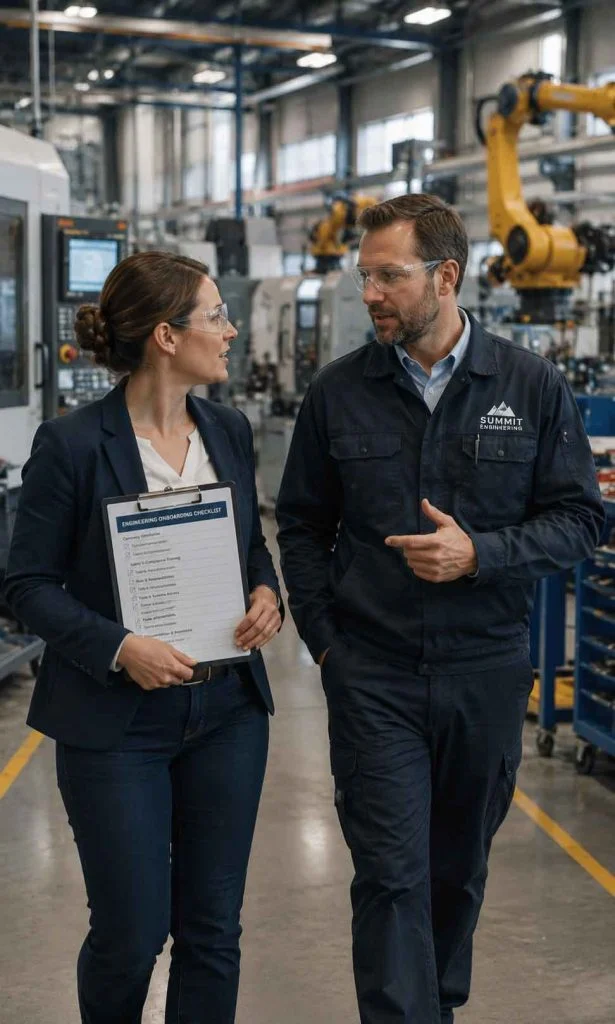
Engineering recruitment succeeds when employers, recruiters, and engineers share accurate information, realistic expectations, and long-term objectives. Many recruitment challenges are not caused by a shortage of engineering talent but by misunderstandings during the hiring process. Small oversights made at the beginning of a recruitment project can lead to delayed appointments, unsuitable placements, increased project costs, or poor employee retention.
Understanding these common mistakes helps employers build stronger recruitment partnerships while allowing engineering professionals to present themselves more effectively in an increasingly competitive employment market.
Treating All Engineering Recruiters as General Recruiters
One of the most common mistakes is assuming every recruitment agency possesses the same level of engineering knowledge.
Engineering recruitment requires an understanding of technical disciplines, engineering terminology, project delivery methods, software platforms, regulatory requirements, and industry certifications. Recruiters without this knowledge may struggle to distinguish between candidates who appear qualified on paper but have very different practical capabilities.
For example, two mechanical engineers may share similar academic qualifications while specialising in entirely different environments such as precision manufacturing, oil and gas facilities, food processing plants, or heavy industrial equipment. These distinctions significantly influence project suitability.
Employers should therefore prioritise agencies with demonstrated expertise in their engineering sector rather than selecting recruiters solely because they advertise engineering vacancies.
Writing Generic Job Descriptions
Engineers should also review their professional engineering CV regularly to ensure recruiters receive an accurate picture of their technical skills, project portfolio, and leadership experience.
Recruitment quality depends heavily on the quality of the information employers provide.
Many organisations publish broad engineering job descriptions containing only generic responsibilities and qualification requirements. Without understanding the project’s technical objectives, engineering environment, reporting structure, software requirements, and operational challenges, recruiters may introduce candidates whose experience only partially matches business needs.
A stronger engineering recruitment brief should clearly describe:
- Project objectives
- Engineering discipline
- Required technical software
- Industry sector
- Compliance standards
- Team structure
- Expected deliverables
- Career development opportunities
The more accurately recruiters understand the engineering environment, the more effectively they can identify professionals who will contribute successfully from the beginning of the project.
Focusing Only on Immediate Hiring Needs
Engineering recruitment should support long-term workforce planning rather than simply filling today’s vacancy.
Organisations experiencing rapid expansion often recruit reactively whenever projects begin. While this approach may solve immediate staffing shortages, it frequently creates repeated recruitment cycles, inconsistent workforce planning, and higher long-term recruitment costs.
Leading organisations instead work closely with engineering staffing agencies to forecast future workforce requirements, identify emerging skill gaps, and build talent pipelines before critical hiring needs arise.
This proactive strategy reduces project disruption while improving recruitment efficiency across multiple engineering programmes.
Ignoring Cultural and Project Compatibility
Technical competence alone does not guarantee successful engineering recruitment.
Engineers frequently work within multidisciplinary teams where communication, collaboration, leadership, and problem-solving directly influence project outcomes.
A technically outstanding engineer may struggle if:
- Communication expectations differ.
- Project management styles conflict.
- Organisational culture is incompatible.
- Leadership structures are unclear.
- Stakeholder engagement requirements are underestimated.
Engineering staffing agencies should therefore evaluate both technical capability and workplace compatibility before recommending candidates.
Long-term recruitment success depends upon balancing engineering expertise with organisational fit.
Delaying Recruitment Decisions
Engineering professionals with highly specialised experience are often in strong demand.
Lengthy interview processes, delayed feedback, and slow decision-making increase the likelihood that preferred candidates will accept competing offers before recruitment is completed.
Employers should establish realistic recruitment timelines before engaging an agency, ensuring interview availability, technical decision-makers, and approval processes are coordinated in advance.
Efficient recruitment demonstrates organisational professionalism while improving candidate experience in competitive engineering labour markets.
Overlooking Professional Development
Recruitment should not conclude once an engineer accepts an employment offer.
Engineering professionals consistently value opportunities to expand their technical knowledge, obtain professional certifications, participate in challenging projects, and develop leadership capabilities.
Organisations that neglect ongoing professional development frequently experience higher employee turnover, particularly among experienced engineers seeking greater technical responsibility.
Employers should therefore discuss career progression during recruitment rather than waiting until annual performance reviews.
This approach strengthens both recruitment attractiveness and long-term workforce retention.
Poor Communication With Recruiters
Successful engineering recruitment depends on continuous information sharing.
Employers should promptly communicate:
- Project changes
- Budget adjustments
- Interview feedback
- Revised timelines
- New technical requirements
- Hiring priorities
Likewise, engineers should keep recruiters informed whenever they:
- Complete new certifications.
- Finish major projects.
- Relocate.
- Become available for new opportunities.
- Change salary expectations.
- Develop additional technical skills.
Consistent communication enables recruiters to provide more accurate recommendations while avoiding unnecessary delays throughout the recruitment process.
Professional Perspective
Many engineering recruitment challenges are preventable rather than inevitable. Organisations often achieve better hiring outcomes not by increasing recruitment budgets but by improving workforce planning, defining technical requirements more clearly, and establishing collaborative relationships with specialist engineering recruiters. Similarly, engineers who maintain accurate professional profiles, communicate openly about career objectives, and continue investing in technical development are generally positioned more competitively within the engineering employment market. Sustainable recruitment success is therefore created through preparation, communication, and long-term partnership rather than isolated hiring decisions.
Engineering Staffing Agency vs General Recruitment Agency

Many organisations begin their recruitment process by approaching whichever recruitment agency they are already familiar with. While this may appear efficient, it overlooks one of the most important factors affecting engineering recruitment success: technical specialisation.
General recruitment agencies typically recruit across multiple industries, ranging from administration and finance to retail, customer service, logistics, and professional services. Their recruiters often possess broad recruitment knowledge but may not have the technical background required to evaluate engineering competencies, project experience, industry certifications, or discipline-specific challenges.
The same specialist recruitment principles apply in healthcare, where organisations often rely on a healthcare staffing agency to recruit professionals with regulated qualifications and clinical expertise.
Engineering staffing agencies, by contrast, concentrate their expertise within technical industries. Their recruiters spend years building relationships with engineering professionals, understanding project delivery environments, monitoring labour market trends, and learning how different engineering disciplines contribute to commercial success. This specialist knowledge enables them to assess candidates more accurately while providing employers with valuable workforce intelligence beyond candidate sourcing alone.
The choice between a specialist engineering recruiter and a general recruitment agency should therefore depend on the complexity of the role, the technical requirements involved, and the long-term objectives of the organisation.
When a General Recruitment Agency May Be Suitable
General recruitment agencies continue to play an important role within many organisations, particularly when hiring positions that require limited technical evaluation.
Examples include:
- Administrative support
- Customer service
- Human resources
- Sales
- Marketing
- Finance
- Office management
- Reception
- General operations
Where engineering knowledge is not a critical requirement, a broader recruitment agency may provide efficient hiring support at a competitive cost.
When an Engineering Staffing Agency Is the Better Choice
Specialist engineering recruitment becomes increasingly valuable as technical complexity increases.
Employers should strongly consider engineering staffing agencies when recruiting for:
- Major infrastructure projects
- Manufacturing facilities
- Renewable energy developments
- Industrial automation
- Chemical processing
- Mining operations
- Utilities
- Engineering consultancy
- Defence projects
- Aerospace programmes
- Executive engineering leadership
In these environments, recruiters must understand technical disciplines, engineering regulations, project delivery methodologies, multidisciplinary collaboration, and workforce planning considerations that extend far beyond conventional recruitment practices.
Beyond Recruitment: Strategic Business Value
One of the greatest advantages of specialist engineering staffing agencies is their ability to function as long-term workforce advisors rather than transactional recruitment providers.
Experienced engineering recruiters frequently assist organisations with:
- Workforce forecasting
- Emerging skills analysis
- Talent pipeline development
- Engineering salary benchmarking
- Market intelligence
- Contractor strategy
- Leadership succession planning
- Expansion planning
- International engineering recruitment
This broader advisory role enables employers to make workforce decisions that support business growth while reducing future recruitment risks.
Professional Perspective
Engineering recruitment should be viewed as an investment in technical capability rather than a short-term hiring exercise. While general recruitment agencies provide valuable services across many industries, engineering organisations often benefit from recruiters who understand the commercial realities of complex projects, evolving technologies, and specialised workforce requirements. As engineering disciplines continue becoming more sophisticated, the ability to evaluate technical expertise, anticipate future talent shortages, and support strategic workforce planning increasingly distinguishes specialist engineering staffing agencies from general recruitment providers. That distinction often delivers value long after an individual vacancy has been filled.
Future Trends in Engineering Staffing and Technical Recruitment

Engineering recruitment has always evolved alongside technological innovation, economic development, and industrial transformation. However, the pace of change has accelerated significantly during the past decade. Digital engineering, automation, sustainability initiatives, artificial intelligence, advanced manufacturing, and global infrastructure investment are reshaping not only the engineering profession itself but also the way organisations identify, assess, and retain engineering talent.
For employers, understanding these trends improves workforce planning and helps organisations remain competitive in increasingly constrained labour markets. For engineers, recognising where the industry is moving provides valuable guidance when making decisions about professional development, technical specialisation, and long-term career planning.
The future of engineering staffing is therefore less about filling vacancies and more about building resilient engineering workforces capable of adapting to continuous technological and commercial change.
Engineering Skills Shortages Will Continue to Increase
Many countries continue investing heavily in infrastructure, renewable energy, advanced manufacturing, semiconductor production, transportation networks, defence capabilities, and digital transformation. These investments have significantly increased demand for experienced engineers while reducing the available talent pool.
The shortage is particularly evident within disciplines such as:
- Civil Engineering
- Structural Engineering
- Electrical Engineering
- Automation Engineering
- Robotics Engineering
- Process Engineering
- Renewable Energy Engineering
- Semiconductor Engineering
- Industrial Cybersecurity
- Data Centre Infrastructure Engineering
As experienced professionals retire and fewer graduates enter certain technical disciplines, engineering staffing agencies will increasingly focus on long-term talent pipeline development rather than simply responding to immediate vacancies.
Artificial Intelligence Will Support Recruitment Rather Than Replace Recruiters
Artificial intelligence is becoming an important component of engineering recruitment, particularly during administrative and analytical stages of the hiring process.
Recruitment technology can now assist with:
- Resume screening
- Candidate matching
- Skills classification
- Interview scheduling
- Workforce analytics
- Talent database management
- Salary trend analysis
- Recruitment reporting
However, engineering recruitment still depends heavily on human judgement.
Recruiters must evaluate factors that AI cannot reliably measure, including:
- Practical engineering judgement
- Project leadership
- Communication ability
- Stakeholder management
- Commercial awareness
- Cultural compatibility
- Professional reputation
- Long-term career potential
Rather than replacing specialist engineering recruiters, AI is expected to improve productivity by reducing administrative workload while allowing recruiters to spend more time advising employers and engineering professionals.
Sustainability Will Influence Recruitment Priorities
Governments and private organisations continue investing in sustainable infrastructure, renewable energy, carbon reduction initiatives, and environmentally responsible manufacturing.
As a result, engineering staffing agencies are seeing increasing demand for professionals with expertise in:
- Renewable energy systems
- Carbon reduction projects
- Sustainable building design
- Environmental engineering
- Water resource management
- Energy storage technologies
- Smart electrical grids
- Green manufacturing
- Circular economy initiatives
Engineers who develop knowledge in these areas are likely to benefit from expanding employment opportunities over the coming decade.
Digital Engineering Is Becoming a Core Competency
Modern engineering projects increasingly combine traditional engineering disciplines with digital technologies.
Employers now value engineers who understand:
- Building Information Modelling (BIM)
- Digital twins
- Industrial Internet of Things (IIoT)
- Cloud-based engineering platforms
- Automation systems
- Data analytics
- Predictive maintenance
- Artificial intelligence integration
- Cybersecurity principles
Engineering staffing agencies therefore place growing emphasis on candidates capable of working across multidisciplinary digital environments rather than within isolated engineering functions.
Workforce Flexibility Will Continue Expanding
Employment models across engineering continue becoming more flexible.
Many organisations now combine:
- Permanent engineering teams
- Contract specialists
- Project consultants
- Remote technical experts
- International engineering partnerships
- Freelance engineering consultants
This blended workforce model allows businesses to scale engineering capability according to project demands while controlling long-term employment costs.
Engineering staffing agencies increasingly act as workforce partners, helping organisations determine which employment model best supports each stage of project delivery.
Global Engineering Recruitment Will Become More Connected
Engineering expertise is becoming increasingly international.
Large infrastructure projects, multinational manufacturers, renewable energy developers, technology companies, and engineering consultancies frequently recruit professionals across multiple countries.
As international mobility expands, engineering staffing agencies will continue supporting:
- Cross-border recruitment
- International relocation
- Global engineering compliance
- Immigration coordination
- Remote engineering collaboration
- International contractor management
Recruiters with international experience will become valuable strategic partners for organisations competing within global engineering markets.
Continuous Learning Will Become an Employment Expectation
Engineering knowledge evolves rapidly as technologies, regulations, software platforms, and industry standards continue changing.
Future engineering recruitment will increasingly favour professionals who demonstrate a commitment to continuous learning through:
- Professional certifications
- Technical training
- Industry conferences
- Advanced software skills
- Project diversity
- Leadership development
- Cross-disciplinary experience
Recruiters are likely to evaluate an engineer’s ability to learn and adapt alongside their existing technical qualifications.
Professional Perspective
Engineering recruitment is entering a period where adaptability may become just as valuable as technical expertise. Organisations that invest in workforce planning, continuous learning, and long-term recruitment partnerships are likely to build stronger engineering teams capable of responding to technological change without constant workforce disruption. Likewise, engineers who continue expanding both their technical and commercial capabilities will remain competitive even as automation, artificial intelligence, and digital engineering reshape the profession. The future of engineering staffing will therefore be defined not simply by matching vacancies with candidates, but by developing engineering talent that supports sustainable innovation, organisational resilience, and long-term economic growth.

Summary
Engineering staffing agencies play an increasingly important role in helping organisations secure technical talent within highly specialised and competitive labour markets. Unlike general recruitment agencies, they combine recruitment expertise with engineering knowledge, enabling employers to identify professionals whose qualifications, project experience, technical capabilities, and career objectives align with complex engineering environments.
Throughout this guide, we have explored how engineering staffing agencies operate, the different recruitment models available, methods for evaluating recruitment partners, common recruitment mistakes, and the workforce trends shaping the future of engineering recruitment. A recurring theme is that successful engineering recruitment depends on far more than simply filling vacancies. It requires structured workforce planning, accurate technical assessment, continuous communication, and long-term collaboration between employers, recruiters, and engineering professionals.
For employers, selecting an engineering staffing agency should involve evaluating technical expertise, industry specialisation, candidate assessment methodology, engineering networks, communication standards, workforce planning capabilities, and market intelligence. Recruitment partners who understand both engineering principles and commercial objectives are better positioned to support sustainable organisational growth rather than isolated hiring activities.
For engineers, specialist recruiters offer considerably more than access to vacancies. Strong recruitment relationships provide career guidance, industry insights, project exposure, salary intelligence, interview preparation, and long-term professional development opportunities that support career progression across changing engineering markets.
As engineering disciplines continue evolving through digital transformation, artificial intelligence, automation, sustainability initiatives, and global infrastructure investment, recruitment strategies must evolve alongside them. Organisations that invest in strategic engineering recruitment today are likely to develop stronger technical capability, greater workforce resilience, and improved project delivery tomorrow.
Professional Perspective
Engineering recruitment should never be measured solely by how quickly a vacancy is filled or how many candidates are interviewed. The real value of an engineering staffing agency lies in its ability to understand technical complexity, anticipate workforce challenges, and connect engineering expertise with long-term business objectives. Employers that treat recruitment as part of a broader workforce strategy generally build stronger engineering teams capable of supporting innovation, operational excellence, and sustainable growth. Likewise, engineers who cultivate long-term relationships with specialist recruiters often gain broader access to challenging projects, clearer career direction, and opportunities that continue creating value throughout their professional lives. This strategic approach transforms recruitment from a transactional process into an investment in future engineering success.
Frequently Asked Questions
What is an engineering staffing agency?
An engineering staffing agency is a specialist recruitment firm that connects employers with qualified engineering professionals for permanent, contract, temporary, project-based and executive positions. These agencies understand technical disciplines, engineering qualifications, project requirements and industry regulations, allowing them to recruit more accurately than general recruitment agencies.
How is an engineering staffing agency different from a general recruitment agency?
Engineering staffing agencies specialise in technical recruitment. Their recruiters understand engineering disciplines, software platforms, project environments, certifications and technical competencies, while general recruitment agencies usually recruit across multiple industries without deep engineering expertise.
Which engineering disciplines do staffing agencies recruit?
Most engineering staffing agencies recruit civil, mechanical, electrical, structural, manufacturing, industrial, process, chemical, environmental, mining, marine, aerospace, automation and renewable energy engineers, together with engineering managers and technical leadership positions.
Can engineering staffing agencies recruit temporary and contract engineers?
Yes. Many engineering staffing agencies provide permanent recruitment, contract staffing, temporary engineering support, project-based recruitment, consulting appointments and executive search services depending on employer requirements and project duration.
How do engineering recruiters assess technical candidates?
Engineering recruiters evaluate technical qualifications, professional registrations, certifications, engineering software skills, project portfolios, leadership experience, safety awareness and practical engineering experience before recommending candidates to employers.
What should employers look for when choosing an engineering staffing agency?
Employers should evaluate industry experience, technical recruitment knowledge, engineering networks, candidate screening methodology, communication standards, workforce planning capabilities, market intelligence and long-term recruitment support rather than focusing only on recruitment fees.
How can engineers improve their chances of being recruited?
Engineers should maintain an updated CV, document completed projects, obtain relevant certifications, improve technical software skills, communicate career goals clearly and keep recruiters informed about new experience, qualifications and availability.
Are engineering staffing agencies suitable for executive recruitment?
Yes. Many specialist engineering recruitment firms provide executive search services for Engineering Directors, Technical Directors, Plant Managers, Heads of Engineering, Chief Engineers and other senior technical leadership positions requiring confidential recruitment and succession planning.
Will artificial intelligence replace engineering recruiters?
Artificial intelligence can assist with resume screening, candidate matching and recruitment administration, but experienced engineering recruiters remain essential for evaluating technical competence, project suitability, leadership potential, communication skills and organisational fit.
Why is workforce planning important in engineering recruitment?
Workforce planning helps organisations anticipate future engineering talent requirements, reduce project delays, manage skills shortages, improve succession planning and build sustainable technical teams instead of relying solely on reactive hiring whenever vacancies occur.