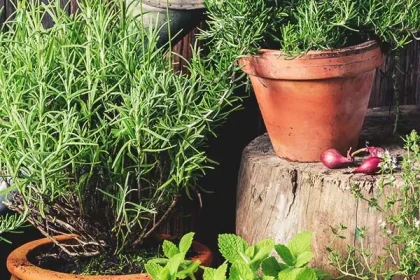

Home gardens are an integral part of food production and local agriculture. They help meet sustainable development goals, promote food security, and minimize production’s environmental impact.
They provide multiple social benefits, from food and nutrition security to women empowerment. Furthermore, they provide ecosystem services and help maintain biodiversity.
1. Environmentally Friendly
Home gardens provide numerous environmental advantages. They improve soil quality, conserve water, and reduce nutrient runoff into streams and rivers. Furthermore, they increase plant diversity within an area as well as providing habitats for beneficial organisms like birds, butterflies, and other creatures.
Mulching, composting, ground cover and planting annual plants away from roads are all practices which may contribute to this effect.
Home gardening not only contributes to household food security but also offers nutritional advantages. It offers a diverse selection of fresh vegetables, fruits, medicinal and aromatic plants, eggs as well as meat and milk from small animals – all of which can greatly improve a family’s health and wellbeing.
2. Saves Money
Tents are an integral part of camping, and investing in a quality tent can save you money on long term trips. Furthermore, it reduces the amount of material needing to be thrown away after each camping outing.
Tents can be constructed out of cotton canvas, as well as man-made fibers like nylon or polyester. Many of these fabrics have been treated to ensure waterproof properties.
Selecting a lightweight yet durable tent fabric is essential for camping. Not only will the right tent offer protection from the weather conditions, but it will also keep you comfortable while outdoors.
If you plan to go camping often, investing in a high-quality tent made from an eco-friendly fabric could be worth considering. Not only will it last longer and be more cost effective than cheaper tents made of synthetic materials, but these tents tend to last longer too!
3. Eat Fresher Food
Home gardens are an integral part of a sustainable food system that can help mitigate global food shocks and price volatility. Furthermore, they promote biodiversity conservation and offer cultural ecosystem services.
Eating fresher food not only benefits the environment, but it can be economical too, since transportation and packaging expenses are reduced. Furthermore, fresh produce tends to be more nutritious and flavorful than canned options.
Eating more fresh foods can increase your energy levels and lift your mood. Your body absorbs essential nutrients from fresh ingredients more readily, plus there are no preservatives to make you feel sluggish.
Fresh fruits and vegetables are packed with essential vitamins, minerals, and fiber that can benefit your overall wellbeing. Not only that, but they’re an excellent source of antioxidants as well as being filled with natural sugars that keep you feeling satisfied for longer. Plus, since these produce items haven’t been frozen or processed, they won’t contain as many toxins as their packaged counterparts do.
4. Reduces Waste
When it comes to waste reduction, there are many methods. Composting kitchen scraps, using a compost bin and planting an organic garden are just a few.
Reducing waste can help your company save on expenses, as disposal fees for this waste can be quite high.
Another way to reduce waste is by teaching your employees recycling techniques. Not only does this save your company money, but it also promotes a more sustainable environment.
If you want to learn more about waste reduction, consult your local government or waste hauler. They can offer free assessments of your current situation.
A waste assessment can identify areas in which your organization needs to reduce waste production, as well as aid you in negotiating with hauling services for the best deals and more effective management programs. Not only does this improve your business’ image, but it may help avoid fines from state or city authorities.