Introduction
Living with Bipolar II disorder can be an overwhelming experience. The unpredictable mood swings, the intense emotions, and the uncontrollable thoughts can make it challenging to maintain a stable life. I know because I have been there. But, with the right mindset, determination, and support, it is possible to overcome this mental health condition and save your personal life. In this article, I will share my journey of how I overcame Bipolar II and saved my personal life, and the lessons I learned along the way.
Understanding Bipolar II Disorder
Before I dive into my personal journey, let’s first understand what Bipolar II disorder is. It is a mental health condition characterized by periods of depression and hypomania. Hypomania is a less severe form of mania, which includes symptoms such as increased energy, decreased need for sleep, racing thoughts, and impulsive behavior. Unlike Bipolar I disorder, which includes full-blown mania, people with Bipolar II disorder experience milder episodes of hypomania. However, the depressive episodes can be severe, leading to feelings of hopelessness, worthlessness, and suicidal ideation.
My Journey: How I Overcame Bipolar II and Saved My Personal Life

Living with Bipolar II disorder was a rollercoaster ride. There were moments of intense euphoria, where I felt on top of the world, followed by episodes of deep despair and hopelessness. I struggled with maintaining healthy relationships, keeping a job, and managing my finances. But, after hitting rock bottom, I realized that I needed to take control of my life and seek help.
Seeking Professional Help
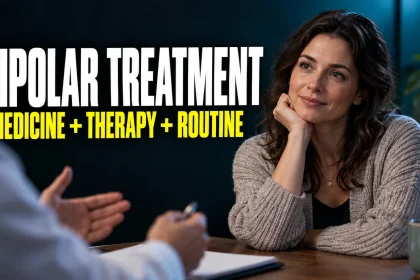
The first step I took towards overcoming Bipolar II disorder was seeking professional help. I reached out to a therapist who specialized in treating people with bipolar disorder. The therapy sessions were an eye-opener for me. I learned how to identify triggers that lead to my mood swings, manage my emotions, and communicate effectively. The therapist also introduced me to various coping strategies, such as mindfulness meditation, exercise, and journaling. The combination of therapy and medication helped me stabilize my moods and improve my quality of life.
Making Lifestyle Changes
In addition to seeking professional help, I realized that I needed to make some significant lifestyle changes. I quit drinking alcohol, which was a significant trigger for my hypomanic episodes. I also started to prioritize sleep hygiene, eating a healthy diet, and exercising regularly. These changes helped me maintain stable moods and improved my overall well-being.
Building a Support Network
One of the most critical aspects of my journey was building a support network. I reached out to my family and friends, who were supportive and understanding. They provided a safe space for me to talk about my struggles, without judgment. I also joined a support group for people with Bipolar disorder, which helped me connect with others who understood what I was going through. Being a part of a community of people who shared similar experiences made me feel less alone.
Practicing Self-Care
As I continued on my journey, I realized the importance of practicing self-care. I started to prioritize activities that brought me joy, such as reading, painting, and spending time in nature. I also learned how to set healthy boundaries and say no when I needed to. Practicing self-care helped me build resilience and cope with the ups and downs of living with Bipolar II disorder.
Focusing on Personal Growth
As I continued to make progress in my recovery, I began to focus on personal growth. I attended workshops and seminars that helped me learn more about myself and develop new skills. I also pursued hobbies and interests that helped me grow as a person. Focusing on personal growth helped me build confidence and a sense of purpose in life.
Embracing Mindfulness
One of the most significant changes I made in my life was embracing mindfulness. I learned how to be present in the moment, without judgment or attachment to my thoughts and emotions. Mindfulness helped me reduce stress and anxiety and improve my overall well-being. I started to meditate regularly and practice mindfulness in my daily life. It helped me develop a greater sense of self-awareness and acceptance of myself.
FAQs
- Is Bipolar II disorder treatable?
Yes, Bipolar II disorder is treatable. With the right treatment, such as therapy and medication, people with Bipolar II disorder can lead a stable and fulfilling life.
- Can lifestyle changes help manage Bipolar II disorder?
Yes, lifestyle changes can help manage Bipolar II disorder. Quitting alcohol, practicing good sleep hygiene, eating a healthy diet, and exercising regularly can help stabilize moods and improve overall well-being.
- Is it possible to overcome Bipolar II disorder?
While there is no cure for Bipolar II disorder, it is possible to manage the condition and lead a fulfilling life. With the right mindset, determination, and support, people with Bipolar II disorder can overcome the challenges and live a stable life.
Conclusion
Living with Bipolar II disorder can be a challenging and overwhelming experience. But, with the right treatment, lifestyle changes, support network, and personal growth, it is possible to overcome this mental health condition and save your personal life.
My journey of how I overcame Bipolar II and saved my personal life taught me valuable lessons about self-discovery, resilience, and the power of mindfulness. If you or a loved one is struggling with Bipolar II disorder, know that you are not alone. Seek help, make positive changes in your life, and embrace the journey of self-discovery and recovery.