
Food Is a Process, Not a Recipe
Food does not change because of recipes.
Food changes because of heat, time, moisture, and structure.
The same ingredient can feel soft, dry, heavy, or satisfying depending on how it is treated. Understanding food basics means understanding why food behaves the way it does, not just how to cook it.
This guide explains the fundamental principles behind food behavior, helping you cook with awareness instead of guesswork.
1️⃣Ingredients Have Structure Before Cooking
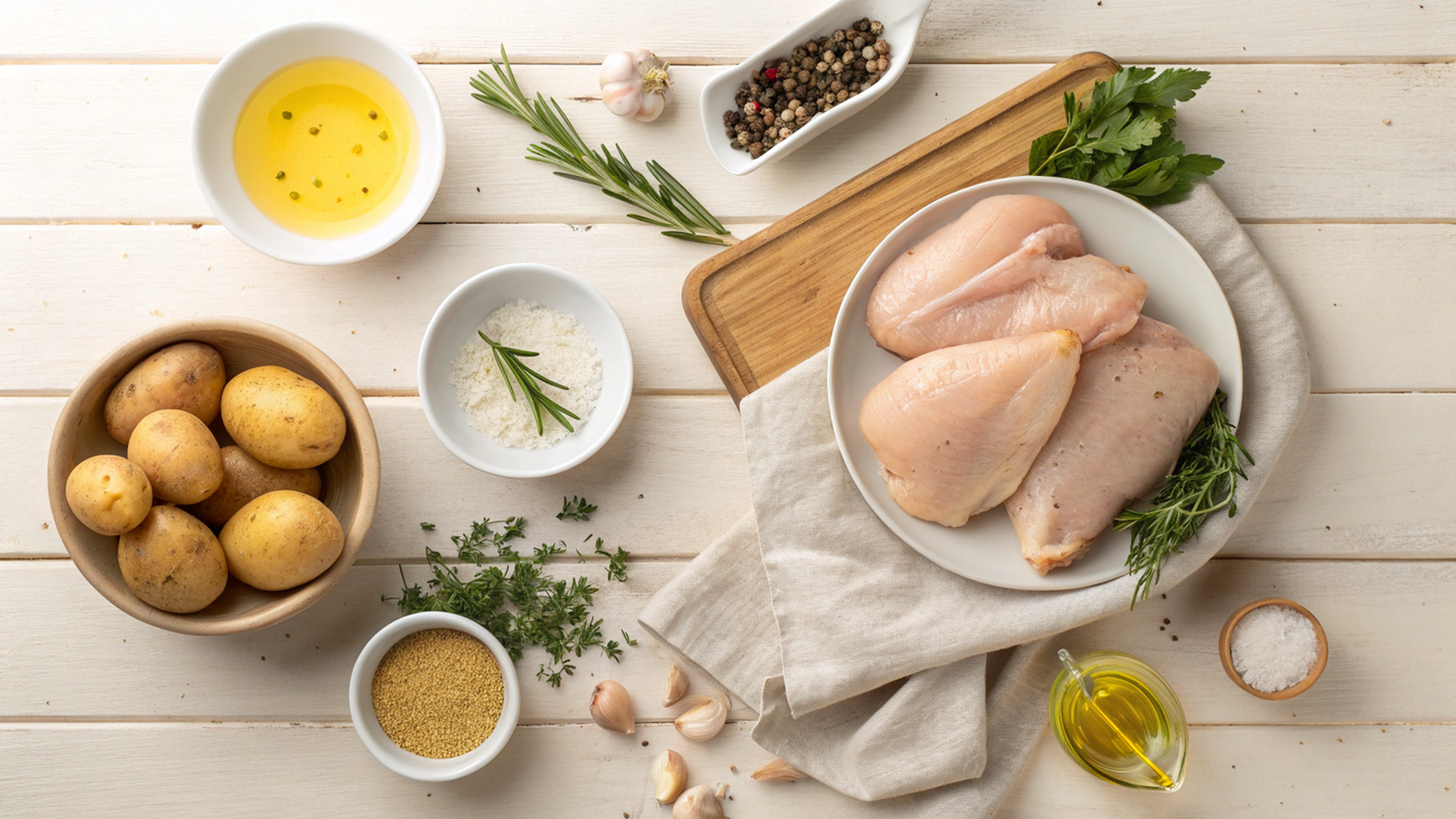
Every ingredient begins with a physical structure:
- Meat contains muscle fibers and water
- Vegetables contain cell walls and starch
- Oils contain fat molecules that react to heat
Before cooking, food is stable. Once heat is applied, that structure begins to break, tighten, or transform.
2️⃣Heat Is the Main Trigger of Change
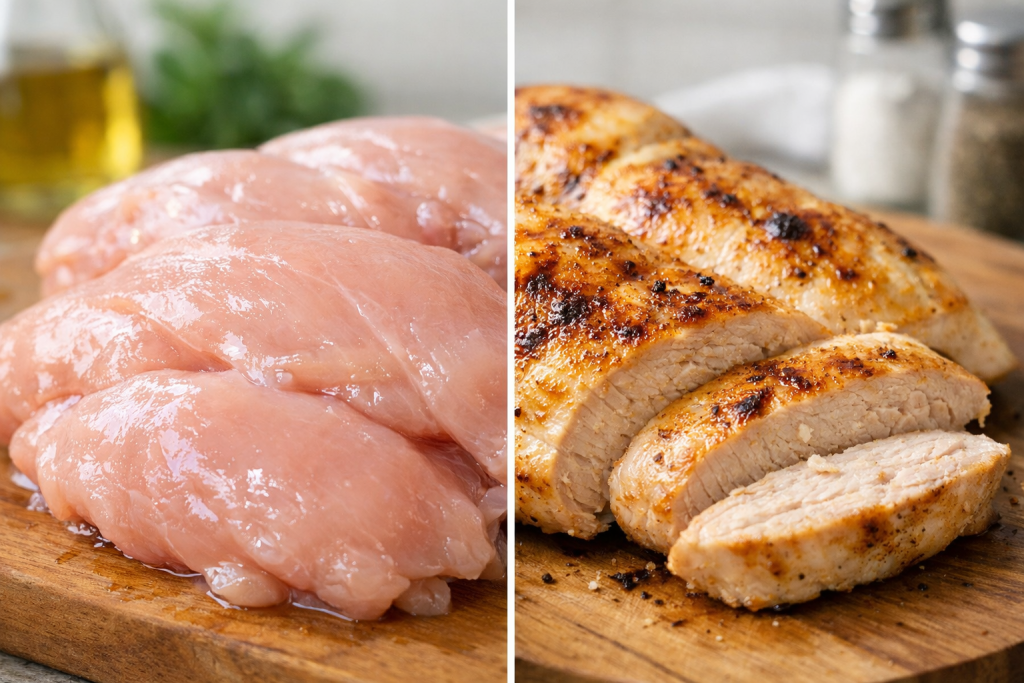
Heat is not just temperature — it is energy transfer.
When heat enters food:
- Water starts to evaporate
- Proteins tighten and squeeze moisture out
- Starches swell, soften, or burst
Too much heat causes:
- Dryness
- Tough textures
- Loss of natural flavor
Too little heat causes:
- Raw centers
- Gummy textures
- Uneven cooking
3️⃣Time Controls Texture More Than Temperature
High heat for a short time and low heat for a long time create very different results.
Examples:
- Fast cooking → crispy outside, moist inside
- Slow cooking → soft, broken-down fibers
- Overcooking → moisture loss regardless of method
This is why:
- Chicken breast dries out quickly
- Slow-cooked meat feels tender
- Vegetables can turn mushy
Time determines how far the transformation goes.
This is why many home cooks struggle with dryness, especially when preparing lean meat like chicken breast, as explained in why chicken breast dries out so easily.
4️⃣Moisture Is What Makes Food Feel Juicy or Dry
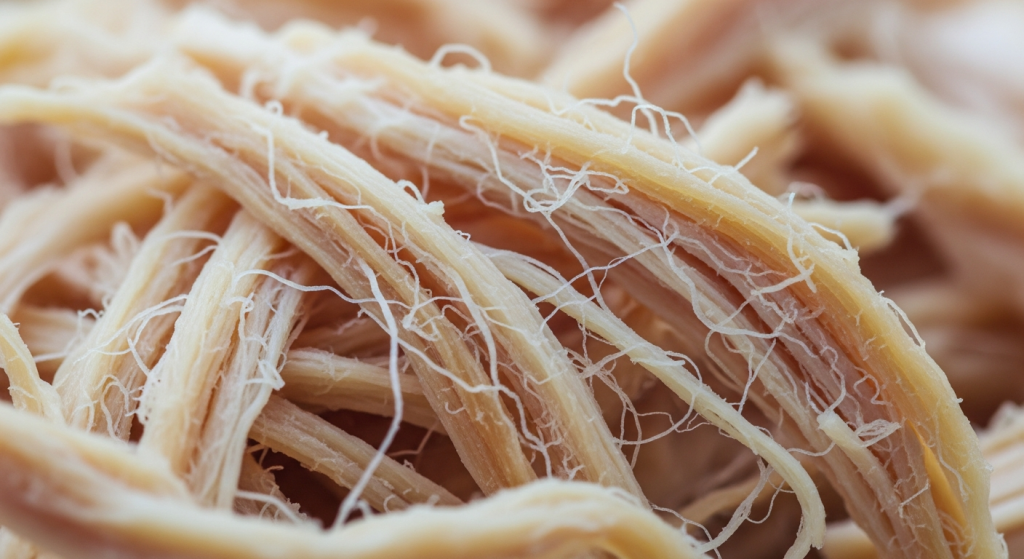
Food does not become dry because it “loses flavor.”
It becomes dry because it loses water.
Moisture escapes through:
- High heat
- Long cooking duration
- Repeated reheating
Once moisture leaves, it cannot return naturally.
5️⃣Fat Carries Flavor and Softens Texture
Fat plays three roles in cooking:
- Carries flavor
- Prevents sticking
- Slows moisture loss
This is why:
- Lean food feels dry faster
- Fatty cuts feel more forgiving
- Oil changes mouthfeel even without seasoning
Removing fat completely often removes satisfaction, not just calories.
6️⃣Texture Affects How Full Food Feels
Texture influences eating speed and satisfaction.
- Crunchy food slows eating
- Soft food is eaten faster
- Dry food feels unsatisfying
- Balanced texture feels complete
Texture strongly affects eating satisfaction, which is why crunchy meals often feel more complete, as explored in why crispy food feels more satisfying.
This explains why:
- “Clean” meals can still feel uncomfortable
- Light meals sometimes feel heavy
- Crispy food feels more satisfying
7️⃣ Cooking Methods Are Just Tools, Not Solutions
Air frying, baking, boiling, pan-frying — these are methods, not guarantees.
What matters is:
- Heat level
- Exposure time
- Moisture control
The method does not fix poor timing.
Each cooking method influences moisture and structure differently, which is explained in detail in how different cooking methods change texture.
8️⃣ Food Basics Help You Predict Results
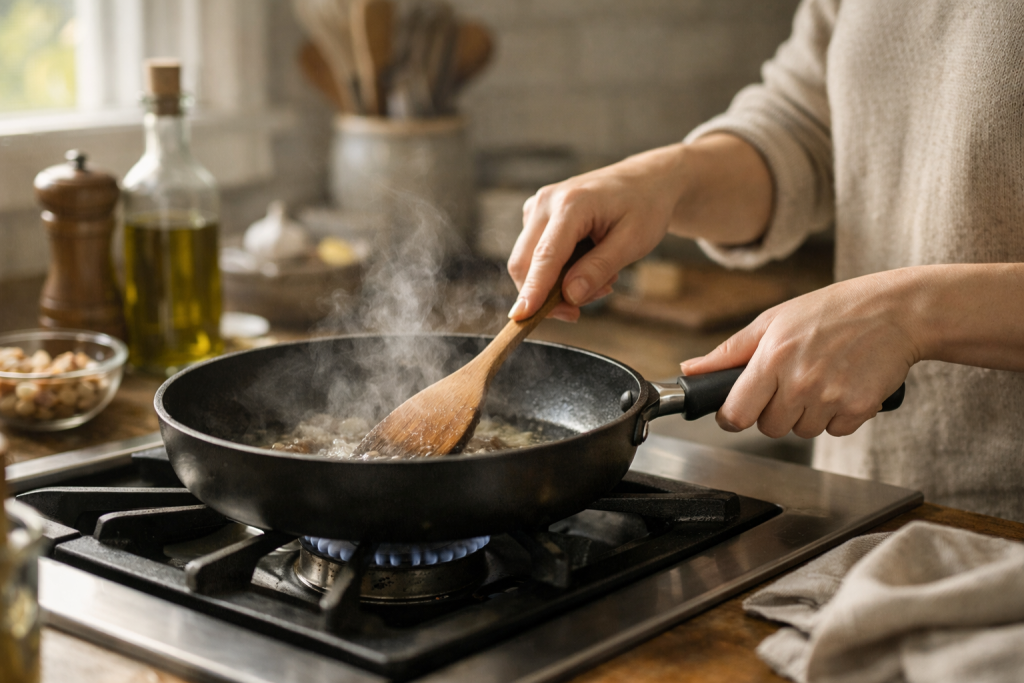
Once you understand food behavior, you can predict outcomes:
- You know when food will dry out
- You know when texture will soften
- You know when flavor will concentrate
Cooking becomes controlled, not random.
FAQs
Why does food taste different every time?
Food tastes different because heat intensity, cooking time, ingredient moisture, and even pan surface conditions vary slightly in every session. Small changes in these variables affect texture and flavor development.
Is overcooking always about temperature?
No. Overcooking is often more about total cooking time than heat level alone. Even moderate heat can dry food out if exposure lasts too long.
Why does lean food dry out faster?
Lean foods contain less fat and lower intrinsic moisture, which means water evaporates more easily during cooking. Without fat to buffer heat, dryness occurs more quickly.
Summary
Food changes because of:
- Heat
- Time
- Moisture
- Structure
Understanding these basics helps you:
- Avoid dryness
- Control texture
- Cook more consistently
These principles form the foundation of everything covered in our food basics guides.