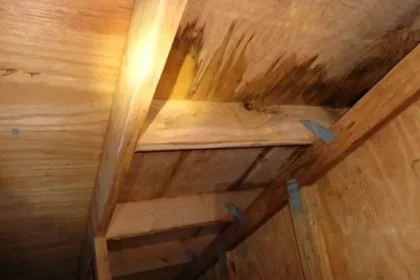



Tips to Preserve Water Damage in the Attic
You might be wondering how to preserve your home’s attic from water damage. After all, it is a rarely visited space that can contain your HVAC system, storage boxes, and piles of insulation. If water damage occurs in this space, it will go unnoticed and could lead to mold growth and even weaken the structure of your home. Fortunately, there are several things you can do to ensure that water damage in your attic remains confined to its original location.
Insulation
Insulation is essential to preserving water damage in attics. Properly insulated attics conserve energy and decrease the work of power plants. In addition to preserving water damage, insulation also protects against mold and mildew. Most power plants release pollutants when they operate, which are harmful to the environment.
A leaky roof can cause water damage to insulation. A professional roofing company can help identify the leak and repair the damage. Wet insulation can be a health risk and promotes mold growth, so it should be repaired or replaced as soon as possible. Here are a few tips for preserving water damage in attics:
Ensure your insulation has proper air barriers. Proper insulation will prevent excessive moisture from entering your home and causing structural damage. Proper insulation will also prevent heat loss and improve energy efficiency. In addition, it is inexpensive and quick to install. For a high-performance, water-resistant attic, you can choose blanket insulation.
When you purchase fiberglass insulation, remember that it traps dust and airborne mold. When it becomes wet, the mold can grow on the paper backing of the insulation. Another type of insulation, cellulose, is treated with fire-retardants. However, this type of insulation is susceptible to mold and mildew and can transfer moisture to ceilings, drywall, and wooden structures.
Before installing new insulation, you should thoroughly clean the attic area. Water damage can affect electrical components and lighting, which is why proper insulation is essential to protect them. It is wise to have a professional inspection to ensure your attic is water-tight and that the insulation is intact.
Proper ventilation
Proper ventilation is vital to preserve water damage in the attic of your home. In order to do this, homeowners must check the condition of the ventilation in the attic. They should be aware of any factors that may affect this type of ventilation, including moisture and gutters. In addition, homeowners should check the eaves to make sure that there is adequate air flow to the attic. For example, if you see daylight at the eaves, you can check for the presence of attic ventilation.
Proper attic ventilation can prevent water damage in a variety of ways. Ensure that all attic vents are positioned well to direct warm air outside. If warm air is blowing into the attic, it can increase the humidity level, causing water damage. Also, make sure to install attic insulation and protect exposed pipes.
Proper ventilation can help prevent costly repairs and preserve the structural integrity of your home. It can also protect the roof from rot and mold damage. When the attic is too humid, moisture will cause shingles to deteriorate prematurely and cause structural damage. Proper ventilation can prevent these problems by moving air throughout the attic.
Proper attic ventilation can also help to prevent ice dams. Ice dams are formed when warm air hits the roof deck and melts snow on the roof, which refreezes. These dams can damage the gutters or even cause shingles to fall off the roof. This can lead to roof damage and costly repairs.
Proper ventilation is essential to prevent long-term damage and reduce heating bills. Proper attic ventilation will also protect against mold and mildew growth. Proper ventilation can also extend the life of your roofing system. Proper ventilation will keep excess moisture from building up in your attic and will improve its insulation.
Roof leaks
To prevent water damage from a roof leak, homeowners can take several steps. Cleaning the roof regularly is an important first step, as debris can block the gutters, causing water to pool instead of draining. If a tree is located near the roof, it is important to trim its branches so that they do not collide with the roof, providing an opening for water to enter the building.
If you’re unable to get to your roof quickly, a bucket can catch the water as it falls. Alternatively, you can use an old T-shirt to absorb water that splashes on the floor. Another method for soaking up excess water is to attach a plastic barrier to interior walls. If the leak comes through the floor or the attic, you can use a suction hose to gather the water.
Once you’ve located the leak, you’ll need to document the damage. A few photos will help you preserve the damage and present it to your insurance company. If the damage is extensive, you may need to call in a water extraction service to complete the job. If you don’t have the funds to pay for the repairs, your homeowners’ insurance may not cover the costs of the work.
If you notice a bulge in the ceiling, water is collecting in that area. Leaving this area unpunctured will only cause more water damage to the ceiling and leave a bigger mess. To puncture the bulge, use a screwdriver to puncture it at the lowest point. It may be necessary to puncture several times, depending on the size of the leak.
Mold growth
If you suspect that your attic has water damage, you should call a professional to get the mold problem fixed. Mold growth is a serious problem and can affect anyone’s health. The first step in the remediation process is to clean the affected area thoroughly. Do not dilute the vinegar before applying it; simply apply it directly and leave it to dry for one hour. If needed, you can repeat the treatment. However, you must let the area dry completely before you apply it again.
Mold in your attic is most common if there is a leak in your roof. The leak will affect the insulation and the wood. If the leak occurs around a skylight or chimney, it can also affect windows and air conditioners. Additionally, if your attic doesn’t have vapor barriers, there may be condensation in the attic, which will also cause mold growth.
The best way to prevent the growth of mold in the attic is to increase the ventilation in the space. If your attic has a good ventilation system, there will be no need to keep the room dry. If your attic isn’t well ventilated, moisture can remain there for months, even years. Luckily, there are many affordable ways to clean up mold in the attic. Contact a local mold professional to help you with the cleanup process.
During the wet season in Oregon, the attic is often susceptible to water damage. If the attic is not properly ventilated, moisture can accumulate inside the drywall, roofing material, and plumbing. This is an ideal environment for mold growth.
Tips to Preserve Water Damage in the Attic – Final Thoughts
While water damage in the attic is rare, it can cause major problems if it’s left untreated. In order to prevent further damage, you should inspect the attic on a regular basis for signs of water damage. One obvious sign is stains on the ceiling. However, there are also less obvious signs.
Identifying the source of the leak is an immediate first step. The next step is to contain the leak. If water is not contained, it could cause mold, rotted wood, and unstable building structures. To prevent further damage, you should remove any soaked belongings and clean the area. After that, check the area for signs of damage and assess the extent of the damage.
Remove any moisture that has leaked into the attic. Even if the leak is small, you must dry the area thoroughly. To do so, use fans and large-capacity dehumidifiers. You may also want to remove electrical components from the attic. These can cause fire hazards.
Store flammable items outside of the attic. While it may be tempting to leave them inside, attic humidity can cause fire and ruin them. In addition to destroying the items, it can spread to the rafters and roofing materials. During the holiday season, keep your Christmas decorations and holiday ornaments in a protected area away from the water damage.
Compare Local Home Specialists Near You
Tell us what kind of help you need, then compare nearby businesses by location, Google rating, review volume and contact options.
HomeFix Local Match
Turn a home problem into a practical local hiring decision. Check the clues, see the specialist types that fit, open focused surrounding-location searches, then compare the strongest three before you call.
 YOUR PROBLEM
YOUR AREA
COMPARE 3
✓ Ready to compare
YOUR PROBLEM
YOUR AREA
COMPARE 3
✓ Ready to compare
What is happening?
Choose the closest problem type, then check every clue that applies. Your selections change the specialist order.
Where should the search focus?
Use Google’s “near me” context or enter the area you actually want a specialist to serve.
Simple local search: open nearby Google results, choose the businesses that look suitable, then compare your best three here before you call.
Problem snapshot
Who should you call first?
These are the specialist types most likely to fit the clues you selected.
Search around your location
Compare your top three
Use the same factors for each option so a high star rating does not hide a weak scope, poor diagnosis, missing credentials or unclear aftercare.
Comparison result
Your result combines the Google signals you entered with the practical hiring checks you completed.
Questions to ask every finalist
Use the same questions with each shortlisted business so the comparison stays consistent.