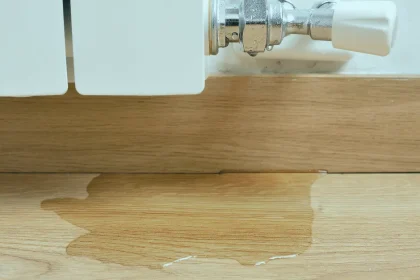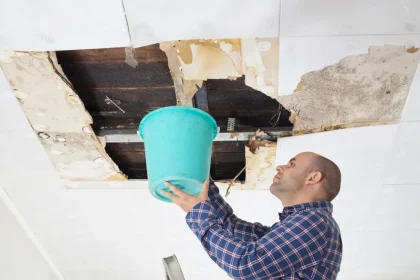

Water damage in your home, whether caused by rain or other natural disasters, can be costly and time-consuming to remediate.
Major roof leaks should always be handled by a qualified contractor who can inspect and fix the issue. They also have the expertise to replace damaged drywall, insulation, and water supply lines as necessary.
Find the roof leak
When a home experiences a roof leak, owners must act quickly to identify it and take necessary steps for repair. Otherwise, they could face significant water damage and require replacement of the roof.
Finding the source of a leak can be tricky. Water often travels through an open roof, making it difficult to identify its exact cause.
Once water penetrates a roof, it often flows downward toward an opening in its sheathing.
Your leak will eventually find a way out, leading to the stain in your ceiling.
You can attempt to locate the leak by climbing onto your roof with a flashlight and searching for signs of water.
Unfortunately, many homes lack attic access. If yours does, call a roofing company and have them climb up on the roof for you. Alternatively, check for roof penetrations like vents, chimneys and skylights to identify where the leak is coming from.
Common way to identify the source of water damage from roofs

When searching for roof leaks, home maintenance professionals advise that one first examine the attic space for signs of moisture or mold. Damp areas can lead to health problems and structural damage, but they also pose an electrical hazard as moisture can seep into wires and cause fires.
If the attic area is dry, a water leak can be spotted by looking for discolored or peeling interior paint. Additionally, look for dark spots on rafters, ceilings, and insulation.
The first step to finding the source of a leaking roof is to inspect the attic. This is a rarely-visited area, and the chances of water damage are higher in this space than in the rest of the house.
Once you have inspected the attic, take a flashlight and walk around the ceiling.
If your roof is leaking, you will need to inspect its source. Although this task can be challenging, it’s essential that you do so before water seeps into your home.
Begin by inspecting your gutters and downspouts for any clogged areas that could divert water onto your roof. Doing this could cause soft spots which could eventually result in leaks.
1. Water Stains on Ceilings
Are you noticing water spots and stains on your ceiling? This could be indicative of an underlying roof issue. If left unresolved, this problem can cause serious structural damage and necessitate costly repairs.
If the stain is located close to a chimney, attic vent, skylight or dormer, it’s likely due to roof leakage. To be certain, inspect the area for signs of water damage.
Additionally, look for signs of mold growth in wet ceiling materials. This could indicate that the water damage is old and has gone undetected for some time.
2. Sagging or Cracked Ceilings
Sagging or cracked ceilings can be indicative of structural damage, especially in older homes where foundation settlement and other issues may weaken the building’s framework.
All buildings, whether new or old, are subject to movement due to seasonal shrinkage and expansion due to weathering or gradual settlement of their foundations into the ground beneath them.
When a drywall ceiling is not adequately supported by joists or trusses, it can bow or sag in one or more areas. This puts undue stress on the drywall, leading to cracks to appear.
Sagging ceilings can be repaired by drilling 3/16-inch holes every 6 to 8 inches along the section and into the wood lath beneath. Inject acrylic adhesive through these holes, letting it seep out through drywall screws that are inserted into them. This adhesive will draw up the sagging plaster ceiling onto its supporting lath.
3. Dripping Ceilings
If your roof is leaking, it’s essential to inspect the situation and prevent further harm from occurring. Not fixing a leak could lead to mold growth, rotted wood and damaged insulation if left unchecked.
To locate the source of a leak, begin at the top and measure down until you believe the water begins. Doing this makes it simpler for roofing contractors to identify where the issue originates when they arrive on site.
Test for a leak by running a hose over it and watching how water flows. Water typically moves downward, seeking the path of least resistance – so areas near the leak may have water, while others further away may not have any at all.
4. Mold
Roof leaks create an environment in which mold can thrive, leading to serious health and safety risks. That is why leaking roofs can be such a significant problem for buildings.
When diagnosing a mold problem, the initial step is to pinpoint where the moisture originated from. This could be anything from a leaky pipe, damaged roofing material or moisture-damaged building material.
If you detect mold, seek professional assistance immediately. Mold spores can be hard to spot and may hide beneath or behind building materials, so it’s always best to enlist the assistance of a trained specialist for identification.
The primary sign of mold is a musty odor in the air or on surfaces. This odor may also be present in areas that appear to be moist.

Other common issue Leaks From the Roof
Water leaks in your home can be difficult to pinpoint the source. They may appear near window sills, in ceilings or anywhere else on the exterior of your house. It is essential that you identify and fix the cause before the problem becomes too serious and spreads beyond its initial scope.
- A missing screw can allow water to seep into your house. Furthermore, check for damaged roof vents holding shingles up against your house for signs of water damage.
- Broken or cracked window seals are another common source of leaks in your home. A broken window may be due to improper installation, poor construction, or inadequate upkeep.
- Old, cracked or missing caulk between your window frame and siding or between the window and corner boards can lead to leaks in your home. A leaking window could also result in mold problems as moisture allows mildew growth and other types of fungi.
- Improperly installed skylights can cause a roof leak. They function like windows that allow sunlight into your home, and must be securely sealed to prevent water infiltration into the structure.
- Flashing, which is an L-shaped metal piece running along the outside of your roof to cover window frames, can leak if it’s improperly installed or weathered by exposure to weather and sun. A leaking skylight could also encourage mold growth inside your home – this should be addressed by a qualified professional for optimal safety.
- Clogged drainage holes are another common culprit of a leaky window. These channels allow water to pass through the window’s seals, but they can become clogged with dirt or gunk if not regularly cleaned.
- A clogged drain can also result in water that stains carpet or floors. It also leaves behind a musty smell in your home that gets worse after rainstorms or when you open windows or turn on your HVAC system.
If you’re uncertain whether your window or roof is to blame for a leak, ask someone to help go up on your roof and run a hose around different parts of your home until you locate its source. Once identified, follow the water to its source and take immediate action to repair it quickly.
Identify the cause of the water damage
Identification of the source of water damage is critical when trying to repair your roof. If it’s from a pipe, for instance, shutting off its source until repairs can be made is paramount.
Water damage due to a leaky roof is often the result of damaged flashing installed in groves where slopes meet on your roof, helping direct rainwater away from shingles and onto the ground.
However, if the flashing is damaged or rusted, water can seep in and cause all sorts of issues. It could lead to rotting, musty odors, and mold growth.
A leaking roof can also cause wallpaper, baseboards and wall trim to separate from their walls. If you spot these warning signs, act quickly to fix the leak before the damage worsens and your ceiling collapses. For help repairing your roof, reach out to PuroClean; they’ll diagnose the source of the issue and make necessary repairs so your commercial property looks its best again.
What cause the source of the water
Your roof could leak for many reasons, such as damaged flashing, missing shingles or structural damage. In addition, storms often bring about significant amounts of rain that penetrates into the roof.
Determining the source of the issue is essential in fixing water damage. To do this, inspect all areas on the roof and note any areas that have been compromised.
Water can come from various sources, such as rain or condensation on metal pipes and nails. The most crucial step in the process is identifying the source and selecting the most cost-effective solution.
To locate the source of a roof water leak, use a ladder and secure its footing. You may use a garden hose to do the job as well, but be sure to isolate areas so you don’t get soaked in the process. Start low and soak parts of the roof at a time before moving up towards higher levels.
Determine the cost of the damage
In general, water damage restoration costs are determined by two factors: the type of water and how much damage has been done. For instance, a minor leak in your bathroom that can be easily patched up at home might cost around $150-200; on the other hand, larger projects such as basement flooding may necessitate more time and expertise from professionals.
Roofs that have been severely damaged due to storms or other events will need replacement. While this step can be expensive, it is necessary for ensuring the safety of both your family and property.
If your roof is leaking, check the areas that are easily accessible. For instance, inspect your attic, crawl space or utility closet to see if there are any puddles or soft spots indicative of water damage.
Once you’ve identified the leak, carefully assess its damage and determine what caused it. Acting quickly will help minimize repair expenses while also decreasing the chance of health problems or other issues developing in the future.
Fix the problem
To restore your roof, it is best to detect the issue early. This can be done by having a professional inspect your roof and suggesting repairs before any extensive damage has been done.
Your roof is one of the most critical structural elements of your home, so it’s important to take action as soon as you notice a problem. Fixing minor problems such as missing shingles or damaged gutters now can save costly water damage in the future.
A professional restoration company will have all the tools and expertise to get your roof back in top condition. From repairing damaged shingles and tightening water supply lines to replacing drywall and insulation, they’ll do it all.
Restoration experts may take it a step further by using in-place drying technologies like air movers and dehumidifiers to guarantee your home is dry as a bone. This process is the most cost-effective and efficient way to save your belongings from costly water damage or mold removal costs.
An Easier Way to Fix Water Damage from Roofs – Final Thoughts
Water damage caused by leaking roofs can ruin floors, ceilings, and wooden beams. It can also lead to mold growth, which is highly dangerous. If the water is not remedied in a timely manner, it can lead to further structural damage. To prevent this, it is important to move affected furniture to a more dry location. In addition, you should place towels and containers under the affected areas to collect excess water.
The first step in the process is to identify the source of the leak. If the water is coming from the roof, you should look for shingles that are cracked or missing. You can also look for signs of damaged flashing, which includes cracks, tears, and holes. Moreover, you should check if you can spot leaves and twigs on the roof. This way, you can determine whether your roof is in good condition overall.
If you have discovered a leak on your roof, you can contact a plumber or a roofer to fix the leak. If you cannot find a leak, you can put up a tarp to catch the water. Water from roofs can ruin drywall ceilings. If you have a leaking roof, you can call a plumber to fix the problem or a roofer to repair the damaged ceiling.
Water damage from roofs can be a serious problem if you don’t act quickly. It can ruin your home and your possessions. Getting a leak repaired is crucial. A damaged roof can be very frustrating.
Compare Local Home Specialists Near You
Tell us what kind of help you need, then compare nearby businesses by location, Google rating, review volume and contact options.
HomeFix Local Match
Turn a home problem into a practical local hiring decision. Check the clues, see the specialist types that fit, open focused surrounding-location searches, then compare the strongest three before you call.
 YOUR PROBLEM
YOUR AREA
COMPARE 3
✓ Ready to compare
YOUR PROBLEM
YOUR AREA
COMPARE 3
✓ Ready to compare
What is happening?
Choose the closest problem type, then check every clue that applies. Your selections change the specialist order.
Where should the search focus?
Use Google’s “near me” context or enter the area you actually want a specialist to serve.
Simple local search: open nearby Google results, choose the businesses that look suitable, then compare your best three here before you call.
Problem snapshot
Who should you call first?
These are the specialist types most likely to fit the clues you selected.
Search around your location
Compare your top three
Use the same factors for each option so a high star rating does not hide a weak scope, poor diagnosis, missing credentials or unclear aftercare.
Comparison result
Your result combines the Google signals you entered with the practical hiring checks you completed.
Questions to ask every finalist
Use the same questions with each shortlisted business so the comparison stays consistent.