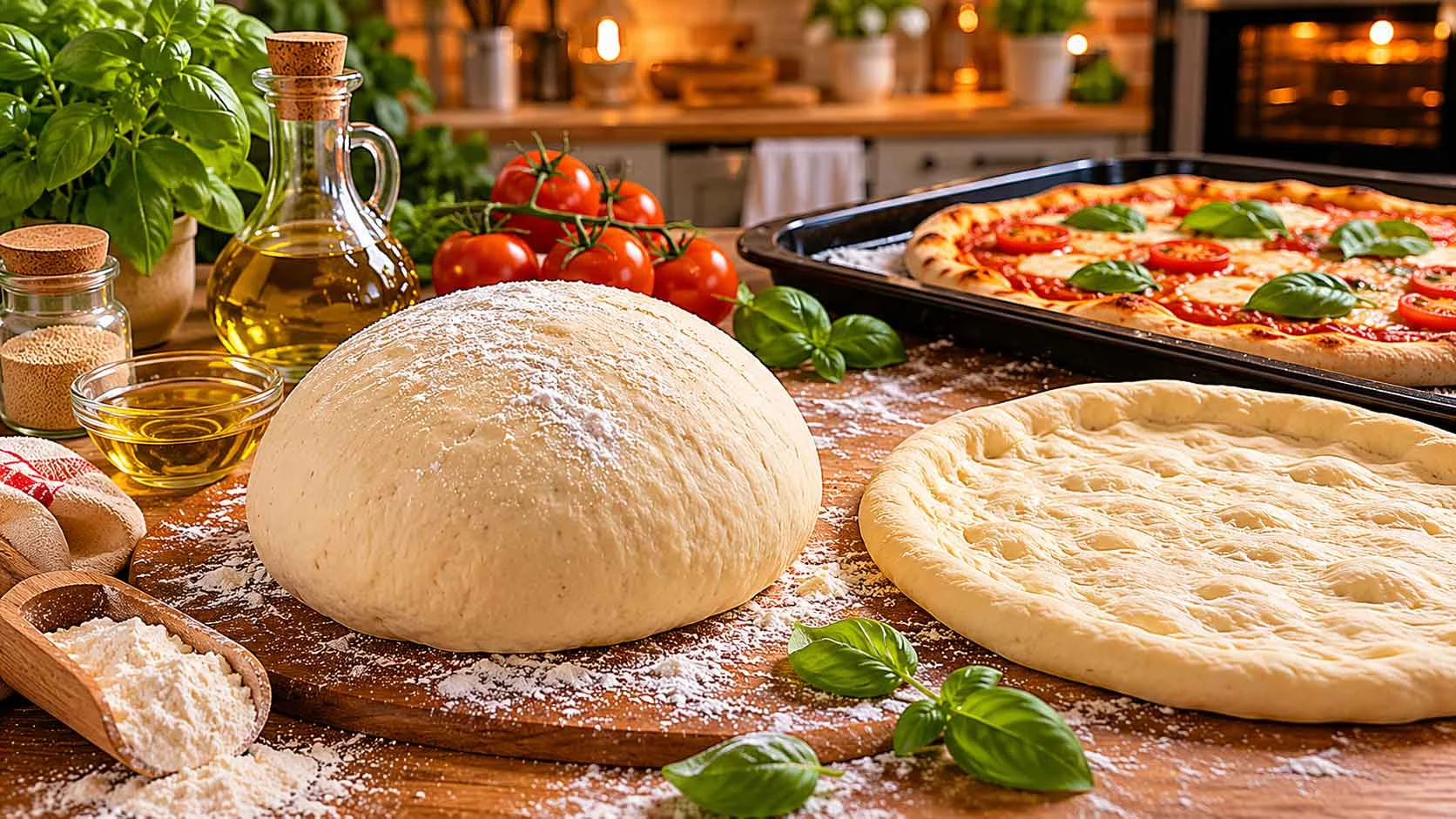

Homemade pizza dough changes more than texture.
It controls crust structure, air pockets, chewiness, browning behavior, moisture evaporation, and how toppings react inside high heat.
Many easy pizza dough recipes fail because the dough balance is wrong.
Too much flour creates dense crust. Too much water makes shaping difficult. Too much yeast causes over-expansion and weak flavor development. Insufficient resting reduces gluten elasticity and oven spring.
A proper easy pizza dough recipe creates:
- better crust lift
- softer interior texture
- stronger edge bubbles
- cleaner browning
- improved topping support
- balanced chewiness
This recipe focuses on simple ingredients, beginner-friendly handling, and realistic home oven cooking instead of professional pizza ovens.
The goal is not restaurant perfection.
The goal is creating repeatable homemade pizza dough with reliable structure, flavor, and crust behavior.
Why Pizza Dough Texture Changes So Much
This is why rested dough usually produces better edge bubbles, softer chew, and stronger oven spring.
Pizza dough behaves differently depending on four major variables:
- hydration
- gluten development
- fermentation
- cooking temperature
These variables directly affect how the dough expands during baking.
A lower hydration dough usually feels easier to handle but creates denser crust.
Higher hydration dough creates larger air pockets and softer interiors but becomes stickier and harder for beginners.
Fermentation time also changes flavor complexity.
Fast dough recipes work, but slower fermentation produces deeper bread-like flavor and stronger browning behavior during baking.
The oven environment matters too.
A home oven loses heat quickly compared to commercial pizza ovens, which changes crust expansion speed and moisture evaporation during baking.
Easy Pizza Dough Ingredient List
| Ingredient | Amount | Purpose |
|---|---|---|
| All-purpose flour | 3 1/2 cups | Forms the dough structure |
| Warm water | 1 1/3 cups | Hydrates flour and activates gluten |
| Instant yeast | 2 1/4 teaspoons | Creates fermentation and rise |
| Olive oil | 2 tablespoons | Improves softness and browning |
| Salt | 1 teaspoon | Controls flavor and gluten strength |
| Sugar | 1 teaspoon | Helps fermentation and crust browning |
Step-By-Step Easy Pizza Dough Recipe
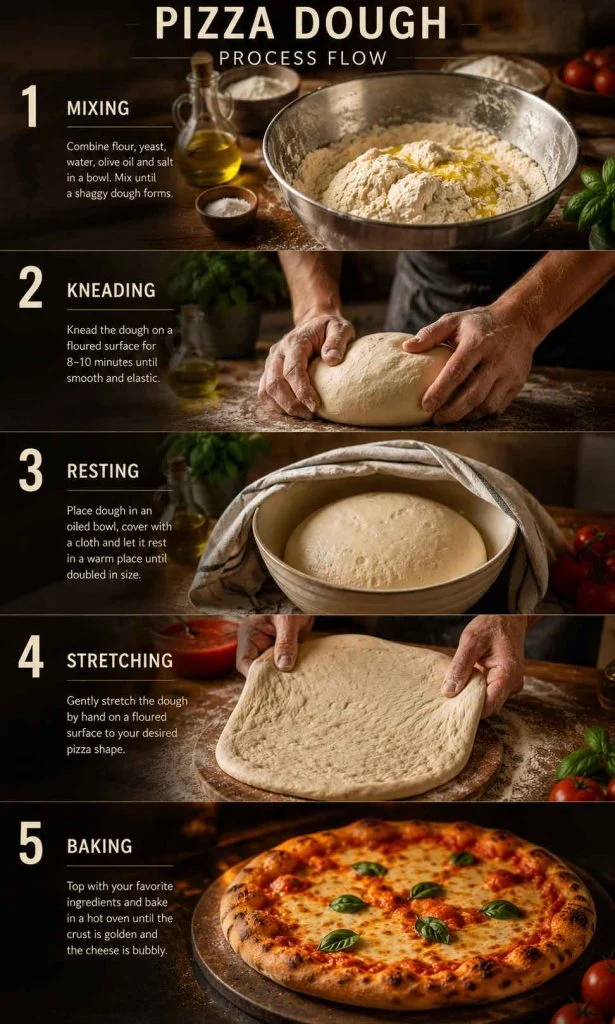
1. Activate The Yeast
Combine warm water, sugar, and yeast inside a mixing bowl.
Let the mixture rest for about 5 to 10 minutes until slightly foamy.
This helps confirm the yeast is active before adding flour.
2. Mix The Dough
Add flour, salt, and olive oil into the bowl.
Mix until the dough becomes shaggy and starts forming together.
The dough may look slightly rough at first.
That is normal.
Overly dry dough at this stage often creates hard crust later.
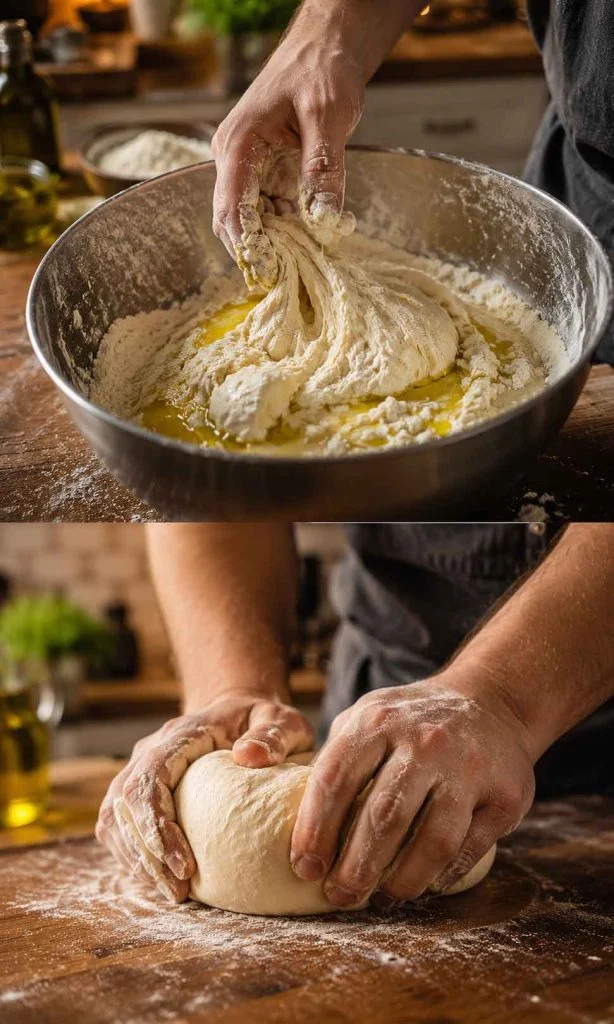
3. Knead The Dough
Knead the dough for approximately 8 to 10 minutes.
The surface should gradually become smoother and more elastic.
If the dough sticks heavily to the table, lightly dust with flour.
Avoid adding excessive flour during kneading because it changes hydration balance.
The dough should remain soft, not stiff.
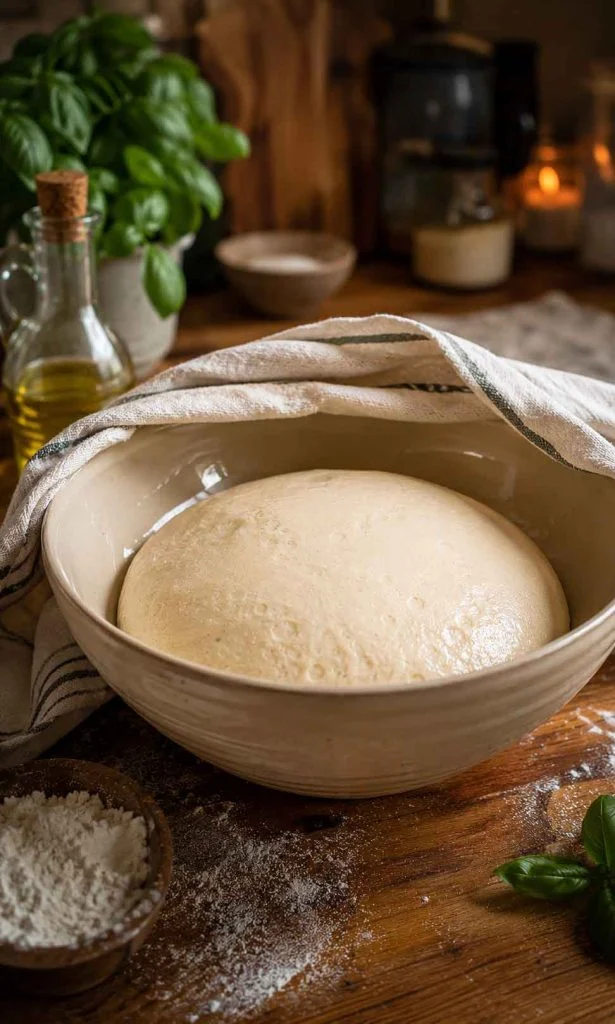
4. Let The Dough Rise
Place the dough inside a lightly oiled bowl.
Cover with cloth or plastic wrap.
Allow the dough to rise until doubled in size.
Most kitchens require about 1 to 2 hours depending on room temperature.
Fermentation changes both structure and flavor development.
Longer resting generally improves elasticity and browning behavior.
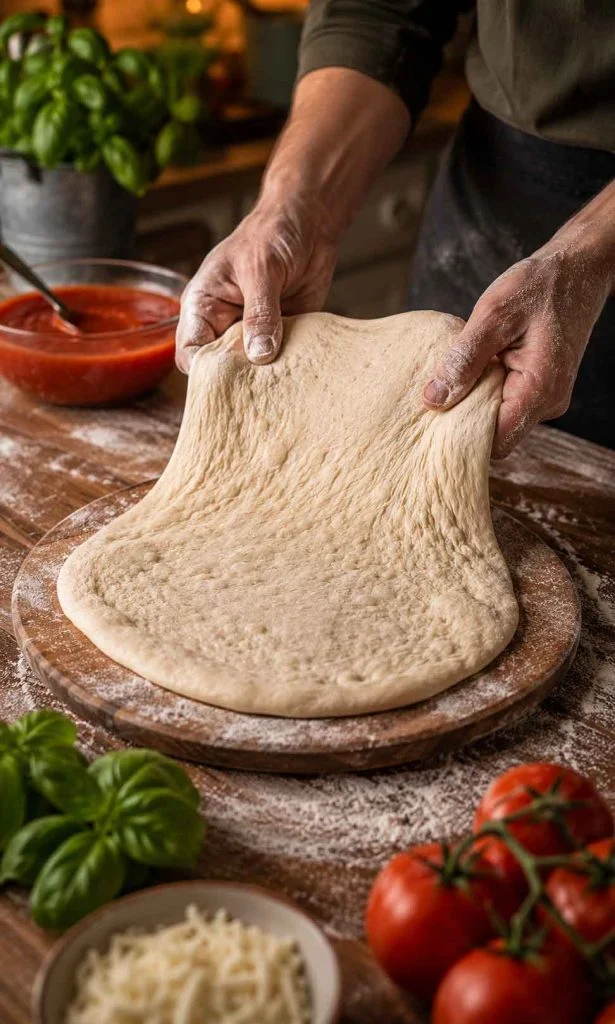
5. Shape The Pizza Dough
Press the dough gently outward from the center.
Avoid aggressively flattening the outer edges.
Keeping gas pockets near the edges helps create larger crust bubbles during baking.
A rolling pin can remove too much internal air.
Hand stretching usually creates better texture variation.
Best Oven Temperature For Homemade Pizza
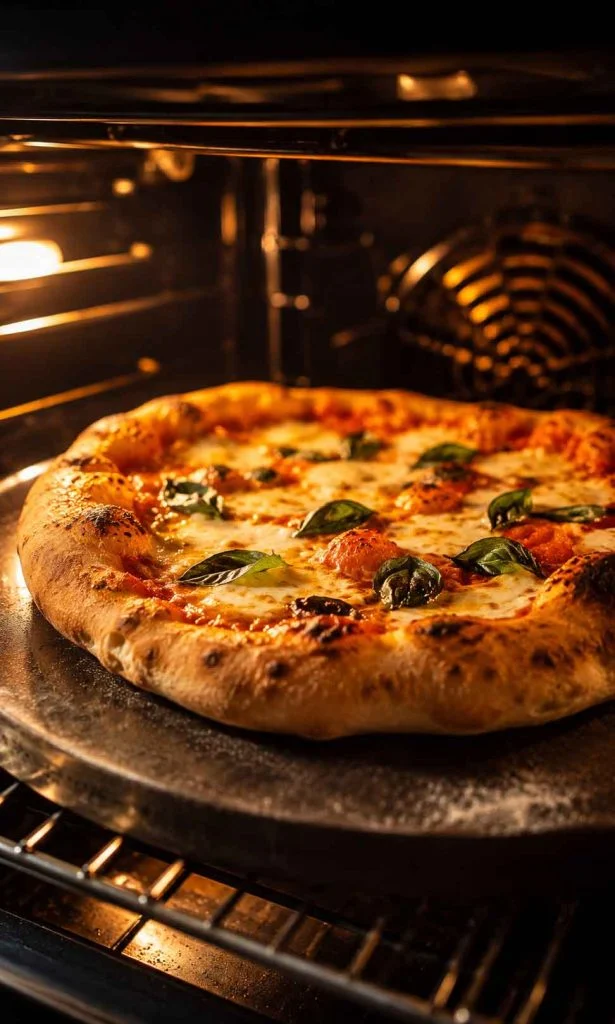
Higher temperatures usually create better pizza crust behavior.
Most home ovens work best between:
- 240°C to 260°C
- 465°F to 500°F
Preheating matters heavily.
A cold baking tray reduces bottom crust expansion and browning.
Pizza stones or steel surfaces improve heat transfer and create stronger crust lift.
Why Homemade Pizza Sometimes Becomes Dense
| Problem | Possible Cause | Result |
|---|---|---|
| Dense crust | Too much flour | Heavy texture |
| Weak rise | Inactive yeast | Flat pizza crust |
| Hard crust | Low hydration | Dry texture |
| Burnt cheese before crust cooks | Oven imbalance | Uneven pizza baking |
How Different Flour Types Change Pizza Dough
Different flour protein levels change gluten strength and chewiness.
Bread flour creates stronger chew and larger air pockets.
All-purpose flour creates softer beginner-friendly crust.
Italian 00 flour creates smoother dough texture and lighter outer crust when cooked under very high heat.
For most home kitchens, all-purpose flour remains the easiest balance between handling and texture.
Homemade Pizza Dough Vs Store Bought Dough
Homemade pizza dough gives you more control over hydration, resting time, flour type, salt level, and crust thickness.
Store bought dough is faster, but the texture can be less predictable because you do not always know how long it has fermented or how much flour was used during handling.
| Variable | What It Changes | Kitchen Fix |
|---|---|---|
| Kitchen Temperature | Changes fermentation speed. | Let dough rise longer in cooler rooms. |
| Flour Type | Changes chewiness and water absorption. | Add flour slowly instead of all at once. |
| Baking Surface | Changes bottom crust browning. | Preheat the tray, stone, or steel properly. |
Can Pizza Dough Be Stored?
Yes.
Pizza dough can remain refrigerated for 1 to 3 days.
Cold fermentation often improves flavor depth because slower yeast activity creates more complex fermentation compounds.
Before baking:
- remove dough from refrigerator
- allow resting at room temperature
- reshape gently after relaxing
Cold dough resists stretching more aggressively.
Best Toppings For Homemade Pizza Dough
Homemade dough performs better when toppings remain balanced.
Too much moisture prevents crust crisping.
Too many heavy toppings reduce oven spring.
Good topping combinations include:
- mozzarella and basil
- pepperoni and mushrooms
- roasted vegetables
- sausage and onion
- garlic chicken
- olive and feta
- BBQ chicken
A balanced topping layer allows heat to reach the dough surface more efficiently.
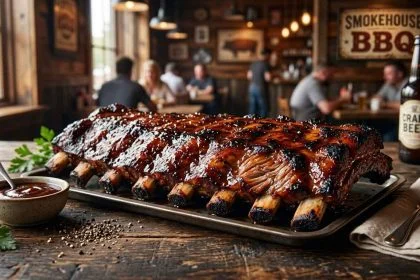
If you enjoy homemade pizza nights, these BBQ marinade recipes can also help create better grilled chicken, steak, and barbecue toppings for outdoor pizza gatherings.
Best Pizza Sauce Pairings For Homemade Dough
Different pizza sauces change how the crust behaves during baking.
Heavy sauces trap more moisture and soften the center crust.
Lighter sauces usually create crispier pizza because moisture evaporates more easily during high heat cooking.
Balancing sauce thickness helps maintain proper crust structure.
| Sauce Type | Flavor Style | Best Toppings |
|---|---|---|
| Classic Tomato Sauce | Balanced acidity and sweetness | Pepperoni, basil, mozzarella |
| Garlic White Sauce | Creamier and richer texture | Chicken, spinach, mushrooms |
| BBQ Sauce | Smoky sweet profile | Chicken, onions, bacon |
| Pesto Sauce | Herb-heavy and aromatic | Tomatoes, feta, grilled vegetables |
Why Resting Pizza Dough Improves Texture
Resting pizza dough changes gluten tension.
Freshly mixed dough often resists stretching because gluten strands remain tight and elastic.
Allowing the dough to rest creates:
- easier shaping
- larger crust bubbles
- softer chewiness
- cleaner oven spring
- more balanced crust thickness
Many beginner pizza dough problems come from rushing fermentation or shaping too early.
The dough should feel relaxed and slightly airy before baking.
Best Cheese Choices For Homemade Pizza
Cheese moisture levels affect how pizza cooks.
High-moisture cheese releases more liquid during baking.
This can soften the center crust if overloaded.
Low-moisture mozzarella remains one of the most stable choices because it melts evenly while reducing excessive water release.
| Cheese Type | Texture Result | Cooking Behavior |
|---|---|---|
| Low-Moisture Mozzarella | Balanced melt and stretch | Most stable for home ovens |
| Fresh Mozzarella | Creamier texture | Releases more moisture |
| Parmesan | Sharper salty finish | Browns quickly during baking |
| Provolone | Smokier cheese flavor | Blends well with mozzarella |
Pizza Dough Recipe Details
| Recipe Detail | Amount | Kitchen Note |
|---|---|---|
| Yield | 2 medium pizzas | Suitable for standard home oven trays. |
| Prep Time | 20 minutes | Does not include rising time. |
| Rise Time | 1-2 hours | Depends on kitchen temperature. |
| Bake Time | 10-15 minutes | Higher temperatures usually bake faster. |
| Cuisine | Italian-American | Adapted for beginner-friendly home cooking. |
Can Homemade Pizza Dough Be Frozen?
Yes.
Pizza dough freezes surprisingly well when stored properly.
The dough should first complete its initial rise before freezing.
After fermentation:
- divide into portions
- lightly coat with oil
- place inside airtight containers or freezer bags
- remove excess air before sealing
Frozen pizza dough usually maintains better texture for about 1 to 2 months.
Longer freezing can slowly weaken gluten structure and reduce rise strength.
When ready to use:
- thaw overnight inside refrigerator
- allow room temperature resting for 30 to 60 minutes
- reshape gently before baking
Sudden temperature changes can make dough stiff and difficult to stretch.
Why Pizza Crust Browning Changes
Pizza crust color depends on:
- sugar levels
- oven temperature
- fermentation
- oil content
- baking surface heat
Longer fermentation naturally improves browning because yeast converts starches into simpler sugars over time.
Olive oil also increases golden crust development during baking.
Lower temperature ovens often create pale crust because surface moisture evaporates too slowly before browning reactions fully develop.
Thin Crust Vs Thick Crust Pizza Dough
Different dough thickness changes baking behavior significantly.
Thin crust pizza:
- cooks faster
- crisps more easily
- supports lighter toppings
- develops stronger bottom crunch
Thicker dough:
- traps more internal moisture
- creates softer chew
- supports heavier toppings
- requires longer baking time
The same dough recipe can often create both styles simply by adjusting shaping thickness and resting behavior.
| Pizza Style | Texture | Cooking Behavior |
|---|---|---|
| Thin Crust | Crispier and lighter | Faster baking and stronger crunch |
| Medium Crust | Balanced chew and crispness | Most beginner-friendly texture |
| Thick Crust | Softer interior chewiness | Needs longer baking time |
Common Homemade Pizza Dough Mistakes
Many homemade pizza problems come from small handling mistakes instead of ingredient problems.
Common issues include:
- adding too much flour during kneading
- under-resting the dough
- cold dough stretching
- overloaded toppings
- insufficient oven preheating
- weak baking surface heat
Home pizza improves heavily through repetition because dough handling becomes easier after understanding texture behavior.
A slightly sticky dough often produces better final pizza than an overly dry dough.
Best Equipment For Homemade Pizza Dough
You do not need expensive equipment to create good homemade pizza.
However, certain tools improve consistency.
| Equipment | Purpose | Benefit |
|---|---|---|
| Pizza Stone | Stores oven heat | Improves crust lift and browning |
| Bench Scraper | Handles sticky dough | Makes shaping easier |
| Pizza Peel | Transfers pizza safely | Reduces topping movement |
| Digital Scale | Measures ingredients accurately | Improves dough consistency |
Final Thoughts
A good homemade pizza dough recipe is mostly about balance.
Hydration, fermentation, shaping, and baking temperature all influence the final crust more than complicated ingredients.
Simple dough recipes often perform extremely well when:
- the dough rests properly
- oven heat is fully preheated
- toppings remain balanced
- hydration stays consistent
The process becomes easier once the dough texture starts becoming familiar.
Homemade pizza rarely behaves exactly the same every time because temperature, flour absorption, humidity, and fermentation all change slightly between kitchens.
That variability is normal.
Understanding how dough reacts is what gradually improves homemade pizza quality over time.
FAQ
Why does homemade pizza dough become hard after baking?
Homemade pizza dough usually becomes hard because the dough loses too much moisture during baking. Low hydration, too much flour, overbaking, or incorrect oven temperature can dry the crust faster than it expands. Dough that lacks enough fermentation time can also develop a dense texture because gluten stays tight instead of stretching properly during oven spring.
What makes pizza dough crispy on the outside but soft inside?
A balanced pizza dough uses proper hydration, controlled baking temperature, and sufficient fermentation. High heat creates fast surface evaporation for crispness, while internal moisture remains trapped inside the dough structure. Fermentation also creates air pockets that help maintain a softer interior texture after baking.
Can over-kneading affect pizza dough texture?
Yes. Over-kneading can make pizza dough overly tight and elastic. This creates a crust that resists expansion during baking and often results in a chewy or dense texture. Proper kneading should develop gluten strength without making the dough excessively stiff.
Why does pizza dough taste better after long fermentation?
Long fermentation allows yeast activity to slowly develop flavor compounds inside the dough. The process improves texture, increases extensibility, and creates a lighter crust structure. Cold fermentation also helps the dough brown more evenly and develop deeper bakery-style flavor characteristics.
Does flour type change homemade pizza crust quality?
Yes. Different flour types contain different protein levels, which directly affect gluten development and dough structure. Bread flour usually creates a chewier and more elastic crust, while lower-protein flour creates a softer texture. The flour choice changes how the dough absorbs water, stretches, and bakes inside a home oven.
Nutrition Information
| Nutrition Detail | Approximate Amount | Kitchen Note |
|---|---|---|
| Serving Size | 1 pizza slice | Based on 8 slices total. |
| Calories | 180-220 kcal | Varies depending on toppings and cheese amount. |
| Carbohydrates | 30-35g | Mainly from flour structure. |
| Protein | 5-7g | Depends on flour and cheese type. |
| Fat | 4-7g | Mostly affected by olive oil and toppings. |
| Sodium | 250-400mg | Changes heavily depending on sauce and cheese. |