

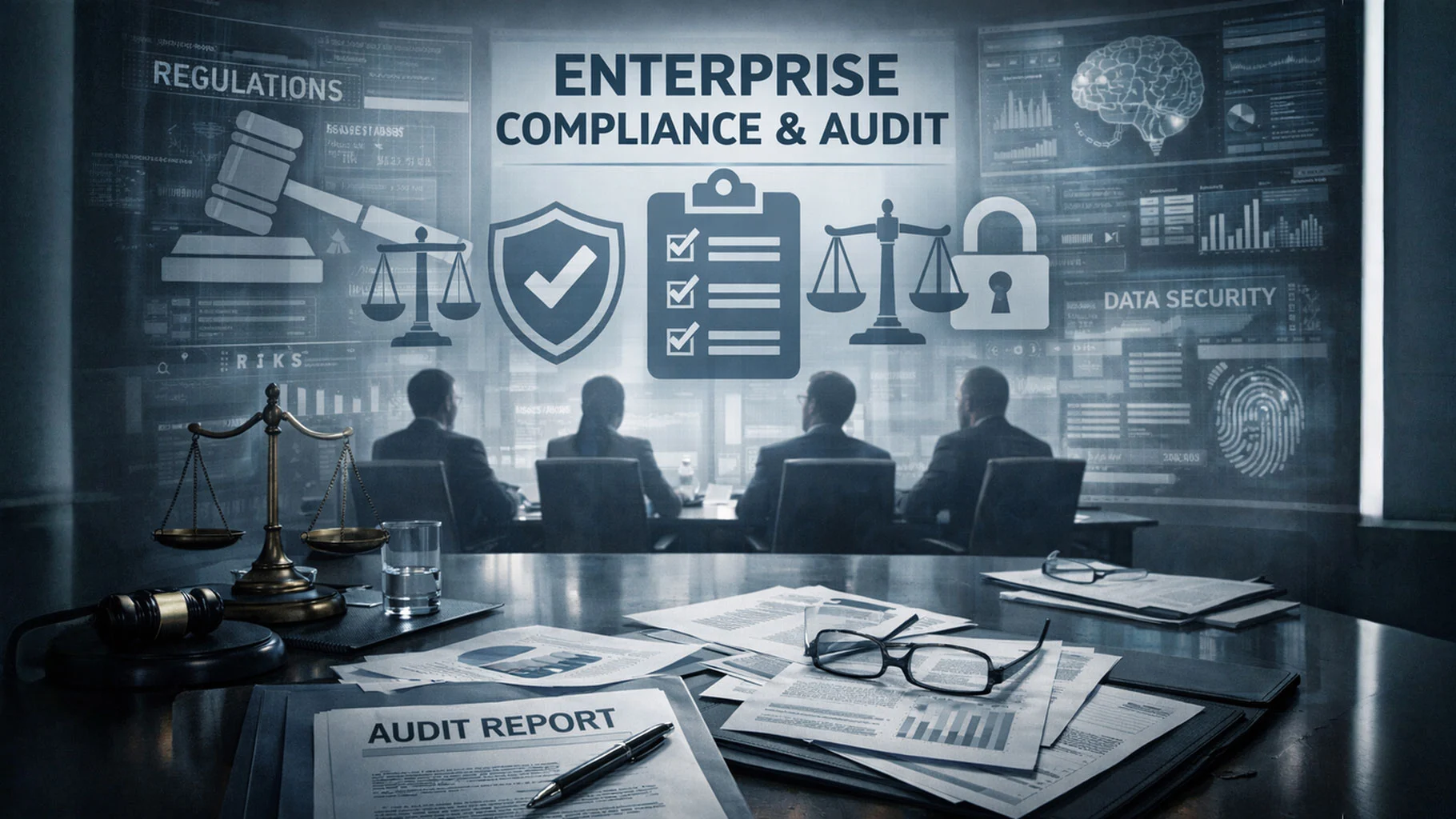

WHAT “AI COMPLIANCE COST” ACTUALLY MEANS
AI compliance cost is widely misunderstood.
It is often treated as a one-time expense associated with regulation, documentation, or audits. In practice, AI compliance is a recurring structural cost that grows as systems scale and influence expands.
Compliance is not a layer added to AI systems.
It becomes embedded into daily operations.
Compliance Is Not Regulation
Regulation defines external expectations.
Compliance is the internal machinery required to respond to those expectations continuously.
This machinery includes:
- Monitoring systems
- Audit processes
- Documentation workflows
- Review committees
- Legal interpretation cycles
As AI systems evolve, compliance must evolve with them. This creates permanent overhead rather than temporary expense.
Why AI Compliance Behaves Differently Than Traditional Compliance
Traditional compliance assumes:
- Stable processes
- Predictable decision logic
- Periodic review
AI systems violate these assumptions.
They:
- Adapt over time
- Generate probabilistic outputs
- Influence decisions indirectly
Each change introduces new compliance surface area. Cost grows not because regulation increases, but because system behavior never fully stabilizes.
Compliance Cost Is Driven by Uncertainty, Not Rules
AI compliance costs rise even in the absence of new laws.
This happens because:
- Legal interpretation remains unsettled
- Precedents are limited
- Enforcement patterns are unclear
Organizations compensate by increasing internal controls. They invest in caution rather than certainty.
Uncertainty is expensive.
The Difference Between Visible and Hidden Compliance Costs
Visible compliance costs include:
- Legal reviews
- External audits
- Regulatory reporting
Hidden costs include:
- Slower decision cycles
- Review bottlenecks
- Operational friction
- Staff time diverted to oversight
These hidden costs compound silently, often exceeding direct compliance spend as AI risk accumulates quietly inside enterprise systems.
Why Early AI Deployments Underestimate Compliance Cost
Early AI projects operate in:
- Narrow scopes
- Low-risk contexts
- Experimental environments
Compliance appears manageable.
As AI systems scale into core operations, compliance shifts from episodic review to continuous enforcement. Cost escalates accordingly.
These rising compliance burdens reflect how AI governance fails inside enterprises once systems scale beyond pilot environments.
WHY AI COMPLIANCE COSTS ACCELERATE AT SCALE
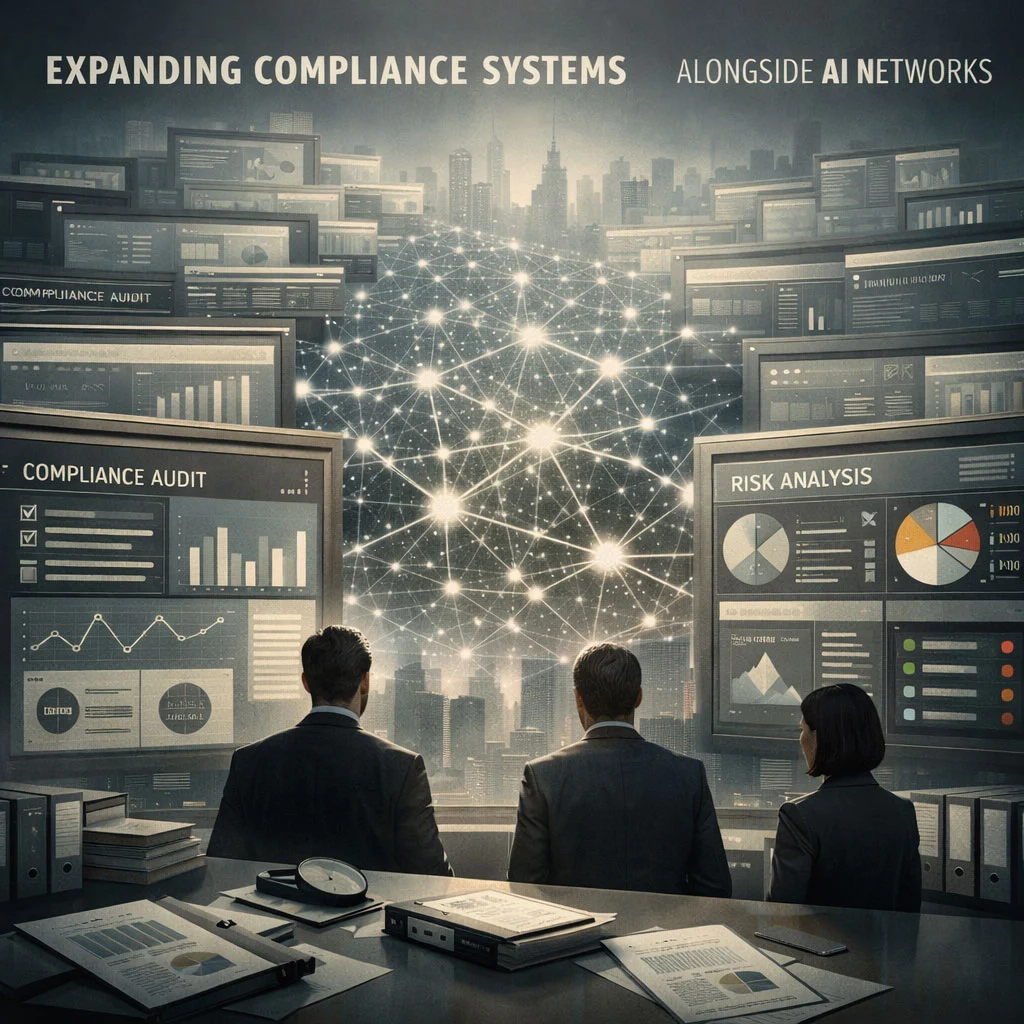
Compliance Scales With Influence, Not Headcount
AI compliance cost does not scale linearly with team size.
It scales with:
- Decision influence
- Number of affected stakeholders
- Breadth of deployment
Each new AI-influenced decision introduces additional compliance exposure. As influence spreads, cost accelerates.
Monitoring Becomes Continuous, Not Periodic
At small scale, compliance relies on periodic review.
At enterprise scale:
- Monitoring must be continuous
- Exceptions must be logged
- Decisions must be traceable
This shift requires dedicated systems, personnel, and tooling. Compliance transforms into a permanent operational function.
Audits Multiply Across Contexts
Enterprise AI systems operate across:
- Jurisdictions
- Business units
- Use cases
Each context introduces distinct audit requirements. Audits multiply rather than consolidate.
Even when outcomes are similar, documentation and review cannot be reused easily.
Human Oversight Becomes the Bottleneck
Automation does not remove the need for human judgment.
Compliance relies on:
- Legal interpretation
- Ethical review
- Risk assessment
As AI scale increases, human review queues grow. Bottlenecks emerge. Costs rise as organizations add layers rather than reduce exposure.
Scale Forces Conservative Defaults
Uncertainty pushes organizations toward caution.
They respond by:
- Expanding review thresholds
- Increasing approval layers
- Slowing deployment cycles
These conservative defaults reduce operational risk but increase compliance overhead.
Risk reduction is purchased with friction.
Compliance Cost Outpaces Efficiency Gains
Initially, AI efficiency offsets compliance cost.
Over time:
- Marginal efficiency gains shrink
- Compliance obligations persist
- Overhead accumulates
At this stage, compliance cost begins to outpace productivity benefits, reshaping ROI calculations.
This acceleration helps explain why AI ROI collapses as compliance overhead compounds with scale.
THE AUDIT AND MONITORING COST SPIRAL
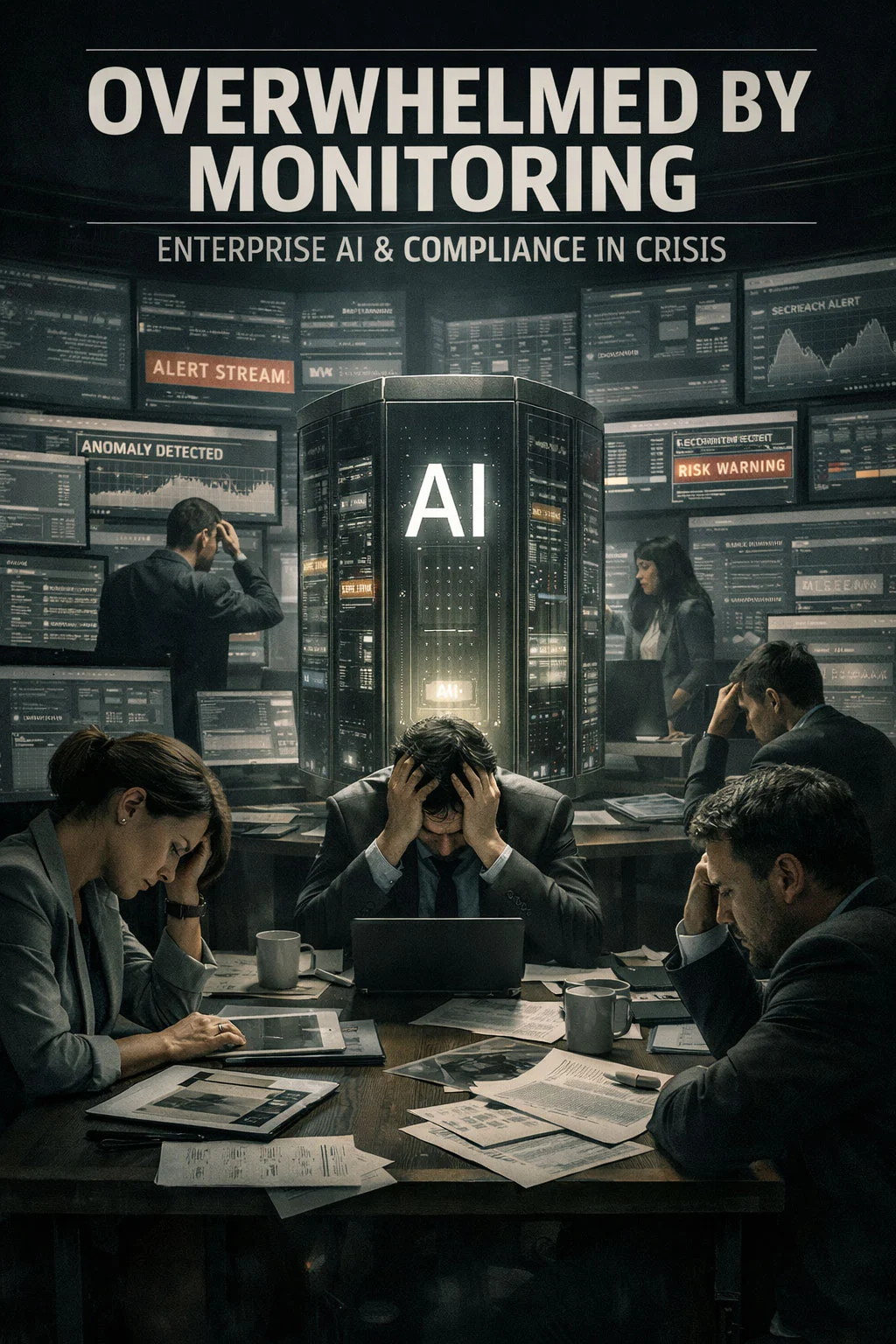
Why AI Monitoring Never Turns Off
Unlike traditional systems, AI does not reach a stable operating state.
Models:
- Drift with data changes
- Adapt to new inputs
- Produce variable outputs
Because behavior evolves, monitoring cannot be periodic. It must remain active at all times. Continuous monitoring becomes the default rather than the exception.
Alerts Multiply Faster Than Resolution Capacity
As monitoring intensifies, alerts increase.
Not all alerts indicate failure. Many represent:
- Minor deviations
- Edge cases
- Contextual shifts
Human teams must triage these signals. Over time, alert volume grows faster than resolution capacity, requiring additional staff, tools, and processes.
Cost rises without proportional risk reduction.
Audit Scope Expands With Each Incident
Each incident, complaint, or review expands future audit scope.
Organizations respond by:
- Adding new checks
- Increasing logging requirements
- Expanding review criteria
These additions rarely roll back. Audit scope accumulates, creating a ratchet effect that permanently increases compliance cost.
Monitoring Tools Create Secondary Overhead
Compliance tooling itself introduces cost.
Monitoring systems require:
- Configuration
- Maintenance
- Integration
- Interpretation
Specialized staff are needed to manage these tools. Tooling meant to reduce risk becomes another layer of operational complexity.
The Feedback Loop That Locks in Cost
Monitoring and audit systems reinforce each other.
More monitoring reveals more issues.
More issues justify more auditing.
More auditing increases monitoring requirements.
This feedback loop locks organizations into a high-cost compliance posture that is difficult to unwind.
Why the Spiral Rarely Reverses
Reversing the audit spiral requires accepting risk.
Reducing monitoring means:
- Accepting uncertainty
- Narrowing oversight
- Trusting systems more
Most enterprises choose cost certainty over risk acceptance. As a result, audit and monitoring costs persist even when marginal benefits decline.
This audit spiral is a direct consequence of AI governance failure rather than technical weakness.
LEGAL AMBIGUITY AND THE COST OF UNCERTAINTY
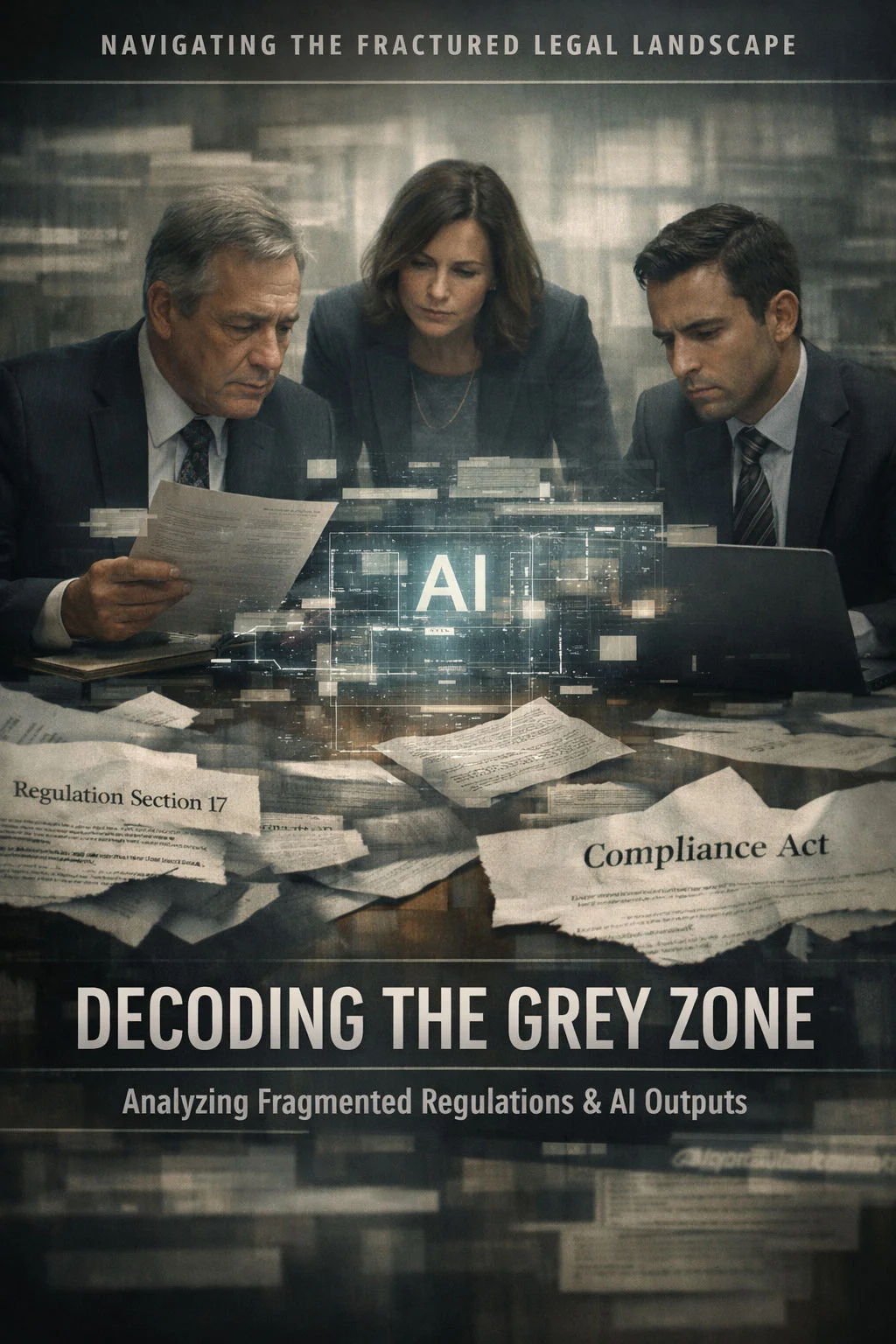
AI Regulation Moves Slower Than AI Deployment
Regulatory systems are designed for stability.
They rely on:
- Precedent
- Consultation
- Gradual revision
AI systems evolve faster than these processes can respond. As a result, enterprises operate in extended periods of legal ambiguity.
This ambiguity does not delay cost. It accelerates it.
Unclear Rules Increase Internal Controls
When rules are unclear, organizations compensate internally.
They:
- Expand review requirements
- Add legal checkpoints
- Increase documentation thresholds
These controls reduce perceived exposure but increase operational cost. Compliance becomes a hedge against uncertainty rather than a response to clear obligation.
Jurisdictional Fragmentation Multiplies Cost
Enterprise AI often operates across regions.
Each jurisdiction introduces:
- Different interpretations
- Conflicting standards
- Varied enforcement expectations
To remain compliant everywhere, organizations default to the strictest common denominator. This conservative approach multiplies compliance overhead globally.
Legal Interpretation Becomes an Ongoing Expense
Legal review is no longer episodic.
AI systems require:
- Continuous reassessment
- Ongoing interpretation
- Regular policy updates
Legal teams shift from advisory roles to permanent operational participants. Cost rises accordingly.
The Cost of Being Wrong Is Asymmetric
The cost of over-compliance is measurable.
The cost of under-compliance is existential.
Facing asymmetric risk, organizations choose caution. They invest heavily in compliance infrastructure to avoid worst-case outcomes, even when probability is unclear.
Compliance cost rises fastest when uncertainty becomes permanent.
Why Uncertainty Never Fully Resolves
Even as regulations mature:
- Edge cases remain
- Interpretations differ
- Enforcement evolves
Uncertainty diminishes but never disappears. Compliance cost stabilizes at a higher baseline rather than returning to early levels.
This legal uncertainty compounds why AI fails inside companies once systems are deeply embedded.
WHY AI COMPLIANCE NEVER FINISHES
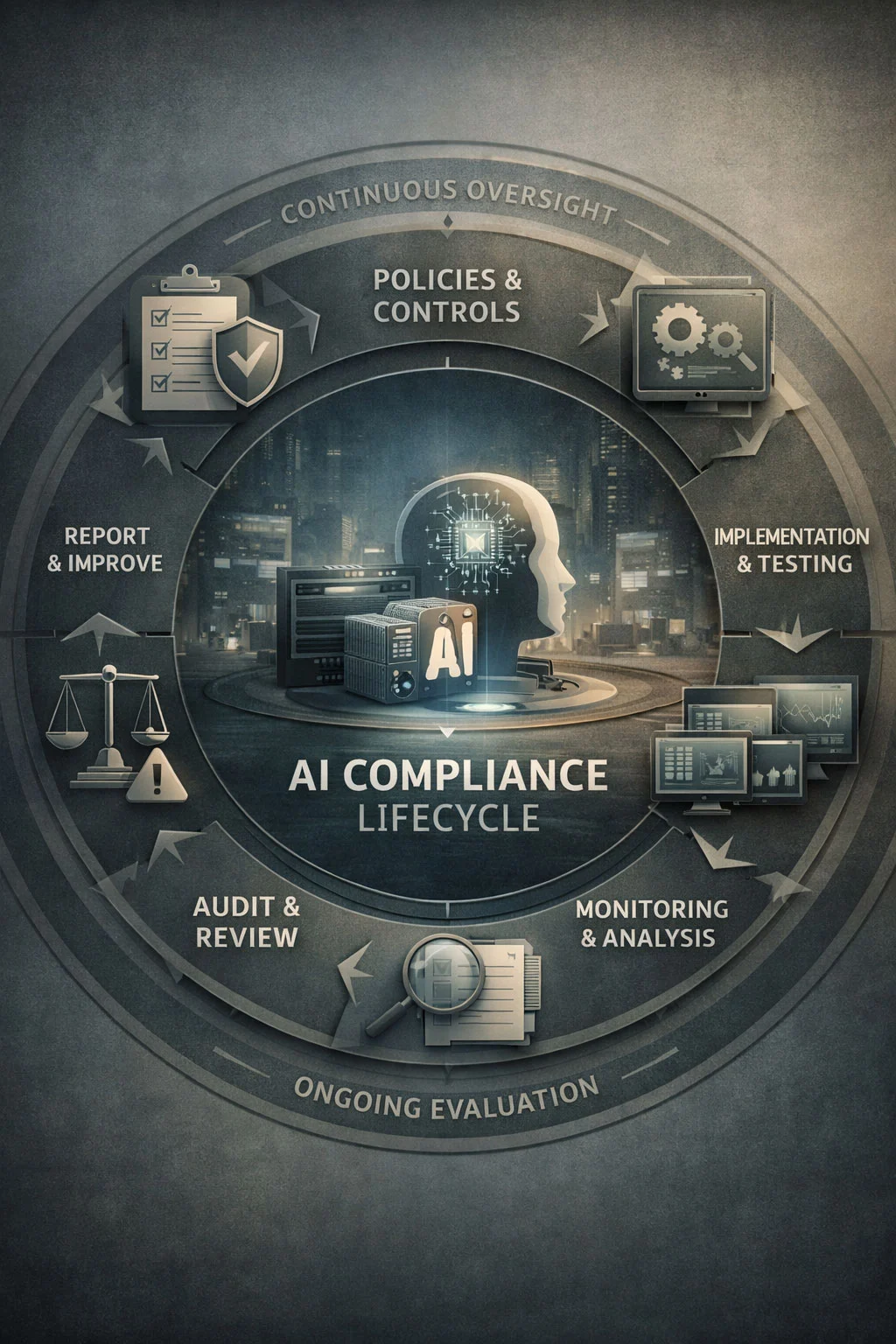
AI Compliance Is a Lifecycle, Not a Milestone
Traditional compliance ends when requirements are met.
AI compliance does not.
Each change in:
- Data
- Model behavior
- Deployment context
resets parts of the compliance process. The system never reaches a final, certified state.
Compliance Grows With Organizational Learning
As organizations learn from:
- Incidents
- Audits
- Near-misses
they add new controls.
Learning increases safety, but it also increases cost. Controls accumulate faster than they are removed.
Compliance Is Locked In by Risk Memory
Once an organization experiences AI-related scrutiny, compliance rarely loosens.
Risk memory leads to:
- Permanent safeguards
- Conservative defaults
- Expanded oversight
Even if conditions improve, controls remain. Cost becomes embedded.
Why Cost Reduction Is Rarely Prioritized
Reducing compliance cost requires:
- Accepting uncertainty
- Narrowing oversight
- Removing controls
These actions appear irresponsible in hindsight. Organizations choose predictability over efficiency, even when marginal cost grows.
What AI Compliance Is Not
AI compliance is not:
- A one-time setup
- A legal checkbox
- A documentation exercise
It is an ongoing organizational response to uncertainty created by adaptive systems.
The Long-Term Shape of AI Compliance Cost
Over time, AI compliance cost:
- Stabilizes at a higher baseline
- Becomes part of operating expenses
- Influences strategic decisions
Organizations do not eliminate this cost. They plan around it.
EXECUTIVE SYNTHESIS – WHAT THIS ARTICLE RESOLVES
AI compliance costs keep rising because compliance is not reacting to regulation alone.
It is responding to:
- Uncertainty
- Scale
- Influence
- Legal ambiguity
As AI systems embed into core operations, compliance transforms from a project cost into a permanent structural expense.
The risk for executives is not over-spending on compliance.
It is misunderstanding compliance as temporary.
AI compliance does not finish.
It becomes part of how organizations operate under uncertainty.
This explains why AI compliance costs continue to rise even after governance frameworks are introduced.
FAQ
Why do AI compliance costs keep rising over time?
AI compliance costs tend to rise because monitoring, auditing, documentation, and legal interpretation become ongoing operational functions. As AI systems expand in scope and influence more decisions, the compliance surface area grows with them.
Are AI compliance costs mostly legal fees and audits?
Not only. While legal reviews and audits contribute, a large portion of compliance cost comes from operational overhead such as continuous monitoring, review queues, documentation updates, and slower approval workflows.
Why does compliance cost increase even without new regulations?
Even without new laws, unclear enforcement patterns and evolving industry standards encourage enterprises to add internal safeguards. These additional controls increase oversight layers and operational complexity.
Why does monitoring create higher costs instead of reducing risk?
Monitoring improves visibility, but it also generates alerts, exception reviews, and expanded audit scope. Each alert requires human triage and process capacity, which increases resource requirements over time.
Does AI compliance ever finish once frameworks are in place?
AI compliance is rarely a one-time effort. Model behavior, training data, and deployment contexts evolve continuously, renewing regulatory exposure and requiring ongoing review and adjustment.