

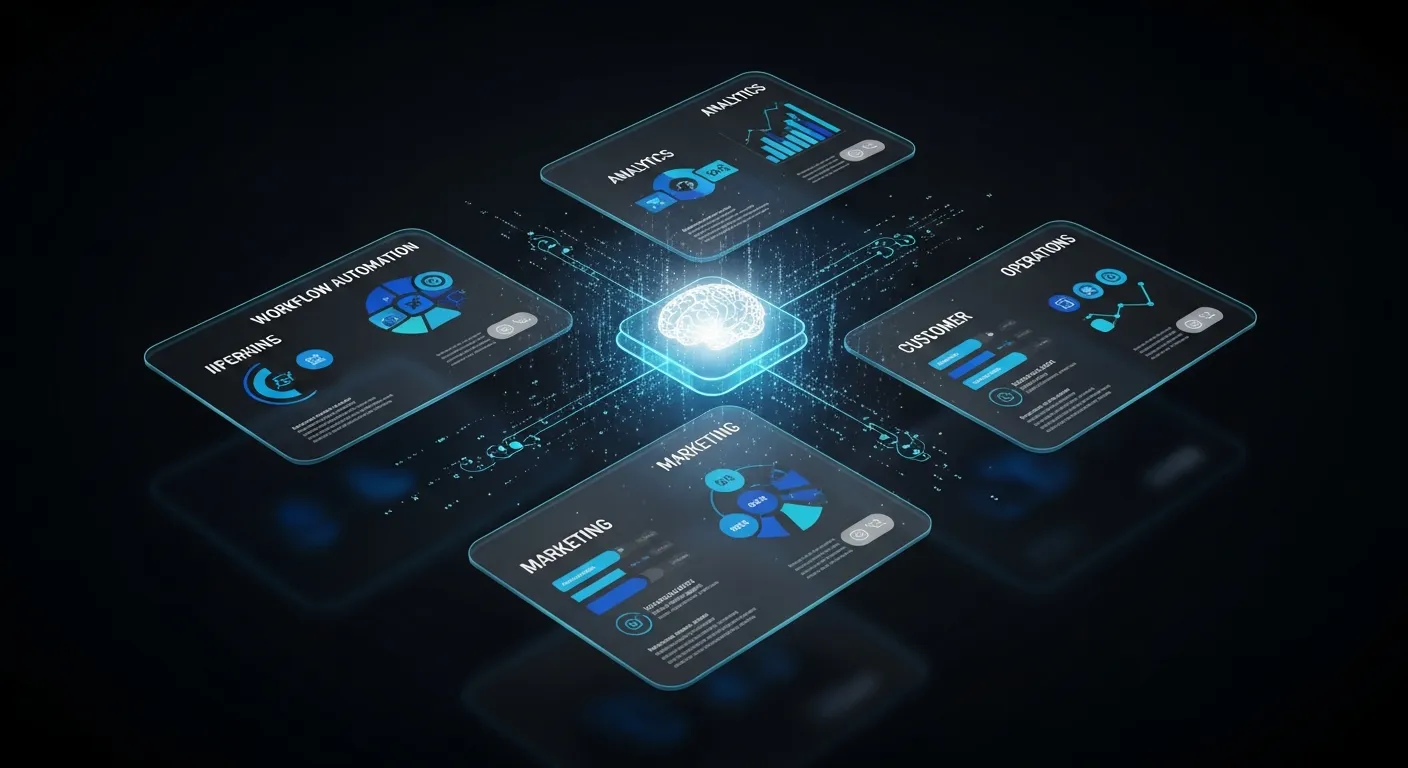

Artificial Intelligence is no longer optional – companies that adopt AI accelerate faster, make smarter decisions, cut costs, and dominate their industry.
This guide explains how AI transforms business in every department.
AI in Business – Overview Diagram
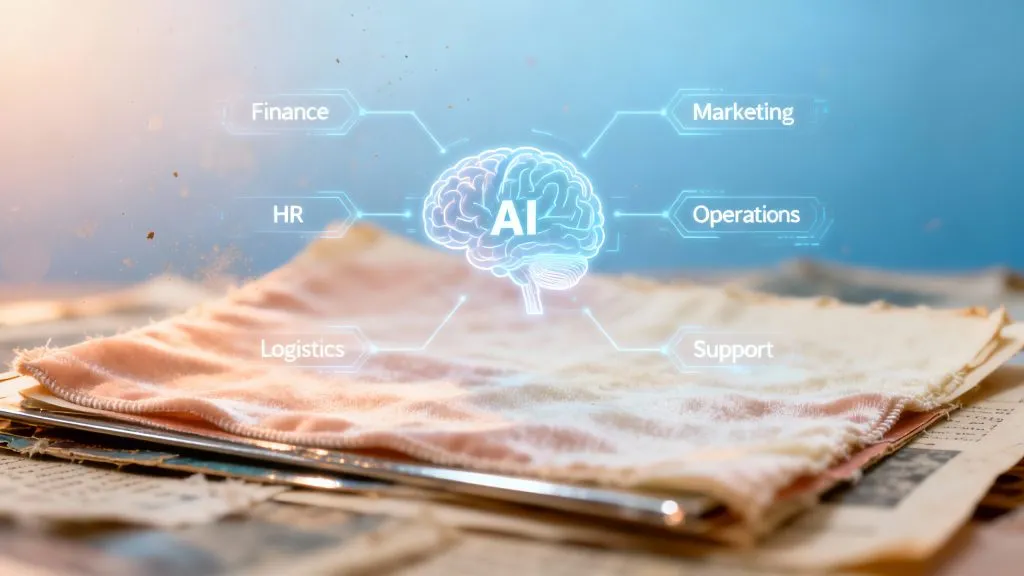
1. AI in Marketing
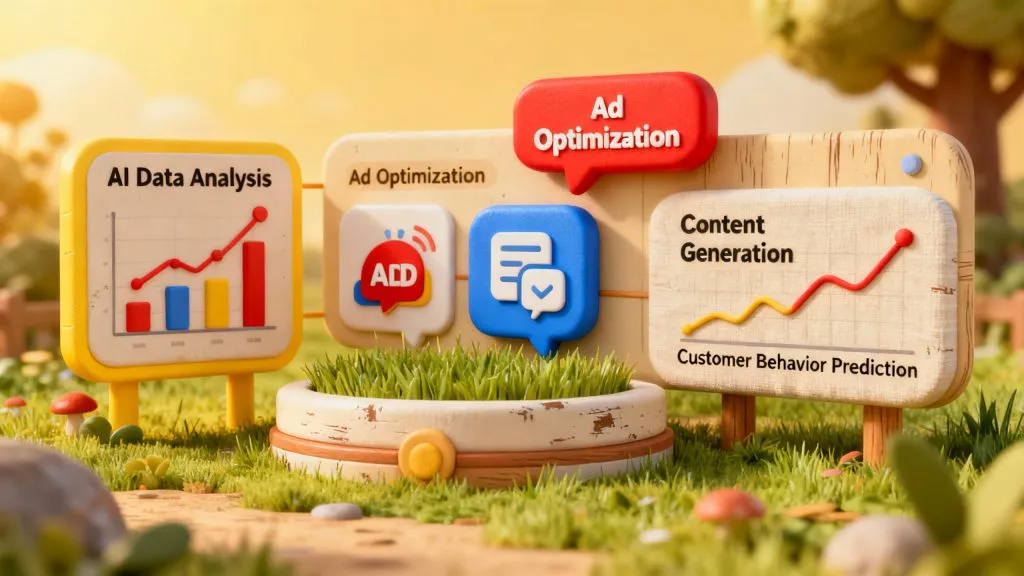
AI improves marketing through:
- Predictive analytics
- Automated ad optimization
- AI-written content
- Personalized recommendations
- Customer behavior prediction
2. AI in Finance
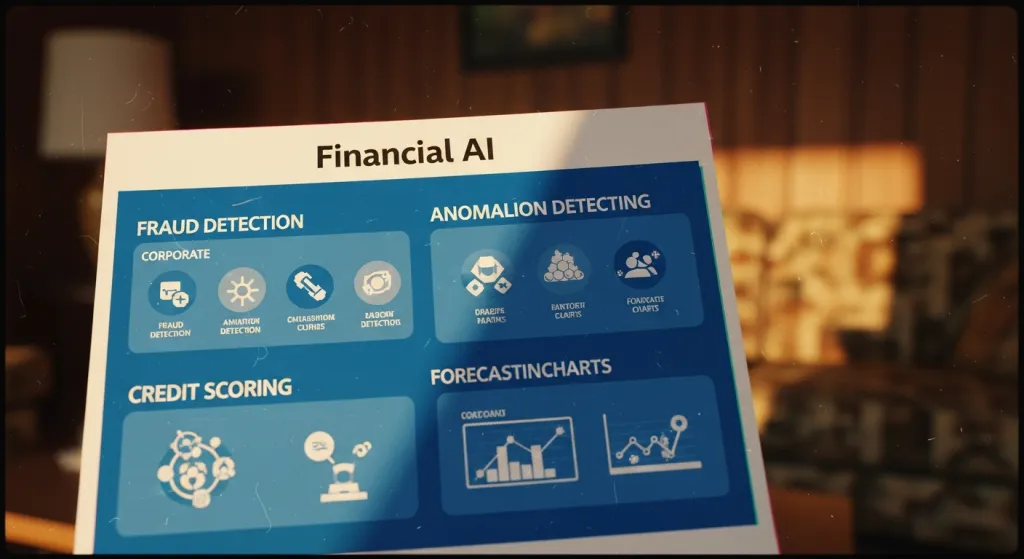
AI supports finance by:
- Fraud detection
- Risk forecasting
- Automated bookkeeping
- Real-time analytics
As AI begins influencing financial decisions at scale, organizations must also recognize that AI risk can accumulate quietly before enterprise failures if governance and monitoring are weak.
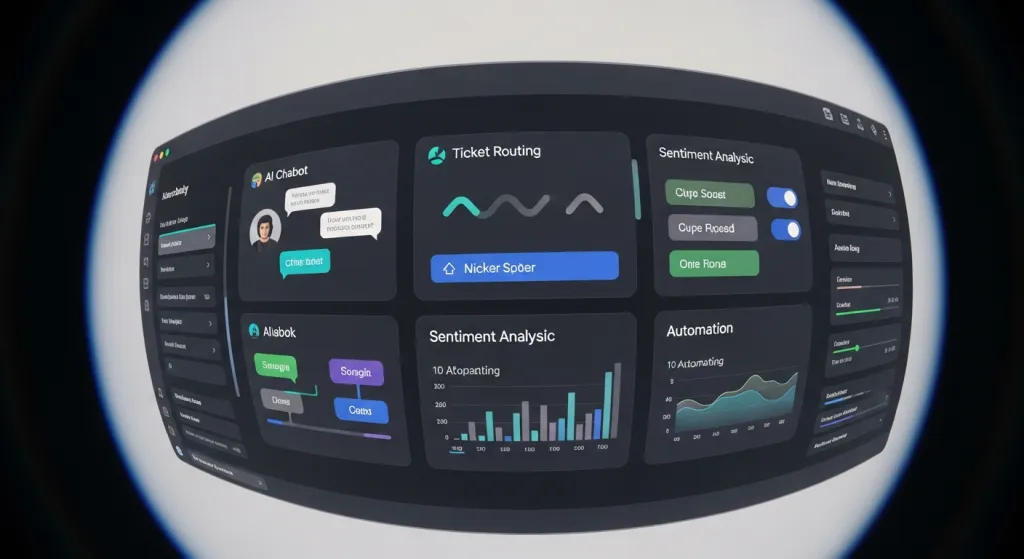
3. AI in Customer Service
4. AI in Human Resources
AI automates:
- Resume screening
- Interview scoring
- Skill-matching
- Employee analytics
5. AI in Operations & Automation
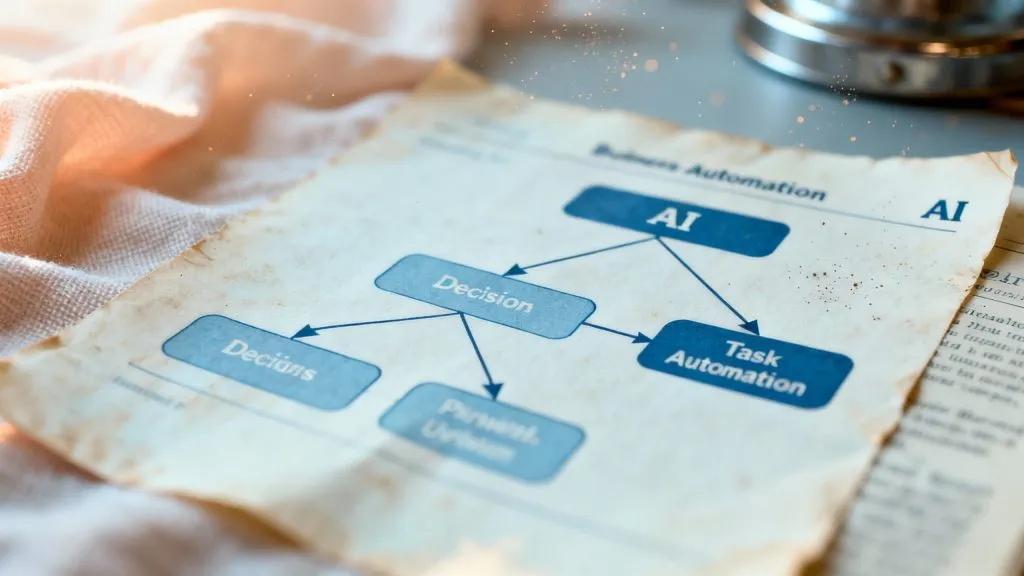
AI boosts operational performance by:
- Automating routine tasks
- Reducing errors
- Speeding up workflow movement
- Enhancing demand forecasting
FAQ: AI for Business
Which business areas benefit most from AI?
Business functions with repetitive workflows and high data volume tend to benefit most from AI. Common areas include marketing, finance, HR, customer service, logistics, and day-to-day operations.
Does AI reduce business cost?
Yes. AI can reduce costs by lowering manual labor hours, improving accuracy, automating routine workloads, and reducing waste caused by errors or slow processes.
Can small businesses use AI?
Yes. Many AI tools are designed to be accessible for small businesses, including solutions for writing, design, customer support, and automation. Examples include ChatGPT, Notion AI, Canva AI, and Zapier AI.