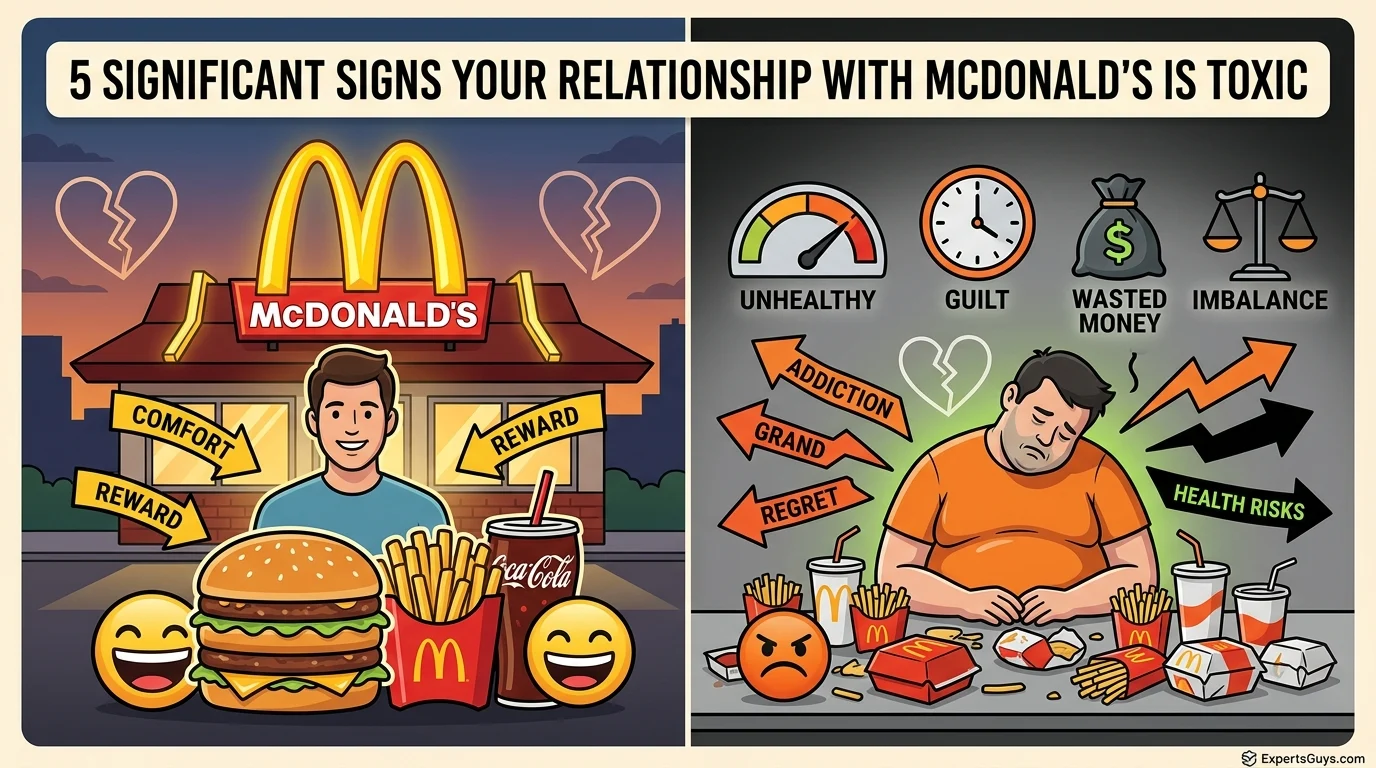

To determine if your relationship with McDonald’s has transitioned from a convenient indulgence into a toxic behavioral cycle, monitor whether fast-food visits are driven by emotional defaults, financial friction, or post-meal physical crashes rather than intentional enjoyment. When ultra-processed meals replace home-prepared nutrition more than twice per week, dopamine-driven habit loops and glycemic volatility often overtake conscious dietary choice. Recognizing these behavioral and metabolic signals allows you to restructure your routine, recalibrate taste receptors, and reclaim autonomy over your health and daily spending.
1. Fast Food Has Shifted from an Occasional Treat to an Automatic Emotional Default
When convenience dining transforms into an unconscious reflex during moments of fatigue, stress, or time scarcity, the underlying motivation is no longer hunger—it is neurochemical regulation. Ultra-processed meals engineered with optimized ratios of refined carbohydrates, industrial seed oils, and sodium trigger significant dopamine release in the brain’s reward centers. Over time, this neural pathway conditions your brain to associate the golden arches with immediate psychological relief, bypassing conscious meal planning.
Breaking this cycle requires disrupting the automatic trigger-response loop. Replacing the impulse requires identifying the specific emotional state (such as 5:00 PM workday exhaustion) and substituting a low-friction, healthy alternative before the craving reaches peak intensity.
2. You Experience Severe Post-Meal Energy Crashes and Digestive Lethargy
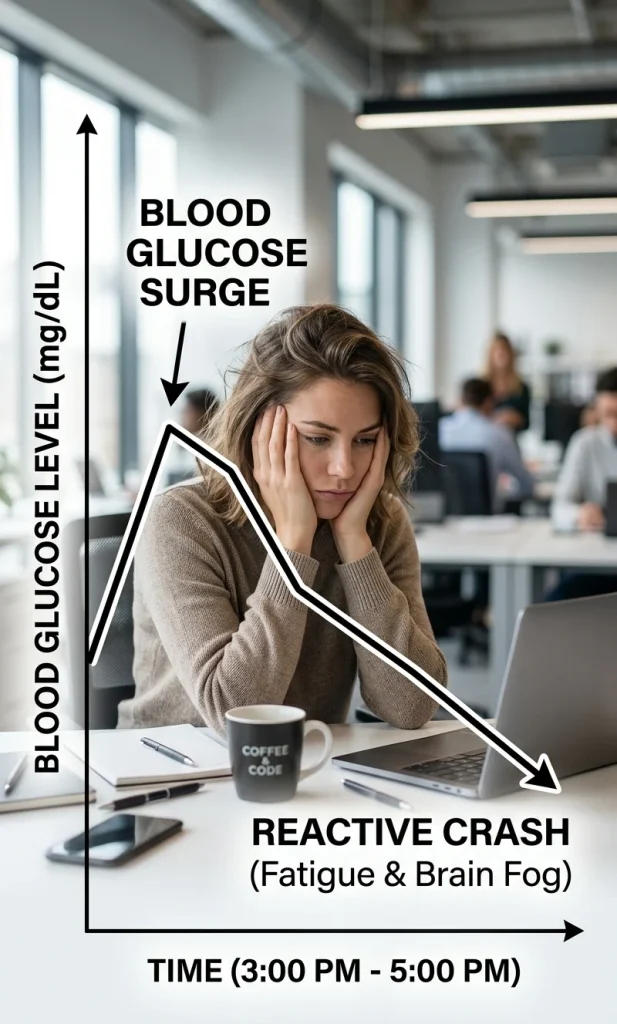
A primary physiological indicator of dietary friction is the contrast between immediate satisfaction during consumption and subsequent physical degradation. High-glycemic index items—such as refined burger buns, french fries, and sweetened beverages—cause rapid surges in blood glucose, prompting large insulin spikes to clear sugar from the bloodstream.
Postprandial Blood Glucose Response
Hyper-palatable Fast Food MealThis rapid drop, known as reactive hypoglycemia, manifests as brain fog, acute physical lethargy, and renewed sugar cravings within two to three hours. Furthermore, low dietary fiber paired with high levels of saturated and oxidized fats slows gastric emptying unpredictably, leading to gastrointestinal discomfort and disrupted circadian energy rhythms.
3. Micro-Transactions Add Up to Substantial Unplanned Monthly Expenditure
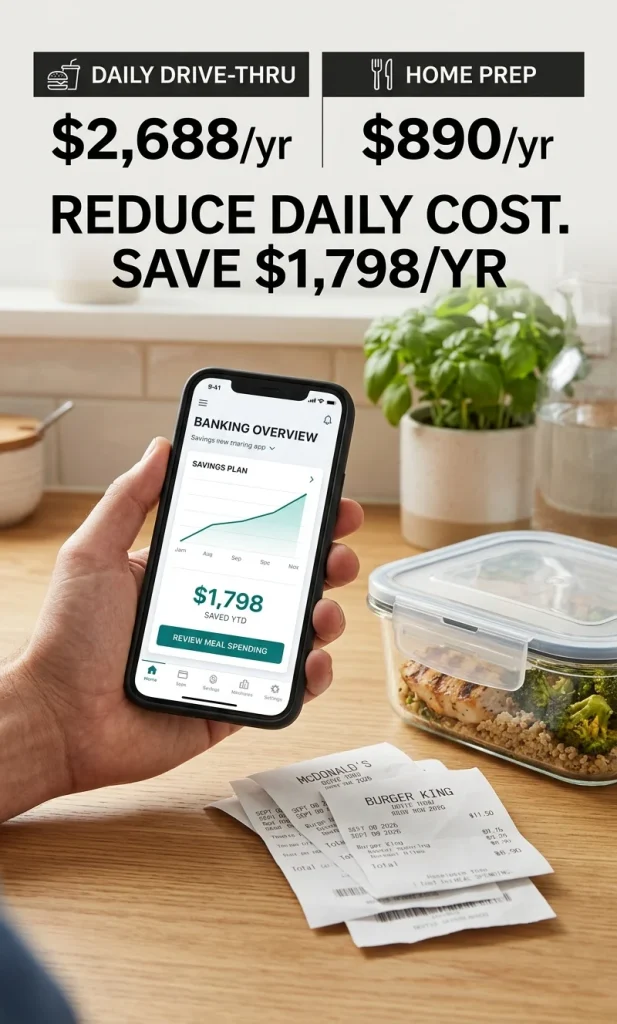
While individual value-menu purchases appear economical in isolation, high-frequency fast-food habits represent a major drain on personal disposable income. The habit loop relies on small, friction-free financial transactions that evade standard budgeting scrutiny.
Tracking these micro-transactions over a 90-day window typically reveals that fast food costs two to three times more than preparing nutrient-dense whole foods at home, without delivering proportional nutritional value.
4. Unprocessed, Whole Foods Taste Bland or Unappealing by Comparison
Hyper-palatable foods are manufactured to hit high sensory points for fat, sugar, and salt—concentrations rarely found in natural foods. Regular exposure to these extreme sensory inputs alters your taste bud sensitivity and raises your sensory baseline.
Palatability & Sensory Overload Spectrum
Food Industry OptimizationWhen hyper-palatable dining dominates your weekly diet, minimally processed whole foods like fresh vegetables, steamed grains, and unseasoned lean proteins taste flat, uninteresting, or unappetizing. Resetting these palate expectations requires a deliberate 14-to-21-day reduction in sodium and artificial flavor enhancers, allowing taste receptors to regain sensitivity to subtle, natural flavor profiles.
5. You Experience Secrecy, Guilt, or Defensive Rationalization Around Your Orders
The final clear sign of a compromised relationship with fast food is psychological friction regarding your purchasing choices. This frequently manifests as:
- Hiding wrappers or receipts from family members or housemates.
- Eating in your vehicle prior to arriving home for dinner.
- Rationalizing frequent visits using loyalty app rewards, point multipliers, or slight time savings.
- Experiencing immediate post-meal regret combined with self-critical internal dialogue.
Healthy dietary habits align with your personal values and long-term health goals. When eating choices require secrecy or repeated rationalization, the habit has taken on compulsive characteristics that warrant a structured reset strategy.
The 4-Step Behavioral and Dietary Reset Protocol

- Institute a Mandatory Craving Delay: When the urge to visit a drive-thru strikes, enforce a 20-minute waiting period while drinking 16 ounces of water. Craving intensity peaks and subsides rapidly when not immediately fed.
- Establish High-Convenience Home Alternatives: Keep zero-effort, minimally processed protein and complex carbohydrate sources readily available (such as canned tuna, pre-washed greens, frozen grain bowls, or pre-cooked poultry) to eliminate decision friction when exhausted.
- Execute a 14-Day Taste-Bud Recalibration: Eliminate fast-food items for two full weeks to restore neural and gustatory sensitivity to natural sodium and sugar levels.
- Transition from Default to Conscious Choice: If you choose to eat fast food, schedule it in advance as an intentional event rather than using it as an impulse coping strategy during times of stress.
Frequently Asked Questions
How soon should I chase an overdue invoice?
Follow up once the agreed due date has passed unless your contract or normal business process establishes another schedule. The first contact should usually confirm that the invoice was received, is accurate and is not blocked by a purchase order, approval or other administrative requirement. If the customer confirms the invoice is valid, ask for a specific payment date rather than relying on a vague statement that it is being processed.
How many reminders should I send before escalating?
There is no universal reminder count. Escalation should depend on the customer’s response, the amount at risk, whether payment promises are being kept, whether there is a genuine dispute and whether additional unpaid work is accumulating. Repeating the same reminder many times is usually less useful than moving through clear stages such as verification, payment commitment, work review, revised terms and formal recovery where appropriate.
Should I stop working for a client who has not paid?
A work pause may deserve consideration when payment confidence is falling while the business continues increasing its unpaid exposure. The appropriate action depends on the contract, the reason for non-payment, the amount owed and applicable law. Before stopping contracted work, review your obligations and obtain professional advice when necessary. Even when work cannot be paused immediately, the business should still monitor how much additional credit it is extending.
What should I do if a client always pays late but eventually pays?
Repeated late payment should be treated as a credit-policy issue rather than a series of isolated accidents. Once the current balance is resolved, consider changing future terms through deposits, milestone billing, shorter credit periods, lower outstanding limits or requiring old balances to clear before new work begins. Evaluate the customer according to actual payment behavior rather than the fact that payment eventually arrives.
Can I charge a late fee if the invoice is overdue?
Late-fee rights depend on the agreement and applicable law. A business should not assume it can create a new penalty after the customer is already overdue. Establish any late-fee policy in advance, disclose it appropriately and check the requirements that apply in the relevant jurisdiction. A fee is also only one part of credit control and does not replace clear terms, accurate invoicing and active follow-up.
What should I do if the client says they are waiting to be paid by someone else?
Ask whether your invoice has been approved, what amount is undisputed and when payment is realistically expected. The customer’s own cash-flow problem may explain the delay but does not automatically determine your payment rights, which depend on the agreement and applicable law. Consider whether a partial payment, revised payment arrangement or restriction on additional work is appropriate while the balance remains outstanding.
Should I accept a payment plan from a late-paying client?
A structured payment plan can be useful when the customer acknowledges the balance but cannot pay it immediately. The arrangement should specify the amount due, installment dates, what happens to new work and how missed installments will be handled. Consider the customer’s previous payment behavior and obtain professional advice where the amount or circumstances justify it.
Should I change a late-paying client’s payment terms?
Yes, when the customer’s actual payment behavior shows that the existing terms create more exposure than the business is comfortable carrying. Possible changes include deposits, milestone billing, shorter terms, lower credit limits or payment before additional phases begin. The adjustment should respond to the reason for the delay rather than being applied automatically as a punishment.
When should an overdue invoice go to collections or a lawyer?
Formal recovery becomes more relevant when ordinary commercial follow-up is no longer producing credible progress, the customer is unresponsive, an undisputed balance remains unpaid or recovery risk is increasing. The appropriate route depends on the amount, evidence, contract, customer condition and jurisdiction. Compare the potential recovery with professional cost, internal time and likelihood of success before choosing the next step.
How can I prevent clients from paying late?
Prevention starts before the invoice is issued. Confirm payment terms, identify the correct billing contact, understand purchase-order and vendor requirements, invoice promptly, provide appropriate payment information and use deposits or milestone billing when the project structure justifies them. Track actual payment behavior so customers with repeated problems receive different terms before the next project begins.
How often can I eat fast food without impacting my metabolic health?
For most healthy individuals, limiting hyper-processed fast food to once every two weeks allows the body to handle glycemic and sodium loads without disrupting long-term metabolic markers or habit loops.
What is the fastest way to stop fast-food cravings when stressed?
Combine acute behavioral distraction with blood sugar stabilization: consume a protein-dense snack (such as a handful of almonds or a hard-boiled egg) paired with a large glass of water, and change your physical location for 10 minutes.
Can fast-food mobile app rewards make compulsive habits harder to break?
Yes. Mobile loyalty programs use variable reward schedules, gamified streaks, and personalized push notifications designed to keep fast-food purchases top-of-mind and lower friction to buy.
Fast-Food Dependency & Metabolic Assessor
Analyze consumption frequency, financial impact, and neurochemical habit markers to recalibrate your diet.
NutriReset™ Clinical Report
Fast-Food Dependence & Metabolic Impact Assessment
Monthly Outflow: $--
Annual Direct Expenditure: $--
Primary Driver: --
Post-Prandial Response: --
- 20-Minute Craving Delay: When impulse strikes, wait 20 minutes while drinking 16oz of water to disrupt the automatic reward loop.
- Low-Friction Alternatives: Keep prepped whole protein sources ready to eliminate decision fatigue during stress triggers.
- Palate Recalibration: Complete a 14-day salt and refined sugar reduction to restore natural taste receptor sensitivity.
Reclaiming Autonomy Over Your Health
Transitioning away from fast-food dependence is not about strict restraint or food shame; it is about building self-awareness and regaining control over your dietary choices. By recognizing the neurochemical, physical, financial, and psychological signals of ultra-processed food reliance, you can replace automatic habit loops with intentional nourishment that supports long-term health, focus, and vitality.