
When comparing store-bought and homemade bread, the difference between white and rye is stark. But what’s the difference between rye and whole wheat bread? And is store-bought a better choice? Let’s find out. This article compares white and rye bread to see which one tastes better. And, if you’re still not sure, here are some tips for choosing a loaf that you’ll love.
Store-bought bread
It’s no secret that store-bought bread is bland. But there are tricks you can use to make store-bought loaves taste great. Adding salt to bread recipes is one of them. Typically, 2% of the flour’s weight is salt. For example, you would add 10g of salt to 500g of flour. A baker’s percentage of salt in bread recipes is helpful for comparison purposes.
The British industrial bread industry commands scant respect, and yet it’s a billion-dollar industry. It’s promoted with mixed messages. Some loaves are branded as ‘premium’, but they’re actually cheaper than a postage stamp. Some ‘healthy-eating’ brands feature images of nature and make detailed claims about their nutritional value. Sadly, big bakers don’t talk about nutrition when promoting their standard loaves, which make up half of the market and are sold on price alone.
Bread made from white flour has a flat taste. Whole wheat flour or various grains can give bread more flavor, but many whole grain flours lack the ability to form gluten. As a result, they make dense loaves. Most people blend white flour with some whole grain flour to make bread more appealing. That’s a good idea if you’re trying to improve the overall taste of your loaf. It’s definitely worth a try, and the results are far more rewarding than you think!

Rye bread
If you’ve ever heard of rye bread, you probably wonder whether it’s truly tasteless. After all, it’s made of grains called rye. In fact, rye grains are incredibly hardy, and many Scandinavian farmers largely abandoned rye production to focus on other crops. Instead, they grew rye primarily as a cover crop, which would help to recycle nutrients back into the soil. However, the 1970s saw the rise of soft white bread as the ideal bread, and both commercial and craft bakers began using the grain to create artisanal styles of bread, which included French brioche.
Though rye is a small crop, it is a popular grain in the region that produces rye bread, and the world’s yearly ration of rye is only 3% of that of wheat. Traditional rye bread is made from a mix of wheat and rye flour, but modern rye bread is most commonly made from the grist of both grains. This method allows for a higher percentage of wheat gluten to compensate for the rye gluten, and rye breads have a slightly different taste and texture than white wheaten bread.
Whole wheat bread
The taste of whole wheat bread can be an irritant to some people. There are some pros and cons to making your own whole wheat bread. While it takes some time and effort, proponents say the health benefits are worth it. White flour is essentially powdered starch, and milling whole wheat reduces the nutrients to almost nothing. A recent study shows that ninety percent of the nutrients in whole grain flour are lost during the milling process.
The main difference between whole grain and white flour is that whole grain bread dough requires longer rise times, and the heavier germ and bran particulates slow the rising process. A dough’s maximum volume is reached when the yeast stops metabolizing sugars. Then, the dough reverses direction and begins to collapse. This is the reason why whole grain breads are often described as “tasteless” at first, but over time they begin to develop a distinct taste and aroma.
White bread
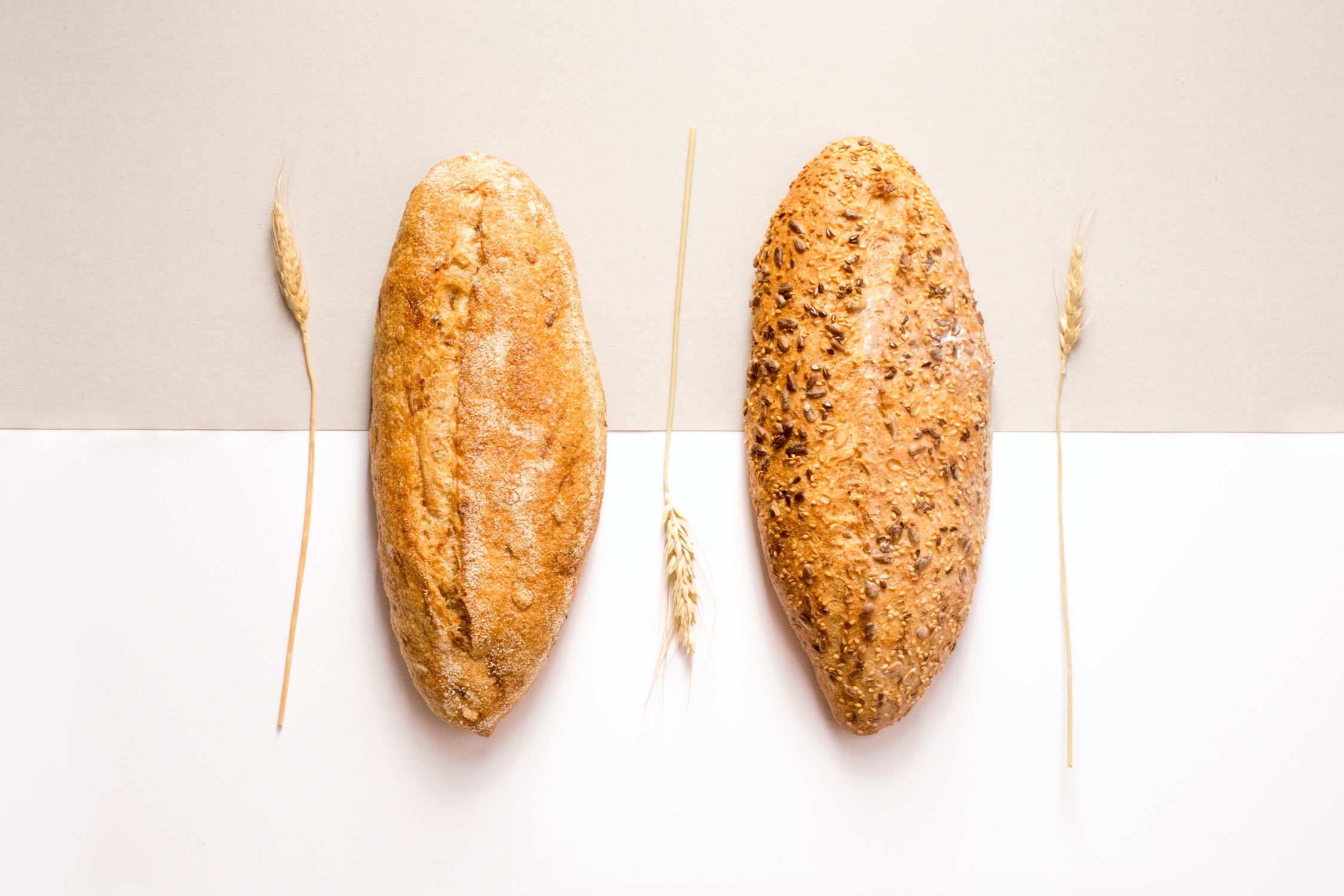
If you’re tired of drab white bread and are willing to try something different, you might want to replace white flour with whole grain flour. The substitution can be as simple as using a hundred grams of whole wheat flour for every 100 grams of white flour. Rye flour will add a gray tint and a distinct taste to bread. You can also use a combination of 85% white flour, 5% whole wheat, and 5% dark rye flour. Seeds may also be sprinkled over the dough or added to the tops of loaves after they’ve been kneaded.

Final Thoughts of Type of Bread is Tasteless
The type of bread you eat will have a great impact on your health. Bread that has been made from wheat contains gluten which is a protein that is found in wheat. Gluten is responsible for giving bread its elasticity. When you eat bread that is made from gluten, your body produces antibodies that help your immune system fight off infections and disease. However, gluten is also responsible for causing inflammation in the digestive tract. This can lead to problems such as celiac disease, irritable bowel syndrome, and even cancer. If you have celiac disease, you cannot eat gluten. If you do not have celiac disease, it is important to avoid eating bread that is made from wheat.