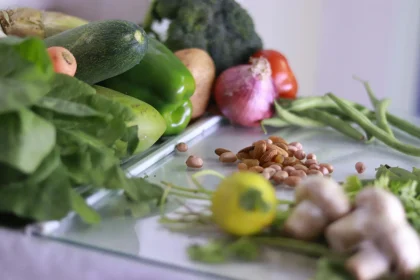

Start by replacing sugary drinks, frequent processed meats, and snacks that crowd out balanced meals. An anti-inflammatory eating pattern can support long-term health, but there is no universal food blacklist or reliable deadline for feeling better. Keep nutritious carbohydrates, choose realistic replacements, and make one change you can repeat.
What should you cut out of your diet first?
The best starting point is a food or drink you consume regularly that you can replace without making meals less nourishing. A daily sweetened drink may be a more useful first target than a dessert you enjoy occasionally. This priority order is a practical starting point, not a ranking of how much inflammation each food causes.
If your aim is less inflammation, judge the whole eating pattern rather than a single ingredient. Research on Mediterranean-style diets finds improvements in some inflammatory blood markers, but results vary across markers and studies. The review of randomized Mediterranean-diet trials supports a balanced dietary approach; it does not prove that removing seven particular foods will relieve pain or fatigue.
| Cut back on | Try instead | What changes the decision |
|---|---|---|
| 1. Sugary drinks | Water, unsweetened tea, or less-sweet coffee | Start here if sweetened drinks are a daily habit. |
| 2. Low-fiber packaged snacks | Fruit with nuts, plain yogurt, or whole-grain toast | Convenient packaged foods can still be nutritious. |
| 3. Processed meats | Beans, tofu, eggs, fish, or unprocessed poultry | The clearest concern includes colorectal cancer risk. |
| 4. Frequent deep-fried meals | Baked, grilled, steamed, or lightly sautéed meals | Seed oils used normally do not need a blanket ban. |
| 5. Refined grains that dominate meals | Oats, whole-grain bread, or a mixed-grain side | White rice and bread can fit; balance and fiber matter. |
| 6. Alcohol | An unsweetened alcohol-free drink | Possible dependence requires medical advice before stopping. |
| 7. Large routine portions of sweets | A smaller planned serving, fruit, or less-sweet breakfast | Whole fruit is not the same as added sugar. |
Why reducing these habits can help
Inflammation is part of normal healing and immune defense. Persistently elevated inflammation can accompany medical conditions, but tiredness, bloating, or joint discomfort alone cannot tell you whether inflammatory markers are high. Symptoms deserve their own assessment rather than an automatic diagnosis of an “inflammatory diet.”
These food changes address several different concerns: excess free sugars, low fiber, frequent processed meat, alcohol exposure, and meals that are easy to overeat. The World Health Organization’s healthy-diet guidance favors varied plant foods and unsaturated fats while limiting free sugars, unhealthy fats, and excess salt. That is broader than simply cutting carbohydrates or removing anything manufactured.
1. Replace the sugary drink you have most often
Soda, sweetened tea, energy drinks, and syrup-heavy coffee are useful first targets when they are regular purchases. They can add considerable sugar without supplying the fiber and chewing involved in whole fruit. Honey, syrups, and sugars in fruit juice also count as free sugars, even when a label sounds natural.
Change the drink rather than skipping the meal beside it. Order a smaller coffee with less syrup, keep water within reach, or make unsweetened tea your weekday default. If you also reduce caffeine, doing so gradually may make the change easier to tolerate.
Whole fruit does not belong on the same elimination list. An orange or apple supplies fiber and can be a practical snack, whereas large juice servings are easier to drink quickly. The immediate measurable change is how often you choose the replacement, not a promised drop in inflammation.

2. Replace snacks that leave little room for nourishing food
Cookies, chips, and other low-fiber snacks can become a problem when they repeatedly substitute for meals or a more satisfying snack. Processing alone is an imperfect guide: frozen vegetables, canned beans, whole-grain bread, and some packaged breakfasts make healthy eating easier. Compare what the food contributes rather than rejecting every packet.
In a small controlled NIH ultra-processed-diet trial, participants ate more calories and gained weight during the ultra-processed diet than during the unprocessed diet. This supports concern about some overall food patterns and overeating. It does not show that every protein bar, cracker, or additive causes inflammation.
Choose a replacement that solves the same practical problem. Fruit with a handful of nuts works for a portable snack, while plain yogurt or hummus with toast may suit a hungry afternoon. If a particular packaged option fits your budget and keeps meals balanced, there is no need to discard it for the sake of a perfect pantry.
3. Make processed meat an occasional choice
Bacon, ham, salami, hot dogs, and many cured or smoked sausages are processed meats. Fresh minced meat is a different category, and the word “turkey” does not make cured deli slices unprocessed. Check the type of product as well as the animal it comes from.
The World Cancer Research Fund recommends very little, if any, processed meat because of colorectal cancer evidence. That is a firm reason to reduce frequent consumption without claiming that one bacon sandwich triggers an inflammatory flare. Long-term risk and the way you feel after one meal are different questions.
Keep the protein when you remove the processed meat. Use eggs at breakfast, leftover chicken in a sandwich, or beans and tofu in a rice bowl. A replacement that leaves you hungry is unlikely to remain your default for long.
4. Reduce frequent deep-fried meals without banning seed oils
If fried takeaway is your normal lunch, changing the cooking method can create room for vegetables, fiber, and a more balanced portion. Choose grilled fish, baked chicken, or a lightly sautéed vegetable-and-tofu meal. This is a change to the meal pattern, not evidence that all fried food has the same effect.
Ordinary use of canola, soybean, sunflower, or other unsaturated plant oils is not a reason to eliminate an otherwise nutritious meal. The American Heart Association explains why seed-oil inflammation claims are misleading. Replacing these oils with butter or animal fat is not automatically a healthier choice.
Repeatedly heating frying oil is a separate cooking-quality issue from using a small amount of fresh oil at home. You usually cannot assess a restaurant’s oil history from the menu, so choose based on meal composition and cooking method. There is no need to calculate an omega-6 ratio or fear the oil in a vegetable stir-fry.
5. Improve grain quality instead of cutting all carbs
Refined grains are a reasonable target when most meals lack fiber, particularly if pastries or sweet cereals are the main carbohydrate source. Oats, whole-grain bread, and mixed brown-and-white rice are practical ways to improve the pattern. Beans, fruit, and vegetables also contribute carbohydrates and useful nutrients.
White rice or bread can still fit a balanced meal. Add vegetables and a protein source rather than treating every serving as harmful. For a fuller framework, the Mediterranean diet food list shows how grains, legumes, fish, and plant foods work together.
Increase fiber gradually if your current intake is low or your digestion is sensitive. A sudden large serving of beans or bran may worsen gas even though those foods can be nutritious. Prescribed diets for digestive disease can require different choices, so individual treatment takes priority over a general whole-grain recommendation.

6. Reconsider alcohol before adding wellness supplements
Alcohol is not required for an anti-inflammatory diet, and drinking wine for its supposed health benefits is unnecessary. If drinking is a regular habit, an alcohol-free alternative may be a more useful change than buying turmeric capsules or a detox product. Keep the replacement simple: water, tea, or an unsweetened alcohol-free drink.
People who drink heavily, have previously had withdrawal, or develop shaking, sweating, or anxiety when alcohol wears off should seek medical guidance before stopping. The NIAAA guidance on alcohol use disorder explains that withdrawal can be life-threatening. Severe confusion, seizures, or hallucinations require emergency care.
7. Reduce routine sweets while keeping meals satisfying
A large sweet breakfast and repeated desserts offer a different starting point from one occasional treat. Reduce the portion or frequency that is easiest to change, then keep regular meals so hunger does not drive a later rebound. Plain yogurt with fruit, oats with nuts, or a smaller dessert after a meal are realistic options.
“Sugar-free” does not automatically mean more nourishing, but artificial sweeteners are not a proven universal inflammation trigger. WHO’s conditional recommendation on non-sugar sweeteners concerns long-term weight control and disease prevention, not a finding that every sweetener causes inflammation. It excludes people with pre-existing diabetes and does not replace safety limits for individual sweeteners.
Sugar alcohols such as sorbitol and mannitol are a separate issue because they can worsen gas in some people. The NIDDK guidance on diet and gas supports checking individual food triggers. If bloating is your main concern, use the guide to foods that commonly cause bloating rather than removing every sweetener or carbohydrate.
Use First Swap Studio to choose a manageable change
Choose a habit you repeat and a replacement you can actually obtain. First Swap Studio turns that choice into a short action plan, including an A4 summary you can keep nearby. Its result is a practical habit suggestion, not a diagnosis or a prediction of inflammation levels.

First Swap Studio
Choose a repeatable food change. Keep meals balanced.
Select one regular habit and a workable replacement. Your summary is a habit suggestion; it cannot diagnose inflammation, identify food allergies, or predict symptom improvement. Choices stay in this browser page and are not stored or sent.
Your first swap
Select a habit, then build your summary.
Persistent or worsening symptoms need medical assessment. Keep prescribed treatment and condition-specific dietary advice. Broad food elimination can create nutritional gaps.
A seven-day start that avoids a pantry purge

- Day 1: Identify one regular drink, snack, or meal you want to change.
- Day 2: Buy or prepare one replacement that matches your budget and routine.
- Day 3: Use it once at the usual time; keep the rest of the meal balanced.
- Day 4: Check hunger and convenience. Add protein or a suitable carbohydrate if the replacement is too small.
- Day 5: Try the same choice outside home, using a simple order such as grilled protein with vegetables and rice.
- Day 6: Notice the obstacle: availability, flavor, cost, hunger, or habit. Adjust the replacement accordingly.
- Day 7: Keep the change if it is workable. Add a second change only when the first feels manageable.
Keep useful pantry foods and stop automatically replenishing the item you are reducing. A simple meal can combine protein, vegetables, a suitable grain or starchy food, and an unsaturated fat. For appetite-focused advice, see filling foods for weight loss; do not assume that smaller meals are always better meals.
What to add-and what to track
Build meals around vegetables, fruit, legumes, whole grains where tolerated, fish or another suitable protein, and nuts or seeds. Olive oil is one useful fat, but it is not the only acceptable plant oil. Herbs and spices can make food enjoyable without turning individual ingredients into treatments.
Use the next few weeks to assess whether the routine is affordable, satisfying, and repeatable. You can record digestion, appetite, sleep, and symptoms for a clinical discussion, but feeling better does not establish that inflammation has fallen. Weight, cholesterol, glucose, and inflammatory tests each answer different questions and should be assessed when medically appropriate.
Persistent pain, marked fatigue, unexplained weight loss, or continuing digestive symptoms deserve assessment rather than a longer elimination list. Seek prompt medical advice for blood in the stool, fever with significant symptoms, or severe abdominal pain. Food changes should support care, and prescribed treatment should continue unless your clinician advises otherwise.
Frequently Asked Questions
How long does an anti-inflammatory diet take to work?
There is no reliable timeline for symptom relief or a change in inflammatory markers. Several weeks can help you assess whether a food habit is manageable, but symptoms and blood tests measure different things. Continuing or worsening symptoms need medical assessment.
Do I have to avoid these foods forever?
Most people can focus on frequency, portions, and replacements rather than a permanent blacklist. Processed meat and alcohol have specific long-term health concerns, while other choices depend on the overall diet. Diagnosed allergies and conditions such as celiac disease require their own treatment rules.
Should I cut out coffee?
Coffee does not automatically need to be removed from an anti-inflammatory eating pattern. Added sugar, serving size, sleep disruption, reflux, anxiety, and your medical circumstances may be more relevant to the decision. Reduce caffeine gradually if you choose to cut back.
Should I eliminate dairy or gluten?
Neither dairy nor gluten needs a blanket ban for everyone. Allergy, lactose intolerance, and celiac disease require different decisions and replacements. If celiac disease is suspected, ask about testing before removing gluten because restriction can make results inaccurate.
Can diet soda help me stop drinking sugary soda?
Replacing sugary soda with a sugar-free version reduces the sugar in that drink. Water and unsweetened drinks are useful everyday defaults, and a sugar-free option can be a practical intermediate choice. This does not establish that diet soda treats inflammation or guarantees long-term weight loss.
Can I still eat out?
Yes, a restaurant meal can fit this approach. Choose a balanced main meal, an unsweetened drink, and a cooking method you enjoy, adjusting portions to your appetite. One meal does not determine the quality of your overall eating pattern.
The NIDDK explanation of celiac testing gives the reason for checking before starting a gluten-free diet. If you remove dairy, plan another suitable source of calcium and other nutrients. A registered dietitian can help when several restrictions overlap.
Keep the first change small enough to repeat
Start with the habit that is both frequent and easy to replace, then build a balanced meal around the change. Keep foods that nourish you, and judge progress by consistency rather than a perfectly empty cupboard. If symptoms are driving the decision, bring a concise record to a healthcare professional instead of extending the food blacklist.