

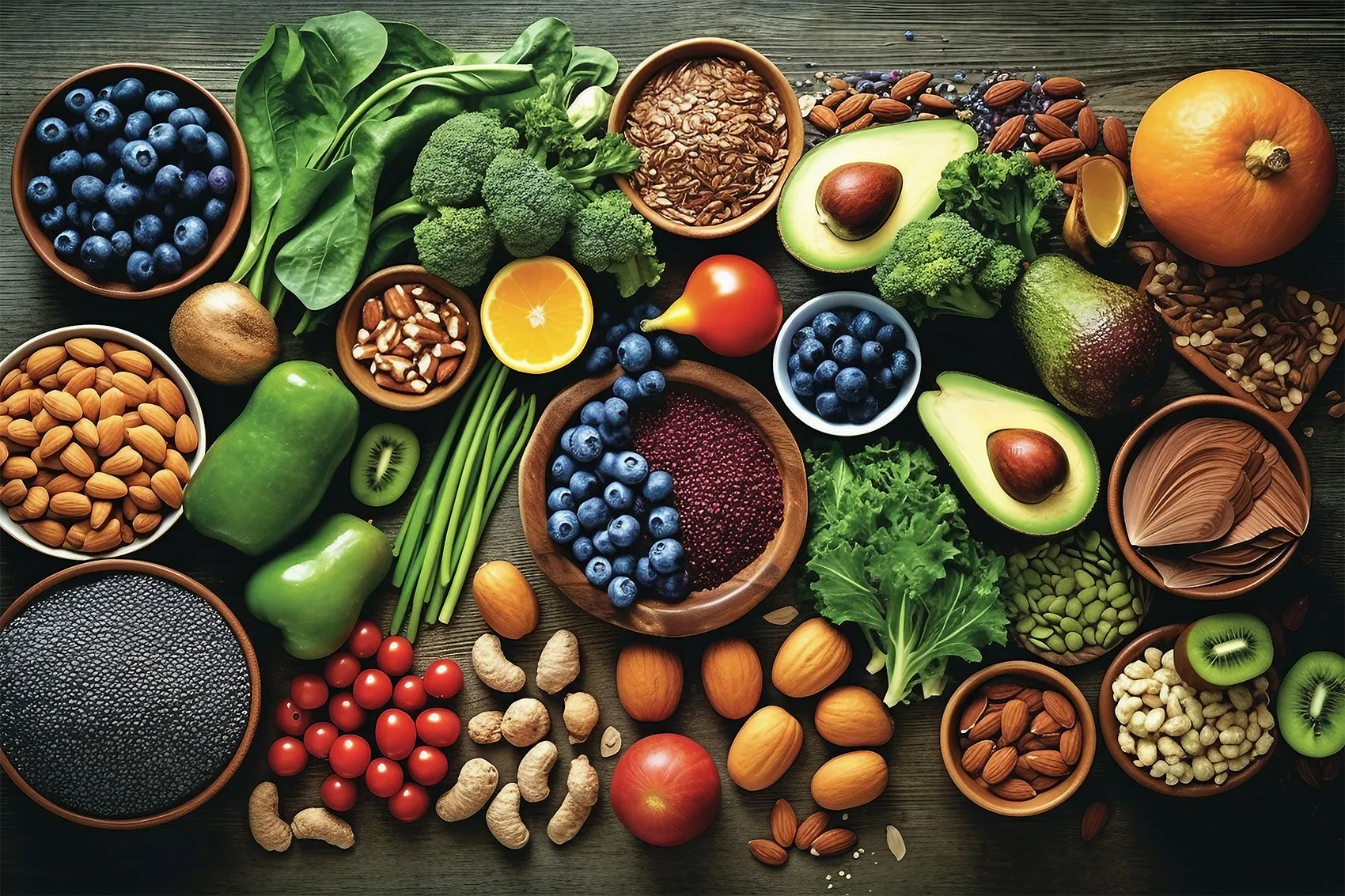

“Bite into Better Health with a Fiber-Rich Diet!”
Let’s set the stage, shall we? Picture this – It’s a Sunday morning, you’re kicking back, nursing a steamy mug of coffee, and indulging in some reality TV. You’re on your third episode when the fitness guru on screen starts harping about ‘dietary fiber’ and ‘optimal health’. You pause, coffee mid-air, and think, “What’s the big deal about fiber anyway?”
Well, my friend, today we’re going to pull back the curtain on this dietary enigma. Grab that coffee, kick back, and let’s talk fiber!
Why is Fiber the Unsung Hero of Nutrition?
First off, dietary fiber is the non-digestible part of plant-based foods like fruits, vegetables, and whole grains [1]. “Non-digestible”, you say? Sounds a bit iffy, right? But here’s the kicker – this non-digestible fiber is exactly what makes it a star player in your wellness game.
Fiber keeps your digestive system in top form, contributes to weight management, boosts metabolic health, and even aids in disease prevention [2].
Now, let’s unveil the ultimate fiber-packed food suggestions that can revolutionize your diet.
The Power Players: Nutrient-Dense, Fiber-Rich Foods
1. The Mighty Whole Grains
Who doesn’t love a hearty slice of whole-grain bread, right? Whole grains are a powerful source of dietary fiber. Plus, they’re packed with B vitamins, iron, folate, selenium, potassium, and magnesium [3]. They’re great for breakfast as cereals, in salads for lunch, or even as a dinner side.
2. Fruits and Vegetables: Your Colorful Fiber Companions
Ever heard the phrase, “Eat the rainbow”? Well, it wasn’t coined just for its Instagram potential. Fruits and vegetables are bursting with vitamins, antioxidants, and, you guessed it, fiber! Berries, pears, avocados, carrots, and bell peppers are all fiber superstars [4].
3. Legumes: The Unsung Heroes
Beans, lentils, chickpeas, oh my! Legumes are your go-to for a fiber punch. Plus, they’re loaded with protein, making them a perfect addition to your diet, especially if you’re veggie-inclined [5].
4. Fiber Powerhouse: Chia Seeds
Don’t be fooled by their size. These tiny powerhouses are one of the best fiber sources around [6]. Sprinkle them on your yogurt, toss them in a smoothie, or add to your overnight oats, and you’re golden!
The Upside of Upsizing Fiber Intake
Adding these fiber-packed foods into your daily diet can bring a noticeable change to your overall health. From improved gut health to enhanced weight management and even disease prevention – the benefits are hard to ignore.
Now, remember – every good thing has its time and place, and fiber is no different. Rapidly increasing your fiber intake can cause some short-term bloating and abdominal discomfort [1]. So, start slow, increase gradually, and let your body adapt.
Revamp Your Cooking Game: Fun Ways to Incorporate Fiber
Alright, so we’ve covered why fiber is the cat’s pajamas when it comes to optimal health. We’ve given you a list of fiber-rich foods that are as nutritious as they are delicious. Now let’s dive into how to get these fiber all-stars into your daily diet, without feeling like you’re on a regimented health kick.
1. Breakfast: Kick Start Your Day the Fiber Way
What’s better than waking up to a breakfast that not only tastes great but also does wonders for your health?
Try some whole grain toast topped with avocado and a sprinkle of chia seeds. Or how about a bowl of overnight oats with a mix of your favorite fruits and a handful of nuts? Sounds like a good start to the day, right?
2. Lunch: The Perfect Time for a Fiber Boost
A salad may sound like the most predictable lunch option. But, here’s the thing about salads – they’re like a blank canvas, just waiting for you to add some colorful brushstrokes.
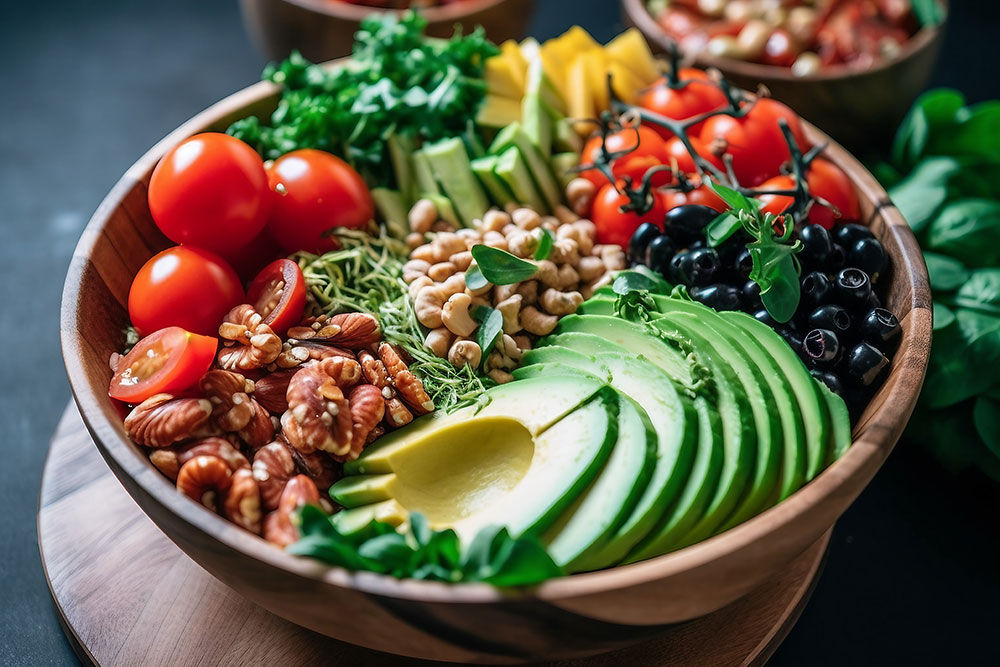
How about a bowl of mixed greens, cherry tomatoes, cucumber, roasted chickpeas, and a hearty serving of quinoa? Top it off with your favorite vinaigrette, and voila! A fiber-packed, nutrient-dense lunch is served.
3. Dinner: Make it a Fiber Affair
Let’s talk about a dinner that’s as comforting as a warm hug – a bowl of chili made with assorted beans and served with a side of whole grain bread.
Or perhaps you’re more of a stir-fry person? A medley of your favorite veggies tossed in a savory sauce and served over brown rice is just as appetizing.
4. Snacks: Keep it High in Fiber and Fun
If there’s ever a time when we reach for the less-than-healthy options, it’s snack time. But snacks don’t have to be your dietary downfall.
A handful of nuts and seeds, a serving of fruit with some nut butter, or even some popcorn can keep you satiated until your next meal.
Slow and Steady Wins the Race: The Right Approach to Increasing Fiber
Remember, when it comes to upping your fiber intake, you want to make it a gradual process. Start by incorporating more fiber-rich foods into one meal a day. Then, slowly increase the amount over a few weeks.
Stay hydrated, too. Fiber works best when it absorbs water, making your stool soft and bulky [1].
Fiber and Your Children: Starting Them Young
Now that you’re well on your way to becoming a fiber guru, how about passing on the wisdom to the younger ones? After all, the best time to instill good eating habits is when they’re young.
But here’s the tricky part – children aren’t exactly known for their love of vegetables and whole grains. So, how do you get them to eat more fiber? Here’s the inside scoop:
1. Make Fiber Fun
Children love to play, and if food becomes a part of that play, they are more likely to eat it. Make fun shapes out of whole grain bread, create colorful fruit kebabs, or let them build their own veggie-packed whole wheat pizzas.
2. Blend it Up
One sure-shot way to get your kids to eat their fruits and vegetables is by blending them into a smoothie. Add a spoon of chia seeds, and they won’t even notice they’re consuming fiber-rich foods.
3. Make the Switch Gradually
Change doesn’t happen overnight, and the same applies to your kid’s diet. Start by introducing whole grains and legumes slowly. For instance, mix white rice with brown rice until they get used to the taste.
4. Involve them in the Cooking Process
Children are more likely to eat something they have helped prepare. So, let them add the nuts and seeds to the salad, or spread the avocado on the toast. It can be a fun and educational process!
Fiber Supplements: A Helping Hand
While whole foods should always be your first choice, there may be times when you’re unable to meet your fiber needs through diet alone. This is where fiber supplements can lend a hand [1].
Before starting any supplement, it’s always a good idea to check in with a healthcare provider. They can guide you on the right supplement and dosage based on your needs.
Conclusion: Fiber – A Small Step Towards Big Health Wins
The journey towards optimal health doesn’t have to be a giant leap – sometimes, it’s the small steps, like adding more fiber to your diet, that can make the biggest difference.
Start today – add a little more color to your plate, opt for whole grains, or sprinkle some chia seeds on your breakfast. Little by little, you’re revolutionizing your diet for the better. So, let’s make every bite count!
FAQs:
What are some fiber-rich foods I can add to my diet?
Whole grains, fruits, vegetables, legumes, and chia seeds are excellent fiber-rich foods.
Why is fiber essential for optimal health?
Dietary fiber supports digestive health, weight management, metabolic health, and aids in disease prevention.
How can I include more fiber in my diet?
Start by including more whole grains, fruits, vegetables, and legumes in your meals. Chia seeds can also be a great addition to smoothies and yogurts.
Footnote:
1) Mayo Clinic. (2021). Dietary fiber: Essential for a healthy diet. https://www.mayoclinic.org/healthy-lifestyle/nutrition-and-healthy-eating/in-depth/fiber/art-20043983 ↩
2) Harvard T.H. Chan School of Public Health. (2021). Fiber. https://www.hsph.harvard.edu/nutritionsource/carbohydrates/fiber/ ↩
3) The Whole Grains Council. Health benefits of whole grains. https://wholegrainscouncil.org/whole-grains-101 ↩
4) Centers for Disease Control and Prevention. (2021). Nutrients and health benefits. https://www.myplate.gov/eat-healthy/fruits ↩
5) Mayo Clinic. (2021). Legumes: Nutritious and versatile. https://www.mayoclinic.org/healthy-lifestyle/nutrition-and-healthy-eating/in-depth/legumes/art-20044278 ↩
6) U.S. Department of Agriculture. (2021). Chia seeds nutrition facts. https://fdc.nal.usda.gov/fdc-app.html#/food-details/170577/nutrients ↩