

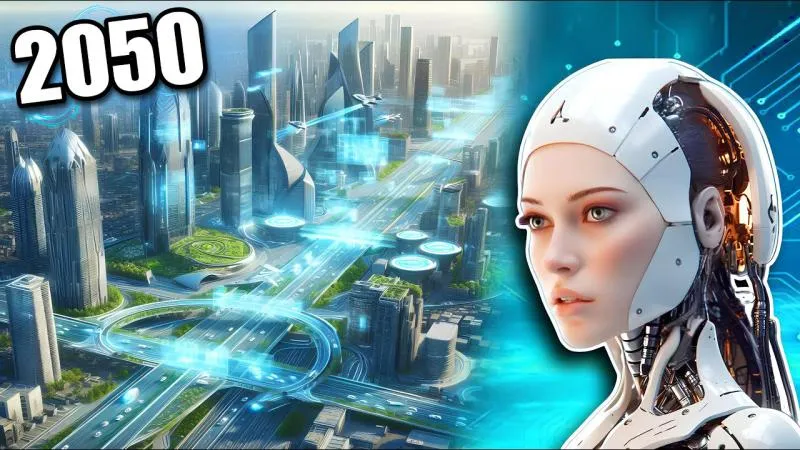


The World in 2050 may be radically different from today. The future of technology has not yet been fully defined, but many experts are sure that the world will be very different by the year 2050. The following scenarios are predictions of how technology may affect the world in the years to come. The scenarios cover a wide variety of topics. The first scenario predicts that the number of robots on the planet will double by the year 2050. The second scenario, predicted by Pearson, explains that robots will take over the world’s population.


The study includes three detailed future scenarios. The map also features assessments of 93 different technologies and ideas. The assessment of these technologies identifies which ones can help us to live a better life and contribute to the environment. Several global surveys have assessed the feasibility of these ideas, and the study aims to help policymakers develop long-term strategies to ensure that the world stays clean, green and prosperous in the next decade.
A new report from Imperial Tech Foresight, an independent research organization, looks ahead to the next fifty years. The aim of the study is to help policymakers identify the best ways to implement these technologies in the future. The authors recommend five possible actions that can be implemented immediately to make a positive impact on the world. The scenarios include the adoption of new technologies, such as biotech and artificial intelligence, and the development of new materials for the future.
The World in 2050: The World in 2050 will be a much different place than it is today. The world will be very different than it is today. For example, there will be no fossil fuels on earth. The most technologically advanced countries will begin a new space race, with manned missions to the Moon and Mars. This new technology will advance step by step, and will transform human life.


The Millennium Project’s 2050 report will provide a snapshot of how technology will affect the world around the world in the future. It will include the technologies that will help us solve today’s problems. It will also provide a glimpse into the future of other areas of society. Further, it will include the technologies that will allow people to live a longer and healthier life. The researchers in the study are divided on the best way to use these technologies to solve problems.
The World in 2050 is the time to think about the future and make your future better than the present day. The most technologically advanced countries will be involved in a new space race, and most economically advanced countries will send astronauts to the Moon. As technology advances, the world will change in a step-by-step process. Moreover, the technological revolution will create new opportunities in our lives. The next few decades will be a remarkable time for the world.
While it is impossible to know exactly what technologies will influence the world in 2050, some of these developments are already underway and will change the world we live in. The future of technology will continue to affect our lives for the next century. Foresight is the first step to change the course of the human species. But it is important to remember that our world today is largely shaped by our past and present. It is also important to think about the technologies that will affect the future.
What technologies will transform the world in 2050? The future of technology isn’t always as clear as it seems. It will continue to evolve step-by-step, and we’ll be in a position to make a difference in our lives. For the moment, the future is still uncertain, but it’s worth being prepared for the worst. For now, we need to embrace the possibilities. The future is now.
In the next century, most advanced countries will be involved in a new space race, with the most technologically advanced nations sending crews to the Moon. These are just some of the changes that are anticipated in the future. The technologies of today will continue to transform our lives over the next two decades. If we can’t change the way we live, we will be at a disadvantage when it comes to sustainability.