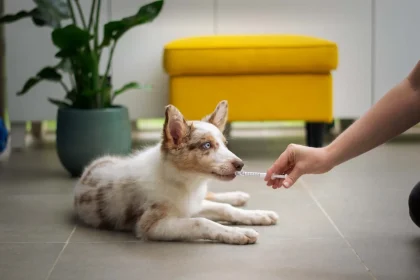

You cannot make a pet feel human-style romantic love, but you can build a relationship in which they feel safe and willingly seek you out. Start with predictable care, enjoyable activities and the freedom to approach or step away. What counts as affection differs between a dog, a cat and a less social species.
Quick answer: Meet your pet’s daily needs, learn their body language, invite contact rather than insisting on it, and reward the interactions they enjoy. If they move away, stiffen or stop participating, give them space; more cuddles are not automatically better.
Let your pet choose the interaction

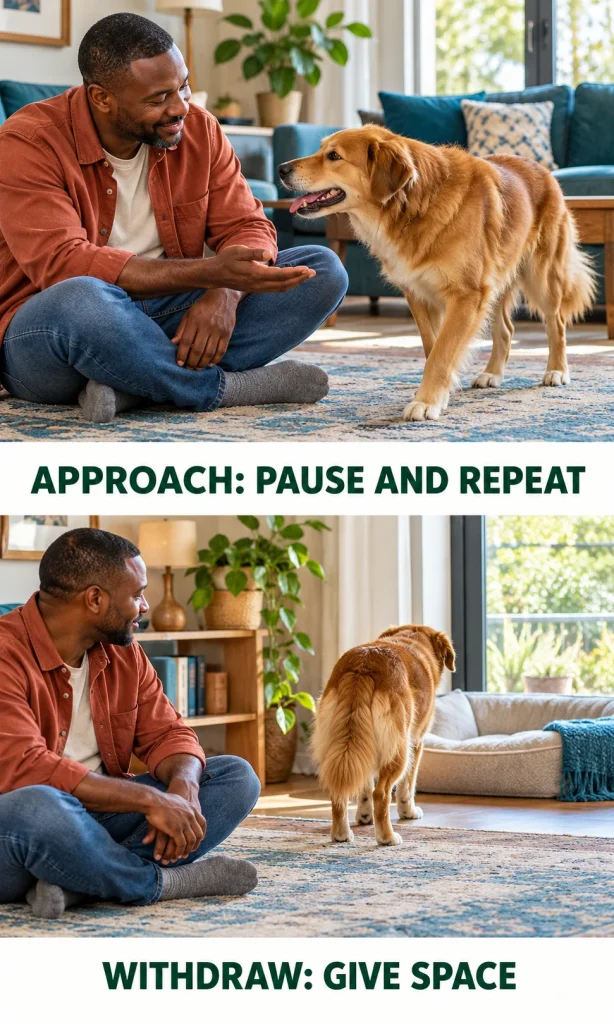
Offer a hand or settle nearby and allow your pet to come closer. With a dog, pause after a short stroke and see whether they lean back for more. With a cat, let them initiate contact and avoid assuming that a raised belly is an invitation to touch. The point is to make your presence predictable and easy to leave.
Look at the whole animal rather than one signal in isolation. A wagging tail can occur with arousal or uncertainty, while a purr does not always mean a cat welcomes handling. Our guide to understanding your pet’s body language offers a starting point, but the response to a pause is often more useful than guessing from a single gesture.
Build a routine your pet can rely on
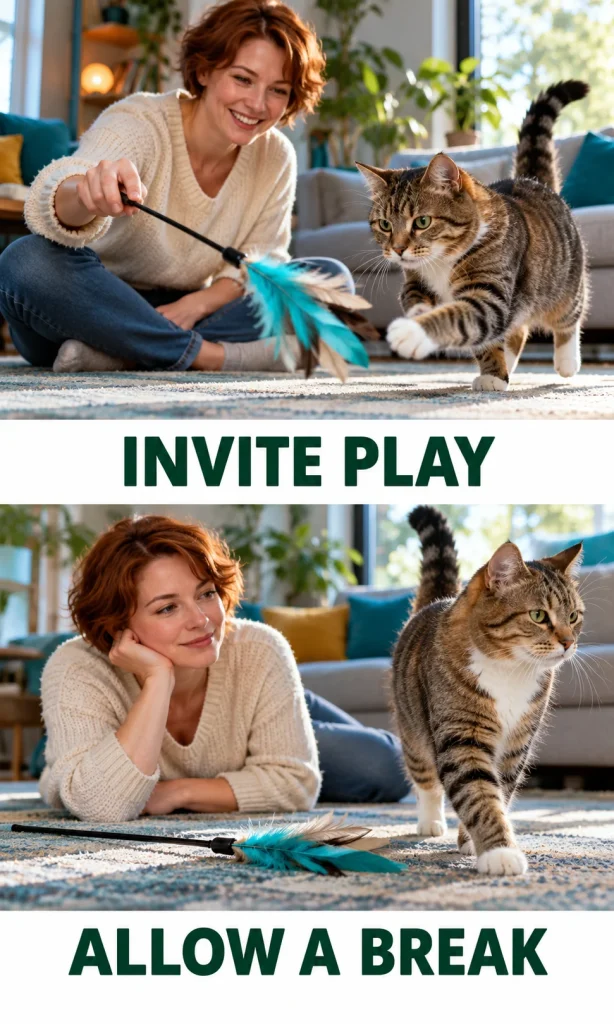
Feed an appropriate diet on a manageable schedule, provide rest and species-appropriate enrichment, and keep routine veterinary care current. A dog may value a sniff-filled walk or a short training game more than prolonged hugging; many cats prefer brief play sessions followed by a chance to rest. A rabbit, bird or reptile has different handling and habitat needs, so advice for dogs should not simply be transferred to them.
Try one small shared activity at a time and watch what happens. For a dog, reward a voluntary check-in during a relaxed walk. For a cat, move a wand toy as prey would move, then allow a catch and finish the session calmly. If your pet disengages, the useful adjustment is usually to shorten, simplify or change the activity.
Respond to the signal, not the wish
| What you notice | What to try |
|---|---|
| Pet approaches again after you pause | Continue briefly, then pause again. |
| Pet turns away, freezes, hides or tries to leave | Stop contact and offer space and an exit. |
| Pet takes food but avoids touch | Use food or play without attaching it to handling. |
| Sudden withdrawal, pain signals or unusual aggression | Arrange veterinary advice before treating it as a bonding problem. |
These observations are clues rather than a diagnosis. Some pets seek proximity without wanting to be stroked, while others enjoy touch only in certain places or at certain times. Keep notes about context, duration and what the animal did immediately after you stopped.
Use rewards without creating pressure
Reward behaviours you want to see with something your pet actually values: a suitable food reward, a toy, exploration or a calm release from an interaction. Keep treats within the pet’s overall dietary plan and ask your veterinarian about diet restrictions. Avoid chasing a retreating animal, restraining them for affection or using punishment to demand contact; fear can make interaction less safe.
A pet who does not sit in your lap can still have a strong, secure relationship with you. Some animals express comfort by resting in the same room, returning after a break, playing freely or accepting routine care. Give a shy or newly adopted pet time to settle and measure progress by comfort and voluntary participation, not a prescribed number of hugs.
Pet Bond Check
Choose what you observed and find a gentle next step.
Choice first No affection scoreBehaviour clues are context-dependent. This guide cannot diagnose pain or fear; seek veterinary advice for a sudden change.
When to ask for help
Seek veterinary advice when a normally sociable pet abruptly avoids contact, reacts painfully to touch, changes appetite or activity, or develops new aggression. If medical causes are addressed and fear persists, ask your veterinarian for a qualified behaviour professional who uses humane, reward-based methods. You can also prepare for routine visits using the questions in our pet clinic guide.
Frequently asked questions
Can pets love their owners?
Many companion animals form lasting social bonds and show preferences for familiar people. Their inner experience cannot be reduced to a human romantic label, so focus on whether they feel safe, engage willingly and recover comfortably after interaction.
Why does my pet refuse cuddles?
Touch preferences vary by individual, species, body area and moment. Stop when they move away, look for voluntary alternatives such as play or proximity, and ask a veterinarian about a sudden change because pain or illness can affect tolerance.
Will more treats make my pet attached to me?
Treats can help create pleasant associations when used appropriately, but they do not replace safety, routine and choice. Use small suitable rewards as part of the pet’s diet and avoid using food to lure an anxious animal into unwanted handling.
For most pets, the strongest invitation is a dependable life and an interaction they can freely accept. Notice what your own animal chooses, repeat what helps them relax, and let trust develop at their pace.