

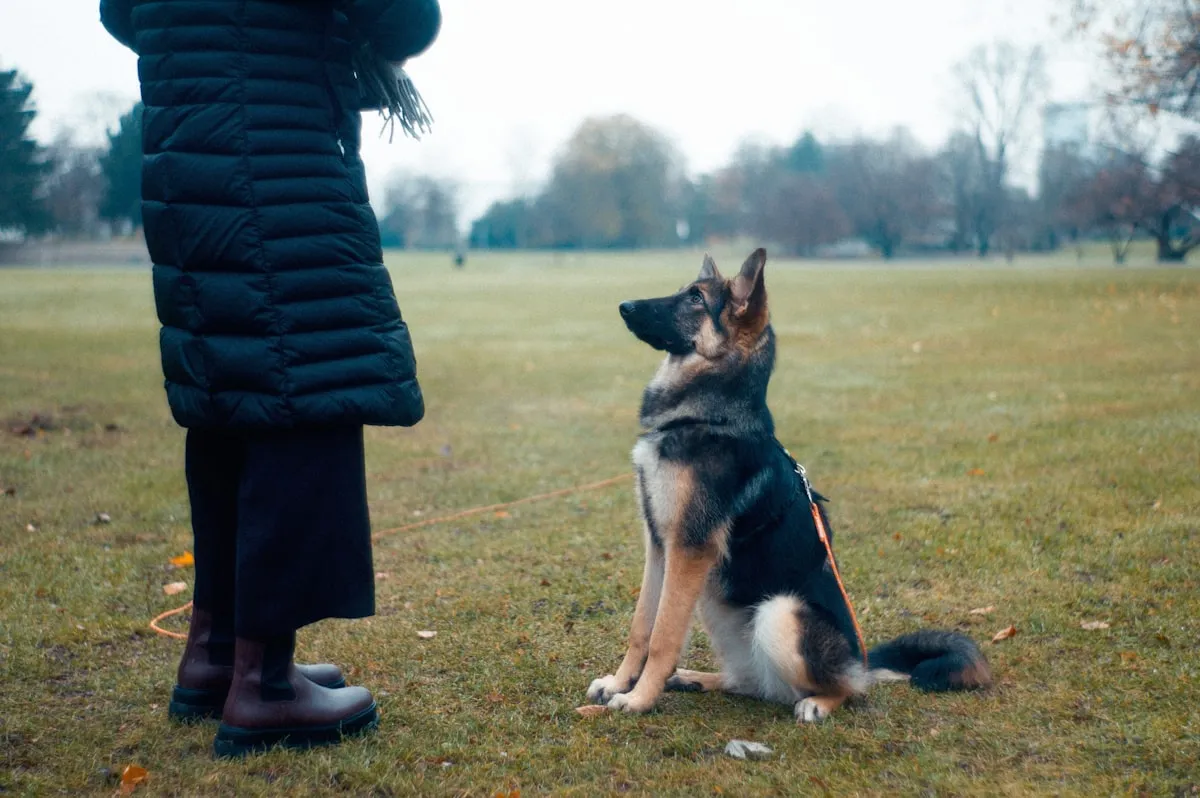

Dog Training Recommendations For a Dog With Aggression From PTSD
If you are a pet owner who has a dog with aggression from ptsd, it can be difficult to know what to do. But, there are a few things you can do to help your dog feel safe and confident again.
First, try to ease your dog’s anxiety and fear by avoiding negative reinforcements. Instead, focus on positive things like treats, cuddles, and playtime.
Positive Reinforcement
Positive reinforcement is a popular training method that uses rewards to encourage good behavior. It’s a great way to get your dog to behave in the right way, and it can also help strengthen your bond with your pet.
However, it’s important to understand the dos and don’ts of positive reinforcement training for maximum effectiveness. For example, positive reinforcement is only effective if it’s consistent, predictable, and reproducible. Moreover, you should only reward your dog after they perform the desired behavior. This means you should give your dog treats, praise, petting or a game immediately after they do something that you want them to.
This helps your dog to associate the rewards they receive with the behavior they’re doing. This reinforces their behavior and makes it more likely for them to repeat it in the future.
Another important part of positive reinforcement is to make sure your rewards are enticing and irresistible to your pet. This can include food treats, petting, playing with their favorite toy or game, and even verbal praise.
Keep in mind that not all dogs are the same, and some may respond better to different rewards than others. So it’s important to experiment with a few treats and see which ones work best for your pet.
If you’re using a clicker, be careful to use it only as a tool and never to replace positive reinforcement. You should always have a list of desirable rewards at your disposal, so you can choose the one that works for your pet.
To make sure your rewards are enticing to your pet, try using them to train certain behaviors, such as sitting or staying. You can also use them to teach your dog a new command, such as “shake.”
When using positive reinforcement, it’s essential to be precise and exact about what you’re rewarding and when you’re rewarding. This can be a challenge, but it’s very important to make sure you’re consistent and not just throwing something in to get your dog to do something you want them to do.
Another important component of positive reinforcement is to withhold treats and affection when your dog behaves badly, or else they may associate that behavior with the reward they’re receiving. This can be a hard thing to do, but it’s critical to your dog’s mental health and well-being.
Medications
When you have a dog with aggression from ptsd, medication may be used in conjunction with behavioral therapies. These medications are referred to as anti-anxiety drugs and help to reduce the intensity of your pet’s stress response.
SSRIs (selective serotonin reuptake inhibitors) are among the most commonly prescribed anti-anxiety drugs. Often used together, SSRIs inhibit the reuptake of serotonin molecules in your dog’s brain.
These drugs can be extremely effective in reducing your pet’s anxiety level, and many dogs respond well to them. However, be sure to talk to your veterinarian about the side effects and how to manage them.
A veterinarian should first rule out any physical causes of your pet’s symptoms. This may include a thorough physical exam and blood tests that will check for viral infections, hormonal imbalances, and toxins.
If a physical cause isn’t found, your veterinarian will review your dog’s history and the events that caused his stress. Some traumatic events, such as a car accident or an injury, can produce acute PTSD, which is the more common form of the disorder and shows signs immediately following the trauma.
Then there’s delayed-onset PTSD, which can be more difficult to diagnose as the symptoms don’t start until months after the traumatic event. This can be especially true in dogs who have been working in war zones.
Medications for this type of a behavior problem are usually sedatives or anti-anxiety drugs, such as alprazolam or Xanax. These drugs can help to relax your dog and allow them to focus on their treatment plan.
While these are the most common medications for treating a dog with aggression from ptsd, they are not the only option. Tricyclic antidepressants (TCAs) are also frequently prescribed in this situation.
It is important to remember that the best way to treat aggression is not with medication, but with behavior modification and training techniques. This is because force-based methods can escalate the situation and make your dog feel more stressed, while positive reinforcement and counter-conditioning will improve his behavior and help him to feel confident and safe.
Behavior Modification
If your dog’s aggression from ptsd is based on fear or anxiety, behavior modification is the most appropriate approach. It aims to change your dog’s reactions to people, places and things (or animals) rather than train him to do something when asked.
Many trainers use positive reinforcement to help reduce aggressive behaviors. This involves giving your dog a treat or other reward for doing the behavior you want them to do, like sitting, or staying.
However, this is often not enough to resolve your dog’s aggression. You may also need to take steps to remove the triggers that make your dog act aggressively.
For example, if your dog is exhibiting aggression when another person or pet approaches their food, you should start by training them to be calm when this happens and rewarding them only for calm behavior.
Similarly, if your dog is exhibiting aggression because they have a strong interest in certain objects, such as their favorite toy or bed, you should start training them to be calm and deferential when these items are moved. You can also work on desensitization to these items.
This is a much more time-consuming and difficult process than simply teaching them to be calm, but it is necessary to ensure that your dog does not revert to its old behavior after the treatment period is over.
One of the key things to remember with behavioral modification is that it must be positive, completely uneventful and boring for your dog. The idea is that they will become bored with the stimulus, and that is a very effective way to reduce your dog’s fear and anxiety.
You can do this with a wide variety of training techniques, including counterconditioning and desensitization. This type of training is very effective and has a high success rate, but it can be tedious and challenging for you and your dog.
In addition, counterconditioning can be difficult for dogs that are highly anxious or fearful, so it is important to work in a safe and quiet environment and only do this when your dog is in a more relaxed state of mind.
Socialization
If your dog is experiencing aggression from ptsd, socialization is one of the most common and important dog training recommendations that can help improve his behavior. Socialization teaches your dog how to interact with other dogs and humans, which can help prevent aggression from developing in the future.
In general, socialization occurs in two stages: primary and secondary. The primary stage involves socializing children between the ages of birth and adolescence, and the secondary phase happens throughout an individual’s life. Teachers, family members, and peers are all important players in the socialization process.
The socialization process helps young people learn how to function within the rules and expectations of their culture. It also helps them develop a conscience aligned with social norms. It prepares them for jobs and different roles, including law enforcement or religious leadership.
Many young people are socialized at school, which teaches them the rules of their classroom, as well as other aspects of life. It also allows them to receive guidance and instruction from educators, who typically have the power to discipline students.
Some of the content that is taught in schools is how to behave in public places, such as at a restaurant or the doctor’s office. In addition, many people receive socialization at work. In fact, the average baby boomer held 11 different jobs before retirement.
Context is perhaps the most important aspect of the socialization process. It determines how much and what kind of socialization is involved. It’s a complex process that takes place over time. It also depends on the person’s social, economic, and cultural status.
For example, a person of color may have to be socialized differently than a White person who is not disproportionately affected by police violence. This is because a person of color is more likely to be discriminated against in school and at work, and that can affect how he or she interacts with those who do not share the same skin tone or background.
The socialization of your dog with aggression from ptsd can be a challenging and time-consuming task, but it is possible to help your dog become more socialized and less aggressive over time. To begin, start with some basic socialization and training exercises, and don’t be afraid to ask for help if you need it.