

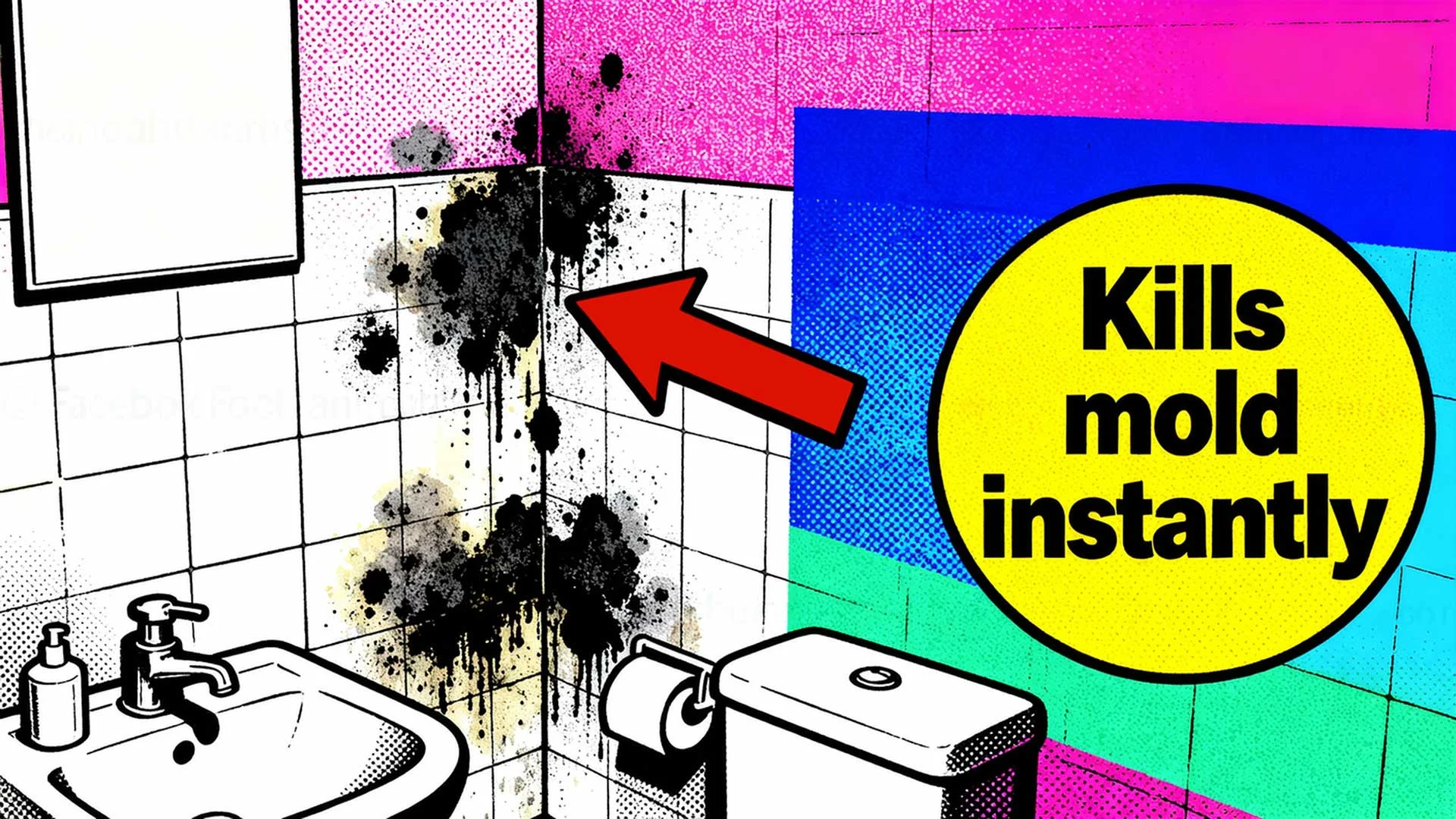

A black mold cleaning hack is going viral again.
The post claims that one simple household ingredient can “kill mold instantly” and permanently solve the problem. Thousands of people are sharing it – especially homeowners living in humid environments.
But professionals are quietly warning about something far more serious:
👉 Killing visible mold is not the same as fixing mold damage.
🔍 WHAT PEOPLE ARE ACTUALLY SHARING
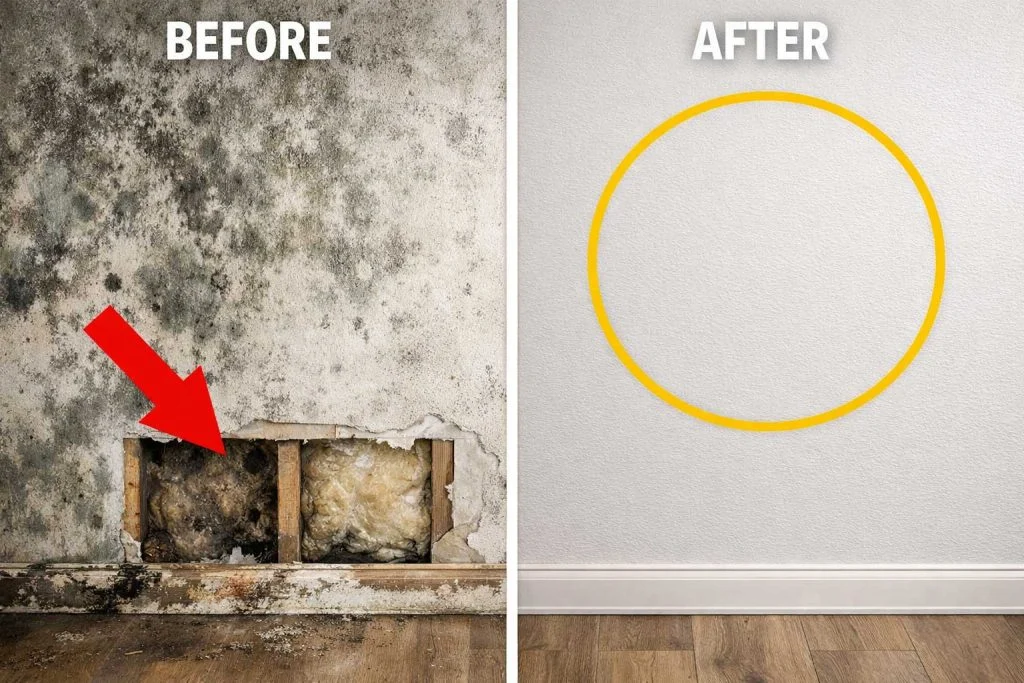
Most viral mold-cleaning posts look the same:
- A before-and-after photo
- A spray bottle
- A bold claim like “Mold gone forever”
What these posts don’t show is what’s happening behind the wall.
🧠 WHY THIS FEAR SPREADS SO FAST
Mold posts spread quickly because they trigger:
- Fear of health risks
- Fear of expensive repairs
- Fear of hidden damage
This distinction matters – and it’s explained in detail in our mold fundamentals guide.
To understand why mold keeps coming back, you need to understand how mold damage actually forms. Without that foundation, surface cleaning can create a false sense of safety.
⚠️ THE PART VIRAL POSTS DON’T SHOW
Mold doesn’t just grow on surfaces.
It grows because of:
- Hidden moisture
- Poor ventilation
- Structural water intrusion
This is covered deeply in Early Signs of Mold Damage Most People Miss. Understanding these warning signs helps homeowners act before damage becomes severe.
🧠 WHAT YOU SHOULD DO INSTEAD OF TRUSTING VIRAL HACKS
If you see mold in your home:
- Don’t rely on social media hacks
- Identify moisture sources first
- Fix ventilation and leaks
- Treat mold as a structural issue, not a cosmetic one
Temporary cleaning may hide the problem – but it rarely solves it.
Hack to Solve the Problem
Instead of relying on viral cleaning hacks, use this real solution framework:
- Stop the moisture first
Fix leaks, condensation, or poor airflow before cleaning anything. - Ventilate aggressively
Use exhaust fans, open windows, and dehumidifiers to reduce humidity. - Clean only after drying
Surface cleaning works only when moisture is fully controlled. - Inspect hidden areas
If mold appears repeatedly, walls and ceilings may already be affected. - Treat mold as damage, not dirt
Mold is a building problem, not a cleaning problem.
A Real Case Homeowners Often Experience
A homeowner noticed black mold in the bathroom and followed a viral cleaning hack using household spray. The wall looked clean for two weeks.
A month later, the mold returned – darker and spreading wider.
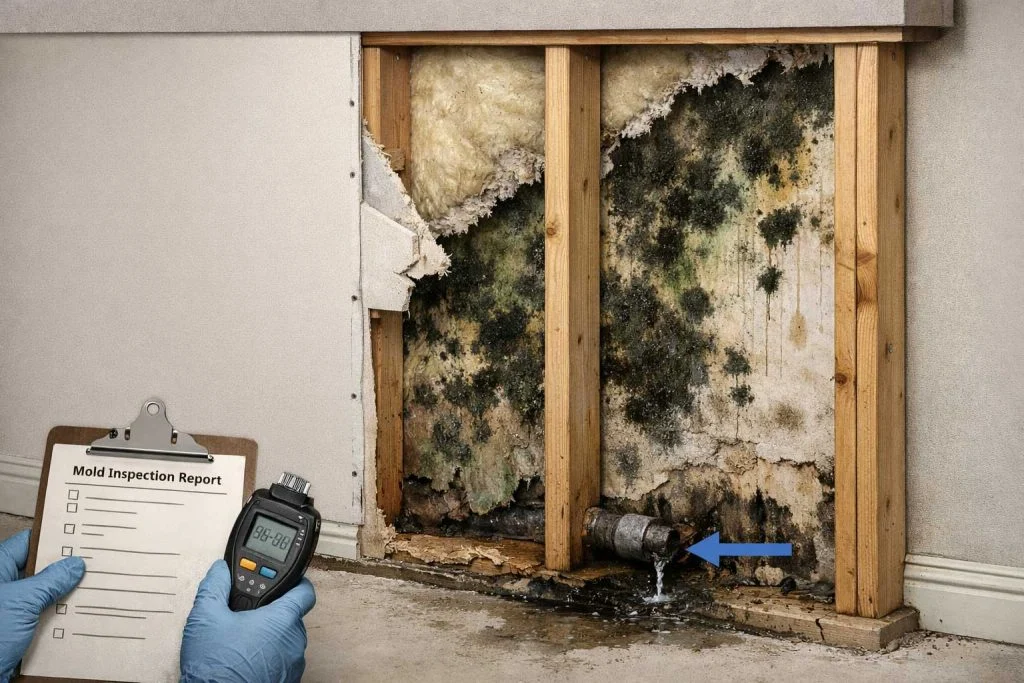
After inspection, moisture from a hidden pipe leak had soaked the drywall behind the tiles. The visible mold was only the symptom. The real damage was already inside the wall.
The cost of repeated cleaning was small.
The cost of delayed repair was not.
🧭 FINAL THOUGHT
Viral cleaning hacks feel comforting – especially when they promise fast results.
But mold problems don’t disappear because they were sprayed once.
They disappear when the cause is fixed, not just the surface.
The most dangerous mold is the one people stop looking for.
Compare Local Home Specialists Near You
Tell us what kind of help you need, then compare nearby businesses by location, Google rating, review volume and contact options.
HomeFix Local Match
Turn a home problem into a practical local hiring decision. Check the clues, see the specialist types that fit, open focused surrounding-location searches, then compare the strongest three before you call.
 YOUR PROBLEM
YOUR AREA
COMPARE 3
✓ Ready to compare
YOUR PROBLEM
YOUR AREA
COMPARE 3
✓ Ready to compare
What is happening?
Choose the closest problem type, then check every clue that applies. Your selections change the specialist order.
Where should the search focus?
Use Google’s “near me” context or enter the area you actually want a specialist to serve.
Simple local search: open nearby Google results, choose the businesses that look suitable, then compare your best three here before you call.
Problem snapshot
Who should you call first?
These are the specialist types most likely to fit the clues you selected.
Search around your location
Compare your top three
Use the same factors for each option so a high star rating does not hide a weak scope, poor diagnosis, missing credentials or unclear aftercare.
Comparison result
Your result combines the Google signals you entered with the practical hiring checks you completed.
Questions to ask every finalist
Use the same questions with each shortlisted business so the comparison stays consistent.
FAQ
Does viral black mold cleaning really work?
Most viral mold-cleaning hacks mainly remove visible surface stains. They rarely address underlying moisture issues or hidden growth, which is why mold often reappears after a short period.
Is bleach effective for killing black mold?
Bleach can lighten mold stains on non-porous surfaces, but it does not effectively penetrate porous materials such as drywall or wood, where mold roots may remain active beneath the surface.
Why does black mold keep coming back after cleaning?
Mold regrows when moisture sources such as leaks, condensation, humidity buildup, or poor ventilation are not resolved. Cleaning without correcting the moisture problem allows mold to return.
Is black mold dangerous to health?
Prolonged mold exposure may aggravate allergies, respiratory irritation, and headaches, particularly for children, older adults, and individuals with existing respiratory conditions or weakened immune systems.
When should I call a professional for mold damage?
Professional inspection is advisable if mold repeatedly returns, spreads rapidly, covers large areas, or appears inside walls, ceilings, or structural components where hidden moisture may be present.