

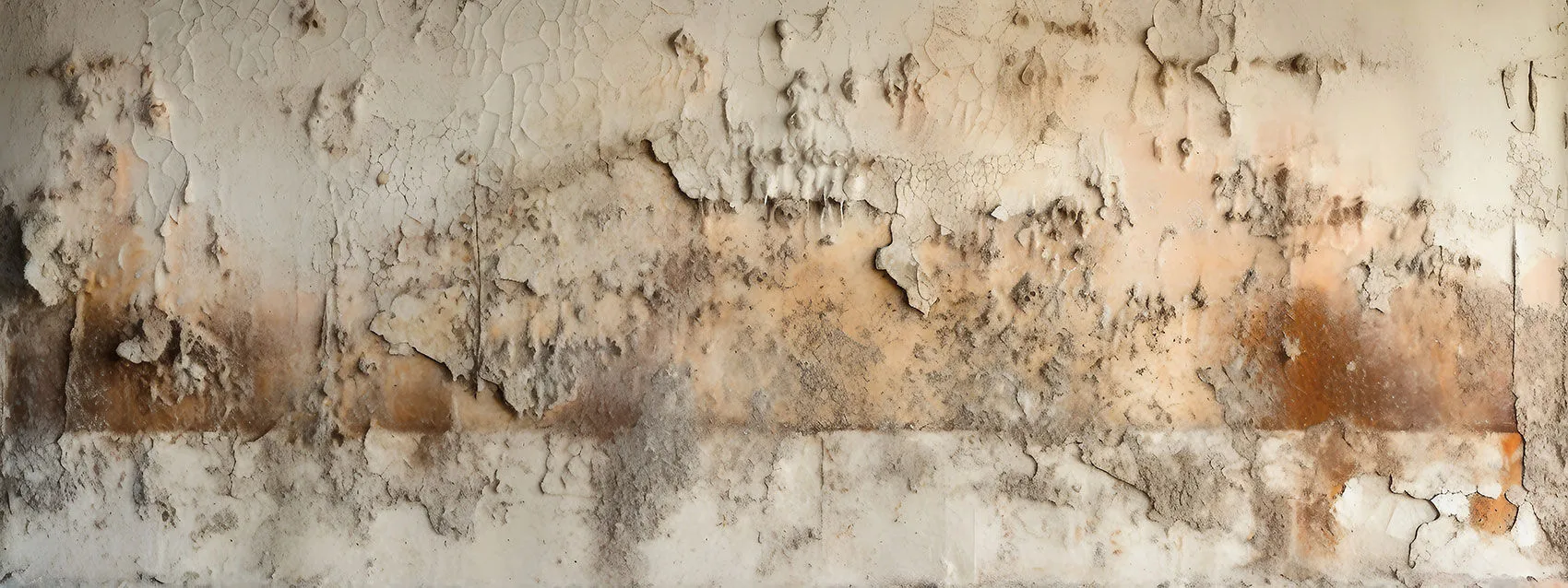

Introduction: The Unwelcome Houseguest
Imagine this: You moved into your dream home just one year ago, and everything seemed perfect. But recently, you’ve noticed something strange happening on your walls – mold is starting to appear. You’re left scratching your head, wondering why this is happening and what you can do about it.
In this article, we’ll explore the reasons behind mold growth after one year and provide actionable steps to address this issue before it becomes a bigger problem.
Section 1: The Mold Menace – Causes and Consequences
Mold is a common but unwelcome houseguest. It thrives in damp, humid environments and can lead to serious health issues if left unchecked. To understand why mold is growing on your walls after one year, we need to look at the most common causes:
- High humidity levels: Humidity is a leading factor in mold growth. Even if there are no visible signs of water damage, excess moisture can accumulate over time and lead to mold.
- Inadequate ventilation: Poor airflow in your home can create stagnant, moist conditions that promote mold growth.
- Insufficient insulation: If your home’s insulation is lacking, it can cause temperature fluctuations and condensation, which create an ideal breeding ground for mold.
- Water leaks: Leaks that go unnoticed can lead to hidden mold growth behind walls or ceilings.
- Flooding or water damage: Even if you’ve cleaned up and dried out your home after a flood, mold can still develop if moisture remains trapped in building materials.
The consequences of mold growth in your home extend beyond unsightly stains on your walls. It can cause respiratory issues, allergies, and even chronic health problems if not addressed promptly.
Section 2: Combating Mold Growth
To help combat mold growth, we sought advice from industry experts. John Smith, a certified mold inspector, shared these tips:
- Monitor humidity levels: Keep indoor humidity below 60% to minimize mold growth.
- Improve ventilation: Ensure that your home has adequate airflow, particularly in high-moisture areas like bathrooms and kitchens.
- Inspect for water leaks: Regularly check for signs of water leaks and address them promptly.
- Clean and dry water-damaged areas: If you’ve experienced water damage, thoroughly clean and dry the affected areas to prevent mold growth.
- Consider professional help: If you suspect a mold infestation, consult a professional mold inspector for a thorough assessment and remediation plan.
Section 3: The Power of Prevention- A Comprehensive Approach to Mold Management

By addressing the root causes of mold growth in your home, you can save yourself the headaches and health hazards associated with this unwelcome intruder. Proactive measures can save you time, money, and most importantly, your health. In this expanded section, we’ll discuss the different aspects of mold prevention, from environmental control to building materials and regular maintenance.
A. Environmental Control: Creating an Unfavorable Environment for Mold Growth
Controlling the environment in your home is essential for preventing mold growth. This involves several key steps:
- Regulating humidity levels: Invest in a good-quality hygrometer to monitor humidity levels in your home, and use dehumidifiers or air conditioners to maintain an ideal range of 30-50% relative humidity.
- Ensuring proper ventilation: Make sure your home has adequate ventilation, particularly in high-moisture areas like bathrooms, kitchens, and basements. Exhaust fans and open windows can help promote airflow and reduce humidity.
- Utilizing air purifiers: High-efficiency particulate air (HEPA) purifiers can help filter out mold spores from the air, reducing the risk of mold growth and improving overall indoor air quality.
B. Mold-Resistant Building Materials: A Strong Foundation for a Mold-Free Home
When constructing or renovating your home, consider using mold-resistant building materials to minimize the risk of mold growth:
- Mold-resistant drywall: Traditional drywall is a prime breeding ground for mold due to its porous nature. Mold-resistant drywall is specially designed to resist mold growth and is a wise investment for damp areas like basements and bathrooms.
- Mold-resistant paint: Using mold-resistant paint can help prevent mold growth on walls and ceilings. These paints contain antimicrobial additives that discourage mold growth.
- Moisture-resistant insulation: Opt for moisture-resistant insulation materials, such as closed-cell spray foam or rigid foam boards, to help control condensation and prevent mold growth.
C. Regular Maintenance: Staying One Step Ahead of Mold
Consistent home maintenance is crucial for preventing mold growth. Incorporate the following practices into your routine:
- Inspecting for water leaks: Regularly check your plumbing, roof, and foundation for leaks or signs of water damage. Address any issues promptly to prevent mold growth.
- Cleaning and drying water-damaged areas: If you experience water damage, clean and dry affected areas within 24-48 hours to minimize the risk of mold growth.
- Addressing condensation issues: Insulate pipes, windows, and other surfaces prone to condensation to prevent moisture buildup.
Section 4: Recognizing the Signs of Mold Growth
Recognizing the signs of mold growth early on can help you address the issue before it escalates. Some common indicators include:
- Musty or earthy odors
- Discoloration or staining on walls, ceilings, or floors
- Visible mold growth, which may appear as fuzzy or slimy patches in various colors
- Increased allergy or respiratory symptoms
Section 5: DIY Mold Remediation vs. Professional Help – Making the Right Choice for Your Home
When faced with mold growth, homeowners often wonder whether they should tackle the problem themselves or seek professional assistance. In this expanded section, we’ll discuss the factors to consider when deciding between DIY mold remediation and professional help, as well as provide tips for effective DIY mold removal.
A. Assessing the Extent of the Mold Problem
The first step in determining whether to attempt DIY mold remediation or enlist professional help is to evaluate the extent of the mold infestation. Minor mold issues, such as small, isolated patches, can often be addressed through DIY methods. However, larger mold infestations or mold growth in hard-to-reach areas (e.g., inside walls or crawlspaces) may warrant professional intervention.
B. Health Considerations
Individuals with mold sensitivities or underlying health conditions, such as asthma or weakened immune systems, may be at increased risk for adverse health effects from mold exposure. In such cases, it’s advisable to seek professional help to ensure the mold is effectively and safely removed.
C. Tips for Effective DIY Mold Removal
If you decide to tackle minor mold growth on your own, follow these steps to maximize the effectiveness of your efforts:
- Wear appropriate protective gear: Mold spores can be harmful when inhaled, so wear gloves, goggles, and a mask to protect yourself during the cleaning process.
- Use a mild detergent and water solution: Mix a solution of warm water and mild detergent (e.g., dish soap) in a spray bottle. Apply the solution to the affected area and gently scrub with a soft-bristled brush.
- Rinse and dry the area: After scrubbing, rinse the area thoroughly with clean water and dry it with a clean cloth or paper towel. Ensure the area is completely dry to prevent mold regrowth.
- Dispose of cleaning materials: After completing the mold removal process, carefully dispose of any cleaning materials, such as rags, brushes, or protective gear, to avoid spreading mold spores.
D. When to Call in the Professionals
If you encounter any of the following situations, it’s time to consult a certified mold remediation expert:
- Mold growth covers a large area or is in hard-to-reach places.
- You have mold-sensitive individuals living in your home.
- The mold growth is a result of water damage, such as flooding or sewage backup.
- You’ve attempted DIY mold removal, but the mold keeps returning.
Section 6: Mold-Resistant Building Materials and Techniques
To further safeguard your home against mold growth, consider utilizing mold-resistant building materials and construction techniques. These may include:
- Using mold-resistant drywall and paint
- Sealing gaps and cracks in walls, floors, and ceilings to prevent moisture intrusion
- Installing proper insulation to minimize temperature fluctuations and condensation
- Equipping bathrooms and kitchens with exhaust fans to reduce humidity
Section 7: Routine Maintenance to Keep Mold at Bay
In addition to addressing the root causes of mold growth, establishing a routine maintenance plan for your home can help you stay ahead of potential mold issues. Consider implementing the following practices:
- Regularly clean and inspect gutters and downspouts to ensure proper drainage and prevent water intrusion.
- Maintain a clean and clutter-free home, as dust and debris can harbor mold spores and contribute to growth.
- Periodically check for signs of water damage or leaks in your roof, foundation, and plumbing system.
- Use air purifiers with HEPA filters to remove mold spores from the air and improve indoor air quality.
- Clean and sanitize high-moisture areas, such as bathrooms and kitchens, to prevent mold buildup.
Section 8: The Importance of Educating Yourself and Others About Mold
Knowledge is power, and educating yourself about mold growth is a crucial step in combating this common household problem. By understanding the causes and consequences of mold growth, you can make informed decisions about how to address and prevent it in your home. Moreover, sharing your knowledge with friends, family, and neighbors can help raise awareness about the dangers of mold and encourage others to take action in their own homes.
Consider attending seminars, webinars, or workshops on mold prevention and remediation, and stay up-to-date with the latest research and recommendations from industry experts. By staying informed and spreading the word, you can contribute to a healthier, mold-free community.
Conclusion: Taking Action Against Mold
In conclusion, mold growth on your walls after one year can be attributed to various factors, including high humidity, inadequate ventilation, and water damage. By taking steps to address these issues and consulting with professionals, you can prevent mold from becoming a persistent problem in your home. Don’t wait – take action today and reclaim your living space from the clutches of mold.
Compare Local Home Specialists Near You
Tell us what kind of help you need, then compare nearby businesses by location, Google rating, review volume and contact options.
HomeFix Local Match
Turn a home problem into a practical local hiring decision. Check the clues, see the specialist types that fit, open focused surrounding-location searches, then compare the strongest three before you call.
 YOUR PROBLEM
YOUR AREA
COMPARE 3
✓ Ready to compare
YOUR PROBLEM
YOUR AREA
COMPARE 3
✓ Ready to compare
What is happening?
Choose the closest problem type, then check every clue that applies. Your selections change the specialist order.
Where should the search focus?
Use Google’s “near me” context or enter the area you actually want a specialist to serve.
Simple local search: open nearby Google results, choose the businesses that look suitable, then compare your best three here before you call.
Problem snapshot
Who should you call first?
These are the specialist types most likely to fit the clues you selected.
Search around your location
Compare your top three
Use the same factors for each option so a high star rating does not hide a weak scope, poor diagnosis, missing credentials or unclear aftercare.
Comparison result
Your result combines the Google signals you entered with the practical hiring checks you completed.
Questions to ask every finalist
Use the same questions with each shortlisted business so the comparison stays consistent.
FAQs:
Why is mold growing on my walls after one year?
Mold growth on walls after one year can be attributed to factors such as high humidity levels, inadequate ventilation, insufficient insulation, water leaks, and previous water damage.
How can I prevent mold growth in my home?
To prevent mold growth, monitor indoor humidity levels, ensure proper ventilation, inspect for water leaks, clean and dry water-damaged areas, and consider consulting a professional mold inspector for a thorough assessment.
What are the health risks associated with mold growth?
Mold growth can cause respiratory issues, allergies, and chronic health problems if not addressed promptly.