

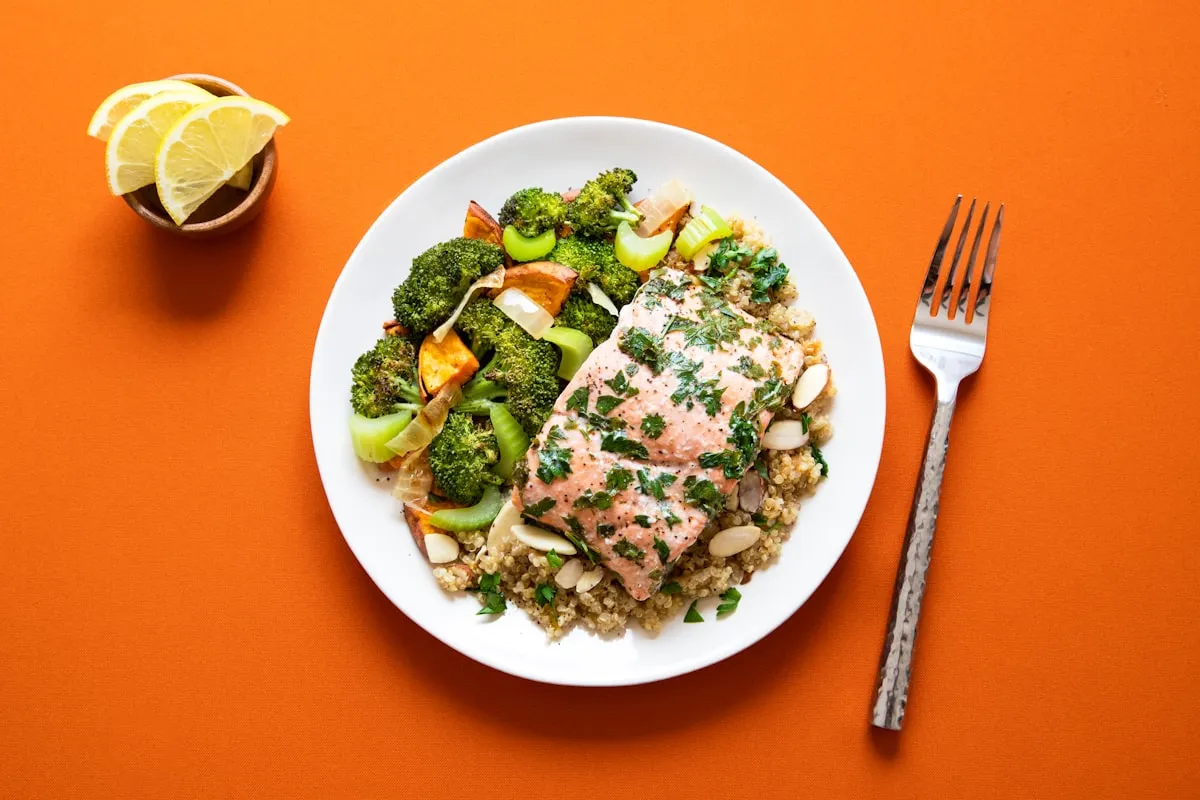

A healthy meal plan consists of more vegetables, less protein and lower portions of grains and dairy. If your child is not yet used to eating these foods, you can serve them a small glass of milk or yogurt with the meal. Fruits and vegetables are good sources of vitamins and nutrients, and protein from meat, poultry, and fish are also good for your body. These foods are often low in calories and high in fiber. When introducing new foods to your child, be sure to serve them when they are hungry.
When planning a meal plan, make sure to include plenty of fruits, vegetables, whole grain breads, and dairy products. These are all good sources of fiber, vitamin C, and protein. You should also limit your consumption of sugary foods, such as sodas and other soft drinks. These foods should be eaten in moderation, especially if they are processed. You should avoid these foods if you are concerned about your weight or are attempting to lose weight.
Choosing the right foods for your body is critical. If you eat too many of one type of food, you risk developing a chronic disease. You should eat a wide variety of food sources in order to maintain good health. Choose foods from every food group in the daily meal plan. Changing your habits will make a big difference. If you want to eat healthier and lose weight, you should incorporate different foods into your diet.
Instead of fried, fatty, or sweetened foods, you can replace them with healthier fats like olive oil, nuts, or polyunsaturated margarine. The amount of each food group you should consume each day depends on your age, gender, and activity level. The Australian Guide to Healthy Eating contains a chart with recommended serving sizes for each food group. For example, an apple baked with cinnamon can help you lose weight and feel great!
Beets are great for your health because they contain high levels of vitamin C and folate. They are also low in calories, so they can be eaten on a regular basis. Avocados are high in monounsaturated fats and contain fiber and antioxidants. They can be added to salads, mashed into soups, or eaten with salt. They are also great in Mexican food. They are rich in fibre and contain healthy fats.
You can also choose to include more fruits and vegetables in your children’s diet. These foods will help you make better choices for their health and save you money. If you are buying frozen foods, remember to read the labels. You’ll find that some of them are low in fat, but you should still read the labels. Similarly, you can add another serving of fruit or vegetable to their meals. A snack can also be a great option for a meal if you eat a small amount of them.
Besides fruits and vegetables, you should also learn to recognize foods with low fat content. Some fats can be easily seen, while others are hidden. The visible fats are marbling in meat, oil in salad dressings, butter, and cream bases in soups. However, there are some hidden types of fat that you might not even notice, like the oil in some nuts and avocados. If you are not aware of the hidden sources of these foods, you can always substitute them with lower-fat varieties.
For those with diabetes, a low-fat diet is the best option. Legumes and beans are good sources of calcium and iron. You can buy legumes in cans and frozen packages, but make sure to drain them before using them. For a healthy meal, you should also eat a variety of vegetables at each meal. In addition, you should make sure that you eat plenty of vegetables. They contain more energy and fiber than meats.
A varied diet is essential for everyone’s health. Choosing whole grains can help you avoid the risks of a high-fat diet. If you don’t have an allergy to milk or dairy, you can switch to low-fat soymilk. Try reducing your sugar intake in tea and sodas. If you don’t like milk, try soymilk instead. Likewise, you can substitute whole grains with low-fat yogurt.
Did you miss our previous article…
https://expertsguys.com/10-foods-you-should-eat-for-covid/