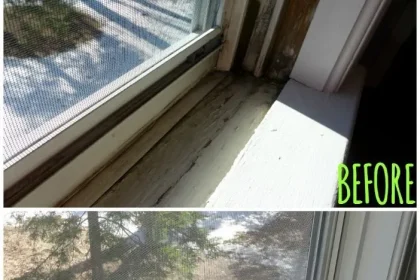



Condensation on windows often occurs when temperatures between indoor and outdoor are drastically different. While it’s a harmless occurrence, it could indicate larger issues with your windows.
But most condensation is harmless and preventable. It occurs when air molecules lose heat energy and switch from a gaseous state to a liquid one.
No. It’s Not Just the Glass Doing Osmosis
Condensation on your windows can be an annoying sight, but it doesn’t necessarily indicate there is something wrong with your system.
Condensation is a natural atmospheric process that takes place when moisture vapour from the air comes in contact with temperatures lower than the dew point (or dew-misc). This can be an indication that your home’s humidity levels are stable.
One of the primary causes of condensation on windows is a home with an extreme temperature difference between inside and outside. This can occur for various reasons, such as air leakage, inadequate insulation, or poor weather sealing.
There are ways to reduce the likelihood of this occurring to you. Window coverings that block out light and energy-saving windows with better insulation can make a big difference, as can installing more efficient HVAC units that do a better job at keeping out cold air.
While you’re at it, consider adding some type of shade such as a tall tree or plant to keep your windows and glass from getting too warm. You may also want to check out some of the latest energy efficiency windows available that boast insulating glass and other advanced features that can help save money and improve comfort at the same time.
To guarantee your windows are of the highest quality and performance, call a professional to inspect your home. They can identify any problems before they become costly issues down the line, saving you money and hassle in the long run. Furthermore, they will suggest products tailored specifically for your requirements and budget.
It’s a Sign of a Problem
Condensation on windows is an issue many homeowners must contend with. While a little moisture here and there won’t do any harm, excessive amounts can lead to blistering, peeling or cracking paint and warping of the window frames.
If you notice condensation on your exterior windows, it may be an indication of weather conditions that favor this kind of condensation. Common causes include high outdoor humidity levels, little or no wind and a starry night sky.
Typically, this occurs more in spring and summer when cool nights follow warm days. However, it can also happen in winter if outside temperatures are lower than inside or if there is an extreme difference in temperature between indoor and exterior surfaces that allows condensation to form on glass.
You can help prevent this by making sure your home is properly insulated. Additionally, having adequate ventilation in place will reduce the amount of humid air that gets trapped inside.
Another way to manage humidity in your home is by checking the relative humidity levels. According to the EPA, you should strive to keep this below 60 percent.
To check your relative humidity in your home, use a hygrometer – an inexpensive device that measures water vapor concentration in the air. If the humidity level in your house exceeds 60%, there may be an issue in your household.
To identify the source of your condensation, start by inspecting for any leaks in your home. Make sure the dryer hose is vented outdoors and that any air vents in bathrooms or laundry rooms are properly ventilated (with exhaust fans).
If your relative humidity in your home is still too high, installing dehumidifiers in specific areas could help reduce humidity levels and prevent condensation on windows. These devices work by extracting water from the air and eliminating condensation on surfaces.
It’s a Sign of a Leak
Condensation on windows is a common issue, especially during cold weather. Windows reflect heat in the summer and cool inside air in winter; this creates an anomalous temperature difference which allows condensation to build up.
However, condensation on your windows isn’t just a sign of osmosis–it could be indicative of something bigger ailment. If it appears on the inside of dual or triple paned windows, for instance, then this indicates an insulated glass has failed seal and must be replaced; unfortunately, this issue won’t go away without fixing or replacing the faulty piece.
Water leaks can be undetected until they cause significant damage, such as mold and mildew growth in the home, dripping ceilings, warping walls or even structural failure. Unwary homeowners are often not aware of the issue until there’s already too much damage done.
It’s wise to regularly check your water bill for any signs of a leak. If the amount has changed significantly from month to month, that could indicate something is amiss.
After two or three weeks, if the leak persists, then it might be time for professional assistance. A qualified technician can identify and fix the problem without destroying your home.
Additionally, you should pay closer attention to your home’s humidity levels. While some moisture is necessary to keep your space comfortable, too much can cause serious issues and long-term damage.
Humidifiers are an ideal investment to help regulate indoor humidity levels. Not only will it reduce mold and mildew growth in your home, but it can also eliminate musty odors.
Ideal indoor humidity should remain below 60%. You can measure this with a cheap hygrometer from any local home improvement store or major retailer.
Interior condensation is an indication that moisture in your home is increasing, while exterior window condensation could be indicative of a larger issue. With time, it could lead to water stains on ceilings or walls, blistering paint, cracks or peeling paint on window frames – all signs that your windows need fixing.
It’s a Sign of a Bad Seal
Condensation on windows is usually indicative of an issue with the seal between glass panes. A broken seal will allow moisture to seep through between panes, leading to mould growth on your surfaces.
Condensation occurs when air that’s warmer than the outside attempts to cool off and hits a cold surface such as a window. This can happen during wintertime when there’s a temperature difference between inside and outside spaces, or during summer when sunlight heats up spaces, creating higher humidity levels.
However, condensation is simply caused by temperature differences between indoor and outdoor air. When warmer air comes into contact with cooler windows, it will condense and drip water onto their surfaces.
Condensation can often be a harmless white milky substance that won’t do any damage to your home, but when left unchecked, excessive moisture can lead to blistering, peeling or cracking paint on windows frames, warping and water damage.
A secure window seal will keep the moisture out of the air and only permit warm, dry air to pass through it. This means your windows can keep you cozy during winter and let the sun heat up your home during summer.
One of the quickest and easiest ways to detect a failing seal around your windows is by performing a wet hand test. Moisten your hand with water and hold it up close to the window; ensure there are no drafts coming through.
If you’re noticing air leaking through your windows, it’s time to contact the pros. A damaged window seal can lead to a variety of issues including mould growth and decreased energy efficiency.
Older homes often experience this issue due to deteriorating wooden window frames. Over time, this causes the seal between two panes of insulated glass to shift or sag, allowing water and moisture into the frame – leading to rot over time if left unchecked. This is especially common in homes that have not been regularly maintained.
Compare Local Home Specialists Near You
Tell us what kind of help you need, then compare nearby businesses by location, Google rating, review volume and contact options.
HomeFix Local Match
Turn a home problem into a practical local hiring decision. Check the clues, see the specialist types that fit, open focused surrounding-location searches, then compare the strongest three before you call.
 YOUR PROBLEM
YOUR AREA
COMPARE 3
✓ Ready to compare
YOUR PROBLEM
YOUR AREA
COMPARE 3
✓ Ready to compare
What is happening?
Choose the closest problem type, then check every clue that applies. Your selections change the specialist order.
Where should the search focus?
Use Google’s “near me” context or enter the area you actually want a specialist to serve.
Simple local search: open nearby Google results, choose the businesses that look suitable, then compare your best three here before you call.
Problem snapshot
Who should you call first?
These are the specialist types most likely to fit the clues you selected.
Search around your location
Compare your top three
Use the same factors for each option so a high star rating does not hide a weak scope, poor diagnosis, missing credentials or unclear aftercare.
Comparison result
Your result combines the Google signals you entered with the practical hiring checks you completed.
Questions to ask every finalist
Use the same questions with each shortlisted business so the comparison stays consistent.