

Many people assume environmental protection happens on a large scale through national parks, conservation programs, and government policies. While these efforts certainly matter, environmental improvement often begins much closer to home.
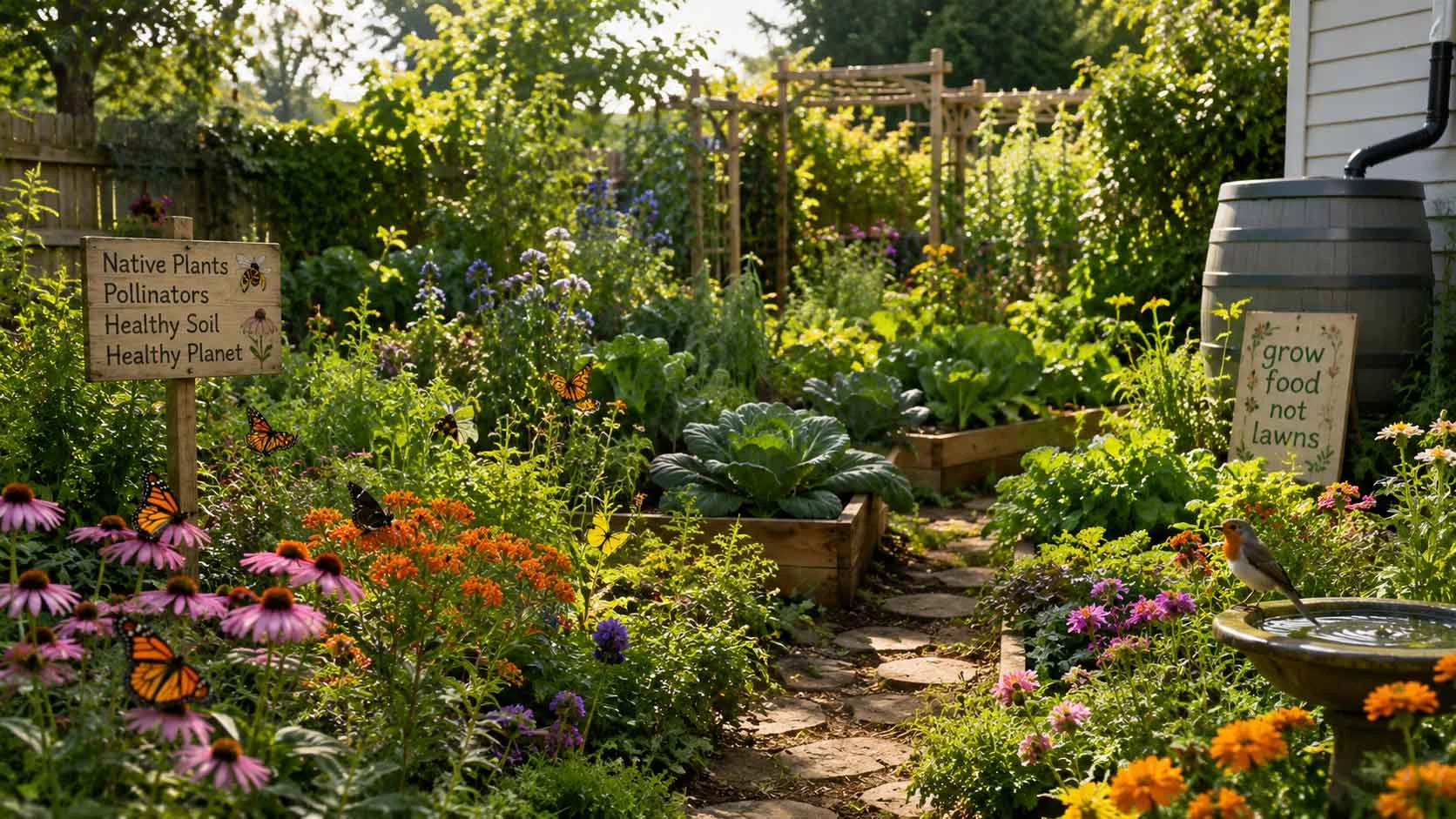
A thoughtfully designed garden can become far more than a decorative outdoor space. Even a modest backyard, courtyard, balcony garden, or small collection of containers can contribute to healthier ecosystems by supporting pollinators, improving soil quality, reducing urban heat, and creating habitat for wildlife.
The collective impact becomes surprisingly significant when thousands of households make environmentally conscious gardening decisions. A single garden may appear small, but together these spaces form networks that help nature function more effectively within urban and suburban environments.
For homeowners who want to create a beautiful outdoor space while making environmentally responsible choices, understanding how gardens influence local ecosystems can help guide smarter decisions.
Why Home Gardens Matter More Than Many People Realize
Environmental discussions often focus on forests, wetlands, and protected landscapes. While these large ecosystems deserve attention, urban and suburban environments now occupy enormous portions of developed countries.
As cities expand, natural habitats become fragmented. Pollinators, birds, amphibians, and beneficial insects frequently struggle to find sufficient food and shelter.
Home gardens help bridge these gaps.
A network of environmentally friendly gardens creates interconnected habitats that allow wildlife to move between areas, locate food sources, and maintain healthier populations.
Researchers increasingly recognize that residential gardens contribute meaningfully to urban biodiversity when designed with ecological principles in mind.
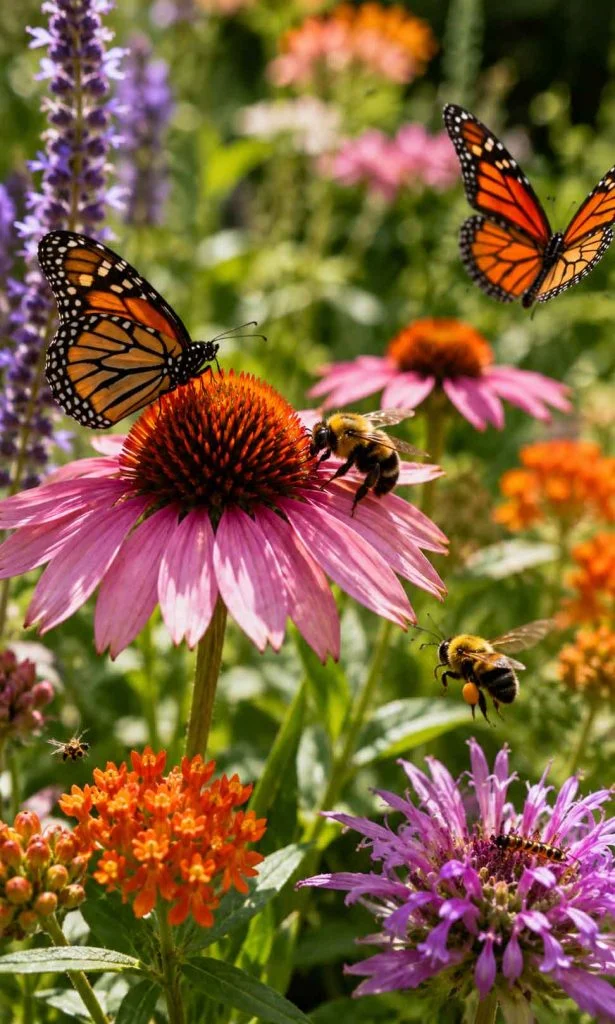
Home Gardens Support Pollinators
Pollinators perform one of the most important ecological functions on Earth.
Bees, butterflies, moths, hoverflies, and other pollinating insects help plants reproduce by transferring pollen between flowers. Many fruits, vegetables, and flowering plants depend on these species.
Unfortunately, pollinator populations face increasing pressure from habitat loss, pesticide exposure, and urban development.
Home gardens can help reverse part of this trend.
Gardens containing diverse flowering species provide reliable nectar and pollen sources throughout different seasons. When multiple households adopt pollinator-friendly gardening practices, entire neighborhoods can become valuable feeding corridors.
Planting species that bloom during spring, summer, and autumn helps ensure pollinators have access to food for extended periods.
The result benefits both wildlife and gardeners since pollinator activity often improves flowering and fruit production.
If you are planning a productive edible landscape, understanding companion planting through a plant compatibility guide can help create healthier growing conditions while supporting beneficial insects.
Home Gardens Strengthen Local Ecosystems Through Native Plants
One of the most environmentally beneficial gardening decisions involves selecting native plant species.
Native plants evolved alongside local wildlife over thousands of years. As a result, they often provide better food sources, nesting opportunities, and ecological support compared to non-native ornamental plants.
Native species are also typically better adapted to local climate conditions.
Benefits often include:
- Reduced water consumption
- Lower fertilizer requirements
- Improved pest resistance
- Better wildlife support
- Reduced maintenance needs
A garden filled with regionally appropriate plants frequently becomes more resilient while simultaneously contributing more effectively to biodiversity conservation.
Gardens Create Habitat for Birds and Wildlife
A healthy garden rarely supports only plants.
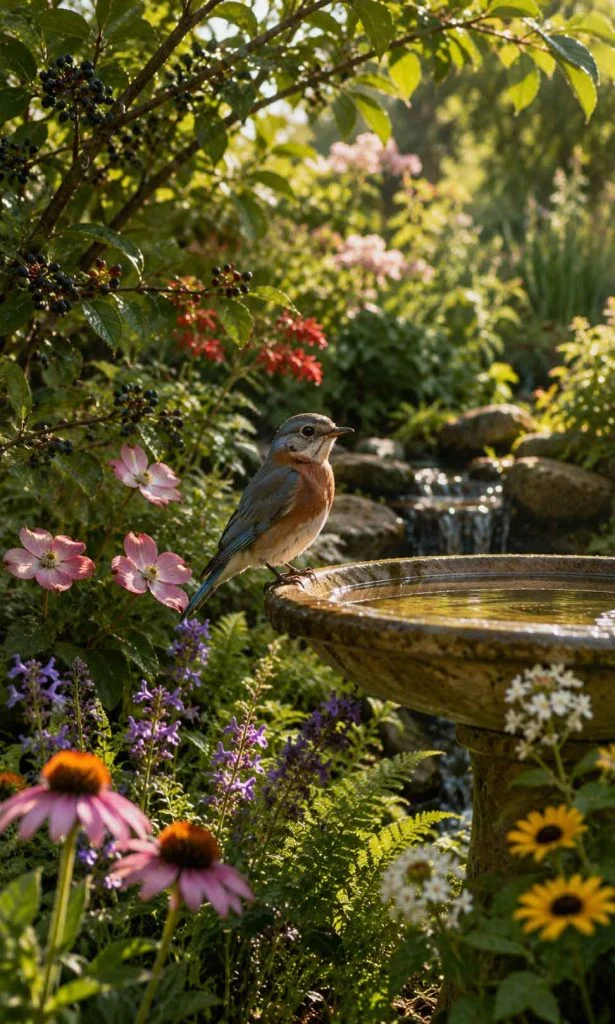
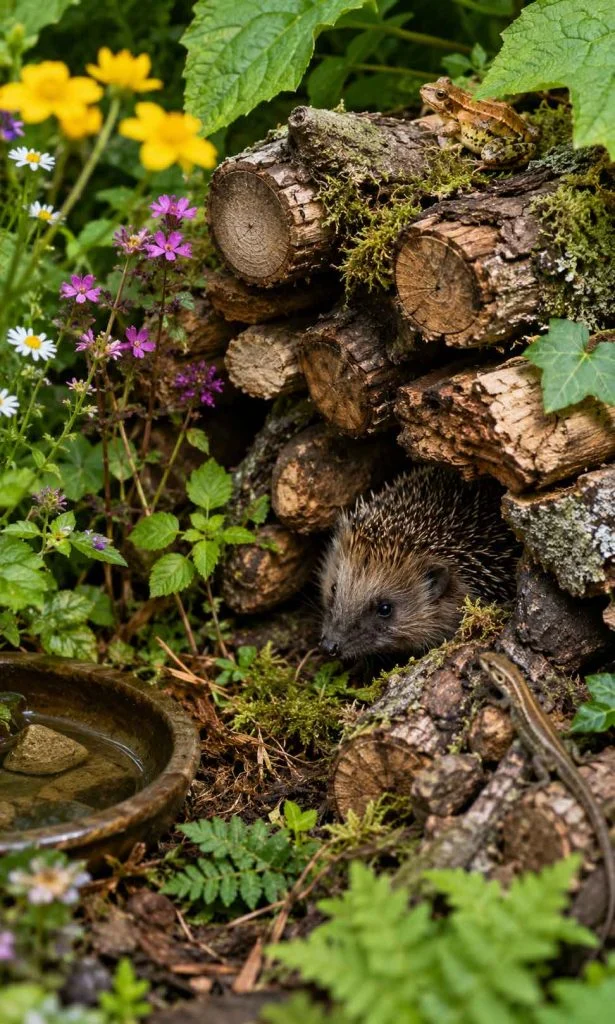
When a garden contains food sources, shelter, nesting areas, and water, it gradually becomes attractive to a wide range of wildlife species. Birds, beneficial insects, frogs, lizards, and small mammals often depend on small habitat pockets within developed environments.
Many homeowners are surprised by how quickly wildlife responds to environmental improvements.
Adding dense shrubs, layered planting, flowering plants, and natural shelter areas can dramatically increase biodiversity.
Wildlife-friendly gardens provide benefits beyond conservation. Many species help control pests naturally, reducing the need for chemical interventions.
A balanced garden ecosystem often becomes easier to maintain because natural predator-prey relationships begin supporting plant health. Homeowners looking to increase biodiversity can learn additional strategies to attract wildlife into your garden through habitat-focused garden design.
Gardens Help Reduce Urban Heat
Urban environments absorb and retain large amounts of heat due to concrete, asphalt, brick, and other hard surfaces.
This phenomenon is commonly known as the urban heat island effect.
Gardens help moderate temperatures by introducing vegetation that shades surfaces and cools surrounding air through evapotranspiration.
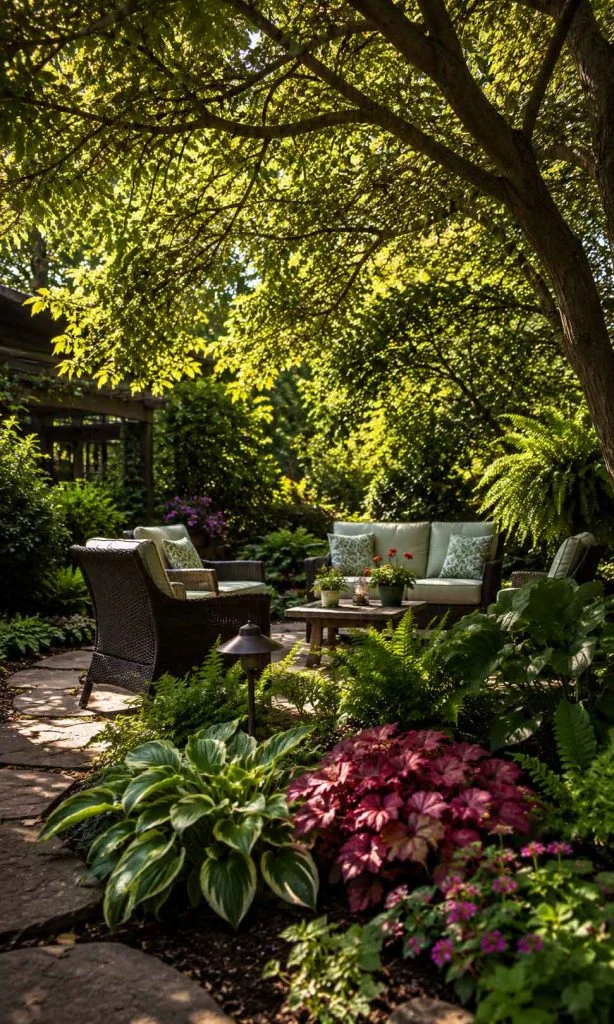
Trees provide the most noticeable cooling effect, but even smaller gardens contribute to temperature regulation.
Benefits include:
- Reduced heat stress
- Improved outdoor comfort
- Lower surface temperatures
- Better air quality
- Reduced energy consumption for cooling
As climate patterns continue changing, gardens increasingly serve as practical environmental infrastructure rather than purely decorative landscapes.
Healthy Gardens Improve Soil Quality
Soil is one of the most overlooked environmental resources.
Healthy soil functions as a living ecosystem containing microorganisms, fungi, insects, and countless biological processes that support plant growth.
Gardens improve soil health when homeowners:
- Add compost
- Use organic matter
- Reduce excessive tilling
- Maintain plant diversity
- Protect soil from erosion
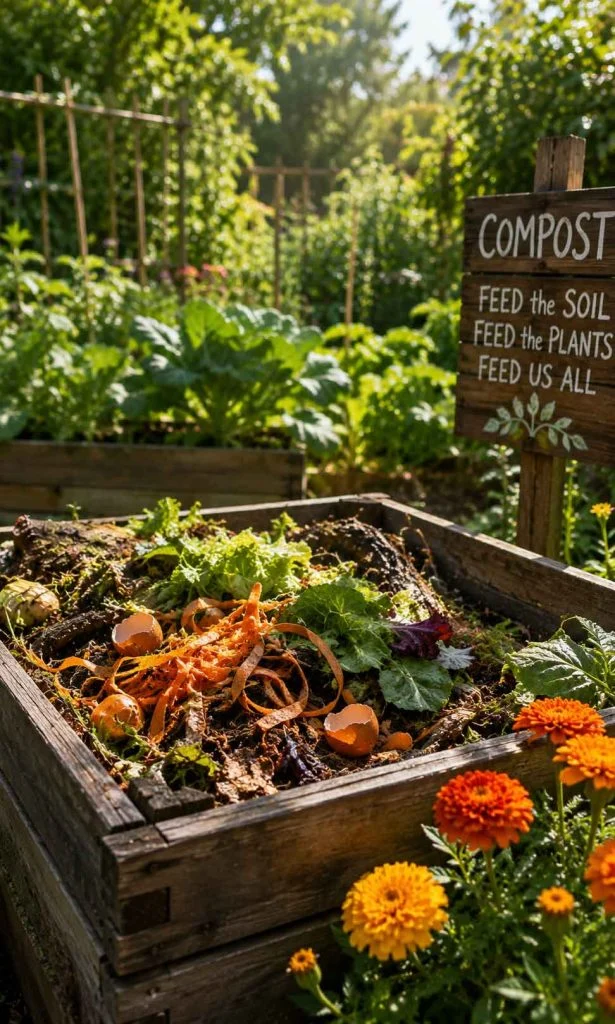
Improved soil provides environmental benefits that extend beyond individual properties.
Healthy soil stores carbon, improves water infiltration, reduces runoff, and supports beneficial organisms that contribute to ecosystem stability.
Over time, soil becomes increasingly productive and resilient.
Rainwater Harvesting Supports Sustainability
Water conservation is becoming increasingly important in many regions.
Gardens designed to capture and utilize rainfall help reduce pressure on municipal water systems while improving environmental sustainability.
Rainwater harvesting systems range from simple collection barrels to sophisticated storage and irrigation systems.
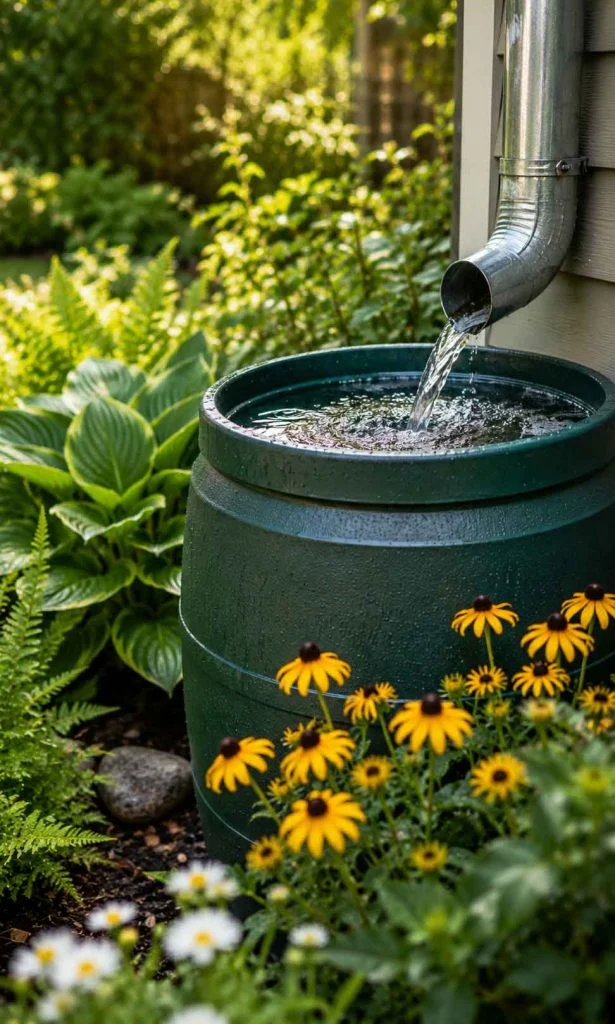
Benefits include:
- Reduced water waste
- Lower utility costs
- Improved drought resilience
- Reduced stormwater runoff
- Better resource efficiency
Even small collection systems can contribute meaningfully over time.
Growing Food Reduces Transportation Impact
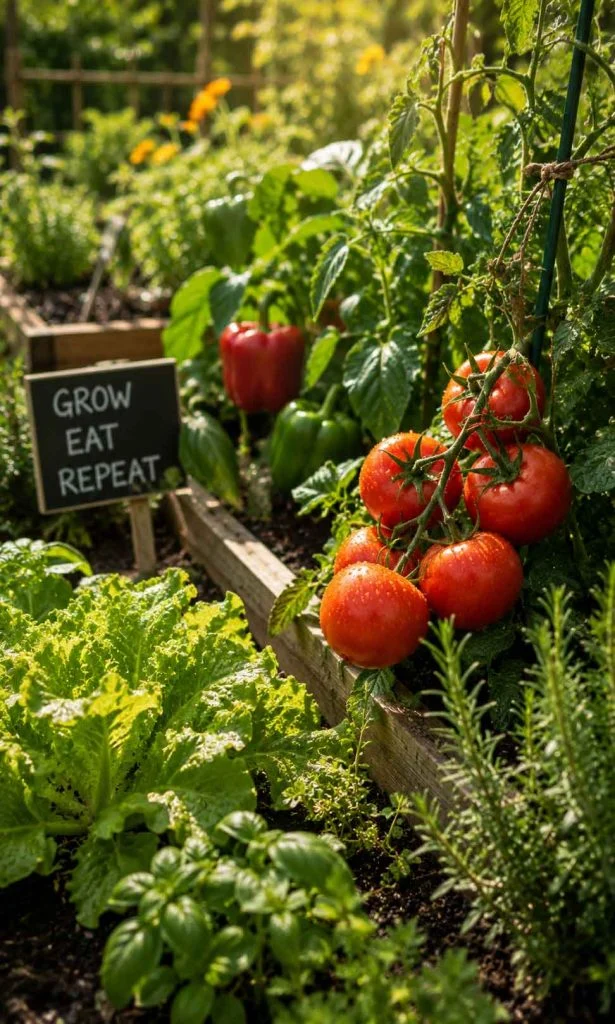
Many fruits and vegetables travel significant distances before reaching grocery stores.
Transportation, refrigeration, packaging, and distribution all contribute to environmental costs.
Growing even a portion of household produce locally helps reduce these impacts.
Home vegetable gardens also provide:
- Fresher produce
- Reduced packaging waste
- Greater food awareness
- Increased self-sufficiency
- Lower transportation emissions
A productive edible garden often delivers both environmental and personal benefits.
Small Water Features Increase Biodiversity
Many people associate wildlife-friendly gardens with large ponds or extensive landscapes. In reality, even small water features can significantly increase biodiversity.
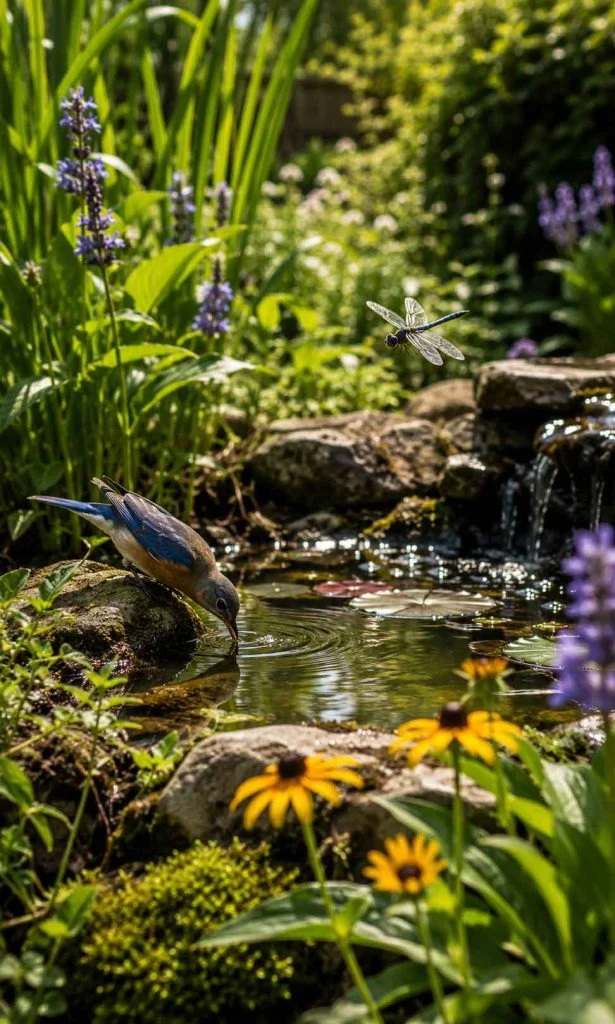
Water is one of the most valuable resources for wildlife. Birds use it for drinking and bathing, pollinators rely on shallow water sources during warm weather, and amphibians often depend on aquatic environments during portions of their life cycle.
Even a modest water feature can become a focal point for wildlife activity.
The key is creating safe access. Water features often work best when combined with strategies that help attract wildlife into your garden, creating multiple habitat resources within the same space. Shallow edges, gradual slopes, stones, and native aquatic plants help make water sources accessible to a wider range of species.
Unlike purely decorative garden features, wildlife-oriented water elements provide ecological value while enhancing visual interest.
Biodiverse Gardens Become Self-Sustaining Ecosystems
One of the most rewarding aspects of environmentally conscious gardening is watching natural systems become increasingly balanced over time.
When gardens support a variety of plants, insects, birds, and microorganisms, ecological relationships begin developing naturally.
Pollinators support flowering plants.
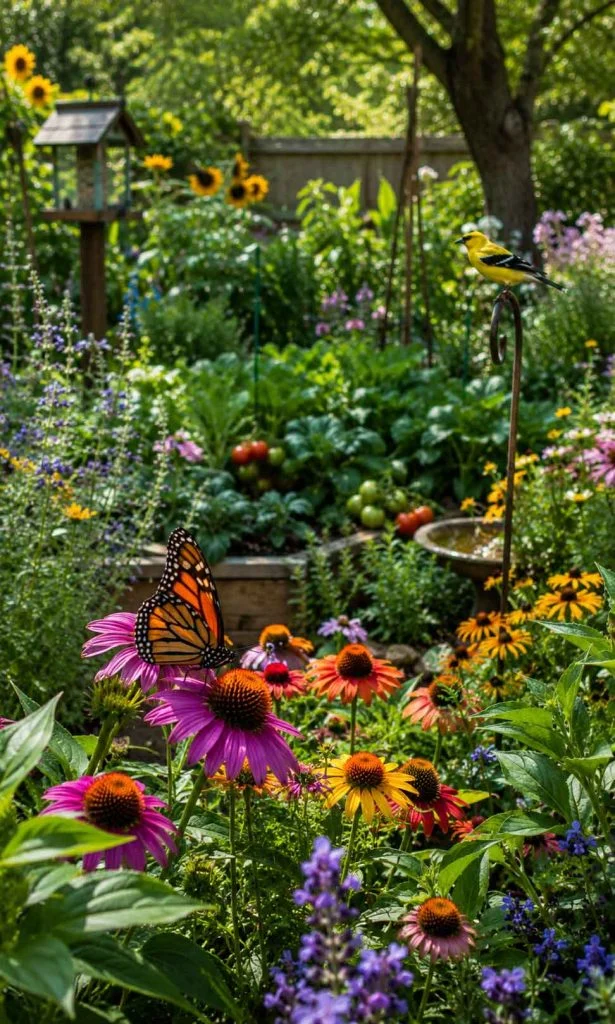
Birds help control insect populations.
Healthy soil microorganisms improve nutrient cycling.
Ground-cover plants reduce erosion.
The result is a system that often requires fewer interventions from the gardener.
Rather than constantly correcting problems, gardeners frequently find themselves working alongside natural processes.
This approach creates landscapes that are both environmentally beneficial and easier to maintain over the long term.
Common Gardening Practices That Harm the Environment
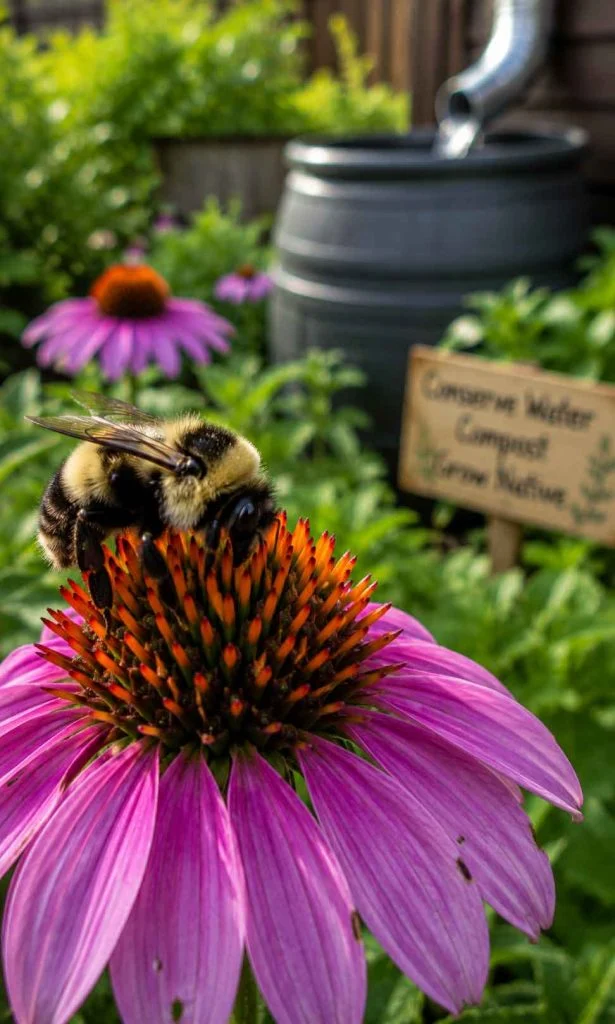
While gardens can provide environmental benefits, certain gardening habits may unintentionally reduce those positive impacts.
Common issues include:
Excessive Pesticide Use
Broad-spectrum pesticides can harm beneficial insects alongside target pests.
Overwatering
Poor watering practices waste resources and may contribute to plant stress.
Large Monoculture Plantings
A lack of plant diversity reduces habitat value and ecological resilience.
Removing All Natural Shelter
Overly tidy gardens often eliminate valuable habitat for beneficial wildlife.
Excessive Fertilizer Application
Overuse may contribute to nutrient runoff and environmental contamination.
Understanding these risks helps homeowners make better decisions while maintaining attractive landscapes.
How to Create a More Environmentally Friendly Garden
Improving environmental performance does not require rebuilding an entire landscape.
Many homeowners achieve meaningful results through gradual changes.
Consider:
- Planting more native species
- Adding pollinator-friendly flowers
- Installing a small water source
- Creating wildlife shelter areas
- Reducing pesticide use
- Composting garden waste
- Collecting rainwater
- Growing a portion of household produce
Gardeners interested in maximizing food production efficiency can explore companion planting strategies using a plant compatibility guide to improve growing conditions and reduce resource competition.
Small improvements accumulate over time.
The goal is not perfection.
The goal is creating a garden that supports both personal enjoyment and environmental health.
Professional Review
Creating environmentally beneficial gardens is not about achieving perfect ecological conditions. The most effective home gardens are often those that provide multiple functions simultaneously, including habitat, food production, pollinator support, water conservation, and soil improvement.
Homeowners frequently underestimate the environmental value of relatively small outdoor spaces. When sustainable gardening principles are applied consistently, even modest gardens can contribute meaningfully to biodiversity and ecosystem health.
Reviewed by Cole Ramirez
Garden Sustainability Specialist
ExpertsGuys Garden Environmental Impact Score
Discover how environmentally beneficial your garden may be based on biodiversity, sustainability, pollinator support, and conservation practices.
Garden Environmental Impact Score
Answer a few questions to estimate how well your garden supports pollinators, wildlife, soil health, water conservation, edible growing, and biodiversity.
FAQ
Are home gardens really good for the environment?
Yes. Home gardens can support pollinators, improve soil quality, reduce urban heat, provide wildlife habitat, and help conserve resources when managed sustainably.
Can small gardens support wildlife?
Even small gardens can provide food, shelter, and water for birds, pollinators, and beneficial insects. Multiple wildlife-friendly gardens within a community can create valuable habitat networks.
What plants are best for supporting pollinators?
Flowering plants that provide nectar and pollen throughout different seasons are typically most beneficial. Native flowering plants often provide the greatest ecological value.
How do home gardens reduce environmental impact?
Gardens can reduce environmental impact by supporting biodiversity, reducing food transportation needs, improving soil health, conserving water, and helping moderate local temperatures.
Does growing vegetables at home help the environment?
Growing food at home can reduce packaging waste, transportation emissions, and resource consumption associated with commercial food distribution.
Are native plants better for the environment?
Native plants generally provide stronger ecological support because they evolved alongside local wildlife and are often better adapted to regional growing conditions.
Can a garden help reduce urban heat?
Yes. Trees, shrubs, and other vegetation can cool surrounding areas through shade and evapotranspiration, helping reduce urban heat island effects.
What is the most environmentally friendly garden design?
Environmentally friendly gardens typically combine native plants, pollinator flowers, wildlife habitat features, water conservation practices, healthy soil management, and diverse planting structures.