



Someone can arrive at work on time, answer messages, meet deadlines, take care of family responsibilities and appear completely capable while privately struggling with depression. From the outside, there may be no obvious crisis. The person may even be the one others depend on because they seem organised, productive and unusually reliable.
This is the contradiction behind the phrase high-functioning depression. It describes a situation in which depressive symptoms may be present even though a person continues to manage many visible parts of everyday life. The phrase can be useful for describing an experience, but it is important to understand that high-functioning depression is not a formal clinical diagnosis.
That distinction matters because functioning does not tell us what condition someone has, how severe their symptoms are or how much effort everyday life requires. Two people can complete the same working day while experiencing it very differently. One may finish with enough energy for friends, exercise and personal interests. The other may have spent almost everything they had simply appearing attentive, responding appropriately and getting through necessary tasks.
For some people, this pattern develops gradually. Enjoyment becomes less frequent. Social plans begin to feel like obligations. Small decisions require more effort. Rest stops feeling restorative. Work continues, but mainly because deadlines and expectations provide enough external pressure to keep moving. Eventually, the person may look functional while feeling increasingly disconnected from the life they are successfully maintaining.
Recognising this pattern is not about diagnosing depression from productivity, personality or appearance. It is about understanding that visible capability and emotional wellbeing are not the same thing.
What Does “High-Functioning Depression” Actually Mean?
High-functioning depression is an informal expression rather than the name of a specific depressive disorder. People commonly use it to describe someone who experiences persistent depressive symptoms while continuing to work, study, parent, maintain relationships or handle other responsibilities.
The word “functioning” can make the experience sound relatively mild, but that assumption can be misleading. Functioning describes what someone is still able to do; it does not describe what performing those activities costs them.
A person might continue producing excellent work because they are highly conscientious or afraid of disappointing other people. They may keep their home organised because disorder makes them anxious. They may continue attending social events because cancelling would require explanations they do not want to give. Their behaviour remains intact, but the motivation underneath it may have shifted from interest and enjoyment toward obligation, guilt, routine or fear of letting things fall apart.
This is also why depression cannot be judged simply by looking at whether someone gets out of bed, goes to work or smiles during a conversation.
Depression can affect mood, interest, energy, concentration, sleep, appetite and everyday functioning in different combinations, which is why outward productivity alone cannot determine whether someone is experiencing a depressive disorder, as outlined by the National Institute of Mental Health.
High Functioning Does Not Mean Symptom-Free

Depression can affect mood, pleasure, energy, sleep, appetite, concentration, decision-making, self-worth, motivation and physical wellbeing. Not everyone experiences the same combination of symptoms, and impairment does not necessarily occur evenly across every part of life.
Someone may remain exceptionally capable at work while struggling significantly at home. Another person may continue caring for children but stop seeing friends. Someone else may maintain exercise, grooming and professional responsibilities while privately feeling emotionally numb and unable to enjoy anything they accomplish.
This uneven functioning can make symptoms easier to dismiss.
A person might think:
“I can’t really be depressed because I’m still doing everything.”
But completing everything and feeling well while doing it are two different measures.
Sometimes the more revealing change is what happens after the visible responsibility has been completed. A person may perform effectively through an eight-hour working day and then have almost no capacity left for cooking, conversation, household tasks, hobbies or personal care. Weekends may become recovery periods rather than opportunities for enjoyment. Activities that once happened spontaneously may require planning and considerable mental effort.
The pattern becomes particularly important when it represents a sustained change from the person’s usual way of living rather than an occasional difficult week.
Productivity Can Hide the Amount of Effort Involved
People naturally use observable behaviour to judge how someone is doing. If a colleague is still producing good work, a friend is still making jokes or a family member is still managing practical responsibilities, there may appear to be little reason for concern.
What cannot be seen is the internal effort behind that performance.
The person may rehearse simple conversations before having them. They may depend heavily on lists because concentration has become unreliable. They might spend an entire commute preparing themselves to appear engaged. Tasks that once happened almost automatically can begin requiring deliberate self-instruction: open the laptop, answer the message, make the call, prepare the meal, take the shower.
The task still gets completed, so the difficulty remains largely invisible. When outward productivity remains strong while the emotional cost of maintaining it keeps increasing, understanding when productivity hides depression can help explain how performance, perfectionism and overwork may conceal a deeper decline in wellbeing.
This distinction becomes clearer when looking at why depression makes simple tasks feel hard. Reduced energy, impaired concentration, lower motivation and difficulty initiating behaviour can increase the mental cost of ordinary activities even when a person ultimately manages to complete them.
High-functioning patterns can therefore create a misleading equation:
Task completed = person is fine.
In reality, the completed task tells us very little about how difficult starting it was, how the person felt while doing it or how depleted they became afterward.
What Are the Signs of High-Functioning Depression?

There is no separate checklist that can diagnose “high-functioning depression,” because it is not a recognised diagnosis. However, certain patterns can be easy to overlook when depressive symptoms coexist with continued responsibilities.
One of the most important clues is often a gap between external performance and internal experience.
The person continues doing what needs to be done, but much of the emotional reward that once accompanied those activities has disappeared.
When several changes in mood, energy, thinking, sleep or everyday functioning are appearing together, the broader depression symptoms guide can help place these signs within the wider depressive symptom pattern.
1. You Keep Meeting Expectations but Feel Emotionally Exhausted
A person may still be punctual, dependable and productive while feeling chronically drained underneath that performance.
This exhaustion can be confusing because it does not always correspond neatly with physical activity. A relatively ordinary day may feel disproportionately demanding. Concentrating through meetings, switching between tasks, responding socially and maintaining a composed appearance can consume considerable mental energy.
Afterward, there may be little left.
This can create a repetitive cycle in which work receives most of the available capacity while personal life receives whatever remains. Meals become simpler. Messages go unanswered. Laundry accumulates. Social plans become harder to maintain. Even enjoyable activities may be postponed because they feel like additional demands.
Over time, the person may organise more and more of life around preserving enough energy to continue meeting unavoidable responsibilities.
2. Achievements Bring Relief Rather Than Pleasure
Completing something important normally produces some combination of satisfaction, pride, excitement or enjoyment. In a high-functioning depressive pattern, achievement may still happen while the emotional reward becomes noticeably weaker.
A promotion produces relief that the effort was worthwhile, but little excitement. Finishing a difficult project means one less thing to worry about rather than something to celebrate. A compliment is intellectually understood but does not seem to register emotionally.
The person may immediately move to the next obligation because stopping provides no particular reward.
This can be especially confusing for people whose lives look successful. They may have reached goals they genuinely wanted and then feel guilty because the expected happiness does not arrive. Instead of considering whether their emotional state has changed, they may conclude that they are ungrateful, impossible to satisfy or simply need a bigger goal.
When the more noticeable change is that hobbies, achievements and meaningful experiences no longer produce much emotional reward, understanding why nothing feels enjoyable anymore can help separate loss of pleasure from simple boredom or disappointment.
When previously meaningful activities repeatedly stop producing pleasure, the change deserves attention. Loss of interest or pleasure is an important depressive symptom, although it can also occur in other circumstances and should be considered alongside the broader pattern.
3. Your Life Runs Increasingly on Obligation
There is an important difference between wanting to do something and knowing that you must do it.
Someone experiencing hidden depressive symptoms may gradually rely more heavily on the second system.
They work because people expect them to work. They exercise because it is scheduled. They attend dinner because they already agreed to go. They answer messages because leaving them unanswered creates guilt. They maintain routines because routines prevent everything from becoming harder.
From the outside, this can look like extraordinary discipline.
Internally, however, life may feel increasingly mechanical.
The person can still initiate behaviour when enough external structure exists, but activities without deadlines or consequences begin disappearing. Reading for pleasure, spontaneous conversations, creative projects, leisurely cooking or simply going somewhere because it sounds enjoyable may become increasingly rare.
The calendar remains full while the person’s sense of genuine engagement becomes smaller.
4. You Look Socially Engaged but Feel Disconnected
A person does not have to completely isolate themselves for depression to affect their social life.
Someone may attend meetings, dinners, birthdays and family gatherings while feeling emotionally separate from what is happening around them. They know when to smile, ask questions and respond appropriately, yet participation can feel more like performing a familiar role than experiencing connection.
This is particularly easy to miss in naturally sociable people. Others continue seeing the same humour, politeness or conversational ability they have always seen, while the person privately notices that interaction requires more effort and produces less emotional reward.
They may also begin declining the optional parts of social life first. Necessary professional conversations remain. Important family obligations remain. Casual coffee, spontaneous phone calls and low-stakes invitations gradually disappear.
That distinction is important because social withdrawal and depression do not always begin with complete isolation. Sometimes withdrawal appears first as a narrowing of social energy toward only the interactions that feel unavoidable.
5. You Need More Recovery Time After Ordinary Responsibilities
One of the less obvious signs is not necessarily what happens while a person is functioning, but what happens once the responsibility ends.
Someone may perform effectively throughout the working day and then feel incapable of doing much afterward. They arrive home and remain on the sofa for hours. Preparing dinner feels disproportionately difficult. A message from a friend is postponed because constructing a reply seems to require energy that is no longer available. The weekend becomes less about recreation and more about recovering enough to begin another week.
This pattern can easily be interpreted as ordinary tiredness, particularly when the person’s schedule is demanding. The distinction becomes more important when exhaustion is persistent, seems excessive for the amount of activity involved or occurs alongside changes in mood, pleasure, sleep, concentration, motivation or self-worth.
The person may also begin protecting their remaining energy without consciously recognising what they are doing. They decline evening plans, simplify meals, postpone errands and avoid activities requiring decisions. These adjustments can keep essential responsibilities intact, which paradoxically makes the underlying difficulty less visible.
When exhaustion persists despite opportunities for rest or feels much greater than the activity would normally explain, comparing depression fatigue vs normal tiredness can help identify which features deserve closer attention.
6. Small Decisions Require Much More Mental Effort
Depression is often discussed primarily as a mood disorder, but changes in thinking can be equally disruptive.
A person who remains highly functional may compensate for concentration and decision-making difficulties so effectively that other people never notice them. They create more lists. They double-check emails repeatedly. They prepare much earlier than necessary. They depend on calendars and reminders for things they previously remembered automatically.
The outcome remains acceptable, but the cognitive workload has increased.
Even minor decisions can begin producing disproportionate friction. What should I eat? Which message should I answer first? Should I go to the shop now or tomorrow? Which shirt should I wear? None of these decisions is objectively complex, yet the person may find themselves staring at the options without being able to choose.
At work, established procedures may remain manageable because the next action is already defined. Unstructured tasks can be much harder. Starting a new project, prioritising several competing responsibilities or deciding how to approach an ambiguous problem may require considerably more effort.
This can lead to another misleading appearance. Because the person eventually makes the decision, nobody sees the twenty minutes of internal negotiation that preceded it.
When choosing between ordinary options begins taking much longer than it used to, understanding depression and decision-making can help explain how reduced concentration, mental energy and confidence may affect everyday choices.
7. You Are Becoming More Irritable Even Though You Do Not Feel Obviously Sad
Depression does not always feel like sadness.
For some people, irritability becomes much more noticeable. Ordinary interruptions feel intrusive. Small mistakes become disproportionately frustrating. Noise, questions, traffic, household disorder or unexpected changes to plans seem harder to tolerate than they once did.
This can be especially noticeable in someone who is using most of their available capacity to maintain outward functioning.
Imagine spending the entire working day concentrating on appearing attentive, controlling emotional reactions and pushing through fatigue. By evening, there may be much less capacity available for another request, another decision or another unexpected problem. The resulting irritability may appear to be about the small event in front of the person when it actually reflects a much larger accumulation of emotional and cognitive strain.
Some people recognise this change before they recognise low mood. They may say, “Everyone is annoying me lately,” or, “I don’t know why everything gets on my nerves.”
Others direct the irritability inward. Instead of becoming visibly angry, they become increasingly critical of themselves for struggling with tasks they believe should be easy.
Persistent irritability has many possible explanations and does not establish depression by itself. But when it appears alongside exhaustion, reduced pleasure, sleep disturbance, concentration difficulties or persistent low mood, it becomes part of a broader pattern worth discussing with a healthcare professional.
8. You Have Become Extremely Self-Critical
A person who continues performing despite depressive symptoms may receive very little external evidence that something is wrong. Instead, the struggle becomes internalised.
Tasks feel harder, so they assume they have become lazy.
Concentration slips, so they call themselves incompetent.
They need more rest, so they accuse themselves of lacking discipline.
They no longer enjoy their achievements, so they decide they are ungrateful.
This self-criticism can become particularly intense in people whose identity is closely connected to competence. If they have always been dependable, productive or high achieving, even a small reduction in capacity can feel threatening.
The response may be to push harder.
A person who once considered a good performance acceptable may begin checking everything repeatedly. Someone who feels less mentally sharp may compensate by preparing excessively. Another person may work longer because they no longer trust themselves to accomplish enough during ordinary hours.
This can create a difficult feedback loop: depressive symptoms make functioning harder, the person interprets the difficulty as personal failure, self-criticism increases and additional pressure is used to preserve performance.
The result may look like dedication while feeling internally punishing.
9. Perfectionism Has Become the System Keeping Everything Together
Perfectionism and depression are not the same thing, and being conscientious does not mean someone is depressed. However, perfectionistic behaviour can sometimes become a compensating structure when a person feels less capable internally.
If starting a task feels difficult, fear of failure can provide enough pressure to begin. If motivation is weak, an inflexible standard can substitute for motivation. If self-worth has declined, achievement may become one of the few remaining ways to feel temporarily acceptable.
This is why some people do not become visibly less productive when their mental health worsens. They become more rigid.
They arrive earlier. They check more. They prepare excessively. They find it difficult to delegate. They become increasingly uncomfortable with mistakes. Rest begins to feel undeserved unless everything has been completed.
The behaviour may be rewarded professionally, which makes the underlying strain even harder to identify.
The important question is not whether someone likes doing things well. It is whether the standards have become increasingly driven by fear, guilt or the belief that personal worth depends on continuing to perform.
10. You Keep Saying “I’m Fine” Because Explaining Feels Harder
Concealing distress is not always a deliberate attempt to deceive other people.
Sometimes “I’m fine” is simply the shortest available answer.
Explaining a vague, persistent internal change can be difficult, especially when there is no single crisis to point toward. A person may have a job, supportive relationships, a safe home and accomplishments they value. Saying that they nevertheless feel empty, exhausted or disconnected can create uncomfortable questions they do not know how to answer.
They may also anticipate the response:
“But everything is going so well for you.”
“You don’t seem depressed.”
“You were laughing yesterday.”
“You’re always getting things done.”
These comments may be intended as reassurance, but they can reinforce the idea that distress needs to become externally visible before it deserves attention.
Over time, the person may become highly practised at switching into a socially acceptable version of themselves. Their voice becomes brighter during a phone call. They smile when entering a room. They make jokes during meetings. They reassure other people that they are simply tired or busy.
When they are alone again, the performance disappears.
This does not necessarily mean every smile is false. People experiencing depression can still laugh, enjoy particular moments and feel affection. Mental health is not a permanent facial expression. The more meaningful question is what the person’s emotional life looks like across days and weeks rather than during a single conversation or photograph.
Why Can Someone With Depression Still Be Productive?
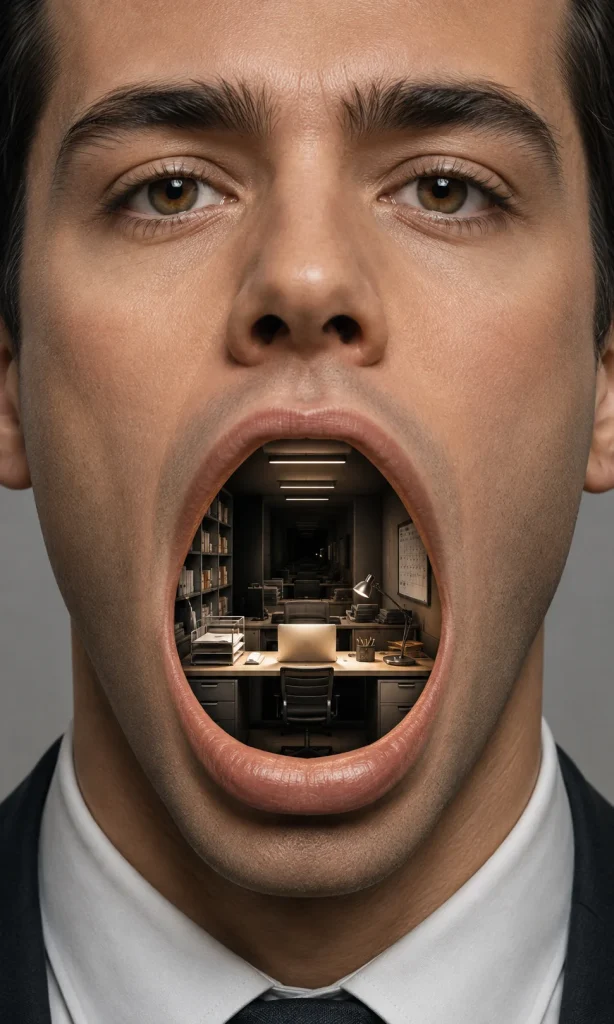
Depression can impair functioning substantially, but it does not remove every person’s ability to perform every activity. Human behaviour is influenced by much more than mood alone.
Deadlines create external structure. Financial responsibilities create necessity. Parenting creates obligations that continue regardless of emotional state. Professional identity can provide powerful motivation. Habit allows familiar behaviours to continue with less active decision-making.
Some people also have environments that conceal declining capacity unusually well. A highly structured job may provide a clear sequence of tasks. A person with strong organisational habits may compensate for worsening concentration. Someone with considerable experience may continue performing familiar work even when learning new information has become harder.
This means productivity should never be treated as a diagnostic test.
A person can be productive and depressed.
A person can be unproductive without being depressed.
The clinically relevant question is broader: Has there been a persistent change in mood, pleasure, energy, thinking, sleep, appetite, self-worth or everyday functioning, and is that change causing meaningful distress or impairment?
Functioning Can Become Uneven Before It Collapses
One reason high-functioning patterns are easy to miss is that people often protect their highest-priority responsibilities first.
Imagine someone has enough capacity for six things but their life requires ten.
They may continue protecting work, childcare and essential appointments because the consequences of dropping them are immediate. Exercise becomes inconsistent. Cooking becomes simpler. The home becomes harder to maintain. Friends receive fewer replies. Hobbies disappear.
From a distance, the person still appears functional because the most visible responsibilities remain intact.
But the perimeter of life is shrinking.
This is often more informative than asking whether the person is “still functioning.” A better question is whether maintaining essential functioning has required sacrificing increasing numbers of other activities.
Someone who previously worked, exercised, cooked, socialised, maintained hobbies and handled household responsibilities may now work and recover from work. Technically, employment remains intact. Overall functioning has nevertheless changed substantially.
For some people, difficulties eventually begin reaching the protected responsibilities as well. Deadlines become harder to meet. Absences increase. Personal hygiene becomes inconsistent. Household tasks accumulate. Decisions are repeatedly postponed.
The apparent decline can then seem sudden to everyone else, even though the person may have been compensating for months.
High-Functioning Depression vs Burnout: What Is the Difference?
Burnout and depression can look remarkably similar from the inside. Both may involve exhaustion, reduced motivation, difficulty concentrating, irritability and a sense that ordinary demands require too much effort.
They are not automatically the same problem.
Burnout is particularly associated with chronic occupational stress, whereas depressive disorders can affect emotional experience across many areas of life. In practice, however, the distinction is not always obvious. Work stress can contribute to worsening mental health, depression can make work considerably harder, and the two experiences may occur together.
One useful question is whether the emotional change remains strongly tied to the stressful environment.
Someone experiencing occupational burnout may notice substantial improvement when they are away from work for a meaningful period. Their energy, interests and emotional engagement may begin returning when the main stressor is removed.
With depression, the loss of pleasure or emotional heaviness may follow the person into situations that would normally feel restorative.
They finally take a weekend off but cannot enjoy it.
They go on holiday and still feel emotionally flat.
They finish the stressful project and expect relief, yet nothing meaningfully changes.
That does not provide a diagnosis, but it is useful information to bring to a professional assessment.
| Pattern to notice | Burnout may look like | Depression may look like |
|---|---|---|
| Where the difficulty appears | Strongly connected with prolonged work-related stress. | Mood, pleasure, energy and thinking may be affected across multiple areas of life. |
| Time away from work | Distance from the stressor may provide meaningful relief. | Low mood or reduced pleasure may continue even during opportunities for rest. |
| Enjoyment elsewhere | Enjoyment outside the stressful context may remain relatively accessible. | Activities that were previously enjoyable may also feel flat or unrewarding. |
| Self-worth | Frustration may focus particularly on work demands or effectiveness. | Worthlessness, excessive guilt or broader negative beliefs about oneself may occur. |
These distinctions are not intended for self-diagnosis. Persistent exhaustion can also have physical causes, sleep-related causes, medication effects and other explanations. When symptoms are continuing, worsening or difficult to understand, professional assessment is more useful than trying to force the experience into a single label.
Because exhaustion, detachment and concentration difficulty can occur in both conditions, a deeper comparison of depression vs burnout can help explain which patterns change when the stressful environment is removed and which may extend across several areas of life.
Is High-Functioning Depression the Same as Persistent Depressive Disorder?
High-functioning depression is sometimes used online as though it were another name for persistent depressive disorder, historically called dysthymia, but the terms should not be treated as interchangeable. Persistent depressive disorder is a recognised depressive diagnosis, whereas high-functioning depression is an informal description of how someone may appear or behave while experiencing depressive symptoms. A person can therefore describe themselves as highly functional without meeting the criteria for persistent depressive disorder, and someone with persistent depressive disorder may experience substantial difficulties with everyday functioning rather than appearing consistently productive.
The confusion partly arises because persistent depressive disorder can involve a chronic pattern that becomes incorporated into everyday life. When symptoms have been present for a long time, a person may continue developing a career, maintaining relationships and managing responsibilities around them. Instead of remembering a clear point when depression began, they may describe themselves as someone who has “always been this way.” Low energy, reduced enjoyment, pessimism or poor self-esteem can begin to feel like aspects of personality rather than symptoms worth discussing with a professional.
If the more important question is whether a long-lasting depressive pattern may represent persistent depressive disorder or chronic depression, duration and the wider symptom pattern matter more than whether someone continues working or meeting responsibilities.
Duration is particularly important when considering persistent depressive disorder. In adults, the depressive pattern is chronic rather than simply representing a difficult month or stressful season. However, duration alone cannot establish what is happening. A clinician considers the overall combination of symptoms, their persistence, their effects on functioning and whether another mental or physical health explanation needs to be considered.
Because “high-functioning depression” is not a formal diagnosis, assessment should focus on recognised depressive symptoms, duration and impairment rather than whether the person appears successful or productive; the American Psychiatric Association provides a broader clinical overview of depressive disorders and symptoms.
Readers who have experienced a low, heavy or emotionally limited mood for years may find it useful to understand persistent depressive disorder separately rather than assuming that continued productivity automatically means their symptoms fit a particular diagnosis.
Can Major Depression Be High Functioning?
A person experiencing a major depressive episode may still retain some ability to work, study, communicate or care for other people. Depression does not produce one universal level of visible impairment, and people differ considerably in their responsibilities, coping strategies, resources, symptom patterns and ability to compensate for difficulties.
This is another reason the phrase high functioning should be used cautiously. It can accidentally divide depression into people who are visibly struggling and people whose condition is supposedly less serious. In reality, outward performance is only one part of the picture. Someone may continue meeting professional expectations while experiencing substantial hopelessness, loss of pleasure, sleep disturbance, guilt or other symptoms that deserve assessment.
The reverse is equally important. Difficulty functioning does not mean someone lacks discipline, and continued functioning does not mean someone is coping safely. Depression should not become a competition based on how much of everyday life a person can continue performing.
Why High-Functioning Depression Can Stay Hidden for So Long
The patterns described as high-functioning depression can remain unnoticed because modern life provides many ways to measure performance but relatively few ways to measure the emotional cost of that performance. Employers see completed work. Families see responsibilities handled. Friends see whether someone attends an event. Social media captures visible moments. None of these measures reliably reveals whether the person still experiences pleasure, hope, emotional connection or a sustainable level of energy.
People can also become exceptionally good at protecting the parts of life that other people observe. If professional performance is highly visible, they may spend most of their available capacity maintaining it while allowing less visible areas to deteriorate. The home becomes harder to manage, personal interests disappear, meals become increasingly basic or friendships receive less attention, but these changes may happen privately enough that colleagues continue seeing the same dependable person.
Depression can affect people across very different life circumstances and levels of outward functioning, and the World Health Organization describes depression as involving persistent changes in mood or loss of interest that can affect daily life.
The Person May Be Masking Their Symptoms
Masking does not necessarily involve consciously pretending to be happy. Often it consists of learned social behaviours that can continue even when the person’s internal emotional state has changed. They know how to greet someone enthusiastically, contribute during meetings, make appropriate jokes, ask questions and reassure people that everything is fine because these responses have been practised thousands of times.
For some people, maintaining this social presentation becomes almost automatic. The difficulty becomes apparent only when they return to a private environment where the performance is no longer required. Their expression changes, conversation stops and the desire to interact disappears because the energy used to remain socially present has been exhausted.
This can produce a particularly confusing experience for close family members. Someone may appear animated during a professional call and then become quiet immediately afterward. A partner might understandably wonder why the person can speak enthusiastically to colleagues but seems unable to engage at home. The difference does not necessarily mean that professional relationships matter more. Structured interactions may simply demand a temporary performance that consumes the person’s remaining capacity.
When the main difficulty is understanding how someone can appear socially engaged while concealing persistent distress, a deeper guide to masking depression signs could examine learned social performance, disclosure, emotional exhaustion and the limits of judging mental health by appearance.
Being the “Reliable One” Can Make Asking for Help Harder
Some people build an identity around being dependable. They solve problems, organise plans, remember what everyone needs and remain calm when other people are struggling. This identity can be personally meaningful, but it may also make it difficult to acknowledge when they themselves need support.
The problem becomes particularly complicated when other people reinforce the role. Friends say, “You’re always so strong.” Colleagues describe them as the person who never becomes overwhelmed. Family members automatically bring problems to them because they have historically been able to handle them. These comments may be affectionate and accurate descriptions of past behaviour, yet they can unintentionally make vulnerability feel inconsistent with who the person is expected to be.
Someone in this position may postpone seeking help because they believe they should be able to solve the problem independently. They may wait for symptoms to become unmistakably severe before considering them legitimate, or compare themselves with people who appear to be struggling more visibly and conclude that their own experience does not qualify for support.
The more useful threshold is not whether someone has reached complete dysfunction. Persistent emotional distress, reduced pleasure, exhaustion, cognitive changes or declining quality of life can be reasons to speak with a professional before everyday functioning deteriorates further.
Success Can Make the Symptoms Easier to Dismiss

External success creates another powerful source of confusion because people often expect emotional wellbeing to correspond with favourable circumstances. Someone may have recently received a promotion, completed a degree, bought a home, entered a supportive relationship or achieved a goal they pursued for years and still notice that their internal emotional state has become increasingly flat.
The discrepancy can generate guilt. Instead of thinking, “Something may be affecting my mental health,” the person thinks, “I have no right to feel this way.” Gratitude then becomes something they attempt to impose on themselves rather than an emotion that arises naturally.
Depression, however, is not determined by whether a person’s circumstances appear sufficiently difficult to justify feeling depressed. Life events and stressors can certainly influence mental health, but a person does not need to demonstrate that their life is objectively bad before persistent depressive symptoms deserve attention.
When achievement itself begins feeling emotionally empty, it may be useful to consider the broader relationship between depression and loss of pleasure. Someone can recognise intellectually that an event is positive while experiencing very little of the emotional response they expected from it.
What Does High-Functioning Depression Feel Like From the Inside?
The internal experience varies considerably, but one recurring description is that life begins to feel like a sequence of responsibilities rather than something the person actively inhabits. They wake up because they need to work, work because responsibilities exist, complete household tasks because they need to be done and sleep so that the sequence can begin again the following day. Nothing necessarily looks catastrophic, but the emotional texture that once existed between those obligations becomes thinner.
Some people describe this as living on autopilot. Others notice emotional numbness, persistent heaviness, irritability or a sense that they are observing themselves complete a life they no longer feel connected to. There may still be isolated enjoyable moments, and their presence does not rule out depression, but the overall balance between effort and reward has changed.
The person may also become increasingly future-oriented in an attempt to explain the problem. They assume they will feel better after the current project, after the holiday, after the children return to school, after the move, after the promotion or once life becomes less busy. When each milestone arrives without restoring their previous emotional range, another milestone takes its place. Months can pass while wellbeing is repeatedly postponed to a future version of life.
Emotional Numbness Can Be Mistaken for Coping Well
Not everyone experiencing depression feels intensely sad. Some people experience a reduction in emotional responsiveness instead. Difficult events may not produce much sadness, but positive experiences also fail to generate much excitement. The person appears unusually calm because relatively little seems to reach them emotionally.
From the outside, this can look like resilience. The person rarely becomes visibly upset, handles problems pragmatically and continues functioning during stressful situations. Internally, however, they may recognise that the same emotional distance applies to affection, anticipation, curiosity and pleasure.
This distinction matters because emotional steadiness and emotional numbness are not necessarily the same experience. Healthy calmness generally allows a person to remain connected with meaningful positive emotions, whereas broader emotional blunting can make both pleasant and unpleasant experiences feel distant.
When sadness is not the main experience and both positive and negative feelings seem unusually distant, a closer comparison of emotional numbness vs depression can help clarify whether the change involves reduced pleasure alone or a broader flattening of emotional response.
Free Time Can Feel Strangely Difficult
Unstructured time can expose difficulties that structured responsibilities conceal. During work, there is a clear next action: answer the email, attend the meeting, finish the report or solve the problem. Once those demands disappear, the person has to identify what they actually want to do, and the answer may increasingly be “nothing.”
A free Saturday that once felt welcome may become uncomfortable. The person scrolls without interest, repeatedly considers activities without beginning them or remains in bed despite not feeling particularly sleepy. They may tell themselves they should exercise, see friends, visit somewhere interesting or work on a hobby, but none of the options produces enough anticipation to make starting feel worthwhile.
This can be misinterpreted as laziness because the person clearly demonstrates the ability to work hard when obligations demand it. The difference is that externally structured behaviour can be supported by deadlines, consequences and routine, whereas self-directed leisure depends more heavily on motivation, reward anticipation and the ability to initiate behaviour without external pressure.
When the central difficulty becomes getting started even though the person understands exactly what needs to be done, the broader explanation of why depression makes simple tasks feel hard can help clarify why everyday functioning sometimes requires far more effort than observers can see.
Rest May Stop Feeling Restorative
Another important pattern is the feeling that rest never quite reaches the exhaustion. The person sleeps, spends a quiet evening at home or takes a weekend away from work but returns without the degree of recovery they expected. They may then assume they simply need more rest and progressively reduce activity, only to find that the underlying depletion remains.
This does not mean persistent fatigue should automatically be attributed to depression. Sleep disorders, anaemia, thyroid problems, infections, medication effects, chronic medical conditions and many other factors can contribute to fatigue, which is why persistent or unexplained physical exhaustion may require medical evaluation.
When depressive symptoms are involved, however, fatigue can extend beyond ordinary sleepiness. Physical energy, concentration, motivation and the perceived effort required for basic tasks may all be affected at the same time. Someone can therefore spend considerable time resting while still feeling that the internal capacity required to engage with life has not returned.
When Does “Still Functioning” Become a Warning Sign?
There is no point at which productivity itself becomes evidence of depression. What deserves attention is a sustained change in the cost, range and quality of functioning. Someone who continues meeting responsibilities but increasingly requires all of their available energy to do so may already be experiencing meaningful impairment even if the most visible parts of life remain intact.
A useful comparison is not simply between the person and other people. It is between the person’s current life and their own previous baseline. If work now requires considerably more effort, social connection has narrowed, enjoyment has diminished, rest is less restorative, concentration is poorer and most discretionary activities have disappeared, the fact that employment or essential responsibilities remain intact should not erase those changes.
The same principle applies when the person begins using increasingly rigid strategies simply to maintain their previous level of performance. Excessive preparation, working much longer hours, avoiding anything unpredictable, depending heavily on stimulants to remain alert, cancelling most optional commitments or sacrificing sleep to catch up can indicate that the outward result is being preserved through an increasingly unsustainable process.
In other words, the question is not only “Can I still do it?” It is also whether doing it now requires substantially more effort, whether other areas of life are being sacrificed to preserve it and whether the pattern has persisted long enough to change the person’s overall quality of life.
The difference between visible performance and internal strain becomes more useful when you examine the two separately. The reflection tool below helps you compare what is still functioning with the effort, recovery, emotional reward and parts of life that may be quietly changing underneath.
When life still looks fine, what is it costing underneath?
Compare visible functioning with the effort, recovery, emotional reward, life narrowing and cognitive load that may be hidden behind the finished result. This educational tool does not diagnose depression.
Visible Functioning
How intact do your essential responsibilities appear from the outside?
Hidden Effort and Recovery
What does it currently cost you to keep those responsibilities going?
Pleasure and Emotional Reward
Are activities and achievements still producing the emotional response they used to?
Life Narrowing
What has quietly disappeared while essential responsibilities remain protected?
Cognitive Load and Self-Pressure
Have concentration, decisions or internal pressure changed even if the final result still looks competent?
Duration and Broader Changes
How persistent is the pattern, and how many other changes are occurring alongside it?
Your result is not a diagnosis. Its value is in showing which parts of your experience may deserve closer attention, especially when outward responsibilities remain relatively intact while energy, pleasure, concentration or private functioning have changed.
How Can You Tell Whether It Is Depression or Just a Difficult Period?
Almost everyone experiences periods when motivation falls, work feels heavier, socialising becomes less appealing or ordinary responsibilities require more effort. A demanding month, disrupted sleep, relationship difficulties, financial pressure, illness or prolonged stress can temporarily change mood and energy without necessarily indicating a depressive disorder. This is why individual signs such as tiredness, irritability or reduced motivation should not be interpreted in isolation.
The pattern becomes more concerning when several changes occur together, persist over time and begin affecting how a person experiences multiple areas of life. Someone may notice that they are not simply tired after demanding days but feel depleted most days; they are not merely bored with one activity but have lost interest in many things that previously mattered; or they are not temporarily frustrated with work but increasingly detached from friends, relationships, hobbies and future plans as well.
Duration also matters. Depression involves more than the ordinary emotional fluctuations that accompany everyday life. A professional assessment considers how long symptoms have been present, how frequently they occur, their severity, their effects on daily life and whether another mental or physical health condition could better explain them.
Look at Changes From Your Own Baseline
Comparing yourself with another person can be surprisingly unhelpful because people begin with different personalities, energy levels, responsibilities and coping styles. Someone who has always preferred quiet weekends is different from someone who previously enjoyed a busy social life but has gradually stopped wanting to see anyone. A naturally meticulous worker is different from someone whose checking behaviour has suddenly doubled because they no longer trust their concentration.
Your own baseline can therefore provide useful context. Consider what work used to require from you, how readily you recovered afterward, whether you previously looked forward to particular activities and whether your relationships, sleep, appetite, concentration or self-talk have changed.
A person may still be performing at roughly the same external level while using considerably more internal resources to get there. If preparing for an ordinary workday once took little thought but now requires elaborate routines, repeated checking and substantial recovery afterward, the unchanged work result does not mean nothing has changed.
The same principle applies outside work. Perhaps you still attend important family events but have stopped initiating casual contact. You still exercise because it is part of a strict routine but no longer enjoy it. You continue cooking for your children while rarely preparing anything for yourself. These changes can reveal a narrowing of functioning that a simple question such as “Are you keeping up with your responsibilities?” would miss.
Pay Attention to What Has Quietly Disappeared
When people think about impaired functioning, they often look for things that have visibly gone wrong: missed deadlines, absences, unpaid bills or neglected responsibilities. Earlier changes can be subtler because they involve things disappearing rather than things failing.
A person may stop listening to music in the car, reading before bed, calling a sibling on the weekend, experimenting with recipes or planning trips. None of these changes seems significant by itself, and none necessarily indicates depression. Taken together, however, they may show that curiosity, anticipation and pleasure are becoming less available.
This is particularly important because optional activities are often sacrificed before compulsory ones. When energy becomes limited, people naturally protect responsibilities with consequences attached to them. Employment remains because income matters. Childcare remains because another person depends on it. Appointments remain because they are scheduled. Hobbies, spontaneous social contact and personal projects have fewer immediate consequences if postponed, so they may disappear first.
Looking at what has quietly fallen out of life can therefore reveal changes that a productivity-based assessment overlooks.
Can You Have Depression Without Looking Sad?
Yes. Depression cannot reliably be identified from facial expression, clothing, humour, social confidence or how someone appears during a short interaction. A person experiencing depression may laugh genuinely, enjoy particular moments, dress carefully, exercise, travel, maintain relationships and perform well professionally. These behaviours do not invalidate persistent symptoms occurring elsewhere in their life.
The expectation that depression should produce a continuously sad appearance can make recognition harder. People sometimes question their own experience because they had fun at dinner, laughed at a television programme or enjoyed an afternoon with someone they love. Emotional states are more complex than that. Having access to individual positive moments does not automatically tell us what someone’s overall mood, motivation and functioning have been like across the preceding weeks.
For some people, the more prominent experience is not sadness at all. They may describe emptiness, emotional flatness, irritability, low motivation, pessimism or a sense that everything requires effort. Others notice physical symptoms or cognitive changes before identifying a meaningful shift in mood.
This is why depression assessment considers a constellation of symptoms rather than searching for a particular facial expression or emotional stereotype.
Smiling Depression Is Also an Informal Description
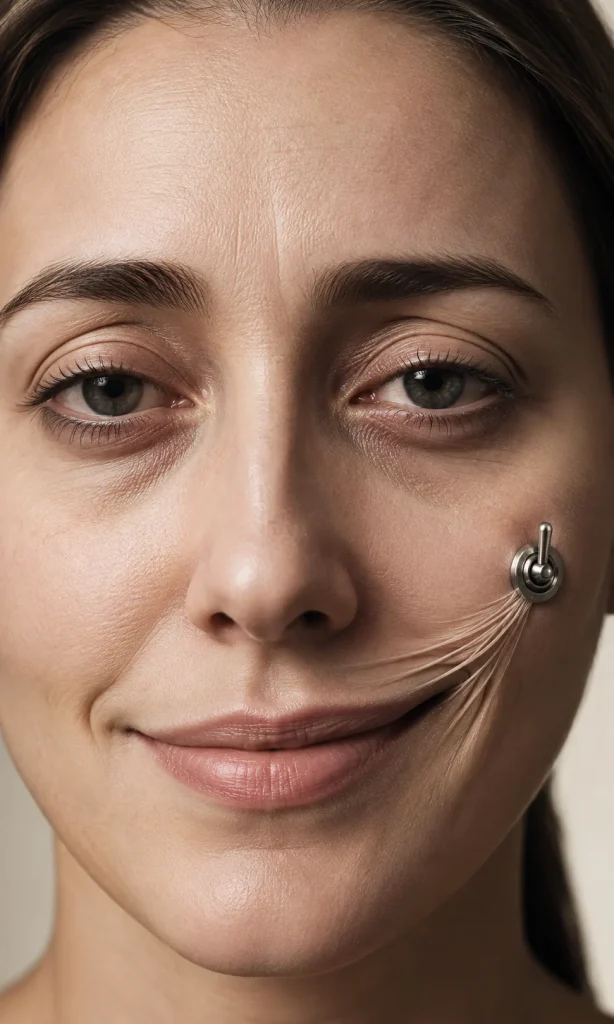
“Smiling depression” is another popular phrase used to describe someone who appears cheerful while privately experiencing depressive symptoms. Like high-functioning depression, it is not a separate formal diagnosis. The two expressions overlap because both challenge the assumption that depression is always externally obvious, but they emphasise slightly different things: high-functioning depression usually emphasises continued performance, whereas smiling depression emphasises the contrast between outward emotional presentation and private distress.
Neither phrase should be used to diagnose someone based on appearance. A cheerful person is not necessarily concealing depression, just as a quiet or unhappy-looking person is not necessarily experiencing a depressive disorder. These terms are most useful when they encourage someone to take persistent internal changes seriously rather than dismissing them because their outward behaviour does not fit a stereotype.
When Should You Talk to a Professional?

You do not have to wait until you can no longer work, study, maintain relationships or take care of yourself before discussing depressive symptoms with a healthcare professional. If changes in mood, pleasure, energy, concentration, sleep, appetite, motivation or self-worth have persisted and are affecting your quality of life, seeking an assessment can be appropriate even when you remain outwardly productive.
Professional evaluation is especially useful when you cannot tell whether the problem is depression, prolonged stress, burnout, anxiety, grief, a sleep problem, medication effects or a physical health condition. Several of these possibilities can produce overlapping symptoms, and assuming that everything is psychological may delay investigation of a medical contributor.
An assessment is also useful because people who have compensated successfully for a long time may underestimate how much their lives have changed. Describing the effort behind your functioning can provide information that is not captured by simply saying that you are still employed or completing your responsibilities.
Persistent changes in mood, motivation, sleep, concentration, appetite or enjoyment are worth discussing with a healthcare professional when they are affecting everyday life, and the NHS depression guidance provides additional information about symptoms and when to seek help.
Instead of telling a clinician only, “I’m managing,” it may be more informative to explain that you are managing work but spending most evenings recovering, that activities you once enjoyed no longer feel rewarding, that concentration requires much more effort or that social contact has gradually narrowed. These details help describe the difference between the visible outcome and the process required to achieve it.
What to Track Before Speaking With a Professional
You do not need to create an elaborate symptom diary before asking for help, but observing patterns for a short period can make an appointment more productive. Useful information includes when the changes began, whether they occur most days, what has changed in sleep or appetite, whether concentration has become more difficult, which activities no longer feel enjoyable and whether functioning differs substantially between work and home.
It can also help to note what you have stopped doing. People often remember missed responsibilities more easily than lost interests, yet the disappearance of hobbies, social contact, exercise, intimacy, cooking or future planning may provide important context about how much everyday life has narrowed.
If fatigue is prominent, consider whether adequate sleep meaningfully improves it and whether there are physical symptoms that should also be mentioned. If cognitive difficulties are prominent, describe concrete examples rather than simply saying that your memory or concentration is “bad.” Examples such as rereading the same paragraph repeatedly, forgetting conversations, losing track during meetings or taking much longer to make ordinary decisions can give a clinician a clearer picture.
The goal is not to gather enough evidence to diagnose yourself. It is to communicate what has changed and how those changes are affecting your life.
What Can You Do If You Recognise These Signs in Yourself?
Recognising yourself in an article about high-functioning depression does not establish that you have depression. It can, however, provide a reason to examine patterns that may previously have been explained entirely as personality, workload or lack of discipline.
A useful starting point is to stop using productivity as the only measure of wellbeing. Instead, consider the broader shape of your life: whether you still experience pleasure, whether rest restores you, whether relationships feel emotionally accessible, whether ordinary tasks require more effort than they used to and whether you are maintaining visible responsibilities by sacrificing nearly everything optional.
It is also worth resisting the temptation to respond by becoming even more efficient. When someone notices that their capacity has declined, the instinct may be to create stricter schedules, optimise routines or impose stronger discipline. Practical structure can certainly be helpful, but it cannot by itself determine why the change occurred. If the underlying problem involves depression, a sleep disorder, another health condition or prolonged psychological strain, simply demanding more performance from yourself may increase the burden without addressing its source.
Reduce the Need to Perform in Every Environment
If much of your energy is spent appearing completely fine, having at least one environment where you can communicate more accurately can reduce the burden of maintaining that presentation. This does not require telling everyone in your life about your mental health. It might mean telling one trusted person that you have been feeling persistently depleted, explaining to a partner that your quietness after work reflects exhaustion rather than disinterest or discussing the pattern confidentially with a healthcare professional.
Specific descriptions are often easier for other people to understand than broad labels. Saying, “I’ve noticed that I’m still managing work, but afterward I have almost no energy for anything else and I don’t enjoy much on weekends anymore,” communicates more useful information than feeling pressured to decide whether the term high-functioning depression perfectly describes you.
The aim is not to abandon responsibilities or define yourself through a diagnosis. It is to make the internal experience visible enough that support can be based on what is actually happening rather than on how capable you appear.
Rebuild Capacity Rather Than Trying to Prove You Still Have It
When everyday functioning becomes difficult, people sometimes turn recovery into another performance standard. They create an ambitious exercise plan, commit to daily socialising, redesign their entire morning routine and expect themselves to return quickly to their previous level of productivity. When they cannot maintain the plan, the failure becomes further evidence for self-criticism.
A more sustainable approach is to look at capacity rather than proving capability. If household tasks have accumulated, the first goal may be restoring a manageable minimum rather than completing everything at once. If social contact has disappeared, one brief conversation may be more realistic than immediately filling the calendar. If meals have become inconsistent, establishing a few reliable options may matter more than trying to prepare elaborate healthy meals every day.
This approach becomes particularly relevant when depression has begun affecting ordinary self-maintenance. Difficulties with showering, brushing teeth, changing clothes or keeping the immediate environment manageable can be part of a broader reduction in energy and task initiation. Understanding the relationship between depression and personal hygiene can help explain why these difficulties are not adequately understood as simply “not trying hard enough.”
What If Someone You Know Seems Fine but You Are Worried About Them?
If someone continues functioning well but seems persistently different from their usual self, it can be reasonable to check in without trying to diagnose them. Changes such as increasing withdrawal, constant exhaustion, unusual irritability, loss of enthusiasm, repeatedly cancelling optional plans or talking about themselves with increasing negativity may justify a thoughtful conversation.
The way the concern is expressed matters. Statements based on observation are generally more useful than announcing what condition you think the person has. For example, saying that you have noticed they seem exhausted lately and have stopped doing things they usually enjoy leaves room for them to describe their experience. Telling them they “definitely have high-functioning depression” turns an informal descriptive phrase into a diagnosis that you cannot establish from the outside.
It is equally important not to use their productivity as reassurance if they do disclose that they are struggling. Responses such as “But you’re doing so well at work” or “You don’t seem depressed” can unintentionally communicate that their internal experience is less credible because they remain capable. A more useful response is to listen to what functioning currently costs them and encourage professional support when persistent symptoms are affecting their wellbeing.
When Hidden Depression Becomes More Urgent
A person should not assume that continued functioning means there is no possibility of serious distress. Some people can maintain routines and outward composure even while their internal state has deteriorated significantly, which is one reason mental health concerns should be taken seriously based on what someone reports rather than only what observers can see.
Urgent professional help is particularly important if someone is experiencing thoughts of suicide or self-harm, feels unable to stay safe, develops severe hopelessness or experiences a rapid deterioration in their ability to meet basic needs. In those situations, the question of whether the person appears “high functioning” becomes much less important than ensuring they receive appropriate immediate support.
For less acute but persistent symptoms, earlier assessment can still matter. Waiting for visible collapse creates an unnecessarily high threshold for care. Mental health support is not reserved for the point at which employment, relationships or personal care have already become impossible.
The Most Important Sign May Be the Gap Between How You Look and How You Feel
High-functioning depression is not a diagnosis, and no single behaviour can tell you whether you have a depressive disorder. Its usefulness as a concept lies in drawing attention to something that is easy to overlook: functioning and wellbeing are related, but they are not interchangeable.
Someone can meet deadlines while losing interest in almost everything outside work. They can care deeply for their family while feeling emotionally numb. They can laugh during dinner and struggle privately later that evening. They can be successful, organised and dependable while needing far more effort than anyone realises simply to maintain the version of themselves other people expect to see.
Rather than asking only whether you are still getting things done, consider how your experience of doing them has changed. Notice whether enjoyment has disappeared, whether rest restores you, whether optional parts of life are steadily shrinking and whether your routines are increasingly powered by obligation, fear or self-criticism instead of interest and sustainable energy.
If that gap between outward functioning and internal wellbeing has become persistent, it deserves attention even before everything falls apart.
Professional Perspective
The phrase high-functioning depression can be useful when it helps someone recognise that visible productivity is not a reliable measure of psychological wellbeing. Its limitation is that it can encourage people to focus too heavily on whether they fit the label rather than on the symptoms, duration and changes in functioning that actually need attention. A person does not need to decide whether they are sufficiently “high functioning” or sufficiently impaired before discussing persistent emotional or behavioural changes with a qualified professional.
A more informative assessment looks at the whole pattern. Has pleasure declined? Has ordinary life become more effortful? Is concentration less reliable? Has sleep changed? Are relationships becoming harder to maintain? Is most available energy being spent on work or essential responsibilities while everything optional gradually disappears? Has self-criticism intensified as capacity has fallen? These questions reveal much more than whether someone continues arriving at work on time.
The hidden cost of functioning is particularly important. If two people complete the same responsibilities but one can recover normally while the other requires hours of isolation and rest afterward, their outward performance may look identical while their internal experiences are very different. Preserving performance through increasingly rigid routines, excessive preparation, perfectionism or withdrawal from the rest of life should not automatically be interpreted as evidence that the underlying problem is minor.
At the same time, symptoms such as fatigue, concentration problems, sleep changes and reduced motivation are not specific to depression. Physical health conditions, medication effects, sleep disorders, anxiety, prolonged stress, grief and other circumstances can produce overlapping experiences. This is why persistent changes are better assessed than self-diagnosed from a checklist.
The most constructive use of the high-functioning depression concept is therefore not to create another category people must fit into. It is to challenge an unhelpful assumption: a person does not have to stop functioning before their mental health deserves attention.
Key Takeaway
High-functioning depression is an informal description rather than a formal diagnosis. It generally refers to a pattern in which someone continues meeting visible responsibilities while experiencing depressive symptoms that may be difficult for other people to recognise.
The warning signs are often found in the difference between what a person accomplishes and what accomplishing it now requires. Work may continue while hobbies disappear. Social interactions may continue while emotional connection declines. Responsibilities may be completed while evenings and weekends become periods of recovery. Achievement may continue while satisfaction, anticipation and pleasure become increasingly difficult to access.
Looking only at visible productivity can therefore miss an important part of the picture. A better question is whether the person’s emotional wellbeing, energy, thinking, relationships and overall range of life have changed over time. If those changes are persistent or distressing, professional assessment can be appropriate even when outward functioning remains relatively intact.
Frequently Asked Questions
Is high-functioning depression a real diagnosis?
No. High-functioning depression is an informal term rather than a recognised clinical diagnosis. It is commonly used to describe people who experience depressive symptoms while continuing to work, study, maintain relationships or manage other responsibilities. A professional assessment may identify major depressive disorder, persistent depressive disorder or another explanation depending on the person’s symptoms, duration and circumstances.
What are the most common signs of high-functioning depression?
Possible patterns include persistent exhaustion, reduced enjoyment, emotional numbness, irritability, increasing self-criticism, difficulty concentrating, needing unusually long recovery periods after ordinary responsibilities and relying heavily on obligation or routine to keep functioning. Some people also maintain their most visible responsibilities while gradually withdrawing from hobbies, friendships and other optional areas of life. None of these signs alone establishes depression.
Can you have depression and still be successful at work?
Yes. Depression does not affect every person or every area of functioning in the same way. Someone may continue performing well professionally because of experience, routines, deadlines, financial necessity, perfectionism or a strong sense of responsibility while experiencing substantial difficulties elsewhere. Professional success should therefore not be used to rule depression in or out.
Can someone with depression still laugh and seem happy?
Yes. A person experiencing depression can laugh, enjoy particular moments, socialise and show genuine affection. Depression is not defined by maintaining one facial expression throughout the day. The broader pattern of mood, pleasure, energy, cognition, physical symptoms and functioning over time is more informative than isolated moments.
Is high-functioning depression the same as smiling depression?
Not exactly. Both are informal descriptions rather than separate clinical diagnoses. High-functioning depression generally emphasises continued performance and responsibility, while smiling depression usually emphasises the contrast between an outwardly cheerful appearance and private depressive symptoms. The experiences can overlap considerably.
Is high-functioning depression the same as persistent depressive disorder?
No. Persistent depressive disorder is a recognised diagnosis involving a chronic depressive pattern, whereas high-functioning depression describes outward functioning rather than a specific disorder. Some people described as high functioning may have persistent depressive disorder, but the terms should not be treated as synonyms.
How can you tell high-functioning depression from burnout?
The distinction is not always straightforward because both can involve exhaustion, reduced motivation, irritability and concentration difficulties. Burnout is particularly associated with prolonged occupational stress, while depression may affect mood, pleasure, self-worth and functioning across multiple areas of life. Professional assessment can help investigate depression, burnout and other possible causes when symptoms persist.
Why do I function well at work but struggle at home?
Structured responsibilities can be easier to maintain because they provide deadlines, routines, consequences and clearly defined next actions. Someone may use much of their available energy maintaining those responsibilities and have substantially less capacity afterward for cooking, cleaning, socialising, hobbies or personal care. A persistent difference between public performance and private functioning can be useful information to discuss with a healthcare professional.
Should I seek help if I am still functioning normally?
You do not need to wait for complete disruption of work, relationships or self-care before seeking professional support. Persistent changes in mood, enjoyment, sleep, appetite, energy, concentration, motivation or self-worth can justify an assessment when they are causing distress or reducing quality of life.
Can high-functioning depression eventually get worse?
Symptoms and functioning can change over time, but there is no single progression that applies to everyone. Some people may continue compensating for difficulties for long periods, while others notice that strategies that once protected work or essential responsibilities become harder to sustain. Persistent or worsening symptoms are a reason to seek professional evaluation rather than waiting for visible functioning to deteriorate.