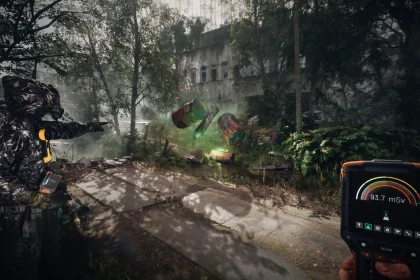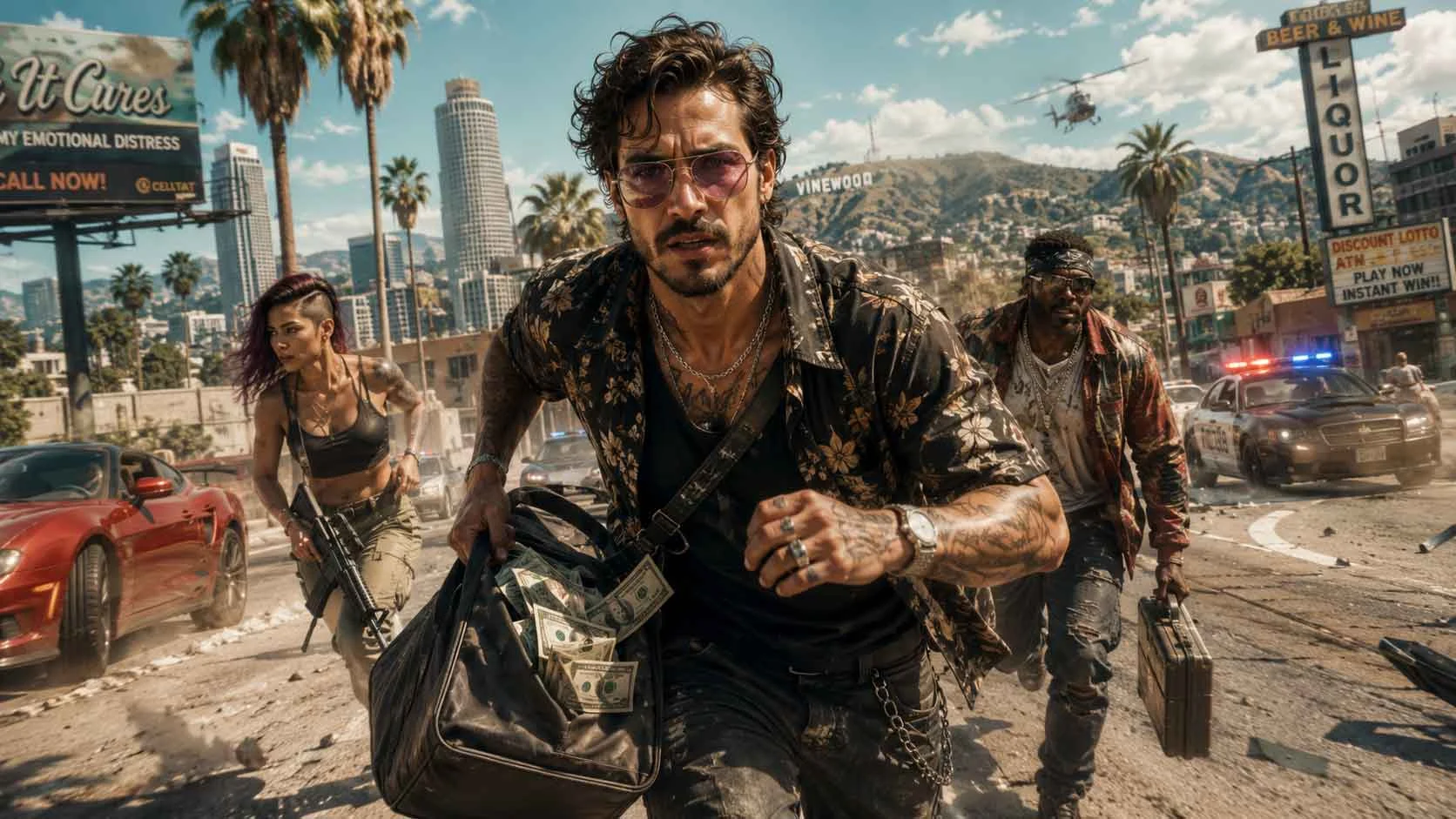

More than a decade after players first arrived in Los Santos, Grand Theft Auto V remains unusually difficult to dismiss as a game that belongs only to the past. Its streets are still crowded with distractions, its three protagonists remain among the most recognisable characters in open-world gaming, and the freedom to abandon the main story for an unplanned drive across the city can still turn a short session into an entire evening.
But longevity alone does not make a game worth playing. A new player starting GTA 5 today encounters a very different gaming landscape from the one that existed when the game originally appeared. Open worlds have become larger, movement systems have become smoother, combat has evolved, and expectations for immersion have changed considerably. Some parts of GTA 5 have aged remarkably well, while others now reveal the design conventions of an earlier generation.
The most useful question, therefore, is not whether Grand Theft Auto V was a great game when it launched. The real question is whether its story, characters, mission design and enormous sandbox still provide an experience worth investing your time in now.
For many players, the answer remains yes – but not for exactly the same reasons that made the game extraordinary at launch.
Grand Theft Auto V Review at a Glance
Grand Theft Auto V remains one of the most ambitious open-world games ever built around the idea of controlled chaos. Its greatest strength is not simply the size of Los Santos and Blaine County, but the number of ways the game allows a normal plan to become an unexpected story. You may begin by driving toward a mission, become distracted by something happening on the roadside, change vehicles after an accident, attract police attention and eventually find yourself miles away from the objective you originally intended to complete.
That unpredictability continues to give the world energy. The main story provides direction, but much of GTA 5’s personality emerges between missions, when the player is free to explore, experiment and decide how seriously to take the world around them.
Free GTA 5 Journey Planner
GTA 5 Journey Planner
Build a personal Story Mode route based on your playstyle, available time, preferred activities, completed content and long-term goals.
The game is not equally strong in every area. Movement can feel heavier than in many modern action games, some combat encounters rely on familiar cover-shooting patterns, and parts of the mission structure can be more restrictive than the open world surrounding them suggests. Yet the combination of three playable protagonists, varied missions, a memorable setting and an unusually reactive sandbox still gives GTA 5 an identity that many newer open-world games have struggled to reproduce.
Quick Review Summary
| Review Area | How It Holds Up | What Players Should Know |
|---|---|---|
| Open World | Excellent | Los Santos remains dense, varied and enjoyable to explore. |
| Story | Strong but uneven | The three-protagonist structure creates memorable contrasts, although the pacing is not always consistent. |
| Characters | Major strength | Franklin, Michael and Trevor provide three very different perspectives on the same world. |
| Missions | Highly varied | Heists and major set pieces remain highlights, although some missions restrict player freedom. |
| Driving | Still enjoyable | Accessible handling makes travelling across the map part of the experience rather than simply a necessity. |
| Combat | Functional but dated | Gunplay remains effective, but movement and cover mechanics can feel older beside newer action games. |
| Exploration | Excellent | Unplanned exploration is still one of the best reasons to spend time in the game. |
| New Player Experience | Very good | The fundamentals are approachable, although knowing what to prioritise can make the early game more enjoyable. |
| Replay Value | High | The sandbox, activities, character switching and different approaches to major missions encourage revisiting the game. |
Quick Verdict
Grand Theft Auto V is still worth playing for players who value open-world freedom, memorable characters and the ability to create their own unexpected experiences between missions. Its age is most noticeable in movement, some combat mechanics and occasionally restrictive mission design, but Los Santos remains an unusually convincing playground. New players should approach it as both a story-driven crime game and a sandbox rather than rushing from one objective marker to the next.
Is GTA 5 Still Worth Playing?
Yes, GTA 5 is still worth playing for many new and returning players, particularly if you enjoy open-world games that give you room to explore beyond the main objective. Its strongest qualities have aged better than some of its individual mechanics. Los Santos still feels like a place where an ordinary journey can turn into an unexpected sequence of events, the three-protagonist structure remains unusual, and the major missions continue to deliver a sense of scale that smaller open-world games often cannot match.
New players who want a practical route through the opening hours can follow the GTA 5 beginner guide for advice on missions, money, exploration, character abilities, wanted levels, and common early mistakes.
The answer becomes more complicated if your expectations have been shaped entirely by newer action games. Character movement can feel heavy, certain animations take longer than modern players may expect, and some missions provide less freedom than the surrounding open world suggests. GTA 5 frequently tells you that you can go anywhere and do almost anything, then asks you to follow a specific route or perform an objective in a particular way once a mission begins. That contrast is one of the clearest areas where the game’s age can be felt.
Even so, judging GTA 5 only by the smoothness of its movement or the sophistication of its shooting would miss what continues to make it compelling. The game works because several systems support one another. Driving encourages exploration, exploration creates unexpected encounters, character switching changes perspective, missions introduce new parts of the world, and the world itself constantly invites you to ignore whatever you originally planned to do.
For a first-time player, this means GTA 5 can still feel surprisingly fresh despite its age. The best experience usually comes from allowing the game to breathe rather than treating every mission marker as something that must be cleared immediately. Spend time with each protagonist, explore different areas, experiment with vehicles and pay attention to what happens between major story events. Much of the game’s lasting appeal exists in those unscripted moments.
Returning players face a different question. If you already know the story and remember the largest set pieces, replaying GTA 5 is less about discovering what happens next and more about noticing how the world and three-character structure fit together. Revisiting the game after years away can also make its strengths and weaknesses easier to see. Some mechanics now feel unmistakably older, but the density of personality throughout Los Santos remains difficult to ignore.
Ultimately, GTA 5 is still worth playing because the complete experience remains more distinctive than any single mechanic within it. There are newer games with smoother combat, more detailed role-playing systems or larger maps, but relatively few combine crime, satire, driving, character switching, cinematic missions and open-world unpredictability in quite the same way.
The GTA 5 Worth-Playing Decision
The easiest way to decide whether GTA 5 is worth your time is to consider what you expect from an open-world game. A player looking for constant freedom, memorable characters and unpredictable exploration is likely to overlook some ageing mechanics. A player who primarily wants highly responsive movement, deep role-playing choices or complete freedom during every mission may notice the game’s limitations much sooner.
GTA 5 is probably worth playing if you:
- Enjoy exploring large open worlds without always following the main objective.
- Like story-driven games with flawed and conflicting protagonists.
- Want a mixture of driving, shooting, exploration and large-scale missions.
- Enjoy discovering activities and unexpected situations naturally.
- Prefer a game that can alternate between serious crime drama and absurd chaos.
- Want a substantial single-player experience rather than only a short campaign.
GTA 5 may be less suitable if you:
- Strongly dislike heavy character movement or older cover-based shooting.
- Want a deep role-playing system where every major decision changes the story.
- Prefer missions that allow complete freedom in how objectives are completed.
- Are mainly looking for a calm or realistic crime simulation.
- Expect every mechanic to feel as refined as those in the newest action games.
The important distinction is that GTA 5 does not need to be modern in every area to remain enjoyable. What matters is whether the combination of systems matches the experience you want. For the right player, Los Santos can still absorb dozens of hours before the world begins to feel familiar.
New Players and Returning Players Will Experience GTA 5 Differently
A first-time player enters GTA 5 with the advantage of uncertainty. Character introductions, sudden switches in perspective, major heists and the gradual expansion of the world can still create genuine surprise. The biggest risk for a new player is not that the game is too old, but that the enormous amount of available content can make it difficult to know what deserves attention first.
Returning players already know many of the game’s biggest moments, but familiarity creates a different kind of freedom. Instead of rushing to discover the next story event, you can pay closer attention to character details, experiment with activities you previously ignored and explore parts of the map that once seemed unimportant. A second playthrough can therefore feel less urgent but more observant.
This difference is important because GTA 5 is not a game that offers only one reason to play. The story creates momentum, the characters create perspective, and the open world creates personal experiences that may have nothing to do with the central narrative. Whether you are arriving in Los Santos for the first time or returning after years away, the game is at its best when you allow those three elements to overlap.
Professional Perspective
A long-lasting open-world game should not be judged only by whether every mechanic still feels new. A more useful test is whether its systems continue to create meaningful choices, memorable situations and reasons to remain curious about the world. GTA 5 passes that test more convincingly than many games of its age.
Its weaknesses are real. Movement can feel cumbersome, mission freedom is sometimes more limited than expected, and certain design conventions reveal when the game was originally built. Yet these limitations rarely erase the larger experience. The ability to move between three contrasting protagonists, cross a varied open world and unexpectedly turn a simple journey into a memorable sequence of events remains central to the game’s appeal.
For new players, the strongest recommendation is simple: do not measure the experience only by how quickly you can complete the story. GTA 5 becomes more interesting when Los Santos is treated as a place to understand rather than a checklist to finish.
What Makes GTA 5 Different From Other Open-World Games?

Grand Theft Auto V is often described as an open-world crime game, but that description does not fully explain why its structure still feels distinctive. Many open-world games give the player a large map, a central story and a collection of optional activities. GTA 5 does those things too, but its identity comes from the way three protagonists, a highly varied environment and an unpredictable sandbox constantly interrupt and reshape the player’s experience.
The most obvious difference is the ability to move between Franklin, Michael and Trevor. This is not simply a character-selection feature. Each protagonist occupies a different part of Los Santos, has different relationships and approaches the criminal world from a different position. Switching characters can therefore change the atmosphere of the game before a mission even begins.
A player may leave Michael dealing with the frustrations of his family life, switch to Franklin navigating a different social environment, then move to Trevor and immediately enter a situation that feels completely unpredictable. The city remains the same, but the player’s relationship with it changes according to who is being controlled.
This structure also allows the story to operate at several scales. Franklin’s journey often feels connected to ambition and the desire to move beyond the limitations of his current life. Michael’s story explores what happens when achieving the lifestyle you once wanted does not produce the satisfaction you expected. Trevor introduces instability, forcing the other characters and the player to confront consequences that cannot always be managed through careful planning.
The result is an open world that is not experienced through a single identity. Instead of asking the player to build one character who gradually becomes capable of everything, GTA 5 allows three established personalities to collide within the same story.
Character Switching Changes More Than the Person You Control
Character switching is most effective when it changes context rather than simply providing another set of abilities. GTA 5 frequently uses the system to create contrast. One protagonist may be involved in a quiet personal situation while another is already moving toward danger somewhere else on the map.
Outside missions, switching can also create a small sense of discovery. The characters continue to exist when they are not being directly controlled, and returning to one of them may place the player in a different location or situation. These transitions help create the impression that Franklin, Michael and Trevor have lives beyond the moments when the player is watching them.
During larger missions, the system serves a more practical purpose. Switching perspectives can move the player between different responsibilities within the same operation, allowing a single sequence to feel broader than an ordinary mission controlled from one viewpoint. Instead of only observing that several people are contributing to a plan, the player may directly participate in different parts of it.
This does not make every character switch equally meaningful, but at its best, the system gives GTA 5 a rhythm that remains unusual. The player is not simply moving across Los Santos geographically. The game is repeatedly changing the perspective through which Los Santos is understood.
The Open World Is Designed for Interruption
Some open-world games are built around efficiency. The map presents objectives, the player selects one, travels there and completes it before moving to the next. GTA 5 supports that style of play, but its world becomes more entertaining when the journey refuses to remain efficient.
A drive toward a mission can be interrupted by an encounter, a vehicle you want to steal, a mistake that attracts police attention or simple curiosity about a road you have never followed. These interruptions are not always important in the traditional sense. They may not improve a character statistic, unlock a major reward or advance the story. Their value comes from creating experiences that feel personal because they were not the reason you originally started travelling.
This is one of the reasons Los Santos can remain engaging even after its major landmarks become familiar. The map itself does not need to change every time you cross it. The combination of traffic, pedestrians, vehicles, police response, terrain and player decisions can make the same route unfold differently.
The strongest open-world moments in GTA 5 often begin with a simple intention and end somewhere completely unexpected.
GTA 5 Balances Cinematic Missions With Sandbox Freedom
One of GTA 5’s greatest strengths is also the source of one of its most noticeable contradictions. Outside missions, the player is given enormous freedom. You can explore, experiment, change vehicles, create chaos or ignore the main story for long periods. Once certain missions begin, however, that freedom can narrow considerably.
Some objectives expect the player to follow a specific route, remain close to another character or complete an action in the intended sequence. Moving too far away or experimenting with an alternative approach can result in mission failure even when the player’s idea appears reasonable.
This can feel restrictive, particularly for players accustomed to newer games that support multiple solutions to the same objective. Yet the limitation exists partly because GTA 5 frequently treats major missions as directed action sequences. Camera positioning, dialogue, timing, character switching and environmental events are coordinated to create a particular experience.
The result is a deliberate tension between two design philosophies. The open world encourages improvisation, while many story missions prioritise cinematic control. Players who understand this distinction are less likely to become frustrated by expecting every mission to offer the same freedom as the world surrounding it.
Los Santos Uses Variety Instead of Constant Progression
GTA 5 does not rely entirely on a traditional progression loop in which every activity must make the player stronger. Much of its appeal comes from variety. Driving through the city, travelling into the countryside, flying, exploring, completing missions and experimenting with the game’s systems can feel worthwhile even when the reward is simply a different experience.
This matters because large open worlds can become exhausting when every activity feels like another item on a checklist. GTA 5 certainly contains objectives and collectibles, but the world also supports a more casual form of play. A player can spend time in Los Santos without always feeling that every minute must contribute to a larger progression system.
That freedom gives the game an unusual flexibility. One session may focus almost entirely on story missions, while another may produce very little measurable progress but still feel memorable because of what happened along the way.
The World Can Be Serious and Ridiculous at the Same Time
GTA 5 constantly moves between crime drama, social satire and absurdity. A tense conversation can be followed by an explosive mission, while a carefully planned journey can collapse into chaos because of one poor decision on the road.
That tonal instability is intentional. Los Santos is presented as a recognisable world exaggerated until its ambitions, industries, personalities and contradictions become difficult to ignore. The game does not ask the player to treat every moment with the same level of seriousness.
For some players, this creates a world with enormous personality. For others, the constant movement between dramatic storytelling and exaggerated behaviour can make emotional moments harder to take seriously. Whether the tone works often depends on how comfortable the player is with a game that rarely remains in one emotional state for long.
What cannot easily be denied is that the combination gives GTA 5 a recognisable identity. Many open worlds are larger or mechanically deeper, but relatively few can move from a personal argument to a high-speed chase and then into an entirely unscripted disaster without feeling as though the player has entered a different game.
Why the Three-Protagonist Structure Still Matters
The decision to build Grand Theft Auto V around three playable protagonists remains one of its most important design choices. Franklin, Michael and Trevor are not interchangeable avatars placed into the same story. Each represents a different relationship with ambition, money, crime and personal freedom, and the tension between those perspectives gives the narrative much of its energy.
A deeper GTA 5 characters guide can help explain how Franklin, Michael, Trevor and the people around them shape the conflicts that drive the story.
Franklin begins from a position of wanting more. Michael has already achieved a version of the comfortable life that success was supposed to provide, yet remains deeply dissatisfied. Trevor lives with far fewer boundaries and exposes what happens when impulse, loyalty and violence are allowed to operate without the same social restraints.
Together, they create a progression that would be difficult to communicate through a single protagonist. The player can experience the desire to escape one life, the disappointment of discovering that another life does not solve everything, and the instability created by someone who refuses to fit comfortably into either world.
The structure is not perfect. Some characters receive more emotional development than others, and the rapid movement between perspectives can occasionally interrupt narrative momentum. Even so, the three-protagonist system remains more than a technical feature. It is the framework through which GTA 5 examines different versions of success, dissatisfaction and criminal ambition.
Franklin and the Search for a Different Life

Franklin Clinton enters GTA 5 as the protagonist most clearly looking toward a different future. He is capable, observant and increasingly frustrated by the limited opportunities surrounding him, but ambition alone does not give him a clear route forward. Much of his early story is defined by the gap between recognising that he wants something more and understanding what achieving “more” will actually require.
This makes Franklin an effective entry point into Los Santos. Unlike Michael, who already possesses wealth and experience, or Trevor, who operates according to his own volatile rules, Franklin begins closer to the position of someone trying to move upward. The player experiences parts of the criminal world through a character who is still deciding what kind of future he wants rather than someone who has already committed fully to one version of it.
His relationship with Michael becomes particularly important because Michael appears to represent the success Franklin is seeking. He has money, a large home and the experience of someone who has already survived a dangerous criminal career. Yet the closer Franklin gets to that world, the more complicated the idea of success becomes. Michael’s life demonstrates that escaping financial limitation does not automatically create purpose, stability or satisfaction.
Franklin’s role is therefore more interesting than simply being the youngest member of the group. Franklin’s changing relationship with ambition, opportunity and his former life becomes even more interesting when you look more closely at whether Franklin Clinton is still a street gangster as his circumstances begin to change. He stands between different possible futures. He can observe the consequences of Michael’s choices, experience the instability surrounding Trevor and decide how much of either man’s world should influence his own.
This position also makes Franklin particularly useful for new players. His progression into larger criminal operations mirrors the player’s own expanding understanding of GTA 5. As Franklin encounters greater opportunities, the player is introduced to a broader version of Los Santos and the increasingly complicated relationships that drive the story forward.
Michael and the Cost of Getting What You Wanted

Michael De Santa begins from a position that many game protagonists spend an entire story trying to reach. He has money, a comfortable home and distance from the most dangerous period of his criminal life. On the surface, he appears to have escaped.
The problem is that getting what he wanted did not make him content.
Michael’s dissatisfaction gives GTA 5 one of its most important contradictions. He wants the security of retirement but remains attracted to the intensity and sense of purpose associated with his former life. He resents the consequences of his choices while repeatedly moving toward situations that recreate the same patterns. His frustration is therefore not simply caused by the people around him. Much of it comes from the conflict between the life he says he wants and the behaviour he continues to choose.
This makes Michael a more complicated protagonist than a straightforward retired criminal returning for one final job. His story raises a broader question about what happens when a person reaches the destination they once believed would solve everything. Wealth can remove certain problems, but it cannot automatically repair relationships, create identity or provide a meaningful direction.
His relationship with Franklin adds another layer to this conflict. Franklin sees experience and opportunity in Michael, while Michael can see a younger man who has not yet made the same mistakes. Their connection contains elements of mentorship, self-interest and projection. Michael’s relationships are often more complicated than they first appear. His strained connection with his daughter Tracey contrasts sharply with the mentorship he develops with Franklin, creating one of GTA 5’s most interesting character dynamics. We explore that relationship in more detail in our guide to Michael De Santa’s relationship with Tracey and Franklin. Each can potentially obtain something from the other that is missing from his own life.
Michael’s greatest strength as a character is therefore not that he is easy to admire. It is that his contradictions remain visible. He wants change without always accepting what genuine change would demand, and that tension drives many of his most important decisions.
Trevor and the Chaos the Other Characters Cannot Control

Trevor Philips changes the emotional balance of GTA 5 almost immediately because he introduces a level of unpredictability that Franklin and Michael cannot easily contain. Where Franklin often thinks about moving forward and Michael frequently struggles with the consequences of the past, Trevor acts as though the boundary between impulse and action barely exists.
It would be easy to describe Trevor only as the game’s most chaotic protagonist, but that does not fully explain his role. His unpredictability is important because it disrupts the compromises other characters have constructed around themselves. Michael has built a new identity and attempted to separate it from his former life. Trevor’s presence threatens that separation simply by existing.
This makes Trevor more than a source of extreme behaviour. He represents consequences that cannot be permanently hidden. His relationships are often shaped by a fierce and distorted sense of loyalty, making him capable of reacting strongly to betrayal even while behaving in ways that make stable relationships almost impossible.
For the player, Trevor also changes the rhythm of the game. His sections can feel less controlled, more dangerous and more willing to move into situations that the other protagonists might approach differently. This contrast helps prevent the three-character structure from becoming a cosmetic feature. Switching to Trevor can genuinely change the emotional expectation of what may happen next.
Not every player will enjoy spending time with him. His behaviour is intentionally excessive, and some moments are designed to be uncomfortable rather than likeable. Yet removing that discomfort would also remove much of his narrative purpose. Trevor is the character who makes it hardest for the story to pretend that criminal choices can remain cleanly separated from their consequences.
Does the Three-Character System Still Work?
The three-character system still works because Franklin, Michael and Trevor provide more than three sets of missions. They create different reasons to move through the same world. Franklin is looking toward a future he has not yet defined, Michael is struggling with a life that failed to satisfy him, and Trevor repeatedly forces unresolved problems back into the present.
This gives GTA 5 a structural advantage over open-world games built around a single protagonist. When one storyline slows down, another character can change the pace, location or emotional tone. The player is not required to remain inside one perspective for the entire journey.
The system is particularly effective during larger operations. A mission can divide responsibilities between characters and allow the player to experience different parts of the same event. One protagonist may occupy a distant position while another is directly exposed to danger, and switching between them can create a stronger sense of scale than simply watching supporting characters perform those roles.
However, the system also creates trade-offs. Dividing the story among three protagonists means that each character has less uninterrupted development than a single lead might receive. A storyline can build momentum and then pause while the player spends time elsewhere. Some relationships and personal conflicts consequently feel as though they could have benefited from more space.
Character switching can also reduce the sense that the player is building one deeply personalised identity. Franklin, Michael and Trevor arrive with established personalities, histories and relationships. The player controls their actions within the game’s boundaries but does not create them from the ground up. Players who prefer extensive role-playing and character customisation may therefore feel less personal ownership over the protagonists.
Even with these limitations, the system remains one of GTA 5’s defining strengths. It allows the game to tell a larger story without relying on a single character to represent every perspective, and it gives missions a flexibility that would be difficult to reproduce with one protagonist alone. More than a decade later, the fact that the structure still feels unusual is evidence of how ambitious the original design was.
When Character Switching Works Best
Character switching is most effective when the player understands why the perspective is changing. During major missions, moving between protagonists can reveal different parts of the same plan and turn one operation into several connected experiences. The feature feels purposeful because each character has a distinct responsibility.
It also works well when the change in character produces a change in atmosphere. Switching from Michael’s domestic frustrations to Franklin’s ambitions or Trevor’s instability can refresh the experience without requiring the player to leave the larger story.
The weaker moments occur when switching feels like interruption rather than expansion. If the player becomes invested in one storyline, moving elsewhere can temporarily reduce momentum. This is an unavoidable consequence of a narrative built around several protagonists, but GTA 5 generally compensates by making the differences between its characters substantial enough that returning to another perspective feels meaningful.
The system succeeds because the characters are not simply three versions of the same person. Their differences create the reason to switch.
GTA 5 Story and Mission Design
Grand Theft Auto V tells a crime story on a scale large enough to accommodate family conflict, personal ambition, damaged friendships, government interference and increasingly elaborate criminal operations. Yet the story is rarely at its strongest when treated as a perfectly controlled narrative. Its real strength comes from the way major missions bring Franklin, Michael and Trevor together, forcing three very different personalities to cooperate when their interests only partially align.
The early stages of the game spend considerable time establishing those differences. Franklin is searching for opportunities beyond the life he already knows, Michael is pulled back toward the excitement and consequences of his former career, and Trevor eventually destabilises the fragile arrangements that have allowed Michael to build a different identity. As their stories converge, the missions become larger and the relationships become more difficult to separate from the criminal work they perform together.
This structure gives the campaign a strong sense of escalation. Small jobs gradually give way to operations involving more preparation, more participants and greater consequences. The player is not simply receiving stronger weapons and facing more enemies. The scale of the situations changes, and the three-protagonist system allows major missions to be experienced from several positions within the same event.
The story is not equally focused throughout its entire length. Certain plotlines receive substantial attention before fading, some supporting characters feel more important than their eventual role suggests, and the constant movement between personal conflict and large-scale criminal activity can make the pacing uneven. Even so, the campaign remains memorable because it is willing to change tone and structure rather than repeating one type of mission from beginning to end.
Mission Variety Is One of GTA 5’s Greatest Strengths
One of the easiest ways for a long open-world campaign to become repetitive is to rely on the same activity with different locations and enemies. GTA 5 avoids this problem more successfully than many games by constantly changing what the player is asked to do.
Driving and shooting remain fundamental, but the missions frequently place those mechanics inside different situations. The player may be pursuing someone through the city, preparing equipment for a larger operation, controlling a vehicle under unusual conditions, supporting another protagonist from a different position or switching between characters as a plan begins to collapse.
Not every activity is equally exciting, and some slower missions deliberately reduce the pace. However, those changes help larger sequences feel more significant. If every mission involved maximum destruction, the major set pieces would quickly lose their impact.
The variety also supports the game’s broader identity. GTA 5 is not trying to be only a driving game, a shooter or a cinematic crime story. It repeatedly moves between these forms, sometimes smoothly and sometimes abruptly. That inconsistency can occasionally feel messy, but it also prevents the campaign from becoming mechanically predictable.
Why the Heists Remain the Campaign’s Biggest Highlights
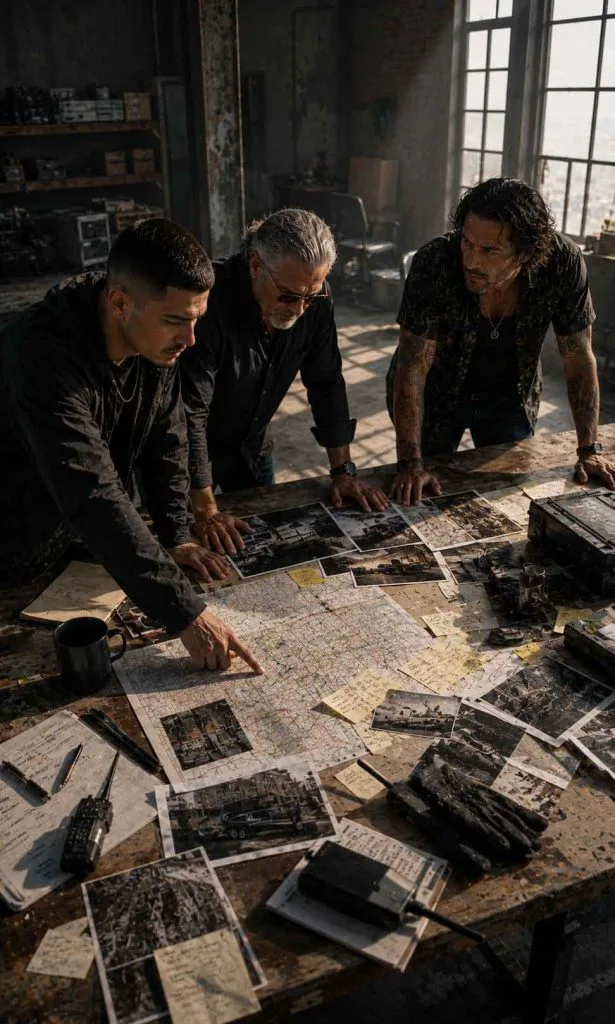
The heists are among the most memorable parts of GTA 5 because they create a sense that a major operation exists before the action begins. Preparation, crew considerations and different responsibilities give these missions more weight than simply arriving at a marker and immediately entering a firefight.
The preparation process is important because anticipation changes how the eventual operation feels. Acquiring equipment or completing setup tasks may be less dramatic than the final job, but these stages help create the impression that the player is contributing to a larger plan rather than being carried from one scripted event to another.
When the operation begins, the three-protagonist system becomes particularly valuable. Different characters can occupy different positions within the same event, and switching between them expands the player’s perspective. A large mission can therefore feel like several connected situations unfolding simultaneously.
The heist system is not a fully open-ended simulation. Choices do not always transform the operation as dramatically as players might expect, and the campaign still directs much of what happens. Nevertheless, the combination of preparation, anticipation and execution gives these missions a stronger identity than ordinary objectives.
The best heists create a feeling that GTA 5 has been building toward something. Even when the plan inevitably becomes more complicated than expected, the player understands why the operation matters and how the individual stages connect.
Players who want to understand preparation, approaches and the structure of the game’s major operations can continue with a complete GTA 5 heists guide.
The Best Missions Create Controlled Chaos
GTA 5 is often most entertaining when a mission begins with a clear plan and gradually becomes harder to control. A simple objective may develop into a chase, a confrontation or a much larger sequence involving several characters and locations.
This escalation works because it reflects the wider experience of the open world. Outside missions, players frequently create their own accidental chaos through driving mistakes, police attention or spontaneous decisions. The campaign takes that same sense of unpredictability and shapes it into more deliberate cinematic sequences.
The difference is control. In the open world, the player usually creates the problem. During a major mission, the game often creates the problem and asks the player to survive the consequences.
When these sequences are paced well, GTA 5 produces a convincing sense of momentum. Dialogue, movement, vehicle changes, character switching and environmental events work together so that the player is rarely doing exactly the same thing for too long. The mission becomes memorable not because of one mechanic, but because several mechanics are arranged into a sequence that continually changes.
Where GTA 5’s Mission Design Can Feel Restrictive
The greatest weakness in GTA 5’s mission design appears when the freedom of the open world creates expectations that the missions themselves are unwilling to support. Outside an objective, the player can experiment freely. During certain missions, moving away from the intended route, approaching a situation differently or creating too much distance from another character can lead to failure.
This can be frustrating because the player’s solution may appear perfectly reasonable. The problem is not always that the player failed to achieve the objective. Sometimes the player simply failed to achieve it in the way the mission expected.
The restriction is partly a consequence of cinematic design. Many missions depend on carefully timed dialogue, scripted events, specific locations and coordinated character movement. Allowing unlimited freedom could break the sequence the game is trying to present.
Understanding that design philosophy makes the limitation easier to explain, but it does not completely remove the frustration. Modern players who are accustomed to systemic games with multiple solutions may find GTA 5 surprisingly strict during certain story sequences.
This creates an important distinction for new players: Los Santos is a sandbox, but many story missions are directed experiences inside that sandbox. Enjoying GTA 5 often requires recognising when the game wants experimentation and when it wants the player to participate in a carefully staged sequence.
The Story Works Better When You Do Not Rush It
It is possible to move through GTA 5 by focusing heavily on the main missions, but doing so can make the campaign feel more mechanical than it needs to be. The story gains texture when the player spends time with each protagonist outside the most important objectives.
Exploration creates distance between major events. Optional activities allow the characters and locations to become more familiar, while time spent travelling through Los Santos helps the map develop into something more meaningful than the space separating one mission marker from another.
This does not mean every side activity must be completed. Trying to clear everything can create the opposite problem, turning exploration into another checklist. A better approach is to follow curiosity. If a character, location or activity seems interesting, spend time with it. If it does not, continue with the story.
The campaign benefits from this flexible rhythm because GTA 5 was designed to support more than one kind of session. Sometimes you may want to progress the story. At other times, the most memorable experience may begin without any intention of completing a mission at all.
Story Pacing Becomes Uneven in the Middle
GTA 5’s ambition occasionally works against its pacing. With three protagonists, multiple personal conflicts, criminal operations and several groups attempting to influence events, the campaign has many moving parts competing for attention.
This creates periods where one storyline feels urgent while another temporarily disappears. Supporting characters can enter the narrative with apparent importance but receive less development than expected. The movement between satire, personal conflict and large-scale action can also make the central direction feel less focused than in a story built around one protagonist and one clearly defined objective.
The advantage is variety. The disadvantage is fragmentation.
For some players, the constant movement between characters and situations keeps the campaign energetic. For others, it can make the story feel like several interconnected narratives competing for space. The experience improves when the three protagonists are viewed as the central structure holding those different threads together rather than expecting every subplot to receive equal resolution.
The story may not be perfectly balanced, but its strongest moments are powerful enough to give the campaign a lasting identity. The major relationships, heists and character conflicts remain memorable even when the route connecting them is occasionally uneven.
What New GTA 5 Players Usually Get Wrong
The most common mistake new GTA 5 players make is treating the game as a race toward the next mission marker. The main story provides direction, but rushing through it can reduce Los Santos to a collection of roads connecting scripted events.
Another mistake is assuming that every available activity deserves equal attention immediately. GTA 5 presents many distractions, but trying to understand or complete everything at once can make the early game feel more complicated than it really is. New players usually have a better experience when they allow systems and activities to become relevant naturally.
It is also easy to underestimate the importance of spending time with all three protagonists. Some players quickly develop a favourite and return to that character whenever possible. While personal preference is natural, each protagonist reveals a different part of the story and world. Ignoring one perspective can make later relationships and conflicts feel less meaningful.
Finally, new players sometimes expect the freedom of free roam to apply equally to every mission. This can lead to unnecessary frustration when an objective requires a specific route or sequence. Learning the difference between sandbox exploration and directed story missions makes the campaign easier to understand.
The best first playthrough is therefore neither a speedrun nor an attempt to complete every icon on the map. It is a gradual process of learning how the characters, missions and open world connect.
Driving, Shooting and Movement: Where GTA 5 Shows Its Age
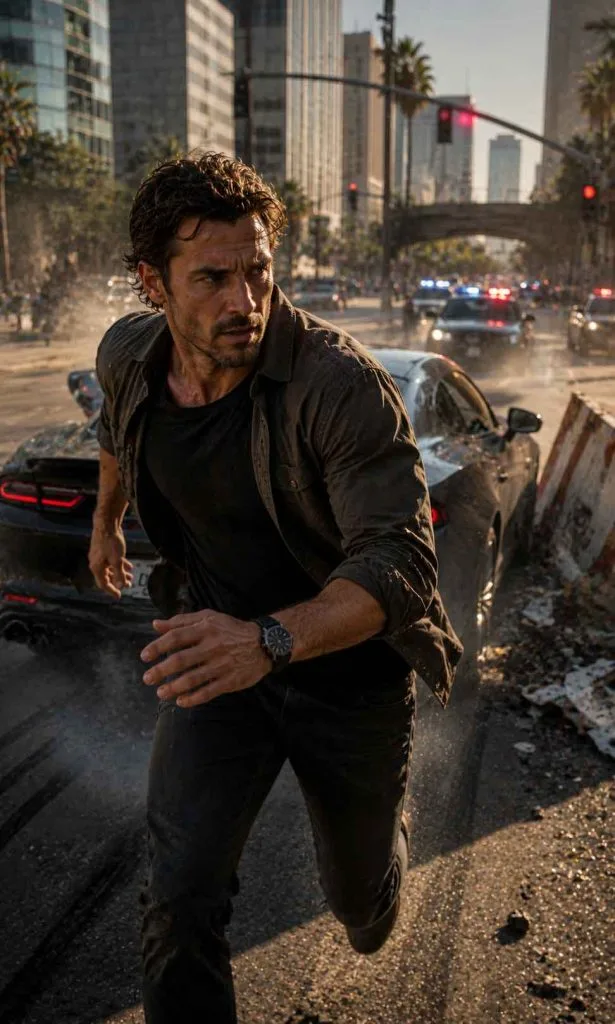
Grand Theft Auto V’s core gameplay remains enjoyable, but this is also where modern players are most likely to notice the game’s age. The difference is not that its systems have stopped working. Driving, shooting and character movement still support the open world effectively. The issue is that more recent games have changed expectations for responsiveness, animation and player control.
Driving has generally aged better than movement on foot. Travelling across Los Santos remains one of the most enjoyable parts of the game because vehicles are accessible enough for casual exploration while still feeling different from one another. A sports car, motorcycle and heavy truck do not create the same experience, and the variety of roads and terrain gives players reasons to change how they travel.
Combat remains functional and often entertaining, particularly when missions combine gunfights with movement, vehicles or character switching. However, the cover-based structure and reliance on assisted aiming can feel less precise than newer action games. Character movement is where the age becomes most obvious. Franklin, Michael and Trevor can sometimes feel heavy when turning, entering tight spaces or responding to sudden changes in direction.
None of these weaknesses make the game difficult to enjoy, but they do affect the first few hours. A player arriving from a faster and more responsive modern action game may need time to adjust before GTA 5’s movement begins to feel natural.
Driving Is Still One of GTA 5’s Strongest Systems
Driving is central to GTA 5 because the journey between locations is part of the experience rather than simply a loading screen disguised as travel. Los Santos contains wide highways, crowded city streets, steep hills, coastal roads and rougher terrain beyond the urban centre, allowing different vehicles to feel useful in different environments.
The handling is accessible without making every vehicle feel identical. Faster cars encourage aggressive driving but punish mistakes more dramatically, motorcycles provide speed and manoeuvrability at the cost of protection, and larger vehicles change how the player approaches traffic and narrow spaces. The physics are not intended to provide a strict driving simulation, but they create enough variation to make choosing and discovering vehicles meaningful.
Driving also connects naturally with the game’s capacity for unscripted events. A simple journey can change because of a collision, a police response or the decision to take an unfamiliar route. The player is frequently making small decisions about speed, risk and direction even when no formal mission objective is active.
This is why fast travel is not essential to GTA 5’s appeal in the same way it can become essential in less engaging open worlds. Travelling through the map gives the game’s systems opportunities to interact. Skipping every journey would also skip many of the situations that make Los Santos feel unpredictable.
Shooting Still Works, but It No Longer Feels Modern
GTA 5’s shooting remains effective enough to support its missions, but it is rarely the strongest reason to play the game on its own. The combat system relies heavily on cover, target acquisition and managing groups of enemies across relatively large spaces. During major missions, the surrounding context often makes these encounters more exciting than the underlying gunplay itself.
The difference becomes clearer when GTA 5 is compared with newer action games built primarily around shooting. Movement between cover can feel heavier, aiming behaviour may require adjustment, and enemy encounters do not always demand complex tactical decisions. The system is designed to remain accessible across a long campaign rather than function as a highly technical shooter.
Assisted aiming can make combat considerably easier, particularly for players using a controller. Some players will appreciate this because it keeps large firefights moving, while others may prefer less assistance for a greater sense of manual control. Adjusting the aiming settings can therefore have a meaningful effect on how combat feels.
The strongest firefights usually occur when shooting is only one part of a larger sequence. A battle that follows a chase, changes location or involves switching between protagonists feels more dynamic than a simple exchange of gunfire from behind cover. GTA 5’s combat works best as one component within a broader action system.
Character Movement Is Where the Game Feels Oldest
The weight of character movement contributes to GTA 5’s visual realism, but it can also create frustration. Franklin, Michael and Trevor do not always change direction with the immediacy that players accustomed to newer games may expect. Entering doorways, navigating tight interiors or making sudden corrections can occasionally feel less precise than the situation requires.
This is partly a consequence of animation priority. Characters often appear to have physical weight because movement transitions are animated rather than instantly cancelled. Visually, this can make actions feel grounded. Mechanically, it can create a small delay between what the player wants and what appears to happen on screen.
The issue becomes most noticeable when precision matters. Walking through a quiet environment is rarely a problem, but rapidly repositioning during danger can make the same movement system feel cumbersome.
New players should not mistake the initial awkwardness for a permanent barrier. Most people adapt to the movement after spending time with the game. Once the rhythm becomes familiar, it is easier to anticipate how a character will turn, stop and interact with the environment. Even then, movement remains one of the clearest areas where GTA 5 no longer feels as modern as its world design.
Police Chases Turn Simple Mistakes Into Unplanned Stories

The wanted system remains one of GTA 5’s most effective sources of unscripted tension because it can transform an ordinary situation into a completely different kind of experience. A minor incident may attract police attention, and the player’s response can determine whether the problem ends quickly or escalates into a much larger pursuit.
The interesting part is not simply the number of officers involved. A chase forces the player to read the environment differently. Roads become escape routes, alleys become opportunities, vehicle damage becomes a practical concern and unfamiliar parts of the map can suddenly become important.
Escalation also creates a natural risk-and-reward decision. Continuing to fight or cause destruction may be entertaining, but it makes escape increasingly difficult. Breaking line of sight and finding a place to disappear requires a different mindset from simply driving as fast as possible.
These chases are especially effective because they do not always need to be planned. The player may have intended to complete a completely unrelated activity before one mistake created a new objective: survive and escape.
That ability to generate temporary personal goals is one of the reasons the open world remains engaging. The game does not always need to provide a mission marker because its systems can create a problem worth solving on their own.
The Core Gameplay Is Better as a Combination Than in Isolation
No single gameplay system fully explains GTA 5’s longevity. The driving is enjoyable but not a dedicated racing simulation. The shooting is functional but not as mechanically deep as a specialist shooter. Character movement can feel heavy, and the open world does not provide the role-playing depth of a dedicated RPG.
The strength comes from how quickly the game can move between these systems.
A mission may begin with a conversation, become a drive across the city, develop into a pursuit, transition into a firefight and end with an escape. Outside missions, the same systems can combine without a script. The player creates the sequence through decisions and consequences.
This variety reduces the pressure on any single mechanic to carry the entire experience. Shooting does not need to remain interesting for dozens of uninterrupted hours because the player is also driving, exploring, switching characters and participating in different activities.
For this reason, GTA 5 should be judged as a complete open-world system rather than as a collection of isolated mechanics. Several individual parts now show their age, but the way those parts interact remains remarkably effective.
The Freedom Between Missions Is Still a Major Strength
The most convincing argument for GTA 5’s continued relevance may be what happens when the player is not completing a mission. Los Santos gives players enough structure to provide direction while leaving enough empty space for curiosity, experimentation and mistakes to create their own momentum.
This freedom is important because open-world size alone does not guarantee an interesting experience. A large map can still feel empty if travelling through it produces no decisions. GTA 5 avoids this problem by filling the journey with opportunities to change plans. A different vehicle, an unexplored road, a sudden wanted level or a simple decision to see what exists beyond the next hill can redirect an entire session.
Not every moment produces a major discovery. Much of the appeal comes from smaller interactions and the possibility that something unexpected could happen. This creates a different relationship with the map from a game where exploration is primarily driven by visible rewards.
The player does not always need a collectible or mission completion screen to justify spending time somewhere. Sometimes the value is simply discovering a location, testing a vehicle or seeing how the world responds to a decision.
Los Santos Rewards Curiosity More Than Completion
There is a difference between exploring a world because a checklist tells you something is there and exploring because the environment makes you curious. GTA 5 contains both forms, but its strongest moments often come from the second.
A road leading away from the city may not contain an essential reward. A remote location may not provide equipment that changes the rest of the game. Yet visiting these places can still deepen the sense that Los Santos and Blaine County exist beyond the immediate needs of the story.
This makes curiosity a useful guide for new players. You do not need to investigate everything, but constantly ignoring the world in favour of the fastest route between objectives can make the experience feel much smaller than it really is.
The best approach is selective exploration. Follow what interests you rather than trying to prove that every part of the map has been completed. GTA 5 becomes more memorable when discovery feels voluntary.
Unplanned Moments Are Part of the Real Replay Value
Replaying a story usually means returning to events you already know. GTA 5 benefits from the fact that the journey between those events is not always identical.
Different driving decisions, police encounters, vehicles and spontaneous detours can change the experience surrounding familiar missions. The main narrative may remain the same, but the player’s personal sequence of events does not have to.
This is a different form of replay value from a game built around radically branching story choices. GTA 5 does not transform into a completely new narrative on every playthrough. Instead, the sandbox creates variation around a largely established story.
For returning players, that distinction matters. The reason to revisit Los Santos may not be to discover a completely different ending. It may be to spend time in a world where familiar systems can still combine in unexpected ways.
Story Mode vs GTA Online: Which Experience Should You Play?

Grand Theft Auto V and GTA Online share the same broader setting, but they should not be treated as the same experience. Story Mode is a structured single-player campaign built around Franklin, Michael and Trevor, while GTA Online is a continually expanded multiplayer environment centred on a character created by the player. Someone deciding whether GTA 5 is worth playing should understand this distinction before assuming that the enormous amount of online content is required to enjoy the game.
For a first-time player who wants to understand the characters, world and core mechanics, Story Mode is usually the better starting point. The campaign introduces Los Santos gradually, provides a clear sense of progression and gives the player room to learn driving, combat and exploration without the additional complexity of an established online economy and multiplayer systems.
GTA Online offers a different kind of longevity. Instead of following one self-contained narrative, players can pursue activities, properties, vehicles, businesses and multiplayer objectives over a much longer period. The experience is more open-ended, but that freedom can also make the starting point less obvious for someone entering after years of additional content.
The most important point is that Story Mode does not feel like a tutorial that must be endured before reaching the “real” game. It remains a substantial experience in its own right. Players interested primarily in Franklin, Michael, Trevor and a complete crime story can spend their entire time with GTA 5 in single-player and still experience the qualities that made the game significant.
GTA Online is better understood as a separate long-term destination. It may appeal to players who want ongoing goals, multiplayer interaction and a greater emphasis on building their own criminal identity, but it should not determine whether the single-player campaign is worth experiencing.
Start With Story Mode If You Are Completely New
New players benefit from starting with Story Mode because it provides context before complexity. GTA 5 contains several interconnected systems, but the campaign introduces them through characters and situations rather than presenting the player with a large collection of unrelated activities from the beginning.
The story also provides a natural reason to explore different parts of the map. As the campaign expands, new locations and opportunities become relevant, allowing Los Santos to become familiar gradually. This creates a more coherent introduction than attempting to understand every possible activity at once.
Starting with Story Mode does not mean that every mission must be completed before trying anything else. The better approach is to use the campaign as a foundation. Follow the story until the world begins to make sense, explore when something catches your attention and learn the basic rhythm of driving, combat and police evasion before deciding whether the online experience interests you.
For players who are primarily interested in a self-contained adventure, there is also no obligation to move beyond Story Mode. GTA 5’s single-player campaign can stand on its own.
GTA Online Is Better for Long-Term Progression
GTA Online becomes more appealing when the player’s main motivation changes from following an established story to building a longer-term personal progression path. The emphasis moves away from controlling three defined protagonists and toward developing a player-created character within a much broader multiplayer structure.
This creates more reasons to return over time, but it also changes the nature of the experience. Progression, money, activities and access to different opportunities become increasingly important, while the clear narrative momentum of Story Mode becomes less central.
For some players, that open-ended structure is exactly what gives GTA Online its longevity. There is always another objective to pursue or another part of the experience to understand. For others, the absence of a single focused campaign may make the experience feel more demanding or less personal.
The better choice therefore depends on what you want from GTA 5. Story Mode asks you to experience the lives and conflicts of established characters. GTA Online asks you to build a much longer journey of your own.
Story Mode and GTA Online Reward Different Types of Players
A player who enjoys character development, cinematic missions and a defined beginning and ending will usually find Story Mode more satisfying. A player who enjoys long-term goals, multiplayer interaction and repeatedly returning to develop the same character may find GTA Online more compelling.
Neither experience automatically replaces the other because they solve different problems. Story Mode provides narrative direction. GTA Online provides continuing progression. Story Mode creates attachment through established protagonists. GTA Online creates ownership through a player-controlled identity.
Many players can enjoy both, but understanding the difference prevents the common mistake of judging one entirely by the expectations created by the other.
GTA 5 Mods and the PC Experience

For PC players, mods can significantly change the long-term value of GTA 5 by extending the experience beyond the original design. Depending on the type of modification, players may change visual presentation, vehicles, environmental details, gameplay behaviour or the way they explore the single-player world.
Players who want to explore specific ways of changing the single-player experience can begin with a closer look at GTA 5 mods that can improve your game before deciding which modifications actually suit the experience they want.
The greatest benefit of modding is not simply adding more content. Mods can give returning players a reason to look at a familiar game differently. Someone who already knows the story and map may find renewed interest through visual changes, new gameplay possibilities or modifications designed around a particular style of play.
However, modding should be approached with realistic expectations. Compatibility can change, different modifications may conflict with one another, and installing a large collection without understanding the dependencies can create instability. A heavily modified game may require more troubleshooting than a player expecting a simple plug-and-play experience is prepared to manage.
Players should also clearly separate single-player modding from GTA Online. Modifications intended for offline or single-player use should not be treated as permission to alter the multiplayer experience. The safest approach is to understand exactly what a modification changes, where it is intended to be used and how to restore the original game files if something goes wrong.
For a first playthrough, mods are usually unnecessary. GTA 5 is better experienced in a relatively standard form before changing the systems and presentation. For returning PC players, however, carefully selected mods can provide a meaningful reason to revisit Los Santos.
Should You Use Mods on Your First GTA 5 Playthrough?
Most first-time players should begin without major gameplay-changing mods. The original experience provides a useful baseline for understanding the world, missions and mechanics, and it becomes much easier to decide what you actually want to change after spending time with the game.
Installing a large mod collection immediately can also make troubleshooting more difficult. If a technical problem appears, a new player may not know whether it comes from the game, a modification, a dependency or a conflict between several changes.
Visual or accessibility-related modifications may be useful in particular circumstances, but the general principle remains the same: change the game because you understand what you want to improve, not because a long list of mods appears to be mandatory.
Mods are most valuable when they solve a specific need or create a specific new experience.
Returning Players Have More to Gain From Modding
Returning players are in a better position to appreciate what mods change because they already understand the original game. A different visual atmosphere, altered vehicle experience or new single-player system can feel more meaningful when compared with a familiar baseline.
This can turn modding into a form of personalisation rather than simple expansion. The goal does not have to be installing as much additional content as possible. A smaller collection of carefully chosen changes may create a more stable and coherent experience than dozens of unrelated modifications.
The best mod setup is therefore not necessarily the largest one. It is the one that supports the kind of return to Los Santos you actually want.
Who Will Enjoy GTA 5 Most?
GTA 5 is most likely to appeal to players who enjoy freedom but still want a strong narrative structure to return to. The campaign provides clear objectives, memorable characters and large set pieces, while the open world allows long periods of experimentation between those moments.
Players who enjoy driving are also likely to appreciate how much of the experience takes place on the road. Travelling is not merely a transition between missions. Vehicles are central to exploration, escapes and many of the unscripted situations that develop across the map.
The game is particularly well suited to players who enjoy tonal variety. GTA 5 can move quickly between personal conflict, satire, criminal planning, action and complete absurdity. Someone who wants a consistently serious crime drama may find those shifts distracting, but players comfortable with the instability are more likely to appreciate the game’s personality.
Curious players also tend to get more from the world than completion-focused players. GTA 5 contains objectives and rewards, but many memorable experiences happen because the player decided to investigate something that was not immediately necessary.
GTA 5 Is a Strong Choice If You Enjoy Creating Your Own Stories
The campaign tells a defined story, but the open world constantly produces smaller stories that belong more directly to the player. A journey that was supposed to take a few minutes may become a police chase. A vehicle chosen for convenience may become unexpectedly useful. A wrong turn may lead to a part of the map you had never intended to visit.
These moments rarely appear in a mission summary, yet they often become the experiences players remember. GTA 5 is therefore particularly effective for people who enjoy games where systems can create temporary goals without requiring a formal objective.
The player is not writing a completely new narrative, but the space between scripted events leaves enough room for personal experiences to emerge.
Who Might Not Enjoy GTA 5?
GTA 5 will not suit every player simply because it is successful or historically important. Its tone, subject matter and design priorities can be significant barriers depending on what you expect from a game.
Players who strongly prefer precise and immediately responsive character movement may find the controls frustrating, particularly during the early hours. Those who expect deep role-playing choices may also be disappointed. The protagonists have established identities, and while the player influences actions and certain outcomes, GTA 5 is not built around creating a fully personalised character within Story Mode.
The game’s satire and deliberately exaggerated behaviour can also be divisive. Some players enjoy the constant movement between serious situations and absurdity, while others may find that the tone prevents them from becoming emotionally invested.
Mission structure is another potential problem. If your favourite open-world games allow almost every objective to be solved through multiple systems, GTA 5’s more directed missions can feel restrictive. The freedom of Los Santos does not always continue once a carefully scripted story sequence begins.
Finally, players looking for a peaceful or morally restrained experience should understand the nature of the game before starting. Crime, violence and intentionally provocative material are fundamental parts of its fictional world and storytelling.
GTA 5 Is Not a Deep Role-Playing Game
Although players can spend money, customise certain aspects of the protagonists and choose how to spend time in the open world, GTA 5 does not provide the same level of character creation or narrative agency as a dedicated role-playing game.
Franklin, Michael and Trevor already have personalities, histories and relationships. The player inhabits their stories rather than inventing entirely new identities for them.
This distinction matters because the open world can initially create the impression that almost anything is possible. In practice, the sandbox offers substantial behavioural freedom while the central narrative remains much more defined.
Players who understand that difference are more likely to appreciate what GTA 5 does well rather than expecting a type of role-playing freedom it was never designed to provide.
Is GTA 5 Better for New Players or Returning Players?
GTA 5 offers different strengths to new and returning players, making it difficult to say that one group has the objectively better experience. New players receive the advantage of discovery. Returning players receive the advantage of familiarity.
For a first-time player, the characters, heists and expansion of the world can still create genuine surprise. The game’s age does not erase the effectiveness of its strongest sequences, particularly when the player does not already know how those events will unfold.
Returning players are less likely to be surprised by the main story, but they can approach the game with less urgency. Knowing what happens next creates more freedom to explore, spend time with optional activities and notice details that may have been ignored during the first playthrough.
The biggest challenge for new players is adjusting to older mechanics and deciding what deserves attention. The biggest challenge for returning players is finding a reason to remain engaged after the story is already familiar.
For new players, curiosity is the main advantage. For returning players, perspective is the main advantage. GTA 5 remains capable of supporting both.
What Should You Do First After Starting GTA 5?
The best way to start GTA 5 is not to immediately search for the fastest route to money, the best vehicle or the shortest path through the story. The early hours are designed to introduce the world gradually, and allowing that process to happen makes the later freedom easier to understand.
If you are starting for the first time, a complete GTA 5 beginner guide can help you understand early priorities, useful systems and common mistakes without removing the discovery that makes a first playthrough enjoyable.

Begin by following the main story long enough to become comfortable with driving, combat and the basic structure of missions. The campaign naturally introduces important characters and expands the player’s relationship with Los Santos, so there is little benefit in trying to understand every system before the game has given those systems a reason to matter.
At the same time, avoid treating the main story as a race. When something catches your attention, allow yourself to investigate it. Explore a different road, experiment with a vehicle or spend time learning how the police response works. These smaller experiences help build the practical knowledge that makes later missions easier.
New players should also spend time with each protagonist rather than immediately deciding that one character is the only one worth controlling. Franklin, Michael and Trevor have different abilities, locations and relationships with the world. Understanding those differences makes character switching feel like a strategic and narrative feature rather than an interruption.
Most importantly, do not worry about playing perfectly. GTA 5 is a game where mistakes frequently become part of the entertainment. A damaged vehicle, failed escape route or accidental wanted level can create a more memorable experience than a perfectly efficient journey from one objective to another.
Follow the Story Until the World Starts to Open Up
The opening hours provide more direction than the rest of the game, and that structure is useful. Instead of immediately abandoning the story to explore the entire map without context, follow the early missions and allow the game to introduce its characters and basic systems.
This does not mean you need to rush. The goal is simply to establish a foundation. Once you understand how missions, character switching, driving and police attention work, free exploration becomes more meaningful because you have a better sense of how the world responds.
A common mistake is assuming that experienced players gained their knowledge before playing. Most of that knowledge came from experimentation. Your first hours should therefore be treated as a period of discovery rather than a test you need to pass perfectly.
Learn the Three Characters Instead of Choosing One Favourite Too Early
It is natural to prefer one protagonist, but each character contributes something different to the experience. Spending time with all three helps you understand not only the story but also how GTA 5 expects its character-switching system to be used.
Their special abilities also reward different approaches. Franklin is particularly useful when driving requires greater control, Michael’s ability supports certain combat situations, and Trevor’s ability changes how he can survive and respond during dangerous encounters.
You do not need to constantly optimise every action around these abilities. However, remembering that the protagonists are mechanically different can make difficult situations easier and reinforce the idea that character switching is more than a narrative feature.
The strongest first playthrough comes from understanding the group before deciding whose perspective you enjoy most.
Do Not Spend Money Just Because You Have It
Money creates freedom in GTA 5, but early spending can easily become impulsive. New players often see a vehicle, weapon or upgrade and assume that purchasing it immediately will significantly improve the experience.
Before spending heavily, ask whether the purchase solves a real problem or simply looks appealing in the moment. The main story provides access to many useful opportunities naturally, and not every expensive purchase produces an equally meaningful improvement.
This does not mean you should save every dollar indefinitely. Spending is part of the game, and personal preference matters. The better principle is to avoid treating every available purchase as necessary progression.
A useful early-game habit is to keep some money available while you are still learning which activities and equipment actually suit the way you play.
Learn How Wanted Levels and Escapes Actually Work
New players often respond to police attention by driving as fast as possible in a straight line. Speed can help, but successful escapes depend on more than simply outrunning the nearest vehicle.
Breaking visual contact is crucial. Changing direction, using side roads and avoiding predictable routes can be more effective than continuing along a major highway while police units remain aware of your position. Once direct contact is broken, the challenge becomes avoiding detection long enough for the search to end.
The environment therefore becomes part of the escape. Dense urban areas provide different opportunities from open highways or rural terrain. Learning how the wanted system behaves will make both missions and unscripted encounters easier.
It also creates one of the most transferable skills in GTA 5: understanding when continuing the fight is entertaining and when escaping is the smarter choice.
Explore With Curiosity, Not With a Completion Checklist
GTA 5 contains enough activities and locations to make a new player feel that everything should be investigated immediately. That approach can quickly turn exploration into work.
Instead, follow what genuinely interests you. If a road, location or activity catches your attention, investigate it. If something does not seem interesting yet, leave it for later. The world will still be there when you have a reason to return.
This approach preserves one of the most valuable parts of a first playthrough: uncertainty. Constantly checking guides for every possible discovery can make the game more efficient, but it can also remove the surprise of finding something without knowing in advance what it will contain.
Use guides when you are genuinely stuck or when you want to understand a specific system. You do not need to optimise every minute of your first journey through Los Santos.
Save Experimentation for the Moments When It Is Fun
GTA 5 encourages experimentation, but not every mission rewards it. During free roam, unusual decisions can create some of the game’s funniest and most memorable moments. During a tightly scripted mission, the same behaviour may simply produce a failure screen.
Learning when to experiment is therefore part of understanding the game.
When the world is open, test vehicles, explore different routes and see how systems react. When a mission clearly establishes a specific objective or sequence, follow its logic first. You can always return to the open world afterward.
This simple distinction reduces frustration without removing freedom. GTA 5 gives the player a large sandbox, but it also contains directed cinematic sequences. Enjoying both requires recognising which type of experience the game is offering at a particular moment.
GTA 5 Strengths and Weaknesses
More than a decade after its original release, GTA 5’s strengths and weaknesses are easier to separate from the excitement that surrounded its launch. The open world, character structure and ability to create memorable unscripted situations remain highly effective. Movement, certain combat conventions and restrictive mission design reveal the game’s age more clearly.
The important question is not whether GTA 5 has weaknesses. It does. The more useful question is whether those weaknesses interfere with the parts of the experience you value most.
| Major Strengths | Noticeable Weaknesses |
|---|---|
| A varied open world that remains enjoyable to explore | Character movement can feel heavy by modern standards |
| Three protagonists with genuinely different perspectives | Some storylines and supporting characters feel underdeveloped |
| Strong mission variety and memorable major set pieces | Certain missions are more restrictive than the open world suggests |
| Driving remains accessible and entertaining | Gunplay is functional but no longer feels especially modern |
| Unscripted situations create strong replay value | The tone can shift abruptly between serious and absurd |
| Story Mode remains a substantial standalone experience | Players seeking deep role-playing freedom may find the campaign limited |
Final Verdict: Is Grand Theft Auto V Still Worth Playing?

Grand Theft Auto V is still worth playing because its greatest achievement was never one individual mechanic. Its lasting strength comes from the combination of a memorable open world, three contrasting protagonists, varied missions and systems capable of turning ordinary decisions into unexpected situations.
The game undeniably shows its age. Character movement can feel cumbersome, the shooting no longer stands out beside newer action games, and certain missions restrict player freedom more aggressively than the surrounding sandbox suggests. Anyone expecting every part of GTA 5 to feel completely modern will find areas that require adjustment.
Yet Los Santos remains remarkably easy to spend time in. Driving across the city still feels enjoyable, changing protagonists can still alter the mood of a session, and an ordinary journey can still become a story because of one collision, one wrong turn or one decision to see what happens next.
For first-time players, GTA 5 remains a strong introduction to a particular kind of open-world design: a game where a structured crime story exists inside a much less predictable sandbox. The best approach is to follow the campaign without rushing it, spend time with all three protagonists and allow curiosity to interrupt the plan occasionally.
Returning players may notice the ageing mechanics more clearly, but they are also better positioned to appreciate how unusually well the larger structure still works. Familiar missions can be surrounded by different journeys, different mistakes and different moments of unscripted chaos.
GTA 5 is not still worth playing because nothing better has appeared since its release. Many newer games surpass individual parts of it. It remains worth playing because relatively few games have combined character, driving, cinematic crime missions and open-world unpredictability with the same confidence.
The final verdict is simple: if you value open-world freedom, memorable protagonists and the possibility that a routine journey can become the most entertaining part of your session, GTA 5 remains worth experiencing.
What to Play Next After This GTA 5 Review
If this is your first time entering Los Santos, the next useful step is not to memorise every secret or optimise every decision. A dedicated beginner guide can help you understand which early activities matter, what mistakes are worth avoiding and how to make progress without removing the discovery that makes a first playthrough memorable.
Players who become more interested in the protagonists can then explore Franklin, Michael and Trevor individually, while PC players may eventually want to understand how carefully selected mods can change a familiar single-player experience.
GTA 5 is large enough that one review should not attempt to answer every possible question. The purpose of this review is to help you decide whether the experience is still worth your time. Once the answer is yes, the next question becomes more practical: how should you begin?
⭐ FAQs
Is GTA 5 still worth playing?
Yes. GTA 5 is still worth playing for people who enjoy open-world exploration, memorable characters, varied missions, driving and unpredictable sandbox experiences. Some mechanics, particularly character movement and parts of the combat system, show their age, but the combination of Los Santos, three playable protagonists and unscripted open-world freedom remains compelling.
Is GTA 5 good for first-time players?
Yes. First-time players can still enjoy GTA 5 without prior knowledge of the series. Story Mode introduces the main characters and core systems gradually. New players generally have the best experience when they follow the early story missions, learn the basic mechanics and explore naturally instead of trying to complete or optimise everything immediately.
Should I play GTA 5 Story Mode or GTA Online first?
Most completely new players should start with GTA 5 Story Mode. The single-player campaign provides a structured introduction to Los Santos, driving, combat and the game’s general design. GTA Online is better suited to players who want longer-term multiplayer progression and a player-created character rather than a self-contained story centred on Franklin, Michael and Trevor.
How long does GTA 5 take to complete?
Completion time varies considerably depending on how much the player explores and how many optional activities they pursue. A player concentrating mainly on the story can finish much sooner than someone who regularly explores Los Santos, completes side content and spends time experimenting in the open world. GTA 5 is best approached as a substantial open-world experience rather than a campaign that needs to be completed as quickly as possible.
Does GTA 5 feel outdated?
Some parts of GTA 5 feel older than modern action games. Character movement can feel heavy, certain combat mechanics are less refined than newer systems, and some missions restrict player freedom. However, the open world, driving, three-protagonist structure and ability to create unexpected situations continue to hold up well.
Who are the three playable characters in GTA 5?
The three main playable protagonists are Franklin Clinton, Michael De Santa and Trevor Philips. Each character has a different personality, background and relationship with crime. The ability to switch between them is one of GTA 5’s defining features and allows the story and major missions to be experienced from different perspectives.
Is GTA 5 Story Mode worth playing without GTA Online?
Yes. GTA 5 Story Mode is a substantial standalone single-player experience with its own protagonists, story, missions, heists and open-world activities. Players who prefer single-player games can enjoy the campaign without treating GTA Online as a required part of the experience.
Should I use mods on my first GTA 5 playthrough?
Most first-time players should begin without major gameplay-changing mods. Experiencing the standard game first provides a useful baseline and makes it easier to decide what you actually want to change later. Returning PC players generally have more to gain from carefully selected single-player modifications because they already understand the original experience.
What should a beginner do first in GTA 5?
A beginner should follow the early story missions long enough to understand driving, combat, character switching and the basic structure of the world. After that, explore according to curiosity rather than trying to complete every activity immediately. Spending time with all three protagonists and learning how wanted levels work can also make the early game easier.
Is GTA 5 better for new players or returning players?
GTA 5 offers different advantages to both groups. New players experience the story, characters and major missions without knowing what will happen next, while returning players can explore more freely and notice details they previously missed. New players benefit from discovery, while returning players benefit from familiarity and a clearer understanding of the game’s systems.