
Starting Ghost of Tsushima Director’s Cut can feel deceptively simple. You are given a katana, introduced to the island of Tsushima, and encouraged to begin resisting the Mongol invasion. Yet the choices made during the opening hours—where you travel, which skills you unlock, how you approach combat, and which side activities you prioritise—can significantly affect how smooth and enjoyable the rest of the journey becomes.
First 10 Hours Planner™
Tell the planner where you are now, what is making the game difficult, and how you prefer to play. Your report will create priorities for your next five hours and save a checkpoint you can revisit later.
Welcome Back, Samurai
The game does not require a perfect build, a rigid mission order, or hours of preparation before you can enjoy it. However, new players frequently make the experience harder than necessary by treating every encounter like a button-mashing fight, ignoring combat stances, spending resources across too many armour sets, or trying to clear every icon in one region before progressing the story.
Players who have not purchased the game yet should first read our Ghost of Tsushima Director’s Cut review to compare its story, platforms, Iki Island content and overall value in 2026.
A stronger first playthrough begins with a different mindset. Ghost of Tsushima rewards players who observe enemy movements, switch tactics according to the situation, and allow exploration to happen naturally. Learning how to parry is usually more valuable than chasing damage immediately, while completing the right Fox Dens, Bamboo Strikes, Hot Springs and Mythic Tales can improve Jin far more effectively than clearing activities at random.
This beginner guide explains what deserves your attention during the first ten hours without spoiling the story or removing the satisfaction of discovering Tsushima for yourself. You will learn which abilities provide the greatest early value, when to explore instead of advancing the main campaign, how to avoid wasting scarce resources, and why experienced players consistently recommend finishing Jin’s central journey before travelling to Iki Island.
The objective is not to turn your first playthrough into a checklist. It is to help you build enough confidence that combat, exploration and progression begin working together naturally. Once that foundation is established, Ghost of Tsushima becomes far less about wondering whether you are playing correctly and far more about choosing what kind of samurai—or Ghost—you want Jin to become.
What Should You Do First in Ghost of Tsushima?
The best opening strategy is not to clear every map icon or rush directly through the main story. Your first objective should be building a reliable foundation: learn how blocking, dodging and parrying work, begin unlocking combat stances, collect a few permanent health and Resolve improvements, and complete side activities that reward abilities you will continue using throughout the game.
Ghost of Tsushima gives players considerable freedom, but that freedom can cause new players to spread their attention too widely. It is easy to spend several hours collecting materials, clearing random locations and purchasing upgrades without becoming noticeably stronger. A more effective approach is to prioritise improvements that strengthen Jin regardless of which armour set or combat style you eventually prefer.
1. Practise Blocking, Dodging and Parrying
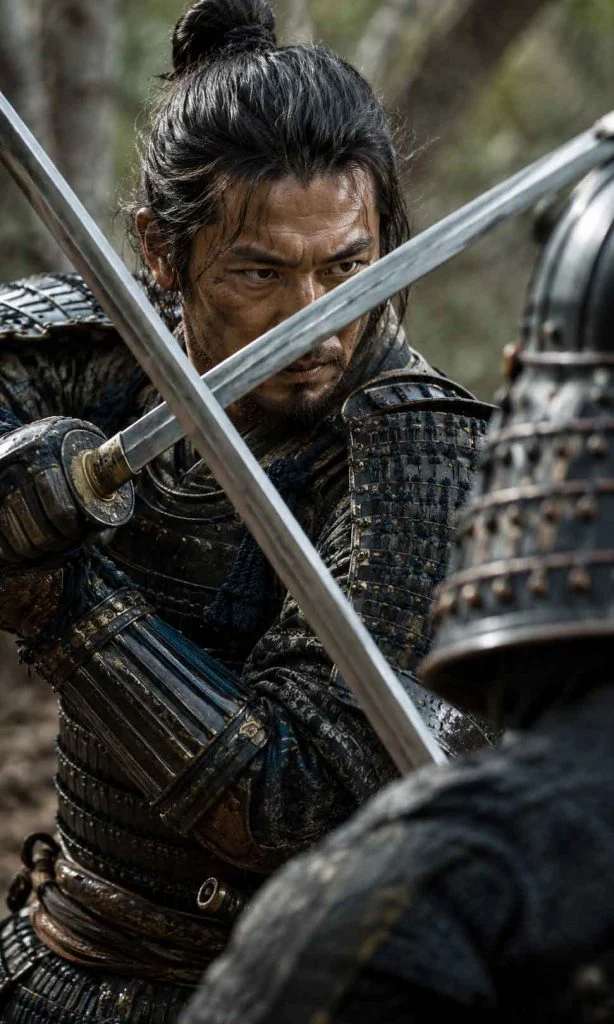
Before worrying about advanced skills or powerful armour, become comfortable surviving ordinary encounters.
Holding block can protect Jin from many standard attacks, but a properly timed parry creates an opening for an immediate counterattack. Dodging is necessary when an attack cannot be blocked, while perfect parries and perfect dodges become increasingly valuable as enemies grow stronger. PlayStation’s official beginner guidance identifies blocking, dodging and parrying as essential combat fundamentals rather than optional advanced techniques.
During the opening hours, resist the urge to attack continuously. Watch how enemies move, identify the moment before a strike lands, and practise responding rather than reacting too early. A player who understands defensive timing will usually progress more comfortably than someone who spends every early Technique Point chasing additional damage.
2. Begin Unlocking Combat Stances Early
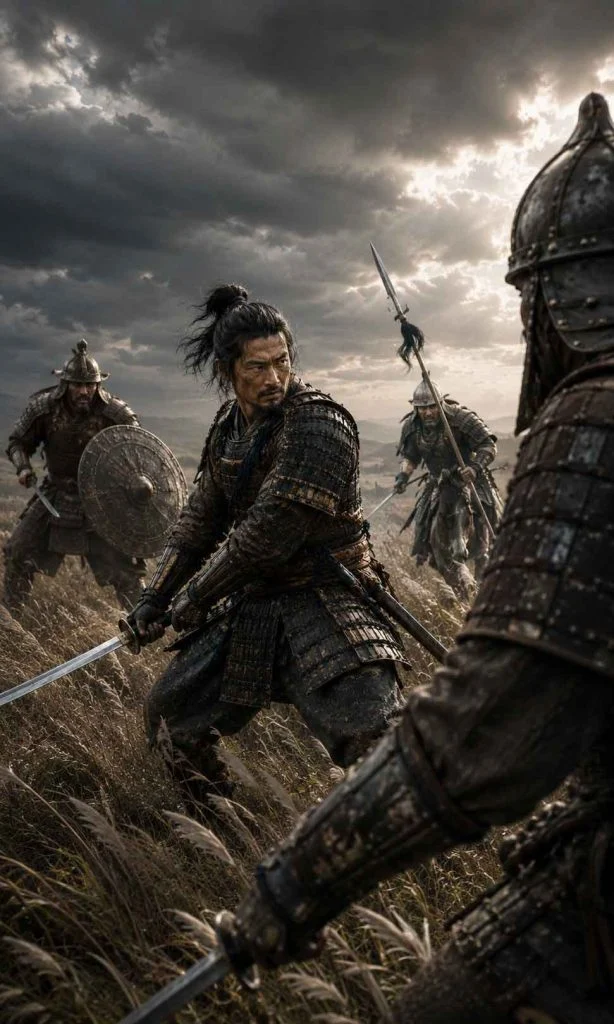
Stone Stance is available first and works well against swordsmen, but it should not become your answer to every opponent. Shield users, spearmen and brutes are designed to be countered by different stances, and using the correct one breaks enemy defences far more efficiently. PlayStation’s official guide specifically recommends learning Water and Wind Stances so shield-bearing and spear-wielding enemies can be handled properly.
Experienced players regularly repeat the same advice in community discussions: unlock the stances as early as practical and learn to switch between them rather than remaining in one familiar style.
You do not need to master every stance immediately. The important habit is recognising that each enemy type requires a different response. Once stance switching becomes automatic, larger battles become much easier to control.
3. Complete Nearby Fox Dens and Bamboo Strikes
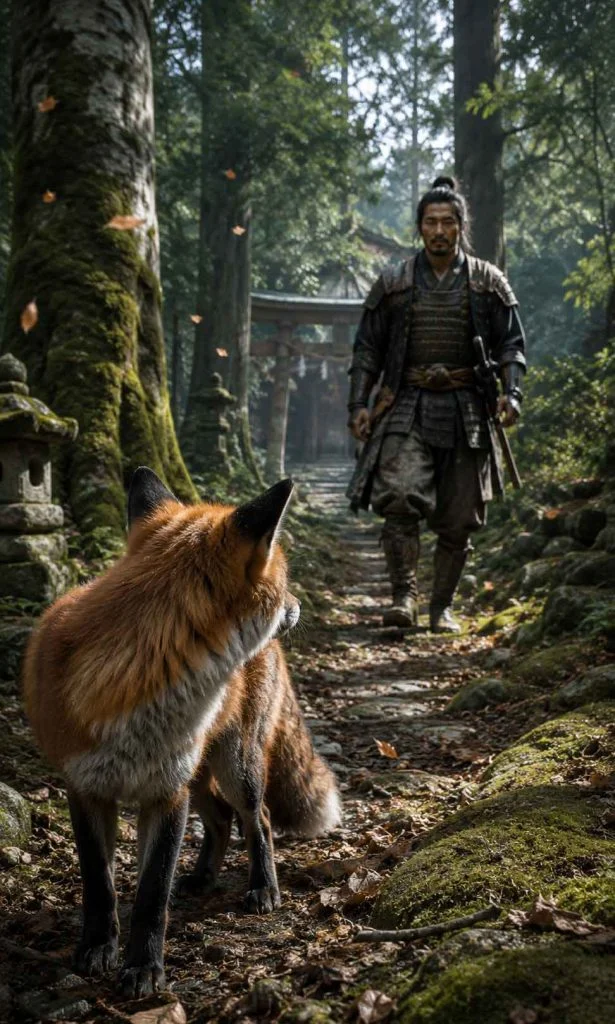
Not every optional activity deserves equal priority during the opening hours.
Fox Dens help unlock additional Charm slots and strengthen Inari-related benefits, while Bamboo Strikes increase Resolve. Resolve allows Jin to heal and use powerful techniques, making it one of the most useful early resources for players still learning combat. Recent beginner discussions continue recommending Fox Dens, Bamboo Strikes and shrines because their rewards remain valuable throughout the full playthrough.
You do not need to cross the entire map searching for them. Complete the ones you naturally encounter near story missions and side Tales. This keeps progression efficient without turning exploration into repetitive cleanup.
4. Mix Main Missions With Useful Side Content
Rushing only the central story can leave Jin underdeveloped, but clearing every optional activity before progressing can make the first region feel unnecessarily slow.
The strongest rhythm is usually a mixture:
- Advance the main story until new mechanics and areas become available.
- Complete nearby character Tales for resources and story development.
- Follow Mythic Tales when their rewards support your preferred combat style.
- Collect permanent upgrades when they appear close to your route.
- Return to the main story before exploration begins feeling repetitive.
Community discussions show that some players enjoy clearing nearly the entire first region, while others prefer maintaining story momentum. The useful lesson is not that one route is correct, but that players should avoid forcing themselves to complete everything before moving forward.
5. Upgrade Your Katana Before Spreading Resources Too Widely
Early resources can feel plentiful until several armour sets, bows and tool upgrades become available at the same time.
Your katana is useful in almost every combat situation, so improving it provides dependable value regardless of whether you later favour stealth, archery or direct confrontation. Armour upgrades can be important, but upgrading every available set equally will quickly consume supplies, silk and other materials.
A practical early approach is:
- Improve the katana when affordable.
- Upgrade one armour set that supports your usual playstyle.
- Increase carrying capacity for tools you frequently use.
- Save rare materials until you understand which equipment deserves long-term investment.
Community advice frequently highlights katana upgrades, armour investment, stance access and tool capacity as stronger early priorities than attempting to improve everything at once.
6. Avoid Looking Up Every Answer
Ghost of Tsushima is unusually forgiving about exploration and progression. New players do not need to follow a perfect route, and most discoveries are more rewarding when they happen naturally.
Experienced players often advise newcomers to avoid spoilers, walkthroughs and ideal-build guides during the first playthrough because very little requires advance knowledge.
Use guides when you are genuinely stuck or need help understanding a system. Do not allow optimisation to replace discovery. The purpose of a beginner guide is to prevent avoidable frustration, not to remove every surprise from the journey.
Your First Priorities
Learn Defence
Practise blocking, dodging and parrying before relying on aggressive attacks.
Unlock Stances
Develop the habit of matching your stance to the enemy in front of you.
Build Resolve
Complete nearby Bamboo Strikes so healing and special techniques remain available.
Open Charm Slots
Follow nearby foxes and complete shrines that strengthen your character permanently.
Upgrade Selectively
Improve your katana and one useful armour path before spreading materials across everything.
Keep the Story Moving
Explore naturally, but do not force yourself to clear every activity before advancing.
The strongest beginning is therefore not a rigid route. It is a balanced foundation. Learn to defend yourself, unlock enough stances to answer different enemies, collect permanent upgrades when they appear nearby, and continue the story before optional content begins feeling like work. Once these habits are established, the rest of Tsushima becomes far easier to explore on your own terms.
The First 10 Hours Roadmap
The first ten hours of Ghost of Tsushima are where most players develop habits that stay with them throughout the rest of the game. These early decisions influence combat confidence, exploration efficiency, resource management and overall enjoyment far more than choosing the “perfect” armour or unlocking every available technique.
Many experienced players eventually realise they spent their opening hours doing too much of the wrong content or ignoring mechanics that later became essential. The roadmap below follows a balanced approach that allows Jin to grow steadily while keeping the story engaging and avoiding unnecessary grinding.
Hours 1-2 – Learn How to Survive
Your first priority is not dealing massive damage. It is learning how to stay alive.
Spend these opening hours becoming comfortable with:
- Blocking ordinary attacks.
- Dodging unblockable attacks.
- Timing your first successful parries.
- Observing enemy attack patterns.
- Understanding when to fight directly and when to reposition.
Do not worry if combat initially feels awkward. Ghost of Tsushima deliberately rewards patience over aggression. Players who focus on defence during the opening hours usually find later encounters considerably easier than those who simply attack without reading enemy movements.
Ignore thoughts about “best builds” for now. Every future upgrade becomes more valuable once your basic combat skills improve.
Hours 2-4 – Begin Building Jin’s Foundation
Once combat starts feeling more natural, begin investing in permanent progression rather than temporary rewards.
During this stage you should:
- Complete nearby Fox Dens.
- Finish Bamboo Strikes whenever they appear naturally.
- Visit nearby Hot Springs.
- Unlock your second combat stance.
- Complete your first Mythic Tale if one fits naturally into your route.
These activities strengthen Jin permanently without interrupting the flow of the main adventure. They also introduce many of the systems that define the rest of the game.
Try not to fast travel constantly during these hours. Walking or riding between objectives allows the Guiding Wind, birds and foxes to reveal opportunities that many new players accidentally miss.
Hours 4-6 – Develop Your Preferred Playstyle
By now you will probably notice which style feels most enjoyable.
Some players naturally become aggressive swordsmen.
Others rely heavily on stealth.
Many enjoy balancing both approaches depending on the situation.
Rather than copying builds from the internet, begin investing Technique Points into abilities that genuinely match how you already play.
For example:
| If You Enjoy… | Prioritise… |
|---|---|
| Sword combat | Parries, Resolve generation and stance improvements. |
| Stealth | Ghost tools, assassination upgrades and detection improvements. |
| Archery | Concentration, ammunition capacity and bow upgrades. |
| Balanced gameplay | Core combat skills before specialising later. |
Trying to improve every skill equally usually delays meaningful progression.
Hours 6-8 – Strengthen Equipment Carefully
Resources begin accumulating more quickly during this stage, making it tempting to upgrade everything immediately.
Avoid that temptation.
Instead, prioritise:
- Your katana.
- One armour set.
- One bow if you use ranged combat regularly.
- Useful Ghost tools.
Rare materials become increasingly valuable later, so avoid spreading them across equipment you rarely use.
Many experienced players recommend mastering one reliable setup before experimenting with multiple specialised builds.
Hours 8-10 – Let the World Open Naturally
By this point the island begins revealing its true strengths.
Instead of asking:
“What objective should I complete next?”
Start asking:
“What looks interesting over that hill?”
Ghost of Tsushima rewards curiosity remarkably well.
Smoke rising in the distance.
A fox crossing the path.
Golden birds changing direction.
An unusual shrine.
A hidden coastline.
These environmental cues often lead to meaningful discoveries without relying on map icons.
This is also a good stage to continue Jin’s main journey while allowing side activities to appear naturally along your route rather than deliberately clearing every region before progressing.
Your First 10 Hours Checklist
Combat
- Learn parrying.
- Practise dodging.
- Unlock another stance.
Exploration
- Visit Fox Dens.
- Complete Bamboo Strikes.
- Follow Guiding Wind.
Progression
- Upgrade your katana.
- Choose one main armour.
- Save rare materials.
Story
- Continue the main campaign.
- Complete nearby Tales.
- Avoid rushing Iki Island.
The purpose of these first ten hours is not to complete as much content as possible. It is to develop the confidence needed to enjoy everything that follows. Once blocking, parrying, stance switching and thoughtful exploration become second nature, Ghost of Tsushima begins rewarding curiosity instead of simply rewarding progression.
If you’re still deciding whether the complete edition deserves your time, our Ghost of Tsushima Director’s Cut review explains how the expansion, platform differences and overall experience compare before you continue deeper into the game.
Best Early Skills to Unlock in Ghost of Tsushima
There is no single perfect skill order in Ghost of Tsushima because the strongest choices depend partly on how you fight. A player who prefers direct sword combat will value different techniques from someone who clears camps through stealth, while an archer may invest in an entirely different direction.
For most beginners, however, the best early skills are not the most dramatic ones. They are the techniques that improve survival, make common encounters easier, and remain useful regardless of the armour or playstyle you eventually choose.
Start With Defensive Techniques
New players often look for ways to increase damage immediately, but defensive improvements usually provide greater value during the opening hours.
Anything that makes parrying, dodging and recovering from mistakes more reliable can improve almost every encounter. Strong defence also gives you more time to understand enemy attack patterns instead of repeatedly losing health while trying to force an opening.
Your first Technique Points should therefore support the fundamentals you use constantly:
- Better parrying options.
- More reliable dodging.
- Improved recovery from dangerous situations.
- Techniques that help you survive common enemy attacks.
- Resolve-related improvements if you frequently need healing.
The exact order matters less than the principle behind it. If a technique solves a problem you encounter repeatedly, it is usually a better early investment than an ability that looks impressive but only works in occasional situations.
Prioritise Stance Progression
Combat stances are one of the most important systems for a new player to understand.
Each stance is designed to pressure a particular enemy type:
| Stance | Best Against | Beginner Priority |
|---|---|---|
| Stone Stance | Swordsmen | Learn its basic rhythm first because sword enemies appear frequently. |
| Water Stance | Shield enemies | A valuable early unlock because shield users can frustrate new players. |
| Wind Stance | Spearmen | Important once spear enemies become more common. |
| Moon Stance | Brutes | Useful as tougher heavy enemies begin appearing regularly. |
The common beginner mistake is unlocking multiple stances but forgetting to use them. If a shield enemy feels unusually difficult, the answer may not be another upgrade. You may simply be using the wrong stance.
Develop the habit of identifying the enemy in front of you and switching accordingly. This single habit can make combat feel dramatically easier without lowering the difficulty.
Invest in the Guiding Wind Skills You Will Actually Use
The Guiding Wind can help locate different categories of activities and collectibles, but beginners do not need to unlock every exploration option immediately.
Choose according to your priorities.
If you want stronger Charms, focus on the activities that help you find shrines and related upgrades. If you are interested in health and Resolve improvements, prioritise exploration that leads toward the relevant locations. Completionists may eventually want broader tracking options, but a first-time player can comfortably allow many discoveries to happen naturally.
Do not spend early Technique Points simply because an exploration skill exists. Ask whether it helps you find something that currently matters to your build or goal.
Choose Ghost Weapon Skills Based on Real Problems
Ghost weapons can transform difficult encounters, but their value depends heavily on how you play.
A player who regularly becomes surrounded may benefit from tools that create breathing room. A stealth-focused player may prefer options that allow enemies to be removed quietly. Someone who enjoys direct sword combat may use Ghost weapons only when an encounter begins going badly.
The best early Ghost weapon is therefore not necessarily the one another player ranks first. It is the one that solves a problem you repeatedly experience.
For example:
- If groups overwhelm you, prioritise crowd-control options.
- If archers interrupt your fights, use tools that help you reposition or eliminate threats quickly.
- If stealth is your preferred approach, invest in tools that support quiet camp clearing.
- If you rarely use a particular weapon, do not keep upgrading it simply because a guide calls it powerful.
A strong build is not a collection of theoretically optimal abilities. It is a set of tools you remember to use.
Do Not Ignore Resolve
Resolve is easy to underestimate during the opening hours because it serves more than one purpose.
It allows Jin to recover health, but it also powers important combat techniques. A player who constantly reaches difficult encounters with little Resolve has fewer ways to recover from mistakes and fewer options when a battle becomes dangerous.
This is why Bamboo Strikes are particularly useful for beginners. Increasing your maximum Resolve creates a larger safety margin without forcing you into a specific build.
If you frequently lose fights after running out of healing opportunities, your next useful improvement may not be additional damage. It may simply be a stronger Resolve foundation.
Build Around How You Actually Play
After several hours, your natural preferences should become clearer.
If You Prefer Direct Sword Combat
Prioritise:
- Parrying and dodging.
- Stance improvements.
- Resolve generation.
- Defensive techniques.
- Abilities that reward precise timing.
Your goal is to make direct encounters more controlled rather than simply making attacks stronger.
If You Prefer Stealth
Prioritise:
- Assassination improvements.
- Detection-related advantages.
- Ghost weapon capacity.
- Tools that separate or distract enemies.
- Abilities that help you control crowded camps.
Do not completely neglect sword combat. Some encounters and duels will still require direct fighting.
If You Prefer Archery
Prioritise:
- Concentration-related improvements.
- Bow upgrades.
- Ammunition capacity.
- Reliable ways to create distance.
- Basic defensive skills for enemies who reach you.
Archery can be extremely effective, but a bow should complement your combat foundation rather than replace it entirely.
If You Want a Balanced Build
Prioritise universal skills first.
Improve defence, learn your stances, strengthen Resolve, and then invest more deeply once you know which tools you naturally use. This approach is particularly suitable for a first playthrough because it allows your build to evolve alongside your understanding of the game.
A Simple Beginner Skill Priority
Survive
Improve the defensive techniques that help you parry, dodge and recover from mistakes.
Counter
Unlock and use the correct combat stances against different enemy types.
Build Resolve
Create enough healing and technique capacity to recover when encounters go badly.
Specialise
Invest more deeply in sword combat, stealth or archery once your preferred style becomes clear.
Beginner rule: If you regularly forget to use an ability, it probably should not receive your next Technique Point. Strengthen the systems you already use before investing heavily in specialised options.
The best early skill path is therefore not a fixed list that every player must copy. Begin with universal survival skills, learn to use combat stances properly, strengthen your Resolve foundation, and then specialise according to the way you genuinely enjoy playing. Ghost of Tsushima gives you enough flexibility to develop Jin naturally, so your first build should support your instincts rather than fight against them.
Which Ghost Weapon Should You Choose First?
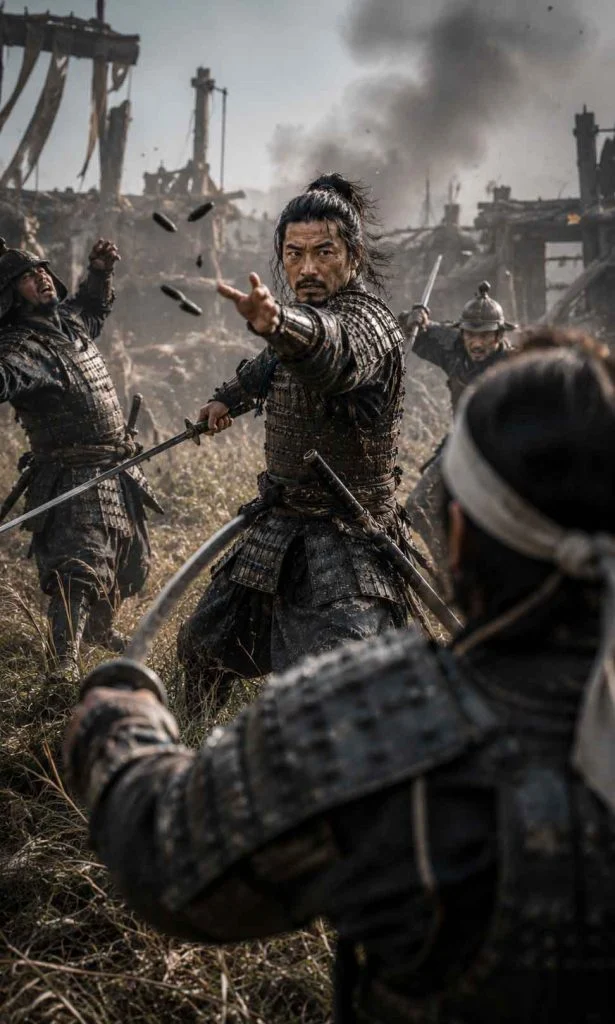
Ghost weapons are some of the most useful tools available to Jin, but beginners often make one of two mistakes. They either forget to use them entirely or spend upgrades across several tools before understanding which ones actually support their preferred approach.
There is no single Ghost weapon that every player must choose first. The best choice depends on the problem you want to solve.
Kunai – The Safest First Choice for Most Beginners
For a first playthrough, Kunai are one of the easiest Ghost weapons to recommend because their value is immediate and easy to understand.
They can interrupt enemies, create openings and help when multiple opponents begin surrounding Jin. Unlike more situational tools, Kunai do not require elaborate preparation. When a fight becomes chaotic, they can quickly give you enough breathing room to regain control.
Kunai are particularly useful if you:
- Prefer direct sword combat.
- Become overwhelmed by groups.
- Need an emergency opening to heal or reposition.
- Want a Ghost weapon that remains easy to use during fast encounters.
For many beginners, this makes Kunai the most practical first choice.
Smoke Bombs – Excellent for Stealth and Emergency Recovery
Smoke Bombs become especially valuable for players who enjoy stealth, but their usefulness extends beyond quiet infiltration.
When an encounter goes badly, smoke can disrupt enemy awareness and create an opportunity to escape, reposition or regain control. Depending on your progression and upgrades, Smoke Bombs can also support aggressive assassination strategies.
They are particularly useful if you:
- Prefer stealth.
- Frequently become surrounded.
- Want an emergency escape option.
- Enjoy controlling the pace of large encounters.
A new player who regularly enters camps quietly may receive more value from Smoke Bombs than from tools designed mainly for direct confrontation.
Sticky Bombs – Strong Against Dangerous Targets
Sticky Bombs provide a more explosive solution when a particular enemy or group is creating problems.
They can interrupt dangerous opponents and add significant pressure during crowded encounters. However, beginners may not use them as consistently as Kunai because they are more situational and can feel unnecessary during ordinary fights.
Consider prioritising them if you enjoy aggressive Ghost tactics or frequently struggle with tougher enemies inside larger groups.
Wind Chimes – Better for Patient Stealth Players
Wind Chimes are less immediately dramatic, but they become extremely useful for players who enjoy controlling enemy movement.
Rather than defeating an enemy directly, they help manipulate positioning. This can create safer assassination opportunities or pull guards away from crowded areas.
They are particularly useful if you:
- Enjoy observing enemy patrol routes.
- Prefer avoiding open combat.
- Like separating enemies before attacking.
- Want greater control over camp infiltration.
For a direct-combat player, however, they may receive far less use.
Black Powder Bombs – Powerful but Not Always the First Priority
Black Powder Bombs can be extremely effective against groups, but their explosive nature makes them more suitable for players who already understand how they want to approach larger encounters.
They are powerful, but power alone does not make something the best beginner investment.
If you repeatedly forget that a Ghost weapon exists, upgrading it provides little practical value.
Which Ghost Weapon Fits You?
⚔ Direct Fighter
Start with Kunai. Use them to interrupt enemies and regain control when fights become crowded.
🌫 Stealth Player
Prioritise Smoke Bombs. They support infiltration while also providing an emergency option when stealth fails.
🎯 Tactical Player
Experiment with Wind Chimes. Manipulating enemy positions can make difficult camps considerably easier.
💥 Aggressive Ghost
Consider explosive tools. They become increasingly useful when you want to disrupt groups quickly.
The Best Beginner Rule for Ghost Weapons
Do not ask which Ghost weapon is theoretically strongest.
Ask:
Which tool would I actually remember to use when a fight becomes difficult?
A fully upgraded weapon that remains unused contributes nothing to your build. A simple tool used consistently can change the outcome of dozens of encounters.
For most first-time players, Kunai provide the easiest starting point. Stealth-focused players may prefer Smoke Bombs, while more tactical players can gradually experiment with tools that manipulate enemy movement.
The objective is not to unlock the perfect arsenal immediately. It is to build a small collection of tools you understand well enough to use instinctively.
Fox Dens, Bamboo Strikes and Hot Springs – What Should You Prioritise?
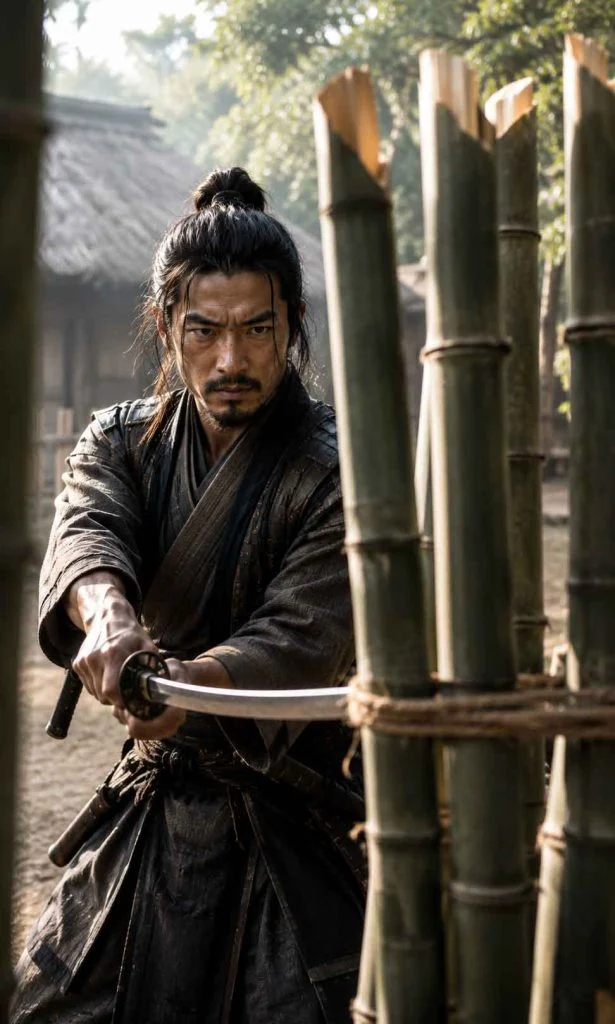
Tsushima contains many optional activities, but three of the most useful for beginners are Fox Dens, Bamboo Strikes and Hot Springs.
All three provide permanent benefits, which means time spent completing them can continue helping Jin long after the activity itself is finished.
However, you do not need to stop the story and search the entire island for every location immediately.
The better approach is to understand what each activity provides and prioritise the one that solves your current problem.
Bamboo Strikes – Best If You Need More Resolve
Bamboo Strikes increase Jin’s maximum Resolve after enough are completed.
Resolve is particularly valuable because it supports both survival and powerful combat techniques. If you frequently reach difficult encounters without enough resources to heal, additional Resolve can make mistakes considerably more forgiving.
Prioritise Bamboo Strikes if:
- You frequently need to heal during combat.
- You enjoy techniques that consume Resolve.
- Difficult fights leave you with few recovery options.
- You want a permanent improvement useful across almost every build.
For many beginners, Bamboo Strikes provide some of the clearest immediate value.
Hot Springs – Best If You Need More Health
Hot Springs gradually increase Jin’s maximum health.
The benefit is straightforward: more health gives you a larger margin for error.
They are especially useful for players learning parry timing or attempting harder difficulty settings, where a small number of mistakes can quickly become dangerous.
Prioritise Hot Springs if:
- You frequently die before having time to recover.
- You are still learning defensive timing.
- You prefer direct sword combat.
- You want a universal improvement requiring no special build.
Hot Springs also provide quieter moments of reflection, making them worth experiencing for reasons beyond the numerical health increase.
Fox Dens – Best for Building Your Charm Setup
Following foxes leads Jin toward Inari Shrines, which contribute to expanding and strengthening his Charm setup.
Charms can modify many aspects of gameplay, including combat, stealth, utility and exploration. Their flexibility makes Fox Dens particularly useful for players who enjoy experimenting with different builds.
Prioritise Fox Dens if:
- You want more flexibility from Charms.
- You enjoy changing builds for different situations.
- You frequently discover Fox Dens naturally while travelling.
- You want progression that supports multiple playstyles.
The main caution is repetition. You do not need to abandon your current objective every time a distant activity appears on the map.
Which One Should You Do First?
For a typical first-time player, a practical priority looks like this:
| Your Current Problem | Prioritise | Why |
|---|---|---|
| Running out of healing and techniques | Bamboo Strikes | Additional Resolve improves recovery and combat flexibility. |
| Dying too quickly | Hot Springs | More maximum health creates additional room for mistakes. |
| Wanting stronger build flexibility | Fox Dens | Charm progression supports different combat and exploration strategies. |
| Already comfortable in combat | Complete whatever appears naturally | There is no need to interrupt an enjoyable journey for unnecessary optimisation. |
Do Not Turn Tsushima Into a Checklist
This may be the most important exploration advice for a first playthrough.
The game deliberately uses wind, animals, smoke, landscape composition and distant landmarks to encourage natural discovery. If you immediately open the map after every activity and travel directly to the next icon, some of that atmosphere disappears.
A better rhythm is simple:
- Choose a story mission or Tale as your general destination.
- Travel toward it naturally.
- Follow interesting environmental cues along the way.
- Complete useful permanent upgrades when they appear nearby.
- Continue toward your original objective before exploration becomes repetitive.
This approach allows Jin to grow without turning the island into a list of chores.
The Simple Beginner Priority
If you are struggling to survive, look for Hot Springs. If you constantly run out of healing or technique resources, complete Bamboo Strikes. If combat already feels comfortable and you want greater build flexibility, follow nearby Fox Dens. If none of those problems are affecting you, simply continue exploring naturally.
Ghost of Tsushima does not require you to collect every permanent upgrade before progressing. The strongest first playthrough usually comes from responding to your own weaknesses. Strengthen health when survivability is the problem, increase Resolve when recovery is limited, and develop your Charm setup when you are ready to experiment more deeply with different builds.
Which Side Missions Are Worth Doing Early?
Ghost of Tsushima contains enough optional content that a new player can easily spend hours away from the main campaign. Some of that content provides valuable abilities, equipment or character development, while other activities are better treated as optional discoveries rather than urgent priorities.
The important distinction is not simply between main missions and side missions. It is between content that meaningfully strengthens your journey and content that can comfortably wait until you are in the mood to explore.
Prioritise Mythic Tales With Useful Rewards
Mythic Tales are among the most valuable optional activities because they often lead to distinctive abilities, equipment or techniques that can change how Jin approaches combat.
Unlike ordinary map activities, these quests usually feel like substantial adventures of their own. They combine storytelling, exploration and meaningful rewards, making them particularly worthwhile during a first playthrough.
You do not need to complete every Mythic Tale immediately after it becomes available. Instead, look at what problem you are currently trying to solve.
If you want stronger combat options, a Mythic Tale offering a useful technique may deserve immediate attention. If your current build already feels comfortable, you can continue the story and return later.
A practical beginner rule is:
When a Mythic Tale appears reasonably close to your current route, it is usually worth investigating.
Complete Character Tales for More Than Their Rewards
The side stories connected to important characters are easy to underestimate if you are focused entirely on Jin’s central campaign.
These Tales often provide useful resources, but their greater value comes from developing the people surrounding Jin and giving more context to the conflict across Tsushima. Completing at least some of them alongside the main story creates a more complete narrative experience than saving every character arc for post-game cleanup.
You do not need to finish an entire character storyline in one uninterrupted sequence. Alternating between the central campaign and character Tales often creates a better rhythm.
Rescue Activities Are Useful, but Do Not Chase Every One
Helping civilians and liberating occupied locations can provide resources, experience and information about nearby points of interest.
They are useful when they appear naturally along your route.
However, deliberately travelling across large sections of the map simply because another activity icon appeared can interrupt the story and make exploration feel mechanical.
Complete these activities when:
- They are close to your current destination.
- You need additional resources.
- You enjoy clearing enemy camps.
- You want to explore the surrounding region.
Leave them for later when:
- You are deeply invested in the current story sequence.
- You are beginning to feel tired of similar encounters.
- You already have enough resources for your immediate upgrades.
- Reaching the activity requires a large detour.
Do Not Clear an Entire Region Before Advancing the Story
Some players naturally enjoy completing every visible activity before moving to the next area. There is nothing wrong with that approach if completion itself is enjoyable.
The problem begins when a player feels obligated to clear everything.
Ghost of Tsushima is a large game. Attempting to remove every icon from the map before advancing can create unnecessary fatigue, particularly during a first playthrough. The main campaign also introduces new systems and progression opportunities, so remaining in one region for too long can delay mechanics that make later exploration more enjoyable.
A healthier rhythm is to complete enough side content that Jin feels prepared without requiring the map to look empty.
Early Side Content Priority
High Priority
Mythic Tales offering abilities or equipment that support your preferred playstyle.
Strong Priority
Character Tales that deepen important relationships and provide useful progression rewards.
Complete Naturally
Nearby camps, rescues and permanent upgrades encountered while travelling toward another objective.
Safe to Leave
Distant activities that require a large detour and do not currently support your progression goals.
The best side mission is therefore not always the closest icon. Prioritise content that improves your current build, develops characters you care about, or naturally fits the route you are already travelling. Everything else can wait.
How to Spend Supplies, Silk and Technique Points Without Regretting It
Ghost of Tsushima gives you enough resources to develop Jin extensively over a complete playthrough, but the early game can still create a sense of scarcity. New armour appears, weapon upgrades become available, bows need improvement, Ghost weapons expand, and several techniques compete for the same limited attention.
The solution is not to hoard everything indefinitely. It is to spend resources according to frequency of use.
Upgrade Your Katana Consistently
The katana remains useful regardless of whether you prefer stealth, archery or direct combat.
Even a stealth-focused player will eventually enter situations where sword fighting cannot be avoided. Because of that, katana upgrades provide dependable value throughout the game.
You do not necessarily need to purchase every upgrade the moment it becomes available, but your katana should rarely fall far behind your overall progression.
If you are unsure where to invest resources, improving the weapon you use in almost every major encounter is usually a safe decision.
Choose One Main Armour Set First
One of the easiest ways to drain early resources is upgrading several armour sets simultaneously.
Different armour sets support different activities, and later in the game you may enjoy switching between specialised setups. During the opening hours, however, you are better served by choosing one primary set that supports the way you play most often.
For example:
- Direct fighters should prioritise combat-focused benefits.
- Stealth players should invest in equipment supporting detection and assassination.
- Explorers may use travel-oriented equipment while roaming.
- Archers should favour bonuses that strengthen ranged play.
You can still collect and experiment with other armour. The important point is to avoid spending scarce upgrade materials equally across equipment you rarely wear.
Save Rare Materials Until Your Preferences Are Clear
Common resources are easier to replace than rarer upgrade materials.
Before spending a scarce material, ask:
- Do I use this equipment regularly?
- Does the next upgrade noticeably improve my preferred playstyle?
- Am I upgrading it because it is useful or simply because the upgrade is available?
That third question prevents a surprising amount of waste.
Games often train players to believe that every available upgrade should be purchased immediately. Ghost of Tsushima rewards more deliberate investment.
Spend Technique Points on Problems You Actually Have
Technique Points are most valuable when they remove friction from your current experience.
If you struggle with parrying, improve defensive options.
If shield enemies repeatedly slow you down, strengthen the relevant stance.
If stealth camps are becoming difficult, improve the tools supporting that approach.
If you constantly forget to use a particular ability, purchasing another upgrade for it is unlikely to transform your playstyle.
A useful question before spending any Technique Point is:
What happened during my last three difficult encounters?
The answer usually reveals what deserves improvement.
Upgrade Carrying Capacity for Tools You Use Frequently
Increasing capacity can be extremely useful, but only when you regularly consume the item being expanded.
If Kunai repeatedly save you during difficult fights, carrying more of them can provide genuine value. If you rarely use a particular Ghost weapon, increasing its capacity simply creates more inventory for an item you continue ignoring.
The same principle applies throughout the progression system: frequency of use should guide investment.
Do Not Confuse More Upgrades With a Better Build
A strong build is not one where everything has been improved equally.
It is one where the equipment, techniques, Charms and tools support one another.
A direct-combat build may focus on survivability, Resolve and sword performance. A stealth build may emphasise detection, assassination and Ghost tools. A ranged build may invest more heavily in concentration and ammunition.
The more clearly your upgrades support the same playstyle, the more noticeable their combined effect becomes.
Before You Spend an Upgrade
Do I Use It?
Regularly used equipment deserves investment before items that remain in your inventory.
Does It Solve a Problem?
The best early upgrades remove difficulties you are already experiencing.
Is the Material Rare?
Think more carefully before spending scarce materials on experimental equipment.
Does It Fit My Build?
Upgrades become more powerful when several bonuses support the same playstyle.
A Simple Early Upgrade Order
If you still feel uncertain, use this as a flexible starting point:
- Keep your katana reasonably upgraded.
- Invest in one armour set you regularly wear.
- Spend Technique Points on defence and stance progression.
- Upgrade the Ghost weapon or ranged tool you actually use most.
- Improve carrying capacity only for frequently used items.
- Save rarer materials until your preferred equipment becomes clear.
This is not a mandatory build order. It is a safeguard against spreading resources too widely before you understand what type of player you want to become.
The good news is that Ghost of Tsushima does not require perfect optimisation. A few imperfect purchases will not ruin your playthrough. Thoughtful spending simply helps the early game feel smoother and ensures that each major upgrade produces a benefit you can actually notice.
Armour and Charm Advice for Beginners
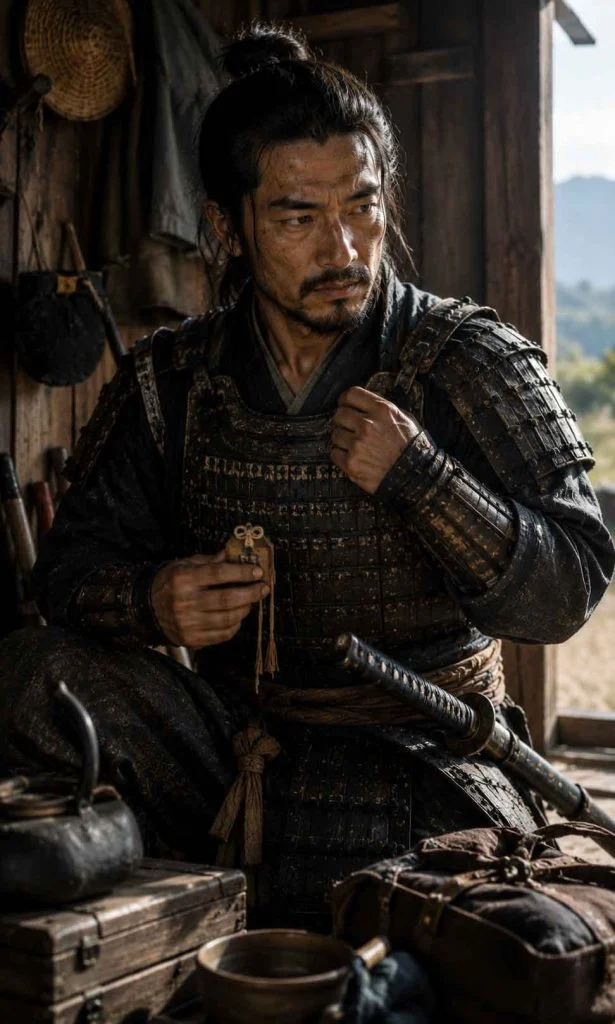
Armour in Ghost of Tsushima is not simply a progression ladder where every new set automatically replaces the one that came before it. Different armour sets support different activities, and one of the most useful habits a beginner can develop is learning to change equipment according to the situation.
The armour that helps you explore the island may not be the best choice for a duel. A set designed for stealth may provide little value during a direct confrontation, while combat-focused equipment can be unnecessary when you are simply travelling and searching for discoveries.
This flexibility means you do not need to find one universally perfect armour set. You need a small number of useful setups that match the activities you actually enjoy.
Use Exploration Armour While Travelling
When you are moving between missions, searching unfamiliar areas or following environmental clues, exploration-focused equipment can provide more value than additional combat power.
The Traveller’s Attire is particularly useful for players who enjoy discovering the island and searching for collectibles. You can wear it while travelling and switch to a combat-oriented set before entering a major confrontation.
Some beginners avoid changing armour because they assume equipment should remain fixed once a build has been chosen. Ghost of Tsushima is more flexible than that. Switching equipment according to the situation is part of using the available systems effectively.
A simple approach is:
- Exploration equipment while travelling.
- Combat equipment before difficult fights.
- Stealth equipment when infiltrating camps.
- Specialised equipment when pursuing a specific build.
You do not need a complicated loadout for every possible encounter. Even switching between two reliable setups can make a noticeable difference.
Upgrade the Armour You Actually Wear
New armour can be exciting, but unlocking a set does not mean you need to upgrade it immediately.
Before spending valuable materials, wear the armour for several encounters and ask whether its bonuses genuinely support your behaviour.
If you constantly forget about the set’s main benefit, it may not deserve your limited resources yet.
For example, an armour set built around direct confrontation is more valuable to a player who regularly fights openly than to someone who enters every camp through stealth. Likewise, stealth bonuses provide limited value if you repeatedly abandon infiltration and challenge enemies directly.
Upgrade according to use, not collection.
Do Not Be Afraid to Change Armour Before a Duel
Duels place greater emphasis on direct sword combat than ordinary exploration or camp encounters.
If your current armour is primarily designed for travelling, stealth or archery, switching to a more suitable combat setup before a difficult duel can improve survivability and make your existing skills more effective.
Changing equipment is not an admission that your build has failed. It is simply preparation.
The same principle applies to Charms.
A general exploration setup may be convenient while roaming, but a difficult duel may justify temporarily equipping bonuses that support health, Resolve, defence or direct melee combat.
Understand What Charms Are Doing
Charms can become easy to ignore because their effects are less visually obvious than a new weapon or armour upgrade.
However, a well-organised Charm setup can meaningfully strengthen a particular playstyle.
The mistake is equipping Charms simply because they sound individually powerful.
Instead, look for combinations that support the same goal.
For Direct Sword Combat
Consider bonuses that support:
- Melee performance.
- Resolve generation.
- Health or survivability.
- Parrying and defensive play.
- Benefits triggered by successful combat actions.
For Stealth
Consider bonuses that support:
- Reduced detection.
- Assassination.
- Ghost weapons.
- Enemy control.
- Recovering when infiltration fails.
For Archery
Consider bonuses that support:
- Ranged damage.
- Accuracy.
- Concentration.
- Ammunition efficiency.
- Benefits triggered by ranged attacks.
For Exploration
Consider utility bonuses that make travelling, collecting or discovering activities more convenient.
The objective is synergy. Several modest bonuses supporting the same behaviour can be more useful than a collection of unrelated effects.
Review Your Charms Occasionally
You do not need to reorganise your Charm setup after every new discovery.
However, it is worth reviewing your equipment when:
- You unlock a significant new Charm.
- Your preferred playstyle changes.
- You obtain a new armour set.
- A particular type of encounter becomes difficult.
- You move from general exploration into a demanding combat sequence.
Many players collect useful Charms and then forget they exist. A quick review every few hours can reveal improvements without requiring additional grinding.
A Simple Beginner Equipment System
Exploring
Use equipment that supports discovery and travel while moving through unfamiliar areas.
Fighting
Switch to armour and Charms that improve survivability, Resolve or direct combat.
Infiltrating
Use stealth-oriented bonuses when clearing camps quietly or controlling enemy awareness.
Struggling
Change equipment before lowering the difficulty. Your current setup may simply be poorly matched to the encounter.
The best beginner equipment strategy is therefore not to search for one armour set that solves everything. Build around the activity in front of you, invest most heavily in equipment you genuinely use, and review your Charms when your needs change.
When Should You Start Iki Island?
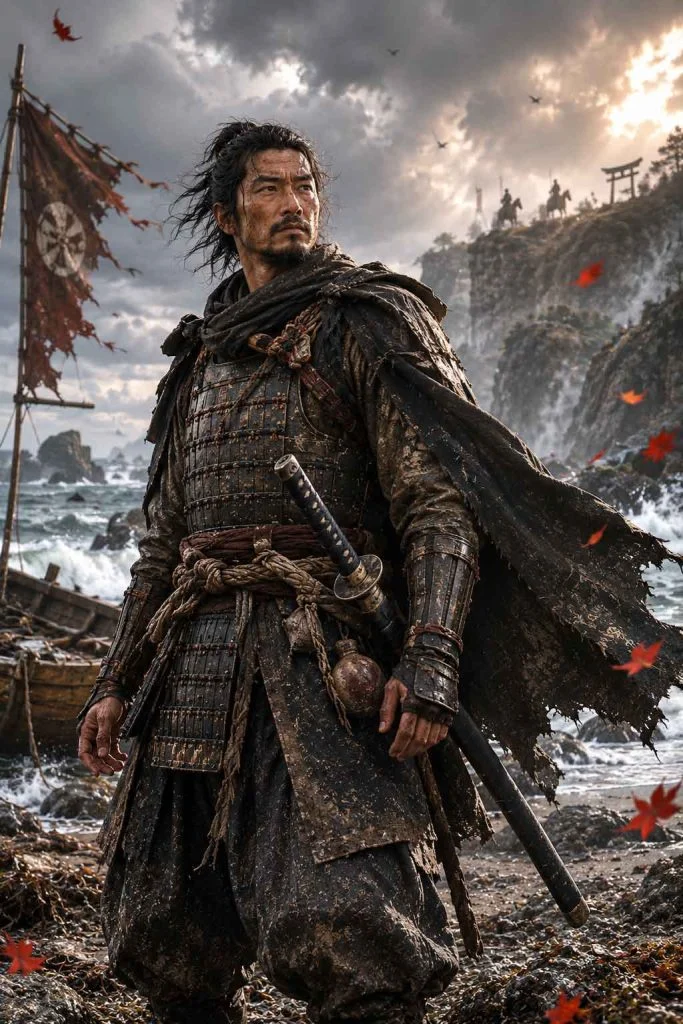
For most first-time players, the best answer is simple:
Finish the main Ghost of Tsushima story before beginning Iki Island.
If you want a broader explanation of what the expansion adds, our Ghost of Tsushima Director’s Cut review examines Iki Island as part of the complete package and explains who benefits most from the additional content.
The game may allow access to the expansion earlier, but availability does not necessarily mean that is the ideal moment to begin it.
Iki Island was created as additional content for Ghost of Tsushima Director’s Cut, and it introduces a more demanding environment alongside story material that generally carries greater weight once you understand Jin’s journey.
Why Beginners Should Usually Wait
There are three main reasons to delay Iki Island during a first playthrough.
If you want a broader explanation of what the expansion adds, our Ghost of Tsushima Director’s Cut review examines Iki Island as part of the complete package and explains who benefits most from the additional content.
1. The Story Works Better With More Context
Iki Island explores parts of Jin’s personal history and identity that become more meaningful after you have spent substantial time with him.
Beginning the expansion too early can weaken some of that emotional context. Even when the game accommodates different progression states, a player who already understands Jin’s central journey is better positioned to appreciate what the expansion is trying to explore.
2. The Combat Is More Demanding
Iki Island introduces encounters that expect players to understand the core combat systems.
By the time you finish the main campaign, you should have:
- More health.
- More Resolve.
- Better armour.
- Stronger weapons.
- More combat stances.
- Greater familiarity with parrying and dodging.
- A clearer understanding of your preferred build.
Those advantages make the expansion feel challenging rather than unnecessarily frustrating.
3. Leaving Tsushima Can Interrupt Your Momentum
A first playthrough already contains a large central story, numerous character Tales and substantial exploration.
Leaving for a major expansion while you are deeply invested in the main campaign can interrupt the narrative rhythm. Finishing Jin’s central journey first gives Iki Island a clearer role: it becomes another substantial chapter rather than a long diversion from an unfinished story.
The Recommended First-Playthrough Order
For most beginners, I recommend this sequence:
- Begin the main campaign.
- Mix story missions with character Tales and useful exploration.
- Complete important Mythic Tales.
- Build a reliable combat and equipment setup.
- Finish the main story.
- Travel to Iki Island.
- Return for remaining completion activities or begin New Game+ if desired.
This order is not mandatory, but it creates the smoothest overall progression for a first-time player.
When Starting Iki Island Earlier Can Make Sense
There are exceptions.
You may want to begin earlier if:
- You are replaying the game and already know the main story.
- You deliberately want access to expansion content sooner.
- Your character is already strongly upgraded.
- You are comfortable with more demanding encounters.
- You do not mind temporarily interrupting the main campaign.
Experienced players have more freedom because they already understand the systems and narrative context. The recommendation to wait is primarily for people experiencing Ghost of Tsushima for the first time.
Should You Go to Iki Island Yet?
Wait Until Later If…
- This is your first playthrough.
- You are still learning stance switching.
- Your equipment remains lightly upgraded.
- You are deeply invested in the main story.
- Ordinary combat still feels difficult.
Consider Going Earlier If…
- You are replaying the game.
- You already know the main story.
- Your build is well developed.
- You actively want the expansion content now.
- You are comfortable with tougher encounters.
Best choice for most beginners: Complete Jin’s main story first, then treat Iki Island as the next major chapter of your journey.
You are not playing incorrectly if you visit Iki Island earlier. Ghost of Tsushima gives players freedom for a reason. However, for a first playthrough, waiting until after the main campaign usually creates the strongest combination of narrative context, character progression and combat readiness.
The expansion will still be there when Jin is ready for it.
Beginner Mistakes That Make Ghost of Tsushima Harder Than It Needs to Be
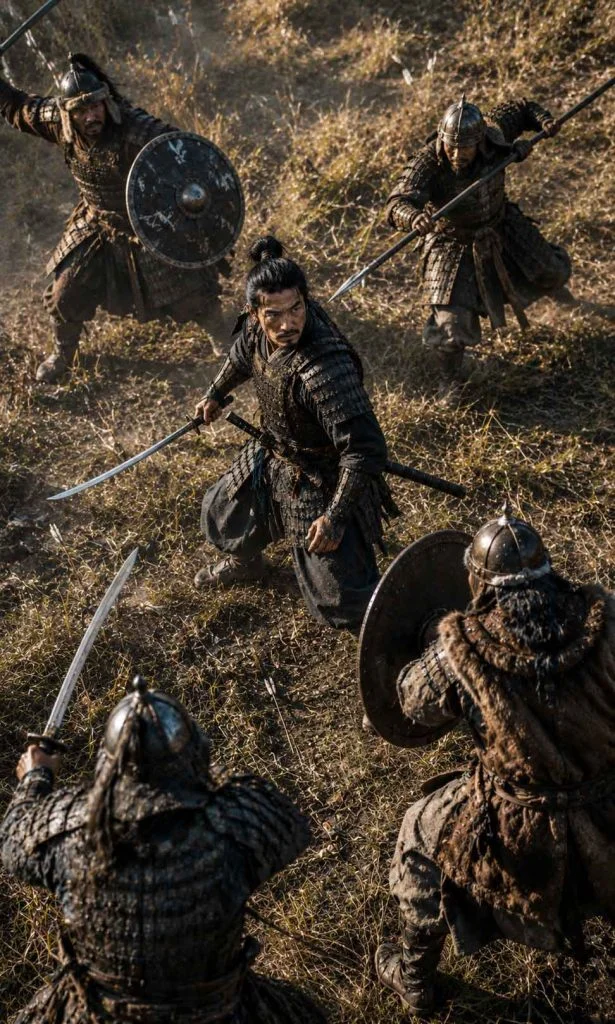
Ghost of Tsushima gives players considerable freedom, which is one of its greatest strengths. That freedom also means the game rarely stops you from developing habits that make combat more frustrating, progression less efficient, or exploration more repetitive.
Most beginner mistakes are not permanent. You cannot easily ruin a playthrough by choosing the wrong technique or upgrading an imperfect armour set. The more common problem is spending hours fighting against systems the game expects you to use.
Avoiding the following mistakes can make your first journey considerably smoother.
Mistake 1 – Attacking Constantly Instead of Reading the Enemy
One of the most common early mistakes is treating every encounter as a race to attack first.
Ghost of Tsushima rewards aggression when the opportunity is right, but repeatedly pressing attack without observing the enemy often leads to interrupted combos, unnecessary damage and wasted Resolve.
A stronger approach is to watch the opponent.
Look for:
- The beginning of an attack animation.
- Whether the attack can be blocked.
- Whether you should parry or dodge.
- The enemy’s weapon type.
- Whether another enemy is approaching from outside your view.
You do not need perfect reflexes to become effective. You need enough patience to recognise what is happening before committing to another attack.
Mistake 2 – Staying in One Stance for Every Enemy
Unlocking a new stance is only useful if you remember to use it.
Many beginners become comfortable with Stone Stance and continue using it against shields, spears and brutes even after better counters become available. The result is slower guard breaking and fights that feel more difficult than they should.
Remember the basic relationship:
- Stone Stance – swordsmen.
- Water Stance – shield users.
- Wind Stance – spearmen.
- Moon Stance – brutes.
You can still defeat enemies with an imperfect stance, but using the correct one is usually faster and more reliable.
If a normal enemy suddenly feels unusually difficult, check your stance before assuming you need better equipment.
Mistake 3 – Ignoring Archers During Large Fights
Archers can turn a manageable encounter into a frustrating one because they continue applying pressure while you are focused on enemies directly in front of you.
When possible, identify ranged enemies early.
Depending on the situation, you can:
- Eliminate them before entering open combat.
- Close the distance quickly.
- Use your own ranged weapon.
- Reposition so environmental cover blocks their attacks.
- Use Ghost tools to create an opening.
The important lesson is not to leave them completely unattended while fighting several melee opponents.
Removing ranged pressure can make the rest of the encounter considerably easier.
Mistake 4 – Saving Every Ghost Weapon for Later
Some players collect Kunai, bombs and other tools but rarely use them because they are waiting for a more difficult encounter.
Then the inventory remains full for hours.
Ghost weapons are designed to be used.
If several enemies surround you, use a tool.
If stealth fails, use a tool.
If a dangerous enemy is creating problems, use a tool.
You will find and purchase more supplies throughout the game. A resource that prevents a defeat is usually more valuable than one preserved indefinitely in your inventory.
Mistake 5 – Spending Technique Points Everywhere
Ghost of Tsushima offers many attractive upgrades, and spreading Technique Points across multiple categories can feel like a balanced approach.
Early in the game, however, this can leave you with many partially developed systems and no clear strengths.
Before spending a Technique Point, think about the last few encounters you played.
Were you struggling to parry?
Were shield enemies slowing you down?
Did stealth repeatedly fail?
Did you run out of Resolve?
Your recent problems provide better upgrade guidance than a generic “best skills” list.
Mistake 6 – Upgrading Every Armour Set
Collecting armour and upgrading armour are two different things.
You can enjoy discovering new equipment without immediately investing rare materials into every set. During the early game, choose one or two sets that support activities you perform regularly.
A practical combination might be:
- One set for exploration.
- One set for difficult combat.
Later, when resources become more plentiful, you can develop specialised equipment for stealth, archery or other playstyles.
Upgrading everything immediately can delay improvements to the equipment you actually use.
Mistake 7 – Clearing Every Map Icon Before Continuing the Story
Completionists may enjoy fully clearing a region before moving forward, but new players should not assume this is required.
The danger is not that you will become too powerful. The greater risk is fatigue.
Repeatedly moving from icon to icon can make a beautifully designed open world begin feeling like a checklist. Meanwhile, the main campaign introduces new story developments, mechanics and opportunities that can refresh the experience.
If exploration remains enjoyable, continue.
If it begins feeling like work, return to the story.
The map does not need to be empty before you are allowed to move forward.
Mistake 8 – Fast Travelling Everywhere
Fast travel is convenient, particularly when returning to previously visited areas, but using it constantly can cause you to miss much of what makes Tsushima memorable.
Travelling naturally allows you to encounter:
- Foxes.
- Golden birds.
- Smoke in the distance.
- Random encounters.
- Shrines.
- Scenic locations.
- Resources.
- Unexpected side activities.
You do not need to avoid fast travel completely. Use it when crossing large distances or returning to familiar locations, but allow yourself to ride through unexplored areas.
Some of the game’s strongest moments happen between objectives.
Mistake 9 – Following Guides So Closely That Nothing Feels Discovered
Beginner guidance can prevent frustration, but there is a point where optimisation begins removing the experience it was supposed to improve.
If you already know:
- Every reward.
- Every hidden location.
- Every best build.
- Every story outcome.
- Every optimal mission order.
Then much of the curiosity disappears.
Use guides to understand systems and solve genuine problems. Leave room for the island to surprise you.
A first playthrough only happens once.
Mistake 10 – Going to Iki Island Too Early
The game may allow you to access Iki Island before finishing the main campaign, but most first-time players are better served by waiting.
Going early can create three problems:
- Tougher encounters arrive before your build is fully developed.
- The expansion interrupts the momentum of the main campaign.
- Some of its character material carries greater weight with more story context.
Experienced players and repeat playthroughs have more flexibility. Beginners should generally complete Jin’s central journey first.
Mistake 11 – Refusing to Change Difficulty
Difficulty settings exist to help players find the experience they enjoy.
If combat becomes consistently frustrating, changing the difficulty is not failure. Likewise, if battles become too easy after Jin grows stronger, increasing the challenge can restore tension.
Before changing difficulty, check:
- Are you using the correct stance?
- Is your katana upgraded?
- Are you using Ghost weapons?
- Are your Charms supporting your build?
- Are you entering difficult fights with enough Resolve?
If those systems are being used properly and the experience still feels wrong, adjust the difficulty.
The best setting is the one that keeps you engaged.
Mistake 12 – Forgetting That the Goal Is to Enjoy the Journey
This may sound obvious, but open-world games can create a strange pressure to become efficient.
Players begin measuring progress by:
- Percentage completed.
- Icons removed.
- Trophies earned.
- Equipment upgraded.
- Hours spent.
Those systems can be enjoyable, but they are not the only reason to play.
Stop occasionally.
Use Photo Mode.
Walk instead of riding.
Follow a bird without knowing where it leads.
Watch the weather change.
Listen to the environment.
Ghost of Tsushima is at its best when progression and atmosphere support each other.
If the Game Suddenly Feels Too Hard
Check Your Stance
Make sure you are using the appropriate stance for the enemy type causing problems.
Check Your Equipment
Review your armour, Charms and weapon upgrades before assuming your skill is the problem.
Use Your Tools
Kunai, smoke and other Ghost tools exist to help when direct sword combat becomes difficult.
Change the Difficulty
If frustration continues, adjust the challenge and return to enjoying the journey.
Most beginner mistakes in Ghost of Tsushima come from ignoring the flexibility the game gives you. Change stances. Change armour. Use Ghost weapons. Leave optional activities unfinished. Adjust the difficulty. Return to a difficult encounter later.
The game rarely expects one perfect solution.
It gives you a growing collection of tools and asks you to learn when each one is useful. Once you stop trying to solve every problem in the same way, both combat and exploration become considerably more rewarding.
What Experienced Players Wish They Knew Before Starting
Official guides can explain mechanics, but experienced players often provide a different kind of value. After finishing the game, many look back and realise that the most useful lessons were not about finding one perfect build or completing activities in an exact order. They were about understanding how Ghost of Tsushima is designed to be played.
Across player discussions, several themes appear repeatedly: learn parrying instead of relying only on aggression, unlock and actually use the different stances, avoid turning the map into a compulsory checklist, complete useful permanent upgrades as you encounter them, and leave enough of the game unexplained that exploration can still surprise you.
Not every piece of community advice should be treated as a rule. Some recommendations reflect individual playstyles rather than universal truths. The most useful approach is to separate broadly helpful advice from choices that depend on the kind of player you are.
Community Consensus 1 – Learn the Combat Instead of Trying to Out-Level It
One of the strongest recurring lessons from experienced players is that understanding combat mechanics matters more than simply collecting upgrades.
A stronger katana helps.
Better armour helps.
More health helps.
None of them completely replaces the need to recognise attacks, switch stances and respond appropriately.
Players who initially struggle often improve dramatically once they stop attacking continuously and begin treating combat as a conversation between offence and defence. Watch the enemy, respond to the attack, create an opening, and then apply pressure.
This is particularly important because the game introduces different enemy types specifically to prevent one repeated strategy from solving every encounter.
Community takeaway: If ordinary enemies feel much harder than expected, review your combat habits before assuming you need to grind for more upgrades.
Community Consensus 2 – Unlocking a Stance Is Not the Same as Learning It
Players frequently recommend unlocking all four main stances, but the deeper lesson is to become comfortable switching between them during combat.
A new player may understand intellectually that Water Stance is useful against shields while still forgetting to switch when a fight becomes chaotic.
That habit takes time.
The objective is not to memorise a complicated combat chart. It is to build simple recognition:
- Sword enemy – Stone.
- Shield enemy – Water.
- Spear enemy – Wind.
- Brute – Moon.
Once this becomes instinctive, encounters involving mixed enemy groups become far easier to manage.
Community takeaway: Do not judge a stance only by whether you have unlocked it. Judge it by whether you remember to use it when the correct enemy appears.
Community Consensus 3 – Do Not Rush Through Every Story Mission
Many experienced players encourage newcomers to slow down enough to experience character Tales, Mythic Tales and natural exploration.
This does not mean completing every map icon before continuing the story.
The more common recommendation is balance.
Advance the main campaign, then allow yourself to become distracted occasionally. Follow a fox. Investigate smoke. Complete a character Tale. Pursue a Mythic Tale that sounds interesting. Then return to Jin’s central journey before optional content begins feeling repetitive.
Community takeaway: The main story gives the journey direction, while optional content gives the island texture. Most first playthroughs benefit from both.
Community Consensus 4 – Do Not Clear the Map Because You Feel Obligated
Completionist behaviour divides players more than almost any other topic.
Some genuinely enjoy clearing every activity in a region before moving forward. Others find that doing so creates fatigue long before the story ends.
The useful community lesson is not that one approach is correct.
It is that completion should remain voluntary.
If clearing the map is satisfying, continue. If you notice yourself completing activities only because an icon remains visible, move on.
Ghost of Tsushima allows unfinished content to remain available. You do not need to turn exploration into work.
Community takeaway: Continue optional content while curiosity is pulling you forward. Return to the story when obligation replaces curiosity.
Community Consensus 5 – Use Ghost Weapons Instead of Saving Them Forever
Many players admit that they initially treated Ghost weapons like rare emergency items.
They saved Kunai.
They saved bombs.
They saved smoke.
Then they reached the end of encounters with full inventories.
These tools are part of Jin’s combat system, not collectibles to preserve.
Using a Ghost weapon to interrupt a dangerous enemy, control a group or recover from a failed plan is exactly what the system is designed for.
Community takeaway: If a tool regularly sits at maximum capacity, you are probably being too conservative with it.
Community Consensus 6 – Follow the World, Not Only the Map
One of the most distinctive aspects of Ghost of Tsushima is the way environmental cues replace some traditional interface elements.
The Guiding Wind points toward objectives.
Foxes lead toward shrines.
Golden birds attract attention.
Smoke suggests activity in the distance.
Landscape composition itself often encourages curiosity.
Experienced players frequently recommend allowing these systems to guide exploration instead of constantly opening the map and travelling from icon to icon.
Community takeaway: Choose a destination, but allow the journey toward it to change.
Community Consensus 7 – Avoid Spoilers During the First Playthrough
This recommendation appears in many forms, but the reasoning is consistent.
Ghost of Tsushima is not a game that requires advance knowledge to avoid permanently ruining a character build. You can make imperfect choices and continue comfortably.
Because of that, there is little reason to sacrifice story surprises simply to follow the most optimised route.
Use a guide to understand:
- A confusing mechanic.
- A difficult combat system.
- A progression decision.
- A location you genuinely cannot find.
Be more careful with:
- Story summaries.
- Character discussions.
- Ending explanations.
- Videos with spoiler-heavy thumbnails.
- Searches about major characters before finishing their arcs.
Community takeaway: Learn enough to avoid frustration, but not so much that the island loses its ability to surprise you.
Advice That Depends on Your Playstyle
Some popular recommendations are useful but should not be treated as universal.
“Clear the Entire First Region”
This works well for dedicated completionists.
It may be exhausting for story-focused players.
Better advice: Clear as much as remains enjoyable.
“Always Wear the Traveller’s Attire”
Useful for exploration and collectible hunting.
Less useful during difficult direct combat.
Better advice: Wear it while exploring and switch when the situation changes.
“Use Stealth as Much as Possible”
Excellent for players who enjoy infiltration.
Unnecessary for players who prefer open sword combat.
Better advice: Learn both systems, then use the one that makes each encounter more enjoyable.
“Play on the Hardest Difficulty”
A stronger challenge can make combat more intense for experienced action-game players.
It can also make a first playthrough unnecessarily frustrating.
Better advice: Choose the difficulty that keeps combat demanding without making you want to stop playing.
“Complete Every Side Mission Before the Story”
This can produce a comprehensive narrative experience, but it may also interrupt the momentum of the central campaign.
Better advice: Prioritise character Tales and Mythic Tales that interest you, then leave lower-priority activities for later.
Advice Beginners Can Safely Ignore
Not every strong opinion from an experienced player needs to shape your first playthrough.
You can safely ignore claims that:
- There is only one correct build.
- One armour set makes every other set pointless.
- You must complete activities in a specific order.
- Using Ghost weapons makes combat less legitimate.
- Lowering the difficulty means you are playing incorrectly.
- You must achieve full completion to properly experience the game.
- You need to optimise every Technique Point from the beginning.
Ghost of Tsushima is flexible enough to support different types of players. The best first playthrough is not necessarily the most efficient one.
The First-Time Player Community Compass
When different players give you conflicting advice, use these four questions to decide whether the recommendation actually fits your journey.
Does It Solve a Problem?
Advice is most useful when it addresses something that is genuinely making your playthrough difficult.
Does It Fit My Playstyle?
A powerful stealth recommendation may have little value if you prefer direct sword combat.
Will It Spoil Discovery?
Some optimisation is not worth losing a memorable first-time discovery or story surprise.
Am I Still Having Fun?
If following advice makes the game feel like work, the advice is no longer helping you.
The most useful lesson from experienced players is therefore surprisingly simple: Ghost of Tsushima becomes better when you understand its systems without trying to control every moment of the journey.
Learn to parry. Use the correct stance. Spend your tools. Explore when curiosity pulls you away from the road. Continue the story when optional content begins feeling repetitive. Most importantly, leave enough uncertainty that Tsushima can still surprise you.
A guide should help you feel more confident when you put it down. It should not make you afraid to play without it.
Build Your Personal First 10 Hours Plan
Two players can begin Ghost of Tsushima at the same time and need completely different advice after only a few hours.
One player may understand sword combat but spend too many resources upgrading armour they rarely wear. Another may explore extensively but struggle because they have ignored stance progression. A third may be rushing through the main story without collecting enough health or Resolve improvements, while a completionist may already be turning the first region into a checklist.
This is why a fixed beginner roadmap can only go so far.
The First 10 Hours Planner™ looks at where you are now rather than assuming every new player has the same problem. Tell the planner how long you have played, what is making the game difficult, how you prefer to fight, which stances you have unlocked and how you have been spending your time. It will then create a personalised early-game roadmap based on the areas that deserve your attention next.
The report is designed to answer practical questions such as:
- What should I do next?
- Am I progressing too quickly or too slowly?
- Which skill area deserves my next Technique Points?
- Should I focus on combat, exploration or the main story?
- Am I spreading my upgrades too widely?
- Which permanent improvements would help me most?
- Am I ready for Iki Island?
- What should my next five hours look like?
The goal is not to give every player the same optimal route. It is to identify the gap between how you are currently playing and what would make your next few hours more enjoyable.
First 10 Hours Planner™
Create a personalised Ghost of Tsushima beginner roadmap based on your current progress, combat problems, exploration habits and preferred playstyle.
Insert the interactive planner directly below this introduction.
After generating your report, continue to the final beginner checklist below.
Why Your Plan Should Change as You Play
Your first result should not remain permanently correct.
A player struggling with parrying at hour three may become confident by hour eight. Someone who initially ignored exploration may later have enough combat ability but too little Resolve. A story-focused player may eventually decide to pursue full completion.
For that reason, your report should include a Return Checkpoint.
After approximately five more hours of play, return to the planner and update your answers. Your next roadmap should reflect the player you have become rather than the beginner you were when you first started.
That creates a simple progression cycle:
Tell the planner where you are now.
Receive priorities for your next five hours.
Use the advice that fits your journey.
Update your progress and generate a new plan.
The planner should never tell you that there is only one correct way to play. Its purpose is to identify the systems you may be neglecting, highlight where your current habits are creating unnecessary difficulty, and give you a manageable set of priorities for the next stage of your journey.
Final Beginner Checklist

Before you disappear into the fields, forests and coastlines of Tsushima, use this checklist as a final reminder of what actually matters during a first playthrough.
You do not need to complete every item immediately. The purpose is to help you recognise whether an important part of your progression has been overlooked.
Your Ghost of Tsushima Beginner Checklist
Combat Foundation
- Practise blocking, dodging and parrying.
- Learn which stance counters each enemy type.
- Switch stances instead of forcing one approach.
- Deal with archers before they control the fight.
- Use Ghost weapons when encounters become difficult.
Character Progression
- Keep your katana reasonably upgraded.
- Invest in one main armour path first.
- Spend Technique Points on problems you actually experience.
- Complete Bamboo Strikes if you need more Resolve.
- Visit Hot Springs if survivability is your weakness.
Exploration
- Follow foxes and environmental clues when they appear naturally.
- Allow the Guiding Wind to replace constant map checking.
- Investigate Mythic Tales that support your playstyle.
- Do not feel obligated to clear every map icon.
- Use fast travel without allowing it to replace exploration entirely.
Your First Playthrough
- Mix the main story with meaningful side content.
- Avoid major story spoilers whenever possible.
- Change armour and Charms when the situation changes.
- Adjust the difficulty if frustration replaces enjoyment.
- For most first-time players, save Iki Island until after the main story.
If You Remember Only Five Things
If the rest of this guide eventually disappears from memory, keep these five principles:
1. Learn to Defend Before Chasing More Damage
Parrying, dodging and recognising enemy attacks will help you throughout the entire game. Equipment can strengthen Jin, but good defensive habits make every upgrade more effective.
2. Use the Correct Stance
When an enemy feels unnecessarily difficult, check whether you are using the right stance before changing your entire build.
3. Spend Resources on What You Actually Use
Upgrade the armour, tools and abilities that already support your preferred playstyle. Do not spend valuable materials simply because another upgrade button is available.
4. Let Exploration Happen Naturally
Choose a destination, but allow foxes, birds, smoke, shrines and unexpected encounters to change the journey along the way.
5. Do Not Turn Your First Playthrough Into Homework
You do not need the perfect build.
You do not need every collectible.
You do not need to clear every region before continuing.
You do not need to play on someone else’s preferred difficulty.
A first playthrough should still contain uncertainty.
Your Journey Does Not Need to Be Perfect
Ghost of Tsushima becomes easier to understand once you stop searching for one perfect way to play it.
The game gives you a sword, but it also gives you stealth.
It gives you armour, but encourages you to change it.
It gives you a large map, but asks you to watch the wind instead.
It gives you dozens of upgrades, but only a handful will matter to the way you personally approach each encounter.
That flexibility is the real foundation of a strong first playthrough.
If combat is difficult, strengthen the system causing the problem. If exploration becomes repetitive, return to the story. If the main campaign feels too intense, follow a fox or investigate a distant column of smoke. If a guide begins telling you more than you wanted to know, close it and continue discovering the island for yourself.
The best beginner advice is not a command to follow one route.
It is permission to adapt.
Use the correct stance when an enemy blocks your progress. Spend your Ghost weapons instead of saving them forever. Upgrade equipment that supports the way you actually play. Complete side content because it interests you, not because an icon is still visible on the map.
For most first-time players, the opening ten hours should be about building confidence rather than chasing completion. Learn the combat, strengthen Jin gradually, explore without turning the island into a checklist, and allow the main story to keep pulling you forward.
Then, after another five hours, return to the First 10 Hours Planner™ and update your checkpoint.
The player who returns will not be the same player who started.
Your weaknesses may have changed. Your preferred combat style may have evolved. The activity you once ignored may now be exactly what your build needs.
That is when a beginner guide has done its job.
You no longer need someone to tell you exactly where to go next.
You understand enough of Tsushima to choose for yourself.
⭐ FAQs
What should I do first in Ghost of Tsushima?
Start by learning blocking, dodging and parrying, then begin unlocking combat stances and completing useful permanent upgrades such as Bamboo Strikes, Hot Springs and nearby Fox Dens. Mix the main story with meaningful side content rather than trying to clear every map icon immediately.
What are the best early skills in Ghost of Tsushima?
The best early skills are usually defensive techniques, stance improvements and abilities that solve problems you regularly experience. Beginners should build a reliable foundation around parrying, dodging, stance switching and Resolve before investing heavily in a specialised stealth, archery or direct-combat build.
Which stance should I use in Ghost of Tsushima?
Use Stone Stance against swordsmen, Water Stance against shield enemies, Wind Stance against spearmen and Moon Stance against brutes. Learning to switch stances according to the enemy type is one of the most important combat habits for beginners.
Which Ghost weapon should I unlock first?
Kunai are a practical first choice for many beginners because they can interrupt enemies and create breathing room during crowded fights. Stealth-focused players may prefer Smoke Bombs, while tactical players may get more value from tools that help manipulate enemy positions. The best first Ghost weapon is usually the one you will remember to use regularly.
Should I complete every side mission in Ghost of Tsushima?
No. Prioritise Mythic Tales, character Tales and useful activities that naturally fit your route or progression goals. You can leave distant camps, collectibles and other optional activities for later if clearing the map begins to feel repetitive.
Should I clear the first region before continuing the story?
You do not need to clear the entire first region before advancing. Completionists may enjoy doing so, but most beginners benefit from mixing exploration with story progression. Continue optional activities while they remain enjoyable, then return to the main campaign when exploration begins feeling like a checklist.
Should I upgrade my katana or armour first?
Your katana is a reliable early investment because it remains useful across almost every playstyle. You should also develop one armour set that supports the way you play most often rather than spreading scarce materials across every armour set immediately.
Are Fox Dens, Bamboo Strikes or Hot Springs more important?
The best choice depends on what your character currently needs. Prioritise Bamboo Strikes if you need more Resolve, Hot Springs if you need greater survivability, and Fox Dens if you want to develop your Charm setup. If combat already feels comfortable, complete whichever activities you encounter naturally.
When should I start Iki Island?
Most first-time players should finish the main Ghost of Tsushima story before beginning Iki Island. Waiting gives you stronger equipment, more combat experience and greater narrative context. Experienced players and repeat playthroughs have more flexibility about when to begin the expansion.
Can I ruin my build by choosing the wrong skills?
No. Ghost of Tsushima is flexible enough that a few imperfect Technique Point choices will not ruin your playthrough. Focus on abilities you regularly use and invest in techniques that solve problems you are actually experiencing.
What is the biggest mistake beginners make in Ghost of Tsushima?
One of the biggest mistakes is trying to solve every encounter with the same approach. Beginners should learn to switch stances, use Ghost weapons, change equipment when necessary and adjust their tactics according to the enemy or situation.
Is Ghost of Tsushima difficult for beginners?
Ghost of Tsushima is approachable for beginners because the difficulty can be adjusted and the game provides multiple ways to handle encounters. Learning defensive timing and stance switching may take practice, but players can use armour, Charms, Ghost weapons, exploration upgrades and difficulty settings to create an experience that suits them.