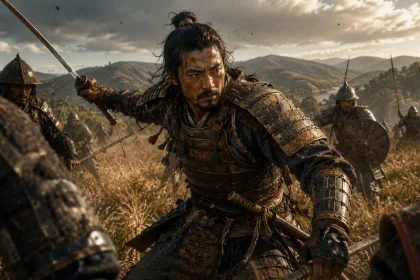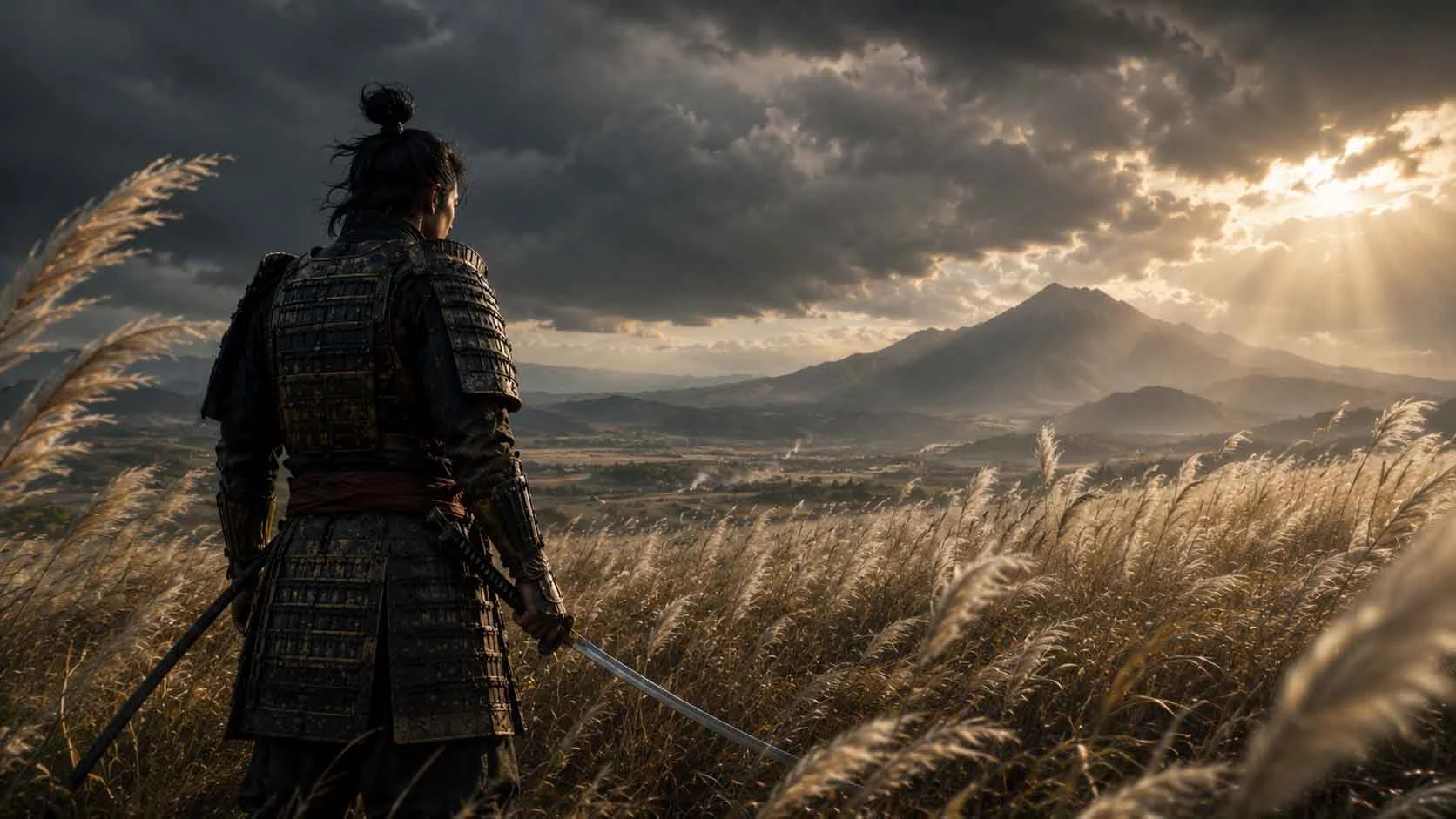

Introduction
🎮 Ghost of Tsushima Director’s Cut at a Glance
Overall Score
9.7/10
Play Time
25–90+ Hours
Difficulty
Medium
Platforms
PS5 • PC • Steam Deck
✅ Best For
- Story-driven gamers
- Open-world exploration
- Samurai enthusiasts
- Single-player adventures
- Cinematic gameplay
⚠ May Not Suit
- Competitive multiplayer players
- Players wanting endless loot
- Fast-paced arcade action fans
- People who rarely finish long games
Ghost of Tsushima Director’s Cut remains one of the finest cinematic action-adventure games available in 2026, combining rewarding exploration, satisfying sword combat, and a memorable story into a complete single-player experience.
Few games manage to leave a lasting impression years after their original release, yet Ghost of Tsushima Director’s Cut continues to attract new players every month. Whether you’re discovering it for the first time on PC, upgrading from the original PlayStation version, or simply wondering if it still deserves a place in your gaming library, one question appears repeatedly across gaming communities: Is Ghost of Tsushima Director’s Cut still worth playing in 2026?
The answer is more nuanced than a simple yes or no.
Since its original launch, the gaming landscape has changed dramatically. New open-world adventures have arrived, hardware has improved, player expectations have evolved, and discussions across communities continue to compare Ghost of Tsushima with modern titles such as Assassin’s Creed Shadows, Elden Ring, Black Myth: Wukong, and other cinematic action games. At the same time, the Director’s Cut introduced the Iki Island expansion, technical improvements, and additional features that significantly changed the overall experience for many players.
That means a review written at launch no longer answers the questions most players are asking today.
Instead of focusing solely on graphics, story, or assigning an arbitrary score, this guide approaches the game from the perspective of someone deciding whether it deserves their time and money in 2026. We’ll explore how the gameplay feels by modern standards, what has aged exceptionally well, where the experience may not appeal to everyone, and how current community discussions compare with the game’s original reputation.
We’ll also examine practical considerations that traditional reviews often overlook, including the ideal difficulty for new players, whether the Director’s Cut provides enough additional value over the original release, how long it realistically takes to finish, which platform currently offers the best experience, and the types of players most likely to enjoy the journey.
To help you make an informed decision, we’ve also created the Samurai Journey Planner™, an interactive planning tool that recommends the most suitable way to experience Ghost of Tsushima based on your available gaming time, preferred combat style, exploration habits, and completion goals. Rather than asking whether the game is objectively good, it helps answer a more useful question:
Personalised Samurai Roadmap
Samurai Journey Planner
Build a practical Ghost of Tsushima Director's Cut journey based on your platform, weekly gaming time, preferred combat style, exploration habits and completion goal.
Will Ghost of Tsushima Director’s Cut be the right game for you right now?
If you’re considering stepping onto the island of Tsushima for the first time—or returning to experience everything the Director’s Cut has to offer—this guide is designed to help you make that decision with confidence.
Who This Review Is Written For
👤 Is This Review Right for You?
Not every reader is looking for the same answer. Whether you’re deciding if Ghost of Tsushima Director’s Cut is worth buying, comparing platforms, or returning after several years, this review is written to help you make the right decision quickly.
🎮 Buying for the First Time?
We’ll explain whether Ghost of Tsushima Director’s Cut is still worth your money in 2026, how long it takes to finish, and what type of player is most likely to enjoy it.
🖥 Choosing Between PC and PS5?
You’ll find a practical comparison covering performance, controls, graphics, platform differences, and which version offers the best experience for different types of players.
⚔ Returning to Tsushima?
We’ll discuss whether Director’s Cut, Iki Island, and another playthrough provide enough new content to justify returning after finishing the original game.
🏯 Looking for a Great Samurai Game?
This review compares Ghost of Tsushima with other modern action-adventure games while explaining where it excels in storytelling, exploration, and sword combat.
What You’ll Learn
- Whether Ghost of Tsushima Director’s Cut is still worth buying in 2026.
- How long different play styles typically take to complete.
- Whether Iki Island should be played before or after the main story.
- Which platform offers the best experience for your gaming style.
- The most common advice shared by experienced Ghost of Tsushima players.
- How the ExpertsGuys Samurai Journey Planner™ can help personalise your first playthrough.
This review is designed for players who need more than a launch-day score. It examines whether Ghost of Tsushima Director’s Cut still provides worthwhile story, combat, exploration, platform performance, and long-term value in 2026.
First-Time Players
You are deciding whether the game deserves your time, money, and place in your current backlog.
Returning Players
You completed the original game and want to know whether Iki Island, New Game+, and the complete edition justify returning.
PC Players
You want to understand platform performance, graphics flexibility, controller support, and how the PC experience compares with PS5.
Samurai Game Fans
You are looking for a cinematic historical adventure built around sword combat, atmosphere, honour, and exploration.
Time-Conscious Gamers
You need to know whether the game fits your weekly schedule and how long each type of playthrough may take.
Open-World Players
You enjoy exploration but want to know whether Tsushima feels rewarding or becomes another repetitive map-clearing exercise.
Should You Buy Ghost of Tsushima Director’s Cut in 2026?
If you’re asking this question today, the short answer is yes—but only if you’re looking for a cinematic samurai adventure rather than a traditional role-playing game or an extremely challenging action title.
Ghost of Tsushima Director’s Cut remains one of the strongest open-world action games available because it understands exactly what it wants to be. It doesn’t attempt to overwhelm players with hundreds of complex RPG systems, endless crafting mechanics, or confusing progression trees. Instead, it focuses on delivering a polished journey that combines satisfying sword combat, meaningful exploration, breathtaking landscapes, and a story built around honour, sacrifice, and personal identity.
For many players, that’s precisely why the game continues to feel fresh even years after its original release.
Unlike some modern open-world games that can demand well over one hundred hours before reaching the ending, Ghost of Tsushima respects the player’s time. The world is large enough to encourage exploration without feeling unnecessarily stretched, side activities often provide tangible rewards rather than meaningless collectibles, and almost every major quest contributes something valuable to Jin Sakai’s development as both a warrior and a person.
That balance is one reason the game continues to receive positive recommendations from experienced players introducing friends to PlayStation or PC gaming. Rather than relying on constant surprises or complicated mechanics, Ghost of Tsushima succeeds because nearly every part of its design works together toward the same goal: making you feel like a wandering samurai protecting your homeland during one of Japan’s most turbulent historical periods.
A Quick Buying Recommendation
| Worth Buying in 2026? | ★★★★★ Absolutely |
| Best For | Story lovers, open-world explorers, action-adventure fans, samurai enthusiasts |
| May Not Suit | Players seeking extremely deep RPG mechanics or Soulslike difficulty |
| Main Story | Approximately 25–30 hours |
| Main + Side Content | Around 45–60 hours |
| 100% Completion | 70–90+ hours depending on playstyle |
Why It Still Feels Modern
One of Ghost of Tsushima’s greatest strengths is that its core gameplay hasn’t aged in the same way many open-world titles have. While numerous games released around the same period now feel repetitive or mechanically dated, Tsushima’s elegant combat system, responsive controls, and clean user interface continue to hold up remarkably well.
The game also avoids one of the biggest criticisms often directed at modern open-world adventures: overwhelming players with excessive icons and constant notifications. Instead, exploration is guided naturally through environmental cues such as the wind, wildlife, smoke rising in the distance, and distinctive landmarks. This subtle design encourages players to observe the world rather than simply follow a minimap from objective to objective.
The result is an experience that feels surprisingly immersive even when compared with much newer releases.
Who Will Enjoy Ghost of Tsushima the Most?
Ghost of Tsushima Director’s Cut is particularly rewarding if you enjoy:
- Beautiful open-world exploration without excessive complexity.
- Sword combat that rewards timing instead of endless button mashing.
- Strong single-player narratives.
- Historical settings inspired by real events.
- Gradual character progression without overwhelming RPG systems.
- Taking screenshots using Photo Mode.
- Completing meaningful side quests instead of repetitive filler activities.
Players who appreciate games such as The Witcher 3, Red Dead Redemption 2, Horizon Forbidden West, or Assassin’s Creed Origins often find Ghost of Tsushima offers a similarly immersive experience while maintaining its own distinct identity. If you are deciding between samurai-style open-world games, our Ghost of Tsushima vs Assassin’s Creed Shadows comparison can help you choose the better fit.
Who Might Want to Consider Something Else?
Although Ghost of Tsushima receives widespread praise, it isn’t the perfect game for everyone.
You may want to look elsewhere if you primarily enjoy:
- Extremely difficult combat similar to Elden Ring or Sekiro.
- Deep character builds with dozens of statistics and equipment combinations.
- Competitive multiplayer experiences.
- Fast-paced shooters.
- Survival or crafting-focused gameplay.
- Highly dynamic worlds where player choices significantly alter the storyline.
The game is intentionally focused. Rather than trying to combine multiple genres, it delivers a polished action-adventure experience centred on exploration, cinematic storytelling, and satisfying samurai combat.
That clarity of purpose is one of the biggest reasons Ghost of Tsushima Director’s Cut continues to be recommended to new players in 2026.
What Makes Ghost of Tsushima Director’s Cut Different From the Original Release?
If you’re buying Ghost of Tsushima for the first time, the decision is easy: Director’s Cut is the version you should purchase. It represents the complete experience, bringing together the original award-winning adventure with meaningful gameplay additions, technical improvements, and an entirely new expansion that extends Jin Sakai’s journey beyond the island of Tsushima.
For players who finished the original release years ago, however, the answer depends on what you enjoyed most during your first playthrough. If your favourite memories revolve around exploring the island, mastering sword combat, and becoming invested in Jin’s story, the Director’s Cut offers enough additional content to justify returning. If you mainly rushed through the main campaign without exploring side activities, the difference may feel less dramatic because many of the improvements enhance how the game feels rather than fundamentally changing its core design.
The important point is that Director’s Cut is not simply a graphical remaster. It expands the experience in ways that continue to matter even in 2026, making it the definitive edition for both newcomers and returning players.
What’s Included in Director’s Cut?
| Feature | Original Game | Director’s Cut |
|---|---|---|
| Main Story Campaign | ✓ | ✓ |
| Iki Island Expansion | — | ✓ Included |
| Additional Story Content | Limited | Expanded |
| Extra Armour & Activities | Standard | More Unlockables |
| Technical Enhancements | Original Version | Improved Performance & Visual Features |
Iki Island Isn’t Just More Map Space
Many expansions simply increase the size of a game world. Iki Island takes a different approach.
Rather than feeling like leftover content that was removed from the base game, the expansion introduces a distinct environment with its own atmosphere, enemy encounters, side stories, and emotional themes. The island challenges Jin in ways that go beyond combat, exploring parts of his past and forcing him to confront personal memories that shape his identity throughout the main campaign.
This shift gives the expansion a noticeably different tone. While Tsushima focuses on defending a homeland under invasion, Iki Island becomes a more personal journey centred on family, trauma, forgiveness, and the consequences of war.
For many returning players, this emotional depth is what makes the expansion memorable long after its final mission.
The World Feels More Complete
Another advantage of Director’s Cut is how naturally the additional content blends into the existing adventure.
Nothing feels artificially separated into “base game” and “DLC.” Instead, players gradually discover new opportunities to continue Jin’s journey without breaking the rhythm established during the main story.
This seamless integration encourages exploration rather than checklist completion. Whether you’re following smoke on the horizon, investigating abandoned villages, or stumbling across hidden shrines, the world continues to reward curiosity instead of simply filling the map with repetitive objectives.
That design philosophy remains one of Ghost of Tsushima’s biggest strengths and is a major reason why many players continue recommending the Director’s Cut over newer open-world releases.
Is the Upgrade Worth It for Returning Players?
If you’ve never played Ghost of Tsushima before, this question doesn’t really apply—the Director’s Cut should simply be your starting point.
For returning players, however, the value depends on what you remember from your original experience.
Should You Upgrade to Director’s Cut?
✅ Upgrade If…
- You loved exploring every corner of Tsushima.
- You want to experience Iki Island for the first time.
- You enjoy replaying cinematic story-driven games.
- You appreciate technical improvements and smoother performance.
- You plan to complete New Game+ or pursue full completion.
❌ You Can Probably Skip the Upgrade If…
- You recently finished the original game.
- You rarely replay single-player adventures.
- You mainly wanted the core story and have little interest in additional exploration.
- You have a large backlog of unfinished games and limited gaming time.
Our Recommendation
For anyone considering Ghost of Tsushima in 2026, Director’s Cut is the version we recommend without hesitation.
It isn’t simply the “latest edition”—it’s the version that best represents everything the developers intended the experience to become. The additional content feels purposeful rather than excessive, the improvements strengthen an already polished foundation, and the expanded journey provides enough value to justify making it the definitive way to experience one of the most celebrated action-adventure games of its generation.
The question today is no longer whether Director’s Cut is better than the original.
The more useful question is whether its style of thoughtful exploration, cinematic storytelling, and measured combat still stands out in a gaming landscape filled with increasingly larger open worlds.
The next section explores exactly that by looking beyond graphics and features to examine why Ghost of Tsushima’s story continues to resonate with players years after release—and why its emotional impact often surprises first-time players.
Story Without Spoilers: Why Ghost of Tsushima Still Resonates in 2026
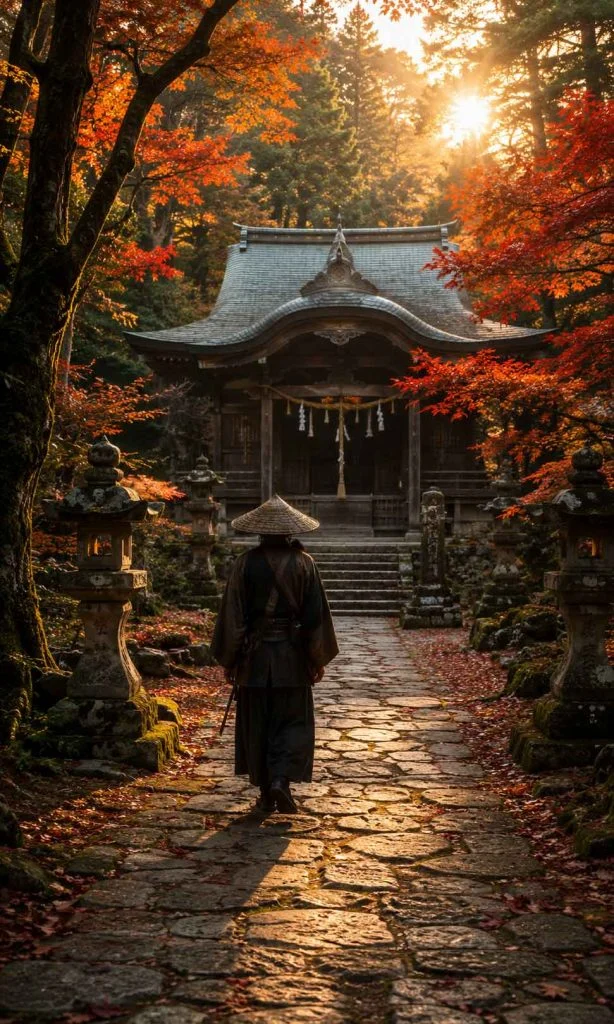
One of the biggest reasons Ghost of Tsushima continues attracting new players years after its original release is that its story doesn’t rely on constant plot twists or shocking moments to remain memorable. Instead, it builds emotional investment gradually, allowing players to understand not only who Jin Sakai is, but also why every decision he makes carries significant personal and cultural consequences.
Although the game is inspired by the historical Mongol invasion of Tsushima in 1274, it should not be viewed as a documentary recreation of real events. Rather, it uses history as a foundation to tell a fictional story about loyalty, sacrifice, identity, and the difficult choices people make when survival conflicts with deeply held beliefs. This balance between historical inspiration and creative storytelling gives the world a sense of authenticity while still allowing the narrative to surprise both new and experienced players.
Unlike many modern open-world games that overwhelm players with dozens of competing storylines, Ghost of Tsushima maintains a remarkably clear narrative focus. Every major mission ultimately supports Jin’s transformation from a respected samurai following traditional codes of honour into a leader forced to question whether those same traditions can protect the people he loves.
That internal conflict becomes far more compelling than a simple battle between heroes and villains. First-time players can also use our Ghost of Tsushima beginner guide to avoid early mistakes before the story fully opens up. As the journey progresses, players aren’t merely unlocking new abilities or stronger equipment—they’re witnessing the gradual evolution of a character whose understanding of honour changes alongside the increasingly desperate circumstances surrounding him.
A Story That Respects the Player’s Time
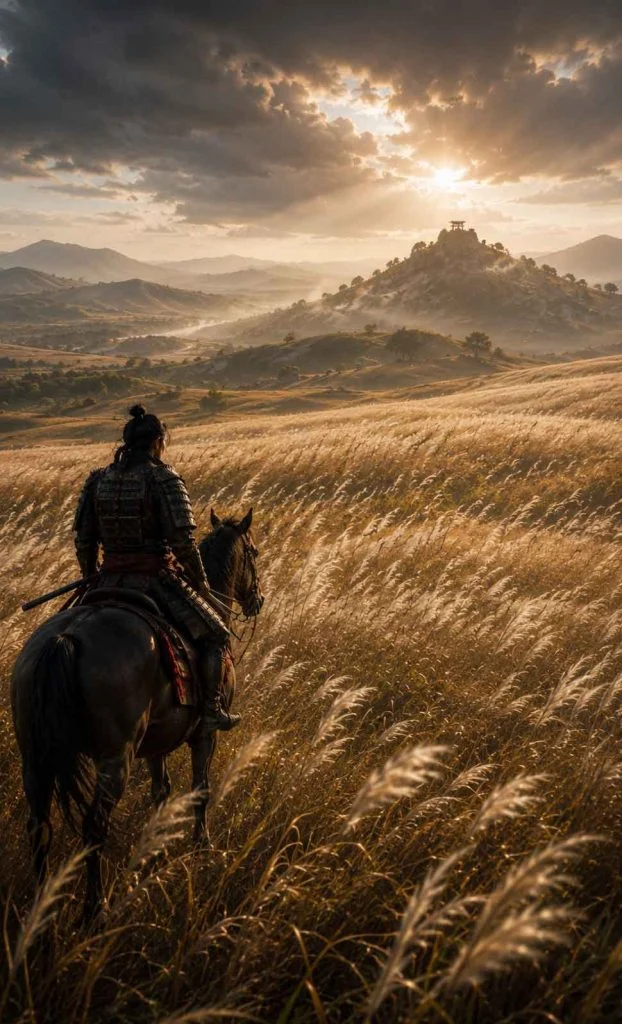
Many modern open-world games struggle to maintain narrative momentum because lengthy side activities often interrupt the main storyline. Players may spend hours collecting resources, clearing repetitive objectives, or completing tasks that have little connection to the central plot.
Ghost of Tsushima takes a noticeably different approach.
Most side quests, known as Tales of Tsushima, are designed to expand the world rather than distract from it. Instead of feeling like optional chores created simply to increase playtime, many introduce memorable characters, explore the consequences of war on ordinary people, or reveal additional layers of Jin’s relationships with his allies. Even when the rewards are relatively modest, the stories themselves often provide enough emotional value to justify taking a detour from the main campaign.
This design philosophy helps maintain immersion throughout the adventure. Rather than constantly asking, “Should I ignore the story and clear another checklist?” players frequently find that exploration naturally complements the narrative instead of competing with it.
The World Tells Stories Without Words
One aspect that continues to impress players in 2026 is Ghost of Tsushima’s confidence in visual storytelling.
Instead of relying heavily on lengthy exposition or frequent cutscenes, the game often communicates emotion through its environments. A windswept battlefield scattered with abandoned weapons, a quiet village recovering after conflict, or a solitary shrine hidden within dense forests can reveal as much about the world as several minutes of dialogue.
This subtle approach encourages observation rather than rushing from one objective marker to the next. Players who slow down to appreciate changing weather, wildlife, architecture, and the island’s landscapes often discover that Tsushima itself feels like an important character rather than merely a backdrop for combat.
It is one of the reasons Photo Mode became so popular within the community. Players aren’t simply capturing beautiful scenery—they’re documenting moments where the environment strengthens the emotional impact of the journey.
Why the Story Still Holds Up Today
Gaming technology has advanced considerably since Ghost of Tsushima first launched, but strong storytelling rarely becomes outdated.
Even after experiencing newer open-world adventures with larger maps, more complex progression systems, or higher technical fidelity, many players continue returning to Ghost of Tsushima because of its consistency. The pacing remains deliberate, character development feels earned, and the emotional themes remain relatable regardless of when someone begins playing.
Rather than trying to impress players through constant spectacle, the game focuses on creating meaningful moments that linger long after the credits roll. That restraint is unusual in modern blockbuster games, and it’s a major reason Ghost of Tsushima continues to be recommended to first-time players in 2026.
Editorial Insight — Chloe Bennett
One observation appears repeatedly among players revisiting Ghost of Tsushima years after release: the moments they remember most are rarely the largest battles. Instead, they often describe quieter experiences—following the guiding wind through golden fields, discovering an isolated shrine at sunrise, or sharing a brief conversation with a companion before the next conflict. Those moments create emotional space between the action, allowing the story to breathe. It’s a reminder that memorable storytelling isn’t always about doing more; sometimes it’s about knowing when to slow down.
Combat Still Feels Incredible: Why Ghost of Tsushima’s Sword Fighting Still Stands Out in 2026
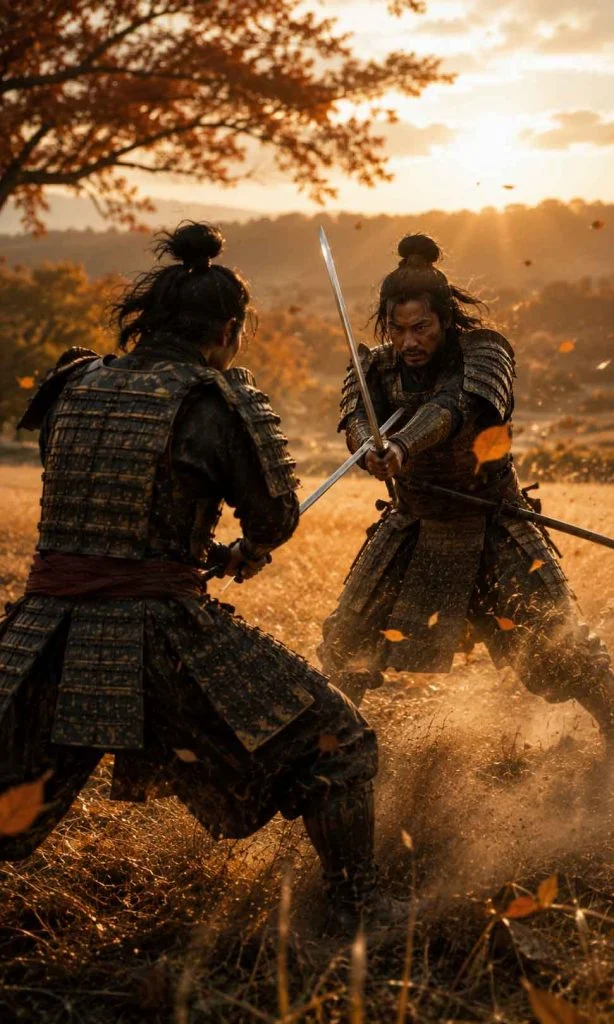
Many action games promise players the fantasy of becoming a master swordsman. Ghost of Tsushima is one of the few that consistently delivers on that promise without relying on overly complicated controls or unrealistic combat mechanics.
Even in 2026, the combat system remains one of the game’s greatest strengths because every encounter rewards observation, patience, and timing rather than simply encouraging players to attack as quickly as possible. Each enemy feels dangerous enough to demand attention, yet victories rarely feel unfair. Instead, success comes from gradually understanding different enemy types, learning when to attack, when to parry, and when to change your approach.
The result is combat that feels satisfying from the opening hours all the way to the final chapters without becoming unnecessarily repetitive.
Every Fight Feels Like a Duel
Unlike many open-world games where enemies often exist simply to fill the map, Ghost of Tsushima treats combat encounters as individual moments of tension.
Even smaller groups of opponents require players to remain alert because different enemy classes attack with unique weapons, speeds, and behaviours. A shield-bearing warrior demands a different strategy from a spear fighter, while heavily armoured enemies encourage more aggressive stance changes and careful timing.
Rather than making players rely on increasingly powerful equipment alone, the game gradually teaches them to read each opponent’s movements. This subtle learning curve helps every victory feel earned instead of automatic.
By the middle of the adventure, players often realise they are reacting instinctively rather than thinking about button combinations—a sign of exceptionally well-designed combat.
Combat Rewards Skill More Than Statistics
One reason Ghost of Tsushima continues attracting new players is that it avoids overwhelming them with endless character statistics.
Many modern action RPGs require players to compare dozens of armour values, weapon percentages, passive bonuses, and complex build combinations before entering difficult encounters.
Ghost of Tsushima takes a more elegant approach.
Your growing confidence as a player often matters more than simply unlocking stronger equipment. Learning enemy patterns, mastering perfect parries, understanding dodge timing, and choosing the correct combat stance usually provide a greater advantage than chasing slightly higher numerical upgrades.
That balance makes progression feel rewarding without forcing players to constantly optimise every piece of equipment.
The Four Combat Stances Add Real Strategy
One of the smartest additions to the combat system is the introduction of multiple sword stances.
Instead of functioning as cosmetic animations, each stance is designed to counter specific enemy types. As new opponents appear throughout the journey, players naturally begin switching between styles depending on the situation rather than relying on a single repetitive attack pattern.
At first, this may seem like an extra mechanic to remember. After several hours, however, changing stances becomes almost instinctive, creating combat encounters that remain engaging even late in the game.
| Combat Stance | Most Effective Against | Play Style |
|---|---|---|
| Stone Stance | Sword enemies | Balanced and precise. |
| Water Stance | Shield users | Continuous pressure and shield breaking. |
| Wind Stance | Spearmen | Maintains distance while disrupting attacks. |
| Moon Stance | Brutes | Powerful heavy strikes against larger enemies. |
Learning when to switch between these stances is one of the biggest turning points for new players. Many who initially struggle with combat discover that the difficulty drops considerably once they begin adapting their stance instead of approaching every encounter the same way. Once you understand the combat rhythm, choosing the best Ghost of Tsushima armor can make your preferred playstyle feel even stronger.
Stealth Isn’t Mandatory – But It’s Powerful
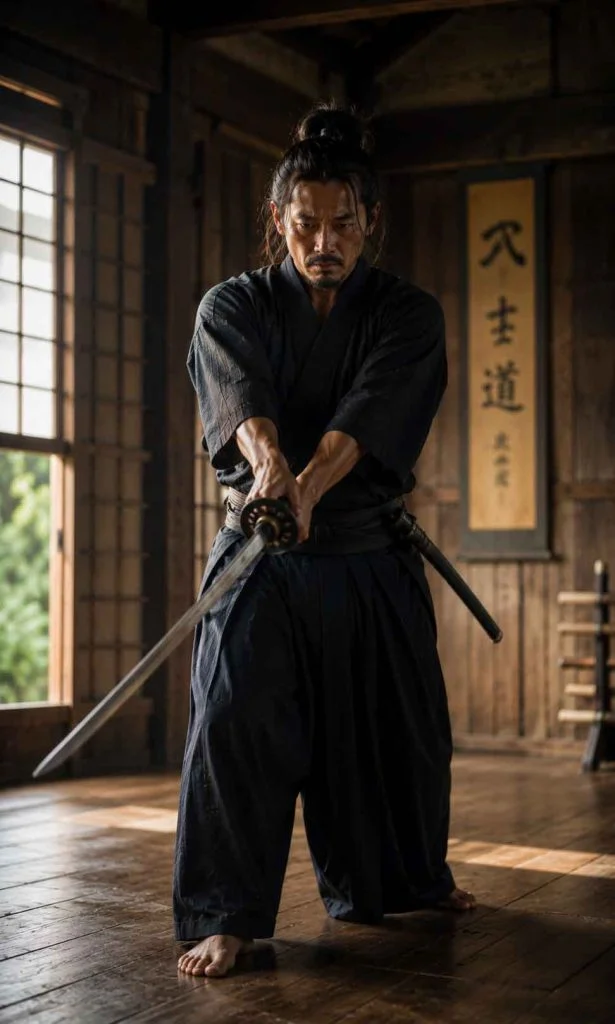
Although Ghost of Tsushima celebrates the image of a lone samurai standing against impossible odds, it also embraces the reality that survival sometimes requires unconventional tactics.
Players can quietly eliminate enemies from rooftops, use distractions to isolate guards, silently infiltrate heavily defended camps, or challenge opponents openly in dramatic standoffs. Neither approach is treated as the “correct” way to play. Instead, the game encourages experimentation by allowing players to develop a style that feels natural.
Some players complete much of the game honourably through direct confrontations, while others fully embrace Jin’s evolution by relying on stealth and deception. The freedom to combine these approaches helps combat remain fresh throughout the campaign.
Common Combat Mistakes New Players Make
Many first-time players assume Ghost of Tsushima is designed like a traditional hack-and-slash action game. As a result, they often develop habits that make combat far more difficult than necessary.
⚠️ Five Mistakes That Make Combat Harder
- Ignoring stance switching and using the same attacks against every enemy.
- Trying to defeat large groups without reducing their numbers first.
- Treating dodge as more important than learning perfect parries.
- Delaying Technique Point upgrades instead of strengthening core combat abilities early.
- Rushing through encounters without observing enemy attack patterns.
New players can avoid many early frustrations by unlocking the best Ghost of Tsushima skills before rushing deeper into the story. Correcting just one or two of these habits often makes the game feel noticeably smoother without changing the selected difficulty.
Why Combat Still Holds Up Against Modern Games
The gaming industry has produced numerous outstanding action titles since Ghost of Tsushima first launched. Yet its combat continues to receive praise because it avoids unnecessary complexity.
Rather than introducing dozens of overlapping mechanics, the game refines a smaller collection of systems until they feel consistently satisfying. Sword strikes have weight, successful parries produce immediate feedback, enemy behaviour remains readable, and every improvement earned through practice feels meaningful.
That clarity allows Ghost of Tsushima to remain enjoyable years later. It respects players who invest time mastering its mechanics while remaining accessible enough for newcomers who simply want to experience an unforgettable samurai adventure.
Tyler Moon’s Editorial Note
Great combat isn’t measured by how many buttons a player presses—it’s measured by how naturally those actions become second nature. Ghost of Tsushima succeeds because, after enough time with the controller, you stop thinking about the mechanics and begin reacting like the warrior Jin is becoming. Few modern action games create that transition as smoothly, and that’s a major reason its combat continues to feel relevant in 2026.
Open World Exploration That Rewards Curiosity Instead of Checklists
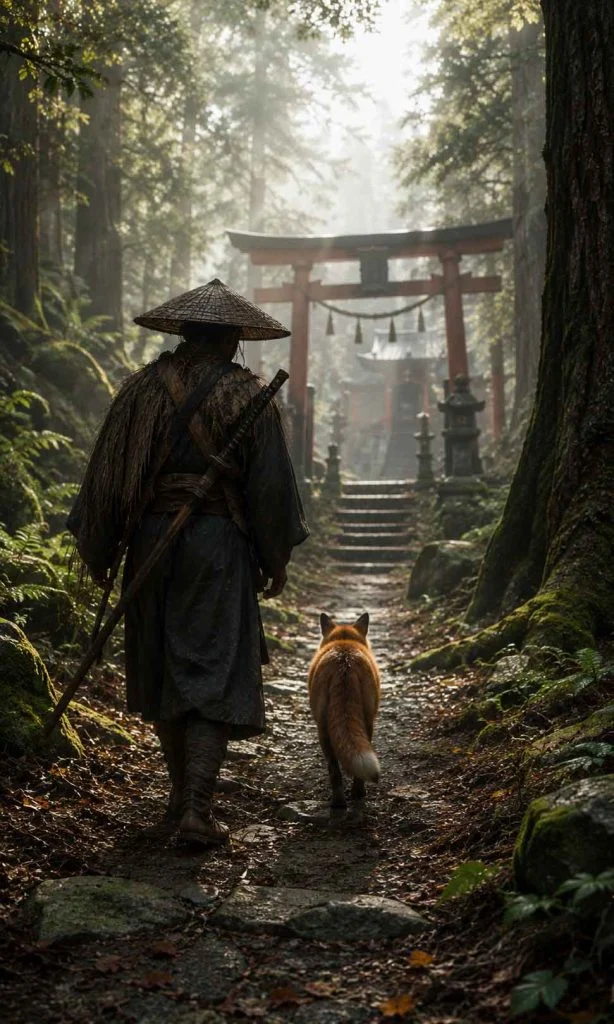
Many open-world games advertise enormous maps filled with hundreds of activities, yet players often remember very little about the journey itself. Hours are spent moving from one objective marker to another, clearing icons that gradually blend together until exploration feels more like completing a checklist than embarking on an adventure.
Ghost of Tsushima takes a fundamentally different approach.
Rather than asking players to constantly open a map or follow GPS-style navigation, the game encourages them to pay attention to the world itself. The wind points toward objectives, foxes guide travellers to hidden shrines, golden birds lead curious explorers toward undiscovered locations, while smoke, mountain peaks, forests, and abandoned villages naturally attract attention. Instead of overwhelming players with information, the island quietly invites them to investigate.
That design philosophy remains one of the biggest reasons Ghost of Tsushima still feels refreshing in 2026, despite competing against much newer open-world games.
The Island Feels Designed, Not Generated
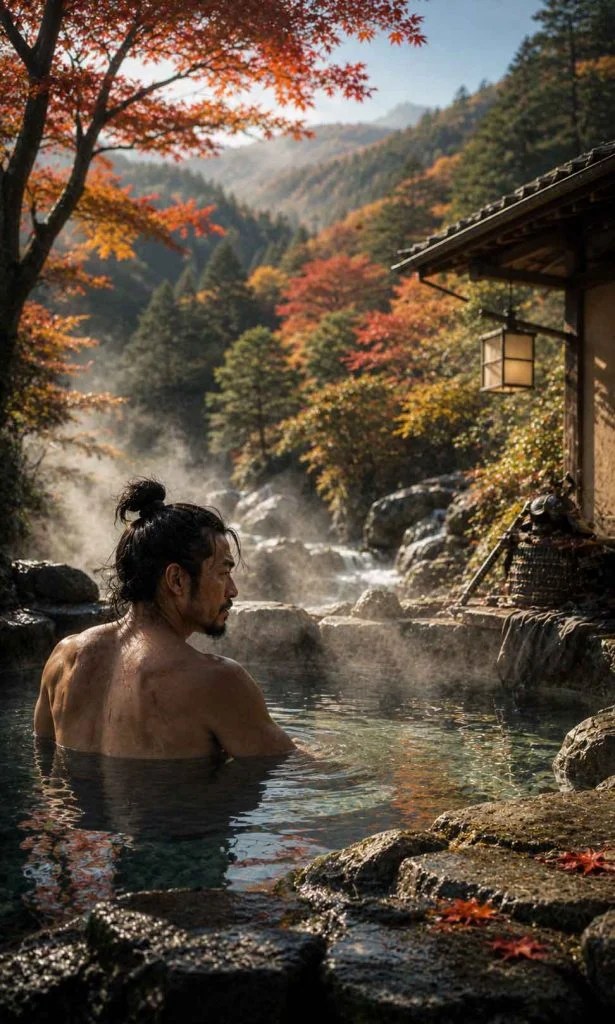
One criticism frequently directed at modern open-world games is that larger maps don’t necessarily create better adventures. Vast landscapes often become repetitive because they rely on copied environments, repeated objectives, and similar encounters spread across increasingly larger distances.
Tsushima rarely suffers from that problem.
Although the island is expansive, each region develops its own visual identity through changing seasons, architecture, vegetation, weather, and geography. Travelling from peaceful golden fields into dense forests before climbing snowy mountain paths creates a genuine sense of progression that extends beyond simply revealing another section of the map.
The world feels handcrafted rather than procedurally assembled, encouraging players to slow down and appreciate the journey instead of focusing solely on the destination.
Exploration Rewards Observation
Ghost of Tsushima consistently rewards players who allow curiosity to guide their decisions.
Instead of placing every collectible directly in front of the player, many discoveries are hidden behind subtle environmental clues. A narrow mountain trail may reveal an overlooked shrine, distant smoke could lead to survivors needing help, while an apparently ordinary forest path might uncover a valuable piece of equipment or an unexpected side story.
This creates a satisfying cycle of exploration because discoveries feel earned rather than automatically delivered.
Many experienced players eventually stop following objectives altogether, choosing instead to simply ride across the island and investigate anything that captures their attention.
The Guiding Wind Still Feels Revolutionary
One of Ghost of Tsushima’s most celebrated mechanics remains surprisingly uncommon even today.
Instead of relying on a permanent navigation arrow cluttering the screen, the game allows players to summon the Guiding Wind, which subtly bends grass, trees, leaves, and particles toward the selected objective.
The mechanic accomplishes something remarkable.
Rather than forcing players to stare at a minimap in the corner of the screen, it keeps their eyes focused on the world itself. This seemingly simple decision dramatically improves immersion because players spend more time appreciating landscapes and less time following artificial interface elements.
Even years after release, the Guiding Wind remains one of the most elegant navigation systems introduced in an open-world game.
Every Discovery Serves a Purpose
Exploration feels rewarding because discoveries usually improve either gameplay or storytelling.
| Discovery | Why It Matters |
|---|---|
| Fox Dens | Strengthen Charms that improve combat and exploration. |
| Hot Springs | Increase maximum health while providing quiet moments of reflection. |
| Bamboo Strikes | Expand Resolve, making combat more forgiving and flexible. |
| Shinto Shrines | Reward exploration with powerful Charms and memorable climbing sequences. |
| Mythic Tales | Unlock unique abilities and legendary equipment through cinematic side stories. |
Because these activities provide meaningful gameplay benefits, players rarely feel like they’re collecting items simply to increase a completion percentage.
Why Players Spend Hundreds of Hours Here
One interesting pattern continues appearing among long-term players.
Many people who originally intended to finish only the main campaign eventually found themselves spending dozens of additional hours simply exploring.
Not because they were chasing achievements.
Not because the game forced them to.
But because the island itself made wandering enjoyable.
That distinction separates Ghost of Tsushima from many open-world games. Exploration becomes its own reward rather than another task to complete before reaching the ending.
Even after finishing the story, players frequently return to capture photographs, revisit favourite locations, complete remaining Mythic Tales, or simply ride across the countryside to appreciate the atmosphere once more.
🌿 Explore These Before Rushing the Main Story
Upgrade your Charms early. The benefits remain valuable throughout the entire game.
Additional Resolve makes combat noticeably easier, especially during boss fights.
Some of the game’s most memorable stories and strongest combat rewards are found here.
Easy health upgrades that also provide thoughtful character moments for Jin.
Reviewed by Tyler Moon – Games Editor
One reason Ghost of Tsushima continues aging so gracefully is that it trusts players to discover its world instead of constantly directing them toward the next objective. Modern open-world games often become larger every year, but very few become more immersive. Tsushima reminds us that thoughtful environmental design can create stronger memories than simply adding more map markers.
How Long Does It Take to Beat Ghost of Tsushima Director’s Cut?
One of the biggest questions players ask before purchasing Ghost of Tsushima Director’s Cut isn’t whether the game is good—it’s whether they realistically have enough time to enjoy it.
That’s an important question because Ghost of Tsushima isn’t designed to be rushed.
While it’s certainly possible to finish the main campaign relatively quickly, doing so means missing many of the moments that make the journey memorable. Some of the game’s strongest character stories, legendary techniques, powerful armour sets, and emotional side quests exist outside the critical path. Fortunately, unlike many modern open-world games, exploring those activities rarely feels like unnecessary padding.
The actual completion time depends far more on how you enjoy playing games than on your skill level.
Estimated Completion Times
| Player Type | Estimated Time | What You’ll Experience |
|---|---|---|
| Story-Focused Player | 25–30 Hours | Main story with a few optional activities. |
| Balanced Explorer | 40–50 Hours | Story, Mythic Tales, shrines, armour, upgrades, and meaningful side content. |
| Director’s Cut Experience | 50–65 Hours | Includes Iki Island together with extensive exploration. |
| Completionist | 70–90+ Hours | Nearly every collectible, side activity, trophy, and hidden location. |
For a deeper breakdown by story route, Iki Island, side content, and completionist goals, see our full guide on how long to beat Ghost of Tsushima.
The Game Never Feels Like It’s Wasting Your Time
One reason Ghost of Tsushima continues receiving recommendations years after release is that its pacing remains remarkably consistent.
Many open-world games become dramatically slower after the opening chapters. Players spend increasing amounts of time travelling between objectives, collecting resources, or completing repetitive tasks simply to unlock the next mission.
Ghost of Tsushima avoids much of that frustration.
Progression feels natural because exploration often leads to meaningful upgrades. Following a fox might improve your Charms, climbing a mountain could reward a powerful new ability, while completing a Mythic Tale might completely change your preferred combat style. Even when you aren’t advancing the main story, you’re usually strengthening Jin in ways that immediately benefit future encounters.
That means your time rarely feels wasted.
Weekend Players Can Enjoy It Too
Not everyone has several hours every evening to play games.
Many readers considering Ghost of Tsushima only have a few gaming sessions each week, and that’s perfectly fine.
The game’s structure makes it surprisingly easy to enjoy in shorter sessions because individual objectives usually provide a satisfying sense of progress. You might complete a Tale of Tsushima, discover a shrine, clear a Mongol camp, or unlock a new technique within thirty to sixty minutes before saving your progress.
This makes the game particularly well suited for players balancing work, family, or study commitments.
Rather than demanding marathon sessions, Ghost of Tsushima rewards consistent exploration over time.
🎮 Which Type of Player Are You?
⚔ Story Adventurer
You mainly want to experience Jin’s journey without chasing every collectible.
Recommended Time25–30 Hours
🗺 Explorer
You enjoy discovering hidden locations, completing side stories, and upgrading equipment naturally.
Recommended Time45–60 Hours
🏆 Completionist
You rarely leave a map unfinished and enjoy collecting everything a game has to offer.
Recommended Time70–90+ Hours
Should You Finish the Main Story Before Iki Island?
One question appears repeatedly among new players, especially those trying to plan their first playthrough.
Technically, it’s possible to access Iki Island before completing the main campaign. However, for most first-time players, finishing the main story first provides the stronger overall experience.
Without revealing spoilers, several conversations and character moments on Iki Island carry greater emotional weight once you’ve seen how Jin’s journey unfolds across Tsushima. The expansion also introduces tougher encounters that feel more rewarding after you’ve unlocked additional combat techniques, armour upgrades, and abilities.
Unless you’re replaying the game or intentionally experimenting with a different progression route, completing the main campaign before sailing to Iki Island is the approach we recommend.
Time Investment vs Entertainment Value
When considering Ghost of Tsushima Director’s Cut in 2026, it’s useful to think beyond the total number of hours.
Many games advertise hundreds of hours of content, yet much of that time is spent repeating similar activities. Ghost of Tsushima takes the opposite approach. It offers a more focused adventure where exploration, storytelling, and combat continually reinforce one another.
For players looking for a memorable single-player experience rather than an endless live-service grind, those 40 to 60 hours often feel more rewarding than much longer games.
Reviewed by Tyler Moon – Games Editor
One of Ghost of Tsushima’s greatest strengths is that it respects different play styles. Whether you have a single weekend to begin Jin’s journey or several months to uncover every secret on the island, the game rarely pressures you into playing a certain way. That flexibility is one reason it continues to appeal to both newcomers and returning players in 2026.
A Typical Ghost of Tsushima Journey
Ghost of Tsushima Director’s Cut gives players considerable freedom, but most first-time journeys follow a natural progression. Understanding that progression can help you avoid rushing into advanced content before you have developed the skills, equipment, and story context needed to enjoy it fully.
🗺 Your Journey Across Tsushima
First Hours
Learn parrying, dodging, stance switching, and the basic rhythm of direct sword combat.
Early Exploration
Discover Fox Dens, Bamboo Strikes, Hot Springs, shrines, and nearby side tales.
Main Journey
Progress through Jin’s story while unlocking stances, armour, Charms, and Mythic techniques.
Iki Island
Visit after the main campaign for the strongest story continuity and smoother combat progression.
Completion
Finish remaining Tales, upgrades, collectibles, trophies, and New Game+ if desired.
Recommended first-playthrough order: Learn the combat fundamentals, mix story missions with meaningful exploration, complete important Mythic Tales, finish Jin’s main journey, and then continue to Iki Island.
Is Iki Island Worth Playing?
For many players considering Ghost of Tsushima Director’s Cut, this is the question that ultimately determines whether upgrading from the original version makes sense.
The short answer is yes.
But probably not for the reason you expect.
Many expansions justify their existence by simply offering more missions, larger maps, or additional equipment. Iki Island certainly includes all of those elements, but what makes it memorable is that it changes the emotional tone of the adventure rather than simply extending it.
Instead of feeling like content that was separated from the main campaign, Iki Island feels like an entirely new chapter in Jin Sakai’s personal journey. It explores themes that the original story only begins to touch upon while introducing fresh environments, stronger enemies, and some of the most visually striking locations in the entire game.
For players who loved Ghost of Tsushima because of its atmosphere rather than just its combat, Iki Island is often considered one of the strongest reasons to choose the Director’s Cut.
Iki Island Doesn’t Feel Like “More of the Same”
One concern players often have before starting any expansion is repetition.
Will it simply recycle the same missions?
Will the map feel familiar?
Will combat become repetitive?
Fortunately, Iki Island avoids most of those problems.
Although the expansion builds upon the mechanics introduced in the base game, it constantly introduces new situations that encourage players to adapt. Enemy encounters become less predictable, exploration feels denser, and the island itself has a noticeably different atmosphere from Tsushima.
The landscape feels wilder.
The villages tell different stories.
The environments encourage slower exploration.
Rather than replacing Tsushima, Iki Island complements it.
The Story Becomes More Personal
Without revealing spoilers, the biggest strength of Iki Island is its storytelling.
The original campaign focuses largely on protecting Tsushima from invasion and the difficult choices Jin must make throughout the conflict.
Iki Island shifts that perspective inward.
Instead of asking how Jin should save his homeland, it asks him to confront parts of his own past that continue influencing the decisions he makes as the Ghost.
This creates a more intimate narrative.
Players who enjoyed the emotional moments throughout the main campaign often find that Iki Island delivers some of the game’s most memorable character development because the stakes become deeply personal rather than purely military.
Combat Feels More Challenging
Returning players sometimes worry that the expansion will feel too easy after mastering the base game.
Fortunately, Iki Island introduces opponents that encourage even experienced players to rethink familiar strategies.
Rather than relying exclusively on the combat habits developed throughout Tsushima, players are often rewarded for switching stances more frequently, observing enemy behaviour carefully, and making better use of Ghost weapons during larger encounters.
The expansion never feels unfair, but it does expect players to apply everything they’ve learned throughout the main campaign.
That makes it an excellent continuation rather than simply an epilogue.
New Activities Continue the Spirit of Exploration
One reason Ghost of Tsushima remains enjoyable in 2026 is that exploration rarely becomes repetitive.
Iki Island continues that philosophy by introducing fresh locations and activities that reward curiosity instead of simply increasing the number of collectibles.
Players who enjoy wandering without a specific destination will likely appreciate the expansion just as much as the original campaign.
The island encourages exploration through environmental storytelling, hidden paths, scenic viewpoints, and optional discoveries that naturally fit within the world instead of feeling artificially placed to increase completion percentages.
Should You Visit Iki Island Early?
Before travelling there, our Ghost of Tsushima Iki Island guide can help you understand when to start the expansion and what to prepare first.
Technically, yes.
Should you?
For most players, probably not.
While the expansion becomes available before finishing the main story, Ghost of Tsushima is structured in a way that makes Iki Island feel significantly more rewarding after completing Jin’s primary journey.
This recommendation isn’t based solely on story progression.
It also makes practical sense.
By the time you’ve completed the main campaign, you’ll have unlocked more combat techniques, stronger armour sets, additional Charms, and a deeper understanding of each combat stance. Those improvements allow you to appreciate the expansion’s more demanding encounters without unnecessary frustration.
Unless you’re replaying the game, the Director’s Cut delivers its strongest narrative flow by treating Iki Island as the next chapter rather than an early detour.
🏝 Our Recommended Play Order
Learn combat, unlock abilities, and experience Jin’s complete journey.
Unlock legendary techniques and powerful equipment before sailing.
Experience the expansion as the natural continuation of Jin’s story.
Is Director’s Cut Worth Buying Just for Iki Island?
If you’ve never played Ghost of Tsushima before, the answer is straightforward.
Buy Director’s Cut.
There is little reason to search for the original version because the Director’s Cut provides the complete experience with meaningful additional content already included.
For players who completed the original game years ago, the answer depends on how much they enjoyed exploring Tsushima.
💡 Is Iki Island Worth It?
| First-Time Player | ⭐⭐⭐⭐⭐ Essential |
| Returning Fan | ⭐⭐⭐⭐☆ Highly Recommended |
| Story Lovers | ⭐⭐⭐⭐⭐ Don’t Skip It |
| Combat Enthusiasts | ⭐⭐⭐⭐⭐ More Challenging Encounters |
| Players Short on Time | ⭐⭐⭐☆☆ Finish the Main Story First |
Reviewed by Tyler Moon – Games Editor
The easiest way to judge Iki Island is not by asking whether it adds enough hours of gameplay. Instead, ask whether you wanted more reasons to stay in Ghost of Tsushima’s world after the credits rolled. If the answer is yes, the expansion delivers exactly that. It expands the experience without diluting what made the original game memorable, which is why it remains one of the strongest story expansions released for a modern action-adventure game.
PC vs PlayStation: Which Version Should You Choose in 2026?
Ghost of Tsushima Director’s Cut is now available to a much wider audience than when it originally launched. PlayStation players have enjoyed the game for years, while the PC release introduced Jin Sakai’s journey to an entirely new community with higher frame rates, ultrawide monitor support, and extensive graphics customization.
The good news is that there isn’t a bad version.
The better question is which platform matches the way you like to play.
Some players value maximum visual fidelity and uncapped frame rates. Others simply want to relax on a sofa with a controller after work. Fortunately, Ghost of Tsushima adapts remarkably well to both experiences.
What Reddit Players Love (and Still Criticize) About Ghost of Tsushima
Game reviews often reflect one person’s experience.
Online communities are different.
Thousands of players approach Ghost of Tsushima from different backgrounds. Some arrive after finishing challenging action games, others are completely new to open-world adventures, while many simply want to experience one of the most highly recommended PlayStation games ever made.
Although opinions naturally vary, several themes appear repeatedly in community discussions. These recurring observations reveal what experienced players wish they had known before starting—and what they continue recommending to newcomers in 2026.
Community Consensus: Don’t Rush Your First Playthrough
The advice that appears more often than almost anything else is surprisingly simple:
Take your time.
Many experienced players encourage newcomers to avoid searching for walkthroughs, spoilers, or “best build” guides before beginning the game. Instead, they recommend letting the island reveal itself naturally through exploration.
Rather than chasing every objective marker, players often describe their favourite memories as unexpected discoveries—a hidden shrine found while following a fox, an isolated bamboo strike encountered on the way to another mission, or a quiet landscape that encouraged them to stop and simply enjoy the scenery.
That slower pace is widely considered part of what makes Ghost of Tsushima different from many modern open-world games.
One Mistake Nearly Everyone Mentions
New players frequently assume Ghost of Tsushima is a button-mashing action game.
Veteran players almost always disagree.
Instead, experienced members of the community repeatedly recommend learning three fundamentals as early as possible:
- Perfect parries.
- Dodging with intention.
- Switching combat stances for different enemy types.
Many players describe a noticeable turning point where combat suddenly becomes far more enjoyable once they stop relying on repeated light attacks and begin reading enemy movements instead.
Reddit’s Advice for New Players
💬 Most Repeated Community Advice
🦊 Explore Naturally
Don’t rush from objective to objective. Many of the game’s most memorable discoveries happen when you simply follow your curiosity.
⚔ Learn Parrying Early
Players consistently describe perfect parries as the moment combat truly “clicked” for them.
🎯 Upgrade Your Sword
Rather than collecting everything immediately, many experienced players recommend improving your core equipment first.
🌿 Mix Story and Side Tales
Alternating between the main story and meaningful side quests helps maintain the game’s pacing and keeps exploration rewarding.
The Biggest Debate: When Should You Visit Iki Island?
This question appears regularly within the community.
Although a few experienced players enjoy travelling there early to obtain equipment and challenge themselves, the majority recommendation remains consistent:
Finish the main story first.
Players commonly explain that Iki Island feels more meaningful after experiencing Jin Sakai’s full character arc, while also noting that the expansion introduces noticeably tougher encounters than the early parts of the base game.
That doesn’t mean visiting earlier is “wrong.” Some players enjoy the increased challenge and the opportunity to unlock additional equipment sooner. However, for a first playthrough, completing the main campaign before travelling to Iki Island remains the most widely recommended approach.
One Criticism That Appears Repeatedly
Despite the overwhelmingly positive reception, the community does raise a few recurring criticisms.
The most common isn’t about graphics or combat.
Instead, some players feel that completing every optional side activity in one area before progressing can make the experience feel repetitive.
Many experienced players suggest alternating between:
- Main story missions.
- Character Tales.
- Mythic Tales.
- Exploration.
- Combat encounters.
This varied approach keeps the adventure feeling fresh while avoiding the sense of completing identical objectives for long periods.
Experienced Players Don’t Chase the “Perfect Build”
Another interesting pattern is that many long-term players eventually stop worrying about creating the strongest possible character.
Instead, they choose equipment based on the style of experience they want.
Some build around direct sword duels.
Others focus on stealth.
Many simply switch armour depending on the situation.
That flexibility is frequently mentioned as one of Ghost of Tsushima’s strengths. Rather than forcing players into a single optimal build, the game encourages experimentation and lets individuals discover what feels most enjoyable for their own journey. Community discussions also show recurring interest in armour choices such as Sarugami, Ghost Armor, Kensei, and Sakai Armor, reflecting how different playstyles shape recommendations.
🏯 Tyler Moon’s Community Summary
After reviewing hundreds of recent community discussions, one recommendation appears more often than any other: don’t rush Ghost of Tsushima. Players rarely regret spending extra time exploring Tsushima, learning the combat properly, and finishing the main story before sailing to Iki Island. The community’s advice isn’t about finding the fastest route to the credits—it’s about experiencing the journey the way the game was designed to be enjoyed.
Why This Matters for the Samurai Journey Planner™
One reason we created the The Samurai Journey Planner™ is that community advice isn’t always one-size-fits-all.
A player with only three hours each week should approach Ghost of Tsushima differently from someone aiming for full completion. Likewise, a player who enjoys stealth may prioritise different upgrades than someone who wants every duel to be a test of swordsmanship.
The planner combines the game’s structure with these recurring community insights to generate a personalised roadmap based on your schedule, preferred combat style, and completion goals—not someone else’s.
Platform Comparison at a Glance
| Platform | Best For | Highlights |
|---|---|---|
| PlayStation 5 | Console players | Excellent optimization, DualSense features, comfortable living-room experience. |
| PC | Visual enthusiasts | Higher frame rates, ultrawide support, graphics customization, multiple upscaling options. |
| Steam Deck | Portable gaming | Playable on the go with sensible graphics settings. |
PlayStation 5 Still Delivers the Most Cinematic Experience
Ghost of Tsushima was originally designed around the PlayStation ecosystem, and that heritage remains obvious.
Everything feels cohesive.
Menus respond smoothly.
Loading times are minimal.
Controller integration feels natural.
Perhaps most importantly, the DualSense controller enhances immersion through adaptive triggers and subtle haptic feedback. Drawing the bow, riding across different terrain, and clashing swords all feel slightly different in your hands, adding another layer to the experience without becoming distracting.
If your priority is simply sitting down, pressing “Play,” and immediately becoming immersed in Jin’s journey, PlayStation 5 remains an outstanding choice.
PC Gives You More Freedom
The PC version offers something different.
Instead of changing the gameplay itself, it allows players to tailor the presentation to match their hardware.
High-refresh-rate monitors make combat appear exceptionally fluid.
Ultrawide displays enhance the feeling of riding across Tsushima’s vast landscapes.
Powerful graphics cards can push visual quality beyond what most console players experience while maintaining impressive frame rates.
For players who enjoy fine-tuning settings, experimenting with image quality, or maximizing performance, the PC version provides considerably more flexibility.
The important point is that these improvements enhance an already excellent experience rather than fixing underlying problems.
Does Keyboard and Mouse Feel Better?
Surprisingly…
Not necessarily.
Ghost of Tsushima’s combat was clearly designed with a controller in mind.
The rhythm of parries, stance switching, dodging, and sword strikes feels exceptionally natural using analog sticks and shoulder buttons. Although keyboard and mouse controls work perfectly well, many PC players eventually choose to connect a controller because the overall experience simply feels more intuitive during combat.
If you’re purchasing the PC version, we strongly recommend using a controller whenever possible.
What About Steam Deck?
Portable gaming has become increasingly popular, and Ghost of Tsushima adapts surprisingly well.
While visual settings naturally need to be reduced compared with a high-end gaming PC, the game’s artistic direction helps preserve its atmosphere even on a smaller screen.
The stylized lighting, environmental design, and distinctive colour palette continue to shine, making the experience enjoyable during shorter gaming sessions or while travelling.
For players who value portability over maximum graphical fidelity, the Steam Deck offers a genuinely satisfying way to experience Jin’s adventure.
🎮 Which Version Fits You Best?
🛋 PlayStation 5
Choose PS5 if you want the most seamless experience with excellent performance, DualSense immersion, and zero configuration.
Best For- Story lovers
- Casual players
- Console gamers
🖥 Gaming PC
Choose PC if you want maximum visual quality, ultrawide support, higher frame rates, and customizable graphics settings.
Best For- Performance enthusiasts
- High-refresh displays
- Graphics customization
🎒 Steam Deck
Choose Steam Deck if portability matters more than ultra settings and you enjoy playing in shorter sessions.
Best For- Travel
- Portable gaming
- Backlog completion
So… Which Platform Do We Recommend?
For most players, the answer is surprisingly simple.
If you already own a PlayStation 5, there’s very little reason to purchase another version unless you specifically want the flexibility of PC gaming.
If you primarily game on PC and have hardware capable of running modern AAA titles comfortably, Ghost of Tsushima Director’s Cut becomes one of the most visually impressive action-adventure games available.
Neither version dramatically changes the core experience.
The world remains breathtaking.
Combat remains satisfying.
The story remains emotionally engaging.
Your decision should therefore depend more on where you enjoy gaming most, rather than worrying about which version is objectively superior.
Reviewed by Tyler Moon – Games Editor
One encouraging aspect of Ghost of Tsushima Director’s Cut is that choosing a platform doesn’t feel like choosing between a “good” and “bad” version. Whether you’re playing on PlayStation 5, a capable gaming PC, or a Steam Deck, the heart of the experience remains intact. The atmosphere, combat, and storytelling translate exceptionally well across platforms, allowing players to focus on enjoying the journey rather than comparing technical compromises.
Who Should Buy Ghost of Tsushima Director’s Cut?
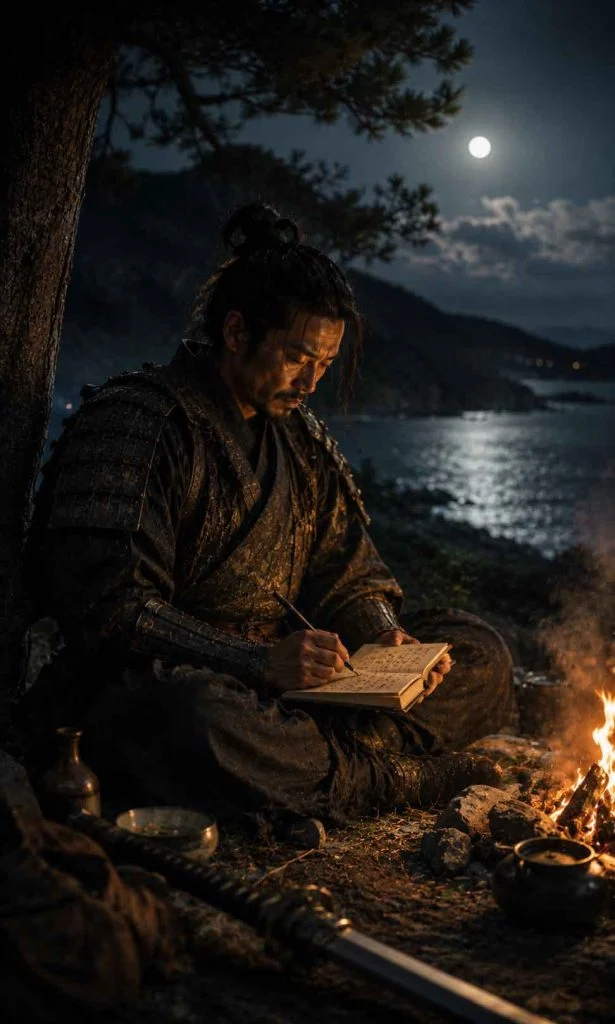
One of the biggest mistakes players make when choosing a new game is asking whether it’s “good.”
A better question is:
Is it the right game for the way you like to play?
Ghost of Tsushima Director’s Cut has earned widespread praise over the years, but it wasn’t designed to satisfy every type of gamer. Its deliberate pacing, cinematic storytelling, and methodical combat appeal strongly to certain players while leaving others wishing for faster progression, deeper RPG systems, or more challenging encounters.
Understanding where your own preferences fit is the easiest way to decide whether Ghost of Tsushima deserves a place in your gaming library.
You’ll Probably Love Ghost of Tsushima If…
✅ Ghost of Tsushima Is a Great Match If You…
🌾 Enjoy Beautiful Open Worlds
You like wandering without constantly following objective markers and appreciate environments that reward curiosity.
⚔ Prefer Skill-Based Combat
You enjoy learning enemy patterns, mastering timing, and gradually becoming more confident during combat.
📖 Value Strong Storytelling
You enjoy character-driven adventures that focus on emotional development rather than constant action.
🎮 Mainly Play Single-Player Games
You want a complete experience that doesn’t rely on seasonal content, battle passes, or online competition.
You May Want Something Different If…
Ghost of Tsushima isn’t designed to compete directly with every modern action game.
If your favourite games focus on endlessly upgrading statistics, chasing legendary loot, or overcoming extremely punishing boss fights, you may find Ghost of Tsushima comparatively restrained.
Likewise, players looking for competitive multiplayer progression, live-service content, or heavily branching narratives where every decision radically changes the story should adjust their expectations before purchasing.
That doesn’t make Ghost of Tsushima a weaker game—it simply reflects a different design philosophy.
Its goal is to deliver a focused samurai adventure rather than combine every modern gaming trend into one package.
Which Type of Gamer Are You?
| Player Profile | Recommendation | Match |
|---|---|---|
| Story Lover | Excellent choice. | ★★★★★ |
| Open-World Explorer | One of the best available. | ★★★★★ |
| Completionist | Plenty to discover. | ★★★★★ |
| Soulslike Fan | Combat is satisfying but less demanding. | ★★★★☆ |
| Multiplayer Gamer | Only if you’re looking for a change of pace. | ★★★☆☆ |
| Live-Service Player | May not match your expectations. | ★★☆☆☆ |
Is It Worth the Money in 2026?
Games often become more affordable over time, but lower prices alone don’t guarantee better value.
Ghost of Tsushima Director’s Cut continues to stand out because it offers a complete, polished single-player experience without relying on paid battle passes, aggressive microtransactions, or seasonal content to remain enjoyable.
Whether you finish the main story in around 30 hours or spend over 80 hours exploring every corner of Tsushima and Iki Island, the game delivers a consistently high-quality adventure from beginning to end.
For players who enjoy cinematic action games, it remains one of the easiest recommendations in 2026.
Reviewed by Tyler Moon – Games Editor
Some games are impressive because they constantly surprise players with new mechanics. Ghost of Tsushima succeeds for a different reason: it refines a smaller set of ideas until they feel genuinely rewarding. If you’re looking for a focused, beautifully crafted single-player adventure rather than another endless open-world checklist, it remains one of the strongest recommendations available in 2026.
The next section should be the Final Verdict. We should leave the Reddit section until after research, because that’s where we’ll gain Information Gain over competing articles.
ExpertsGuys Review Breakdown
| Category | Score | Why It Matters |
|---|---|---|
| Story | 9.8 / 10 | Emotionally engaging without relying on constant plot twists. |
| Combat | 9.7 / 10 | Responsive swordplay that rewards timing, positioning, and stance switching. |
| Exploration | 9.9 / 10 | One of the most natural and immersive open worlds ever created. |
| Graphics & Art Direction | 9.8 / 10 | Beautiful landscapes supported by exceptional artistic direction. |
| Audio & Music | 9.6 / 10 | Music and environmental sound consistently reinforce the atmosphere. |
| Performance | 9.6 / 10 | Excellent optimisation across modern platforms. |
| Replay Value | 9.3 / 10 | New Game+, Iki Island, and different playstyles encourage returning. |
| Overall Rating | 9.7 / 10 | Highly Recommended in 2026 |
How Ghost of Tsushima Compares to Similar Games
| Game | Story | Combat | Exploration | Difficulty | Best For |
|---|---|---|---|---|---|
| Ghost of Tsushima Director’s Cut | ★★★★★ | ★★★★★ | ★★★★★ | Medium | Cinematic samurai adventure |
| Assassin’s Creed Shadows | ★★★★☆ | ★★★★☆ | ★★★★★ | Medium | Historical stealth RPG |
| Rise of the Ronin | ★★★★☆ | ★★★★★ | ★★★★☆ | Medium–Hard | Combat-focused exploration |
| Elden Ring | ★★★★★ | ★★★★★ | ★★★★★ | Very Hard | Players seeking a demanding challenge |
Each of these games offers a different experience. Ghost of Tsushima Director’s Cut stands out by combining cinematic storytelling, approachable yet rewarding combat, and an open world designed to encourage exploration without overwhelming players with unnecessary complexity.
Final Verdict: Is Ghost of Tsushima Director’s Cut Still Worth Buying in 2026?
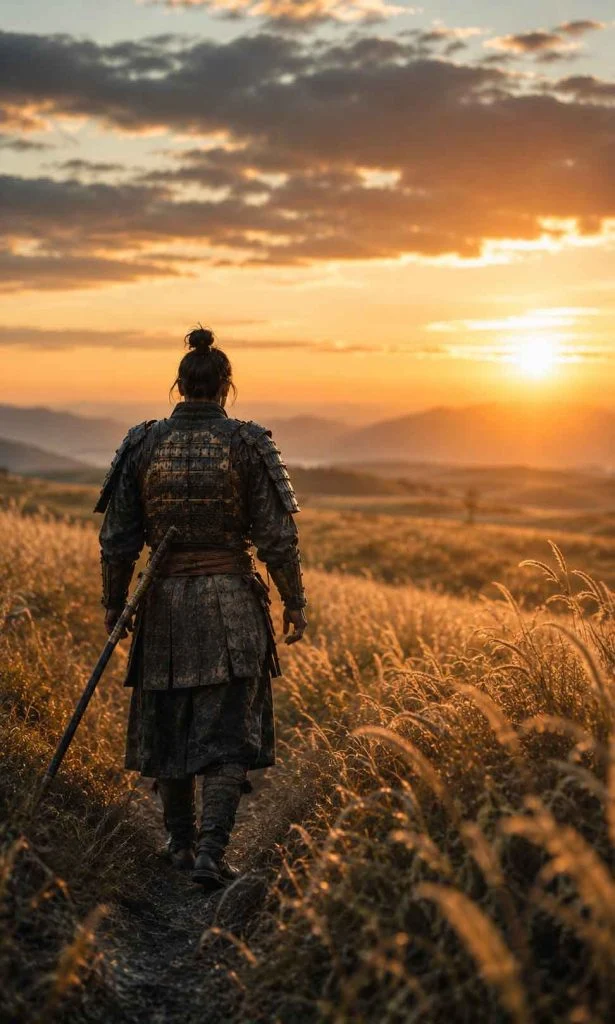
Years after its original release, Ghost of Tsushima Director’s Cut remains one of the clearest examples of how thoughtful game design can outlast changing industry trends. While countless open-world games continue competing to offer larger maps, longer checklists, and increasingly complex progression systems, Ghost of Tsushima succeeds by refining a simpler idea: placing players in a beautiful world where exploration, combat, and storytelling complement one another instead of competing for attention.
That philosophy allows the game to feel remarkably modern even in 2026.
Its combat remains satisfying without becoming overly complicated. The world encourages curiosity without overwhelming players with endless icons. Character progression feels meaningful without requiring extensive grinding, while Jin Sakai’s story continues to resonate because it focuses on universal themes of honour, responsibility, sacrifice, and personal identity rather than relying solely on spectacular action sequences.
For newcomers, Director’s Cut is unquestionably the version to purchase. The Iki Island expansion strengthens an already excellent experience, technical improvements ensure smooth performance across modern platforms, and the additional content feels like a natural continuation of Jin’s journey rather than optional downloadable content.
Returning players face a slightly different decision. If your memories of Ghost of Tsushima include quietly riding across golden fields, discovering hidden shrines, mastering each combat stance, and becoming emotionally invested in Jin’s transformation, Director’s Cut provides an excellent reason to return. If you finished the original game recently and rarely replay single-player adventures, your time may be better spent exploring something new before revisiting Tsushima later.
Perhaps the game’s greatest achievement is that it rarely feels interested in impressing players through sheer scale. Instead, it builds confidence through consistency. Every major system supports the same vision, allowing exploration, combat, music, environmental storytelling, and character development to reinforce one another throughout the journey.
That cohesion explains why Ghost of Tsushima continues appearing in discussions about the best single-player action games years after launch. It isn’t simply remembered because of beautiful graphics or memorable sword fights. It’s remembered because the complete experience leaves a lasting impression.
For players searching for an immersive samurai adventure that rewards patience, observation, and thoughtful exploration, Ghost of Tsushima Director’s Cut remains one of the strongest recommendations available in 2026. Players who enjoy this style of cinematic open-world adventure may also want to explore our guide to games like Ghost of Tsushima for similar story-driven experiences.
Who Should Buy It?
🎮 Should You Buy Ghost of Tsushima Director’s Cut?
Buy It If…
- You want one of the best cinematic single-player adventures available.
- You enjoy exploring naturally instead of following endless map icons.
- You appreciate deliberate sword combat with rewarding progression.
- You prefer complete games without live-service mechanics.
- You have around 40–60 hours to experience the full Director’s Cut.
Consider Waiting If…
- You primarily play competitive multiplayer games.
- You prefer extremely challenging Soulslike combat.
- You want deep RPG builds with extensive character customization.
- You recently completed the original version and don’t usually replay games.
Readers who finish Jin’s journey and still want similar historical action may enjoy our guide to the best samurai games to play next.
Reviewed by Tyler Moon – Games Editor
Ghost of Tsushima Director’s Cut isn’t trying to become the biggest open-world game ever made, and that’s precisely why it continues to succeed. Its world is carefully designed, its combat remains rewarding years after release, and its story respects the player’s time. If someone asked me to recommend a modern action-adventure game that still feels complete in 2026, Ghost of Tsushima would remain near the top of that list.
Samurai Journey Planner™
Before you begin your journey across Tsushima, it’s worth considering how you actually enjoy playing games.
Ghost of Tsushima Director’s Cut is remarkably flexible. Some players focus almost entirely on the main story and finish the campaign over a few weekends. Others spend months uncovering every shrine, collecting legendary armour, completing Mythic Tales, and perfecting every combat stance.
Neither approach is wrong.
The most enjoyable experience usually comes from matching the game’s progression to your own play style rather than following someone else’s recommendations.
That’s exactly why we created the Samurai Journey Planner™.
Instead of asking whether Ghost of Tsushima is objectively a good game, the planner helps answer a far more useful question:
How should you experience Ghost of Tsushima Director’s Cut?
Based on your available gaming time, preferred combat style, exploration habits, and completion goals, the planner generates a personalised journey that helps you avoid common beginner mistakes while getting the most from every hour you spend on Tsushima.
What the Samurai Journey Planner™ Analyses
🏯 Your Personal Samurai Journey
⏱ Gaming Schedule
How many hours can you realistically play each week?
⚔ Combat Preference
Do you enjoy direct sword fights, stealth, archery, or a balanced approach?
🗺 Exploration Style
Do you prefer following the story or discovering every hidden location?
🏆 Completion Goal
Story only, balanced exploration, or complete every activity and trophy?
Your Personal Report Includes
| Report | What You’ll Learn |
|---|---|
| Journey Compatibility Score | How well Ghost of Tsushima matches your gaming preferences. |
| Recommended Difficulty | The most enjoyable difficulty based on your experience level. |
| Suggested Play Order | When to explore, when to focus on the story, and when to visit Iki Island. |
| Estimated Completion Time | A personalised estimate based on your play style. |
| Recommended Activities | Which shrines, Mythic Tales, and upgrades deserve your attention first. |
| Common Beginner Warnings | Avoid mistakes that frequently reduce enjoyment during the first playthrough. |
Before You Begin Your Journey
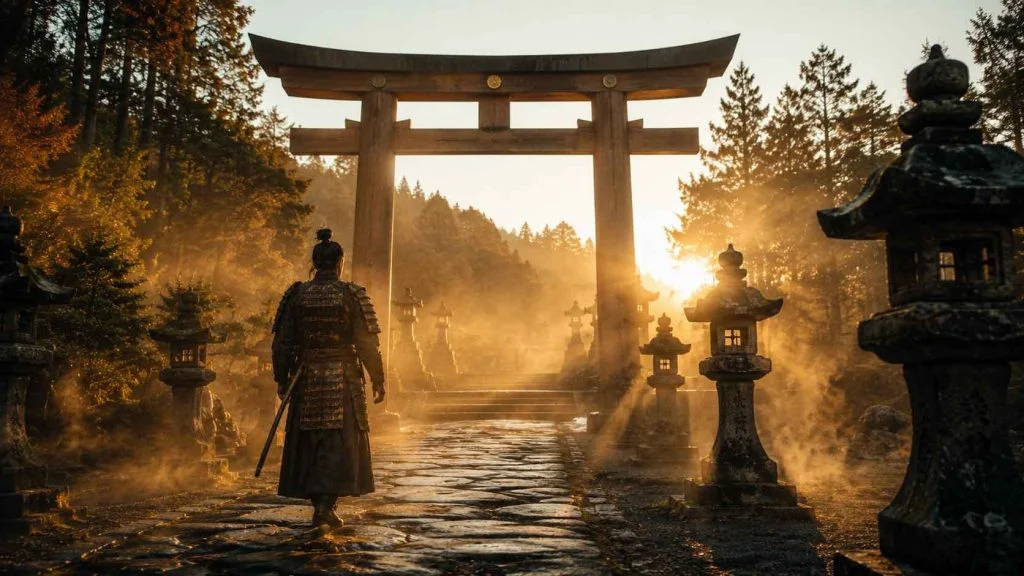
Whether you’re stepping onto Tsushima for the first time or returning to experience the Director’s Cut, a little planning can make the adventure far more rewarding. The order in which you explore the island, the combat abilities you unlock first, and even the difficulty you choose can significantly influence how the game feels during its opening hours.
The Samurai Journey Planner™ analyses your gaming habits and recommends a personalised path through Ghost of Tsushima based on your available time, preferred combat style, exploration preferences, and completion goals.
Complete The Samurai Journey Planner™ below to receive a personalised gameplay roadmap, recommended difficulty, estimated completion time, and exploration strategy tailored to the way you play.
⭐ FAQs
Is Ghost of Tsushima Director’s Cut worth buying in 2026?
Yes. Ghost of Tsushima Director’s Cut remains one of the strongest cinematic action-adventure games available in 2026. Its sword combat, memorable story, rewarding exploration, and Iki Island expansion make it an excellent choice for players looking for a polished single-player experience.
Should I play Ghost of Tsushima before Iki Island?
Yes. Most first-time players should finish the main story before starting Iki Island. The expansion has stronger emotional impact after Jin Sakai’s main journey and is easier to enjoy once you have unlocked more combat techniques, armour upgrades, and abilities.
How long does Ghost of Tsushima Director’s Cut take to finish?
Most players finish the main story in about 25 to 30 hours. A balanced playthrough with side quests, Mythic Tales, exploration, and Iki Island usually takes around 50 to 60 hours, while completionists may spend 80 hours or more.
Is Ghost of Tsushima harder than Elden Ring?
No. Ghost of Tsushima rewards timing, parrying, stance switching, and observation, but it is generally much more forgiving than Elden Ring. Players who want satisfying combat without Soulslike difficulty will usually find it more accessible.
What difficulty should I choose in Ghost of Tsushima?
Medium is the best difficulty for most first-time players because it balances challenge and enjoyment. Hard is suitable for experienced action players, while Lethal is better for a second playthrough once you understand the combat system.
Does Ghost of Tsushima Director’s Cut include Iki Island?
Yes. Ghost of Tsushima Director’s Cut includes the Iki Island expansion, additional story content, extra activities, and platform improvements, making it the definitive version for most players.
Is Ghost of Tsushima better on PC or PlayStation 5?
Both versions are excellent. PlayStation 5 offers a seamless console experience with DualSense features, while PC offers higher frame rates, ultrawide support, and more graphics customization. Choose based on where you prefer to play.
Is Ghost of Tsushima suitable for casual players?
Yes. Ghost of Tsushima is suitable for casual players because it has multiple difficulty options, a gradual learning curve, and clear progression. Players can enjoy the story and exploration without needing advanced action-game skills.
Is Ghost of Tsushima an RPG?
Ghost of Tsushima is better described as an open-world action-adventure game with light RPG elements. It includes armour upgrades, skill progression, and Charms, but it does not have the deep statistics, loot systems, or complex builds found in traditional RPGs.
Should I wait for a sale before buying Ghost of Tsushima Director’s Cut?
If you enjoy cinematic single-player adventures, Ghost of Tsushima Director’s Cut offers strong value even at its standard price. However, if you already have many unfinished games, waiting for a sale is reasonable because the experience will still hold up well later.