

Introduction
Not all home damage looks the same, and mistaking one type for another can lead to expensive mistakes. Termite damage and water damage often share similar visual symptoms—warped wood, weakened structures, surface cracks – but their causes, risks, and solutions are fundamentally different.
Understanding termite behavior also helps homeowners distinguish between termite damage vs water damage, which are often confused.
Understanding the difference is essential for choosing the correct repair strategy and preventing recurring damage.
What Is Termite Damage?
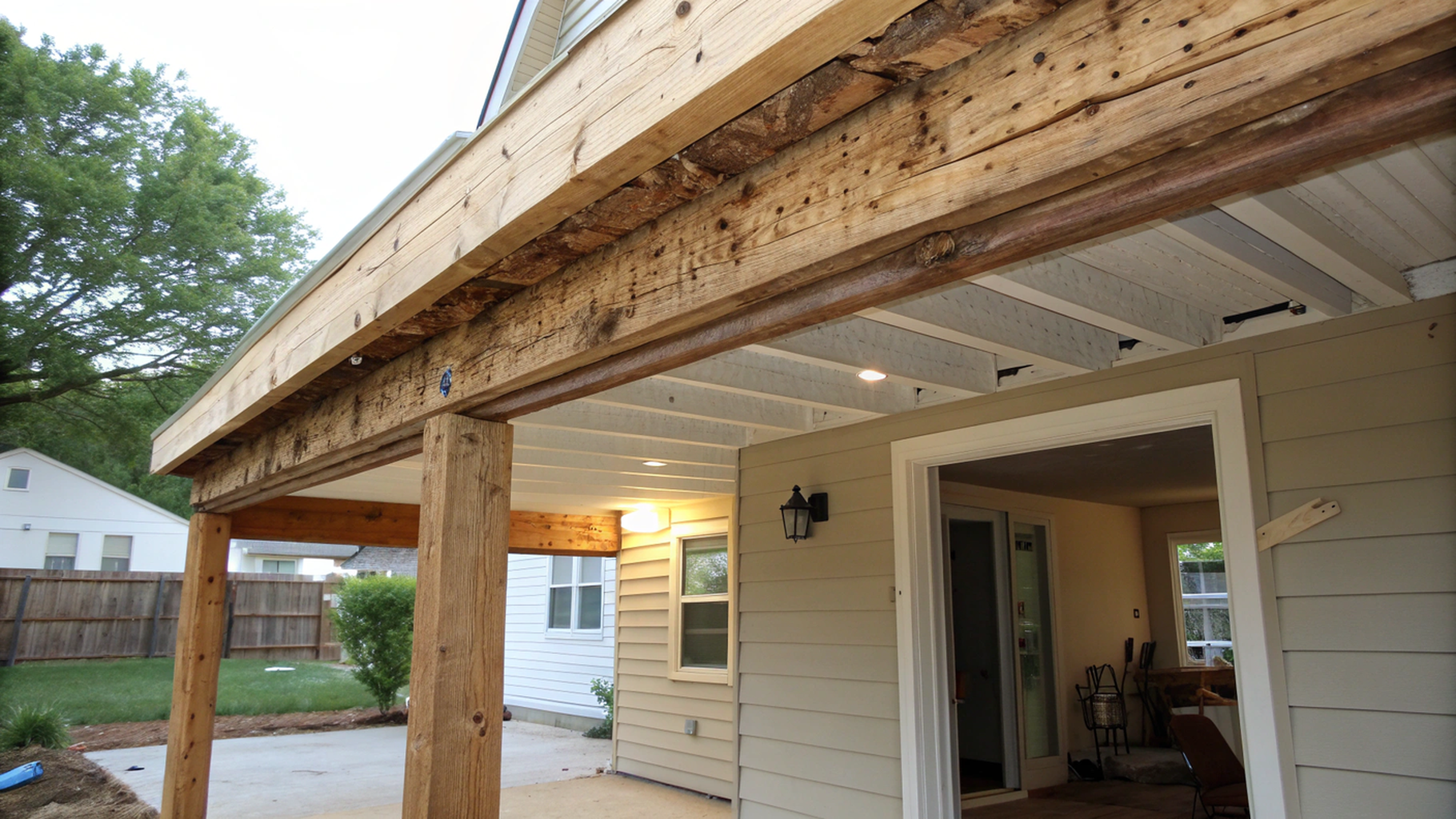
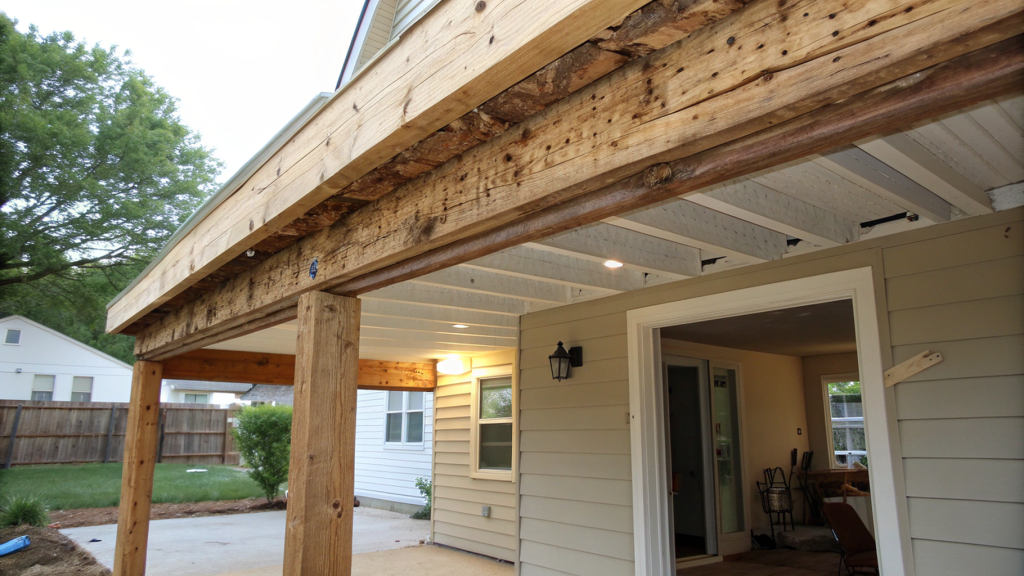
Termite damage is caused by wood-feeding insects that consume structural materials from the inside out. Because the exterior often remains intact, damage can remain hidden for long periods.
Key Characteristics
- Hollowed or tunneled wood
- Dry, brittle internal textures
- Mud tubes near foundations
- Gradual structural weakening
Termite damage progresses silently and usually worsens over time if untreated.
What Is Water Damage?
Water damage results from moisture intrusion caused by leaks, flooding, condensation, or plumbing failures. Unlike termites, water damage typically spreads outward from a visible source.
Key Characteristics
- Swollen or warped wood
- Dark stains or discoloration
- Mold or mildew growth
- Musty odors
Water damage often appears suddenly and can escalate quickly if moisture persists.
Side-by-Side Comparison
| Aspect | Termite Damage | Water Damage |
|---|---|---|
| Primary Cause | Insect activity | Moisture exposure |
| Damage Pattern | Internal, hidden | Surface-visible |
| Speed of Damage | Slow but continuous | Fast and aggressive |
| Early Signs | Hollow wood, mud tubes | Stains, swelling |
| Structural Risk | High if undetected | High if unresolved |
| Repair Approach | Pest control + repairs | Drying + material replacement |
How to Identify the Correct Damage Type
Misdiagnosis leads to ineffective repairs. These cues help distinguish between the two:
- Tap the wood: hollow sound suggests termites
- Check moisture levels: damp readings indicate water damage
- Look for debris: termite frass vs mold residue
- Inspect surroundings: plumbing leaks vs soil contact
When uncertainty exists, professional inspection is the safest path.
Why Accurate Identification Matters
Treating termite damage as water damage leaves colonies active. Treating water damage as termite damage ignores moisture sources. Both scenarios lead to recurring damage, higher costs, and structural risks.
Correct diagnosis ensures:
- Proper treatment selection
- Long-term prevention
- Insurance clarity
- Safer living conditions
Conclusion
Termite damage and water damage may look similar, but their causes and solutions are entirely different. Knowing how to tell them apart protects homeowners from unnecessary repairs and recurring structural problems.
Early identification and correct response are the foundation of effective home damage prevention.
Compare Local Home Specialists Near You
Tell us what kind of help you need, then compare nearby businesses by location, Google rating, review volume and contact options.
HomeFix Local Match
Turn a home problem into a practical local hiring decision. Check the clues, see the specialist types that fit, open focused surrounding-location searches, then compare the strongest three before you call.
 YOUR PROBLEM
YOUR AREA
COMPARE 3
✓ Ready to compare
YOUR PROBLEM
YOUR AREA
COMPARE 3
✓ Ready to compare
What is happening?
Choose the closest problem type, then check every clue that applies. Your selections change the specialist order.
Where should the search focus?
Use Google’s “near me” context or enter the area you actually want a specialist to serve.
Simple local search: open nearby Google results, choose the businesses that look suitable, then compare your best three here before you call.
Problem snapshot
Who should you call first?
These are the specialist types most likely to fit the clues you selected.
Search around your location
Compare your top three
Use the same factors for each option so a high star rating does not hide a weak scope, poor diagnosis, missing credentials or unclear aftercare.
Comparison result
Your result combines the Google signals you entered with the practical hiring checks you completed.
Questions to ask every finalist
Use the same questions with each shortlisted business so the comparison stays consistent.
FAQ
Can termite damage be covered by insurance?
Yes, in some cases, termite damage can be covered by insurance. However, it depends on the type of insurance policy you have and the extent of the damage. It’s essential to read your policy carefully and understand what is covered and what is not.
How can I prevent mold growth after water damage?
To prevent mold growth after water damage, it’s crucial to dry the affected area as soon as possible. You can use fans, dehumidifiers, and open windows to increase air circulation and help dry out the area. You can also use mold-resistant paint and materials when repairing the damage.
Can I prevent termite damage on my own?
While you can take some measures to prevent termite damage on your own, it’s always best to seek professional help. Pest control professionals have the expertise and tools to identify termite infestations and prevent them from causing significant damage.