
Why Termite Damage and Water Damage Are Often Confused
Property damage rarely announces itself clearly.
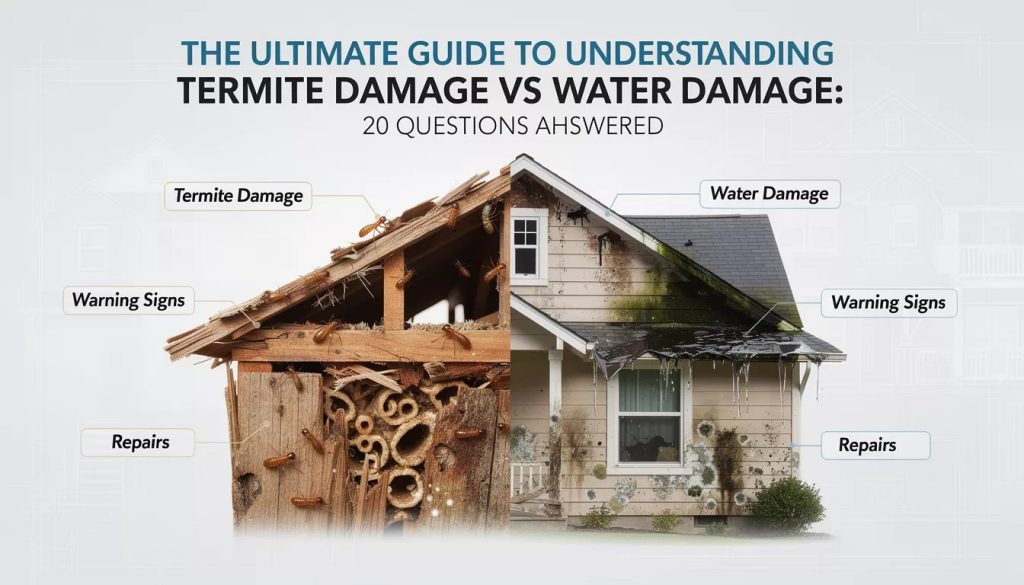
Warped floors, hollow wood, stains, and odors can come from very different causes, yet lead to similar visual symptoms. This is why homeowners often confuse termite damage with water damage—and why misdiagnosis leads to costly mistakes.
Understanding the difference in cause, behavior, speed, and repair logic is essential before taking action.
This guide answers the 20 most important questions homeowners ask about termite damage vs water damage—using a cause → effect → solution framework.
Conceptual Foundation: What Makes These Two Damages Different
Before identifying symptoms, you must understand how each damage originates.
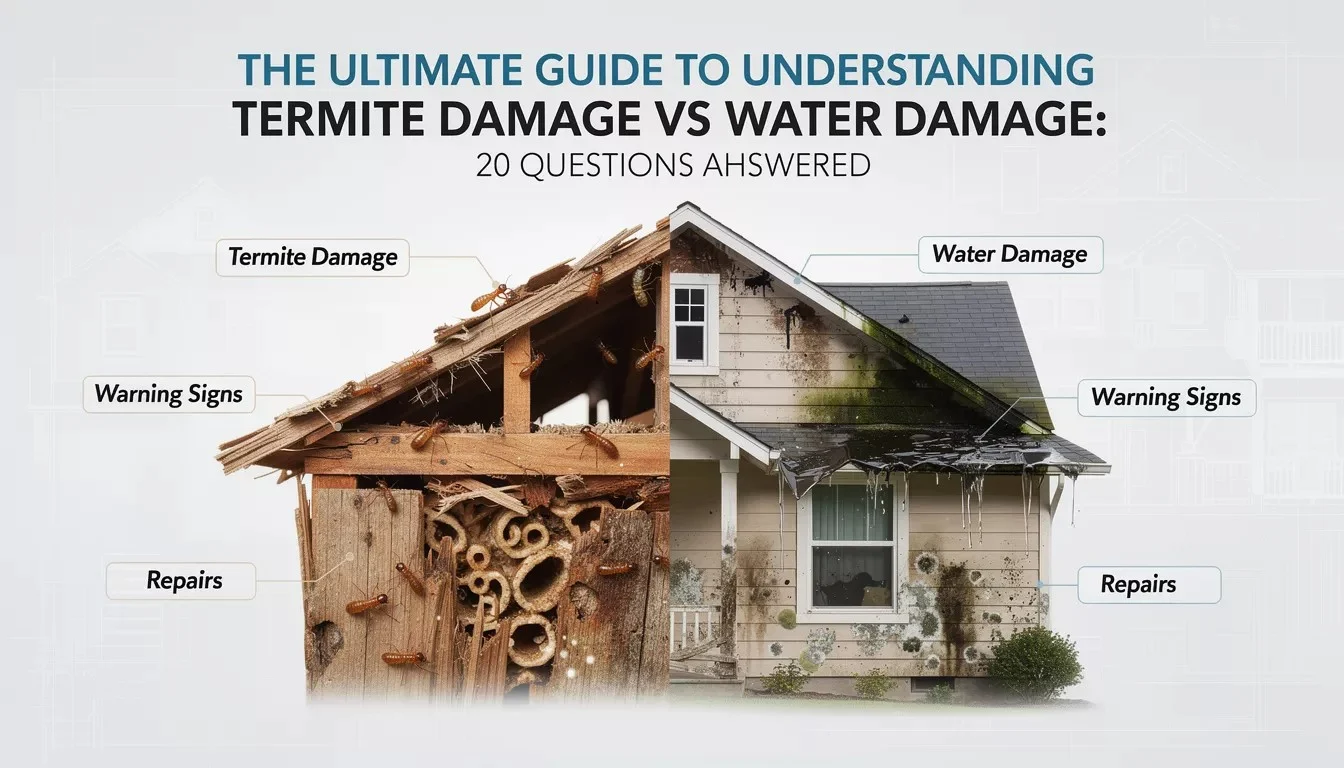
- Termite damage is biological and progressive
- Water damage is environmental and often sudden
This single distinction changes detection, prevention, insurance coverage, and repair strategy.
Part 1: Understanding Termite Damage
What Are Termites and Why Are They Dangerous to Homes?
Termites are cellulose-feeding insects that consume wood, paper, and organic fibers. Inside a home, this means:
- Structural beams
- Flooring systems
- Wall framing
- Furniture and built-in cabinetry
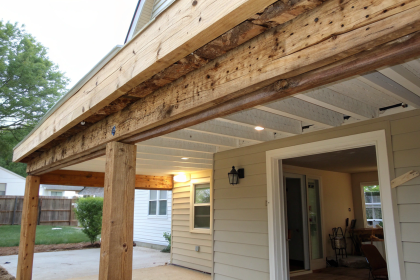
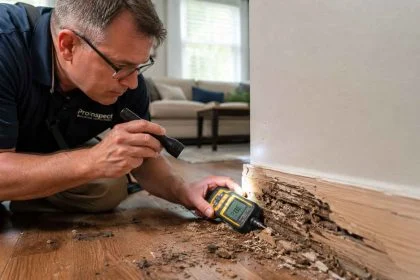
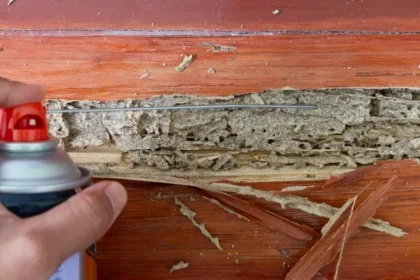
They do not destroy wood from the outside first. Instead, they hollow structures internally, leaving surfaces intact until failure occurs.
How Do Termites Damage Structures Over Time?
Termites enter through:
- Foundation cracks
- Soil contact points
- Moisture-rich crawl spaces
Once inside, they build hidden tunnels, slowly reducing structural strength without visible surface collapse.
This makes termite damage structurally dangerous but visually subtle.
What Are the Most Reliable Signs of Termite Damage?
Common indicators include:
- Hollow or papery-sounding wood
- Buckled or uneven floors
- Mud tubes on walls or foundations
- Doors and windows suddenly misaligned
Unlike water damage, termite damage often lacks obvious staining.
How Long Does It Take for Termites to Cause Serious Damage?
Termite damage develops slowly but relentlessly.
- Minor damage: months
- Structural compromise: several years
- Severe infestation: often discovered too late
This long timeline is why termites cause high cumulative repair costs.
Can Termite Damage Be Repaired or Must It Be Replaced?
In most cases:
- Cosmetic termite damage → limited repair
- Structural termite damage → full replacement
Compromised wood cannot be strengthened safely and must be removed.
Part 2: Understanding Water Damage
What Causes Water Damage in Homes?
Water damage results from:
- Plumbing leaks
- Roof failures
- Flooding and storms
- Poor drainage or foundation issues
Unlike termites, water damage usually starts with a clear triggering event.
What Are the Common Signs of Water Damage?
Water damage typically presents as:
- Yellow or brown stains
- Warped or swollen flooring
- Soft drywall
- Mold or musty odor
Visual clues appear much earlier than termite damage.
How Fast Does Water Damage Occur?
Water damage can begin within:
- Hours (standing water)
- Days (hidden leaks)
- Weeks (chronic moisture exposure)
Speed depends on material type, water volume, and ventilation.
Is Water Damage Always Permanent?
Not always.
- Light water exposure → drying + cleaning
- Prolonged saturation → material replacement
Early detection determines repair cost.
Part 3: Prevention Logic for Both Damage Types
How to Prevent Termite Damage Effectively
Prevention focuses on moisture and access control:
- Fix leaks promptly
- Improve crawl-space ventilation
- Remove soil-to-wood contact
- Use treated wood or termite barriers
Termites thrive where water and wood meet.
How to Prevent Water Damage Before It Starts
Water prevention is about maintenance and monitoring:
- Inspect plumbing and roofs regularly
- Keep gutters clean
- Improve exterior drainage
- Use dehumidifiers in humid climates
Water damage is usually preventable through routine checks.
Early Warning Signals You Should Never Ignore
Shared red flags include:
- Warping
- Structural shifting
- Unexplained odors
- Persistent dampness
When symptoms overlap, professional inspection becomes essential.
Part 4: Repair Strategy and Professional Intervention
Can Homeowners Fix Termite Damage Themselves?
Generally, no.
- Termite eradication requires licensed treatment
- Structural repairs require professional assessment
DIY repairs risk masking deeper damage.
Best Repair Methods for Termite Damage
Depending on severity:
- Localized wood replacement
- Structural reinforcement
- Full section reconstruction
Treatment must always precede repair.
How Is Water Damage Properly Repaired?
Effective water damage repair follows this sequence:
- Stop the water source
- Remove standing water
- Dry the area completely
- Assess mold risk
- Repair or replace materials
Skipping steps leads to recurring damage.
Part 5: Insurance, Coverage, and Long-Term Protection
Does Home Insurance Cover Termite Damage?
Usually no.
Termite damage is considered:
- Gradual
- Preventable
- Maintenance-related
Most policies exclude it.
Is Water Damage Covered by Insurance?
Often yes, but conditionally.
Covered scenarios may include:
- Sudden pipe bursts
- Accidental appliance leaks
Excluded scenarios often include:
- Flooding (separate policy required)
- Long-term neglect
Policy details matter.
What Should You Do Immediately After Discovering Damage?
- Stop the cause (water or infestation)
- Document damage
- Contact a licensed professional
- Notify your insurer if applicable
Delays increase cost and risk.
How to Protect Your Home Long-Term
Long-term protection combines:
- Scheduled inspections
- Preventive maintenance
- Proper insurance planning
- Professional assessments
Prevention always costs less than repair.
Final Conclusion: Choosing the Right Response Starts With Understanding
Termite damage and water damage may look similar—but they behave, spread, and resolve very differently.
- Termites destroy silently and slowly
- Water damages quickly and visibly
Misidentifying the cause leads to wasted money, unsafe repairs, and repeated damage.
By understanding cause, progression, prevention, and repair logic, homeowners can respond correctly, protect their investment, and maintain long-term structural safety.
Early awareness is not just helpful—it is essential.
Compare Local Home Specialists Near You
Tell us what kind of help you need, then compare nearby businesses by location, Google rating, review volume and contact options.
HomeFix Local Match
Turn a home problem into a practical local hiring decision. Check the clues, see the specialist types that fit, open focused surrounding-location searches, then compare the strongest three before you call.
 YOUR PROBLEM
YOUR AREA
COMPARE 3
✓ Ready to compare
YOUR PROBLEM
YOUR AREA
COMPARE 3
✓ Ready to compare
What is happening?
Choose the closest problem type, then check every clue that applies. Your selections change the specialist order.
Where should the search focus?
Use Google’s “near me” context or enter the area you actually want a specialist to serve.
Simple local search: open nearby Google results, choose the businesses that look suitable, then compare your best three here before you call.
Problem snapshot
Who should you call first?
These are the specialist types most likely to fit the clues you selected.
Search around your location
Compare your top three
Use the same factors for each option so a high star rating does not hide a weak scope, poor diagnosis, missing credentials or unclear aftercare.
Comparison result
Your result combines the Google signals you entered with the practical hiring checks you completed.
Questions to ask every finalist
Use the same questions with each shortlisted business so the comparison stays consistent.