
Introduction
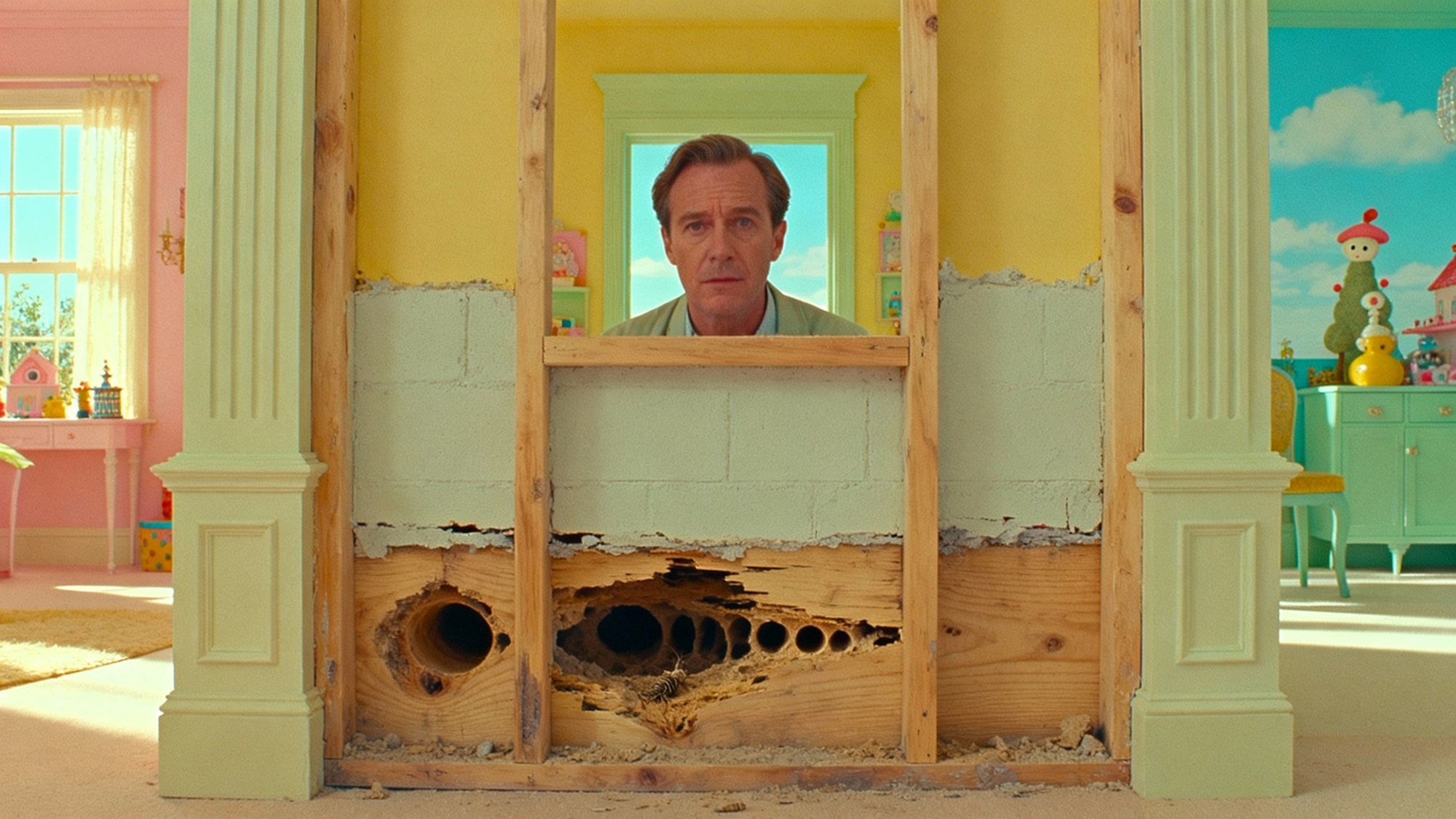
Termite damage inside walls is rarely obvious at first glance. Many homeowners only discover the problem after paint bubbles, wood softens, or structural issues begin to surface. By that point, termites may have been active for months or even years.
Learning to recognize early warning signs inside walls is one of the most effective ways to prevent extensive structural damage and costly repairs.
Hollow or Papery-Sounding Walls
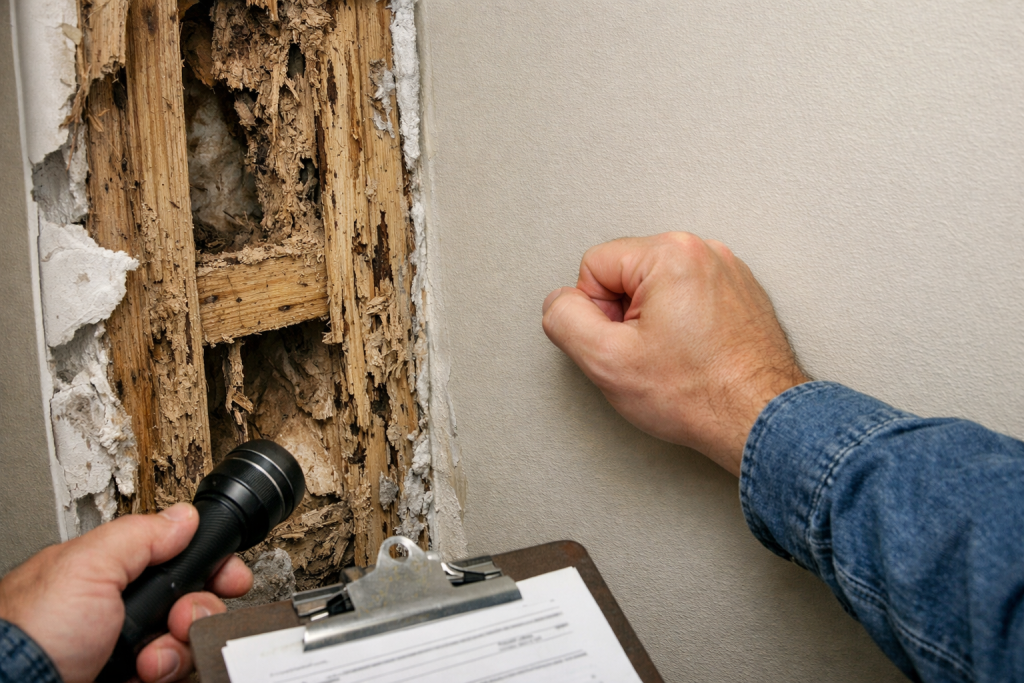
When termites consume wall studs and supports internally, the wall may sound hollow or thin when tapped. This is one of the earliest and most reliable warning signs of hidden termite activity.
Bubbling or Peeling Paint (Not Moisture)
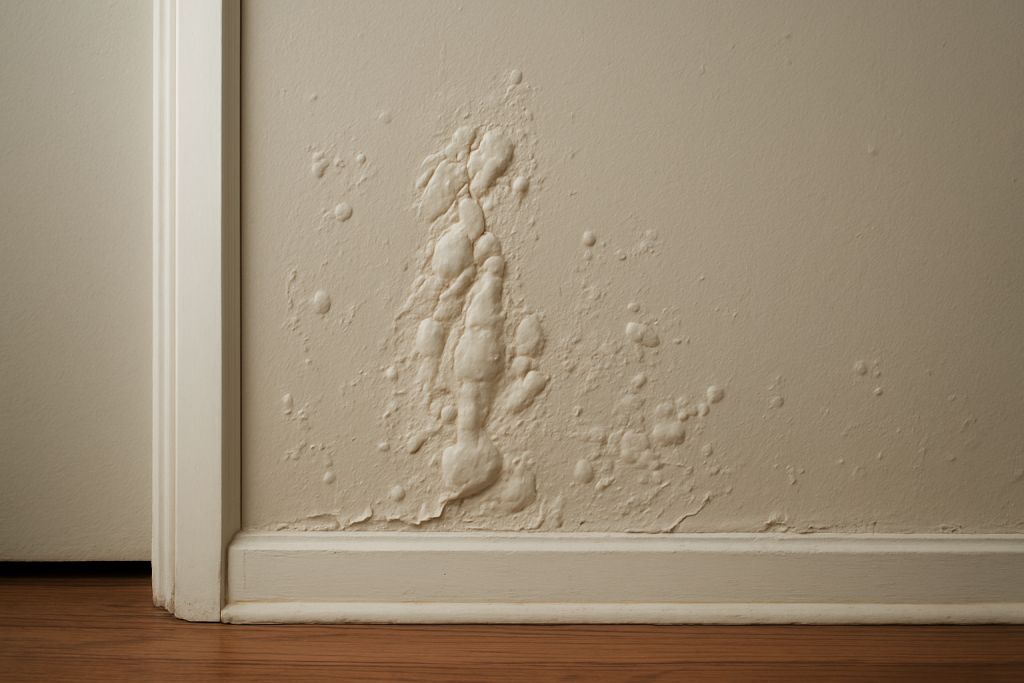
Termite activity releases moisture as wood is consumed. This can push paint outward, mimicking water damage but without an obvious leak.
Because this often looks like water exposure, many homeowners confuse it with termite damage vs water damage.
Soft Spots Around Door and Window Frames
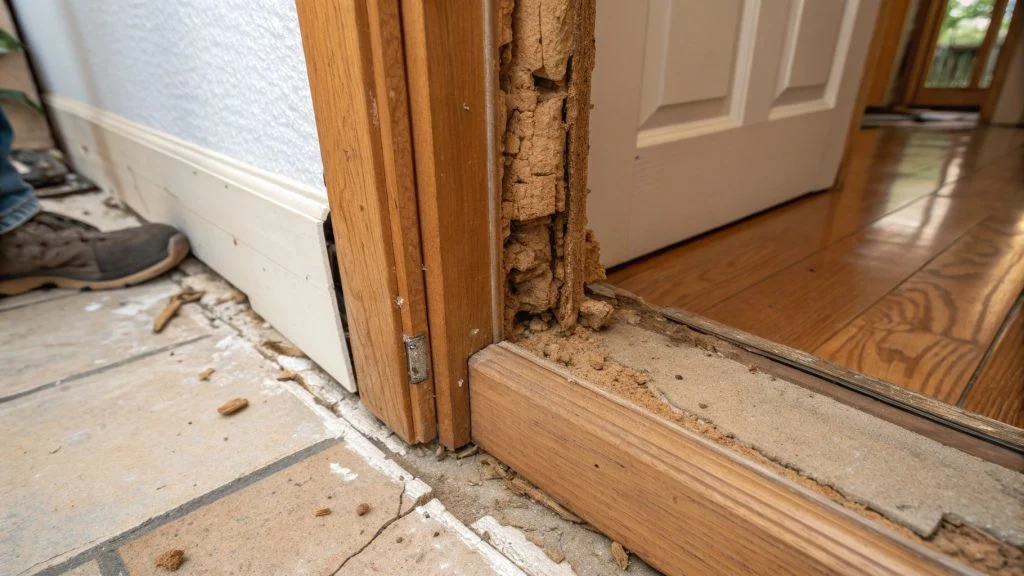
Frames are prime targets because they combine wood, moisture changes, and structural stress. Softness here is an early red flag.
Tiny Cracks or Sagging Wall Lines
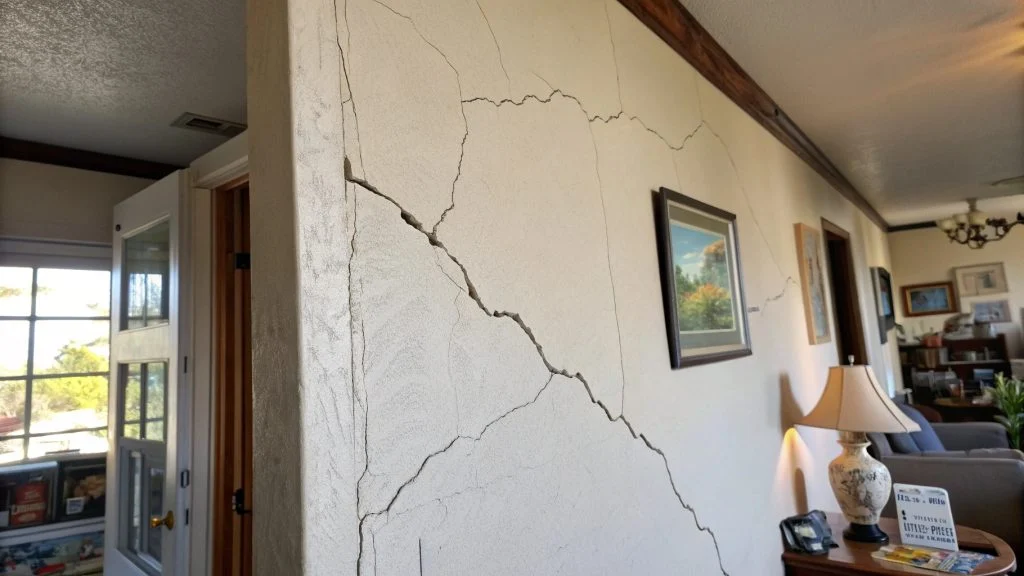
As termites weaken studs and beams, walls may shift slightly, creating cracks or uneven lines.
Mud Tubes Near Wall Edges or Skirting
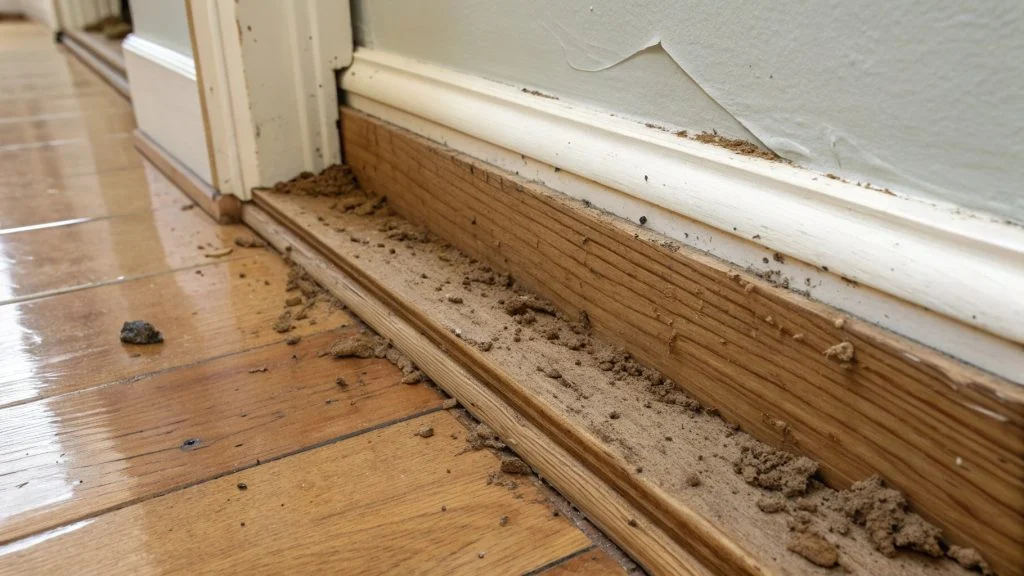
Mud tubes are one of the strongest indicators of an active termite colony and should trigger immediate inspection.
What to Do If You Notice These Signs
If one or more of these signs appear, avoid cosmetic repairs. Painting over damage or filling cracks will not stop termites and may allow further structural weakening.
Regular inspections and seasonal maintenance play a major role in preventing long-term structural damage.
Conclusion
Early termite damage inside walls often looks minor, but its impact can be severe if ignored. Hollow sounds, bubbling paint, soft frames, and mud tubes are not cosmetic issues — they are structural warnings.
Identifying these signs early allows homeowners to intervene before damage becomes irreversible.
Compare Local Home Specialists Near You
Tell us what kind of help you need, then compare nearby businesses by location, Google rating, review volume and contact options.
HomeFix Local Match
Turn a home problem into a practical local hiring decision. Check the clues, see the specialist types that fit, open focused surrounding-location searches, then compare the strongest three before you call.
 YOUR PROBLEM
YOUR AREA
COMPARE 3
✓ Ready to compare
YOUR PROBLEM
YOUR AREA
COMPARE 3
✓ Ready to compare
What is happening?
Choose the closest problem type, then check every clue that applies. Your selections change the specialist order.
Where should the search focus?
Use Google’s “near me” context or enter the area you actually want a specialist to serve.
Simple local search: open nearby Google results, choose the businesses that look suitable, then compare your best three here before you call.
Problem snapshot
Who should you call first?
These are the specialist types most likely to fit the clues you selected.
Search around your location
Compare your top three
Use the same factors for each option so a high star rating does not hide a weak scope, poor diagnosis, missing credentials or unclear aftercare.
Comparison result
Your result combines the Google signals you entered with the practical hiring checks you completed.
Questions to ask every finalist
Use the same questions with each shortlisted business so the comparison stays consistent.
FAQs
What is the earliest sign of termite damage in walls?
Hollow-sounding walls when tapped and subtle paint bubbling or slight surface distortion are often early indicators of internal termite activity within wall cavities.
Can termite damage look like water damage?
Yes. Bubbling paint, soft drywall, and weakened wood caused by termites can closely resemble water damage, making proper inspection important before repairs.
Should I repair wall damage before termite treatment?
No. Cosmetic repairs should only be completed after termites are fully eliminated. Repairing surfaces too early can hide ongoing activity and allow structural damage to continue behind the wall.