
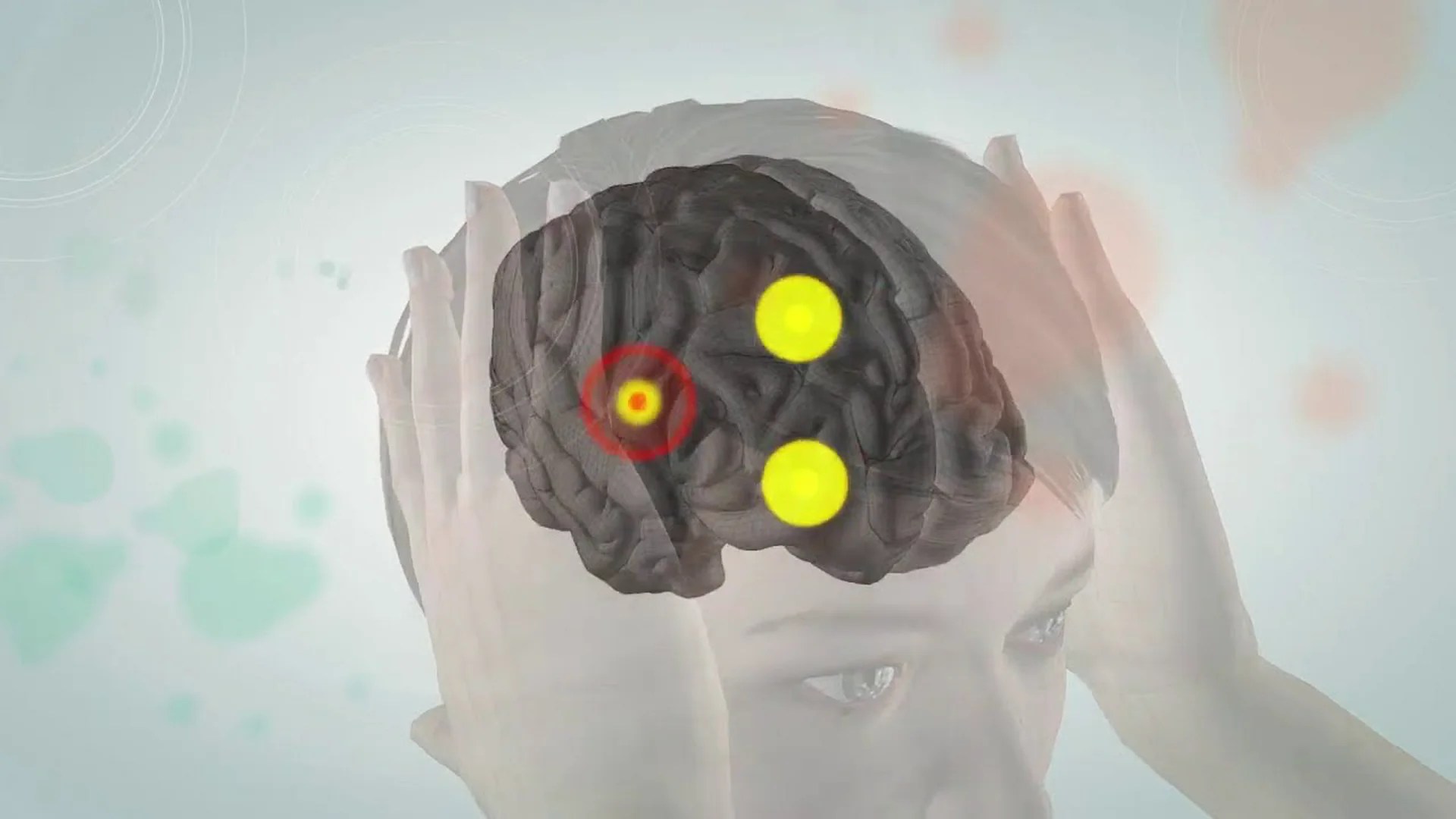

Symptoms of depression or anxiety may resemble the symptoms of a headache. They include lack of control, stress, or excessive worry. Despite their similarities, the two conditions are very different. This article explains how to distinguish between these conditions. It will also help you determine whether you are suffering from depression or anxiety.
Stress
The underlying psychiatric disorder that may contribute to migraine is often anxiety or depression. This comorbid condition should be diagnosed and treated with behavioral strategies geared toward modifying dysfunctional cognitions and behaviors. Recognizing comorbidity may also prevent unwanted side effects of pharmaceutical drugs. In addition, it can help avoid overuse of medications for both conditions.
The prevalence of depression and anxiety among migraine patients increases with the frequency of migraine attacks, suggesting a dose-response relationship. Concurrent depression and anxiety are also associated with increased risk of suicide in migraine patients. The presence of depression or anxiety prior to migraine diagnosis may also have important treatment implications.
The underlying neural causes of headache depression and anxiety may differ, but many common factors overlap. The ICHD-III diagnostic criteria were applied to all patients. MRIs and computerized tomography (CT) were used to rule out other conditions. Physicians specializing in pain medicine and neurology made the final diagnosis.
Excess worry
The basic neurological differences between headache depression and anxiety are well-known, but what are the differences between the two? The basic differences between the two are related to excessive worry and fear. In fact, research has found that these two emotions are related to several pain disorders, including primary headaches. Some factors may play a role, including genetics, life events, and psychological trauma. Others, such as sleep and culture, can affect the level of worry.
Anxiety disorders often cause physical symptoms, including headaches, muscle tension, and restlessness. In some cases, anxiety can also result in gastrointestinal problems. Some of these symptoms are similar to those of irritable bowel syndrome, including abdominal pain, diarrhea, and constipation. Symptoms of anxiety may also mimic those of other disorders, such as low blood sugar and thyroid disorders.
Although there are many basic neurological differences between depression and anxiety, they often co-exist in the general population. Anxiety disorders are characterized by excessive worry, while depression is characterized by feelings of sadness or hopelessness. Both anxiety and depression also present significant physical symptoms, including irritability and impaired sleep. However, there is limited information about which symptom is more important.
Excess fear
This study examined the relationship between excess fear and headache depression in people with migraine. They analyzed responses from 782 individuals with a questionnaire that assessed demographics and migraine symptoms. The questionnaire also included questions about anxiety and depression. The researchers then performed binary logistic regression analyses on all four subitems of the GAD-7 anxiety scale and the PHQ-9 depression scale. The results indicated a significant correlation between anxiety and depression, and the presence of migraine.
Anxiety and fear are often correlated with headaches. In particular, they have been linked to a variety of primary and secondary headaches. Both conditions can be genetically based, or triggered by traumatic events. Psychological trauma or life events can also play a role. Other factors such as sleep and cultural influences can also contribute to the development of anxiety and depression.
Lack of control
A recent study has examined the association between headache depression and anxiety. The researchers studied 782 people with general population headaches who completed a questionnaire about demographics, migraine features, and anxiety and depression symptoms. The researchers used binary logistic regression to test the association between four subitems of the GAD-7 anxiety scale and the PHQ-9 depression scale and whether a person had a migraine or not.
There is a close connection between depression and anxiety. Both diseases are linked to the release of neurotransmitters that affect the brain and nervous system. Moreover, serotonin, a neurotransmitter responsible for pain sensation, is also involved in depression. This overlap between these two disorders makes treatment difficult. Because treatment for one disorder may mask the symptoms of the other, it is important to understand how these two conditions interact. Cognitive behavioral therapy is a well-known psychotherapy for treating both depression and anxiety. Other approaches may include relaxation training, hypnosis, and exercise.
The medical evidence includes examination findings, medical history, and relevant laboratory tests. The evidence also includes descriptions of the treatments prescribed for each condition. For example, patients with depression and anxiety disorders often experience headaches that are triggered by their own anxiety. The symptoms can last for hours, lead to nausea and vomiting, and may also make a person highly sensitive to light. People with anxiety disorders are more likely to experience migraines than those without them. A person suffering from chronic pain may also have cluster headaches, which are less common than migraines. Cluster headaches are more intense and usually cause a burning sensation behind the eyes.
SSRIs
If you are considering using SSRIs for headache depression and anxiety, it is important to follow your physician’s instructions. These medications can cause unwanted side effects, including nausea. To minimize the effects of these side effects, take the medicine with food, preferably before bedtime. It can take several weeks for your symptoms to be completely gone. It is also important to talk to your doctor about other options for treatment.
SSRIs are often prescribed for depression and anxiety, and can prevent migraine attacks as well. They increase levels of a neurotransmitter called serotonin in the brain. Serotonin is a neurotransmitter that controls mood. Taking antidepressants for depression or anxiety has been associated with migraine prevention, but does not cure the condition.
SSRIs are prescribed in tablet form and are usually taken for 2 to 4 weeks before they begin to show results. During this time, you may experience mild side effects such as dizziness or drowsiness. However, these side effects usually subside after the first few weeks. Generally, SSRIs do not cause serious side effects. However, there are a few exceptions. For example, if you are pregnant, breastfeeding, or have certain health conditions, you should not take SSRIs.
Cognitive-behavioural therapy
Cognitive-behavioural therapy (CBT) is an effective treatment for a variety of chronic headache conditions. It can be used in conjunction with other treatments and is particularly effective when aimed at pain-related symptoms. This treatment is based on a collaborative approach between patients and their healthcare provider.
The treatment usually involves teaching relaxation techniques and stress management. It may also include the treatment of comorbid conditions such as depression and anxiety. Regardless of the underlying cause of headaches, cognitive-behavioural therapy can help alleviate symptoms and improve daily functioning. It may even reduce the frequency of migraine attacks, which can be a major challenge for sufferers.
Research shows that there is a strong relationship between migraine and psychiatric conditions. In fact, an increased prevalence of depression in migraineurs has been documented. We reviewed the relevant literature to better understand the relationship between depression and migraine. We looked at the impact of MID and hormonal factors, and examined treatment options.
The latest studies show that cognitive-behavioural therapy may improve treatment effectiveness in patients with migraine and pain. It is an effective treatment option for both adults and children. Many controlled studies have shown that it can be more effective in the treatment of chronic headache than usual care. The Mind Body Balance Project funded by the National Center for Complementary and Integrative Health is an example of such a study. Its goals are to determine if different levels of treatment can improve outcomes and ease patient suffering.
Over-the-counter medications
There are several over-the-counter medications for headache depression and anxiety that can be effective for these conditions. These medications are typically not considered a cure for either disorder, and they should only be used when needed. However, some of these medications can have undesirable side effects and are not recommended for all patients.
NSAIDs (nonsteroidal anti-inflammatory drugs) are common medications for headaches. However, they can increase your risk for heart attack, kidney damage, and stomach bleeding. Also, frequent use can worsen your headache. The American Headache Society recommends that you avoid taking OTC headache medications more often than twice a week. Instead, consider triptans, which have been used to treat migraines for over a decade. These drugs work by maintaining the serotonin level in the brain. Triptans can also be effective for tension-type headaches.
If you’re worried that your headache is related to depression or anxiety, talk to a health professional. Many times, these illnesses run in families. Your primary care physician can refer you to a psychiatrist. They’ll have special training to help you deal with mental health issues.
The Difference Between Headache, Anxiety And Depression – Final Thoughts
A headache disorder can be triggered by depression, according to recent research. While scientists are not yet clear how this connection occurs, people with depression often complain of physical ailments and symptoms. Hence, the link between depression and headache disorders deserves further study. However, it should be remembered that some people with headache disorders do not even complain about being depressed, as they may be suffering from an undiagnosed physical condition. If this is the case, it is time to seek help.
The relationship between pain and depression used to be thought to be solely psychological. However, recent research has found that pain and depression share a number of biological mechanisms. In both cases, people experience persistent fear or worry about the outcome of events, even those that are not physically painful. This leads to significant problems in many aspects of their life.
The two disorders are common among the general population. While both have similar symptoms, they are different. Anxiety manifests itself in excessive worry or fear, while depression manifests itself in feelings of sadness and lack of energy. Both have overlapping symptoms, and they are both present in people with migraine. Their underlying causes may be genetic, social, or cultural.
If you think you might suffer from both, talk to your GP or therapist. They’ll ask about your symptoms and examine your health history. They may prescribe medicine or psychological therapy for you. The best treatment for both is to visit a doctor regularly to monitor whether your symptoms are subsiding or intensifying.