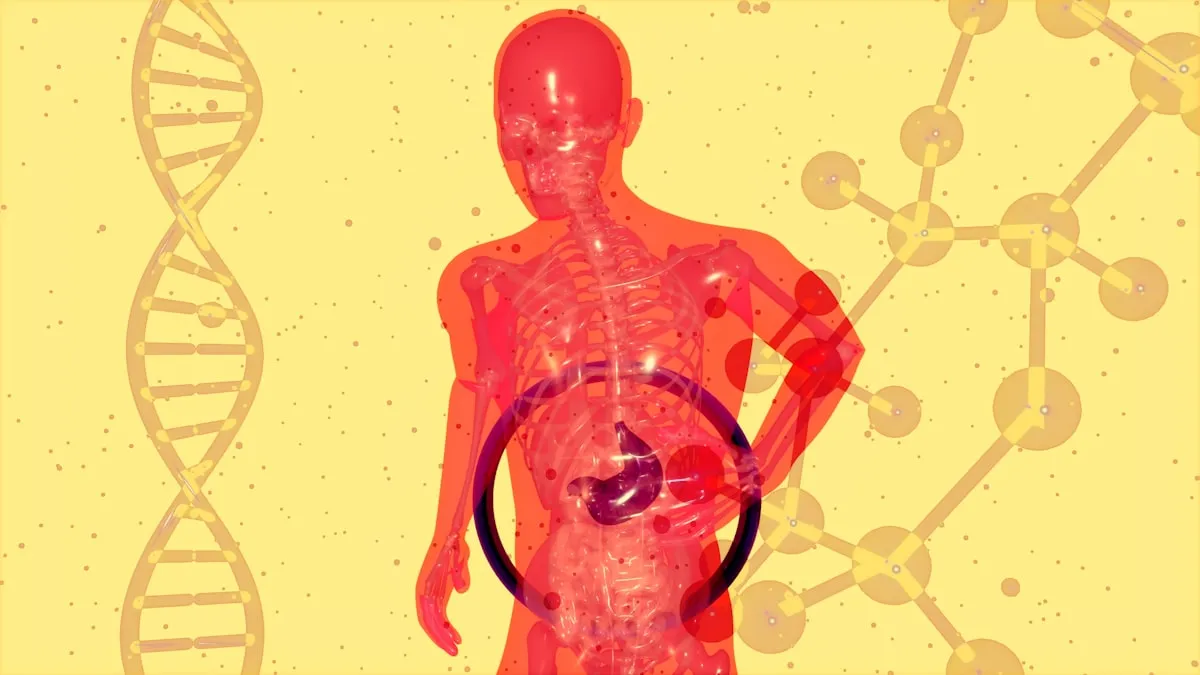

The liver is an essential organ of the body, controlling blood flow, detoxification and digestion. Unfortunately, certain circumstances can place undue strain on it and eventually damage its functioning.
Factors such as fatty liver disease, alcohol abuse and hepatitis B and C can all lead to these conditions developing. Fortunately, many of these conditions are treatable if caught and addressed early.
1. Diet
Diet and exercise are two of the most effective ways to repair liver damage. Additionally, they help protect against other health conditions like obesity and diabetes.
No matter your age, diet and exercise can be essential in maintaining the health of your liver. This is especially true if you suffer from NAFLD (Nutrium Alcohol Fatty Liver Disease) or other forms of liver damage.
Your liver plays an integral role in detoxifying and breaking down fats in your body, so maintaining a balanced diet is key for keeping it functioning optimally. That means eating plenty of veggies, fruits and whole grains as well as limiting fried or processed foods to once or twice per week.
Vegetables and fruit are packed with essential vitamins, minerals, and antioxidants that can shield the liver from harm. Berries, for instance, contain compounds called anthocyanins which may reduce the risk of liver cancer as well as improve function for those suffering from liver issues.
Eating a variety of vegetables and fruits daily will not only give your liver essential fiber, but it will also promote its optimal functioning. Aim to consume at least three servings of fresh produce each day.
Drinking plenty of water is also recommended, as it helps flush out toxins and prevents dehydration.
Limiting alcohol is another way to support your liver. Women should limit themselves to one alcoholic drink daily, while men should limit themselves to two. Too much drinking can have detrimental effects on the organ and even lead to cirrhosis – an advanced form of the disease which causes scarring and damage to its cells.
You can reduce caffeine consumption by drinking fewer cups of coffee, tea and other sugary beverages. Studies have indicated that caffeine increases bile production in your liver, potentially worsening NAFLD symptoms.
Finally, a study published in Liver International revealed that increasing protein consumption can help lower your liver’s fat content and promote healing. Some good sources of this dietary protein include fish, chicken, low-fat milk, cheese, yoghurt, eggs, beans, nuts and seeds.
Eating a nutritious and balanced diet is the most important way to support your liver. According to the American Institute for Cancer Research, people with NAFLD should eat more plant-based foods like whole grains, beans, fruits and vegetables; they should also reduce their consumption of red and processed meats, dairy products, sugary drinks and trans-fatty acids.
Another effective method to advertise liver health and wellness as well as turn around liver damage is by incorporating green tea right into your diet plan. Eco-friendly tea is packed with anti-oxidants, specifically catechins, that can help secure the liver from damages and improve liver function.
Research study has actually shown that normal usage of green tea can lead to a reduction in liver swelling and also fibrosis, as well as even lower the threat of liver cancer.
To read more regarding the advantages of eco-friendly tea for liver health, check out this comprehensive overview on exactly how to reverse liver damages by using green tea at ExpertsGuys.com.
2. Exercise
Exercise is essential if you have fatty liver disease or simply haven’t been eating right. Not only will it help control your weight and build muscle, but it may reduce inflammation as well as safeguard the organ from further harm.
Physical activity can help protect you against decompensated cirrhosis, a severe stage of liver damage that can lead to kidney failure and other health complications. Furthermore, it helps strengthen your body and lowers the likelihood of falls.
The American Heart Association recommends that adults get at least 30 minutes of moderate-intensity aerobic exercise five days a week. Additionally, it may be beneficial to incorporate some strength training into your workout regimen.
Studies have demonstrated that both aerobic and resistance exercise are effective at decreasing fat in the liver. To get the most benefit, select an exercise type that suits your individual needs.
Aerobic exercise is an excellent choice for people with fatty liver disease, as it helps burn off excess fat and raises “good” high-density lipoprotein cholesterol, which in turn lowers triglyceride levels and low-density lipoprotein cholesterol. Not only that, but aerobic exercise also has been known to lift one’s mood and energy level significantly.
Researchers also suggest resistance or strength training may aid in the treatment of fatty liver disease by decreasing inflammation and building muscle. It’s essential to do these exercises correctly, however; too much exertion may make you feel worse.
Studies have also demonstrated that regular exercise can prevent certain conditions, such as type 2 diabetes and cancer. This is likely because it increases energy levels and combats depression.
Study results revealed that exercise can be beneficial for those suffering from non-alcoholic fatty liver disease (NAFLD), a common disorder involving the liver that may lead to other health complications as well.
It’s essential to remember that while reversing fatty liver disease is possible, it won’t undo any scarring your liver has already experienced. Even so, exercising can help build muscle and strengthen bones which could potentially prevent or delay decompensated liver cirrhosis from progressing further.
3. Alcohol
One of the most vital organs in your body is the liver. Its job is to break down toxic substances that can harm you, such as alcohol.
However, when your liver has to work too hard to process an excessive amount of alcohol, it can damage its cells. This may result in fatty liver disease, fibrosis (scarring) and cirrhosis.
Early signs of alcoholic liver disease may go undetected, but once you start drinking more than your liver can handle, damage begins to manifest itself in the form of fat accumulation and inflammation.
Cirrhosis is the most severe alcohol-related liver damage, where normal liver tissue is replaced by nonliving scar tissue. Between 10-20% of people who drink heavily for an extended period will develop cirrhosis.
Studies have demonstrated that certain herbal and natural medications can help protect or reverse the damage done to your liver by alcohol consumption. To determine if these treatments will benefit you, get tested for liver disease.
Some herbs that can protect the liver include milk-thistle seeds, garlic and ginseng. These herbs help shield the organ from damage while increasing its ability to fight off infections.
Another significant advantage of taking these medicines is their safety. Furthermore, they may improve your mood and leave you feeling more energetic and alert.
Exercise and a nutritious diet can improve the function of your liver. A nutritious diet will help flush away waste from the body and maintain normal blood pressure levels. Furthermore, regular physical activity will burn fat and build lean muscle mass in your muscles.
Your immune system is your body’s primary defense against germs and illness. Unfortunately, excessive drinking can weaken this defense system and make it less effective at fighting off infection.
Smoking can also sluggish your white blood cells, increasing the likelihood that you’ll get sick more often. Over time, this could lead to conditions like cancer and heart disease.
4. Vitamins

Vitamins are organic substances that play a significant role in many biological processes. They act as catalysts, speeding up reactions in the body that create energy from proteins, fats and carbohydrates. Vitamins play an essential role in growth and development, cellular health, hormone function, DNA replication and immune function.
They aid in the synthesis of protein, essential for cellular repair and energy production. Furthermore, they promote bile production – essential in eliminating waste from the body – which aids in detoxification.
Vitamins A, C and E are well-known to most, but other vitamins are equally essential for healthy liver functioning. These include folic acid (B9), B12 and Vitamin K.
Vitamins B6 and E can be found in foods like fatty fish, poultry, dairy and fortified cereals. Not only that but these vitamins also play a significant role in muscle strength, lipid level control and liver fat reduction.
Vitamin deficiencies may be linked to conditions that damage the liver, such as primary biliary cirrhosis and cystic fibrosis. These shortages may manifest in various ways, such as fatigue, headaches, loss of appetite, and weakness in the extremities.
Therefore, it is essential to maintain your vitamin levels if you have any of the conditions listed above. Doing so can prevent further liver damage and may even help slow down disease progression.
Recent research found that supplementing mice’s diets with folic acid and Vitamin B12 reversed nonalcoholic fatty liver disease. Researchers believe these two nutrients help to decrease homocysteine, which has been linked to NAFLD.
They also slowed the progression of liver inflammation and fibrosis, two hallmarks of advanced NAFLD. This finding is significant as it suggests that NAFLD can be curable through diet, exercise and supplements.
Though research on liver-related supplements is still in its early stages, it can be an exciting and potentially life-saving prospect. Before trying any liver supplement, always consult your doctor first.