

When the FDA approves a new cancer treatment, headlines spread fast.
Words like “breakthrough,” “hope,” and “game-changer” appear within hours. For people affected by cancer, these announcements can feel overwhelming – and confusing.
In 2024, the FDA approved a new immune-based cancer therapy following clinical trials that showed benefits for specific patient groups. This approval represents a meaningful scientific step, but it does not signal a universal solution.
Cancer treatment does not advance through single dramatic cures. It evolves through targeted improvements, carefully tested and narrowly applied.
What matters most is understanding what this therapy was designed to do, who it applies to, and why approval does not mean availability for everyone.
To understand how health treatments are evaluated before reaching patients, it helps to understand how physical health therapies are regulated and why approvals come with strict limits.
HOW CANCER IMMUNE THERAPY ACTUALLY WORKS (IN SIMPLE TERMS)
Traditional cancer treatments such as chemotherapy and radiation focus on directly killing rapidly dividing cells. While effective in many cases, these approaches often affect both cancerous and healthy cells, which explains many of the well-known side effects.
Immune-based cancer therapies work differently.
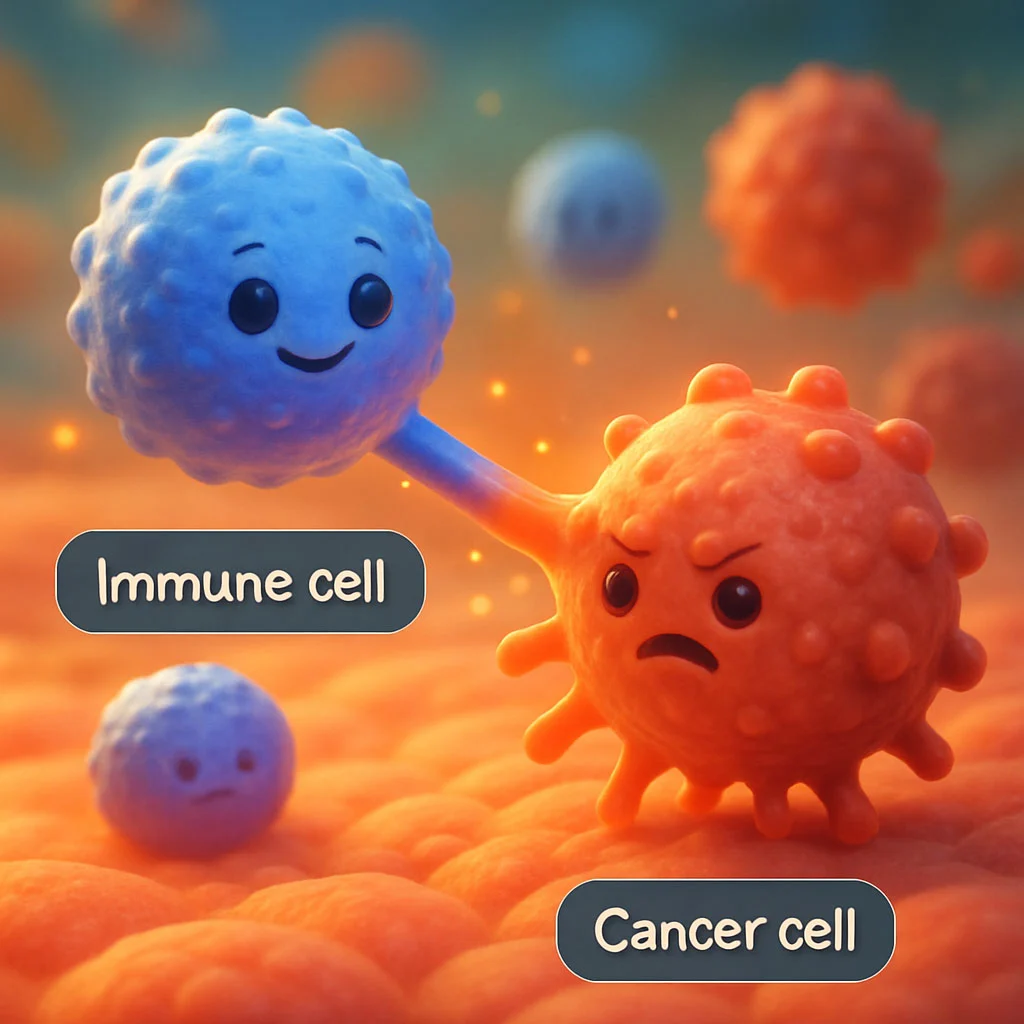
Instead of attacking the cancer directly, these therapies are designed to help the body’s own immune system recognize and respond to cancer cells more effectively. Cancer is particularly difficult to treat because cancer cells often look similar to normal cells, allowing them to avoid immune detection.
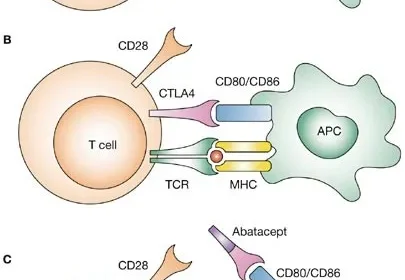
The newly approved therapy works by targeting specific immune pathways involved in how cancer hides from immune defenses. By adjusting this interaction, the immune system can better identify cancer cells as abnormal.
This approach is highly targeted.
It does not “boost immunity” in a general sense, and it does not activate the immune system indiscriminately.
That precision is exactly why:
- It works only for certain cancer types
- It is approved only for specific patient profiles
- It requires careful monitoring
Immune-based therapies represent a shift from broad treatment to biological specificity.
WHY THIS IS NOT A CURE (AND WAS NEVER PRESENTED AS ONE)
One of the most common misunderstandings following cancer-related approvals is the assumption that “approval” means “solution.”
It does not.
Cancer is not a single disease. It is a category of many diseases, each behaving differently depending on genetic mutations, location, stage, and patient health. A treatment that works well for one cancer subtype may have no effect on another.
The FDA approval of this immune therapy means:
- Clinical trials showed measurable benefit for defined patients
- Benefits outweighed risks in controlled settings
- The therapy met regulatory safety and effectiveness standards
It does not mean:
- Cancer is cured
- The therapy works for all cancers
- Existing treatments become obsolete
This distinction is critical. Regulatory agencies approve use cases, not hopes.
WHO THIS THERAPY IS ACTUALLY DESIGNED FOR
Cancer immune therapies are not prescribed based on symptoms alone.
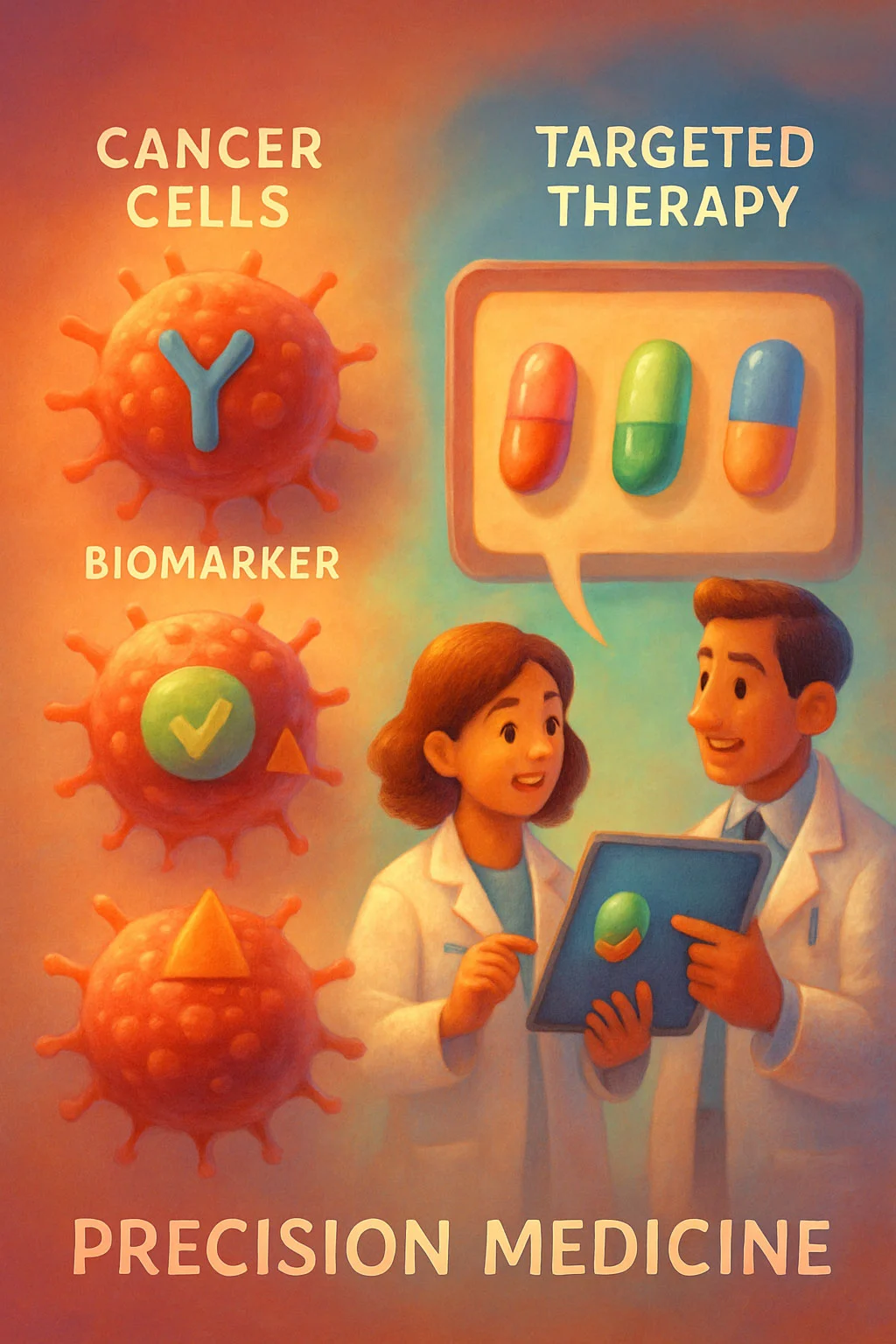
Eligibility typically depends on:
- Cancer type and subtype
- Genetic or molecular markers
- Stage of disease
- Previous treatment response
This means many cancer patients will never be candidates for this therapy, even though the headline may sound universally relevant.
This selective application is intentional. Immune-based treatments can be powerful, but they must be matched precisely to the biological characteristics of the cancer.
This is also why approvals often come with:
- Narrow indications
- Clear usage guidelines
- Ongoing post-approval monitoring
These safeguards are designed to protect patients, not limit access arbitrarily.
WHAT HEADLINES OFTEN LEAVE OUT
Headlines focus on what is new.
They rarely explain what is unchanged.
Even with this approval:
- Surgery remains critical for many cancers
- Chemotherapy and radiation are still widely used
- Long-term monitoring remains essential
New therapies are added to treatment strategies, not swapped in as replacements.
Understanding this prevents disappointment and unrealistic expectations, especially for patients and families navigating complex treatment decisions.
WHY FDA APPROVAL STILL MATTERS (EVEN WITH LIMITS)
Despite the limitations, FDA approval is not trivial.
It signals:
- Years of research and testing
- Demonstrated benefit in real patients
- Expansion of treatment options for difficult cases
Cancer treatment progress is cumulative. Each approval builds on previous discoveries, gradually improving outcomes over time.
This therapy may not help everyone – but for the patients it is designed for, it can meaningfully change disease management.
A REAL-WORLD PERSPECTIVE

In clinical settings, cancer treatment decisions are rarely based on a single breakthrough.
Doctors evaluate:
- Patient history
- Treatment goals
- Quality of life considerations
- Risk tolerance
For some patients, immune-based therapy may offer better symptom control or longer disease stability. For others, standard approaches remain more appropriate.
This individualized decision-making process is why medical progress cannot be reduced to a headline.
WHAT THIS MEANS FOR THE GENERAL PUBLIC
For most people reading the news:
- This approval does not change cancer screening guidelines
- It does not affect prevention strategies
- It does not replace early detection
The most effective cancer outcomes still come from:
- Early diagnosis
- Evidence-based treatment
- Continuous medical follow-up
New therapies expand possibilities, but fundamentals remain unchanged.
A MEASURED WAY TO READ CANCER NEWS
Cancer news is emotionally charged, and understandably so.
A useful framework for reading such headlines is to ask:
- Who is this actually for?
- What problem does it address?
- What remains the same despite this news?
These questions turn fear or hope into understanding.
Medical progress is rarely a single breakthrough. It is a sequence of carefully tested steps that benefit specific patients at specific times.
FINAL THOUGHT
Medical progress rarely arrives as a single moment.
It advances through careful steps, targeted approvals, and incremental improvements.
This FDA-approved immune therapy represents progress – not a promise of universality. Understanding its role allows the public to stay informed without being misled by oversimplified narratives.
FAQ
Is this new cancer immune therapy a cure?
No. FDA approval means the therapy demonstrated measurable benefits for specific cancer types and patient groups under defined clinical conditions. It does not mean the treatment cures cancer universally.
Who can receive this FDA-approved cancer therapy?
Eligibility depends on strict medical criteria, including cancer type, stage, biomarker presence, overall health status, and prior treatment history. Decisions are made by oncology teams based on clinical guidelines.
Does this replace chemotherapy or radiation?
No. Immune-based therapies are often used alongside chemotherapy, radiation, or targeted treatments. In many cases, they complement existing treatment plans rather than fully replacing them.
Why do cancer headlines sound more dramatic than reality?
Headlines simplify complex scientific and regulatory decisions. FDA approvals are cautious and limited to specific indications, but media summaries often highlight the breakthrough aspect without detailing the conditions and limitations.
Why is FDA approval still important if it helps only some patients?
Each approval expands the available treatment options and builds on previous research. Incremental advances improve survival rates and quality of life over time, even if benefits apply to specific patient groups.