
What do you do if your food is contaminated with bacteria or viruses? Do you throw it away and start over? Do you try to salvage what you can and serve it to your customers? Or do you just throw it out and hope that no one notices? Unfortunately, the last option is often the best option. It’s not fun to throw out perfectly good food, but sometimes it’s the only option.
You can prevent food contamination by starting from you:
- Clean Your Hands
- Wash Your Hands
- Keep Your Hands Away from Your Mouth
- Keep Your Hands Away from Your Eyes
- Keep Your Hands Away from Your Nose
- Don’t Let Your Hands Touch Anything
- Wash Your Hands After Handling Raw meat, eggs, milk, cheese, fruits and vegetables, fish.
Get to Know the Basics of Home Food Safety from contamination
A common misconception is that food can be contaminated at any point during the food production and distribution process. However, this is not always the case. Food contamination happens when microorganisms, such as bacteria, fungi, or viruses, enter into a food product. To avoid contamination, you must understand the basic steps involved in food production and distribution. This includes knowing how to prevent contamination in the first place.
What is contamination?
Food contamination can come from many sources. Some of these include:
- Improper storage of raw foods
- Inadequate cooking temperatures
- Contaminated water
- Dirty utensils
- Poor hygiene
- Cross-contamination
How can you avoid contamination?
- Store raw meats, poultry, seafood, and eggs in a refrigerator that is at or below 40 degrees Fahrenheit
- Cook all meats, poultry, seafood, and eggs thoroughly
- Keep utensils and surfaces clean and sanitized
- Don’t use raw meat, poultry, seafood, or eggs for raw salad toppings
- Wash your hands before and after handling raw meat, poultry, seafood, or eggs
- Use separate cutting boards for raw meat, poultry, seafood, and eggs
- Don’t use the same utensil to handle raw meat, poultry, seafood, and eggs
- Wash produces and other foods with clean hands before eating
- Rinse all fruits and vegetables thoroughly with clean running water
- Don’t eat raw or undercooked foods
- Don’t let children play with uncooked meats, poultry, seafood, or eggs
- Don’t let children put their hands in their mouths
- Wash hands immediately after playing in the garden
- Clean your kitchen regularly
- Keep your refrigerator clean and well-stocked
- Keep your freezer well-stocked
Learn the Basic Rules of Home Food Safety
Home Food Safety is a topic that every food handler should be aware of. In fact, it is the most important thing you can do to keep your family healthy. The goal of this lesson is to help you understand the basics of home food safety.
When it comes to food, there are many things that could go wrong. This includes the food itself, the preparation, storage, and serving of the food.
The best way to ensure that you are protecting yourself and your family from food-borne illnesses is to follow these simple rules of home food safety.
- Always wash your hands before and after handling food.
- Never let food touch your face or mouth.
- Keep food at room temperature.
- Store all raw foods in the refrigerator.
- Cook your food until the internal temperature reaches 165 degrees Fahrenheit.
- Keep food out of reach of children.
Create a safe and healthy kitchen to prevent food contamination
The best way to avoid food contamination is to create a safe and healthy kitchen. The kitchen is the most important place in the home, as it is where we prepare and consume food. A kitchen that is clean and free of harmful chemicals, toxins, and other contaminants can help prevent the spread of bacteria and viruses that can be dangerous to your health.
- Clean your kitchen. Wash all utensils, pans, and cutting boards.
- Make sure your refrigerator is clean.
- Keep your kitchen organized.
- Use good housekeeping habits.
- Wash your hands.
- Keep your kitchen free of clutter.
- Use proper food storage.
- Use common sense.
- Always keep your kitchen clean.
Keep an Eye Out for Common Food Contaminants
The biggest disadvantage to this method is that it is not always reliable. If you are looking for a specific food contaminant, it is best to search for the name of the contaminant on the internet. The reason why this method is not reliable is because the food industry has found ways to remove these contaminants. For example, they may add another ingredient to the food to hide the presence of the contaminant. Also, if the contaminant is in the form of a chemical, it may be destroyed during the processing of the food.
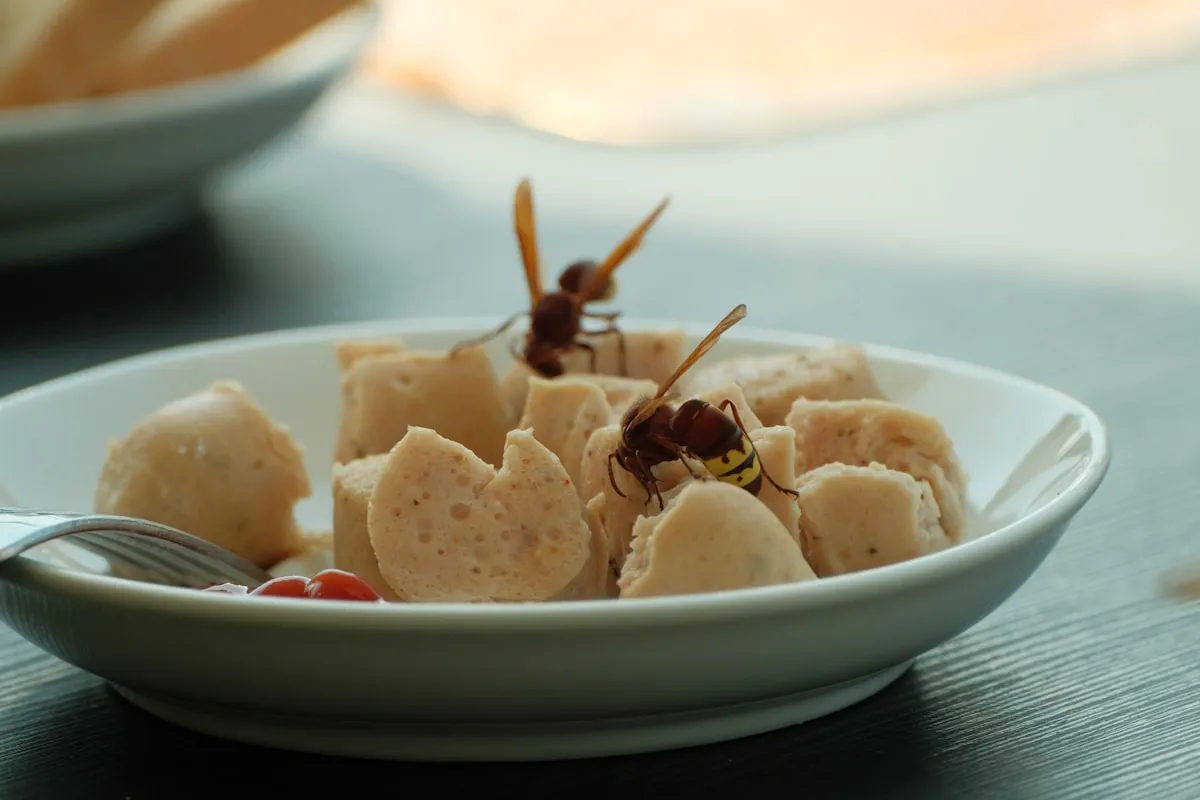
Food safety is a very important part of your diet. It is important to make sure that you are only eating foods that are safe and not harmful to your health. There are many different ways that food can be contaminated, including: Contaminated with chemicals. Contaminated with bacteria. Contaminated with parasites. And, even if the food is not contaminated, it may be tainted by something like an insect. So, it’s important to keep an eye out for common food contaminants and make sure that you are not eating anything that could harm you.
There are a number of food contaminants, including some that are very dangerous, that can be found in most grocery stores. The best way to avoid these is to make sure that you keep your eye out for them. For example, if you find any food items that have been recalled, don’t buy them. If you’re unsure about the safety of something, check with the manufacturer before buying it.
There are several food contaminants that should be kept in mind. These include pesticides, bacteria, parasites, and chemicals. It is important to keep an eye out for these because they can cause serious health problems.
Clean Up Your Kitchen After Meals
A kitchen is a busy place. It’s the hub of the home, where family members spend hours at a time preparing meals and snacks. The kitchen is also a dumping ground, where garbage accumulates. While it’s important to keep the kitchen clean and organized, it’s also important to keep the kitchen clean after the meals are done. A messy kitchen can be a real distraction. You may find yourself wondering what you should do next, or you may not know where to begin. If your kitchen is messy, here are some ways to clean it up.
- Sweeping the floor will help keep the kitchen clean. If the floor is already clean, sweep the area in front of the sink and the stove.
- Scrub the Countertops Scrub the countertops in the kitchen with a cleaning solution. To make a cleaning solution, mix one cup of vinegar with a gallon of water.
- Wipe Down the Cabinets Wipe down the cabinets with a wet rag. Make sure to wipe the insides of the cabinets.
- Clean the Dishes Clean the dishes in the kitchen. Use a sponge to scrub the inside of the sink.
- Clean the Stove Clean the stovetop with a cleaning solution.
- Clean the Refrigerator Clean the refrigerator. Remove the shelves and wipe the inside of the refrigerator.
- Clean the Oven Clean the oven. Remove the racks and clean the interior of the oven.
- Wipe Down the Sink Wipe down the sink with a clean cloth.
Store Food Properly avoid food contamination
There’s no such thing as “perfect” when it comes to food safety. But there are ways to minimize the risk of getting sick from eating food that was prepared or handled improperly.
These tips will help you keep your family safe from food poisoning:
- Use proper storage: Store your food properly. Don’t store your food in the refrigerator for more than two days. Use a refrigerator thermometer to make sure your food is at the right temperature.
- Keep your food clean: Wash all your produce, including fruits and vegetables. Wash your hands before preparing or eating your food.
- Keep your food out of the sun: The sun can cause the growth of bacteria, which can then contaminate your food.
- Cook your food: Cook your food thoroughly. Always cook your food until it’s completely done. Never eat food that looks, smells, or tastes bad.
- Use proper cooking utensils: Use proper cooking utensils to make sure your food is cooked thoroughly. If you’re using a microwave, use a microwave-safe container.
- Be careful when opening your refrigerator door: Be careful when opening your refrigerator door. Don’t open your refrigerator door unless you know what’s inside.
Final Thoughts on Creating a safe and healthy kitchen to prevent food contamination
One of the most common food contamination problems that occurs in the home is when raw meat or poultry is left out on the counter and then touched by someone else. If this happens, the person who has handled the meat could be at risk of getting sick. There are several ways that you can prevent food contamination at your home. First, make sure that the meat is properly refrigerated. Second, make sure that the meat is not exposed to other foods. Third, wash your hands thoroughly after touching the meat.
In conclusion, there are a number of things that you can do to keep your kitchen clean and safe. Some of these are obvious while others are not. The first thing that you need to do is to have a good understanding of how bacteria can grow in your kitchen. This will help you to understand the importance of having clean surfaces, utensils, and equipment. You should also understand that bacteria can grow on anything that is touched by humans. To prevent food contamination, you should avoid touching raw meat and other foods that you haven’t cooked yet.

Did you miss our previous article…?
https://expertsguys.com/?p=13321