
How to Reinvent Your Are Home Gardens Without Planting
Gardening, whether you’re growing fresh herbs, edible flowers or produce for your kitchen table, can be one of the most rewarding home projects. But before you begin planting anything, take into account your local climate and conditions.
Research has demonstrated that gardens can significantly enhance food security and nutrient intakes in households and communities. Furthermore, they increase soil carbon and reduce food packaging, refrigeration and transportation emissions.
1. Create a Gardenless Garden
If you don’t have enough outdoor space or a balcony or veranda to create the garden of your dreams, there are plenty of ways to reinvent it without planting anything. Whether you want a tranquil, minimalist escape or something vibrant like a tropical getaway, these tips can help bring your outdoor sanctuary alive in an effective and practical way.
One of the best ways to reinvent your garden is by reducing the amount of maintenance necessary for keeping it healthy and weed-free. To achieve this goal, select plants with lower maintenance requirements – think large areas of evergreen shrubs and fewer flowering varieties.
Another great option is to grow vegetables, herbs and flowers in containers on your patio, back deck or even sidewalk. Not only does this save money and help cut down on grocery bills, it’s also a great opportunity for you to get dirty and learn how to nurture plants without breaking the bank.
Rob Woodruff, a Texas resident and manager of a lodge in the Texas mountains, loves to garden for fresh ingredients in his kitchen. Tomatoes are especially important to him since they’re easy to grow even without an outdoor space. These tasty fruits can be used for grilling on the barbecue, adding flavor to kabob dishes or as main ingredients in soups and sauces.
When growing your own produce, the most important thing to remember is not to overwater it. Doing so will reduce yield and may negatively affect taste of what you’re growing; therefore, limit watering only when necessary.
For parents with young children, creating a play area in your garden that doesn’t take over the entire yard can be beneficial. This way, you can keep an eye on them while providing them with a safe and welcoming space to run around in while keeping it out of sight and mind while you tend to other aspects of gardening in other parts of your garden.
2. Reimagine Your Balcony
Balconies have been a welcome perk for years, but now that the sun is out longer and temperatures are starting to rise, it’s time to elevate your outdoor space. With some simple changes and creative ideas, your balcony can become an oasis of comfort and serenity.
Before selecting any plants for your balcony, it’s essential to assess its growing conditions. Your balcony’s weather and light conditions will determine which types of plants thrive there, so before heading out to the garden center take note of what would work best in there.
If your balcony is exposed to direct sunlight, consider planting herbs like mint and thyme which thrive in full or partial sun. These can be combined with plants that need more direct exposure like flowers and fruits for extra flavor and colour.
You can also opt for low-maintenance grasses that look lovely in raised planters. Blue oat grass (Helictotrichon sempervirens) features steely-blue leaves and straw-colored plumes that provide shelter on windy days. Pair these grasses with evergreens like eryngium and santolina, or alongside mounded evergreens to provide texture contrast.
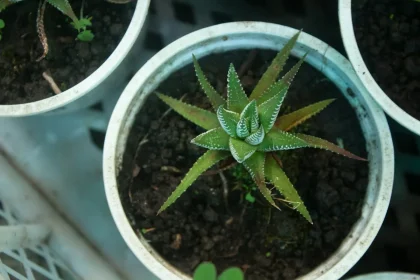
Succulents make ideal balcony plants, as they thrive in high temperatures and require little watering. Tropical plants like alocasia or bananas can add a jungle-like aesthetic without needing to invest in an extensive garden.
Reimagining your balcony requires creativity and innovation. Ula suggests creating different ‘zones’ on your terrace which would make it more inviting to sit in, as well as using planters and hanging baskets to define spaces.
You can also adorn your balcony with extra decor, such as small tables, floor pillows and folding furniture. Doing so will make the space more functional so that you spend less time worrying about its condition and more time enjoying it!
Add some flair to your balcony with colorful accents, such as a rug. You could also hang lanterns, lights or garlands from the railings for added visual interest.
3. Create a Wildlife Oasis
Create a wildlife haven in your backyard, balcony or other outdoor space as an important way to combat the loss of natural habitats worldwide. Biologists say habitat loss is the number one threat for our beloved wildlife; if you want to give nature a home, it’s not too late! Make your yard an oasis for birds, butterflies and other beneficial creatures by creating an area of peace, beauty and serenity for them.
A healthy habitat provides animals with four essential elements for survival: food, water, shelter and space. These can be provided through landscape design that incorporates native plants, feeders and other structures like birdhouses or nest boxes.
Planting native plants in your landscape provides wildlife with nectar, fruits, foliage and berries they need for survival. Select species that require minimal care and upkeep while being adapted to the climate where you live.
It’s also beneficial to include plants that attract bees, butterflies and other pollinators, such as coreopsis or wildflowers. Studies have demonstrated these species to be more effective at attracting pollinators than non-native species and require minimal upkeep.
Consider creating a rain garden to improve drainage and erosion control, then creating spaces where you can plant trees, shrubs or flowers that provide shade and shelter. This is an effective way to make your yard more inviting in dry climates.
Another way to attract wildlife is by adding features that appeal to them, like a fountain or bird bath. This could be an individual, freestanding element or part of larger systems like water gardens.
A well-designed pond can provide a safe haven for various wildlife species. Birdbaths that remain full with fresh water at all times will be especially appreciated by birds, while artificial burrows provide places for turtles and rabbits to nest or find cover.
A wildlife oasis is an easy and cost-effective way to provide a secluded haven for birds, insects and other small creatures. It’s also an excellent opportunity for children to become involved in nature while increasing their knowledge about their environment.
4. Turn Your Garden into a Lab
Are you looking to instill in your kids an appreciation of food science and the environment? Consider turning your garden into an educational lab! Many resources exist, such as the popular Lab for Kids series of books which provide hands-on activities designed to develop creativity, observation skills, and an understanding of biology and chemistry.
One such activity is cultivating lactic acid bacteria (LAB). These organisms are prevalent throughout nature and can easily be harvested from plants and cultured in water for homemade yogurt or cheese.
Making yogurt or cheese requires only basic ingredients and some patience. First, culture your LAB in a water-based solution which you can do using a spray bottle. Make sure the solution remains cool, dark, and dry; but don’t move it around too much otherwise spoilage may occur.
Another step is to soak your LAB in a sterile solution such as vinegar or apple cider vinegar for three days. This process should allow the bacteria to culture.
Additionally, adding vinegar to your plants’ soil will give them beneficial microorganisms that promote health and happiness. As a knowledgeable gardener, you should always seek ways to enhance growth with these types of bacteria in place; adding them only adds to the fun you have while gardening!
Aside from teaching your children science, a garden can also serve as a classroom. Here, students can gain more insight into math and physics concepts through the study of plants and other organisms growing in your backyard. Furthermore, gardens serve to promote nutrition – particularly in schools with limited access to fresh fruits and vegetables for pupils.
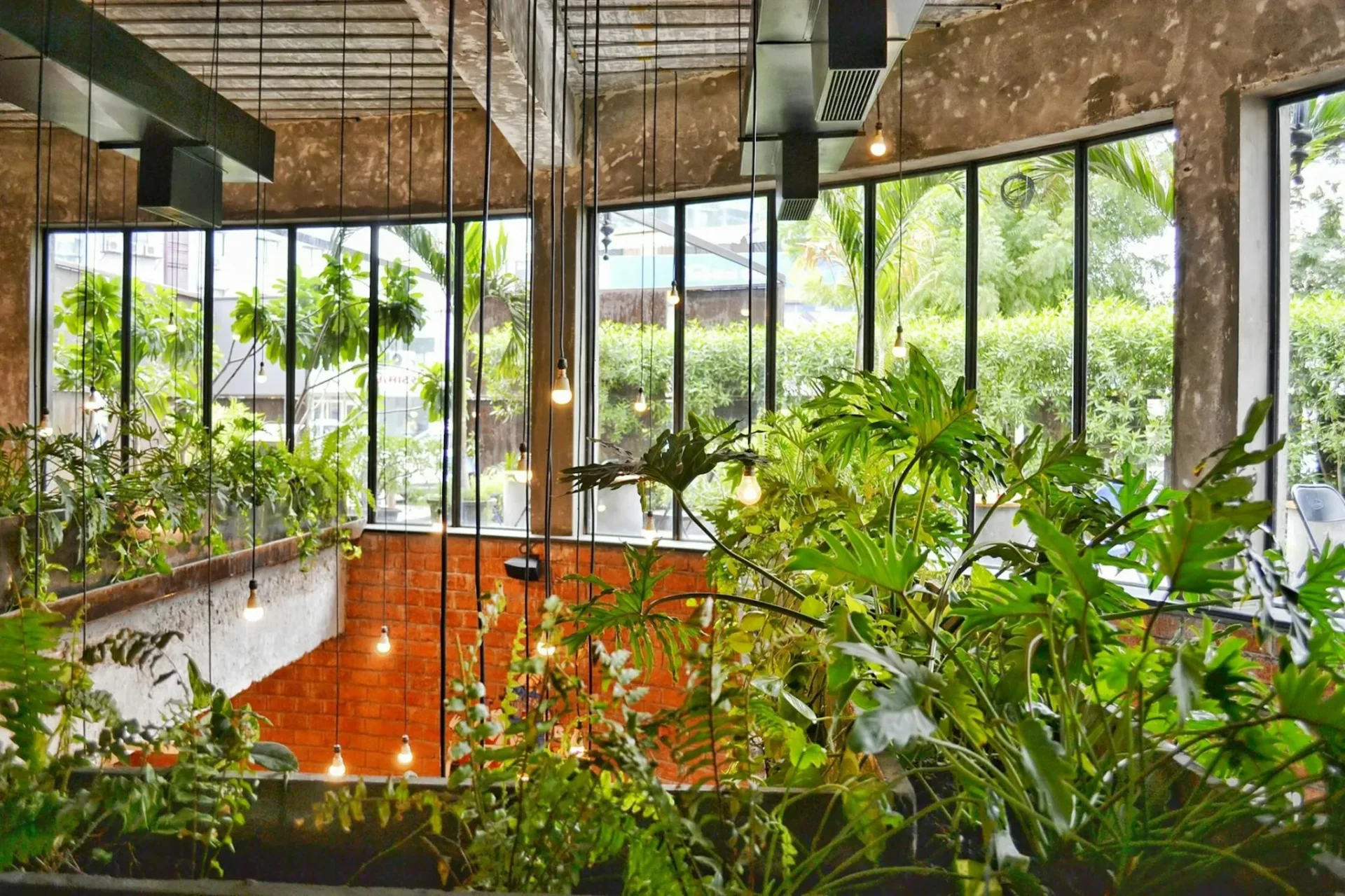
Tim Miner of Buffalo, Wyoming runs an afterschool program called Edible Learning Lab where students discover the science behind food production from soil to table. This music room in a basement features vertical gardens, LED lights hanging from pulleys and raised beds filled with lush greenery.