
AI is changing how people invest – but beginners often feel overwhelmed by stock picks, trading bots, and market noise.
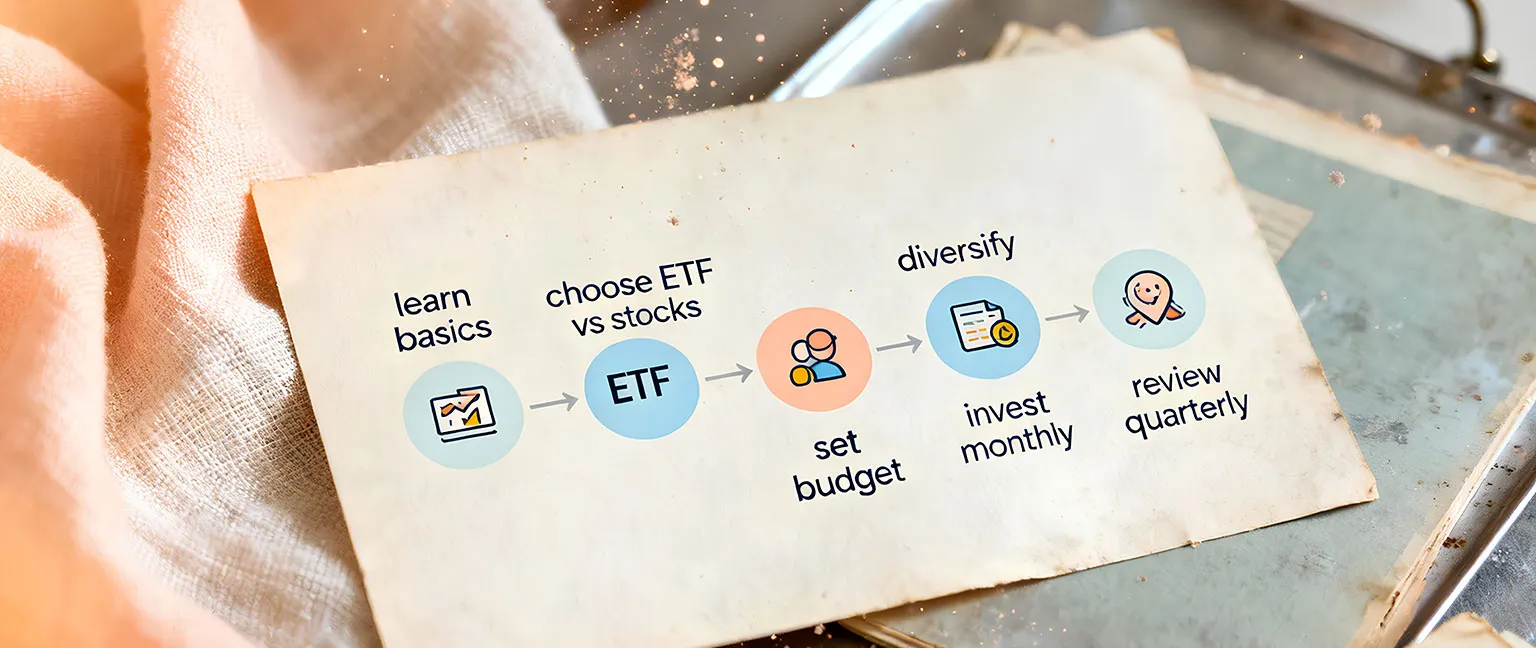
This step-by-step guide shows you how to start AI investing safely, without guessing, and without needing advanced knowledge.
If you’re new to the topic, start here: 👉 AI Basics.
Financial decision-making is just one example within the broader spectrum of AI use cases that show how artificial intelligence is used across industries.
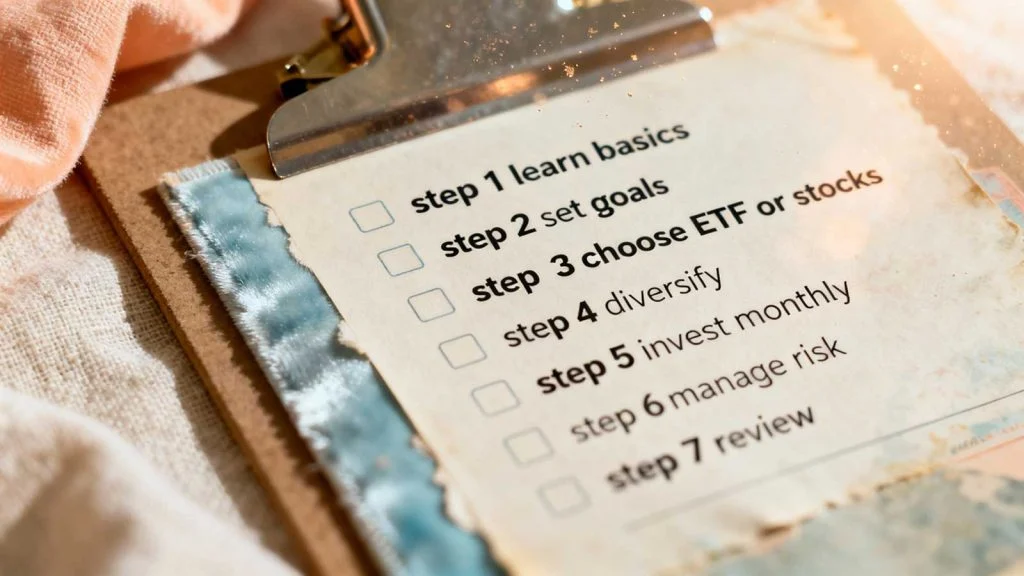
Step 1 – Understand What “AI Investing” Really Means
AI investing usually means you invest in companies that benefit from:
- AI chips
- cloud infrastructure
- AI software
- robotics & automation
- data platforms
Here’s how AI is used in real investing decisions.
Step 2 – Choose Your Path: AI ETFs or AI Stocks
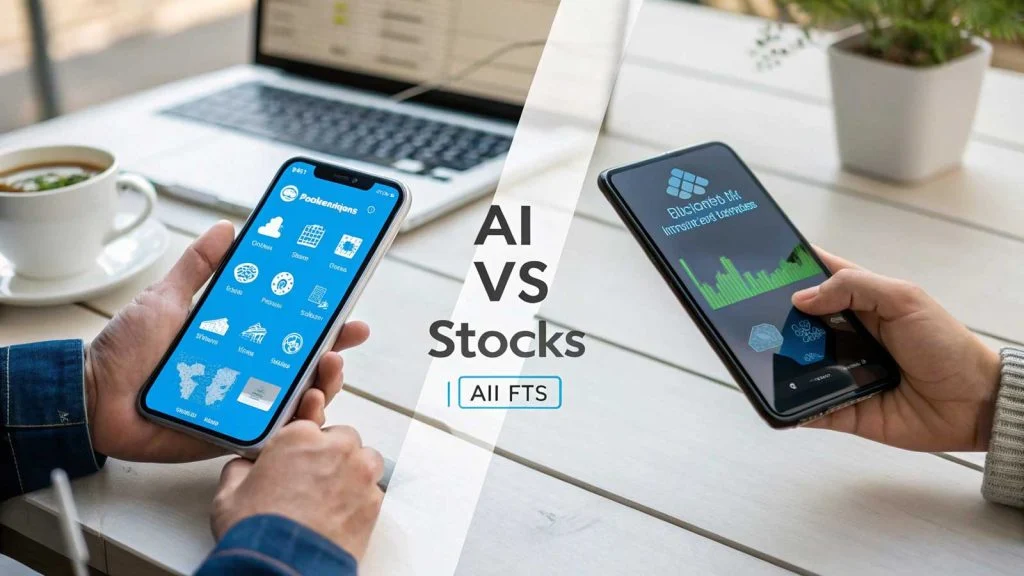
Most beginners start with AI ETFs because ETFs:
- spread risk
- include many companies
- reduce emotional mistakes
AI stocks can deliver higher upside, but are more volatile.
Not sure which one fits you? Read AI Stocks vs AI ETFs.
If you prefer lower risk, begin with AI ETFs.
Step 3 – Set a Beginner Budget (Start Small, Invest Monthly)
Beginners win by consistency:
- invest monthly
- avoid all-in entry
- focus on time in the market
Step 4 – Diversify (Even Within AI)
AI has cycles. A strong beginner portfolio spreads across:
- hardware
- software
- infrastructure
- applications
Step 5 – Risk Management Rules Beginners Must Follow

Simple rules:
- don’t invest money you need soon
- avoid overconcentration
- don’t chase hype
- limit single-stock exposure
AI is powerful but not perfect – learn its limitations.
Step 6 – Avoid AI Trading Bots Until You’re Ready
AI bots can be helpful, but they amplify mistakes if you don’t understand risk.
If you’re curious, read the full AI trading bot guide here.
Step 7 – Review Quarterly, Not Daily
Beginners should review:
- quarterly rebalancing
- ETF holdings changes
- long-term trend alignment
Daily checking creates emotional trading.
FAQ – AI Investing for Beginners
Is AI investing safe for beginners?
AI investing can be relatively safer for beginners when starting with diversified AI-focused ETFs and applying clear risk control rules such as position sizing and long-term discipline.
Should I buy AI stocks or AI ETFs?
Beginners often start with AI ETFs for diversification and lower volatility exposure. Individual AI stocks can be added later once risk tolerance and market understanding improve.
How much do I need to start?
You can begin with a small amount and invest consistently on a monthly basis. The key factor is consistency and risk management rather than starting capital size.
Do I need a trading bot?
No. Beginners are generally better served by focusing on long-term investing strategies and understanding fundamentals before considering automated trading tools.